15 Fiber-Rich Foods to Keep in Your Kitchen for Better Gut Health
Did you know that 95% of people don’t get enough fiber in their diet? That’s a huge number, especially considering that experts call fiber the closest thing we have to a superfood. While protein gets most of the attention these days, fiber quietly does some of the hardest work in the body, feeding the gut bacteria that influence everything from digestion to mood.
Microbiome scientists and dietitians point to fiber as one of the most reliable ways to lower the risk of heart disease, type II diabetes, and colorectal cancer. Research shows that adding just five grams of fiber a day can reduce the risk of death from all causes.
The aim for most adults sits at around 25 to 38 grams of fiber per day, and the good news is that hitting it doesn’t require eating salad at every meal. The smarter approach is stocking your kitchen with foods that pack a fiber punch across breakfast, lunch, dinner, and snacks.
Here are 15 fiber-rich foods worth keeping on hand, with a look at what each one offers and how to actually work it into your meals.
1. Green Peas
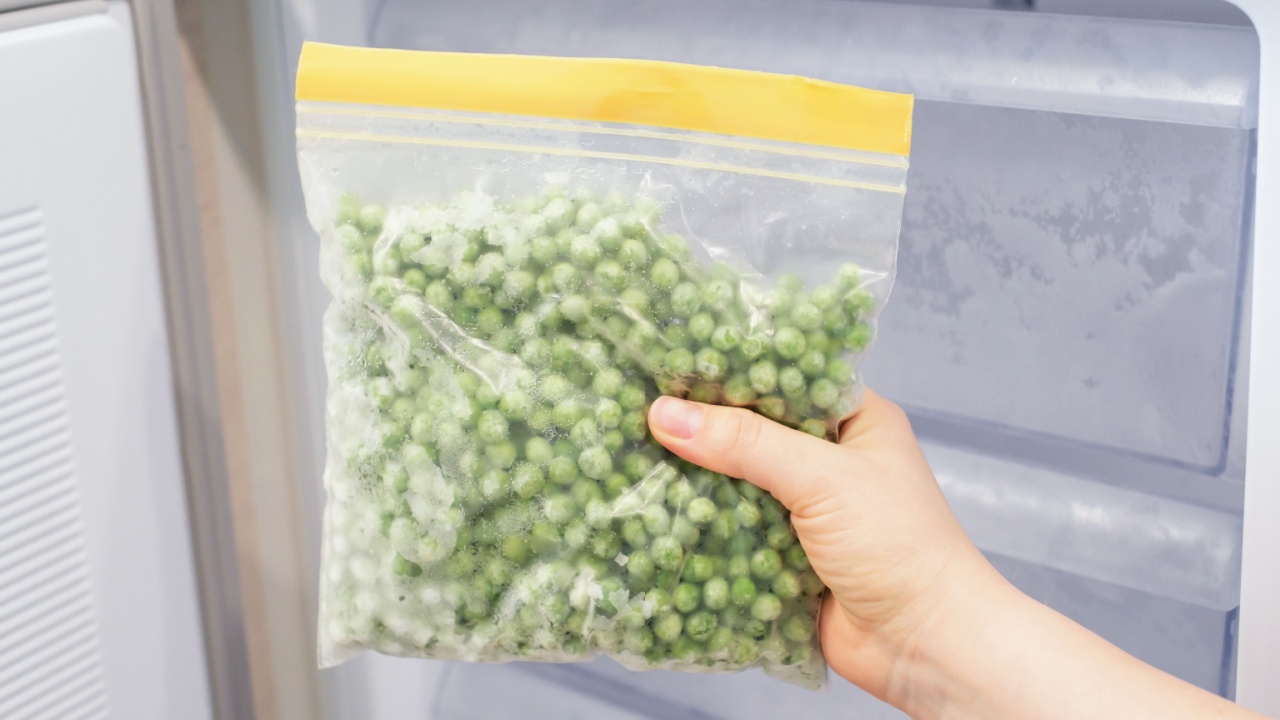
Green peas are one of the most underrated fiber sources you can stash in your freezer. According to the Mayo Clinic, a single cup of boiled peas delivers nine grams of fiber along with 8.5 grams of plant-based protein, making them a strong choice for anyone eating less meat.
They’re also rich in vitamins A, K, and C, and their high antioxidant content helps combat oxidative stress in the body.
Their natural sweetness means they fold easily into pastas, risottos, soups, and grain bowls without much effort. Keep a bag in the freezer and toss a handful into almost any hot dish during the last few minutes of cooking. You can also mash them with mint and lemon juice for a fresh dip or blend them into a vibrant, nutrient-dense soup.
2. Pears
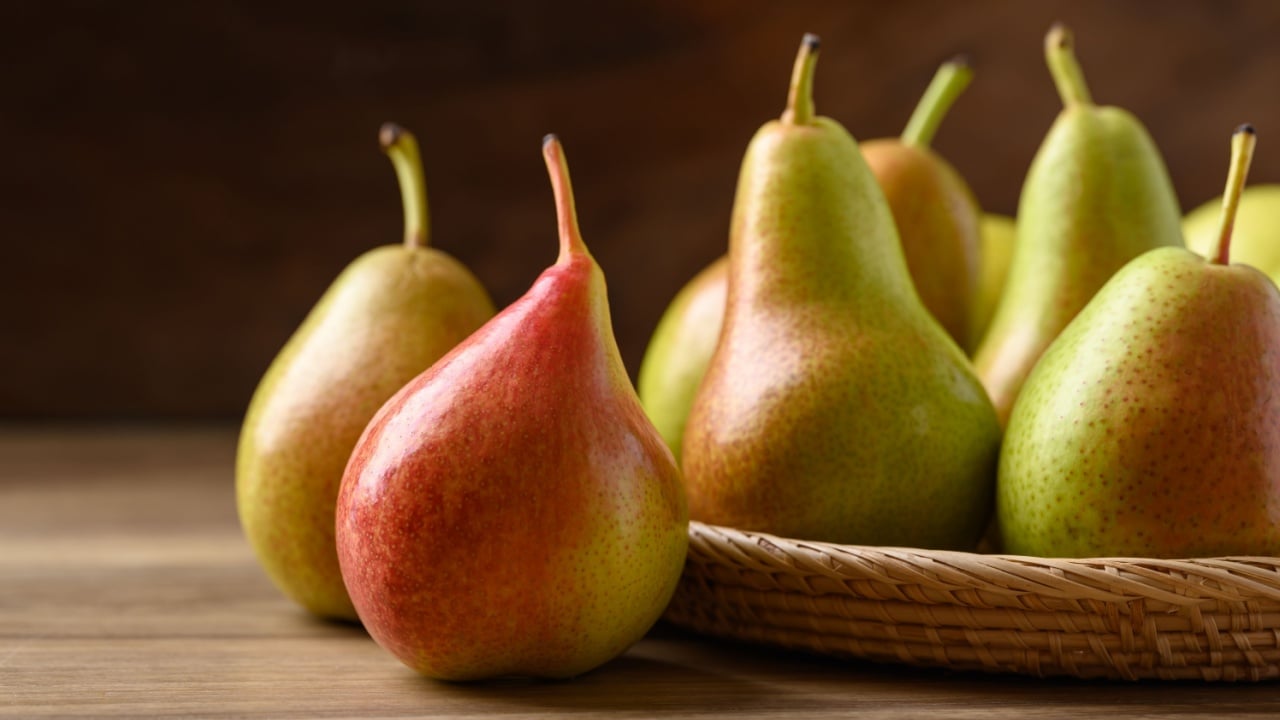
Pears earn their spot thanks to a generous fiber content of more than six grams in a single medium fruit, much of it concentrated in the skin. This includes both soluble fiber, which helps lower cholesterol, and insoluble fiber, which supports regular bowel movements.
They’re also rich in antioxidants like flavonoids, which support the body’s defenses against inflammation. Pears, combined with their natural fructose and sorbitol content, can create a gentle laxative effect, which makes them helpful for keeping digestion regular.
Eat them fresh as a snack, slice them onto oatmeal, or pair them with cheese and nuts for a quick afternoon bite. For a more sophisticated twist, try roasting them with cinnamon or poaching them in spiced wine for a healthy dessert.
3. Apples
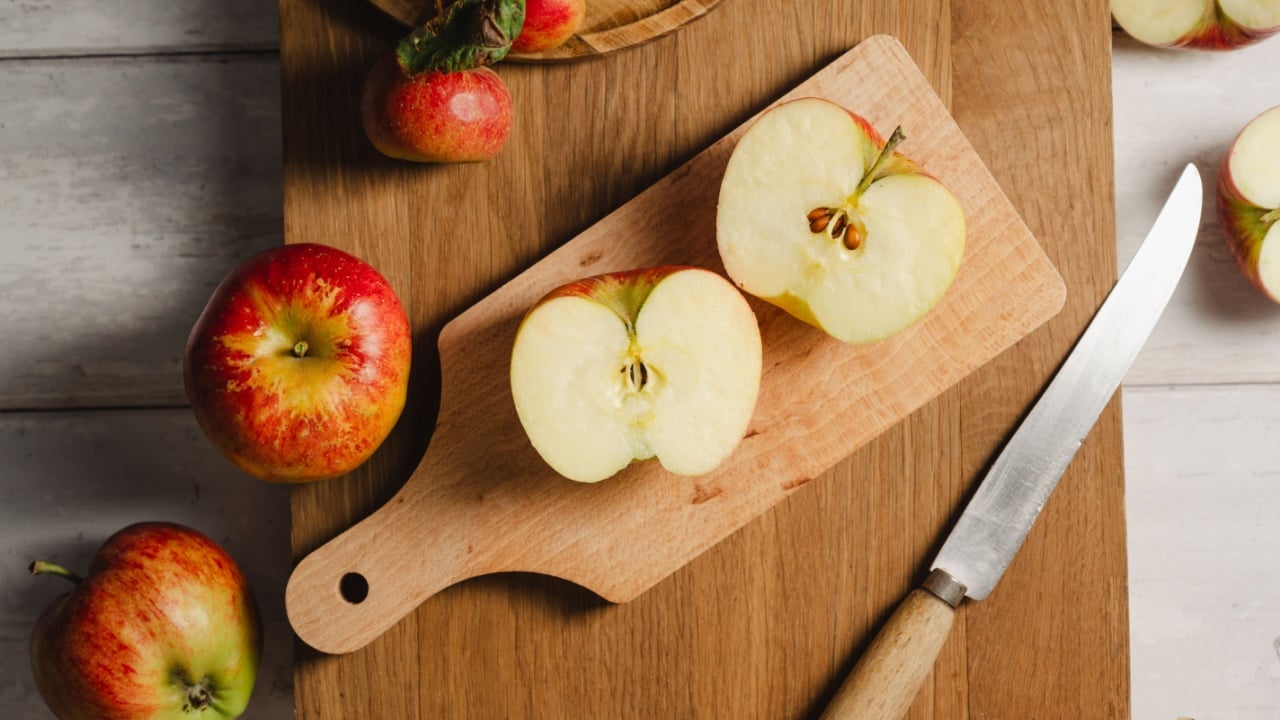
Apples are a classic for a reason, offering vitamin C, antioxidants, and a water content of around 85% that helps with hydration. They contain a type of soluble fiber called pectin, which acts as a prebiotic to feed beneficial gut bacteria.
The catch is that you need to eat them with the skin on, since that’s where much of the fiber and anti-inflammatory benefits live.
The antioxidants in apples, such as quercetin, have been linked to heart health and lower inflammation. They are also incredibly versatile. Keep a bowl of them on the counter for grab-and-go snacking, chop them into salads and yogurt for added texture, or bake them into crisps and crumbles.
4. Lentils
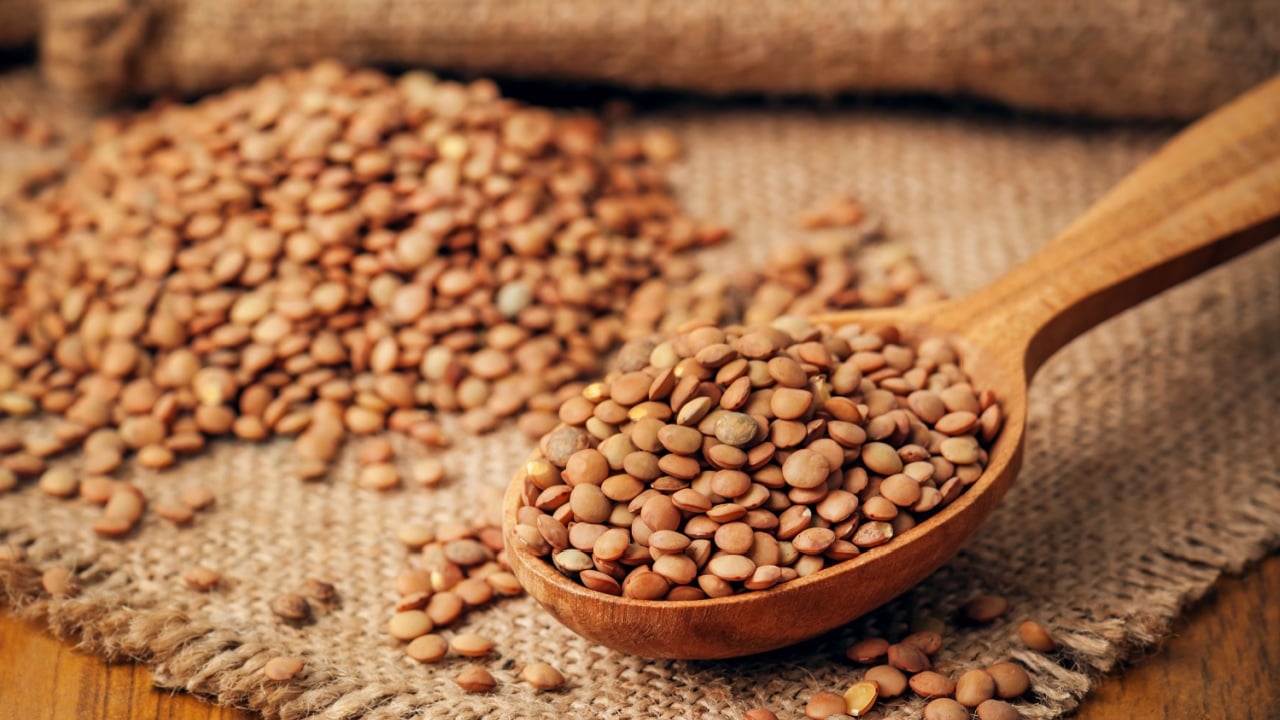
Lentils are a powerhouse worth keeping in your pantry at all times. A cup of cooked lentils brings around 15.5 grams of fiber according to the Mayo Clinic, along with an impressive 18 grams of protein per serving, making them one of the most nutrient-dense legumes available.
They are also an excellent source of iron, folate, and magnesium. They cook quickly compared to most dried legumes and soak up whatever flavors you cook them with.
Build them into soups, stews, curries, and salads, or use them as a hearty base in place of meat for a filling meal. Red lentils break down to create creamy dals, while green and brown lentils hold their shape well in salads and side dishes.
5. Black Beans
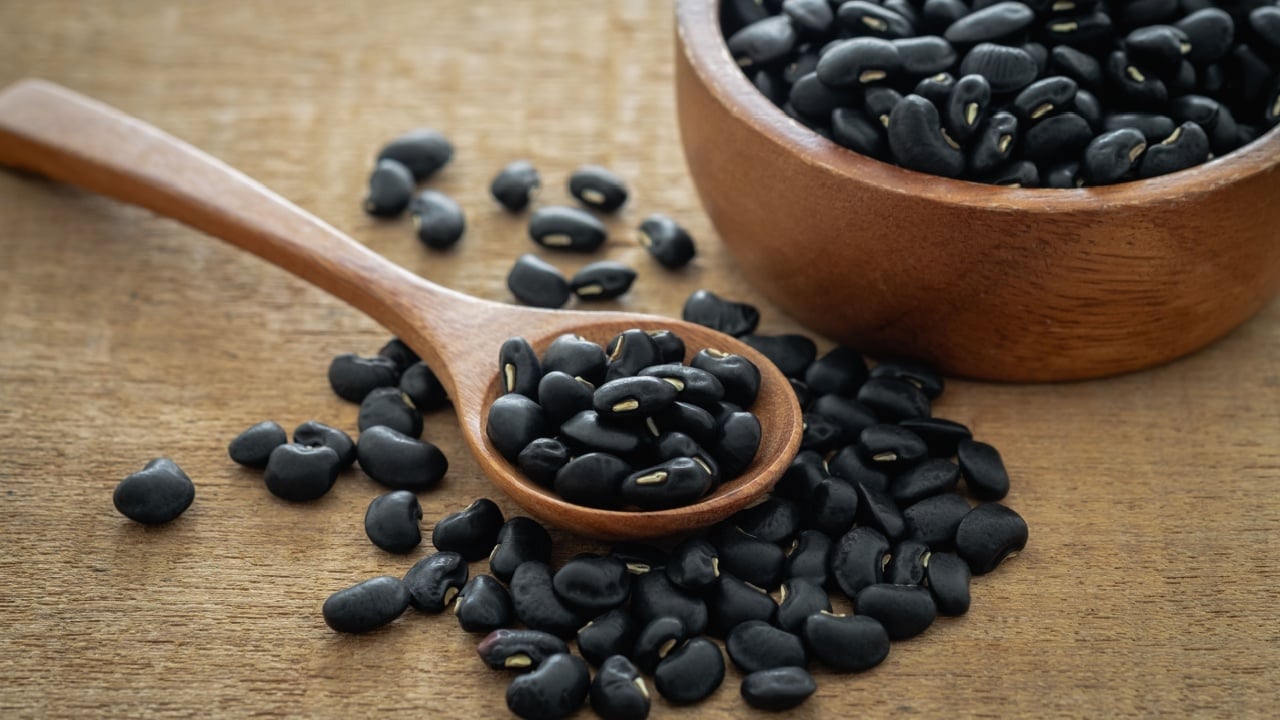
Black beans stand out as both a fiber source and one of the most potent sources of polyphenols, a group of antioxidants that also feed your gut bacteria.
Eating one cup a day has been shown to increase gut bacteria diversity and lower inflammation. This single cup provides over 15 grams of fiber and 15 grams of protein.
They contain a prebiotic fiber called galacto-oligosaccharides that specifically nourishes the good bacteria in your gut. Affordable and easy to keep stocked in cans or dried form, they work beautifully in tacos, chilis, soups, and grain bowls. You can even blend them into brownies for a secret, fiber-rich ingredient that adds moisture and density.
6. Prebiotic Vegetables
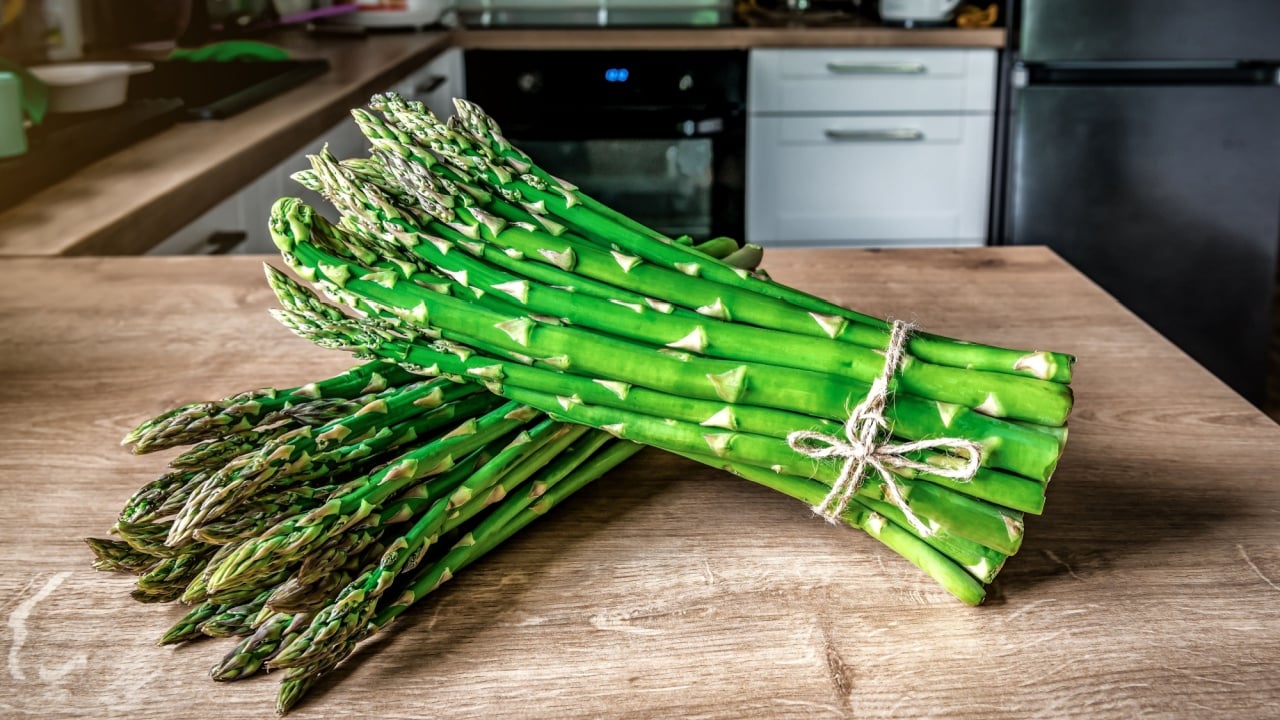
Certain vegetables contain prebiotic fibers that directly feed your good gut bacteria, and these deserve a permanent place in your kitchen. Garlic, onions, leeks, Jerusalem artichokes, and asparagus all fall into this group.
These fibers, like inulin and fructans, bypass digestion and travel to the colon, where they become fuel for beneficial bacteria like Bifidobacteria and Lactobacilli.
Because garlic and onions form the base of so many dishes, they’re an easy way to sneak in gut-friendly fiber without any extra steps. Build them into the foundation of soups, sauces, and roasted vegetable trays for flavor and benefit at once.
7. Pumpernickel Rye Bread
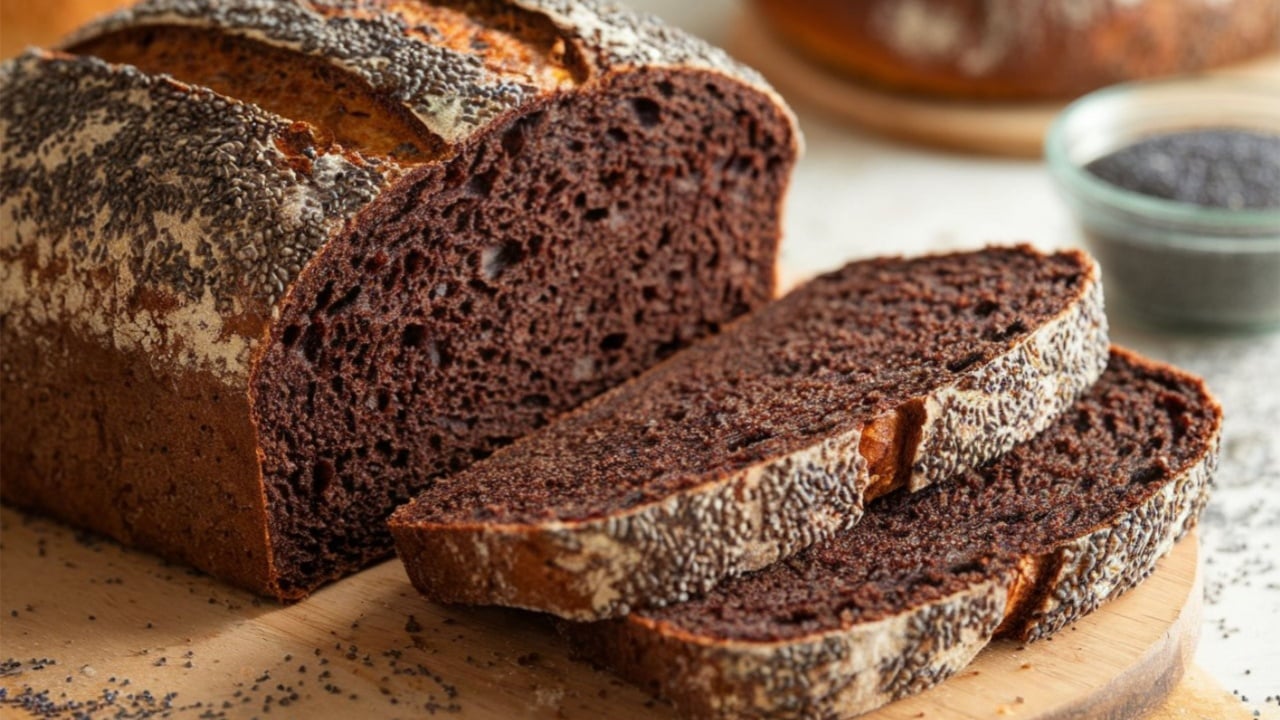
For bread lovers, swapping standard loaves for pumpernickel rye is one of the simplest upgrades available. Just one slice can contain 2 grams of fiber, which feeds your gut bacteria and keeps you feeling full and energized for longer due to its slow-releasing carbohydrates.
Traditional pumpernickel is made from whole rye grains, making it a true whole-grain option. Use it for your usual sandwiches and toast, where it delivers far more fiber than white or even many wheat breads.
Its dense, hearty texture also pairs well with strong flavors like avocado, nut butter, smoked salmon, or sharp cheeses. Look for loaves made with a sourdough starter for additional gut health benefits.
8. Raspberries
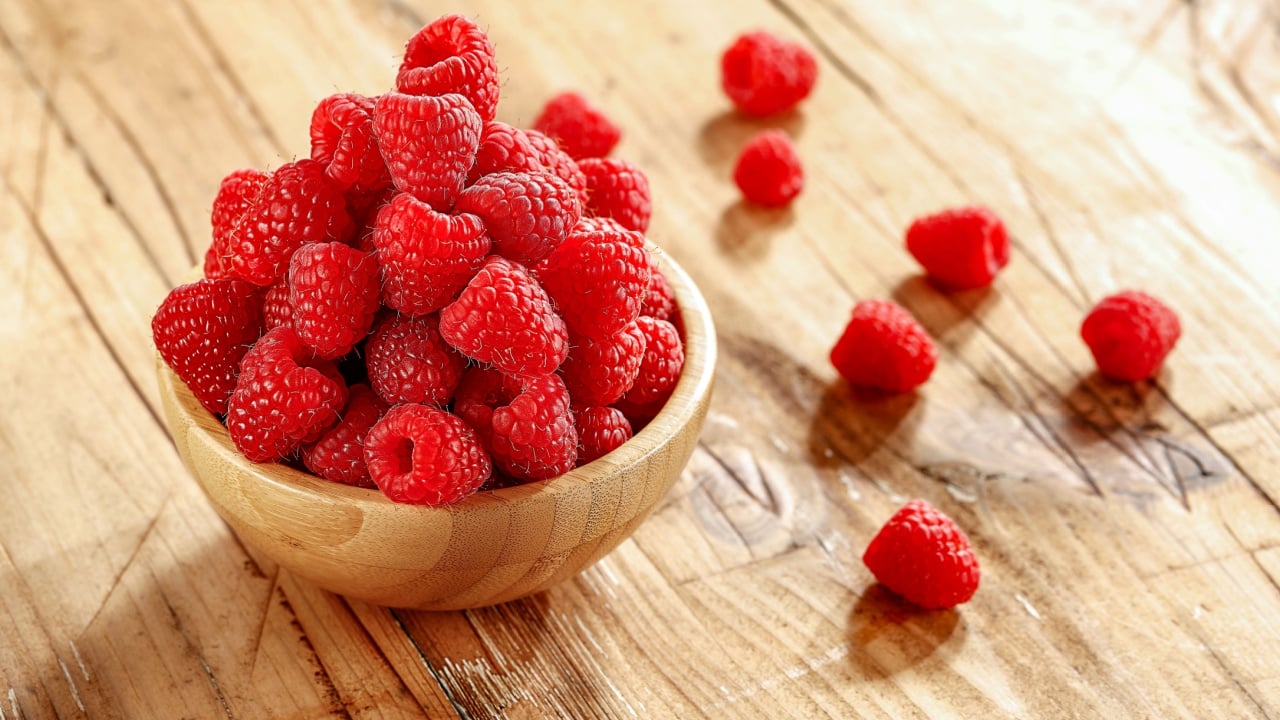
Raspberries pack a surprising amount of fiber (about eight grams per cup) thanks to their tiny seeds, alongside antioxidants, vitamin C, and a low sugar content. The specific antioxidants, known as anthocyanins, give them their vibrant color and have been linked to reduced inflammation and improved brain health.
That combination makes them one of the smartest fruits to keep in your fridge or freezer. Stir them into morning yogurt or porridge, eat them on their own, or fold them into desserts for a sweet finish.
You can also blend frozen raspberries into a smoothie for a quick fiber boost. Strawberries, blueberries, and blackberries offer similar fiber benefits, so rotating between them keeps things interesting.
9. Whole Grains
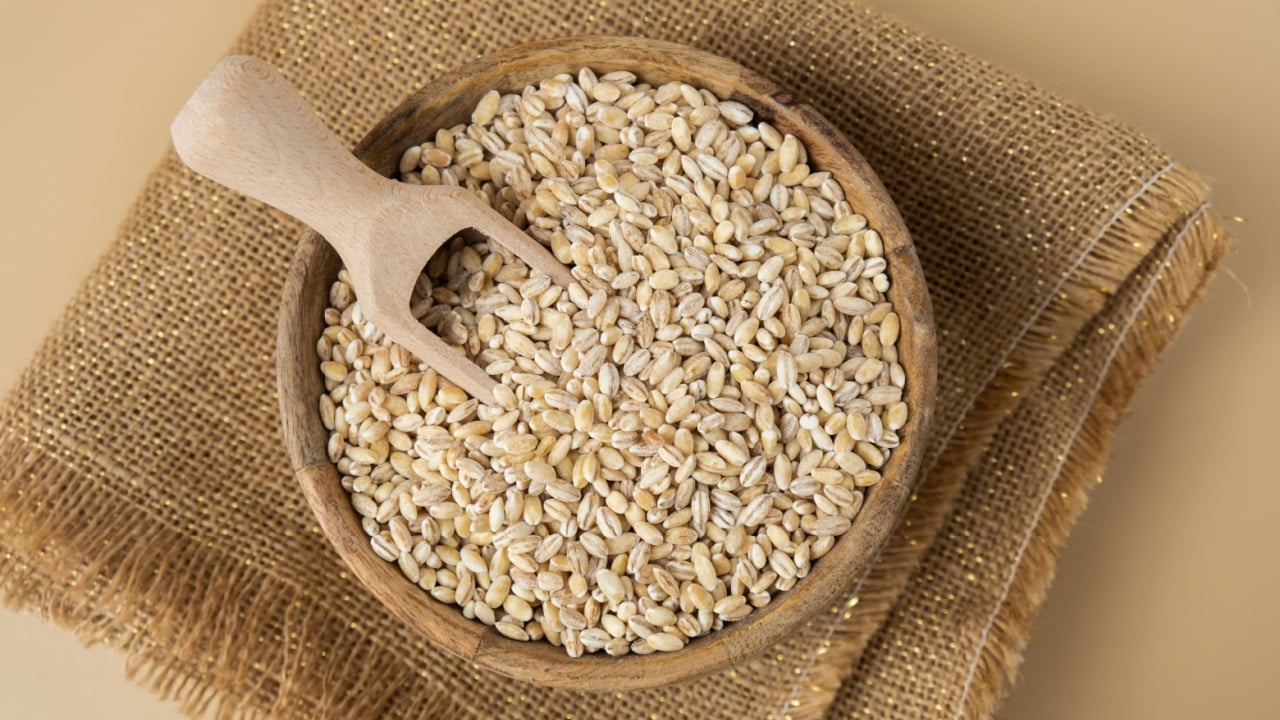
Whole grains are widely underused, partly because many people aren’t sure what counts as one. Options like buckwheat, spelt, barley, and quinoa are excellent for boosting fiber and tend to be deeply satisfying.
Unlike refined grains, they retain all parts of the grain kernel (the bran, germ, and endosperm), providing more fiber, vitamins, and minerals.
They work well as a swap for traditional carbs like white rice or pasta, adding both texture and staying power to a meal. Cook a big batch at the start of the week and use it as a base for bowls, salads, and sides. Barley is fantastic in soups, quinoa makes a great high-protein salad base, and buckwheat can be used for pancakes or savory kasha.
10. Avocado

Avocado contains more fiber than most fruits and vegetables (about 10 grams in a medium-sized fruit) while also supplying the healthy monounsaturated fats that support metabolic and heart health.
Eating avocado daily has been shown to raise levels of beneficial short-chain fatty acids and keep you feeling full longer.
Its creamy texture makes it endlessly adaptable across meals. Spread it on toast, mash it into dressings and dips like guacamole, slice it onto salads, or blend it into smoothies for a rich, satisfying result. It can even be used as a dairy-free base for chocolate mousse or ice cream.
11. Chia Seeds
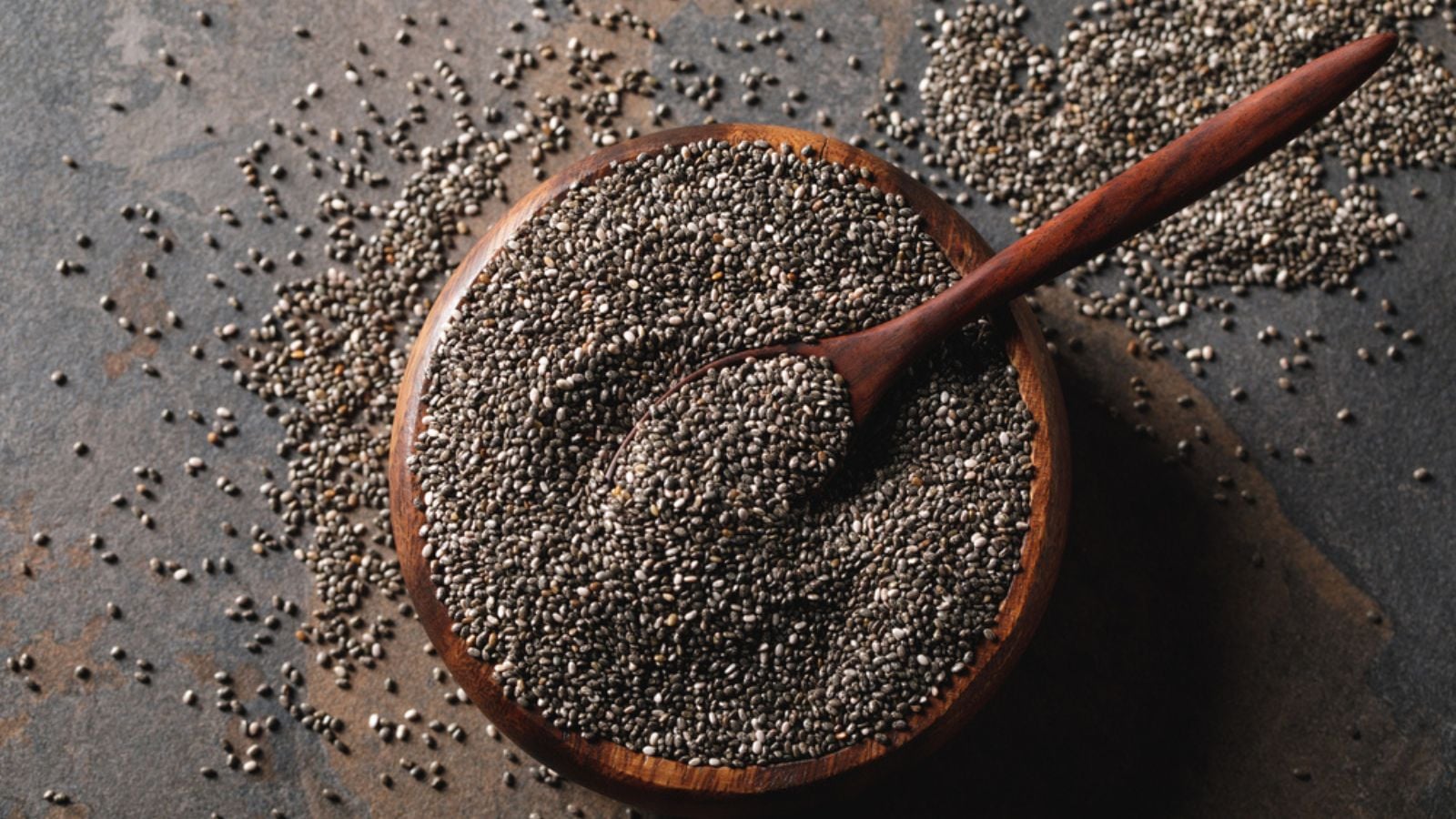
Chia seeds are one of the most fiber-dense foods around, containing roughly 10 grams of fiber in just a two-tablespoon serving. Most of this is soluble fiber, which forms a gel-like substance in your gut, slowing digestion and promoting feelings of fullness.
They are also a great source of omega-3 fatty acids and plant-based protein. Sprinkle them over berries and Greek yogurt, stir them into oatmeal, or soak them overnight in milk or a plant-based alternative to make chia pudding.
Mixing different seeds and nuts into both sweet and savory dishes is an easy habit that adds up quickly across the day. You can also use them as an egg substitute in baking by mixing one tablespoon of chia seeds with three tablespoons of water.
12. Cruciferous Vegetables

This large vegetable family includes broccoli, cauliflower, cabbage, kale, brussels sprouts, and collard greens. They’re known for high antioxidant and anti-inflammatory properties thanks to a compound called sulforaphane, and they contain both soluble and insoluble fiber for comprehensive digestive support.
A single cup of chopped broccoli, for instance, offers about 2.5 grams of fiber.
It’s worth noting that how you cook these vegetables can change their fiber content, so varying your methods between raw, steamed, and roasted is a smart move. Roasting brings out their natural sweetness, while steaming preserves more nutrients.
13. Popcorn

Popcorn is proof that a snack can be both fun and genuinely good for you. Because it’s a whole grain, one study found that people who eat popcorn consume, on average, 22% more fiber than those who don’t.
A three-cup serving can provide around 3.5 grams of fiber, helping you reach your daily goals.
The trick is preparing it without heavy oils or butter, ideally air-popped, to keep it healthy. For a savory upgrade with extra nutrients, try sprinkling it with nutritional yeast, which adds a cheesy flavor and a protein boost. You can also season it with smoked paprika, chili powder, or cinnamon for a flavorful, low-calorie snack.
14. Oats
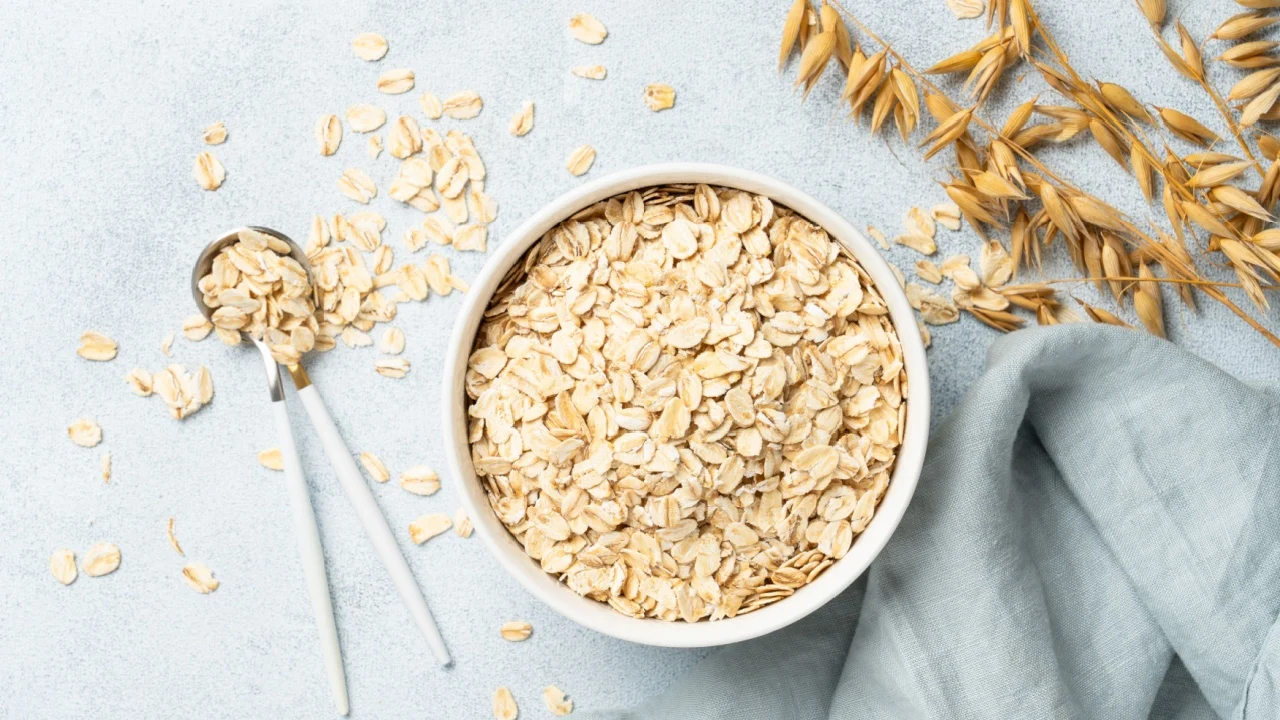
Oats are a breakfast staple that pulls real weight in the fiber department, largely due to a soluble fiber called beta-glucan that’s been linked to better cholesterol levels and steadier blood sugar.
A cup of cooked oatmeal contains about four grams of fiber. Since breakfast is a meal many people skip, leaning on oats first thing helps protect your daily fiber total.
They store well, cost very little, and adapt to almost any flavor. Make overnight oats with chia seeds and fruit, a warm bowl of porridge topped with nuts, or stir them into smoothies and baked goods for a quiet fiber lift. You can even grind them into a flour for use in pancakes, muffins, and breads.
15. Almonds
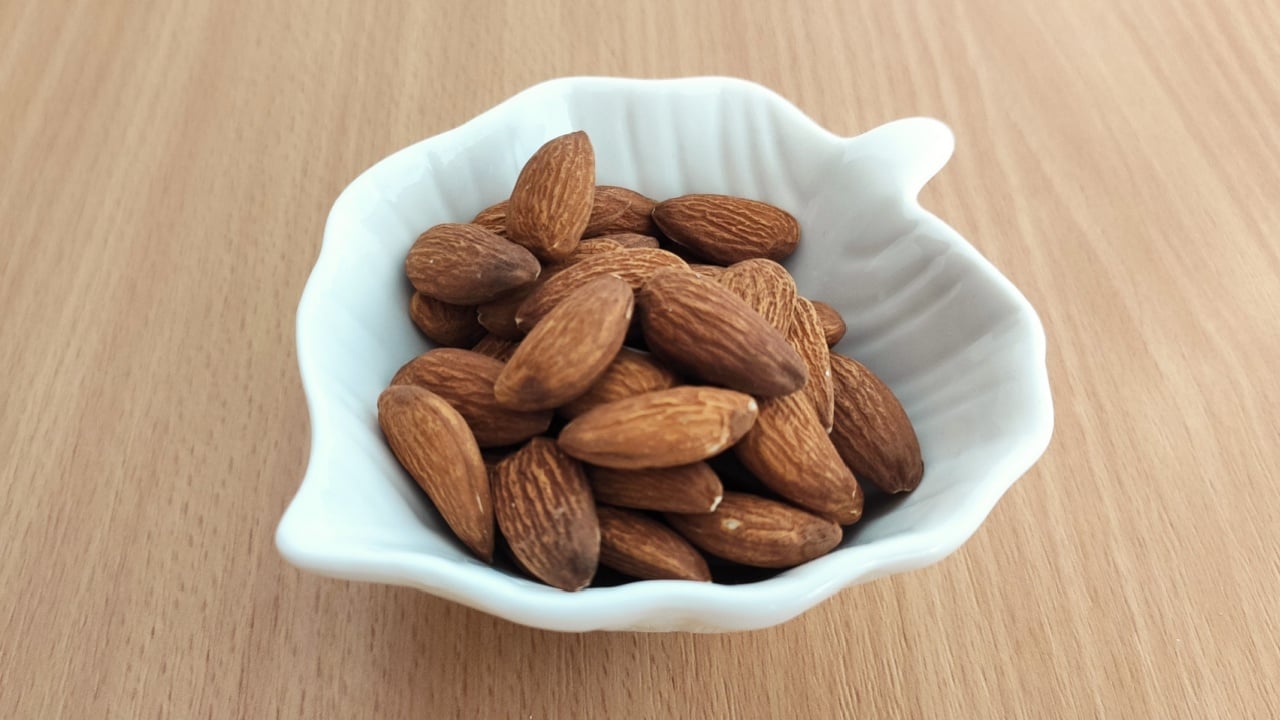
Almonds bring fiber, healthy fats, and protein together in one handy package, which is part of why nuts feature so heavily in expert advice on gut health.
A small handful (about one ounce) provides roughly 3.5 grams of fiber. They are also an excellent source of vitamin E, an antioxidant that protects cells from damage.
Keep a jar within reach for easy snacking, chop them over salads and yogurt, or use almond butter as a spread on toast or fruit. Like seeds, they’re an effortless way to add fiber, texture, and nutrients to dishes you’re already making. For an extra benefit, choose almonds with the skin on, as the skin contains a significant portion of their antioxidant and fiber content.
Stocking Your Kitchen for the Long Haul

Building better gut health comes down to keeping the right foods within reach, so the healthy choice becomes the easy one. A pantry stocked with lentils, beans, whole grains, and seeds, paired with a fridge full of fruit and cruciferous vegetables, makes hitting that 30-gram daily target far more achievable than it sounds.
If you find it tough to get there through food alone, a quality fiber supplement can help fill the gaps. Look for clean options with recognizable ingredients like psyllium husk, acacia powder, or inulin, and skip anything loaded with added sugars or artificial dyes. With a few smart additions to your shopping list, a healthier gut is well within reach.