5 Weeds You Should Never Let Survive August, or They’ll Destroy Your Garden by Fall
Your garden looks fine from the porch. Then you walk in, crouch down, and realize something has gone very wrong. The soil between your tomatoes is a thick green carpet of crabgrass. A vine you thought was a stray morning glory has looped itself around three pepper plants and is pulling them sideways. Beneath the mulch, a pale yellow spike plowed its way through four inches of wood chips like they weren’t even there.
August is the month that weeds have been waiting for. Soil temperatures have finally reached the sweet spot for warm-season germination, days are at their longest, and the rain that soaked your garden in May has left the ground loose and primed for growth. The same conditions that make August your most productive window make it the single worst month to fall behind on weed control. Miss this window, and you are not just pulling weeds; you are dismantling an established ecosystem that has rooted itself into your vegetable beds, flower borders, and lawn.
The cost of inaction is real. A single dandelion allowed to go to seed in August can release more than 5,000 seeds, each one capable of traveling miles on the wind. A bindweed plant you ignore will send roots 20 feet into the ground by autumn, making it nearly impossible to remove without chemicals or years of persistent follow-up. According to the UC Statewide IPM Program, established bindweed can devalue land and prevent the planting of many vegetable crops entirely. What feels like a minor nuisance in early August becomes an entrenched problem by August.
The good news is that August also offers your best opportunity to stop them. Weeds pulled now, before they set seed, end their reproductive cycle permanently. The window is open — but not for long. Here are the weeds actively taking over gardens right now, and exactly how to get ahead of each one.
1. Crabgrass: The Fast-Moving Annual That Seeds Itself Into Next Year
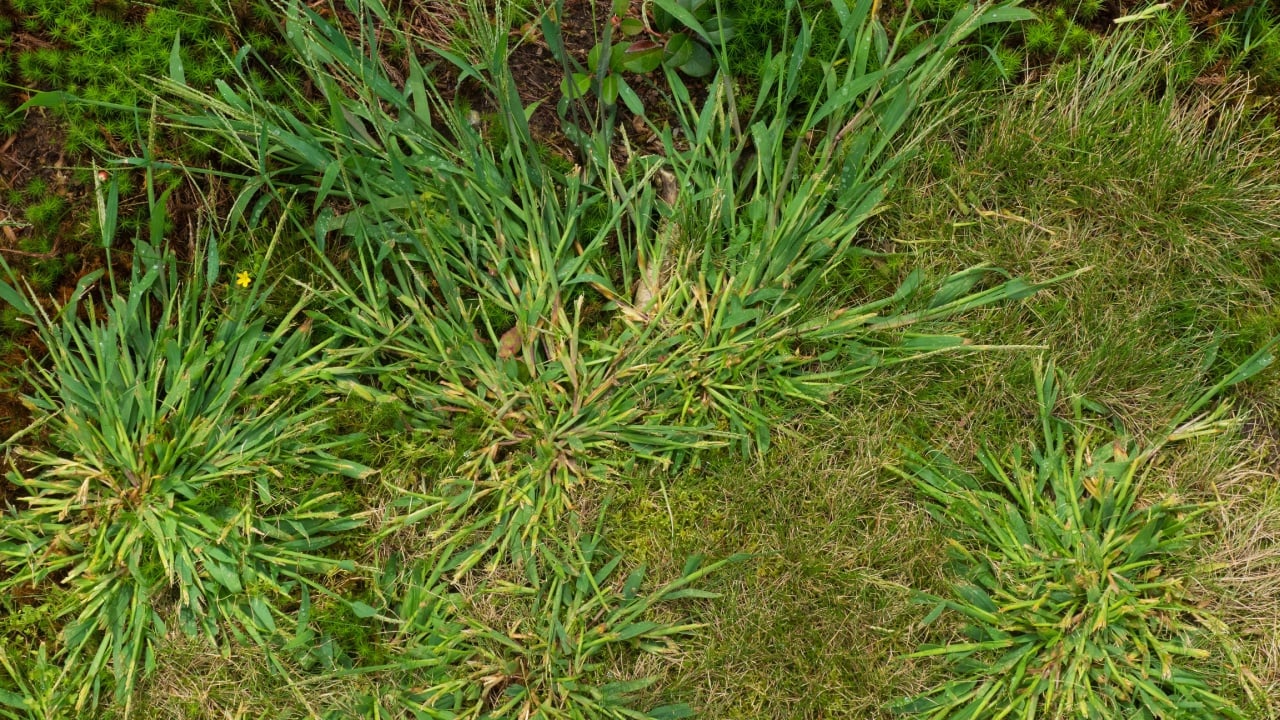
Crabgrass is one of the most aggressive annual grasses in American gardens and lawns. It thrives in the same hot, sunny spots where your lawn is already stressed from heat and drought, like thin turf, compacted soil, and areas mowed too short. Once it gets to four or more tillers, it becomes dramatically harder to kill, even with post-emergent herbicides. According to Penn State Extension, postemergence control works best on newly emerged plants and may not provide complete control on more mature ones.
Pull crabgrass by hand now, before it branches. If you are already dealing with an established patch, a sharp hoe used on a hot, dry day will desiccate the roots before they can re-establish. For lawn areas, pre-emergent herbicides applied in late April prevent germination altogether, but if you missed that window, focus on catching young plants this month and preventing any seed set before fall.
2. Field Bindweed: The Garden Strangler You Cannot Afford to Ignore
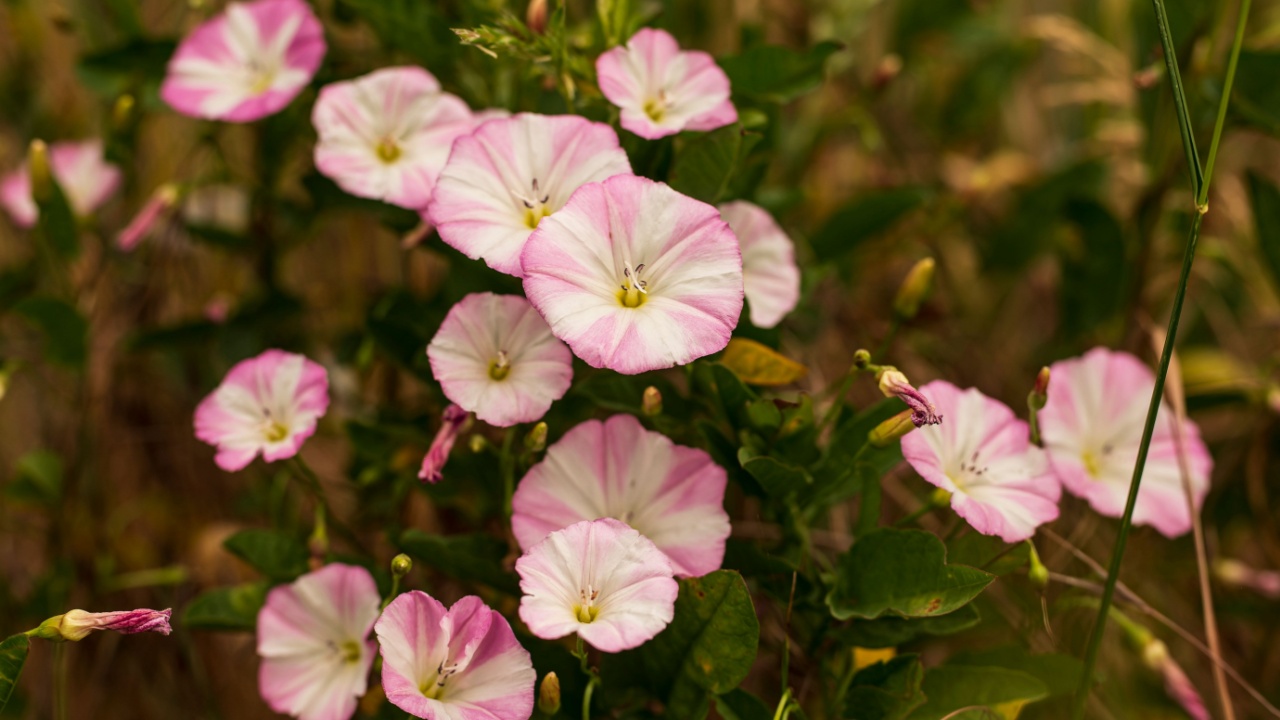
Field bindweed (Convolvulus arvensis) is the weed that experienced gardeners fear most, and for good reason. Its roots can reach 20 feet deep, its seeds stay viable in the soil for up to 60 years, and a root fragment as small as two inches can regenerate into a full plant. It flowers from June through September, climbing anything in reach: pepper stems, tomato cages, ornamental shrubs, and fence posts alike. As UC Davis weed ecologist Tom Lanini has said, “the part of the bindweed plant you see is just the tip of the iceberg.”
The only realistic window to stop bindweed permanently is when seedlings are young, and the root system is still shallow. Oregon State University Extension warns that once plants are established, they become “relatively tolerant to most management practices.” Pull seedlings immediately on discovery, disturbing as little surrounding soil as possible. For established plants, repeated removal of top growth every two to three weeks, thus starving the root system of carbohydrates, is the most effective non-chemical approach. Never till a bindweed patch; it fragments roots and spreads the infestation laterally.
3. Yellow Nutsedge: The Weed That Laughs at Your Mulch
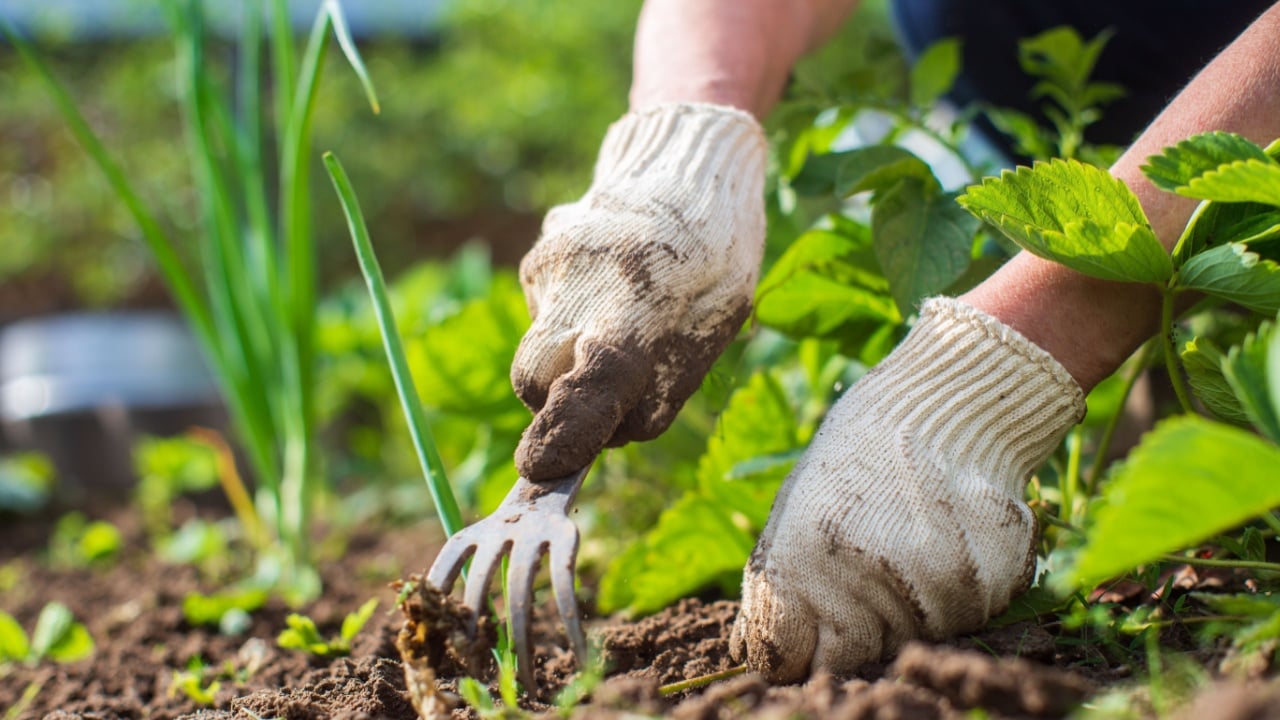
If you have noticed bright yellow-green, triangular-stemmed plants pushing up through your mulch like they were not even inconvenienced, you are dealing with yellow nutsedge (Cyperus esculentus). Nutsedge is not technically a grass; it is a sedge, and it does not respond to most standard weed killers labeled for grasses. Standard mulching is largely ineffective because nutsedge can push through four inches of material. It also reproduces through underground tubers, meaning that pulling the visible plant simply triggers more tubers to sprout.
Timing matters especially here. Nebraska Extension educator Sarah Browning explains that yellow nutsedge is triggered by the longest days of the year to begin forming new tubers, which means plants you fail to address in August are actively building next year’s underground seed bank right now. The most effective approach is to pull young plants repeatedly before they can form tubers, and to apply herbicides specifically labeled for sedge control, such as those containing halosulfuron, rather than standard broadleaf weed killers, which will not work on nutsedge at all.
4. Dandelion: The One You Underestimated All Spring
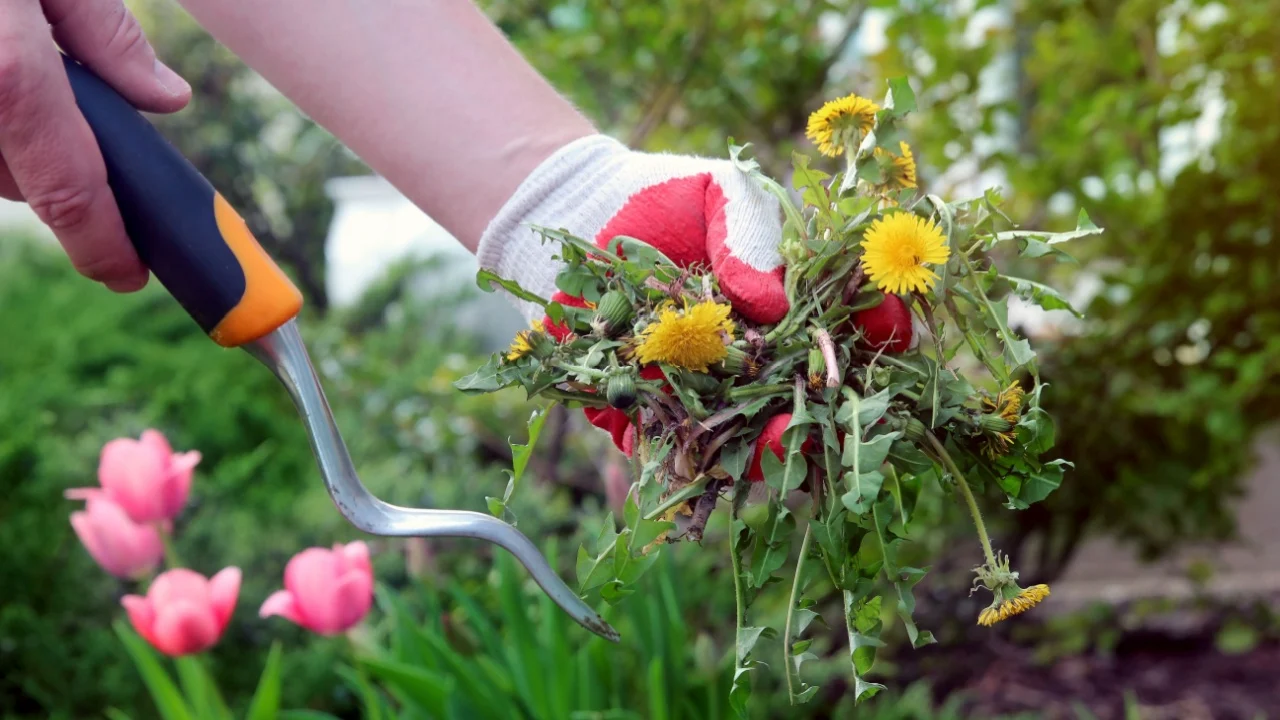
Most gardeners stop worrying about dandelions after the first round of spring blooms fades. That is a mistake. Dandelion flowering continues through summer, and a single plant can produce more than 15,000 seeds in a season, according to Michigan State University Extension. Those seeds are dispersed by the slightest breeze and can travel miles, meaning your neighbor’s yard is not your yard’s problem, but your own un-pulled dandelions absolutely are.
The deep taproot, which extends 6 to 18 inches into the soil, makes dandelions deceptively hard to remove. Standard weeding tools that reach only 2 to 4 inches will snap the taproot and leave enough root behind to regenerate within weeks. Pull dandelions after rain, when the soil is moist and roots slide out more cleanly, using a long-handled weeding fork that reaches beneath the full root length. Every intact removal now is one less dandelion factory operating through August.
5. Creeping Charlie: The Ground Cover Impersonator Destroying Flower Beds
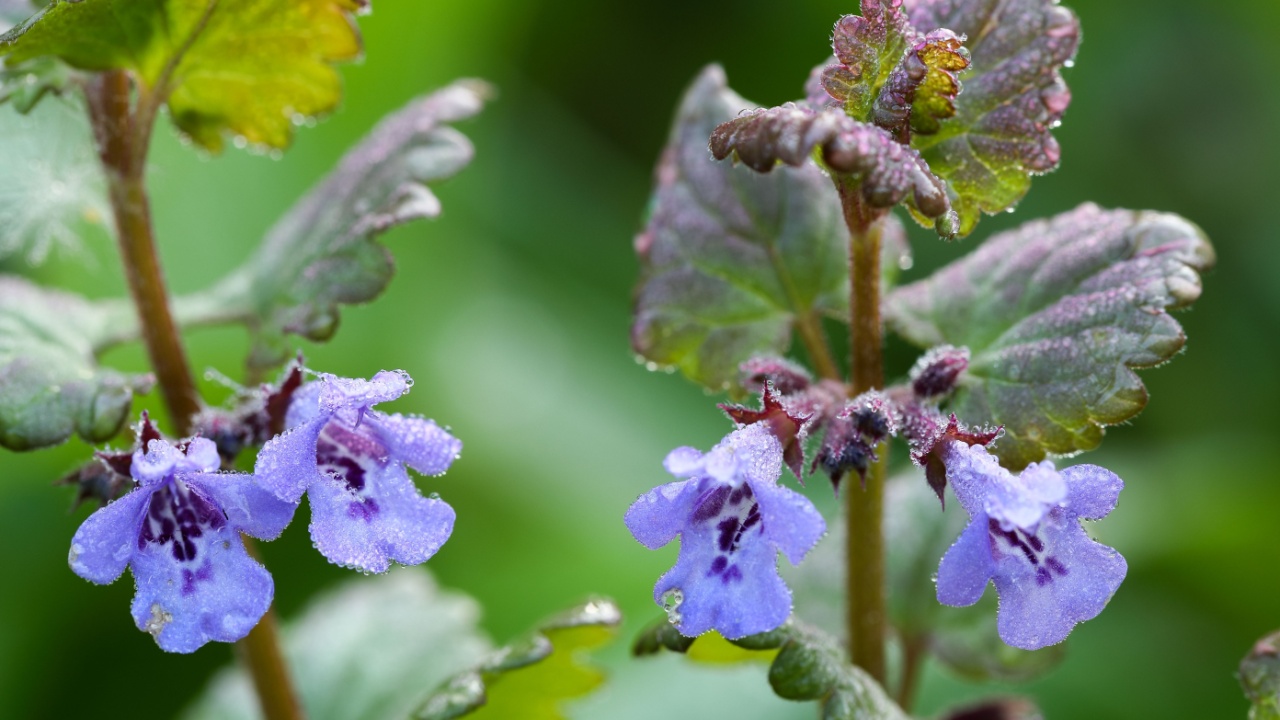
Creeping Charlie (Glechoma hederacea) is the weed most often mistaken for a decorative ground cover. Its small, scalloped leaves and tiny purple flowers look tidy from a distance, but underground it sends out horizontal runners in every direction, overtaking lawn edges, flower beds, and the bases of shrubs. Once established in a perennial border, it is genuinely difficult to remove completely without disturbing the plants you want to keep.
The Royal Horticultural Society advises that perennial weeds with creeping root systems require persistent, repeated removal rather than a single-pass pull. For Creeping Charlie, the most effective approach in established beds is tracing individual runners back to the root crown and removing the entire stem. Hand weeding in August, before the plant sets additional seed, removes one generation permanently. Bare soil left behind should be covered immediately with three to four inches of organic mulch to prevent re-establishment.
The One Habit That Stops All of Them
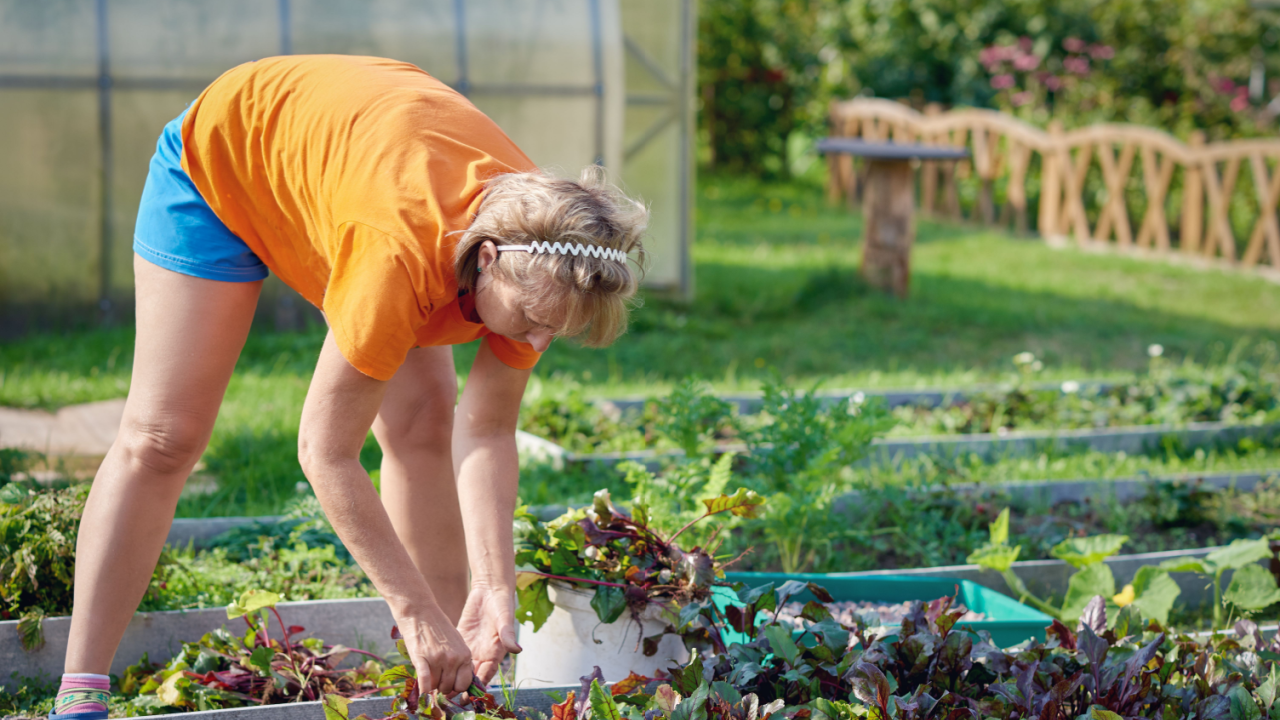
Veteran organic growers have a saying that captures the most important principle in weed control: never let them grow big enough to identify. An experienced grower with more than 20 seasons under his belt, quoted in Growing for Market, admitted that he did not know the names of his worst weeds because he simply never let them get that far. Beds that are hoed every 10 to 15 days in June, July, and August will keep weed pressure from compounding into something unmanageable.
Three to four inches of organic mulch, replenished regularly, is the single highest-return investment for long-term weed suppression, according to the UC IPM Program. It blocks sunlight from reaching dormant weed seeds, moderates soil temperature, and reduces the germination rate of annual weeds by a significant margin. Combine consistent shallow cultivation with proper mulch depth, and weed pressure drops noticeably within a single season, without a dollar spent on herbicides.
Every weed you let go to seed is planting next year’s problem, and the year after that. The math is not in your favor if you wait. Get into the beds this week, pull what is there now, cover the soil behind you, and plan to repeat it in two weeks. That simple rhythm is how gardeners with low weed pressure maintain it.
Read More
Washing Your Lettuce Won’t Remove Cyclosporiasis, But Growing Your Own Will
Your Grandmother Stored These 8 Foods All Winter Without Canning a Single Jar