The Backyard Crisis That’s Already Killing Your Vegetable Garden
Something changed in your garden, and you may not have noticed yet. The squash vines are blooming beautifully, the cucumber plants are green and vigorous, but the cucumbers themselves never come. The zucchini flowers open and fall off without setting fruit. You adjust the watering, check the soil, and wonder what you did wrong. The real answer is simpler and more alarming: the bees stopped showing up.
This isn’t a small inconvenience. Between June 2024 and March 2025, commercial beekeepers in the United States lost an average of 62% of their colonies, which equates to over 1.6 million hives, according to a nationwide survey by Project Apis m. and the Honey Bee Health Coalition. The USDA estimates the economic damage at $600 million in lost pollination income, honey production, and replacement costs, while experts call it one of the worst pollinator collapses in nearly 20 years. And while those numbers reflect commercial agriculture, the same pressures driving colony loss, like pesticide exposure, habitat destruction, disease from Varroa mites, and climate-driven timing mismatches, are already at work in backyards across the country.
What pollinators do in your garden isn’t decorative. It’s functional, and in many cases, it’s irreplaceable. Without bee visits, entire categories of vegetables simply won’t fruit. The crops you’re counting on for summer meals, like those that should be saving you $200 or more on your grocery bill each season, will fail silently, producing flowers with nothing to show for them. One in three bites of food humans eat depends on animal pollinators, according to the USDA, and the most nutrient-dense foods are the most vulnerable: fruits, vegetables, and nuts.
If you’ve been gardening for a while, you may already sense the shift. Fewer bees in the morning hours, fewer butterflies drifting through, or a strange quiet where there used to be a hum. Here’s what that silence is already costing you, and what happens to your garden if it gets worse.
The Vegetables You’re Growing That Cannot Fruit Without Bees
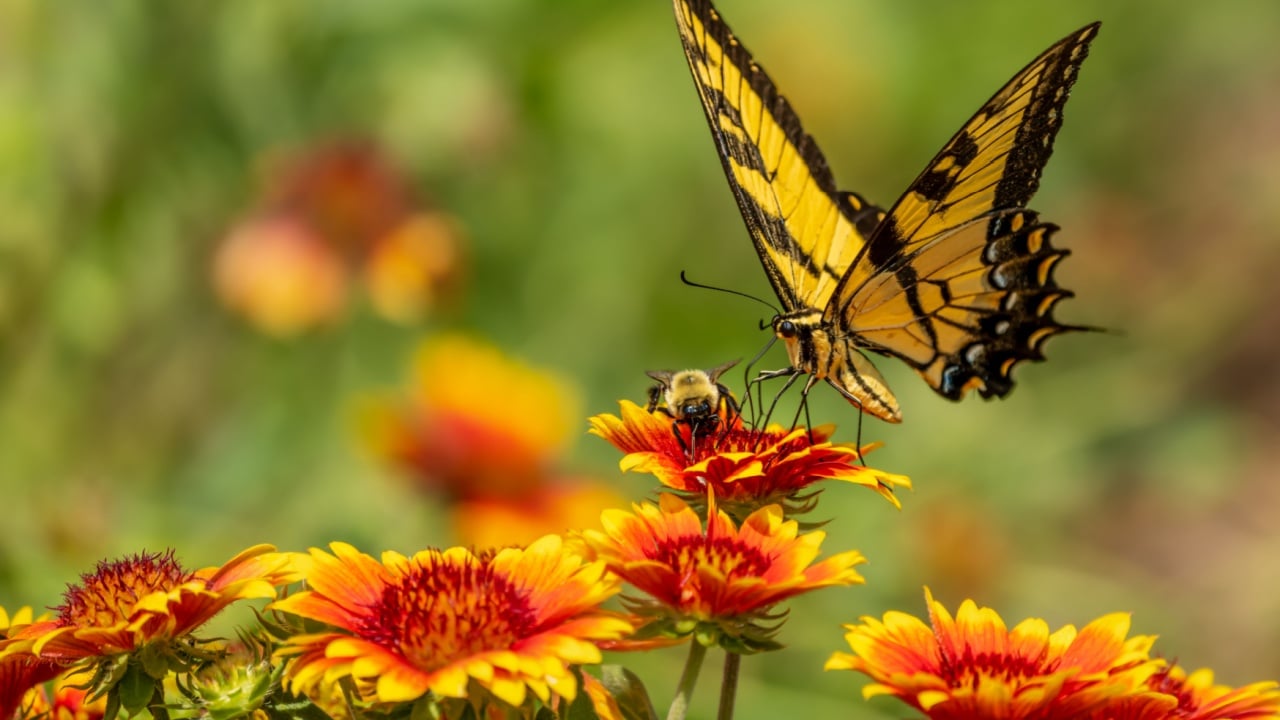
Not every vegetable in your garden needs a bee. Leafy greens, root vegetables, and most brassicas don’t; they’re harvested before they flower, or they pollinate themselves by wind. But the summer crops most backyard gardeners care about are a different story entirely.
Cucumbers, squash, pumpkins, zucchini, melons, and watermelons require insect pollination to set fruit. Their flowers have a narrow daily window, typically early morning, and if bees aren’t visiting during that window, the flower closes and drops off. No amount of water, fertilizer, or care will compensate. According to the Honey Bee Suite, a resource by beekeeping educator Rusty Burlew, pumpkins are notoriously among the most pollinator-dependent garden crops, often requiring many separate bee visits before a single fruit will set. Blueberries, raspberries, blackberries, and most tree fruits fall into the same category: technically capable of producing some fruit without pollinators, but so diminished in yield that they’re barely worth growing.
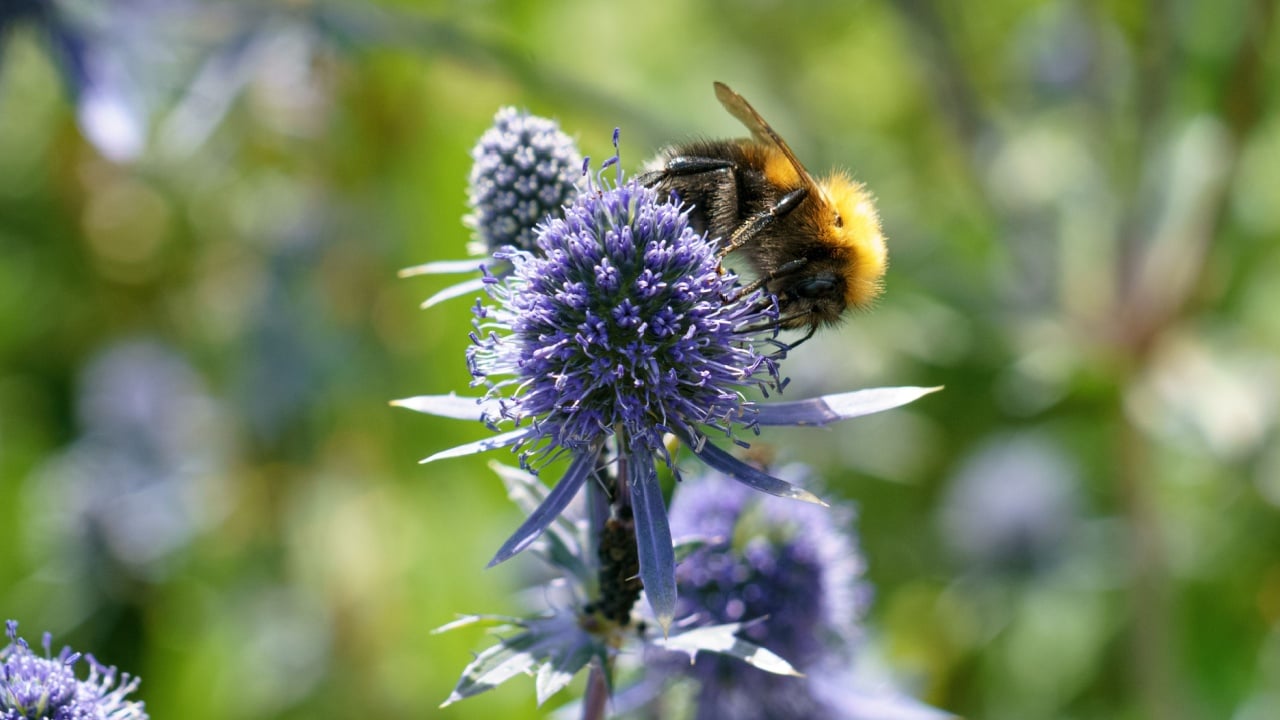
Tomatoes are the counterintuitive surprise most gardeners never hear: they require buzz pollination, a specific vibration technique used by bumblebees, not honeybees, to release pollen. Outdoors, wind can mimic this partially. But in a garden where bumblebees have declined or disappeared, tomato yields drop noticeably, and misshapen or underdeveloped fruits become common. Peppers and eggplant are in the same boat.
Experienced gardeners in areas with low pollinator activity are increasingly turning to hand-pollination, using a cotton swab or small paintbrush to transfer pollen by hand each morning. It works for small plantings, but it is tedious, time-sensitive, and a poor substitute for the thousands of visits a healthy pollinator population provides every day for free.
The 2024–2025 Bee Collapse Is Already Hitting Home Gardens

For home gardeners, the cascading effect of the lost honeybee colonies from the 2024-2025 season is real. The almond industry in California, which depends on more than 2 million hives each spring, reported shortages of up to 500,000 colonies in early 2025. That kind of disruption filters through the food system quickly, driving up prices on pollinator-dependent produce. Almonds, berries, stone fruits, cucumbers, and melons are already more expensive when pollination is insufficient, and growing your own was supposed to be the hedge against rising grocery costs. Without pollinators, that hedge disappears.
The numbers extend beyond honeybees. A 2025 study published in the Proceedings of the National Academy of Sciences found that over 20% of native North American pollinator species now face elevated extinction risk. Native bees, like the bumblebees, mason bees, sweat bees, and ground-nesting bees that many gardeners never even notice, are in many ways more important to backyard gardens than honeybees. They’re better at buzz pollination, more cold-tolerant, and active earlier in spring when the season’s first crops need them most.
Warning Signs That Pollinators Are Already Abandoning Your Garden
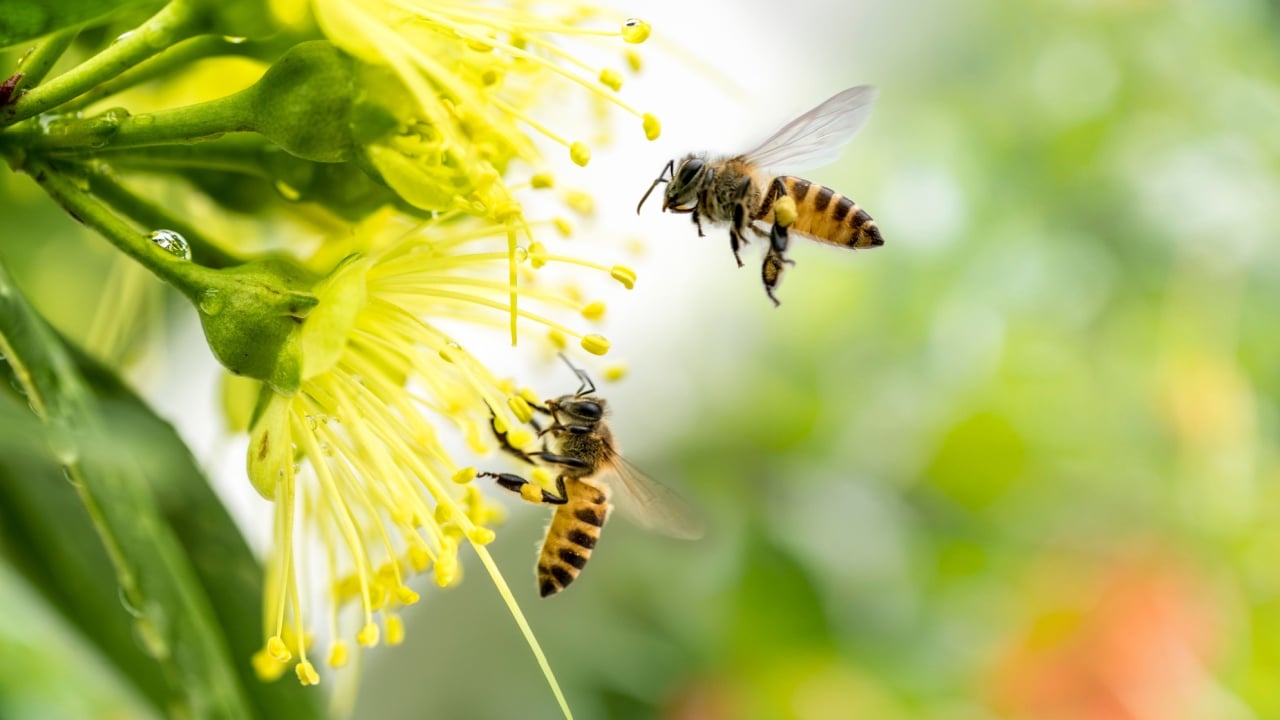
The absence of pollinators doesn’t announce itself dramatically. It shows up in small frustrations that are easy to misread as soil problems, watering issues, or bad seed stock. Watch for patterns like flowers without fruit, a quiet morning garden, and no butterflies or fireflies.
If squash, cucumber, or pumpkin vines are producing blooms that drop off without setting fruit, insufficient pollination is almost certainly the cause. Misshapen or half-developed cucumbers are another clear signal; they indicate partial pollination, where only some seeds within the fruit were fertilized.
Pollinators are most active in the early morning hours. If you’re not hearing or seeing bees between 7 and 10 a.m. on warm, calm mornings, that silence is meaningful. Gardeners who have tracked their pollinator visits often report the absence as one of the first things they notice before yields begin to drop.
Butterfly and firefly populations are reliable indicators of overall insect health. Both overwinter in leaf litter and dried stems; both are highly sensitive to pesticide drift and habitat loss. If you haven’t seen monarchs in a few summers, or fireflies are rarer than they used to be, your broader insect ecosystem is under stress.
Your grandmother likely saw none of this as a problem, because it wasn’t. She gardened in an era when native bee populations were stable, habitat was abundant, and systemic pesticides hadn’t yet entered the picture. The pollinator decline that’s now affecting backyards nationwide is a recent and rapid shift, not a background condition of gardening.
What You Can Do Right Now to Bring The Bees Back
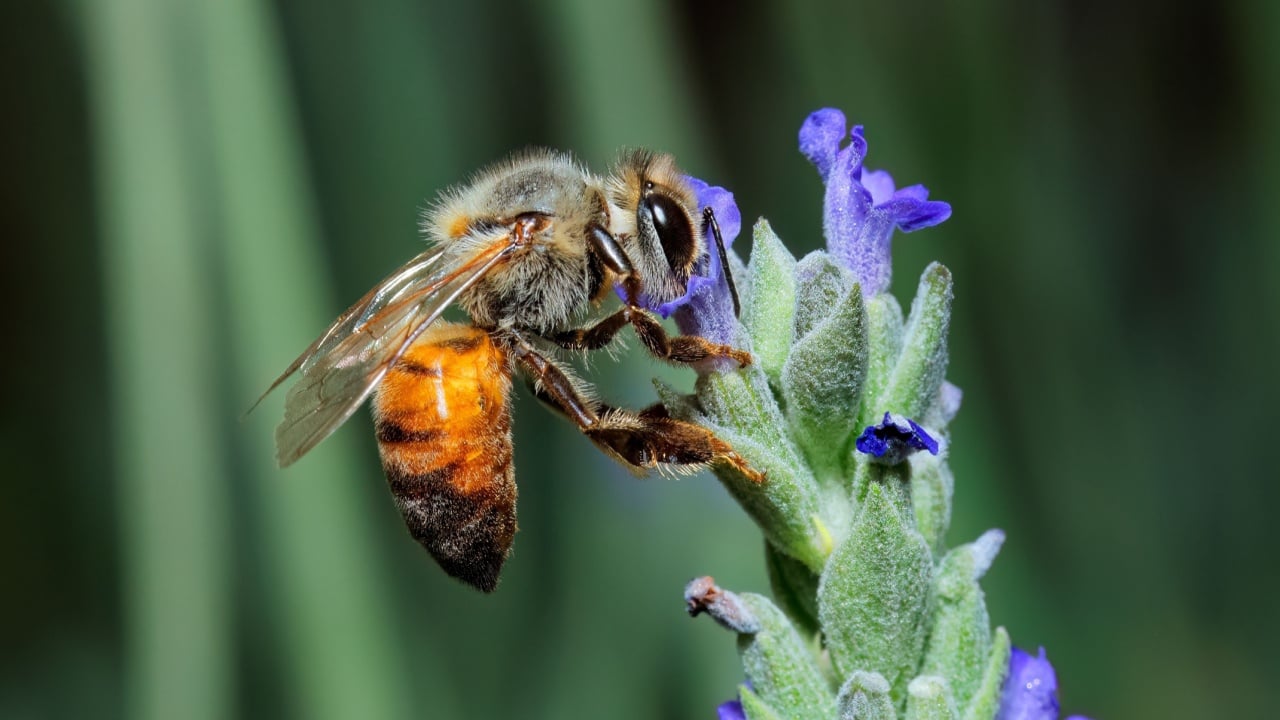
The good news is that pollinators respond quickly to habitat improvements. Gardeners who have converted even a small portion of their yard to native plantings and reduced pesticide use report seeing measurably more bee and butterfly activity within one to two growing seasons. That’s a fast return on an investment that often costs nothing beyond a packet of native wildflower seeds.
Plant for a long season. Pollinators need forage from early spring through late fall. A single bloom period isn’t enough. Early-blooming plants like crocuses and native willows support bees that emerge before your vegetable garden is even planted. Late bloomers like goldenrod and native asters provide critical food for monarchs and migrating pollinators in fall. A well-stocked pollinator garden can replace $30 to $50 worth of hand-pollination effort per season and dramatically improve yields on cucurbit crops.
Provide water. A shallow dish with stones or marbles for bees to land on, refreshed daily, takes minutes to set up and is among the easiest improvements a gardener can make. Butterflies also benefit from a shallow muddy puddle area for the salts and minerals they need.
Leave the mess. Resist the urge to cut back every dead stalk in fall or tidy every corner in early spring. A pile of hollow stems, a patch of leaf litter, and a section of undisturbed bare soil are not signs of a neglected garden. They are signs of a garden that understands what it’s doing. The Xerces Society offers free printable yard signs that explain overwintering habitat to neighbors who might otherwise see an untidy edge bed as a problem.
Eliminate or severely limit pesticide use, including lawn treatments for broadleaf weeds. Dandelions blooming in early spring are often the only food source available to newly emerged bees before other flowers open. What looks like a lawn flaw is functioning as a lifeline.
Hold Out Hope
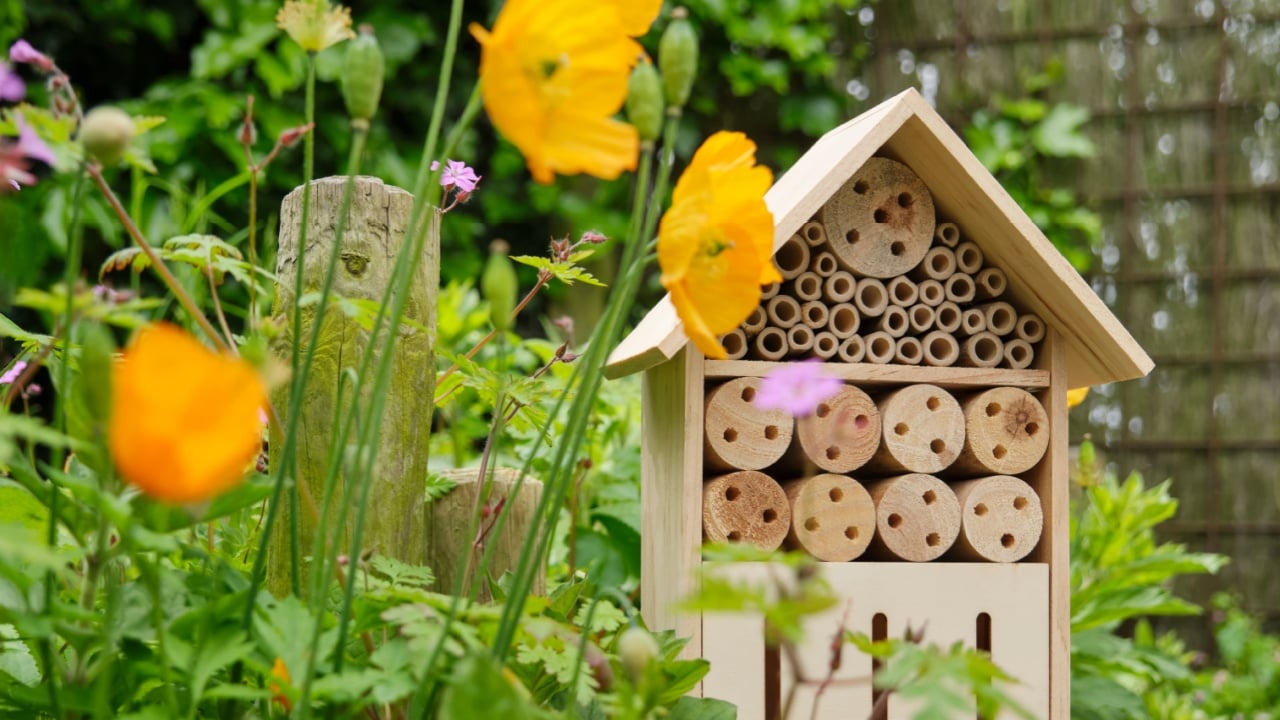
A garden without pollinators isn’t just quieter — it’s already failing, producing less food, less variety, and less of what made it worth planting in the first place.
The pollinators that visit your garden each summer aren’t background scenery. They are the reason your garden produces anything at all. The collapse happening in commercial beekeeping right now is a warning that the broader insect ecosystem is under serious pressure. Home gardeners are not powerless in this; they are, in many ways, the most flexible and responsive part of the solution. A few deliberate changes in how you garden could make your yard one of the refuges that help these populations recover, one season at a time.
Read more:
7 perennial planting mistakes to stop making right now
How to Grow Zucchini Vertically: 7 Steps That Save Space and Double Your Harvest