Is that Hydrangea Right For Your Yard? Here Are the 6 Types That Bloom Every Year
Every summer, millions of gardeners water, fertilize, and wait — and their hydrangeas sit there, green and leafy and completely bloomless. It is not a watering problem or a fertilizer problem.
In almost every case, it comes down to one thing nobody mentioned at the nursery checkout: not all hydrangeas are the same, and choosing the wrong type for your climate can cost you years of blooms you will never get back.
The hydrangea world is both bigger and more complicated than those gorgeous displays at garden centers suggest. There are six distinct species commonly grown in U.S. gardens, each with different cold hardiness, pruning rules, sun needs, and personalities.
Get the match right, and you’ll have a shrub that pays you back in breathtaking blooms for decades. Get it wrong, and you’ll spend years wondering what you did wrong when the answer was decided before you ever dug the hole.
Once you understand which type is built for your yard, hydrangeas are among the most rewarding shrubs you can grow. Panicle hydrangea blooms cut at the right moment and dried at home are worth $50 to $80 at florists. Oakleaf types deliver four full seasons of interest. And smooth hydrangeas will rebloom reliably even if you prune them to the ground. You just have to start with the right one.
Which Hydrangea Is Right for Your Climate?
Your USDA hardiness zone is the single most important filter when choosing a hydrangea.
In Zones 3 and 4, where winters drop to -30 or -40°F, panicle and smooth hydrangeas are your only reliable options; both bloom on new wood and are indifferent to the most brutal winters. Zone 5 gardeners can add oakleaf hydrangeas; bigleaf types rarely bloom without significant winter protection. Zones 6 and 7 open up the full range of hydrangea varieties to choose from.
In Zones 8 and 9, oakleaf hydrangeas handle Southern summers better than most, while bigleaf types need afternoon shade and consistent moisture to avoid wilting daily. Most nurseries don’t tell you this directly. The tag says “Hardy to Zone 6”, but it does not say “may never bloom in Zone 6 without protection.” Knowing what that fine print means saves you years of frustration.
These are the best types of hydrangeas to grow, explained honestly, including the one warning that most gardeners only learn after a very frustrating spring.
1. Panicle Hydrangea (H. paniculata)
If you want one hydrangea that works virtually everywhere, this is it.
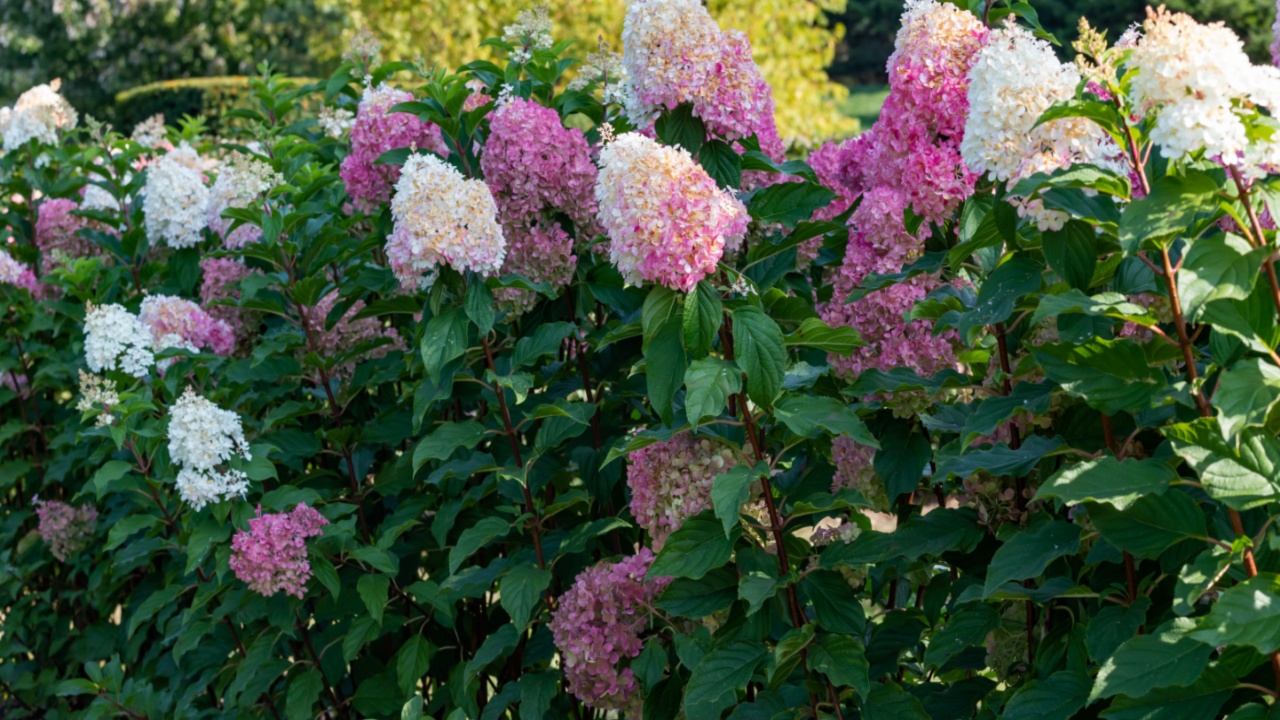
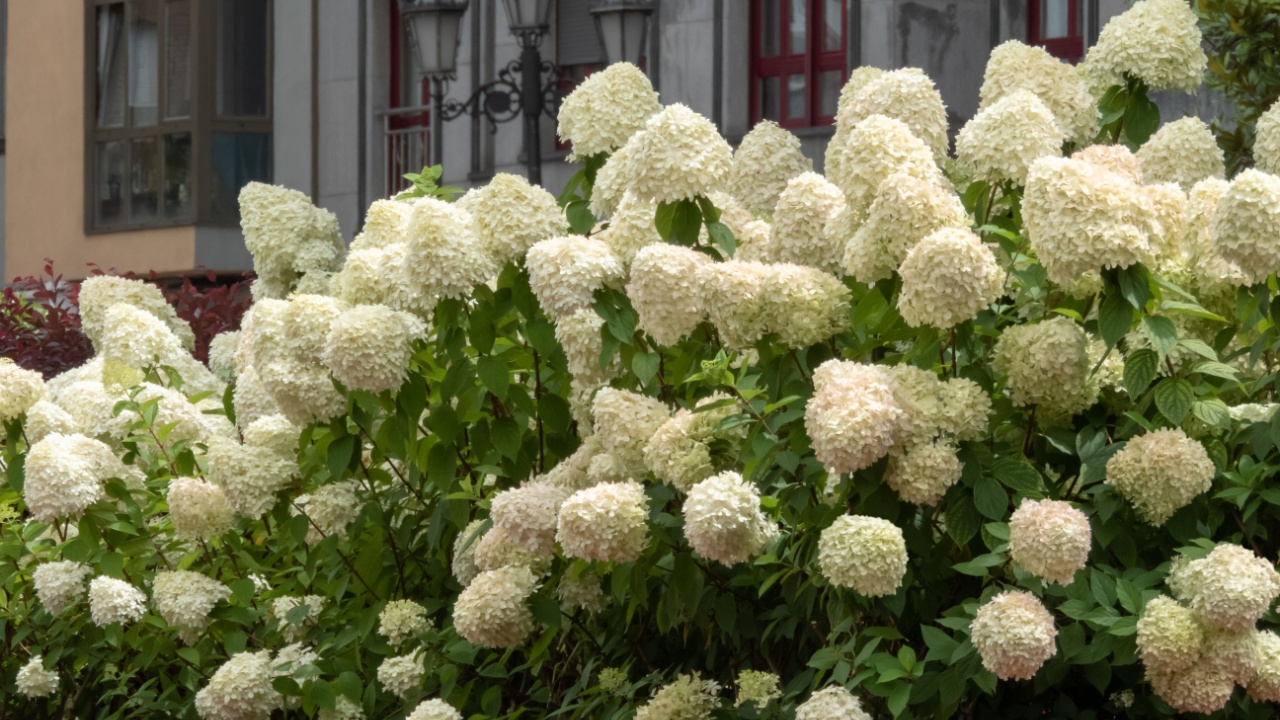
Panicle hydrangeas are the most cold-hardy of all: they thrive in USDA Zones 3 through 8, and they bloom on new wood, meaning you can prune them freely in late winter without sacrificing a single flower. Your grandmother likely had a PeeGee hydrangea in her yard; that was a panicle type, and it probably outlived everything else in the garden.
Cultivars like Limelight, Fire Light, and Bobo offer a range of sizes from compact 3-foot shrubs to impressive 15-foot specimens. Blooms open white or lime-green in midsummer and age to deep pink by fall, making them exceptional for dried arrangements worth $50 to $80 from a plant you already own.
2. Smooth Hydrangea (H. arborescens)
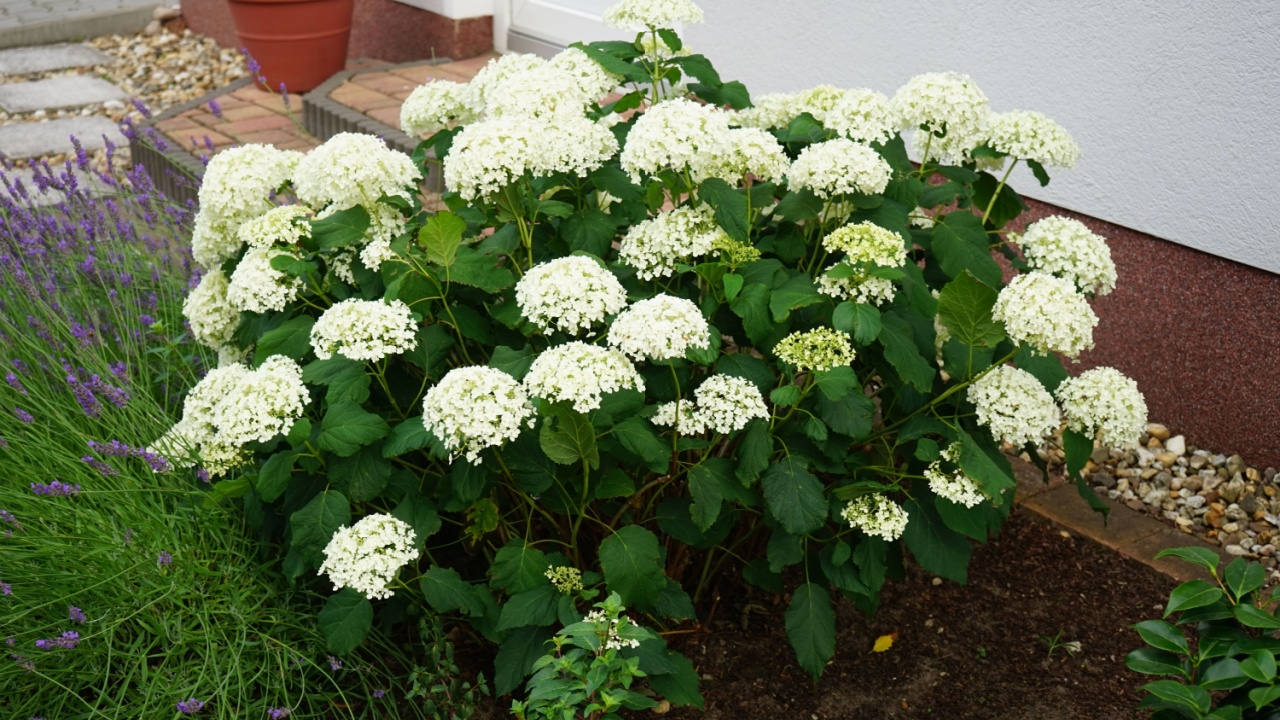
Native to North America and hardy to Zone 3, smooth hydrangeas are the most forgiving type in the entire genus.
The classic Annabelle produces flower heads up to 12 inches across when cut back close to the ground each spring, and modern selections like Incrediball offer sturdier stems that stay upright after heavy rain. Smooth hydrangeas bloom on new wood, flower from June through September, and tolerate pruning mistakes that would ruin other types. For anyone in the northern half of the country who wants reliable blooms every single year, smooth hydrangea is the safest investment you can make.
3. Bigleaf Hydrangea (H. macrophylla)

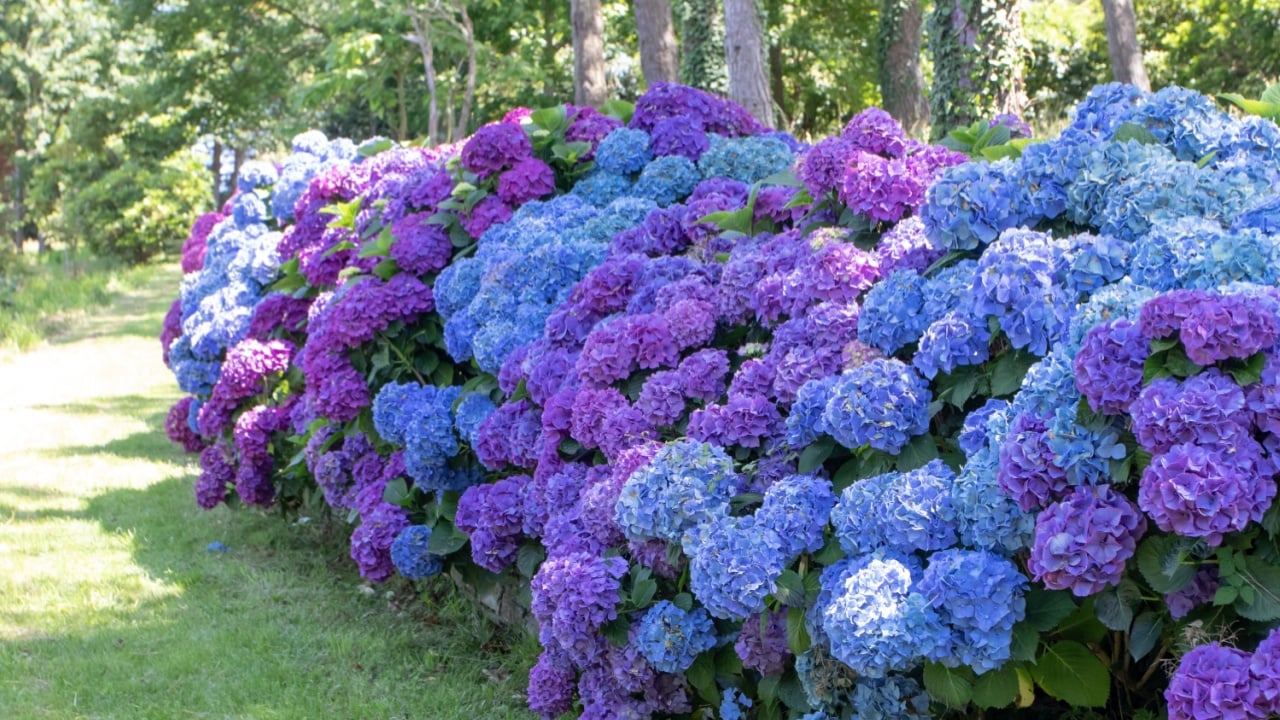
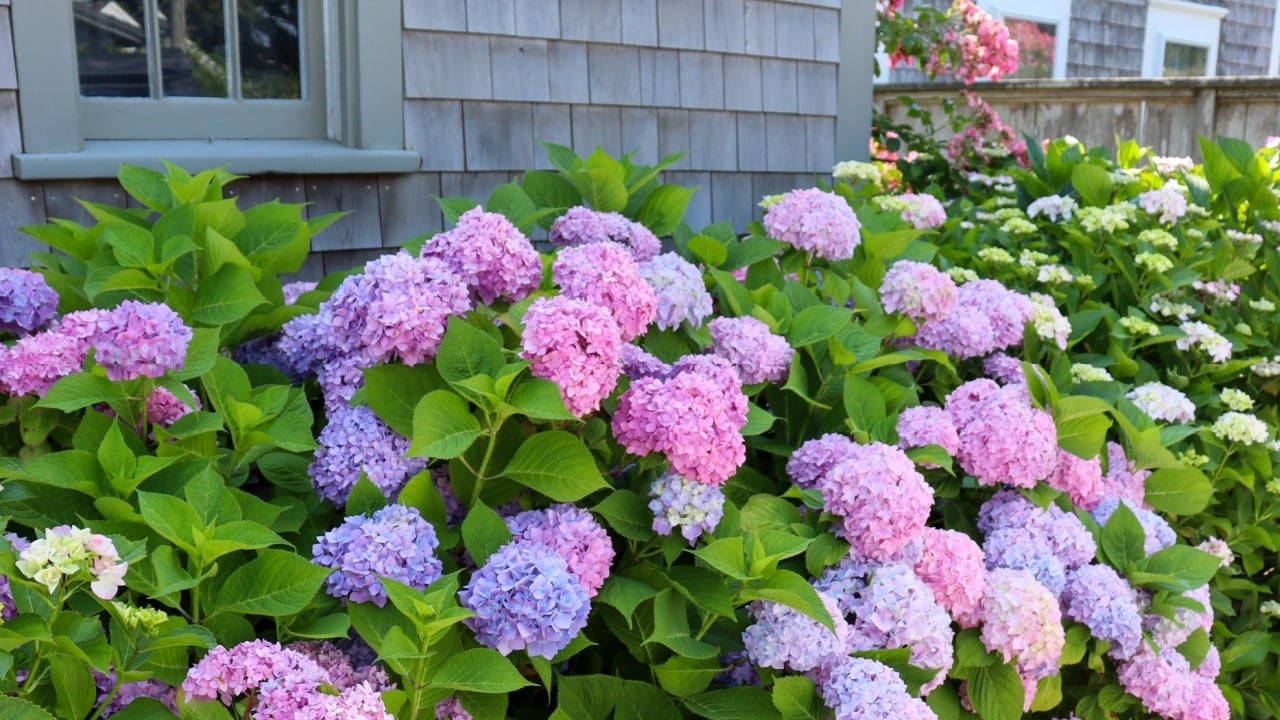
This is the hydrangea everyone pictures: enormous mophead blooms in vivid blue or pink. Bigleaf hydrangeas are genuinely spectacular, in the right setting. That setting is Zones 6 through 9, with afternoon shade, consistent moisture, and protection from drying winter winds. In colder zones, they bloom on old wood and lose their flower buds to winter temperatures regularly.
Newer reblooming cultivars like Endless Summer offer more reliability in Zone 5, but gardeners in Zones 4 and colder should seriously consider a different type before spending $40 on a plant that may never bloom.
4. Oakleaf Hydrangea (H. quercifolia)
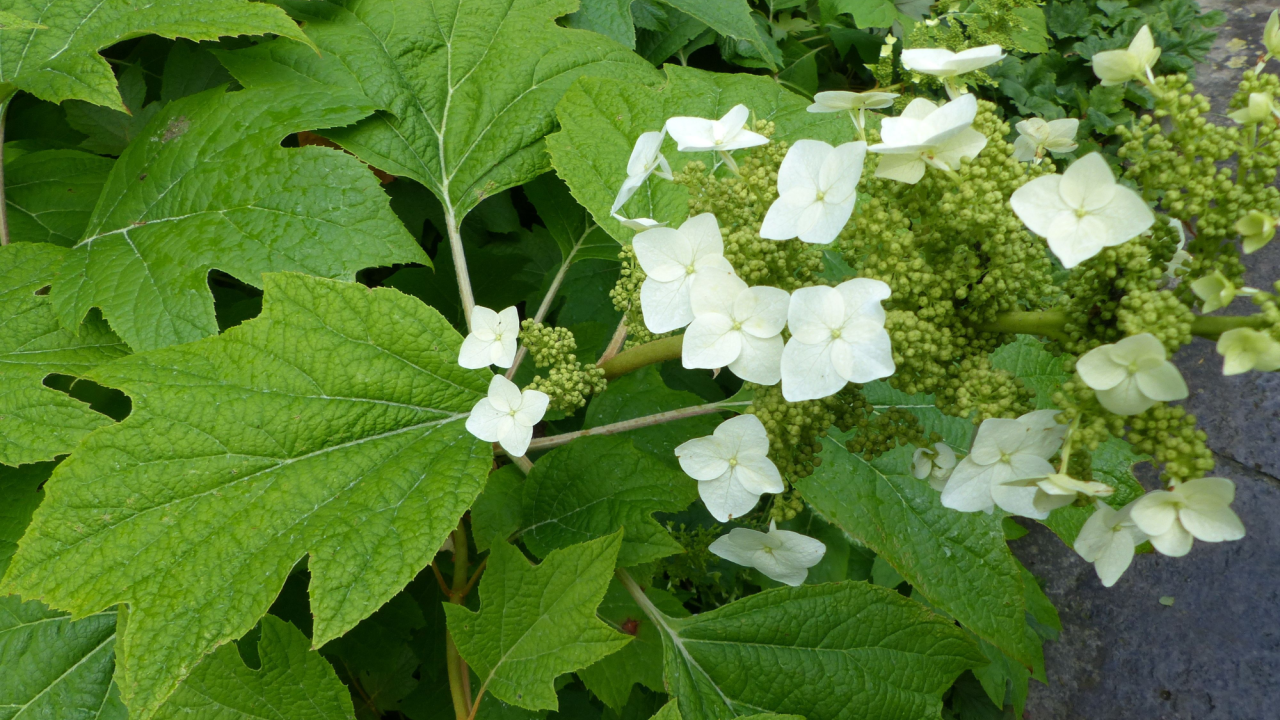
Oakleaf hydrangea earns its spot on this list for reasons that go far beyond flowers. The white panicle blooms are elegant and age to rose-pink, but the fall foliage – turning deep burgundy and orange-red — makes this a standout when everything else in the garden is fading. Peeling cinnamon-colored bark carries the interest through winter.
Hardy to Zone 5, native to the southeastern U.S., and more drought-tolerant once established than almost any other hydrangea type, the Ohio State University Extension identifies oakleaf hydrangeas as a superior native replacement for invasive burning bush.
5. Mountain Hydrangea (H. serrata)
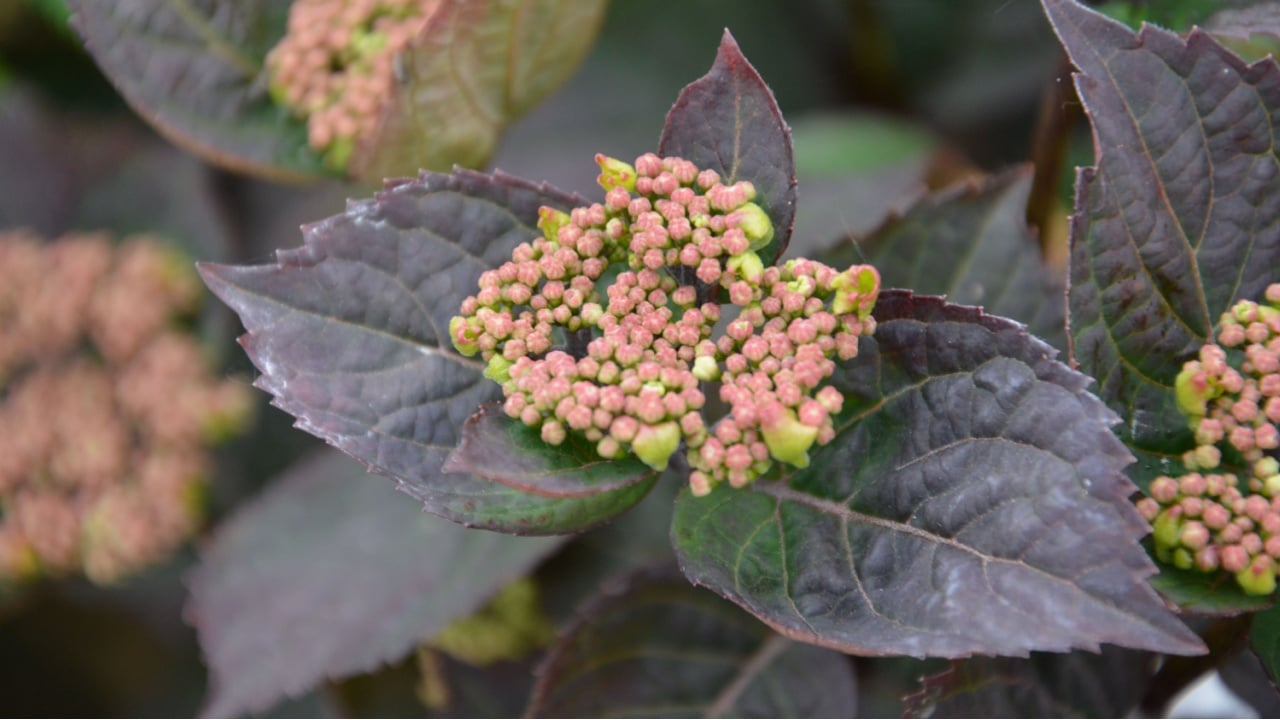
Mountain hydrangeas look like a more refined, smaller version of the bigleaf type, with delicate lacecap blooms in blue, pink, or lavender, but stay under 4 feet tall, ideal for small gardens and containers. Like bigleaf types, they bloom on old wood and are sensitive to cold, but slightly hardier, thriving in Zones 6 through 9.
Cultivars like Tuff Stuff Ah-Ha rebloom on new wood as well, extending the flower show from early summer through fall. The lacecap flower form also makes mountain hydrangeas among the best choices for pollinators.
6. Climbing Hydrangea (H. petiolaris)
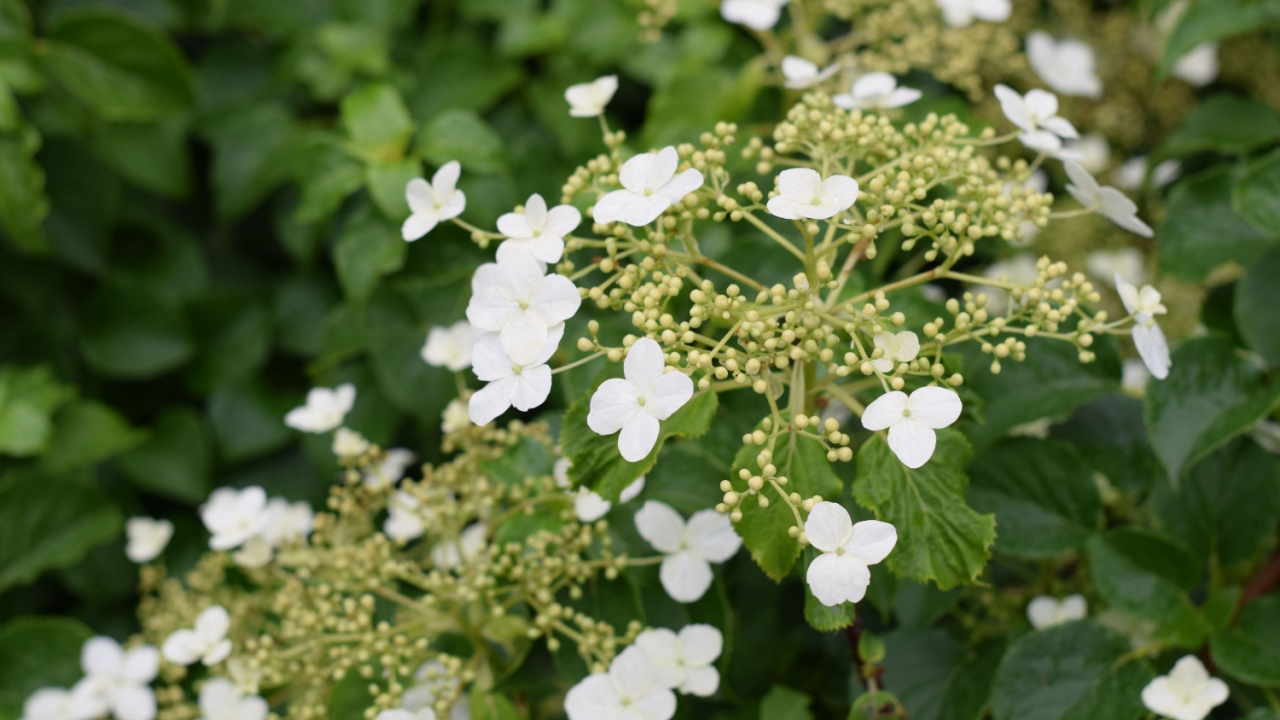
Climbing hydrangeas are for gardeners who think in decades. These vines grow 30 to 40 feet and produce masses of white lacecap blooms, but they take up to 5 years to establish and begin flowering in earnest. Once they do, they are practically indestructible, clinging to walls, fences, and arbors with rootlike holdfasts. Hardy to Zone 4, shade-tolerant, and magnificent on a north-facing wall where almost nothing else will grow. Plant one this spring, and it may become the most breathtaking thing in your yard.
How to Get the Most From Your Hydrangeas This Season
Once you have the right type for your zone, hydrangea care is genuinely straightforward. Most types prefer morning sun with afternoon shade and well-draining soil amended with organic matter; heavy clay soils cause root stress and disease. Water deeply once or twice a week rather than daily; deep, infrequent watering encourages roots to grow down rather than hover at the surface, where they’re vulnerable to drought.
For panicle hydrangeas specifically, there is a budget bonus worth knowing: cut stems in late summer when blooms are just beginning to show pink tones, let them dry upright in a vase with no water, and you’ll have dried arrangements that sell for $50 to $80 at florists, essentially free from a plant you already own.
The Right Hydrangea Changes Everything
The difference between a hydrangea that blooms every summer for 30 years and one that sits green and silent in your yard is rarely effort; it’s information. Choose the type that matches your climate, learn whether it blooms on old wood or new, and prune accordingly. Do those three things and hydrangeas become one of the lowest-maintenance, highest-reward plants in the American garden.
Your grandmother’s PeeGee hydrangea in the corner of the yard was not magic. It was just the right plant in the right place. That’s still the whole secret.
Read more:
Is Your House A Wildfire Target? 7 Things That Increase Your Risk At Home
Is The Heat To Blame for Your Struggling Vegetable Garden This Summer? Stop Making These 7 Mistakes