You’re Watering Your Garden Wrong in a Heat Wave
By the time your garden is wilting, the damage has already been done for hours. Heat stress isn’t a visible event that happens when the thermometer peaks. It begins silently, at the cellular level, long before a single leaf droops. Waiting until you see trouble to act is the single most common and most costly mistake that home gardeners make every summer.
Once the thermometer hits 86°F, the growth rate of most plants begins to slow. Above 90°F, photosynthesis starts to shut down entirely. But respiration, or the process by which plants burn their stored food reserves to survive, keeps running day and night. According to Iowa State University Extension, if extreme heat continues for weeks, plants can actually die from a complete depletion of their own food reserves, even in soil that appears adequately moist. This is happening whether you can see it or not.
You may have spent $150 or more on plants, seeds, and transplants this spring. A single 48-hour heat wave, one that sweeps through without any preparation on your part, can put a premature end to that investment. The cruelest part is that most of this loss is preventable, not with expensive irrigation systems or elaborate garden structures, but with a handful of steps that take less than an hour and cost almost nothing if you act before the heat arrives.
Right now, in what feels like a never-ending hot summer, is the time to act. The good news is that you have a window of time to educate yourself and prepare. The steps below should be taken in the 24 to 48 hours before temperatures are forecast to spike, not after the heat wave starts, and certainly not after the damage is visible. However, if you’re already struggling through hot temperatures, don’t worry – these tips can still apply.
Water the Day Before, Not the Day Of
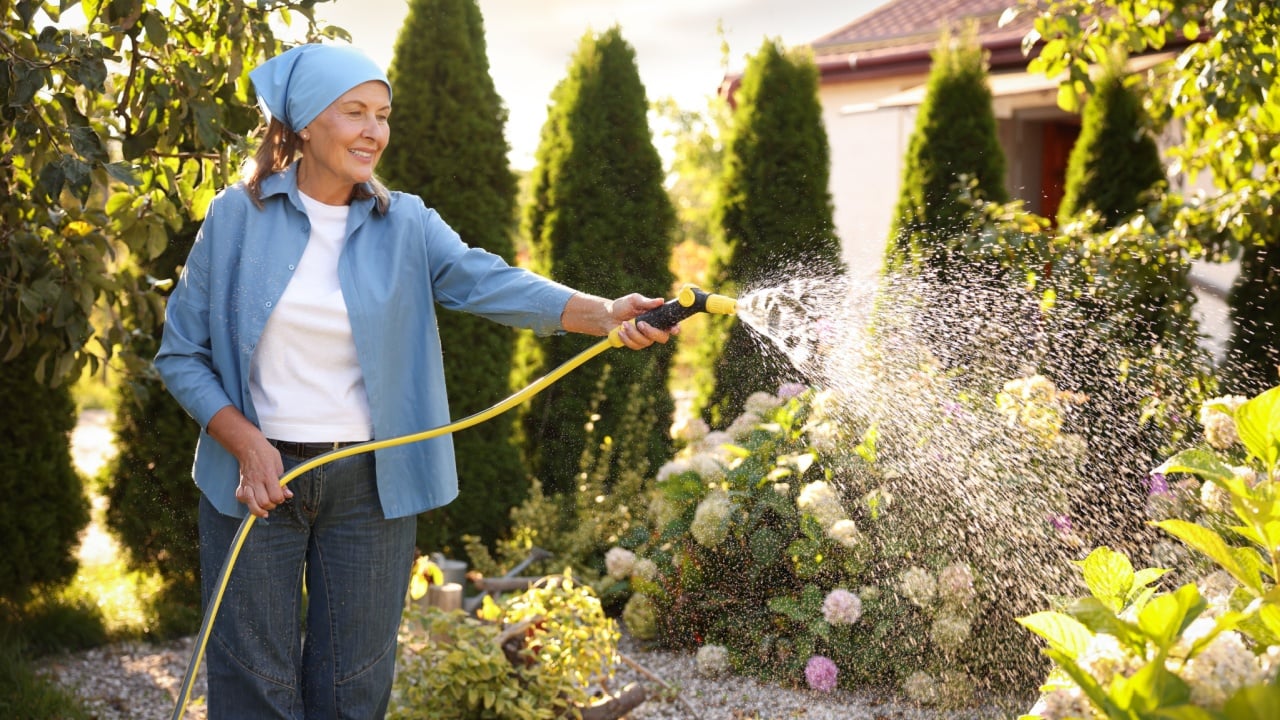
This is the single most counterintuitive and most important piece of advice experienced gardeners know that most beginners never hear. The goal is not to water your plants during a heat wave; the goal is to send them into the heat already fully saturated.
Sharon Yiesla, plant knowledge specialist at The Morton Arboretum, puts it plainly: water thoroughly the day before extreme temperatures are predicted. “Your plants will be much more resilient if they are already stocked up with water when the heat hits,” Yiesla notes. A reservoir of deep soil moisture gives roots something to draw on when surface evaporation accelerates.
Plants are made up of 80 to 90 percent water, and every single life process they carry out depends on it. When moisture in the leaves drops too quickly, wilting begins, and since wilting is a stress response, not a warning sign, by the time you see drooping, your plants have been fighting for hours.
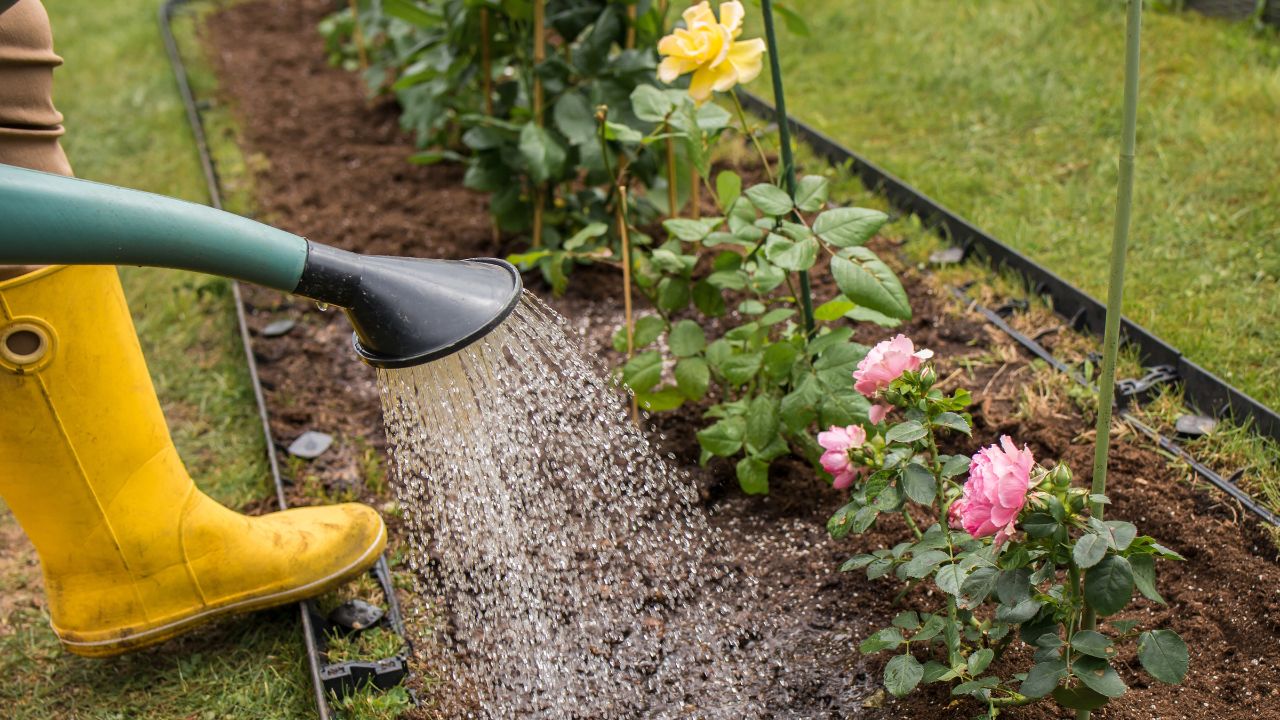
Water deeply and slowly, aiming for moisture to penetrate at least six inches into the soil. Morning is ideal; evening watering can breed fungal problems, particularly on zinnias, squash, and roses.
Mulch Is Your Plants’ Best Defense
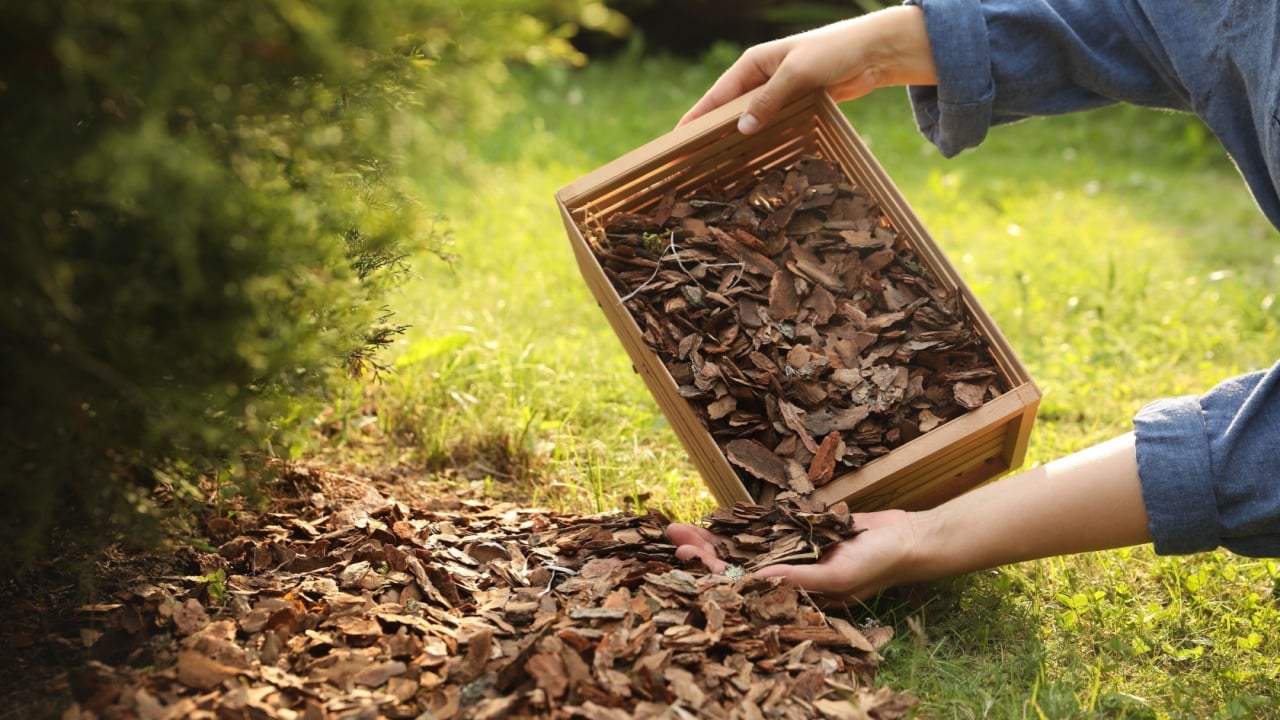
A 2 to 4 inch layer of organic mulch is unanimously the most-recommended heat protection step, cited by sources from UC Davis Arboretum and Iowa State Extension. Mulch does two essential things: it locks in the soil moisture, and it acts as a thermal blanket that prevents exposed soil from heating to dangerous temperatures. Bare soil left in direct sun during a heat wave can reach temperatures that literally cook fine root systems.
The mistakes here are specific. Always water your garden beds thoroughly before you apply mulch, not after. You want to trap moisture in, not seal dryness in. Apply the mulch so it sits 2 to 3 inches away from plant stems; piling it against stems (the so-called “mulch volcano”) traps moisture against bark and causes rot. And if you have a choice, light-colored mulch like straw, dry grass clippings, or shredded light-bark reflects sunlight and keeps the soil surface measurably cooler than dark bark mulch.
Stop Fertilizing Right Now: It’s One of the Worst Things You Can Do Before a Heat Wave
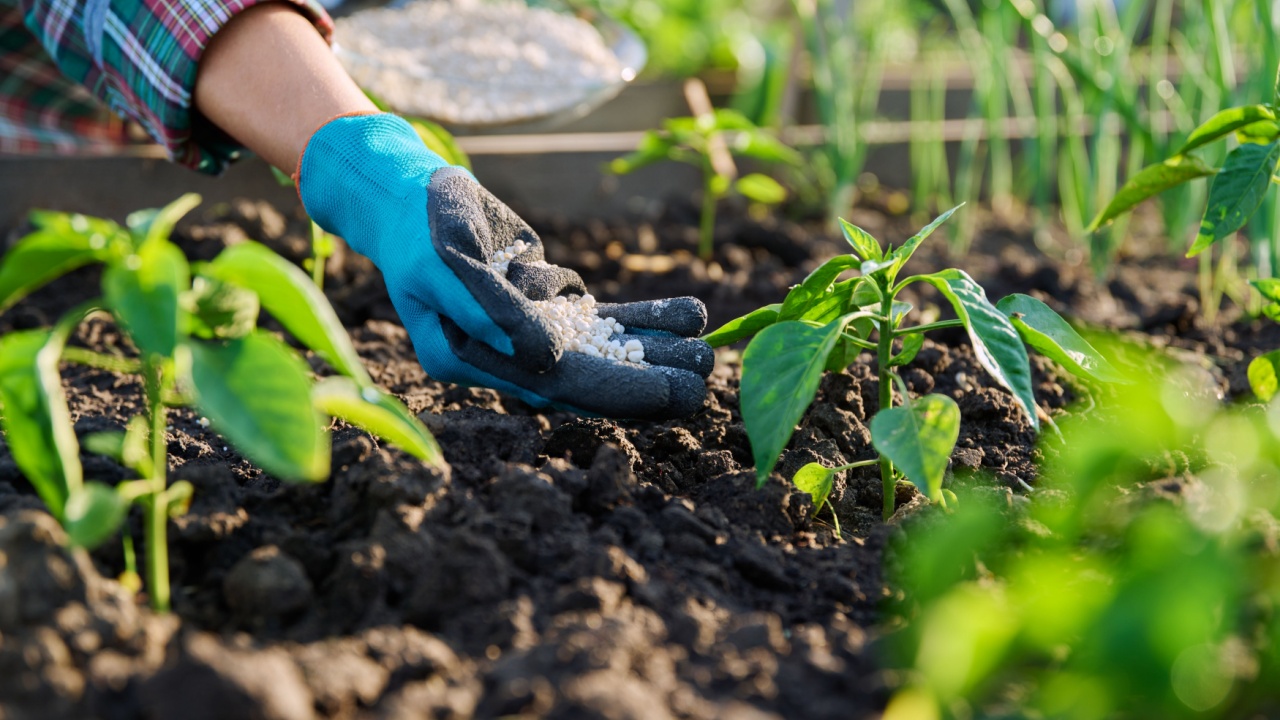
This is the villain in the story of every preventable heat-wave loss, and it surprises almost everyone who hears it.
Fertilizing before or during a heat wave is dangerous. Fertilizer stimulates new, tender growth; precisely the growth that is most vulnerable to heat damage. Soft new shoots and young leaves have no tolerance for extreme temperatures. According to the Desert Botanical Garden, fertilizing before a heat wave can lead to new growth that is immediately scorched, setting the entire plant back significantly.
Do not prune in the days leading up to a heat wave, either. Pruning exposes inner bark and wood to direct sun, causing sunscald that can girdle stems and kill branches. Wait until temperatures stabilize and the plant shows clear signs of recovery before removing any damaged material.
Move Every Container Plant to Shade Before the Heat Arrives
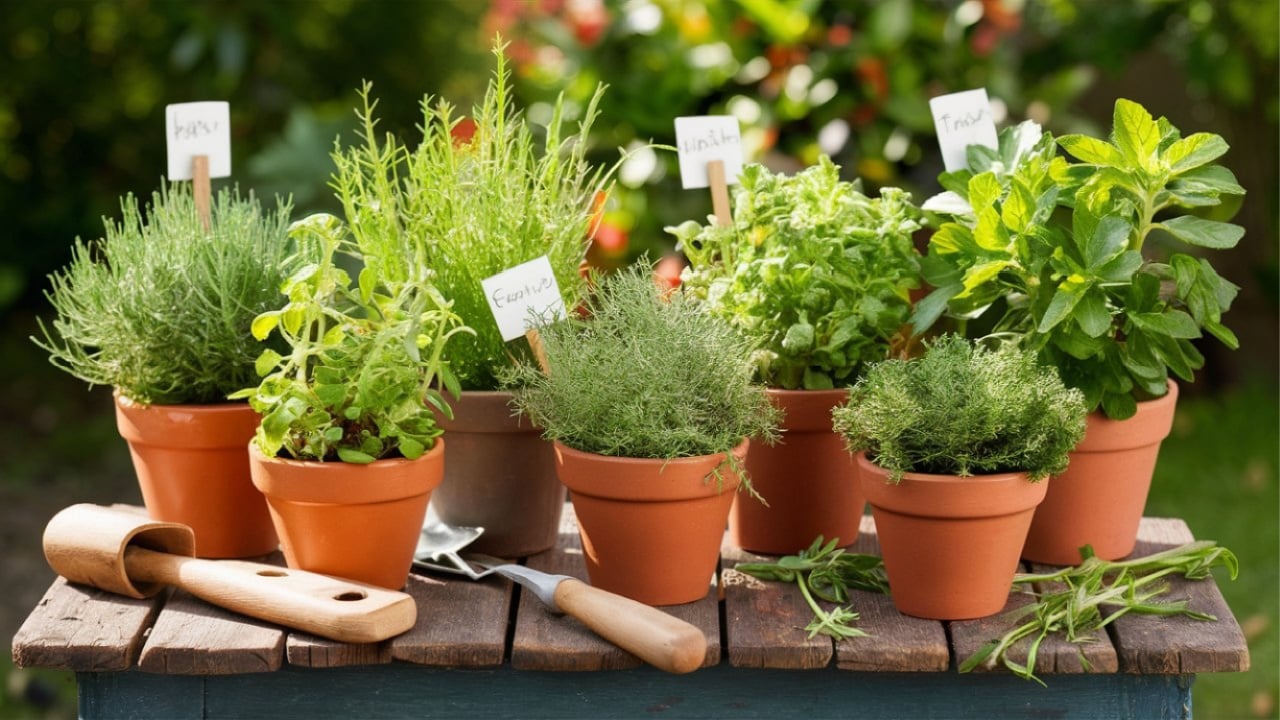
Container plants are in a separate category of vulnerability, and most gardeners treat them no differently than in-ground plants. This is a serious mistake. Potted plants dry out dramatically faster than ground-planted ones. During a heat wave, they may need watering twice a day. But the more urgent problem is the container itself: a dark plastic or ceramic pot sitting on asphalt or concrete can drive soil temperatures to 120°F or above; far beyond any plant’s tolerance threshold.
Before the heat arrives, move every container plant to a sheltered, shaded location. East-facing spots that receive morning sun but are shaded from harsh afternoon rays are ideal. Check soil moisture morning and evening; do not rely on a watering schedule that works in normal temperatures. For gardeners managing larger patio collections, installing a simple soaker hose before the season starts eliminates much of the emergency scramble when heat advisories arrive.
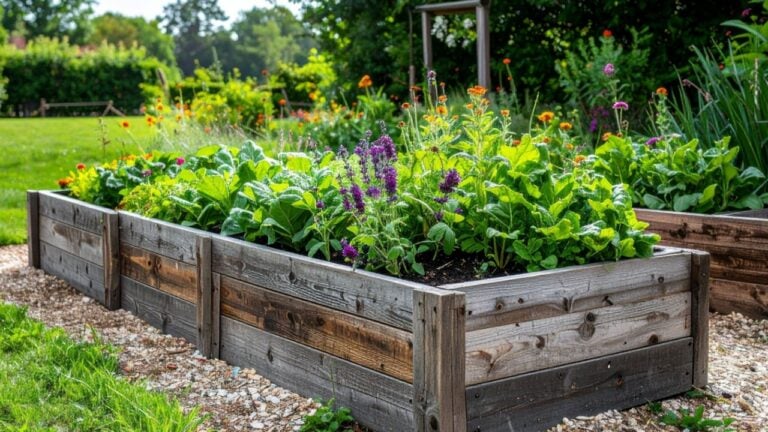
Your Vegetable Garden Needs Urgent Attention
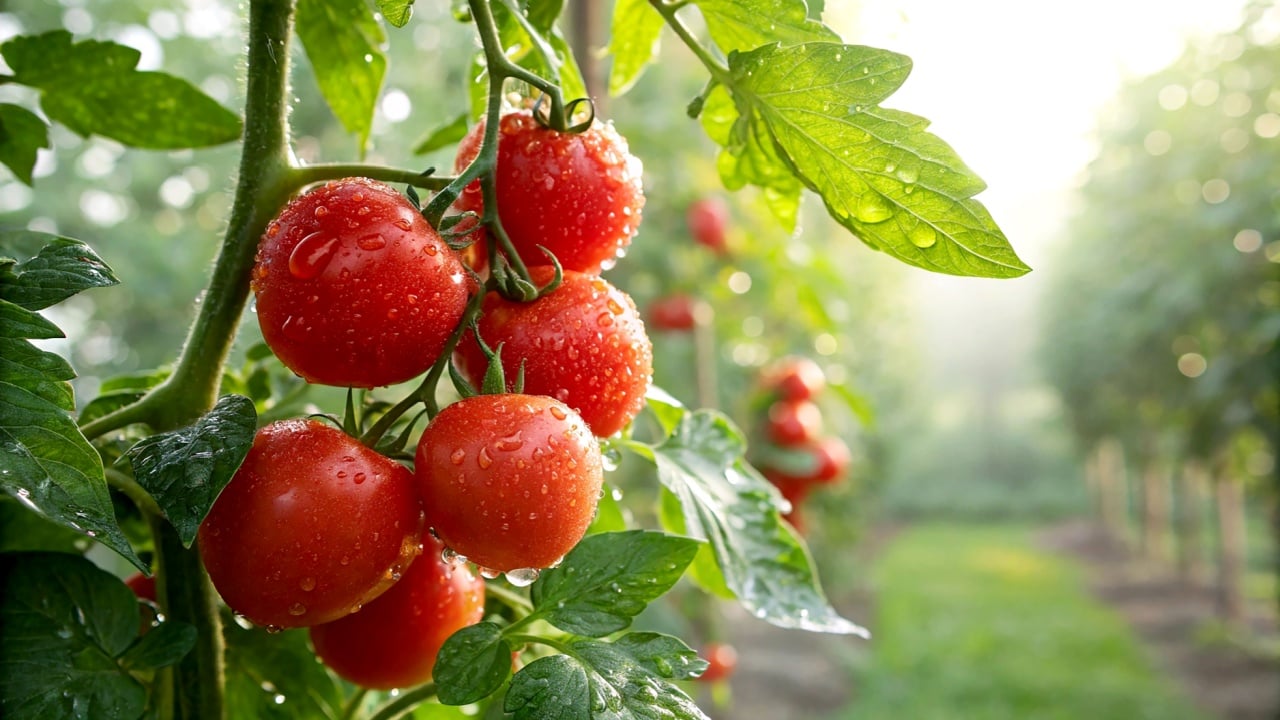
For food gardeners, a heat wave is not just a cosmetic problem. Tomatoes, peppers, cucumbers, squash, beans, and melons drop their blossoms without setting fruit when daytime temperatures exceed 90°F. According to Purdue University Extension, the impact on yield often isn’t visible until five to six weeks after the heat event, a long delay that catches gardeners off guard. You’ll be puzzled in late July by an empty tomato plant when the real cause was a heat wave that swept through in late May or early June.
Sweet corn is particularly unforgiving. Corn gets only one flowering window per season. If your corn happens to be shedding pollen during the heat wave, ear fill will be poor or absent for that entire harvest. There is no second chance.
The practical step is to deep-water your vegetable beds the morning before extreme heat is forecast, apply mulch immediately after, and consider installing shade cloth over the most vulnerable crops for the duration of the event.
Shade Cloth Isn’t Just for Farmers: It Can Save Your Garden This Summer
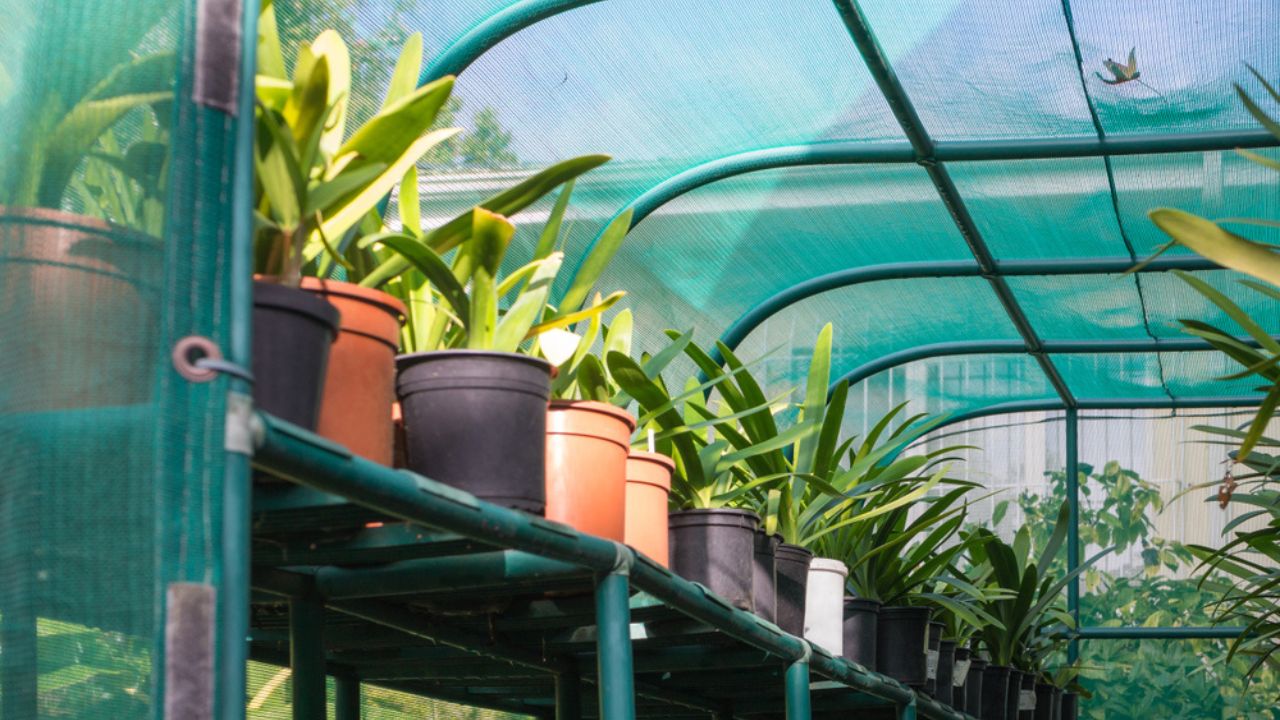
Shade cloth, which is available at any garden center or hardware store in 30% to 50% light filtration grades, is one of the most underused tools in the home gardener’s arsenal. Drape it over vegetable beds, newly planted transplants, and vulnerable flowering shrubs before the heat hits. The key is airflow: shade cloth is breathable, which keeps the space underneath cooler without trapping heat. Do not use solid plastic sheeting, which does the opposite.
If you don’t have shade cloth on hand, old bedsheets or burlap stretched over bamboo stakes work as an effective improvised substitute and cost nothing. Experienced gardeners often build these temporary structures 24 to 48 hours in advance when a heat advisory is issued. Shade matters most for newly planted transplants, which have not yet developed the deep root systems that help established plants draw on cooler soil moisture.
The Plants Most Likely to Suffer, and the Ones That Won’t
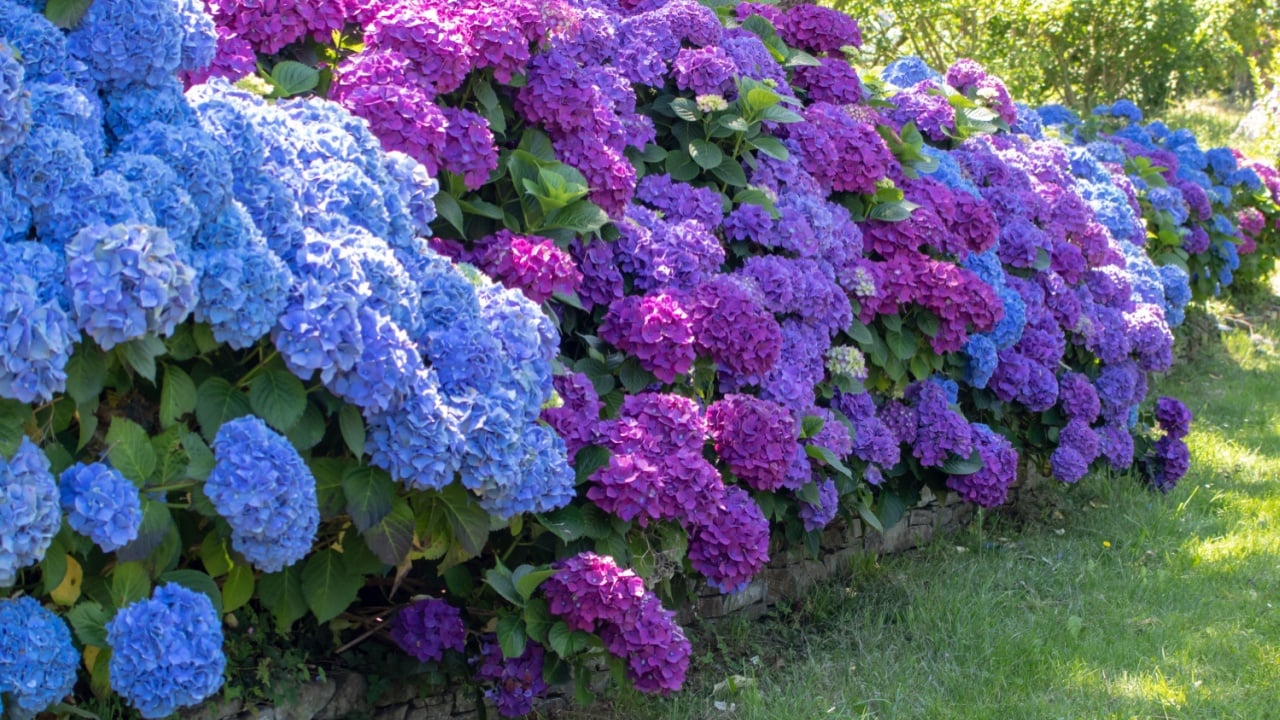
The Royal Horticultural Society surveyed more than 8,000 gardeners after the 2022 heat wave and identified the top 10 most-damaged plants: hydrangeas, Japanese maples, fuchsias, astilbes, roses, anemones, ferns, heuchera, phlox, and crocosmia. Many of these, particularly hydrangeas and Japanese maples, were established plants that gardeners assumed were resilient enough to weather any summer. They were wrong.
Pay extra attention to these plants in your pre-heat-wave preparations. Plants from this list near south-facing walls, driveways, or concrete patios are at especially high risk because radiant heat from those surfaces pushes local temperatures well above what your thermometer reads. Move them if they are in containers; shade them and water them deeply if they are in the ground.
Meanwhile, lavender, rosemary, sedum, and other drought-tolerant perennials and succulents are your most reliable survivors. They do not need the same intervention as the above list.
The Mistake That Turns a Survivable Heat Wave into a Garden Disaster
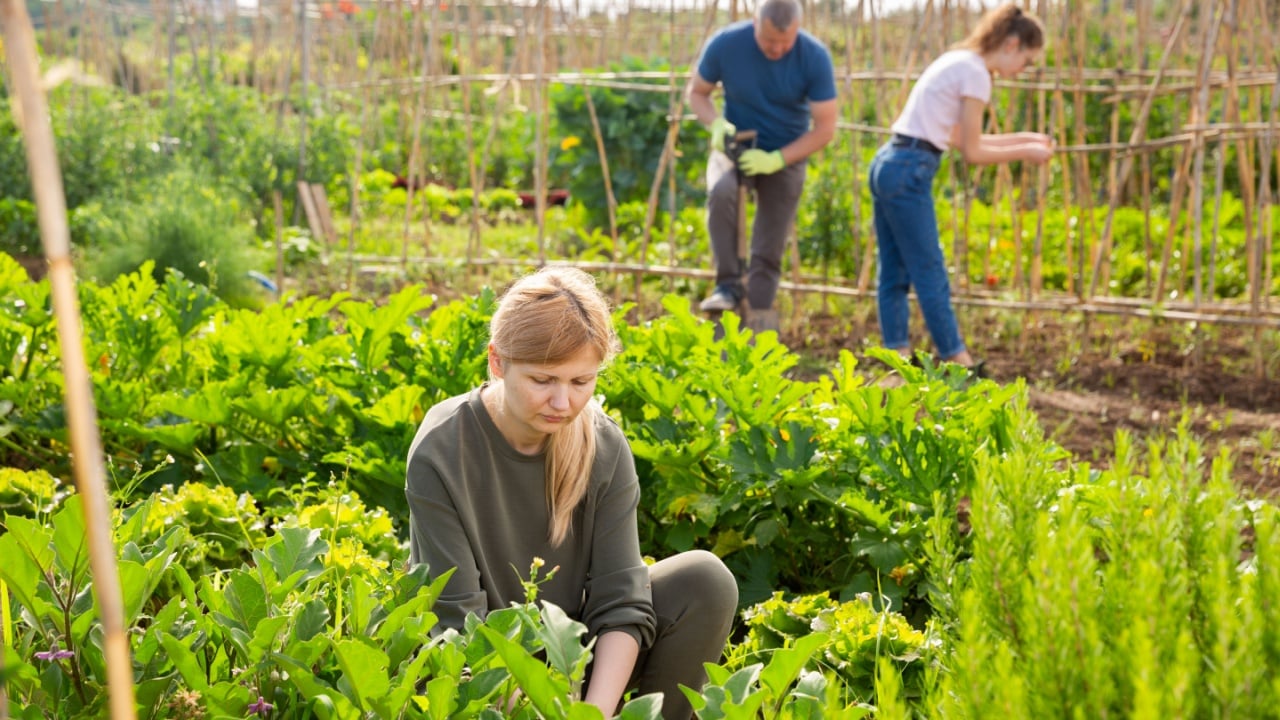
The most damaging moment in many gardeners’ heat-wave experience is not the heat itself, but the panic that follows.
Seeing wilting plants in the middle of a 95°F afternoon often triggers one of two bad responses: frantic overwatering or immediate hard pruning. Both can make things worse. Karen Mitchell, consumer horticulture extension specialist at Purdue University, explains that some plants deliberately close up shop in extreme heat and use far less water than usual. Waterlogged roots during a heat wave are just as deadly as dry ones. Check soil moisture before you water; if the soil is moist several inches down, resist the urge to water again.
As for that scorched-looking foliage: wait. Do not cut it back aggressively during or immediately after the heat event. Damaged leaves are still providing structural support and minor photosynthesis to a stressed plant. Let the heat wave pass completely, give the plant a week to stabilize, and then assess carefully. Cutting back too soon is one of the fastest ways to turn a plant that would have recovered into one that does not.
What to Do Right Now
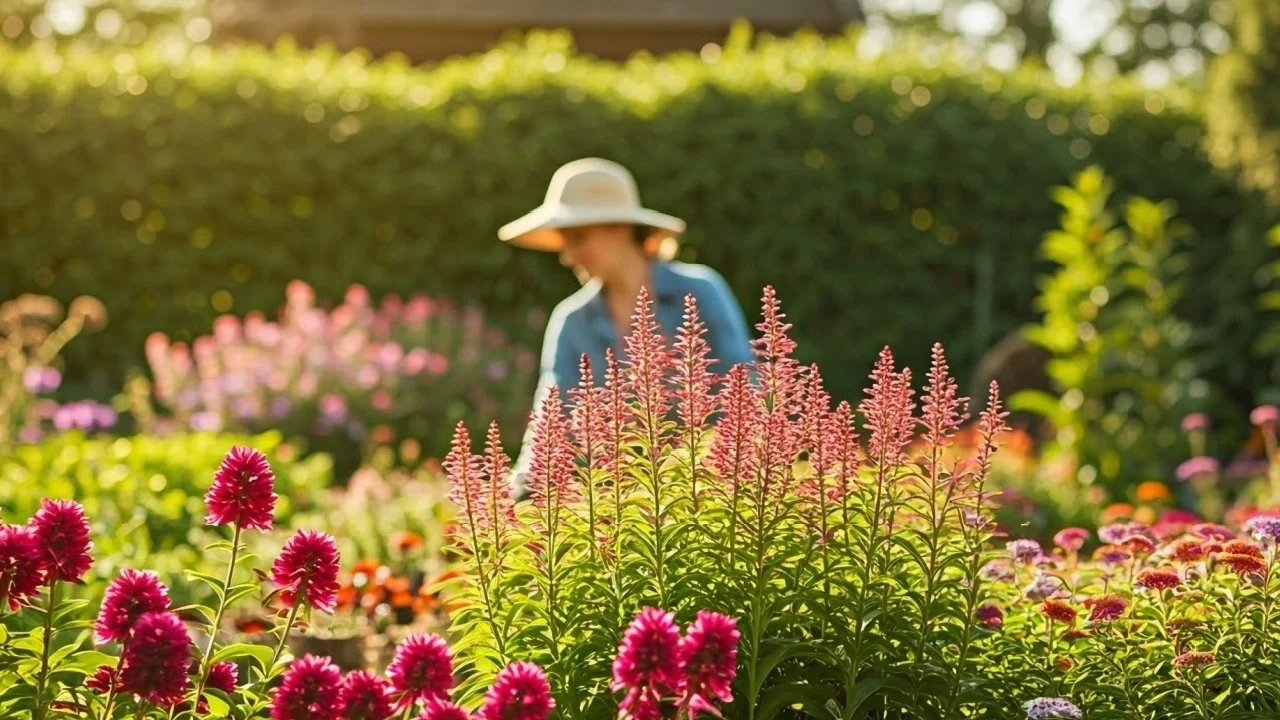
If a heat advisory is in your forecast for the next 24 to 48 hours, this is your action list. Water all beds deeply tonight, getting moisture at least six inches into the soil. Apply 2 to 4 inches of mulch tomorrow morning after you water, keeping it clear of plant stems. Move container plants to shade. Pull any weeds competing for moisture. Put shade cloth or improvised covers over your vegetable garden and any hydrangeas, Japanese maples, or fuchsias in exposed spots. Do not fertilize and do not prune.
That’s it. These steps won’t guarantee zero losses in a historic heat event, but they will protect the vast majority of what you planted this spring.
Every seasoned gardener who has made it through years of summer heat waves will tell you the same thing: preparation is everything, and the window is shorter than you think.
Read More
Washing Your Lettuce Won’t Remove Cyclosporiasis, But Growing Your Own Will
Your Grandmother Stored These 8 Foods All Winter Without Canning a Single Jar