
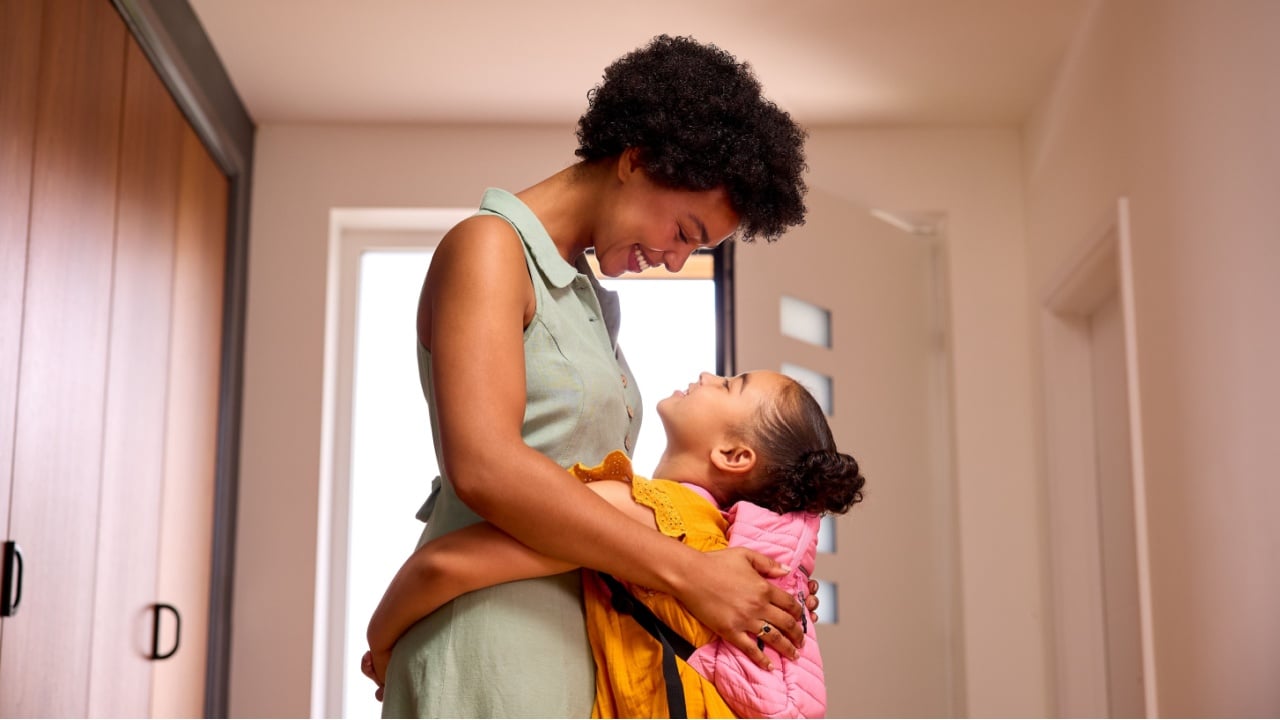
6 Reasons Society Still Looks Down on Stay-at-Home Moms in the U.S.
Stay-at-home moms do some of the most demanding work in existence, yet they are among the most judged people in modern society. Most have no paychecks, titles, or performance reviews, and somehow, that gets read as doing nothing at all.
The pressure on mothers today comes from every direction. They are told to lean in, build careers, and prove their worth in measurable, professional terms. When a woman steps away from paid work to raise her children full-time, the response is rarely neutral.
The stigma is not random. It is rooted in specific cultural shifts, economic values, and deeply embedded assumptions about what a woman’s time is worth. Understanding where it comes from makes it easier to push back against it.
This article breaks down six of the most common reasons society still undervalues stay-at-home moms, and why each one deserves a second look.
1. Economic Dependence is Seen as a Weakness

Because stay-at-home moms do not earn wages, society tends to frame their financial situation as dependence, and dependence gets read as a character flaw. Western culture has built a strong link between earning money and having value, so a woman who does not draw a salary is often assumed to lack drive or self-sufficiency.
This framing ignores the reality that her unpaid labor directly supports the household economy, from cooking, cleaning, managing schedules, and raising children. All of these have real market value if you price them out.
One study estimated that the work of a stay-at-home parent, if compensated, would amount to over $178,000 per year. The deeper issue is that financial independence has become conflated with personal independence, as if a woman cannot have her own identity, opinions, or autonomy without her own income.
Many stay-at-home moms are active partners in household finances, manage budgets carefully, and make major decisions alongside their spouses. Choosing to divide labor in a way that has one person earning and one person managing the home is a practical arrangement, not a power imbalance by default.
2. Success is Defined by Professional Titles

Modern culture has narrowed its definition of success down to what shows up on a LinkedIn profile. Promotions, salaries, job titles, and company names have become the primary currency of social status, and anyone outside that system gets quietly written off.
Women who leave the workforce to raise children are often treated as if they have opted out of ambition entirely, when in reality they have redirected it toward something society simply refuses to measure.
This workplace-centric worldview puts stay-at-home moms in an impossible position. They are doing work that directly shapes the next generation, managing a household with real complexity, and often volunteering, organizing, or supporting their communities as well.
None of that earns a title or a bonus, so it registers as invisible to a culture obsessed with productivity metrics. A more honest measure of contribution would have to include the long-term social value of raising children with stability, care, and presence, none of which shows up in a quarterly report but all of which matter enormously to how those children move through the world.
3. The Lazy Stereotype Refuses to Die

The image of the stay-at-home mom eating bonbons and watching daytime television has been a cultural punchline for decades, and it refuses to go away despite being completely disconnected from reality.
A typical day for a stay-at-home mom involves childcare, meal planning and preparation, household management, emotional labor, and often errands, appointments, and administrative tasks that would fill any 9-to-5.
The Bureau of Labor Statistics shows that parents of young children who are not employed outside the home spend significantly more time on household activities and childcare than those who are. Calling that lazy is not just wrong but willfully ignorant.
Changing this requires a broader cultural willingness to count caregiving as real labor, which is something researchers, economists, and policy advocates have been arguing for years with limited mainstream traction.
4. Resume Gaps Are Treated as Red Flags
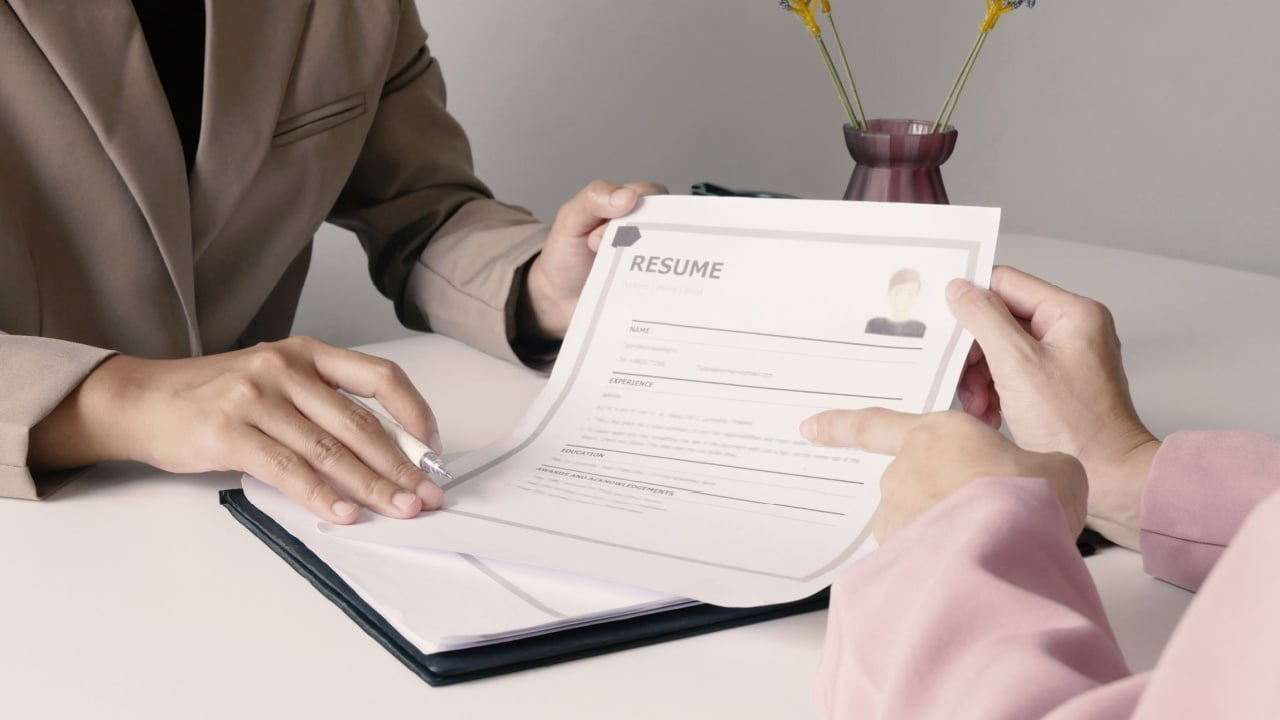
When a stay-at-home mom eventually returns to the workforce, she faces a hiring landscape that treats time away from paid employment as a liability. Employers often assume that a career gap signals a lack of initiative, outdated skills, or reduced commitment, none of which are fair or accurate conclusions.
A mother who spent years managing a household, coordinating care, handling finances, and problem-solving under pressure has developed a wide range of transferable skills that simply did not come with a job title. The gap on her resume reflects a choice, not a failure.
This bias has real consequences. Applicants with employment gaps receive fewer callbacks, and mothers, in particular, face additional scrutiny compared to fathers or childless candidates.
The irony is that the years spent raising children often build exactly the skills organizations say they value most, from communication, adaptability, multitasking, and long-term thinking.
5. There is a Clear Gendered Double Standard

When a father chooses to stay home with his children, he is frequently praised as modern, selfless, and progressive. When a mother makes the same choice, she is questioned, pitied, or judged for not living up to the contemporary ideal of “doing it all.”
This double standard is so normalized that many people do not even notice it, but it reveals an uncomfortable truth about how society still views motherhood versus fatherhood as fundamentally different responsibilities. Fathers are celebrated for choosing caregiving; mothers are criticized for not also maintaining a career.
The “do it all” expectation placed on women is particularly exhausting because it is impossible by design. Society tells mothers they should work full-time, raise their children attentively, maintain a home, stay physically healthy, and be emotionally available.
When a woman decides to step back from paid work to focus on her family, she is seen as giving up rather than making a deliberate, informed choice about her priorities. Until society applies the same standards to fathers that it applies to mothers, this double standard will continue to paint stay-at-home moms as underachievers for doing something that would earn a man applause.
6. Feminism’s Complicated Relationship With Domesticity
Decades ago, staying home was the default expectation for women, with little room for any other path. The feminist movements of the 20th century rightfully challenged that, fighting to open professional doors and expand what women could do with their lives.
But somewhere in that cultural shift, the pendulum swung hard enough that domesticity itself became seen as regressive, and women who chose it were treated as letting the side down. What started as a fight for choice gradually became a hierarchy, where some choices were more respected than others.
This creates a painful irony for stay-at-home moms who feel caught between two sets of expectations. Traditional circles may still idealize the role, while progressive ones may quietly question it. True support for women’s autonomy has to include defending choices that do not look like career advancement, because any feminism that dismisses homemaking as inferior has simply replaced one set of restrictions with another.
You Do Not Need a Paycheck to Deserve Respect

The stigma around stay-at-home moms is unfair and a symptom of how poorly society measures human contribution.
When value is only visible in wages and titles, everything outside that system gets dismissed, and that dismissal lands hardest on the people doing the most invisible work.
Shifting that perspective starts with taking unpaid labor seriously, challenging the double standards we apply to mothers versus fathers, and widening the definition of a life well-lived beyond professional achievement.
Every stay-at-home mom navigating these judgments deserves to do so without having to justify her worth to a culture that simply has not caught up yet.
Read More:
Mom Shares Practical Tips for Keeping a Home Running with Less Clutter
A Woman’s Hilarious Rant About What Every Mom Is Thinking This Mother’s Day


