7 Mistakes That Are Killing Wildlife in Your Yard During a Drought
Every year, well-meaning gardeners across the country set out water dishes, top off birdbaths, and scatter seed – and end up making things worse for the very creatures they’re trying to save. Helping wildlife during a drought isn’t complicated, but it is easy to get wrong, and the consequences can be fatal for animals that are already dangerously stressed.
During a drought, wildlife doesn’t spread out across the landscape the way it normally does. It concentrates. Birds, insects, mammals, and reptiles all crowd toward the same shrinking water sources, and wherever animals crowd together, disease travels fast. A badly maintained birdbath during a drought isn’t a lifeline; it’s a trap. Audubon has documented how, during a single California drought, nearly 20,000 Band-tailed Pigeons died from avian trichomonosis spread at shared water sources; a disease that travels through contaminated drinking water with terrifying speed when birds are massed in the same spot.
August is one of the most critical months to get this right. Nesting birds need water for their young, pollinators are burning through energy reserves with nowhere near enough nectar, and ground-dwelling creatures like toads and salamanders are already retreating deeper into the soil. Every saucer you put out, every patch of lawn you leave uncut, and every water dish you forget to clean has a direct consequence right now, when the pressure on local wildlife is at its highest.
The good news is that most of what helps costs absolutely nothing. A pie tin, some pebbles from the driveway, and a shady corner of the yard can do more for local wildlife than a $200 garden fountain. Here are the seven mistakes to stop making this year, and what wildlife rehabilitators and conservation biologists quietly do instead.
1. Putting Out a Birdbath and Never Cleaning It
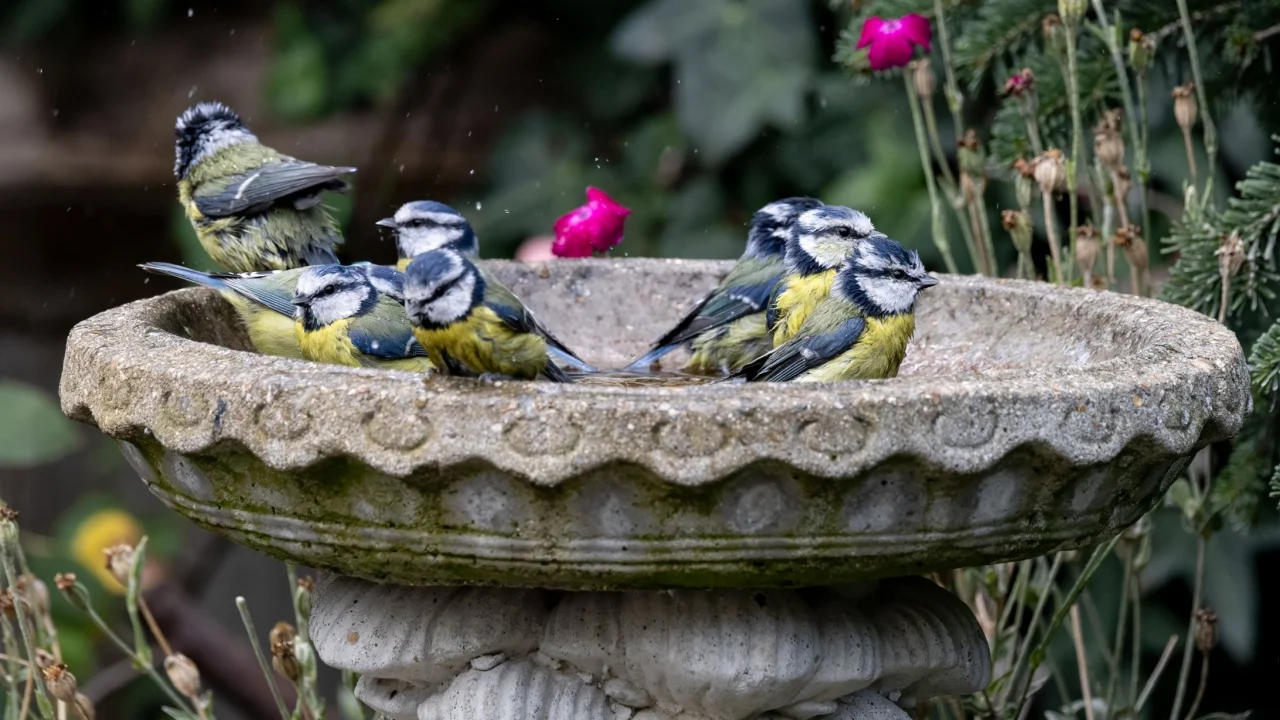
This is the mistake wildlife rehabilitators wish they could shout from the rooftops.
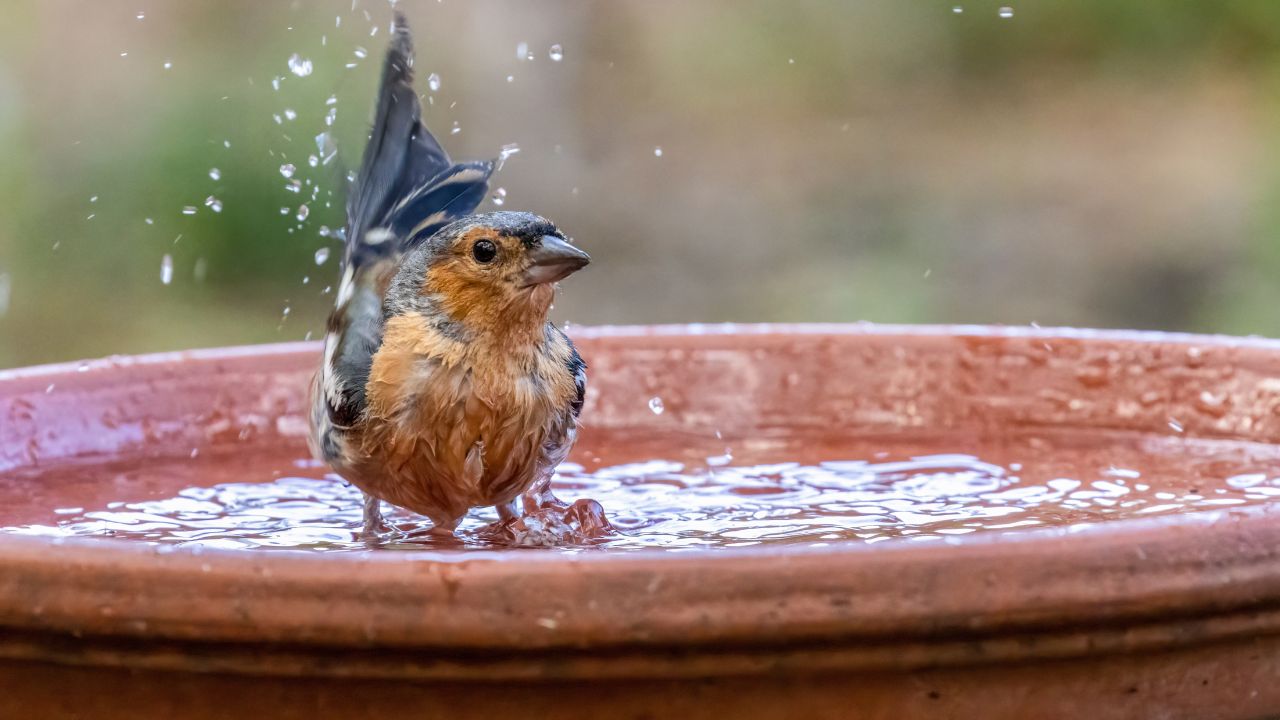
A dirty birdbath during drought conditions doesn’t just fail to help; it actively kills. When drought concentrates birds at the only water they can find, a contaminated bath spreads avian diseases with shocking speed. According to Audubon, the combination of heat stress and shared, stagnant water can trigger mass die-offs in species that would otherwise be perfectly healthy.
Clean your birdbath every two to three days with a stiff brush and fresh water, and position it in shade to slow algae growth. No cleaning products are necessary; mechanical scrubbing removes biofilm just as effectively, without leaving chemical residue that harms sensitive species.
2. Forgetting Ground-Level Water for Creatures That Can’t Fly
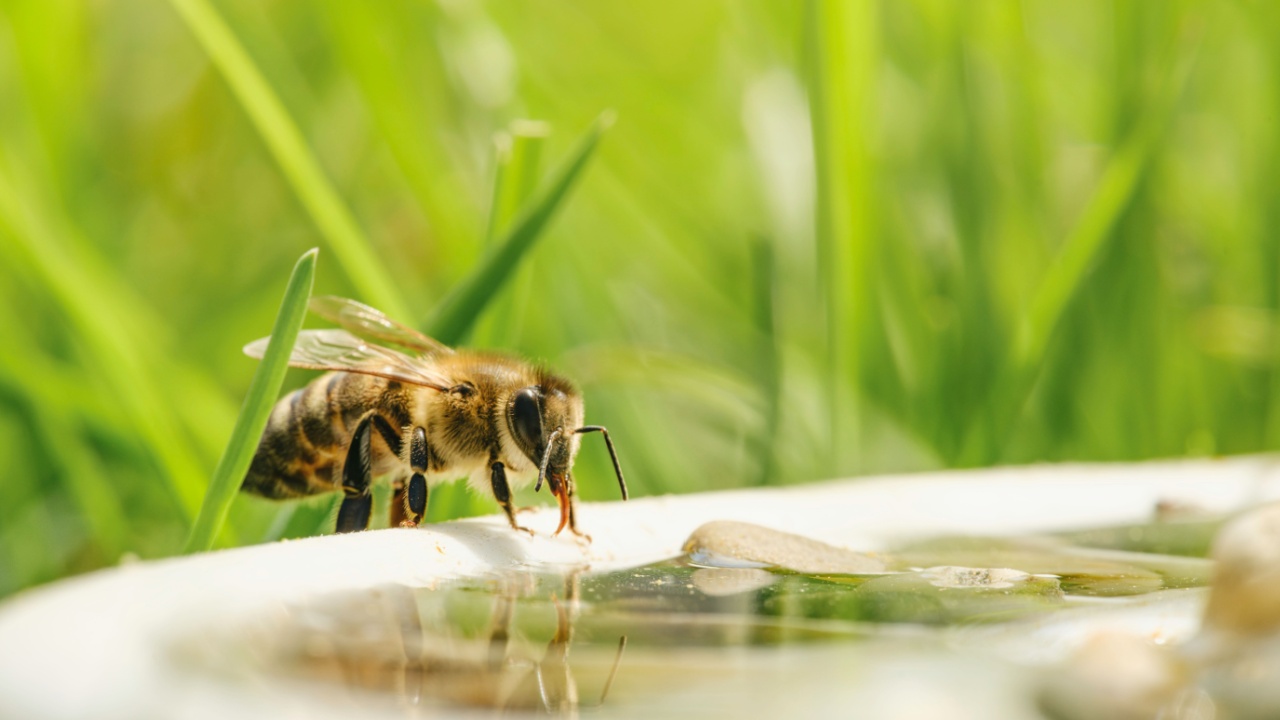
Most gardeners think of birds when they set out water, and most birdbaths are designed accordingly: tall, elegant, and completely inaccessible to anything without wings. Toads, box turtles, ground squirrels, raccoons, and the bees doing the heavy lifting in your garden are all left out.
Georgia Wildlife says that a simple shallow dish on the ground makes a backyard accessible to an additional layer of wildlife that would otherwise go without. An old pie tin or plastic plant saucer costs nothing and transforms your yard from a bird-only rest stop into a genuine community resource.
3. Skipping the Pebbles (And Accidentally Drowning Bees)
Open water in a flat dish is a drowning hazard for the smallest creatures that need it most.
Bees, butterflies, beetles, and small songbirds all need something to land on and grip before they can drink. Gardeners who’ve spent time watching wildlife water stations closely are consistently surprised to discover that bees are often the most frequent visitors, outnumbering birds on warm afternoons.
Drop a handful of pebbles, marbles, or a short length of bark into every water dish you put out. It costs nothing, and it’s the difference between a dish that saves lives and one that collects small bodies. Your grandmother knew to put a stick in the rain barrel for exactly this reason.
4. Tidying the Garden During a Drought
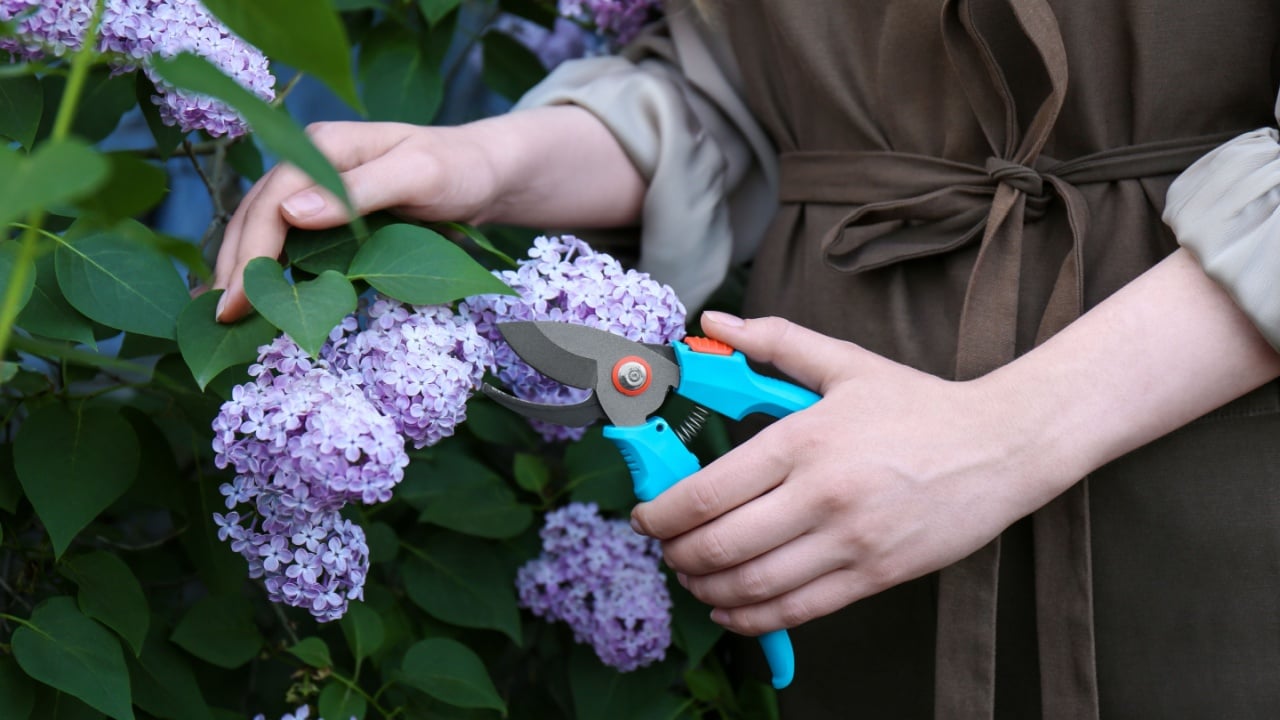
The impulse to keep a tidy garden runs deep, especially in summer when things start to look ragged. During a drought, that impulse is one of the most harmful things you can act on.
Removing leaf litter strips toads, salamanders, and ground beetles of the damp, cool refuge that is their only defense against lethal heat. Cutting spent flower stalks removes the seed heads that goldfinches depend on when berries and insects fail. Mowing low eliminates the grass root-zone humidity where toads shelter during the hottest hours of the day.
Gardeners who have been at this for decades often say that the season they finally stopped fighting the messiness of a drought-stressed garden was the season they saw the most wildlife. The Royal Horticultural Society advises leaving wildflower patches, meadow grasses, and seed-bearing plants entirely uncut during dry spells. Messy is no longer a garden flaw; during a drought, messy is a wildlife shelter system.
5. Adding Tap Water Directly to Your Pond
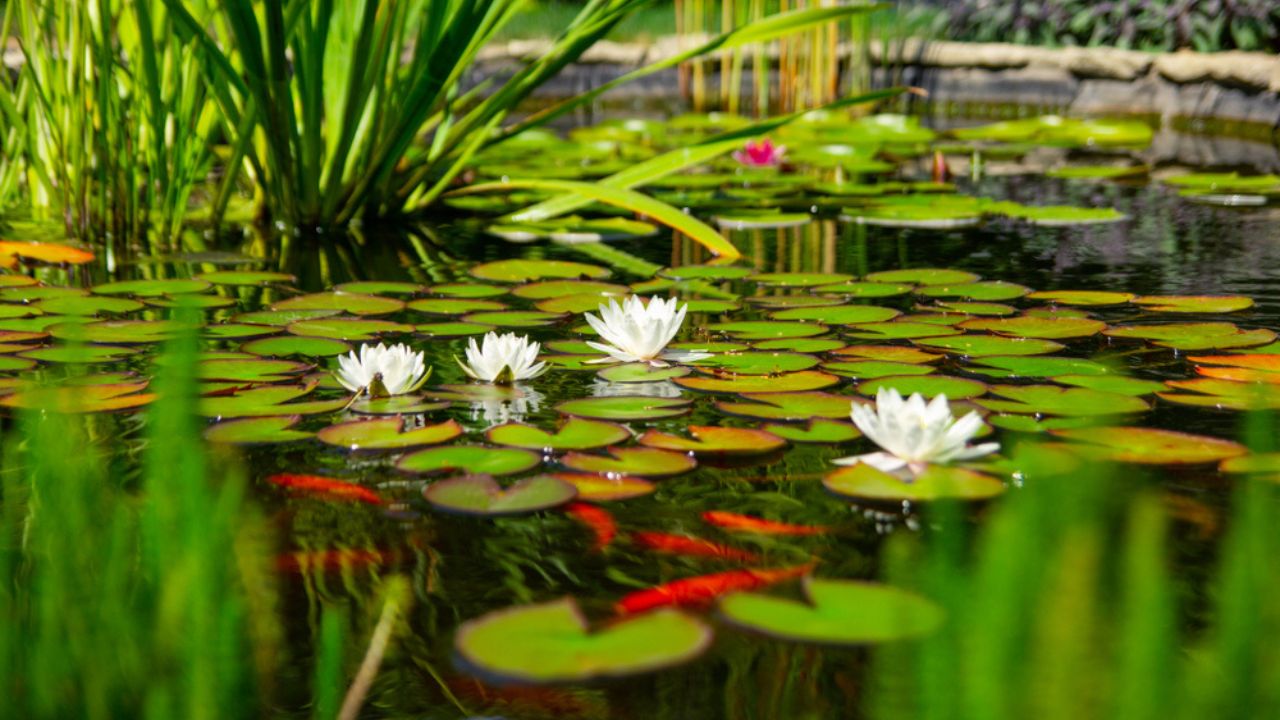
Tap water contains chlorine and, in many municipalities, chloramine — chemicals that are harmless at the tap but stressful or lethal to the pond microbiome, amphibian larvae, and aquatic insects that depend on healthy water chemistry.
When pond levels drop in a drought, and you need to top them off, fill a bucket with tap water and let it sit for a minimum of 24 hours before adding it to the pond. The chlorine will off-gas naturally. Better still, a rain barrel connected to a downspout gives you free, unchlorinated water on demand and is the single most cost-effective wildlife support upgrade a gardener can make, often saving $50 to $100 per summer in supplemental watering costs while ensuring the pond stays healthy.
6. Leaving Pet Food Out or Unsecured Bird Feeders Unattended
Drought displaces wildlife in ways most suburban gardeners don’t anticipate. When natural food and water sources fail, animals range farther and behave more boldly than they normally would.
Utah State University Extension warns that drought conditions dramatically increase human-wildlife conflict at the urban-wildland interface: bears raid unsecured bird feeders and garbage cans, coyote sightings in neighborhoods spike noticeably, and raccoons and skunks push into gardens in search of pet food. During a drought, keep pet food indoors, clean your grill after every use to eliminate scent, and secure birdseed in covered containers. The goal is to invite wildlife to water, not to accidentally recruit a problem animal you didn’t want.
7. Setting One Water Station and Calling It Done
A single birdbath in the middle of a sunny patio will attract bold, confident birds. It will do nothing for the shyer half of your local wildlife. Toads, snakes, rabbits, and certain ground-feeding birds actively avoid stations set in the open, exposed to predators and human activity.
The wildlife biologists and experienced conservation gardeners who have truly beautiful wildlife yards almost always do one additional thing that nobody talks about: they place a second, smaller water dish at the far shaded corner of the yard, near a log pile or dense shrub, and leave it completely alone. That station, the quiet one far from human traffic, is often the one that gets the most diverse visitors. It costs nothing, takes 30 seconds to set up, and does more for shy species than any elaborate water feature you could buy.
The Free Drought-Support Kit That Works Better Than You’d Expect
You don’t need to spend a dollar to meaningfully help your local wildlife through a dry spell. A shallow pie tin, a handful of driveway gravel, a stick, and a shady corner of the yard is the minimum viable setup, and it works. Add a second dish at the yard’s far edge, stop deadheading your native plants, leave the leaf litter alone, and let that compost pile stay damp. The RHS and the National Wildlife Federation both emphasize that the most effective wildlife gardens are ones that do slightly less, not more: less tidying, less mowing, less intervening, and more patience.
Wildlife has been navigating dry spells for millions of years. They don’t need you to build them a resort. They need you to stop accidentally making things harder. A few small, free adjustments will outlast any drought.
Read More
Washing Your Lettuce Won’t Remove Cyclosporiasis, But Growing Your Own Will
Your Grandmother Stored These 8 Foods All Winter Without Canning a Single Jar