Stop Leaving Your Garden Beds Bare: 9 Cover Crops That Quietly Build Better Soil All Season Long
Bare garden beds look tidy. But every day that soil sits exposed and empty, something is going wrong underneath, and most gardeners have no idea it’s happening.
When soil goes uncovered, it loses fertility faster than you might expect. Rain compacts the surface into a crust. Wind carries away fine organic particles. The ultraviolet light that would help your tomatoes thrive overhead destroys the beneficial bacteria living in the top few inches below. Earthworms, sensing the lack of food and cover, move on. What feels like a garden at rest is actually a garden quietly falling apart. By spring, you are buying bags of fertilizer and fighting weeds to compensate for losses that never had to happen.
The Old Farmer’s Almanac has been advocating cover crops for home gardens for generations, and the wisdom has never been more practical. Sometimes referred to as a “living mulch”, a single packet of oat or clover seed scattered over an empty bed in fall or early summer can replace $40 to $60 worth of soil amendments by the time spring arrives. The roots hold soil in place, the decomposing plant matter feeds the soil microbiome, and depending on which cover crop you choose, you may be delivering free nitrogen, breaking up hardpan, or smothering next season’s weeds before they ever germinate.
What Cover Crops Actually Do to Your Soil (And Why Bare Beds Are the Problem)
Cover crops improve soil through a combination of physical, chemical, and biological processes happening simultaneously. Their roots hold soil structure together and create channels that allow water and air to penetrate. When plant matter is incorporated or breaks down on the surface, it adds organic matter to the soil, feeding the billions of microorganisms responsible for nutrient availability.
According to the Sustainable Agriculture Research and Education organization, research has shown that cover crops can loosen compacted soil even more effectively than mechanical subsoiling equipment. The same organization’s research found that cover-cropped soils host higher populations of deep-burrowing earthworms than bare soil, and those earthworms are your garden’s best unpaid labor force, aerating, draining, and cycling nutrients all season long.
The villain here is not neglect. It is the common assumption that bare soil is neutral, when, in reality, it isn’t. Bare soil erodes, compacts, and loses microbial life with every rain and every season it goes unplanted. Cover crops are the correction.
Here are 9 cover crops worth knowing, matched to the most common goals in a home garden.
1. Oats: The Easiest Beginner Cover Crop
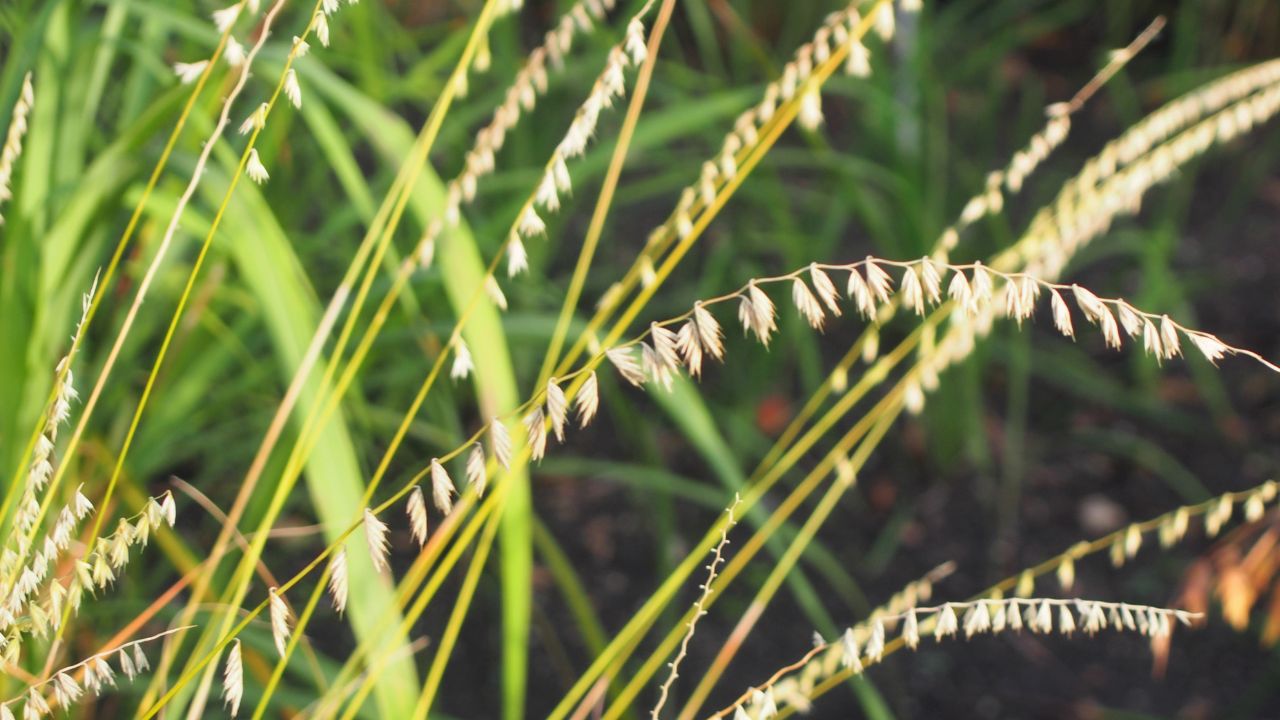
If you’ve never tried a cover crop, start with oats. According to the University of Minnesota Extension, oats are affordable, widely available, and among the fastest-growing options for fall planting.
They establish quickly, scavenge excess nitrogen from the soil before it leaches away, and in most climates, they naturally winter-kill, meaning you won’t need to do anything to terminate them in spring. The residue breaks down in place, adding organic matter to your bed. A nearly foolproof first step.
2. Hairy Vetch: The Nitrogen Powerhouse

Hairy vetch is the cover crop that surprises experienced gardeners most.
This legume works with Rhizobium bacteria in its root nodules to pull nitrogen directly from the atmosphere and fix it in the soil. Research cited by Nebraska Extension via Farm Progress indicates hairy vetch can fix between 38 and 170 pounds of nitrogen per acre, depending on biomass accumulated before termination.
One critical warning: hairy vetch must be cut before it finishes flowering. Allow it to go to seed, and it will reseed aggressively and become very difficult to manage.
3. Winter Rye and Hairy Vetch Together: The Gold Standard Duo
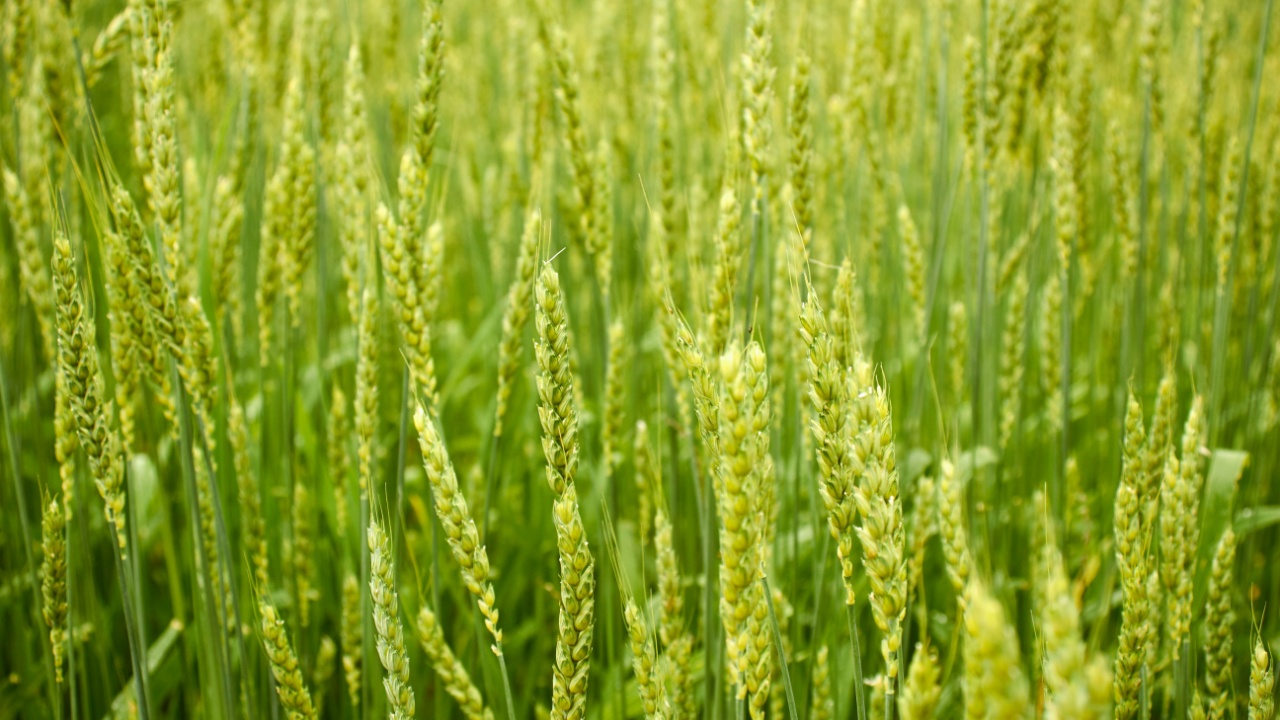
The most thoroughly researched pairing in organic home gardening is winter rye combined with hairy vetch.
As the Rodale Institute explains, the grass-legume combination outperforms either plant alone: the rye produces dense biomass that suppresses weeds and protects soil, while the vetch fixes nitrogen. Together, they also deliver a balanced carbon-to-nitrogen ratio, releasing nutrients gradually as they decompose.
The Northern Gardener reports this pairing can visibly transform depleted community garden plots in a single season.
4. Daikon Radish: The Compaction Buster
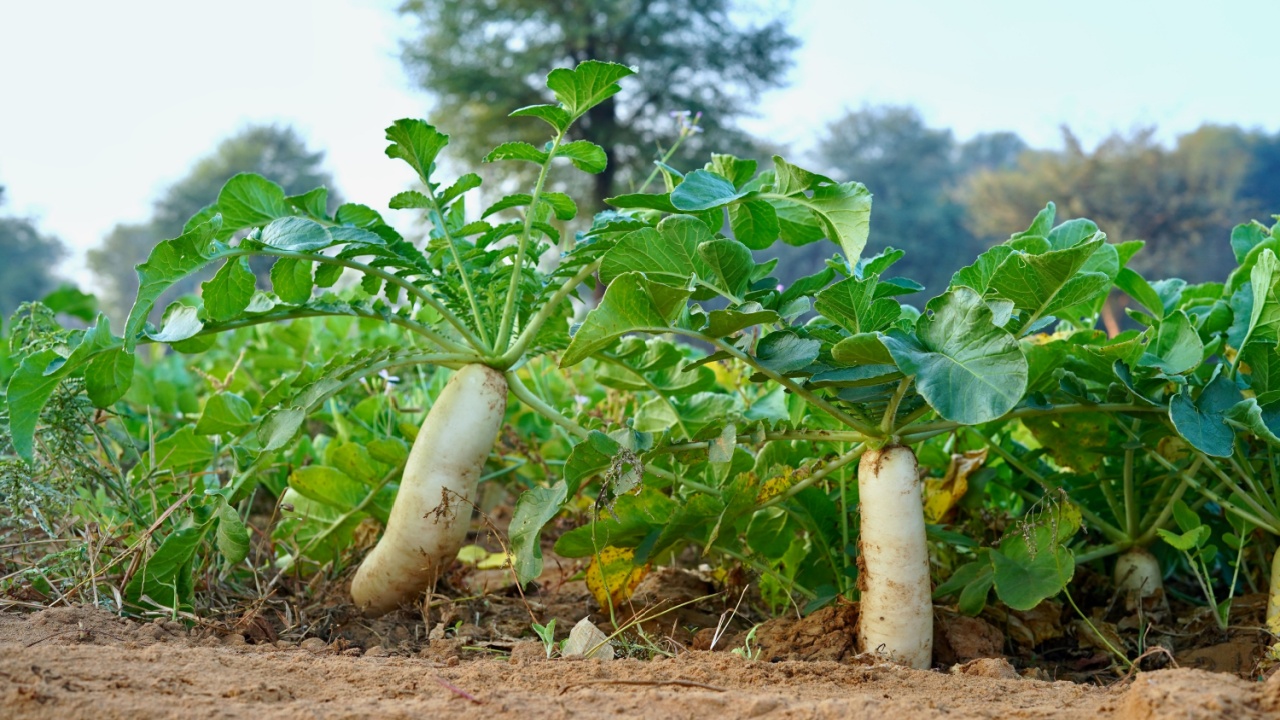
If your garden soil has a compacted layer, daikon radish may be the most dramatic fix available without a tiller. This cover crop grows a deep, thick taproot that physically penetrates compacted soil, in a process agronomists call biodrilling.
According to American Meadows, daikon radish is one of the best cover crops for aerating compacted soil and improving water infiltration. Gardeners with clay-heavy soil regularly report a visible transformation in texture after a single season. The radish winter-kills in most climates, leaving behind a decomposing taproot channel for the following season.
5. Crimson Clover: The Pollinator Magnet
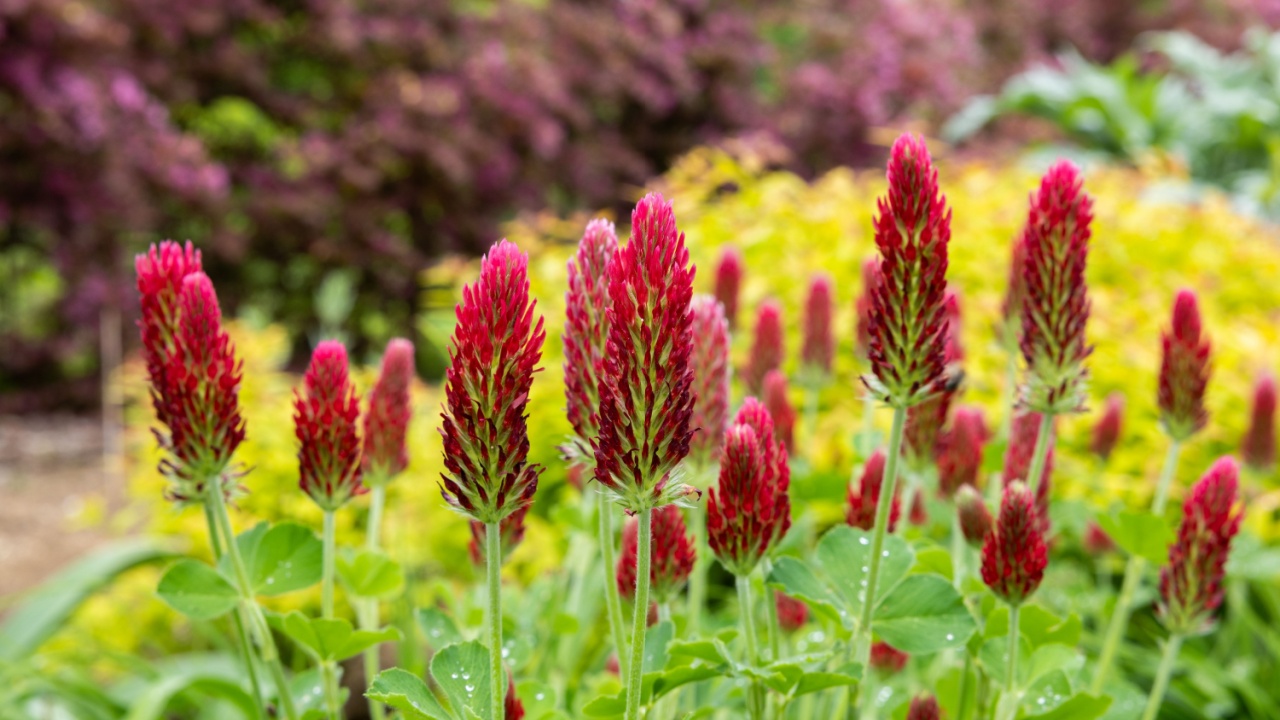
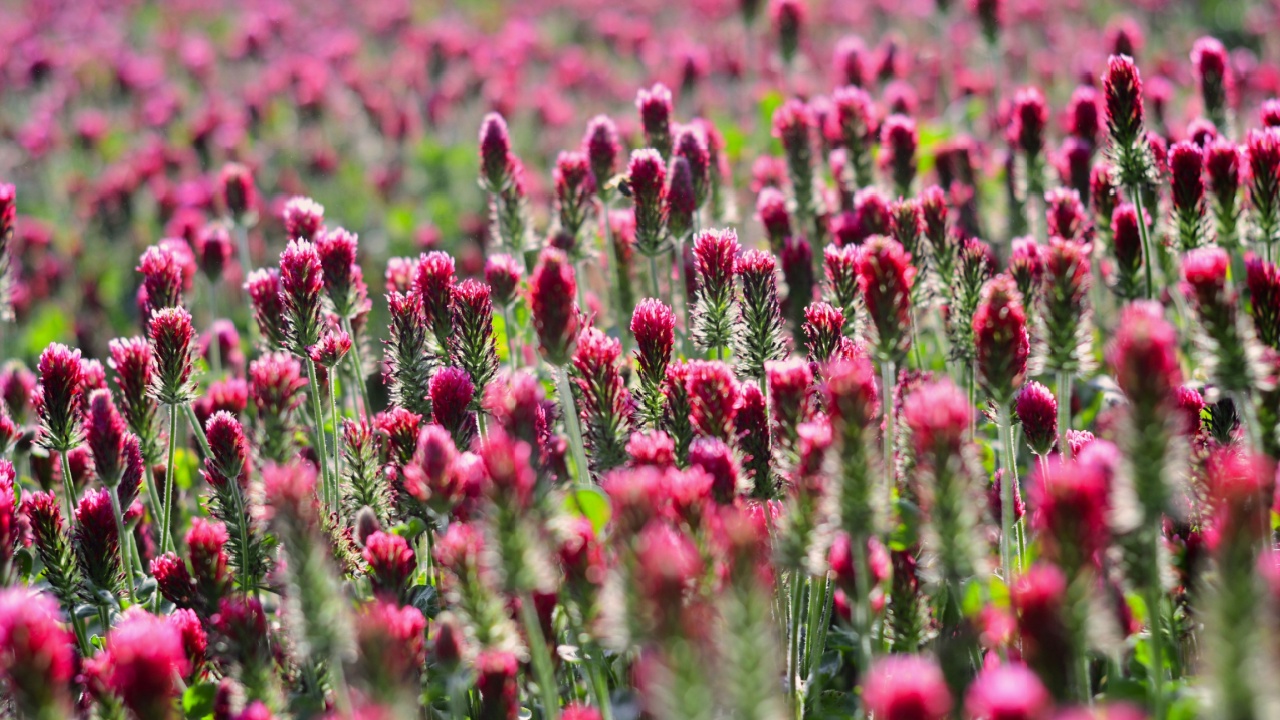
Crimson clover earns its place in a home garden for two reasons: it fixes nitrogen, and it feeds pollinators.
According to the University of Georgia Cooperative Extension, crimson clover produces approximately 30 to 50 pounds of nitrogen per acre. When allowed to flower, it produces vivid red blooms that draw bees and other beneficial insects in large numbers. It can also be grown as a living mulch between rows throughout the season, delivering nitrogen to neighboring plants continuously, as the Old Farmer’s Almanac notes.
6. Buckwheat: The Summer Standout
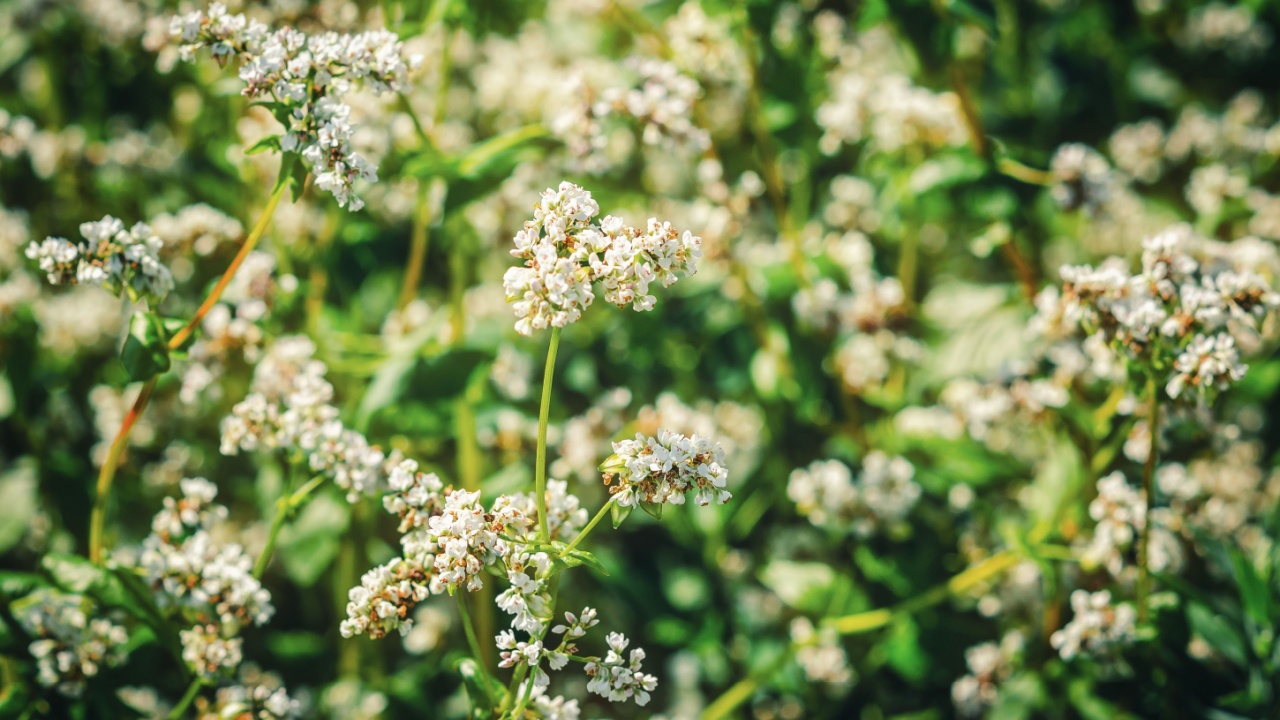
Buckwheat thrives in warm-season conditions and works fast: it blooms within four to six weeks of sowing, attracting pollinators while suppressing weeds by shading the soil before they can germinate. According to American Meadows, buckwheat also improves phosphorus availability in the soil, a benefit most gardeners don’t associate with cover crops at all.
For beds that won’t receive transplants until June or later, a quick buckwheat rotation planted this month delivers measurable soil improvement before summer even gets fully underway.
7. Mustard: The Biological Pest Fighter

Mustard has a specific and surprising talent: it naturally suppresses harmful soil-dwelling nematodes. UC Marin Master Gardeners note this is one of the only non-chemical strategies for managing nematode pressure in a home garden. Mustard also suppresses weeds and protects soil from erosion.
One important caution: UC Marin also notes that mustard can attract some undesirable insects, including cucumber beetles and stink bugs, and it should not be planted immediately before brassica food crops, as they share disease pathogens.
8. White or Red Clover: The Living Mulch
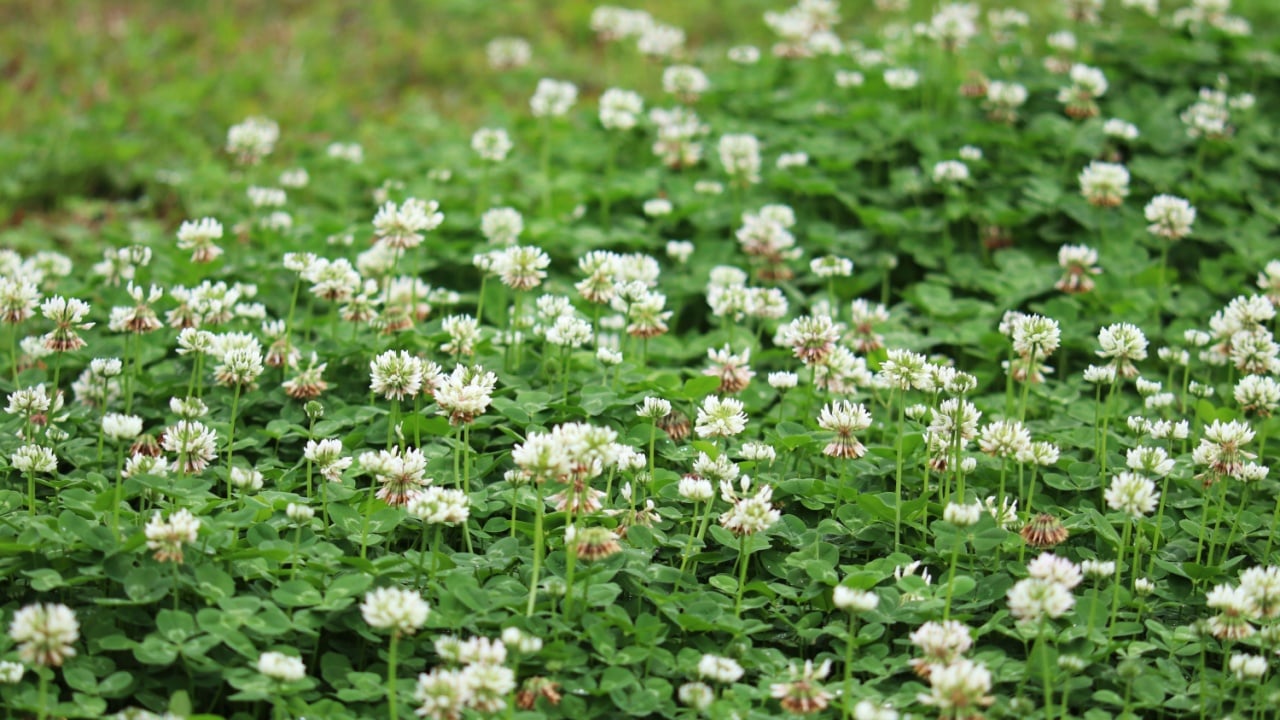
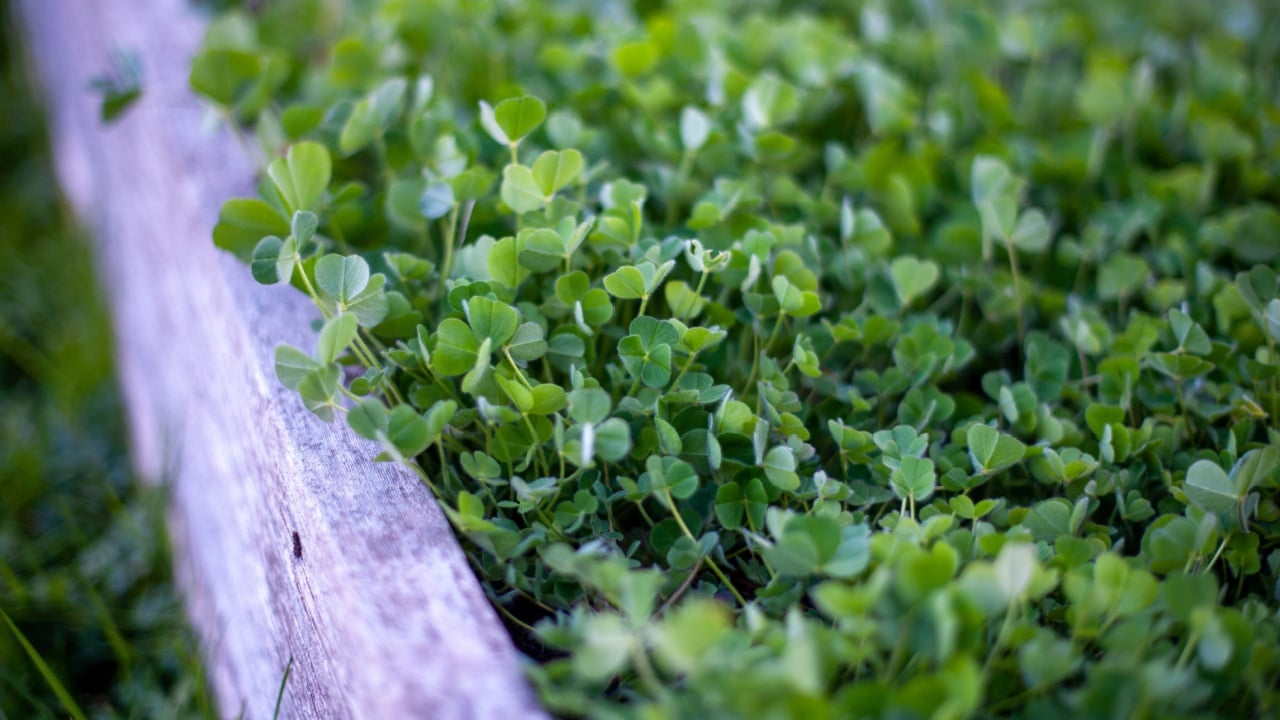
Unlike most cover crops that are sown, grown, and terminated before the next planting, white and red clover can serve as a permanent living mulch between garden rows or perennial beds. According to American Meadows, perennial clovers offer a dual benefit: their leaves break down quickly and release nutrients rapidly, while their roots and stems slowly accumulate stable organic matter and humus.
For gardeners with mulch costs in their budget, growing clover between beds eliminates the need to purchase and haul mulch while simultaneously improving the soil.
9. Phacelia: The Microbial Builder

Phacelia is a lesser-known cover crop that deserves more attention in the home garden. UC Marin Master Gardeners specifically recommend it for gardeners whose primary goal is building soil microbial biomass: the fungi and bacteria that underpin long-term fertility. It doesn’t fix nitrogen, but its bloom is exceptional for attracting beneficial insects, and its rapid root activity stimulates microbial populations in ways that grass and legume cover crops don’t replicate.
The Biggest Mistakes Home Gardeners Make with Cover Crops
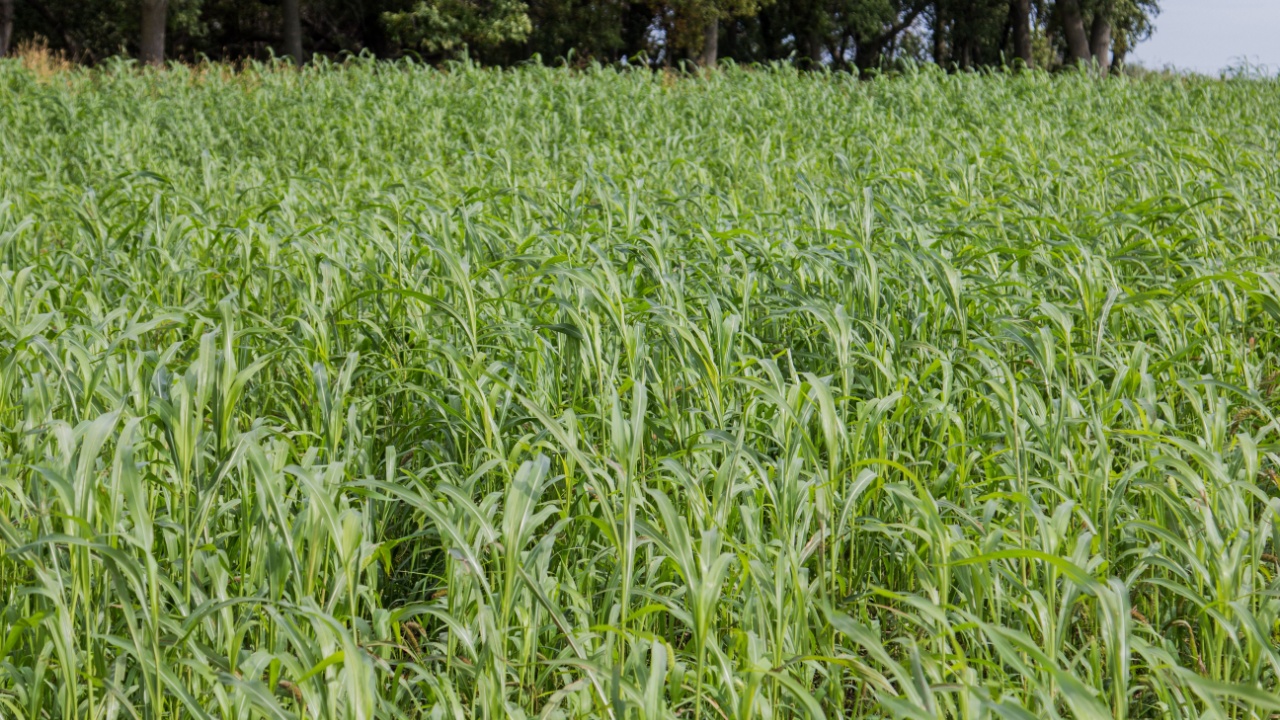
The most common error is also the most discouraging: planting too late and getting almost no biomass before frost. Penn State Extension is clear on the timing requirement; cover crops need at least four weeks of growth before cold weather to deliver real benefit.
The second most common mistake is incorporating cover crop material too close to planting time. Ohio State Extension recommends turning cover crops under at least three weeks before planting, allowing time for organic matter to begin decomposing and releasing nutrients rather than temporarily tying up soil nitrogen.
A third mistake involves species selection for beginners. Ohio State Extension specifically cautions against annual ryegrass and some vetch varieties in certain northern states, where both can be difficult to control. And hairy vetch, left to flower and go to seed, can become a persistent volunteer that’s genuinely hard to eradicate. Know your crop before you sow it.
How to Actually Start Incorporating Cover Crops
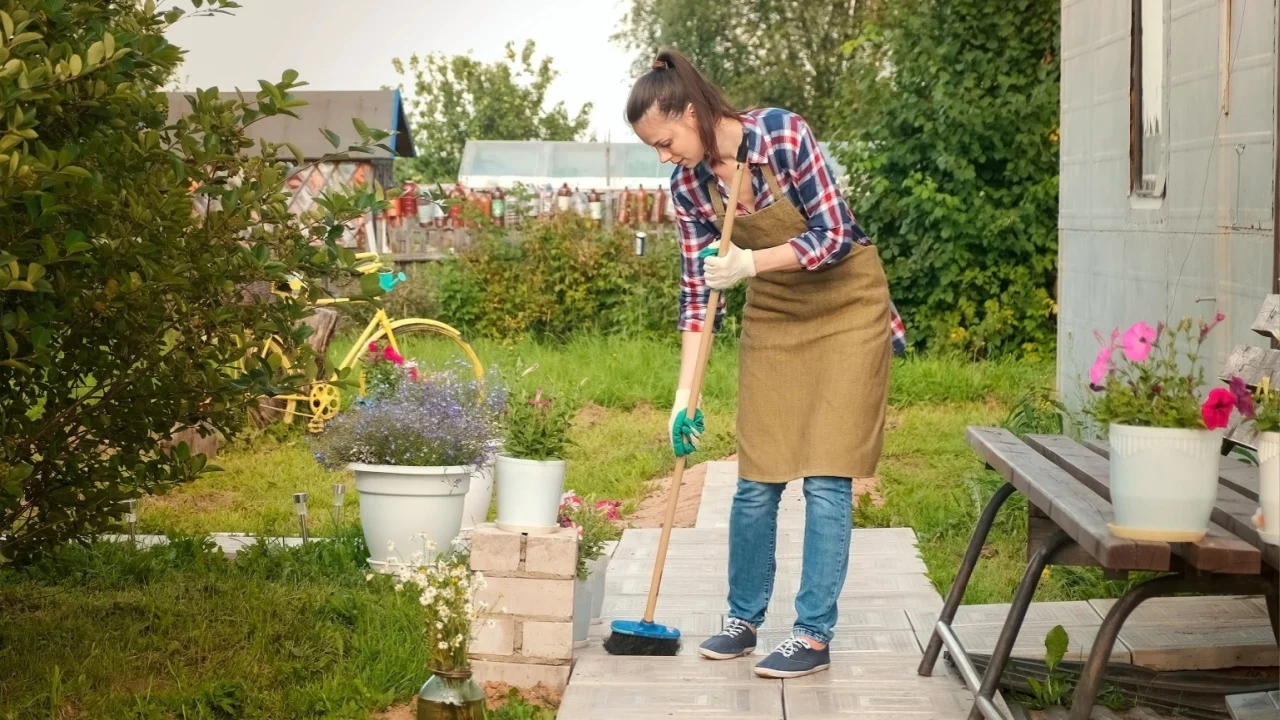
Cover cropping does not require a farm or a tiller. A 4×4 raised bed is enough. Broadcast oat seeds by hand, rake them lightly into the soil surface, water once, and let the season do the rest. For gardeners who want the most benefit with the least effort, UMN Extension recommends choosing a winter-kill species for the first attempt: no spring management, no termination tools, just seeds and patience.
For gardeners who have moved away from heavy digging, the no-dig approach works well: after the cover crop dies, layer cardboard directly over the top and add several inches of compost above it. The cover crop residue decomposes underneath while the cardboard suppresses any regrowth, and by planting time, the bed is rich, loose, and ready.
One bed, one season, one planting of oats or crimson clover, and you will see the difference before the next growing season begins. Stop letting winter and the gaps between crops drain the very thing your garden depends on.
Read more:
Why wildlife experts are telling people to take down their bird feeders
Plant these 10 companion plants with your tomatoes — and stop planting these 4