15 Backyard Activities Kids Will Love All Summer Long
Summer is the perfect time to turn the backyard into a place where kids can move, explore, and stay busy without spending the whole day in front of a screen. Turning a basic lawn into a fun play zone does not require a large budget or hours of hard work. Instead, a few simple changes can make even a small yard feel exciting.
Outdoor play gives kids far more than fresh air. Running, digging, splashing water, and building things all help with coordination, creativity, and confidence. Many child development experts point out that open-ended play allows children to solve problems on their own while also improving social skills and independence.
The best backyard activities are often the simplest ones because kids can return to them again and again without getting bored. Buckets, cardboard boxes, pool noodles, chalk, recycled containers, and old sheets can quickly become obstacle courses, art stations, forts, or water games.
The following ideas offer practical and affordable ways to make your backyard more interactive throughout the summer. Some work well for toddlers, while others keep older children entertained for hours.
1. Build a Mud Kitchen
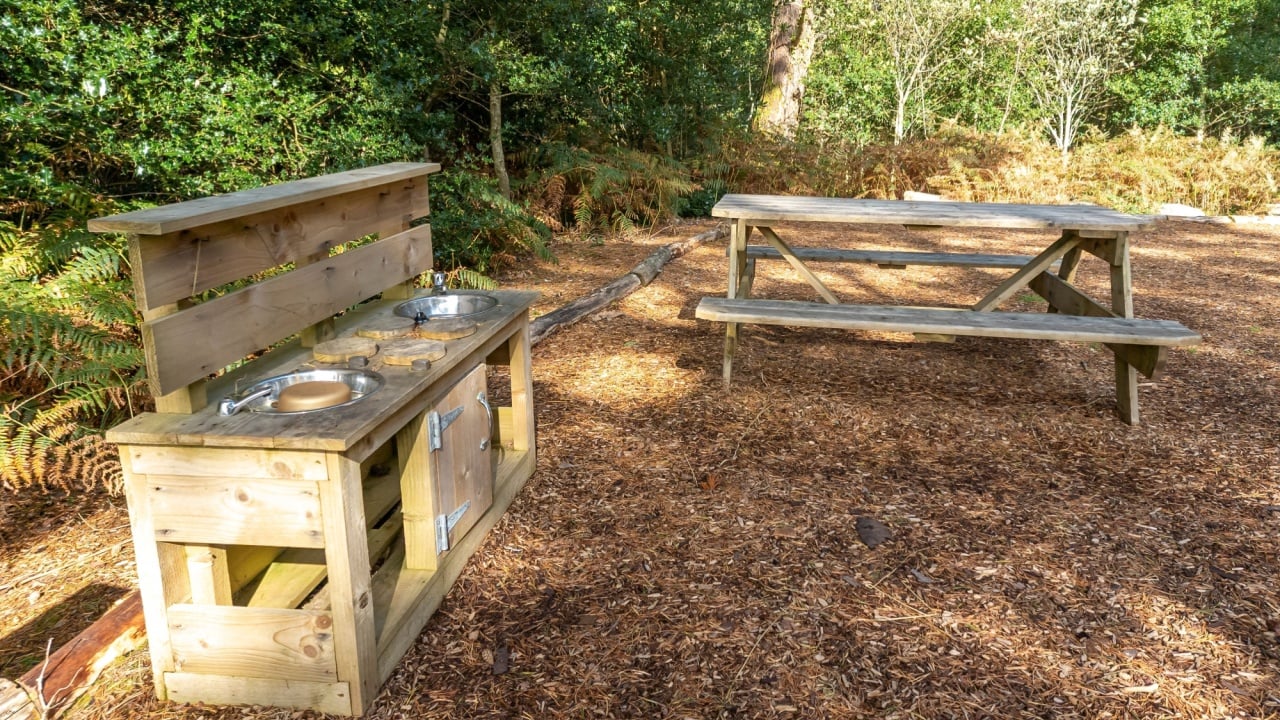
Playing with dirt and water gives young children a wonderful sensory experience that improves fine motor skills. A mud kitchen is a safe, outdoor space where kids can pretend to cook without ruining your indoor kitchen. Having a specific spot for this activity keeps the rest of the lawn neat and free from random digging. Children love the freedom of making a mess when they know they are allowed to do so.
To build one, place an old low table, a wooden crate, or a plastic bench in a corner of your yard. Gather old pots, pans, metal bowls, spoons, and muffin tins from your cupboards or a thrift shop. Fill a small bucket with water and let the children mix it with dirt to create their own recipes. They will spend hours scooping mud, serving pretend meals, and decorating their creations with leaves or pebbles.
Keep the station fresh by adding new items like plastic flowers, clean sand, or eco-friendly liquid food coloring. When playtime is finished, store the small tools in a plastic bin with a tight lid to keep bugs out. Cleaning up is incredibly simple because you can spray the entire area down with a garden hose. This routine keeps the mud kitchen ready for another day of sensory cooking.
2. Construct a DIY Obstacle Course
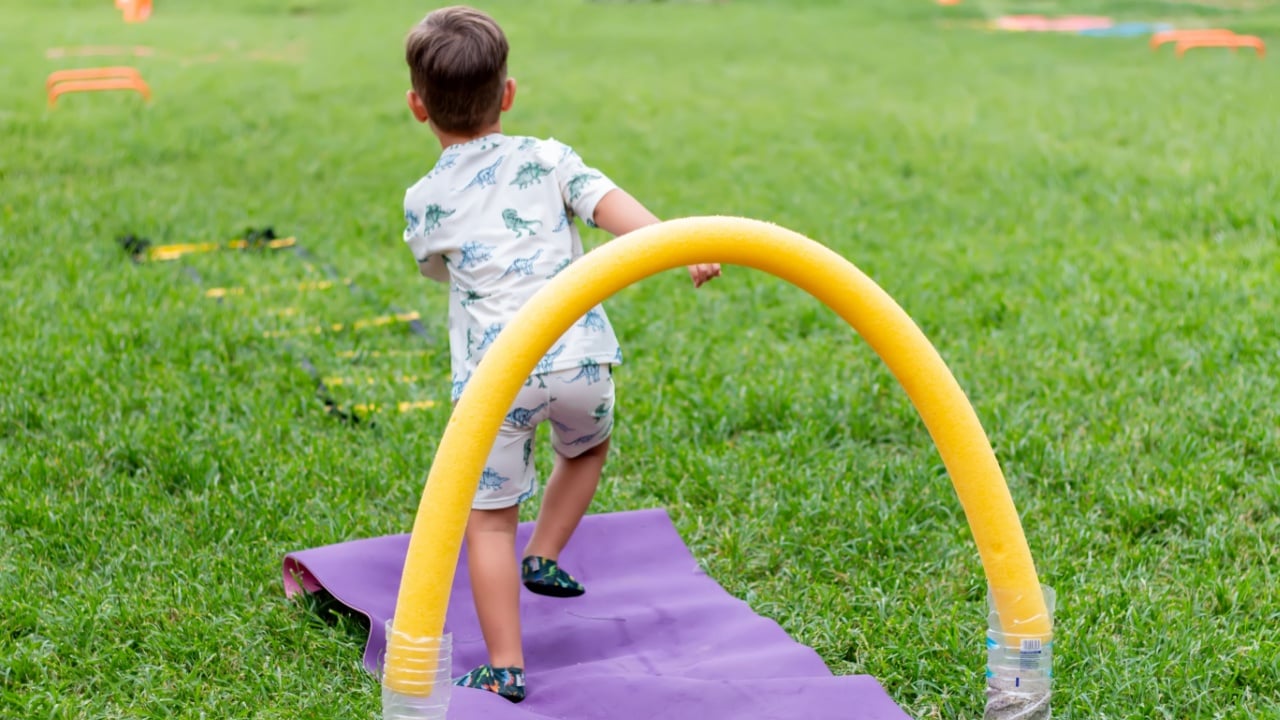
Physical challenges help children burn off extra energy while building balance, speed, and overall agility. A homemade obstacle course uses common lawn items to create a fun, moving track for exercise and play. Kids enjoy competing against their own best times or racing against siblings in a friendly way. This activity keeps children moving and helps them set goals to improve their physical skills.
You can build a course quickly by using pool noodles bent into tunnels, lawn chairs to crawl under, and buckets to run around. Lay a long wooden board flat on the grass to act as a safe balance beam for stability practice. You can change the order of the items every few days to keep the course surprising and fun. Children follow the path by jumping, crawling, and balancing according to the rules you create together.
To add more excitement, use a phone stopwatch to time each run and see if the children can beat their personal records. You can also create fun themes, like pretending the grass is hot lava that they cannot step on.
3. Create a Water Wall Station
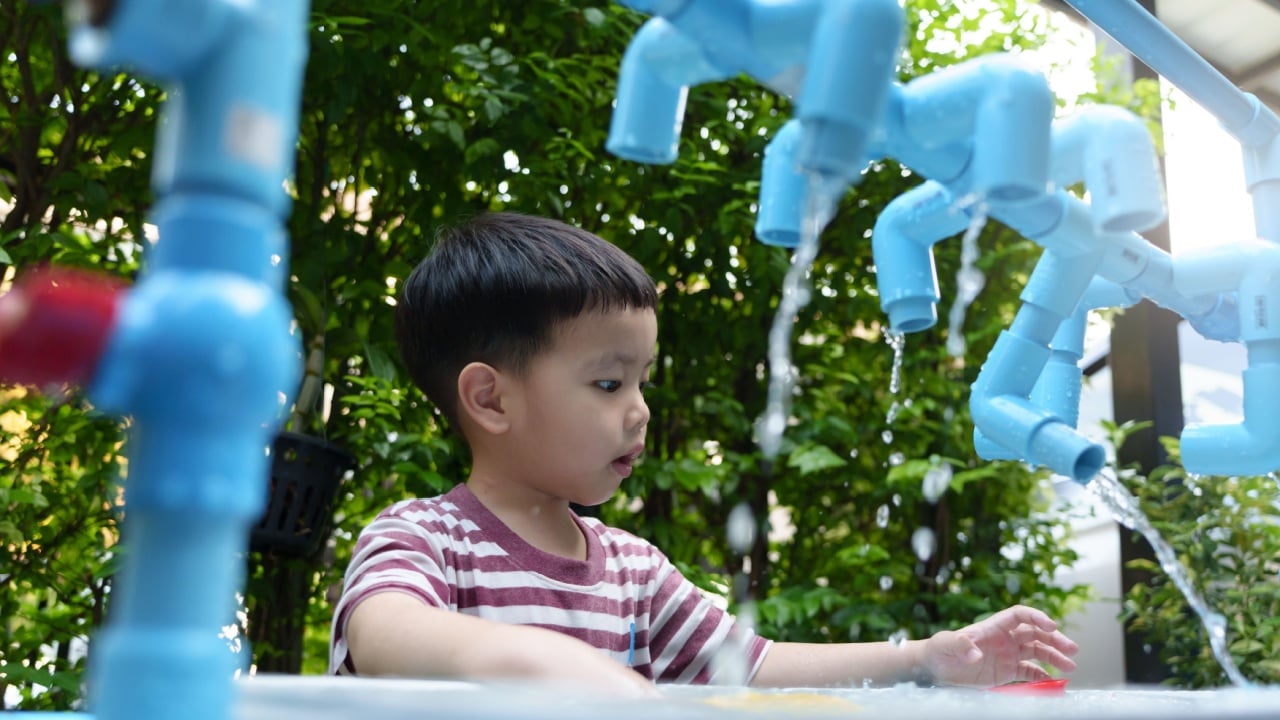
A vertical water wall uses gravity and recycled plastic containers to show kids how plumbing works. This setup mounts directly to a wall or fence, so it does not take up much space on the lawn.
To make it, attach a sheet of plastic lattice or pegboard securely to an outdoor fence or wooden post. Gather clean plastic bottles, milk jugs, funnels, and flexible tubing, then use zip ties to fasten them to the board. Arrange the pieces so that water poured into the top container drops smoothly into the cups below. Children pour water into the top opening and watch it spin the wheels and flow down into a collection bucket.
Add small floating toys, water wheels, or plastic ducks to the bottom bucket to expand the water play. The system functions perfectly all summer long, requiring only a single bucket of water and a few plastic cups. It is a brilliant way to introduce basic science concepts during play.
4. Try Giant Lawn Board Games
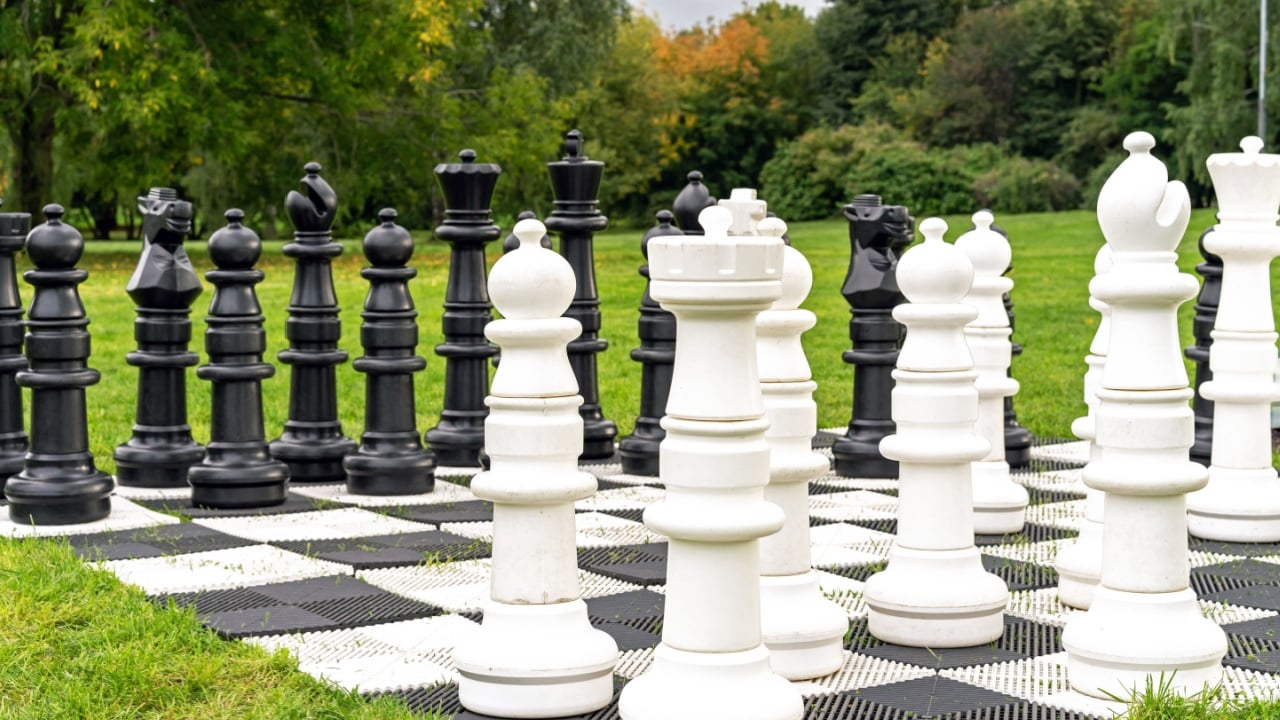
Turning favorite indoor board games into giant outdoor versions gets children moving while they practice strategic thinking. Oversized games like checkers, dominoes, or matching card games encourage the whole family to play together outside. Because the pieces are large, players must walk across the lawn to make their moves, adding physical exercise to game night.
You can make giant dominoes by drawing dots on large cardboard rectangles or flat pieces of scrap wood. For a giant checkers game, paint a grid on an old bedsheet and use colorful plastic flying discs or paper plates as game pieces. Participants walk around the board to position their tokens, turning a stationary game into an active event.
Storing many of these games is simple because the flat cardboard and fabric sheets stack neatly in a garage or shed drawer. You can paint numbers or letters on the back of the pieces to create educational sorting games on alternate days. Rotating different games keeps the lawn activities fresh so children do not lose interest. It brings the comfort of indoor play into the fresh air.
5. Set Up a Fence Painting Canvas
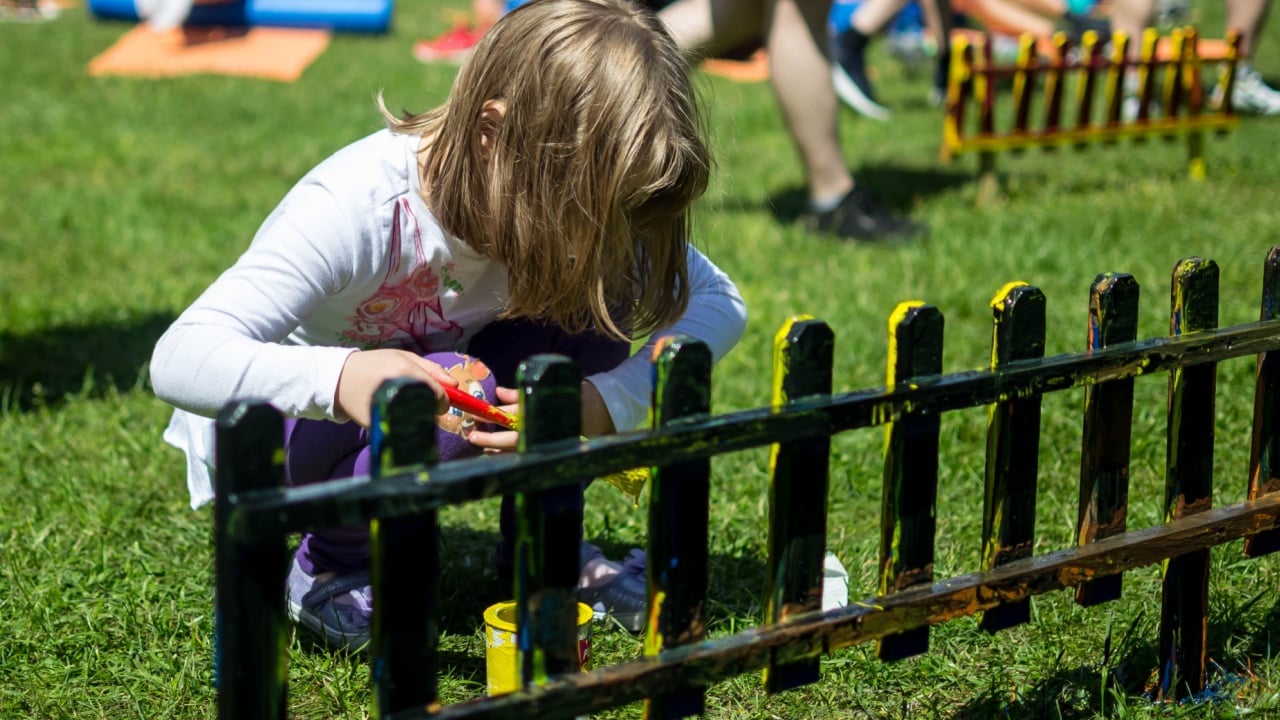
Art projects are highly enjoyable for children, but often create too much mess to manage inside the house. Using a wooden fence or a large hanging sheet as a water-painting station provides a completely clean, creative outlet.
Fill a large, sturdy bucket with clean water and hand out large house paintbrushes, rollers, and spray bottles. Children apply the water directly to wooden fences, brick walls, or concrete driveways to watch the surfaces darken. They get the physical satisfaction of painting and drawing on a massive scale without using any messy pigments. It keeps young artists focused and calm as they create temporary outdoor masterpieces.
If you want to add bright color, mix water with cornstarch and washable food coloring to create homemade sidewalk paint. This mixture shows up brilliantly on outdoor surfaces but washes away completely with a quick spray from the garden hose.
6. Arrange a Backyard Safari Scavenger Hunt
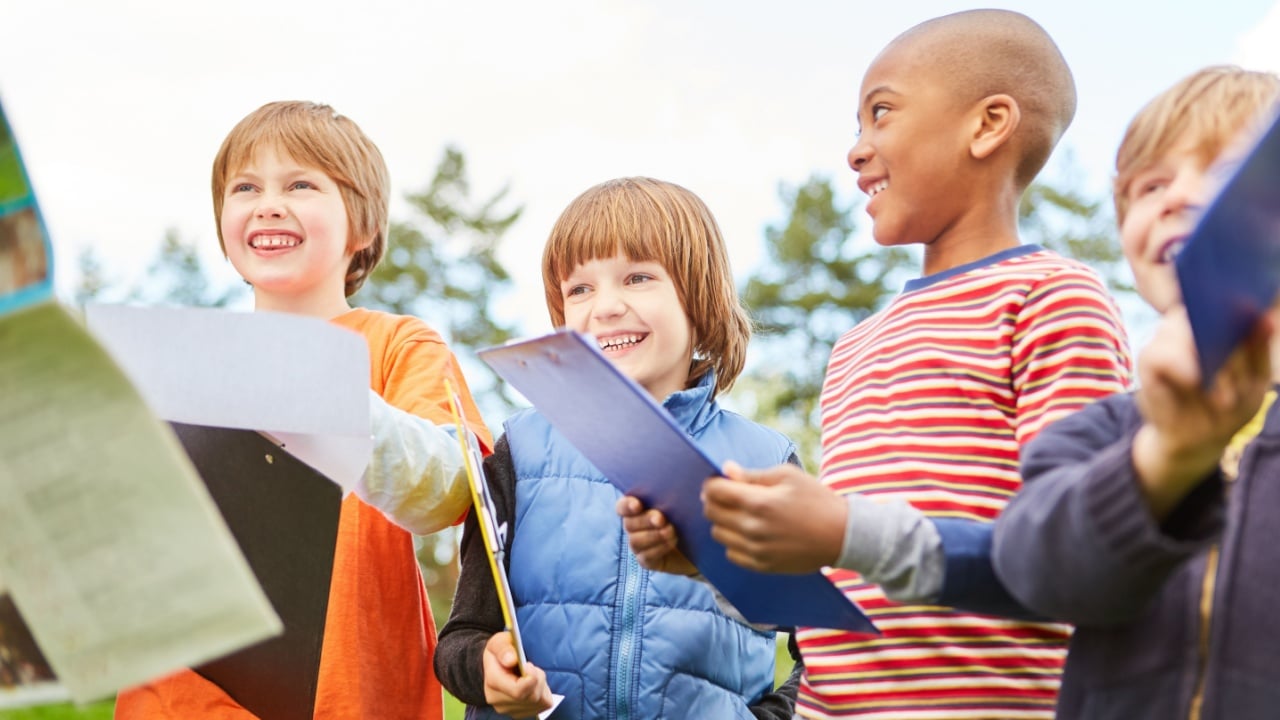
A backyard safari scavenger hunt turns your lawn into an interactive map full of hidden treasures to find. It encourages children to search closely for specific insects, leaf shapes, and interesting rocks near the garden borders. This activity keeps kids focused and walking as they explore every corner of the property.
Print or draw a simple checklist showing common backyard items, like a fuzzy leaf, a round stone, a dandelion, or an ant. Give each child a clipboard, a pencil, and a magnifying glass to help them feel like real scientists on an expedition. Children search through the grass and bushes, checking off each item as they discover it in nature. It turns a standard walk around the yard into an exciting treasure hunt.
For older kids, turn it into a photo safari where they use a phone camera to document their discoveries without disturbing nature. You can provide a basic animal book or use a kid-friendly app to help them identify the bugs and weeds they find. This practice builds a deep familiarity with local wildlife over the summer break.
7. Organize an Outdoor Toy Car Wash
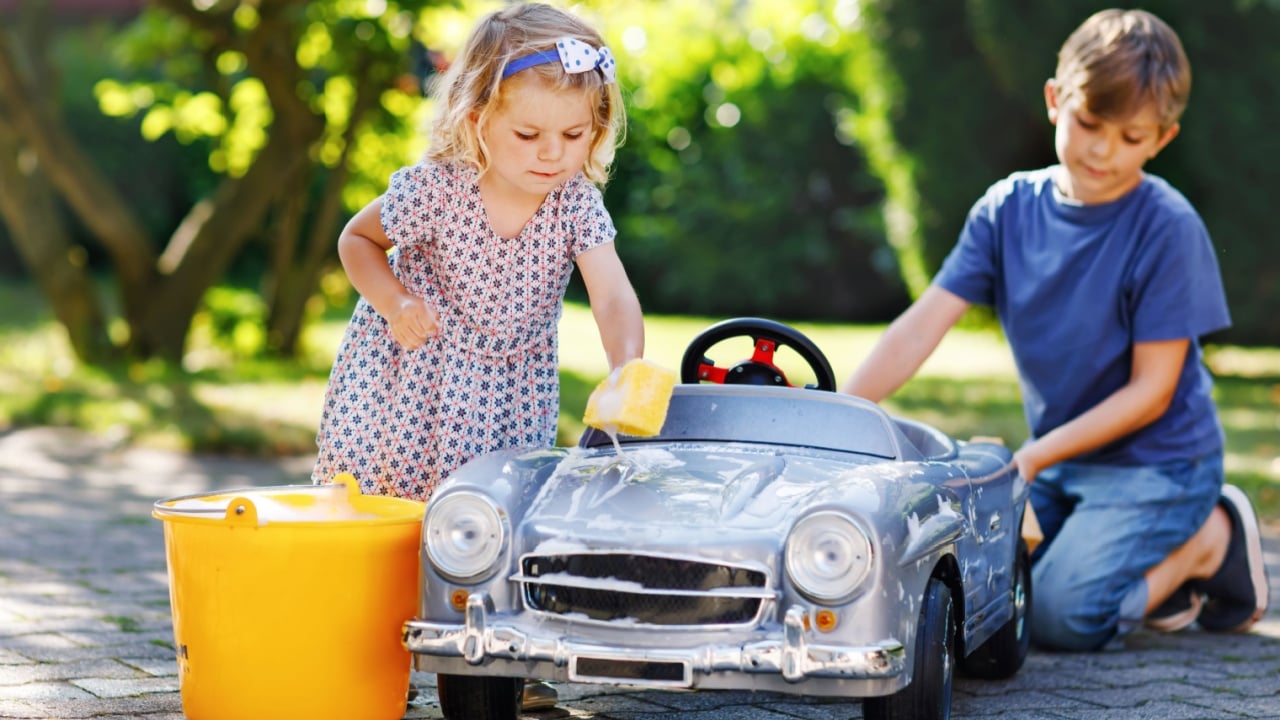
An outdoor toy car wash lets kids scrub their plastic ride-on toys, wagons, and toy trucks until they shine. This activity combines refreshing water play with a genuine sense of accomplishment as children care for their own belongings.
Set up your washing station by filling a large plastic storage bin with water and a small amount of tear-free soap. Provide soft sponges, old washcloths, toothbrushes for small details, and a low-pressure hose or watering can for rinsing. Children drive their toy cars into the station, scrubbing the wheels and frames until the dirt disappears.
You can extend the activity by setting up a separate drying zone where kids use old towels to dry and polish the vehicles. Use sidewalk chalk to draw parking spaces or a garage on the driveway where the clean fleet must park.
8. Build a Bean Pole Teepee
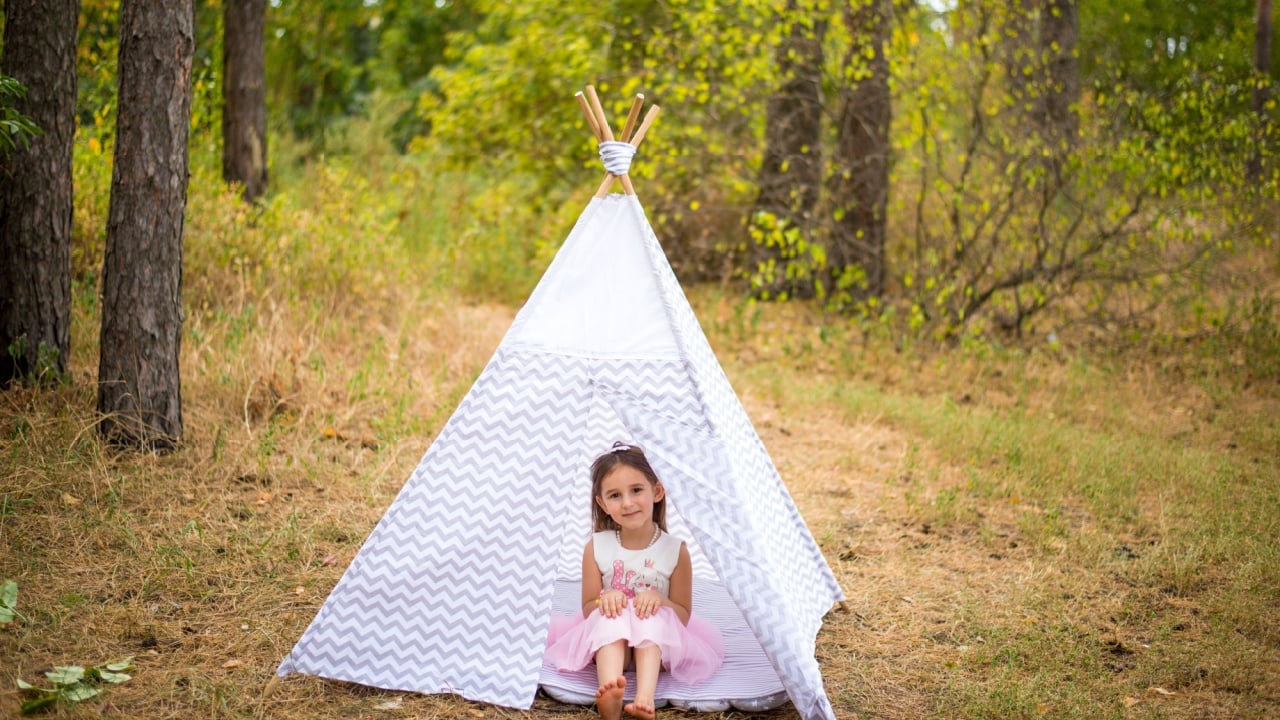
Combining gardening with building allows children to create their own private, living playhouse in the yard. A bean pole teepee is a natural fort made by training climbing plants to grow over a simple wooden frame.
To build the frame, push five or six long bamboo poles or sturdy tree branches deep into the ground in a circle. Leave a wide gap on one side for a doorway, then tie the tops of the poles securely together with twine. Plant fast-growing climbing seeds, like runner beans or sugar snap peas, at the base of each pole. Children help water the seeds daily and watch the green vines climb toward the sky.
Inside the shaded tent, place an outdoor rug or colorful cushions to create a comfortable seating area. The living fort acts as a shield against the hot afternoon sun, making it a great spot for peaceful activities.
9. Launch a Bubble Experiment Lab
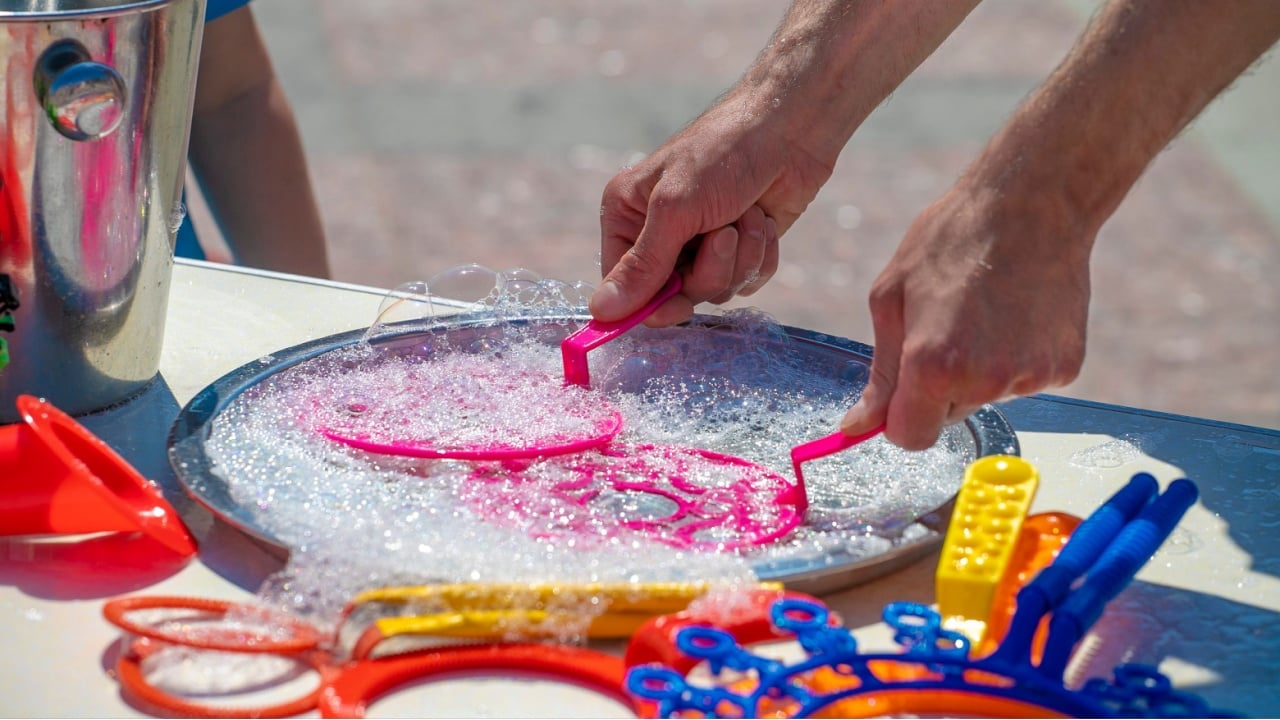
Making bubbles is a classic summer pastime, but turning it into a science lab format encourages deeper thinking and curiosity. A bubble lab focuses on testing different mixtures and creating unique wands out of household objects to make stronger bubbles.
Create a large supply of bubble solution by mixing water, concentrated dish soap, and a little glycerin or corn syrup. The extra ingredients strengthen the bubble walls, allowing them to stretch much further without popping immediately. Provide tools like plastic funnels, slotted spoons, pipe cleaners, and straws for children to build custom wands. Kids test their inventions to see which shapes produce the largest or most numerous bubbles.
Challenge the children to see if they can catch a bubble on a wet hand without breaking it, which teaches them about surface tension. You can write their findings on an outdoor chalkboard to track which wand design worked the best.
10. Design a Loose Parts Construction Zone
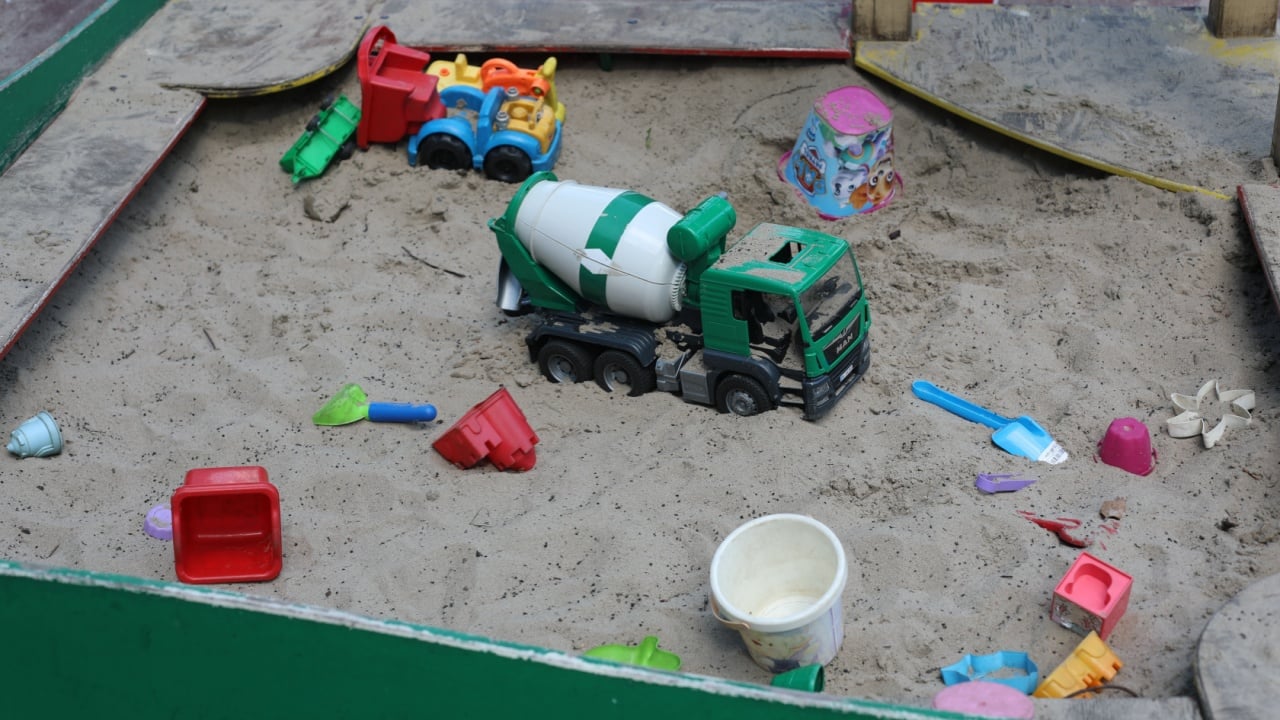
A loose parts zone provides children with a collection of safe, sturdy items to build their own custom structures. Unlike specific toys, these blocks can become anything the builder wants, from a castle to a spaceship.
Collect safe building materials like smooth wood scraps, thick cardboard tubes, plastic milk crates, and tree stump rounds. Place these items in a flat, dedicated corner of the yard where building will not interfere with mowing the lawn. Children use the blocks to engineer towers, bridges, small forts, and ramps for rolling toys. It lets them virtually experiment with balance and weight.
Check the items regularly to ensure there are no sharp edges, splinters, or loose nails that could cause injury. This play area encourages children to work together to lift and balance heavy pieces safely.
11. Establish a Backyard Weather Station
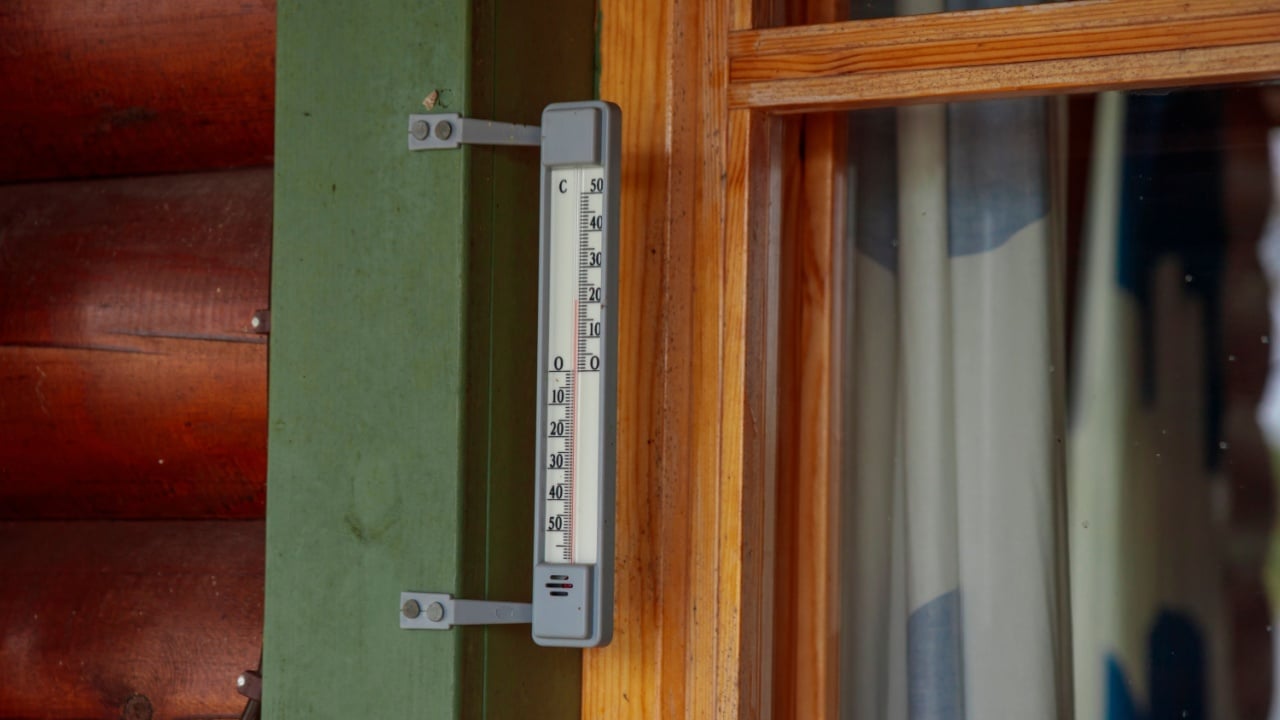
Tracking daily weather changes introduces children to science and data tracking right outside their back door. A backyard weather station uses simple, manual instruments to measure rain, wind, and temperature over the summer break.
Mount a plastic rain gauge in an open area, hang a thermometer in the shade, and place a simple wind vane on a fence. Give your children a weatherproof notebook to act as their official weather journal for the season. Every morning, they read the instruments and record the numbers, cloud types, and general conditions.
To expand the project, help children build a simple homemade barometer using a jar and a balloon to watch air pressure changes. They can compare their own backyard findings with the local news forecast to see how accurate their tools are.
12. Create a Sidewalk Chalk Town
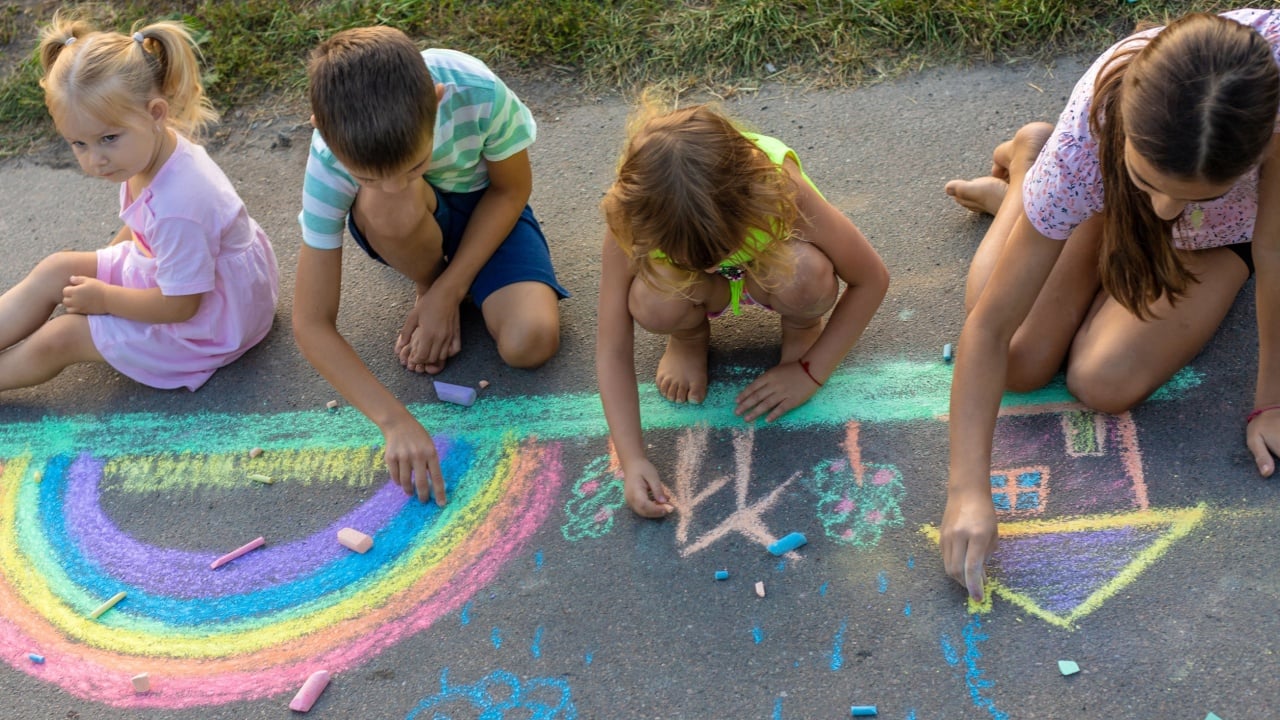
Expanding sidewalk chalk drawings into a massive miniature town layout supports long-term imaginative play on paved driveways. Instead of drawing disconnected pictures, children map out roads, neighborhoods, and parks that match their toy car collections.
Use colorful sidewalk chalk to draw long intersecting streets, parking lots, roundabouts, and storefronts on a patio or driveway. Bring out plastic animals, action figures, and toy blocks to turn the flat drawings into a three-dimensional town.
When a summer rainstorm clears the pavement, it creates a blank canvas to design an entirely new town style. Children can collaborate to build an island village, an airport, or a futuristic space station on the next clear day. This activity encourages cooperation when multiple kids share the space and divide the design tasks.
13. Play Lawn Bowling and Aim Games
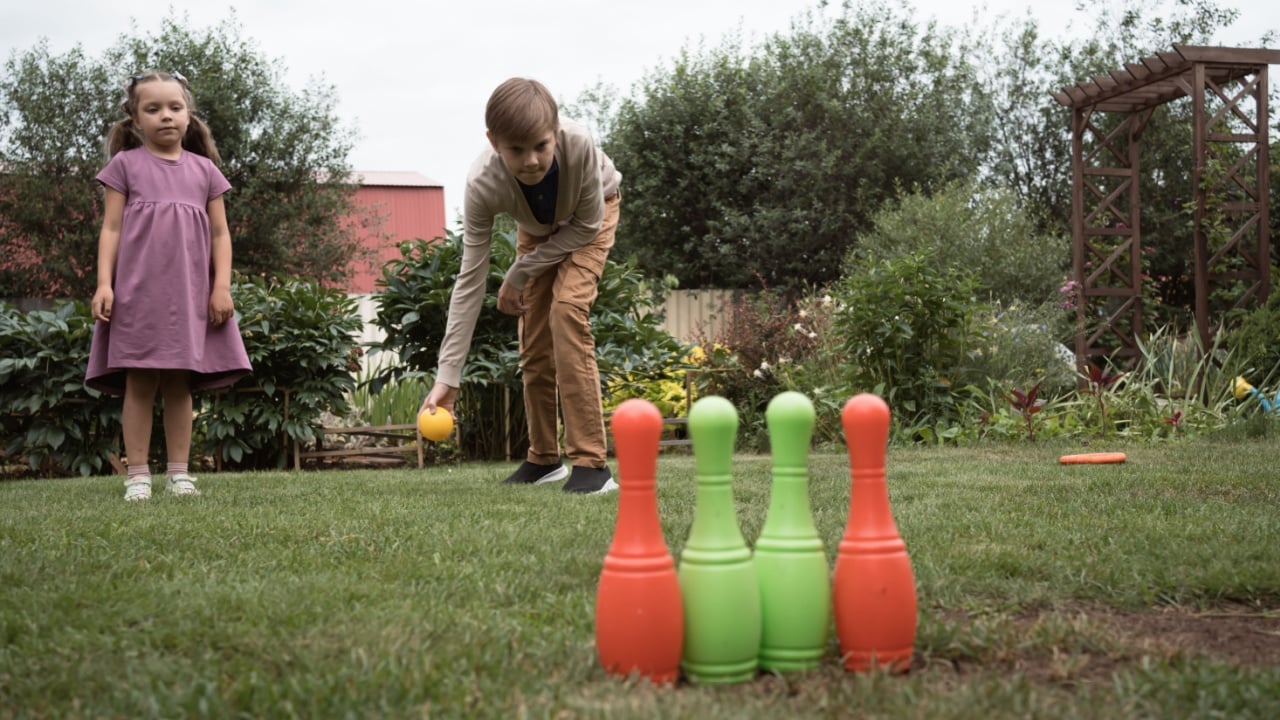
Target games help children develop excellent hand-eye coordination and spatial awareness through repetitive throwing and aiming. Lawn bowling uses upcycled household containers to build a sports alley right on a flat patch of grass.
Collect ten empty plastic bottles, add a small cup of sand or water to the bottom for stability, and set them up like bowling pins. Provide a medium-sized rubber ball for children to roll toward the targets from a set starting line. Children take turns bowling, resetting the knocked-down pins, and writing their scores on a clipboard nearby.
To make the game more challenging, write different numbers on the bottles to represent point values, encouraging children to aim strategically. You can move the throwing line further back as the kids get stronger and more accurate over the summer.
14. Arrange an Outdoor Shadow Puppet Theater

Using natural light focuses backyard entertainment on the movement of the sun and the science of shadows. A shadow puppet theater uses bright afternoon sunlight or evening flashlights to project stories onto a stretched fabric sheet.
Stretch a white bedsheet tightly between two trees, fence posts, or patio columns so it acts as a clean screen. Children cut out shapes of animals, castles, and characters from thick paper and tape them to wooden skewers or sticks. By holding the puppets between a strong light source and the sheet, clear shadows appear on the other side. Kids take turns performing custom shows for the family.
During the daytime, children can use sidewalk chalk to trace each other’s shadows on the ground at different hours. They will notice how their shapes stretch and change position as the sun moves lower in the sky.
15. Start a Dedicated Kids’ Container Garden
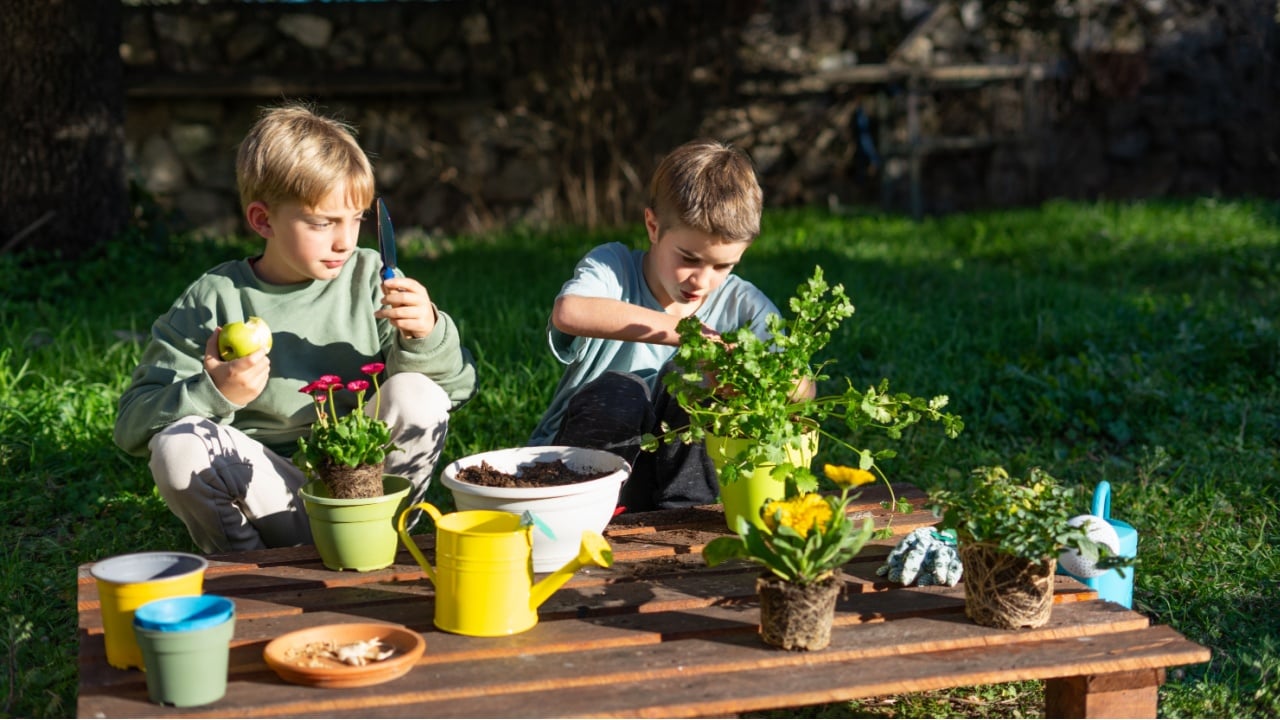
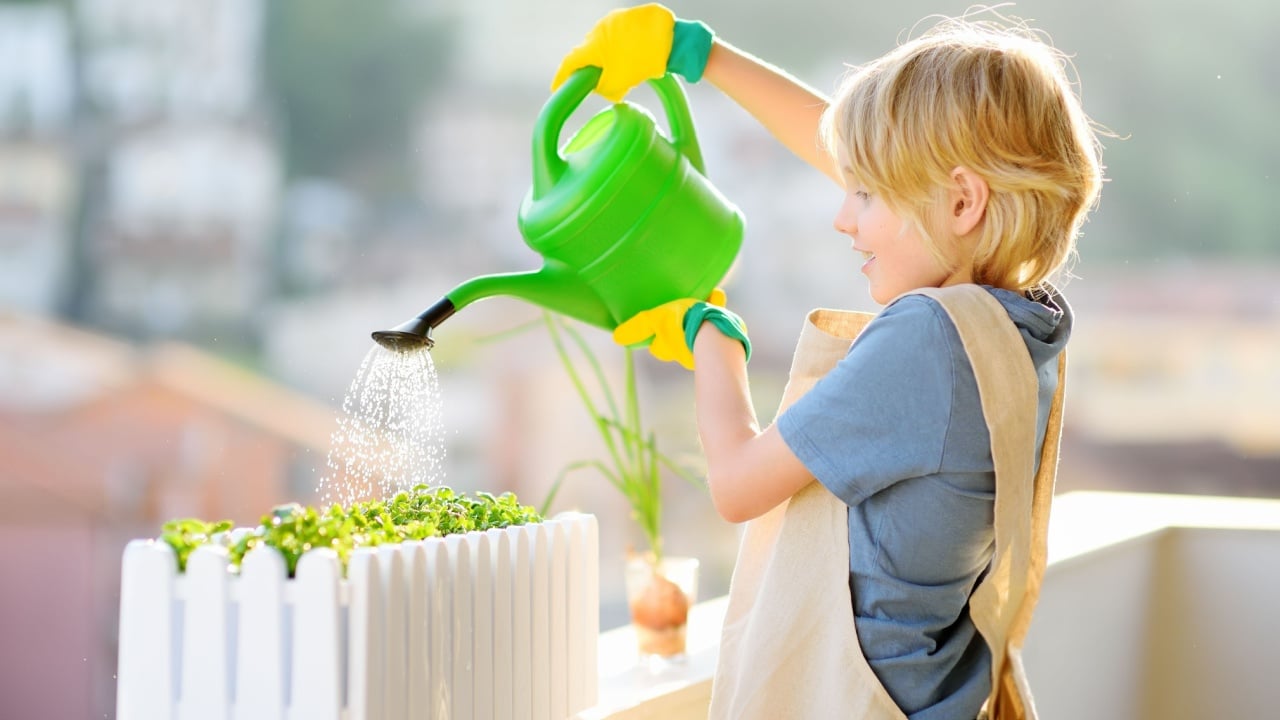
A container garden gives kids their own specific pots where they manage the soil, planting, and watering completely on their own. Choosing fast-growing or hardy plants provides quick, encouraging results that reward their steady gardening efforts.
Provide large plastic flowerpots, a bag of rich potting soil, small trowels, and child-sized watering cans for the garden area. Select resilient plant varieties like cherry tomatoes, radishes, mint, or bright sunflowers, which sprout quickly and tolerate handling well.
Harvesting the final produce provides a clear reward, bringing their backyard hard work directly to the dinner table. Kids can paint wooden stakes to label each pot, combining art with organization.
A Backyard They Will Never Want to Leave
Keeping children entertained throughout the summer depends on providing flexible, open-ended environments that encourage independent exploration. By setting up these fifteen structured ideas, a standard backyard becomes an evolving space for physical growth, artistic design, and scientific discovery.
Simple, affordable materials offer endless play opportunities when they are organized with a little intention. Providing consistent access to these outdoor zones keeps children active, curious, and healthy all season long.
Read More:
Panicking About Spring Break? 7 Things to Keep Kids Busy at Home (And Not Bored)