15 High-Yield Vegetables Worth Growing in Small Spaces
Growing food in a small space is easier than it looks. Many people believe they need a massive backyard to harvest fresh vegetables, but that is simply not true. With the right plant choices, a porch, balcony, or small raised bed can produce an abundance of fresh food.
The secret lies in selecting plants that produce high yields without occupying a large amount of physical space. Experienced growers look for vegetables that either grow straight up or keep producing new food after every harvest. Selecting plants with these specific traits enables a highly productive garden in a small space.
This list features twelve top-performing vegetables that thrive in tight conditions and offer the biggest return for your time and effort.
The detailed breakdown below explains how each vegetable works and how to grow it successfully. Implementing these choices will help transform any limited outdoor space into a steady source of fresh, home-grown produce.
1. Pole Beans
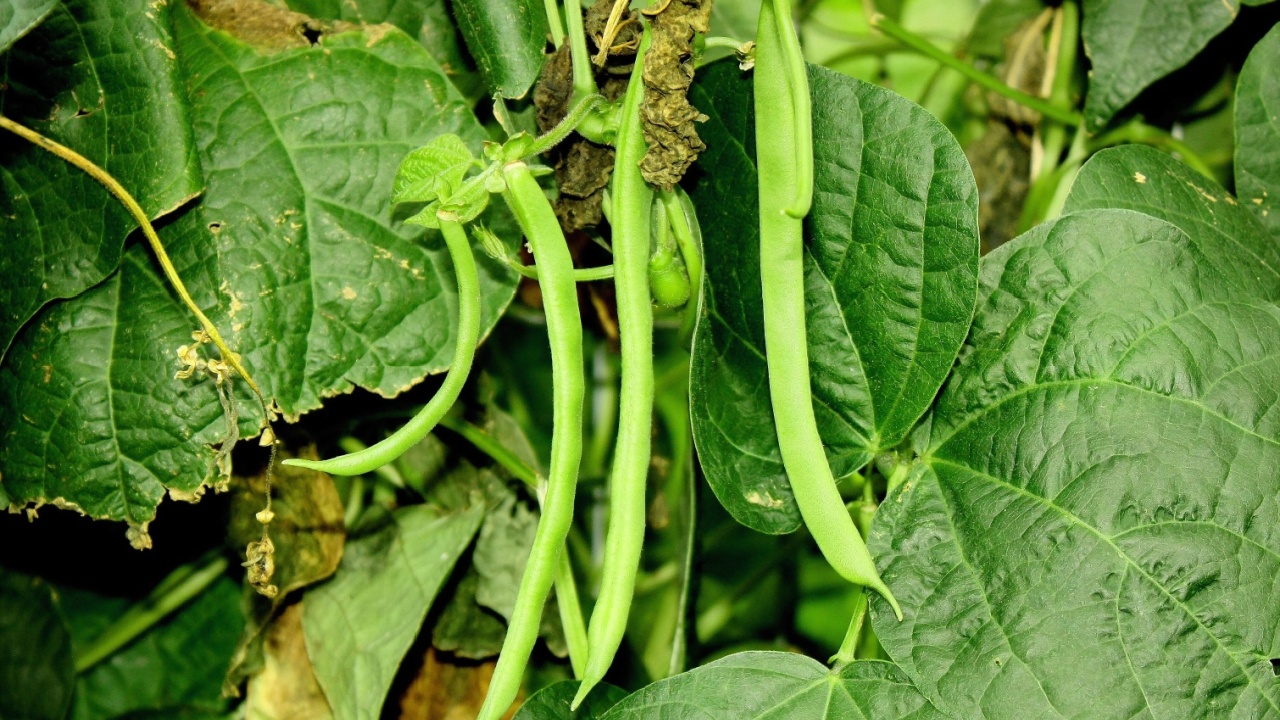
Pole beans are perfect for tight spots because they climb upward instead of spreading across the ground. They use vertical space, which leaves the surrounding soil free for other small plants. These vines keep flowering and growing new pods all season long, giving a much larger total harvest than varieties that grow as low bushes.
To grow them, place a simple trellis, netting, or tall stakes in the soil at planting time so the vines have something to climb. Sow the seeds directly into the dirt after the cold winter weather has completely passed. Giving them a sunny spot and regular water will help the vines climb quickly and start blooming.
Harvesting the pods frequently is essential because it tells the plant to keep making more flowers. If pods are left to get big and tough, the vine stops producing and puts its energy into making seeds. Picking the beans every few days keeps fresh pods coming until the weather turns cold in the autumn.
2. Leaf Lettuce
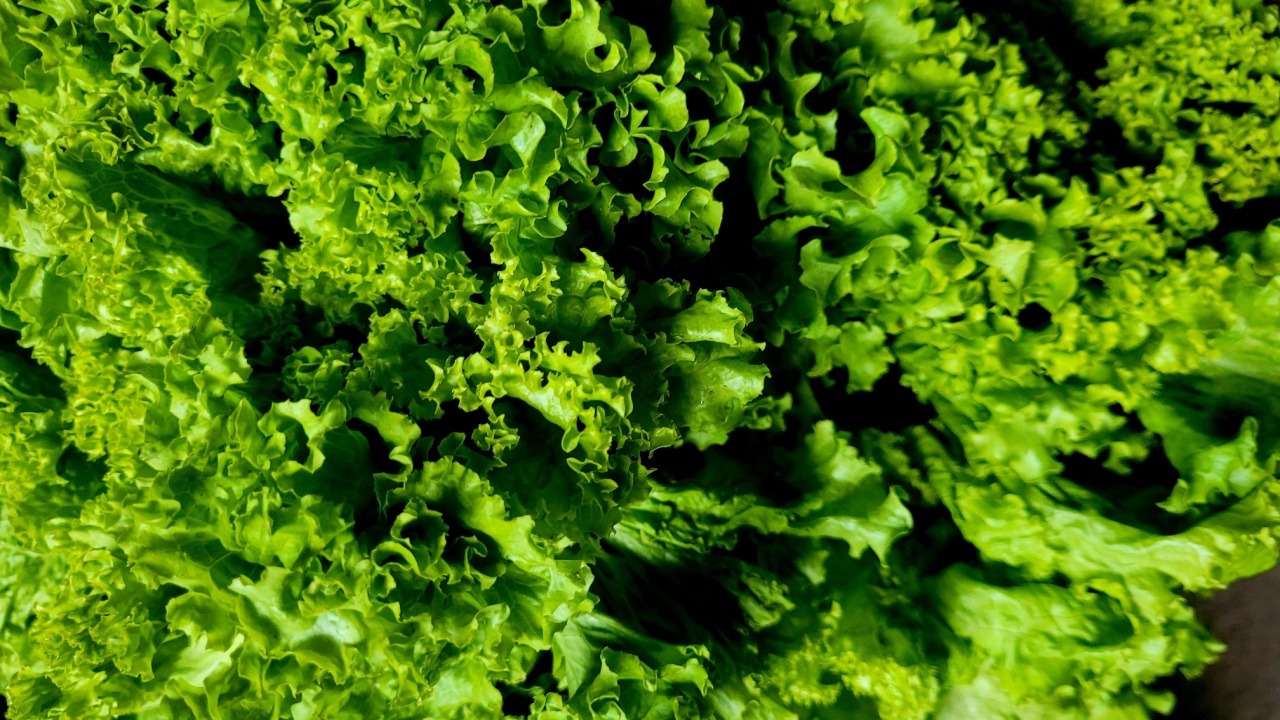
Leaf lettuce is a great space-saver because the outer leaves can be cut off while the center of the plant keeps growing. This method allows for multiple harvests from a single plant over many weeks, rather than waiting months to pick one single head of lettuce. The root system is quite shallow, so it grows well in small window boxes or shallow pots.
Sow the seeds close together in a container filled with loose potting soil. As the seedlings grow, thin them out by pulling some up to eat as tiny greens, which gives the remaining plants room to expand. Placing the containers in a spot that gets some afternoon shade helps keep the soil cool and stops the plants from drying out.
Pick the outer leaves when they are a few inches long, always leaving the small leaves in the middle to keep growing. This style of harvesting keeps the plant productive and prevents it from growing a tall stalk and turning bitter too quickly. Planting a new handful of seeds every two weeks ensures a steady supply of salad greens.
3. Cherry Tomatoes
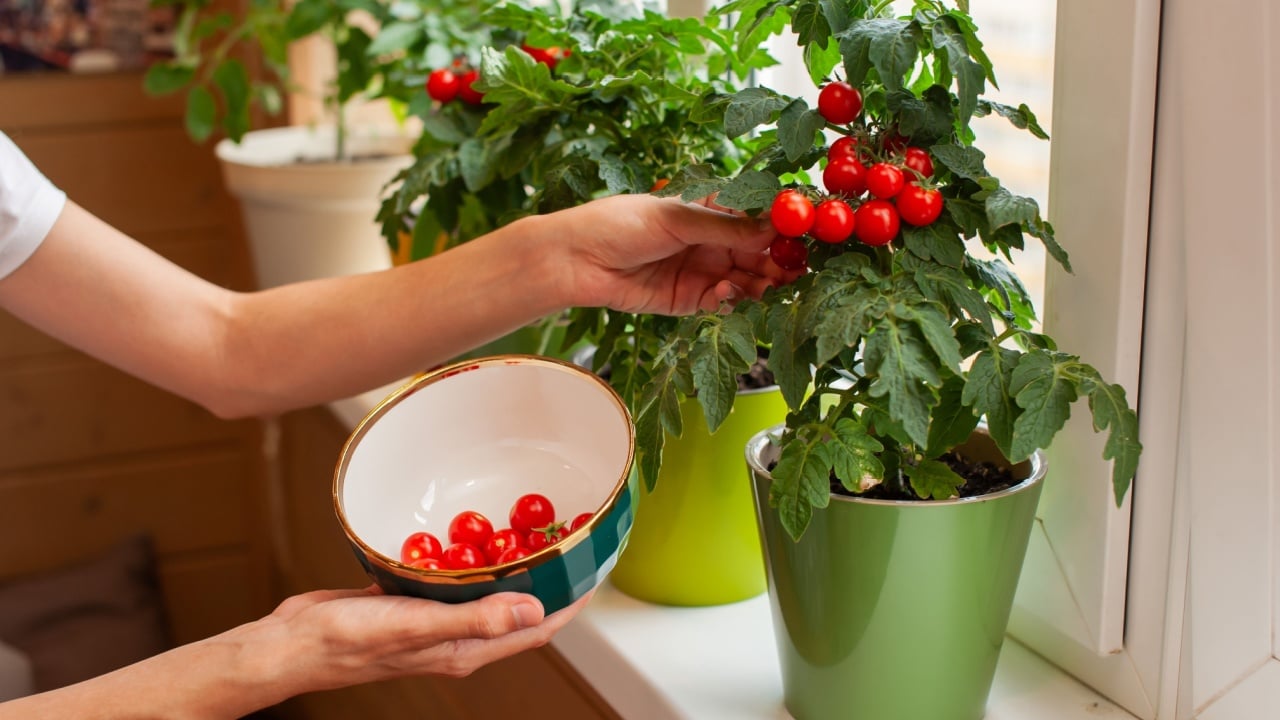
Cherry tomatoes produce huge numbers of small fruits on a single upright plant, making them much more productive for small spaces than large tomato varieties. They keep growing taller and setting new fruit until the first frost of winter arrives. They adapt easily to plastic buckets or fabric pots placed on a sunny patio.
These plants need a large container (at least 30cm wide and deep) that holds plenty of soil to give their roots enough room to grow strong. Put a sturdy wire cage or a strong wooden stake in the pot early on to support the heavy weight of the fruit branches. Watering the soil evenly every day prevents the tomato skins from splitting open.
Pinch off the tiny side branches that grow in the joints of the main stem to keep the plant growing straight up. This pruning technique lets more sunlight reach the fruit clusters and helps them ripen much faster. It also keeps the plant neat and compact, so it does not overwhelm a small balcony.
4. Swiss Chard
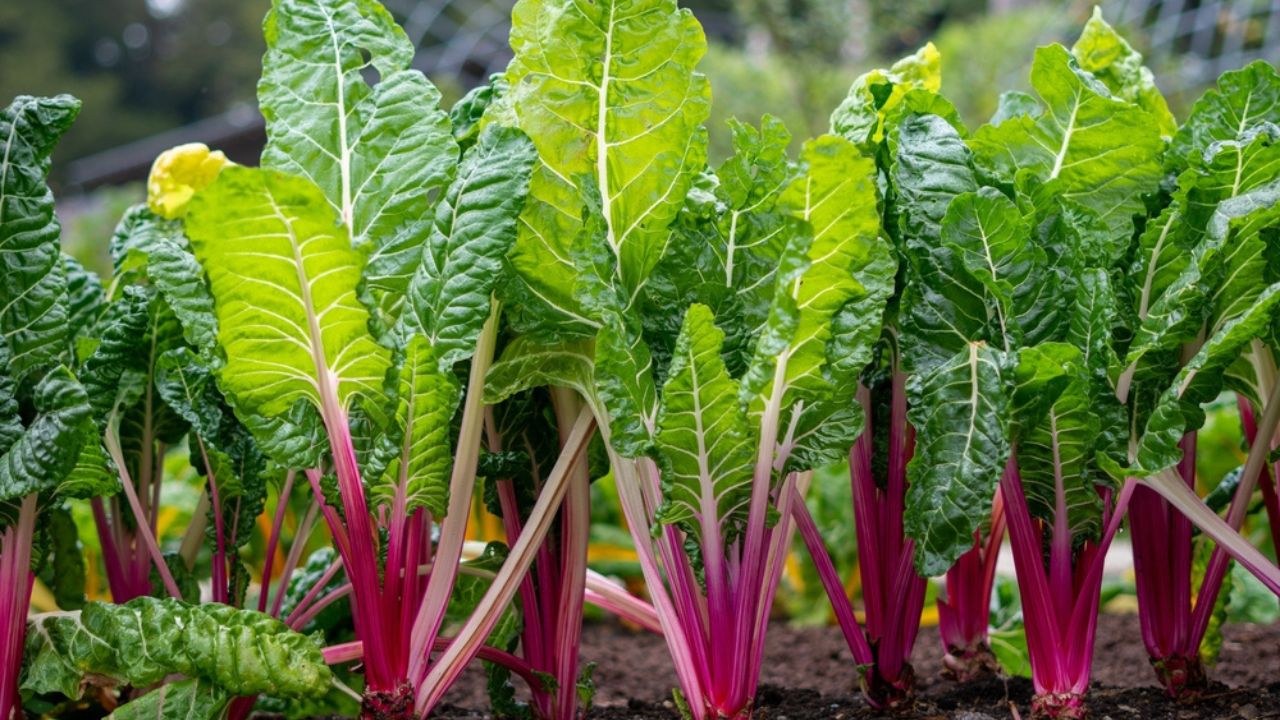
Swiss chard is highly productive because it tolerates both chilly spring days and hot summer weather without fading. It lasts much longer in the garden than spinach, providing reliable greens across multiple seasons. Its upright growth habit means it takes up very little actual ground space in a garden bed.
Space the young plants about eight inches apart so their roots have room to expand downward. Mixing organic compost into the soil ahead of time gives the plants the nutrients they need to grow large, healthy leaves. Adding a layer of dried leaves or straw on top of the soil helps hold in moisture.
Harvest the food by snapping off the oldest, outermost leaves right near the ground level. Leave the inner leaves alone so they can continue to grow and replace the ones that were just removed. This continuous picking cycle provides a steady supply of fresh greens from just a few plants.
5. Radishes
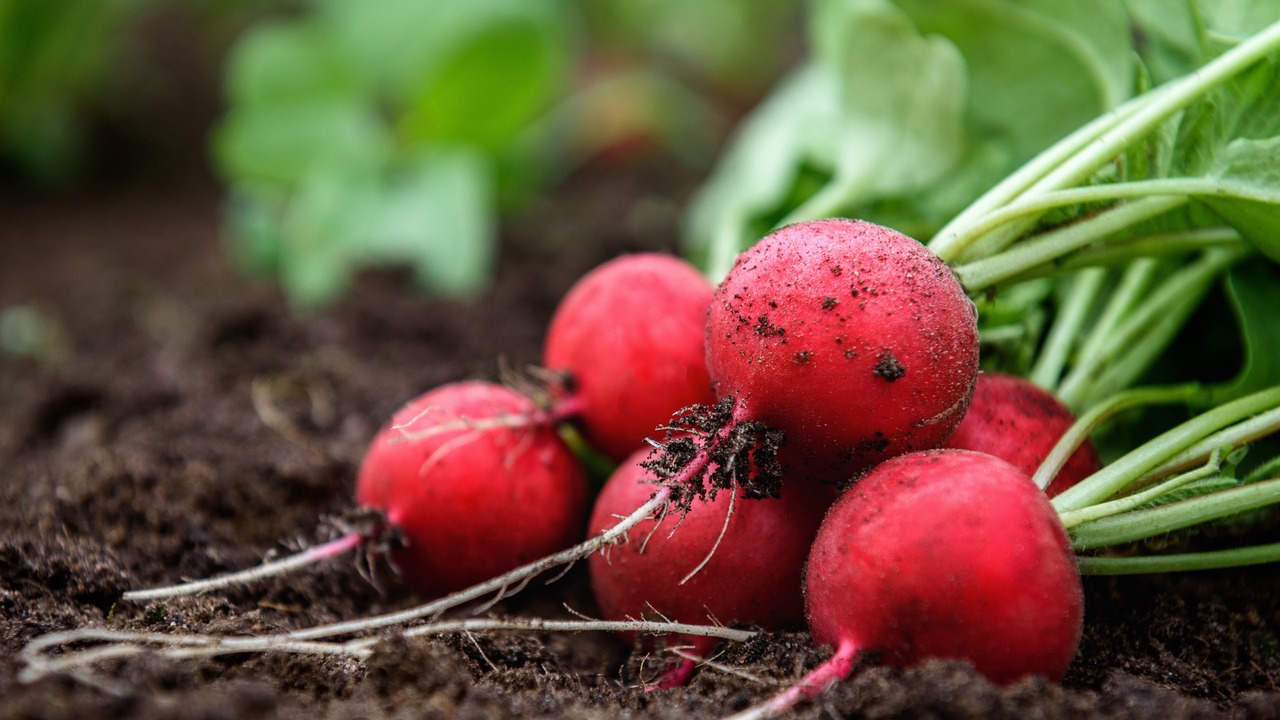
Radishes are incredibly useful for small gardens because they grow from seed to harvest in less than a month. This rapid growth means a grower can plant and harvest several crops of radishes in the same spot before slower vegetables even finish growing. Their tiny size allows them to tuck into empty corners between other plants.
Sow the seeds directly into loose soil that does not have any large rocks to block the growing roots. Keep the soil damp at all times, as dry soil makes the radishes woody and unpleasantly hot to taste. Because they are so fast, they can be planted right next to slow crops like carrots to maximize space.
Pull the radishes out of the ground as soon as the tops of the roots push up through the soil and look about an inch wide. Leaving them in the ground too long makes the inside spongy and ruins the texture. The green leaves on top are also edible and can be cooked just like spinach.
6. Kale
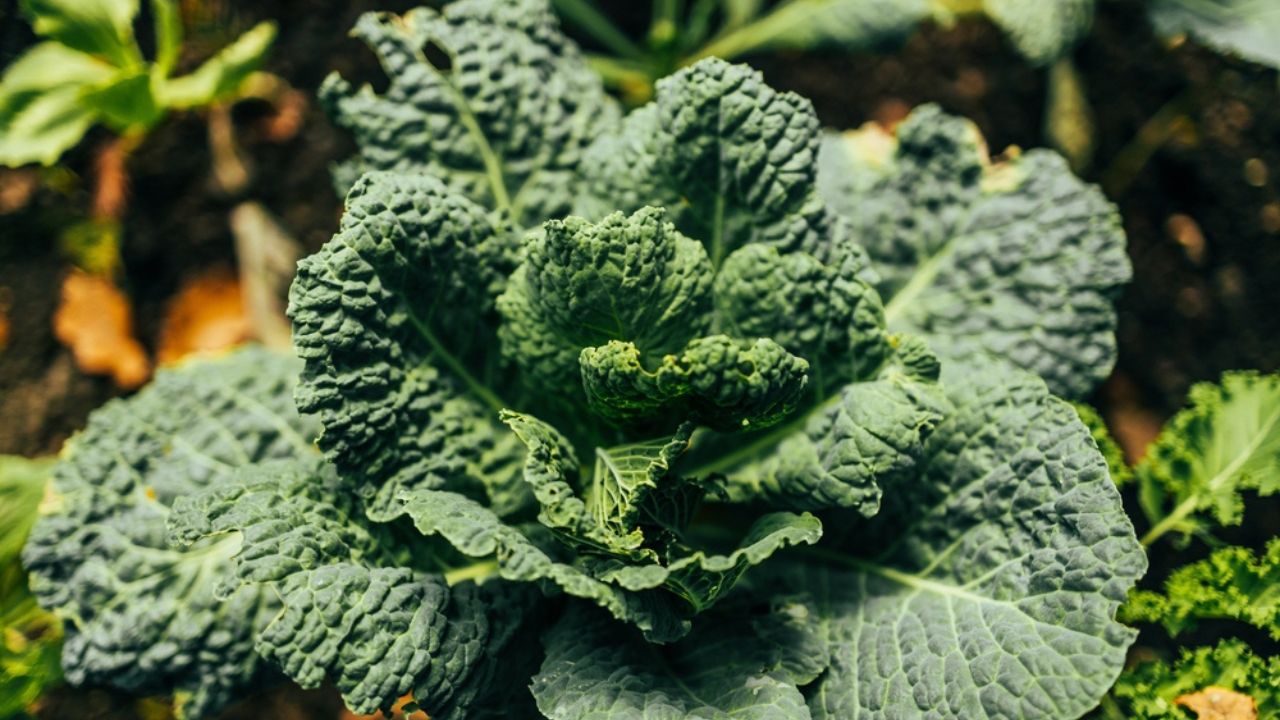
Kale is a sturdy plant that provides a continuous harvest of thick, nutritious leaves from a single main stem over many months. Cold weather actually makes the leaves taste sweeter, so they can stay in the garden well into the winter. The upright shape allows multiple kale plants to be grouped tightly together.
Grow kale in fertile, well-draining soil where it can get plenty of daily sunlight. Space the plants about a foot apart to ensure good air movement around the leaves, which prevents disease. Giving the plants a gentle liquid fertilizer every few weeks keeps them producing heavy crops.
Harvest the lower leaves first, which coaxes the plant to grow taller and look like a small palm tree. This technique keeps the plant healthy and productive for a very long time. Removing any yellow or damaged leaves from the bottom of the plant also helps keep common garden bugs away.
7. Bush Zucchini
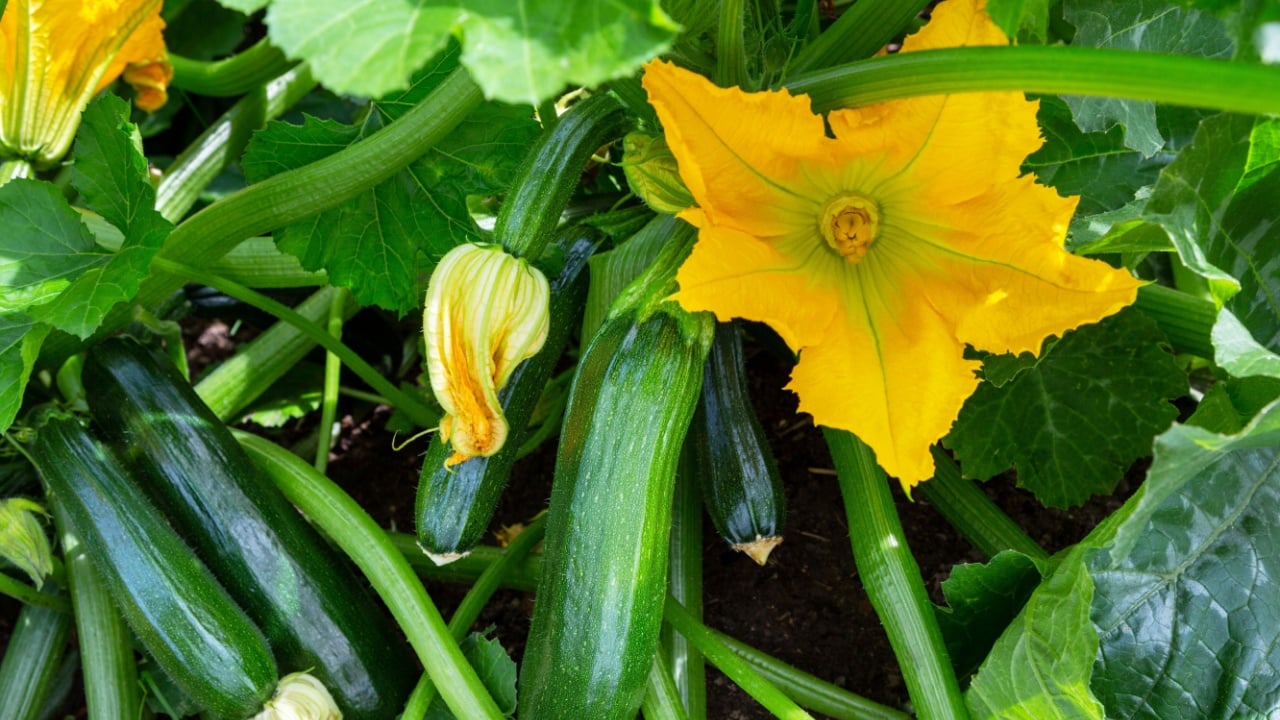
Bush zucchini varieties are bred to grow in a tight clump rather than sending out long, crawling vines that take over the yard. This compact shape allows small-space gardeners to enjoy the massive harvests that zucchini plants are famous for. Just one or two plants in large pots can easily provide enough squash for a family.
Plant zucchini in a rich soil mix in a spot that gets at least six hours of direct sunlight every day. These plants are thirsty, so soak the soil deeply at the base of the plant to keep the leaves from wilting. If bees are scarce on a high balcony, gently touch the inside of the flowers to help pollinate them.
Cut the zucchini off the plant with a sharp knife when they are about six inches long and still tender. Picking them frequently prevents the plant from growing giant, woody squash that steal energy from new blossoms. Regular harvesting keeps the plant motivated to make new zucchini all summer long.
8. Spinach
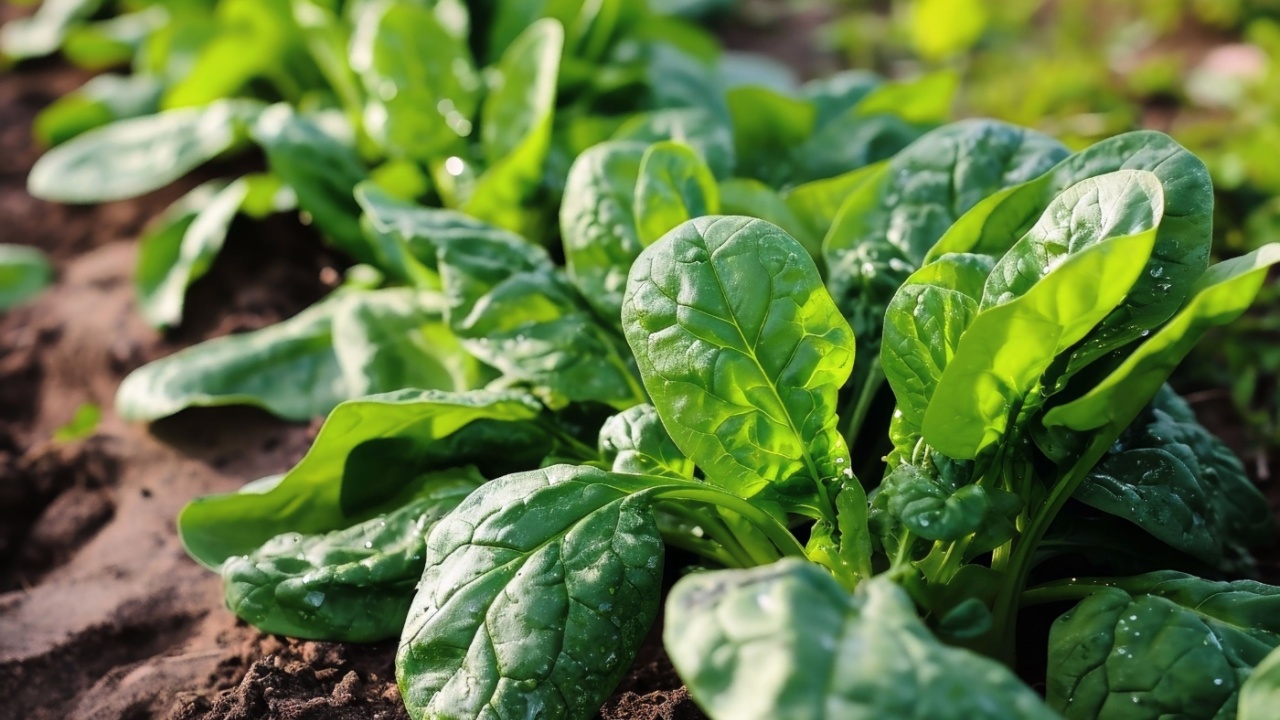
Spinach loves cool weather and grows beautifully in shallow balcony boxes, patio planters, or the shaded edges of larger garden beds. It produces many rounds of food if individual leaves are picked rather than cutting down the entire plant at once. It is an excellent choice for filling empty garden spaces in early spring and late autumn.
Sow seeds in rich, moist soil and keep the ground damp so the plants do not get stressed. If spinach gets too dry or too hot, it runs to seed, which stops leaf production and makes the taste bitter. Placing the pots in a spot with morning sun and afternoon shade keeps them happy longer.
Pick the outer leaves as soon as they are big enough to use, allowing the center of the plant to keep making new foliage. Once the plant starts growing a tall central stalk to make flowers, harvest the whole thing immediately. Clear the space right away to prepare for a fresh planting of autumn crops.
9. Cucumbers
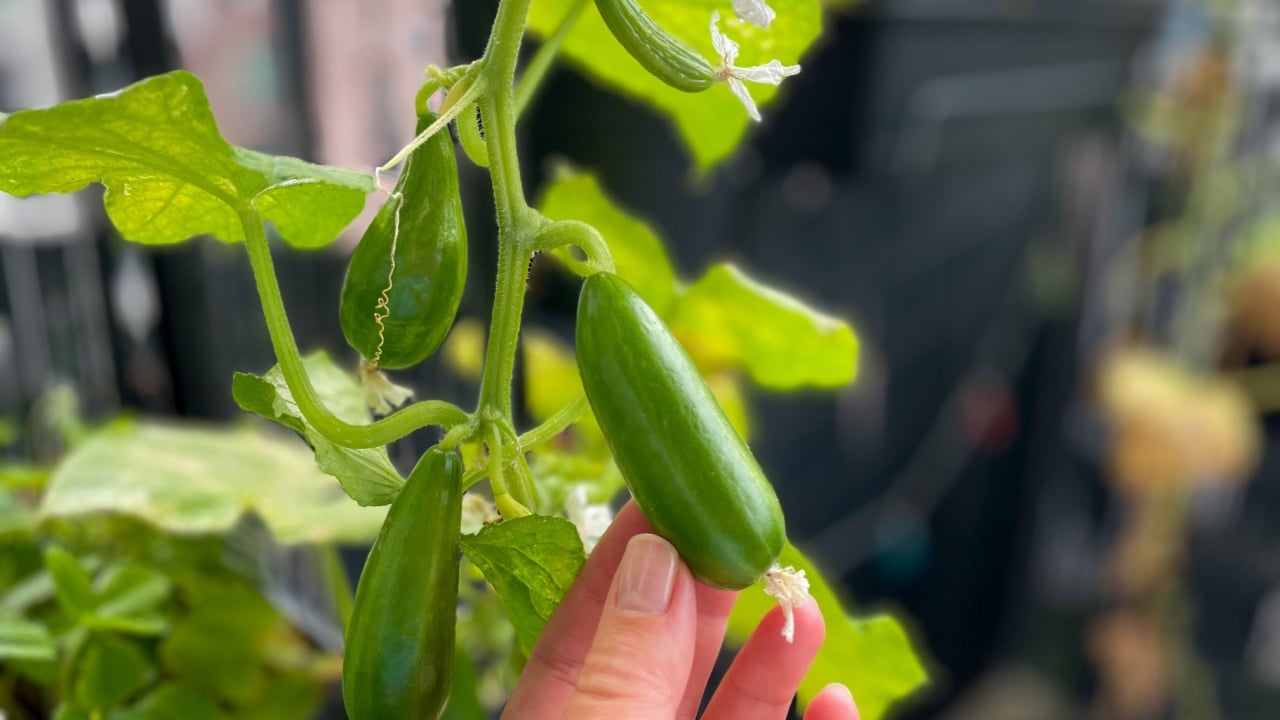
Cucumber varieties labeled as bush or dwarf types produce large amounts of crisp fruit while staying confined to a small area. Training the vines to grow upward on a trellis or vertical netting keeps the footprint small and saves valuable ground space. This vertical method also keeps the cucumbers clean and away from pests on the ground.
Give cucumbers a large container filled with rich soil and place it in a bright, sunny location. Water the plants consistently every day, because uneven watering causes the cucumbers to develop a bitter flavor. Use soft string or plant ties to gently secure the climbing vines to the trellis support.
Pick the cucumbers while they are firm and solid before they start turning yellow or growing hard seeds. Regular picking encourages the plant to keep blooming and forming new cucumbers. Always use scissors or pruners to snip the stem, so the delicate climbing vine does not get torn.
10. Garlic
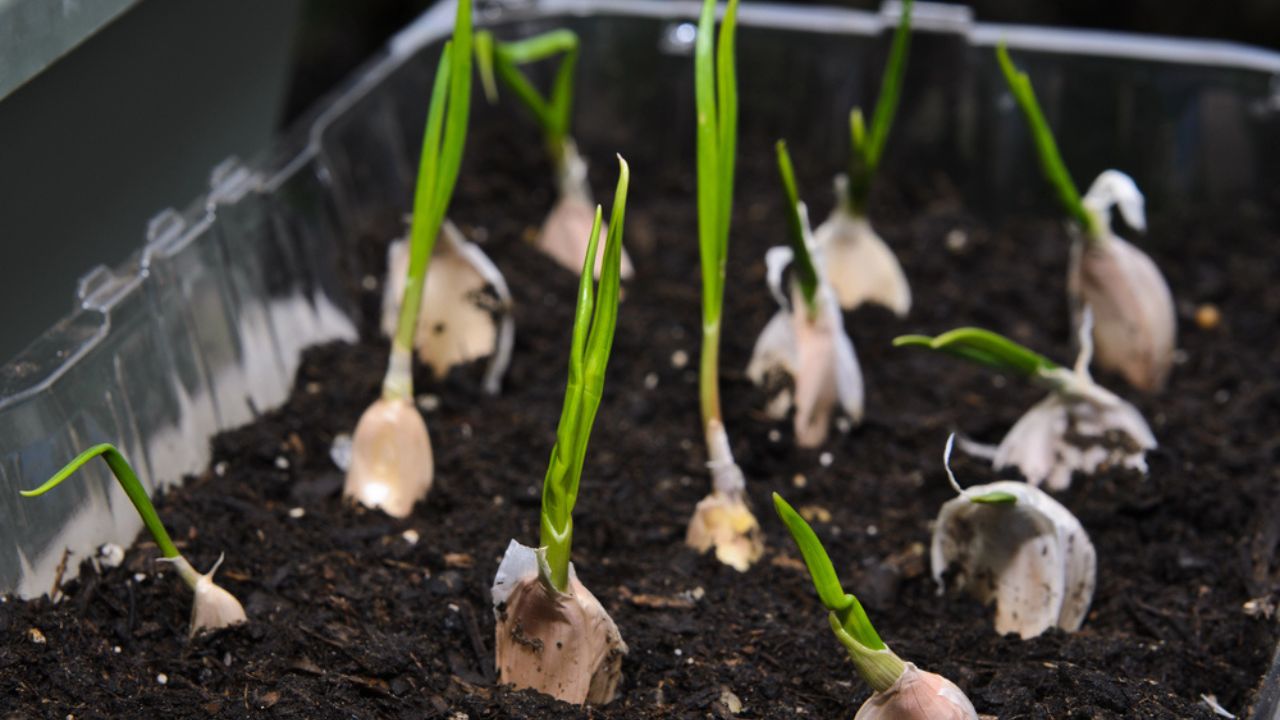
Garlic takes up very little physical room and stays in the ground through the winter, making it a highly efficient choice for year-round gardening. Dozens of garlic cloves can be planted just a few inches apart in a single deep planter box. The thin, grass-like leaves cast almost no shade, so low-growing greens can be planted right next to them.
Plant individual garlic cloves in the late autumn, burying them a few inches deep with the pointed end facing up. Cover the soil with a thick layer of straw mulch to protect the hidden cloves from freezing winter temperatures. In the spring, push the straw aside slightly so the green shoots can find the sunlight.
If growing hardneck garlic, clip off the curly flower stalks that appear in early summer and use them in kitchen dishes. The main bulb harvest happens in mid-summer when the lower leaves turn yellow and dry out. Hang the harvested garlic bulbs in a shady, breezy place for two weeks to cure them for long-term storage.
11. Asian Greens
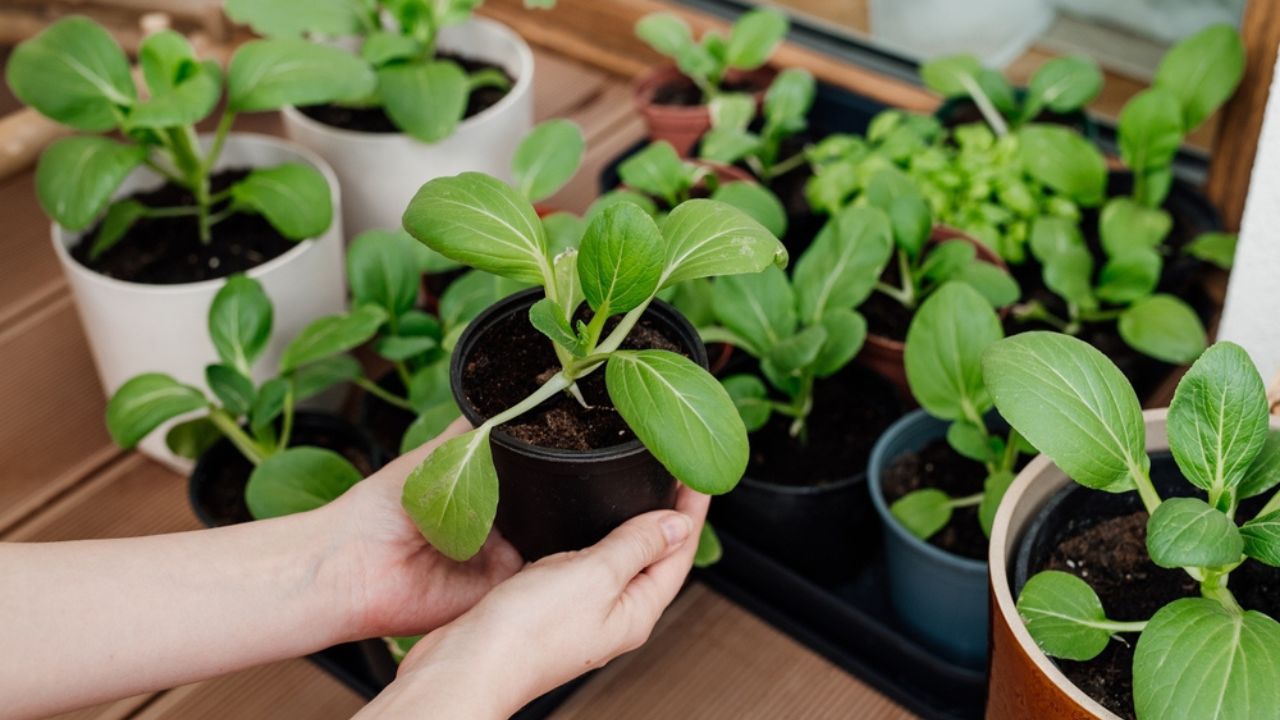
Asian greens, such as pak choi and tatsoi, grow rapidly and produce heavy yields during the cooler parts of the year. They form compact shapes that fit tightly together, making them perfect for intensive small-space layouts. They tolerate low light levels well, allowing them to grow on shaded balconies or under taller plants.
Sow seeds directly into moist soil for fast germination and quick growth without any transplant troubles. Keep the soil evenly moist to ensure the thick stems stay juicy and do not become tough or hollow. Thin out the rows early on and eat the tiny seedlings in salads while letting the rest grow to full size.
Harvest the greens by either picking individual outer leaves or cutting the whole head at ground level once it reaches full size. Because these plants mature in about forty days, they are perfect for filling brief gaps in the garden schedule. Plant a new batch every two weeks for a non-stop supply during spring and autumn.
12. Peppers
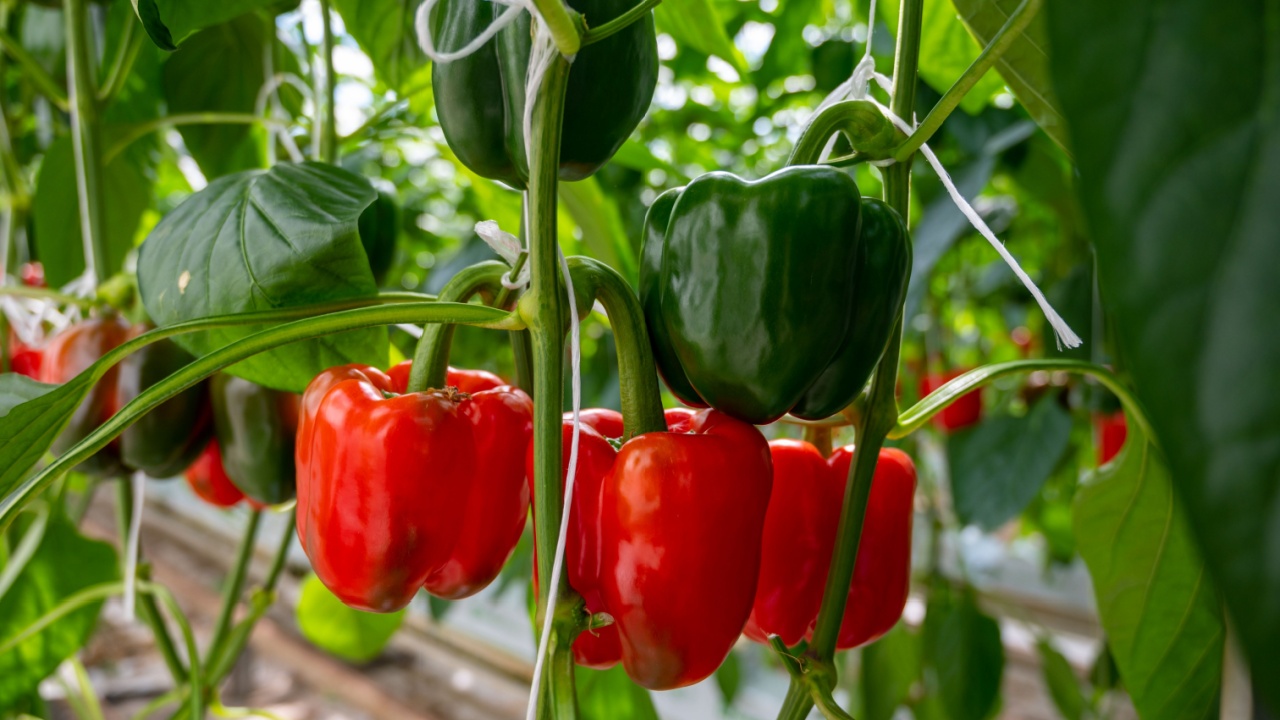
Peppers have a naturally upright, bushy shape that makes them a perfect fit for containers on small decks, patios, or steps. Both sweet bell peppers and hot chili varieties produce a high volume of fruit from a very compact footprint. The stems are naturally tough and woody, though a simple central stake helps support them during heavy harvests.
Grow peppers in a warm, bright location that gets plenty of direct sunlight throughout the day. Let the soil dry out slightly on top before watering again, as peppers do not like to sit in soggy mud. Adding a small amount of organic fertilizer when flowers appear helps the plant build large, thick-walled fruits.
Harvest the peppers when they reach full size and are still green, or wait for them to turn red, yellow, or orange. Letting the peppers change color makes them sweeter and more nutritious, but it slows down the production of new flowers. Picking some peppers while green coaxes the plant to keep setting new fruit all season long.
14. Eggplant
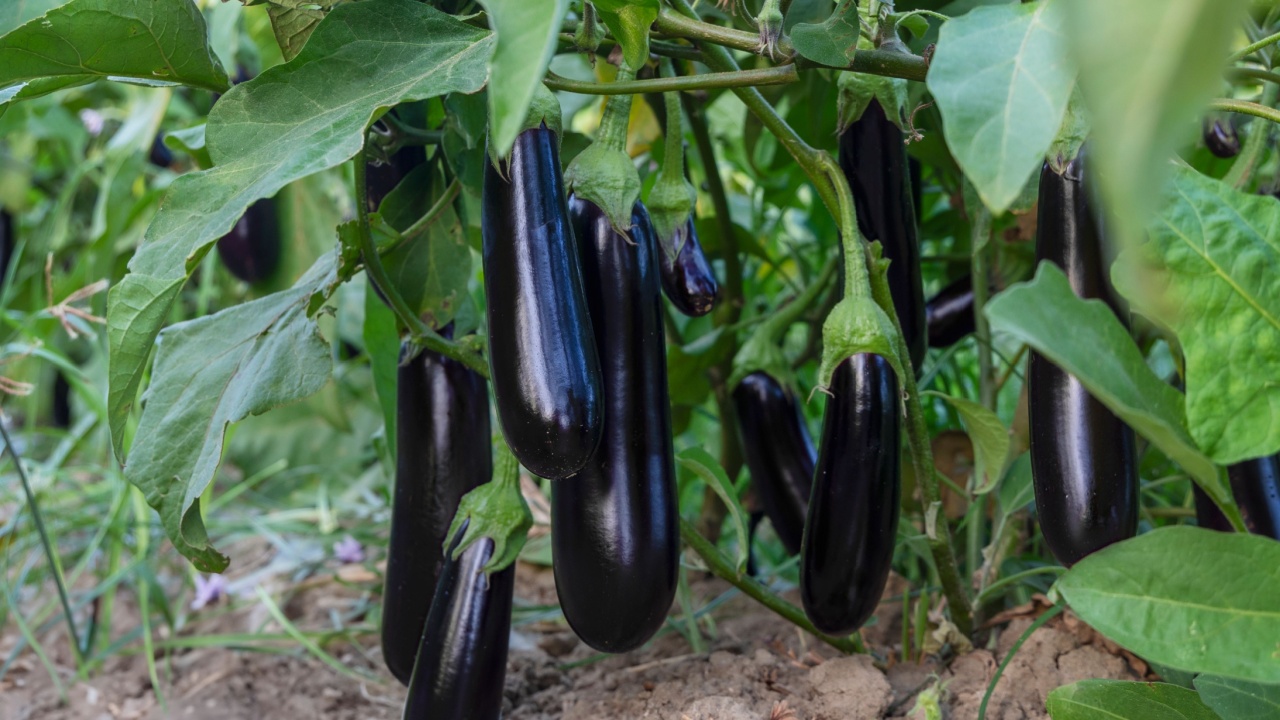
Eggplants possess a naturally upright, sturdy structure that makes them excellent candidates for patio containers and small courtyard gardens. Compact patio varieties grow into beautiful, bushy shapes that produce a high volume of heavy fruit from a single square foot of ground space. Their dark purple flowers and glossy fruits add visual appeal to limited spaces.
Select a dark-colored five-gallon plastic container to house the roots, as dark containers absorb ambient heat and keep the soil warm. Use a nutrient-rich potting soil mix and position the pot in the absolute sunniest spot available on the property. Water deeply and consistently to support the development of moisture-heavy fruits.
Cut the eggplants from the stems using sharp hand pruners while the skin is still incredibly glossy and smooth. If the skin turns dull, the fruit has become overripe, and the seeds inside will taste bitter. Regular harvesting keeps the plant productive and lightweight, reducing stress on the main central stem.
15. Green Onions
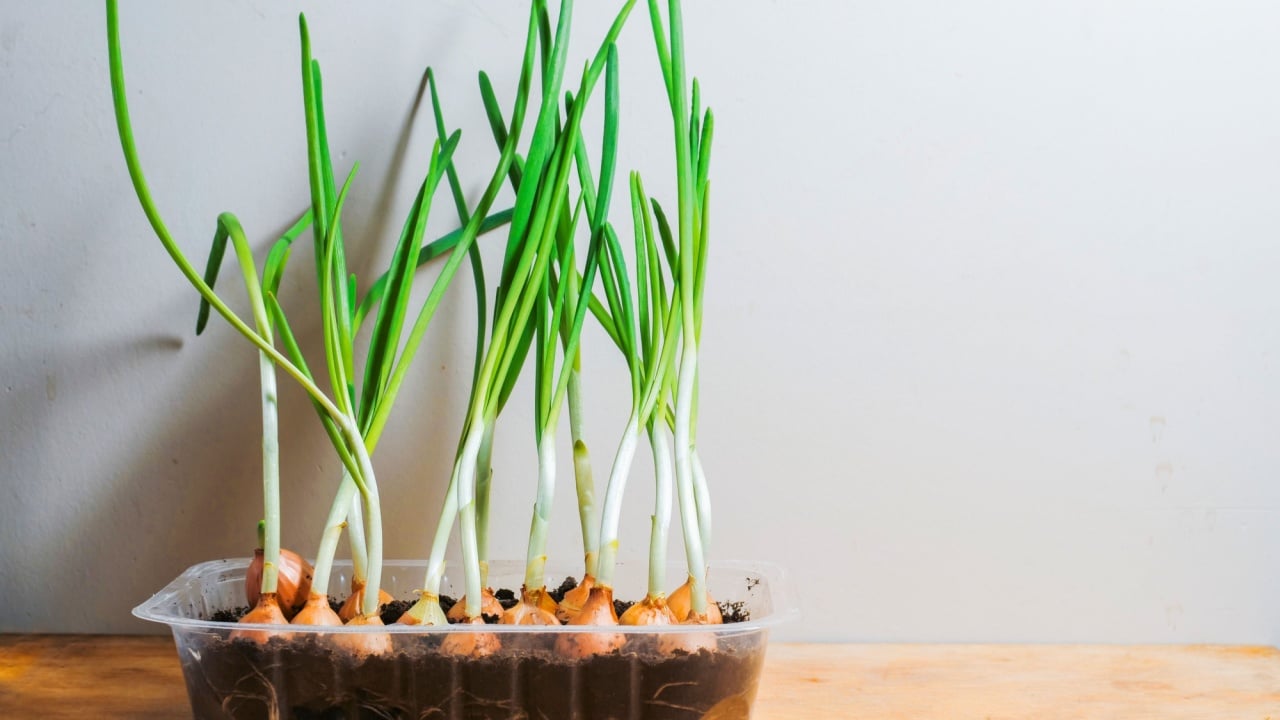
Green onions, also known as scallions, are highly efficient because they require almost no root space and can be grown tightly packed together. Dozens of these thin plants can fill a shallow plastic planter box or tuck neatly into the empty gaps around larger potted plants. They also grow rapidly, providing a fresh harvest just a few weeks after planting.
Plant onion sets or seeds in a shallow container filled with standard potting soil mixed with a bit of compost. Keep the soil evenly damp to support the thin, grass-like roots as they establish themselves. They tolerate partial shade remarkably well, making them ideal for lower apartment balconies or sheltered windowsills.
Snip the green tops with scissors whenever needed for kitchen meals, leaving the white bulb base in the soil to grow back. This continuous cutting style allows a single planting to provide fresh onion greens for months on end. Alternatively, pull the entire plant out of the ground when the base reaches the thickness of a pencil.
A Compact Garden That Keeps Giving

Growing a highly productive garden does not require a large plot of land. By choosing high-yielding, vertical, and fast-growing vegetables like pole beans, leafy greens, and compact peppers, anyone can produce an abundance of food in a limited area.
With consistent watering, rich soil, and regular harvesting, a small balcony, patio, or courtyard can easily become a constant source of fresh, home-grown vegetables.
Read More:
20 High-Yielding Vegetables Always Worth the Gardening Effort
12 Vegetables That Worth Every Penny to Grow for Their Massive Yield