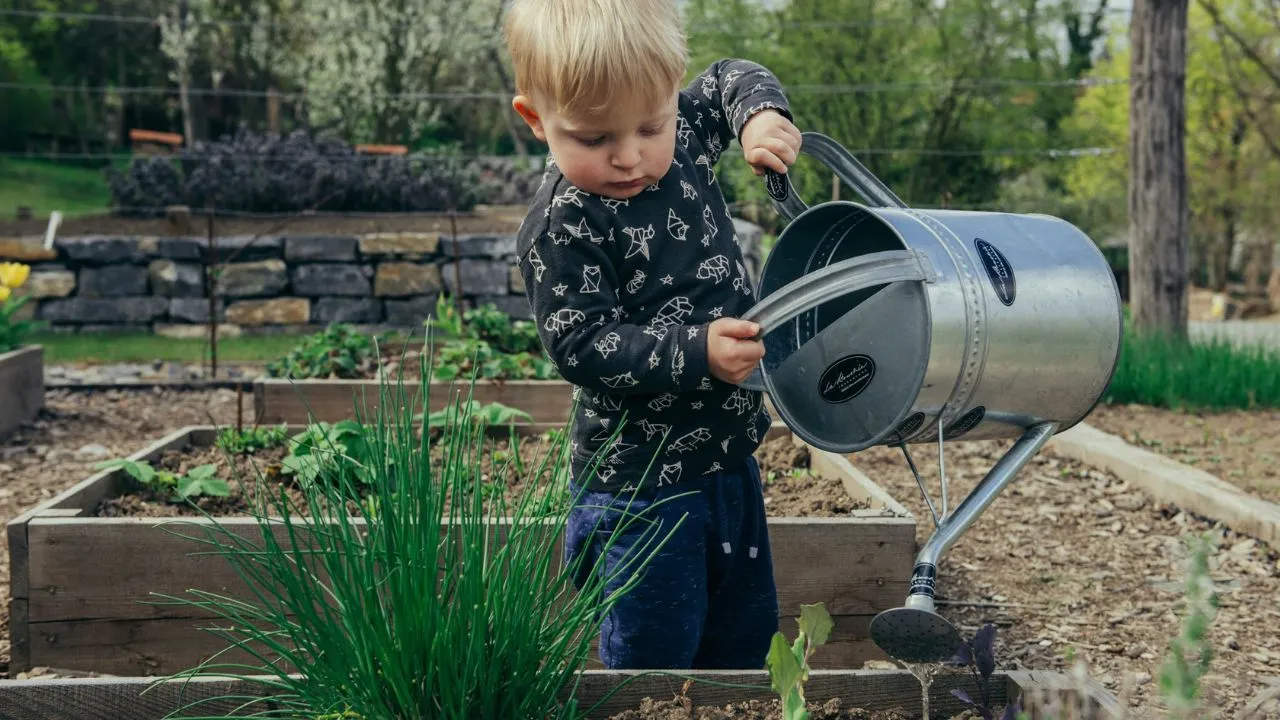
If Your Kids Won’t Eat Vegetables, You Haven’t Tried This Gardening Trick Yet
You’ve tried cutting them into fun shapes, hiding them in smoothies, and you’ve offered sticker charts, dessert bribes, and the classic “just one more bite” negotiation that ends in tears on both sides. And still, the peas sit untouched at the edge of the plate.
If you want to turn a picky eater into a vegetable lover, try involving them in the growing process: hand them a trowel, let them push a seed into the dirt with their own finger, and watch what happens to their relationship with food.
The traditional vegetable garden tends to fail with children for one simple reason: it asks them to wait too long for a payoff they can’t see or taste. A sprawling raised bed full of seedlings that all look the same for weeks is not engaging for a seven-year-old. But a snack garden is built on an entirely different philosophy. It’s a compact, pick-and-eat setup filled with bite-sized crops that go from seed to harvest in days or weeks, not months. Snap peas straight off the vine, cherry tomatoes still warm from the sun, carrots yanked from the dirt like buried treasure. These are the moments that turn a picky eater into a child who asks to go outside to see what is available in the garden before dinner.
The research backs this up. A study referenced in the Journal of the Academy of Nutrition and Dietetics found that gardening may increase children’s fruit and vegetable intake, enhance their nutrition knowledge, and widen their preference for vegetables. Participating in growing a garden not only changes what kids eat; it changes how they think about food entirely, connecting them to where it comes from in a way that no amount of explaining at the dinner table can replicate.
Why Kids Who Grow Their Own Food Actually Eat It
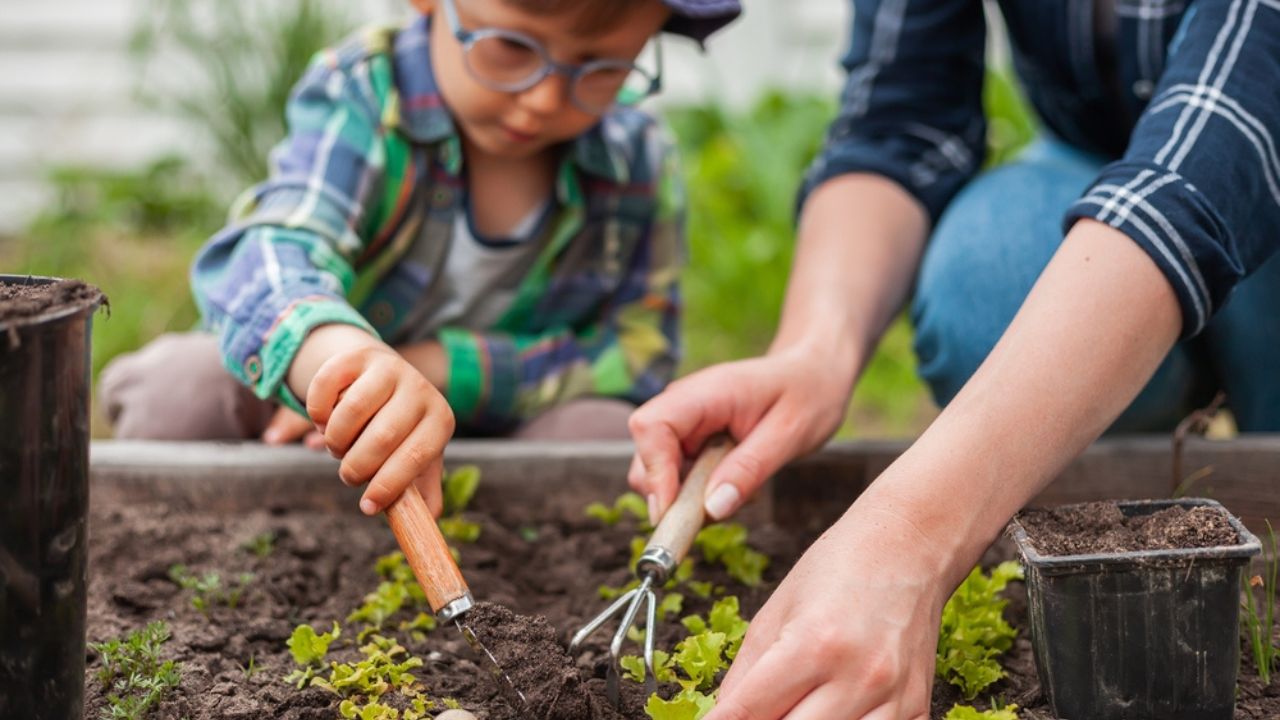
The ownership effect in children is real and well-documented. When a child plants a seed, waters it, watches it grow, and finally harvests it with their own hands, that vegetable stops being something put on their plate by an adult and becomes something they made. The psychology is simple: people eat what they feel invested in.
As AltaVie Health notes, gardening helps kids engage their curiosity, learn to be resourceful, and build self-confidence. The benefits extend well beyond the dinner table. Digging in dirt develops fine motor skills, while caring for a plant over weeks teaches responsibility, and the patience that comes from watching something small become something you can actually eat. For children who spend most of their time in front of screens, the tactile, sensory experience of a garden, wet soil, sun on their arms, and the smell of tomato leaves offers something genuinely irreplaceable.
Kids Gardening, one of the most trusted resources in children’s horticultural education, has consistently observed this effect: children who participate in planting and harvesting completely change their minds about vegetables they previously refused. Cherry tomatoes are a classic example. Many children who insist they hate tomatoes will eat them directly off the vine, one after another, without a moment of hesitation.
Here are the 8 best plants for a kids’ snack garden.
1. Radishes
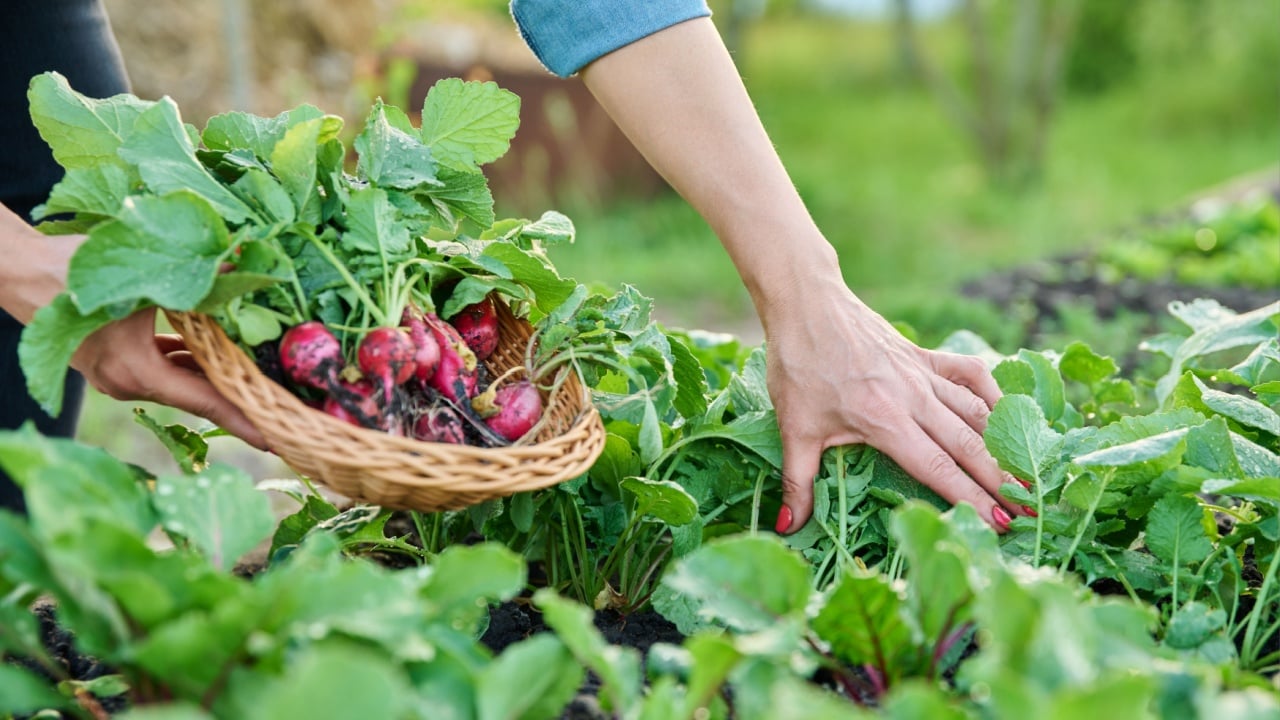
The fastest win in gardening.
Many radish varieties are harvest-ready in fewer than 30 days from direct sowing, which puts them in a timeframe a child can actually comprehend. Plant them now in May, and your child will be pulling radishes out of the ground before the end of the month. The act of pulling anything out of soil is thrilling to children in a way that cutting a head of lettuce simply is not.
2. Snap Peas
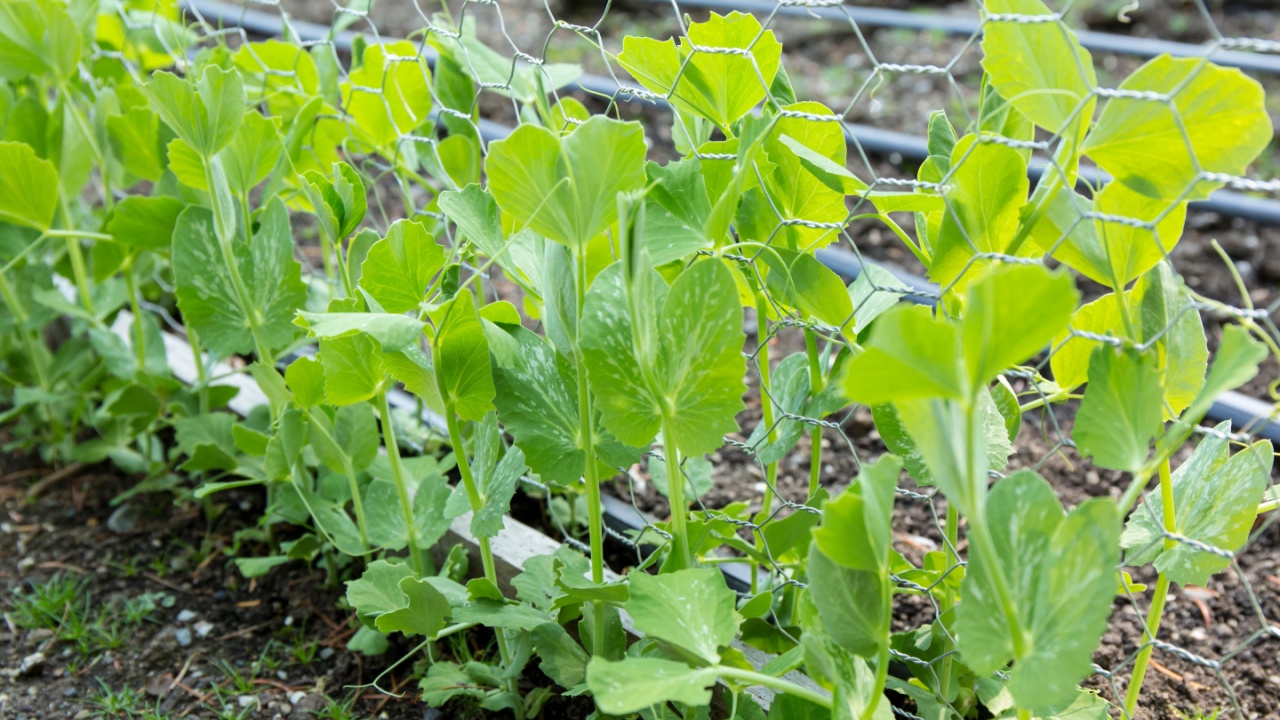
Sweet, crisp, and eaten straight off the vine with zero preparation.
Snap peas are a cool-weather crop, which makes May the ideal planting window before summer heat arrives. As Kids Gardening notes, pre-germinating pea seeds between moist paper towels gives tiny roots a head start in 1 to 3 days, a process children find genuinely fascinating to watch. Give the vines a small trellis to climb and let kids pick pods frequently; the more they pick, the more the plant produces.
3. Cherry Tomatoes
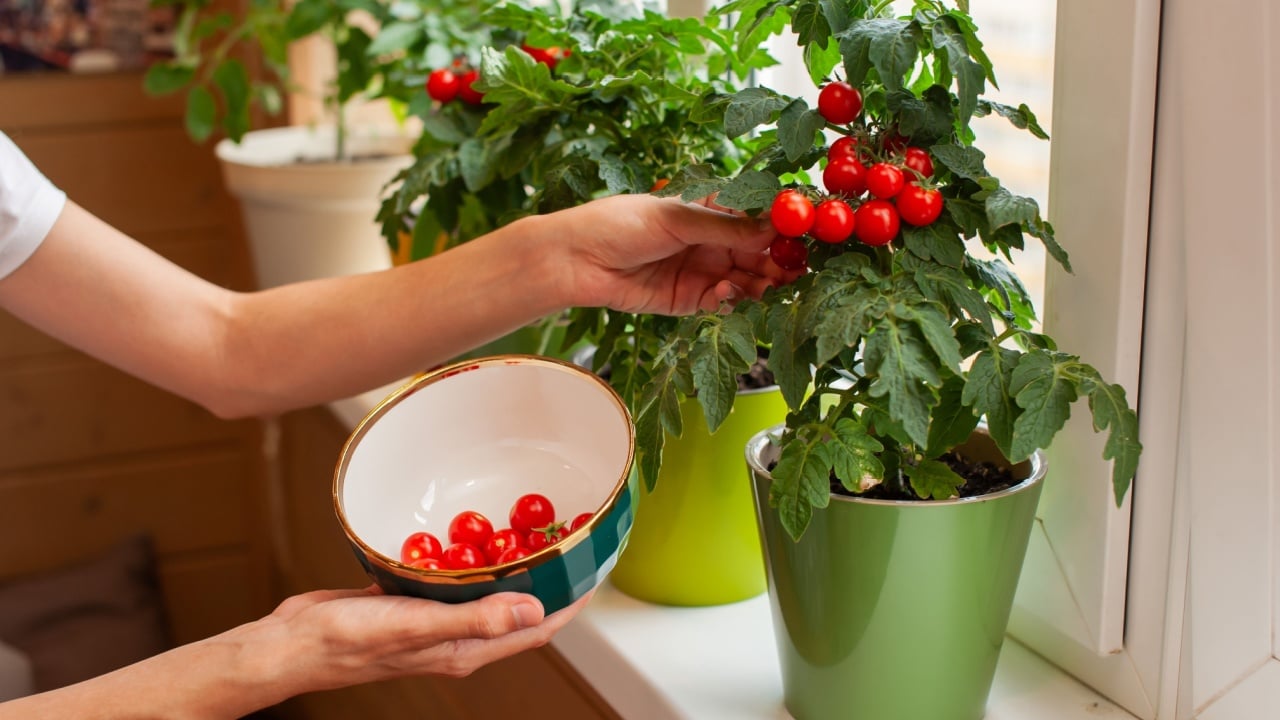
A single well-chosen cherry tomato plant can yield several hundred fruits over a season. Children can harvest them at kid-height from a caged plant in a container, and varieties like ‘Tiny Tim’ and ‘Sweet 100’ are sweet enough to eat like candy. HGTV recommends choosing compact, container-friendly varieties specifically so the harvest stays within reach of small hands.
4. Strawberries
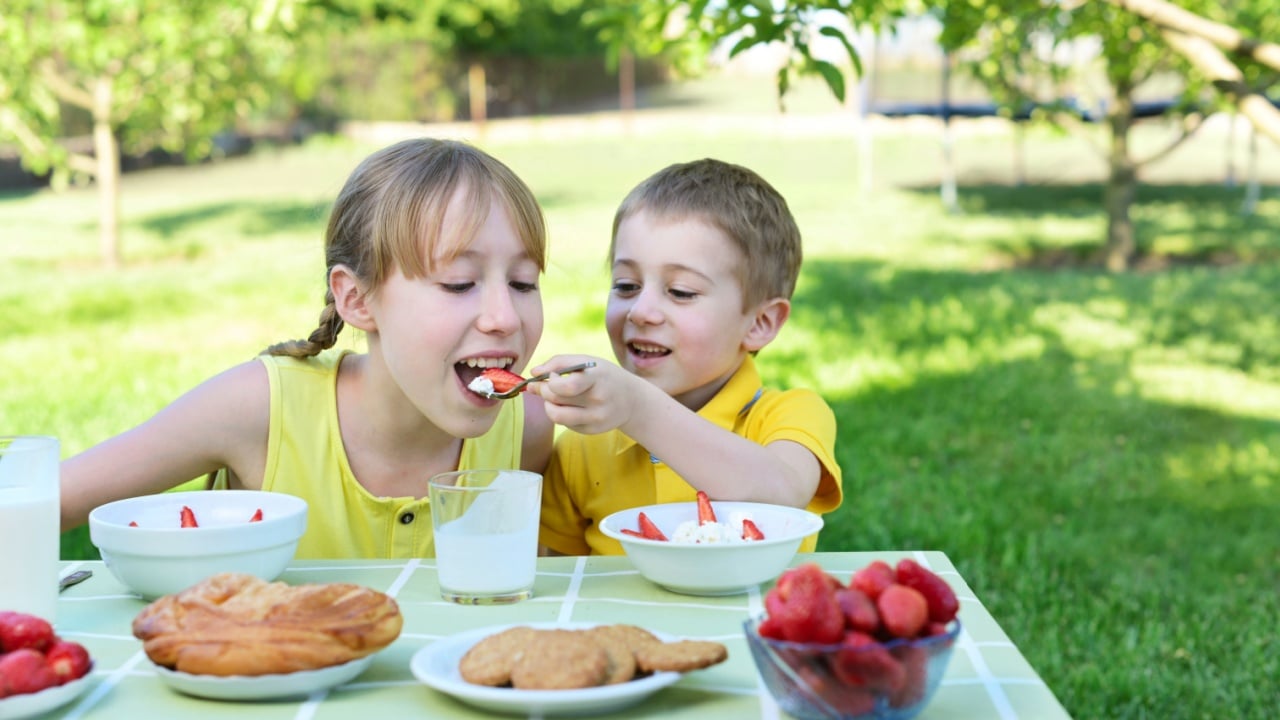
Universally loved by children, beautifully suited to containers and hanging baskets, and perennial, meaning the same plants will produce for years. The BrightPath Kids gardening guide describes strawberries as sweet, small, and perfect for little fingers. Everbearing varieties like ‘Albion’ produce fruit throughout the season rather than in one concentrated rush, keeping the harvest experience going all summer long.
5. Baby Carrots

The treasure hunt vegetable. Pulling a carrot from the soil is, as Gardening Know How puts it, like unearthing buried treasure, and that description is not an exaggeration when you watch a child do it for the first time. Choose short or round varieties like ‘Paris Market’ that thrive in containers. And tell children a bonus secret almost no adult knows: the leafy carrot tops are edible and can be turned into pesto.
6. Mini Cucumbers
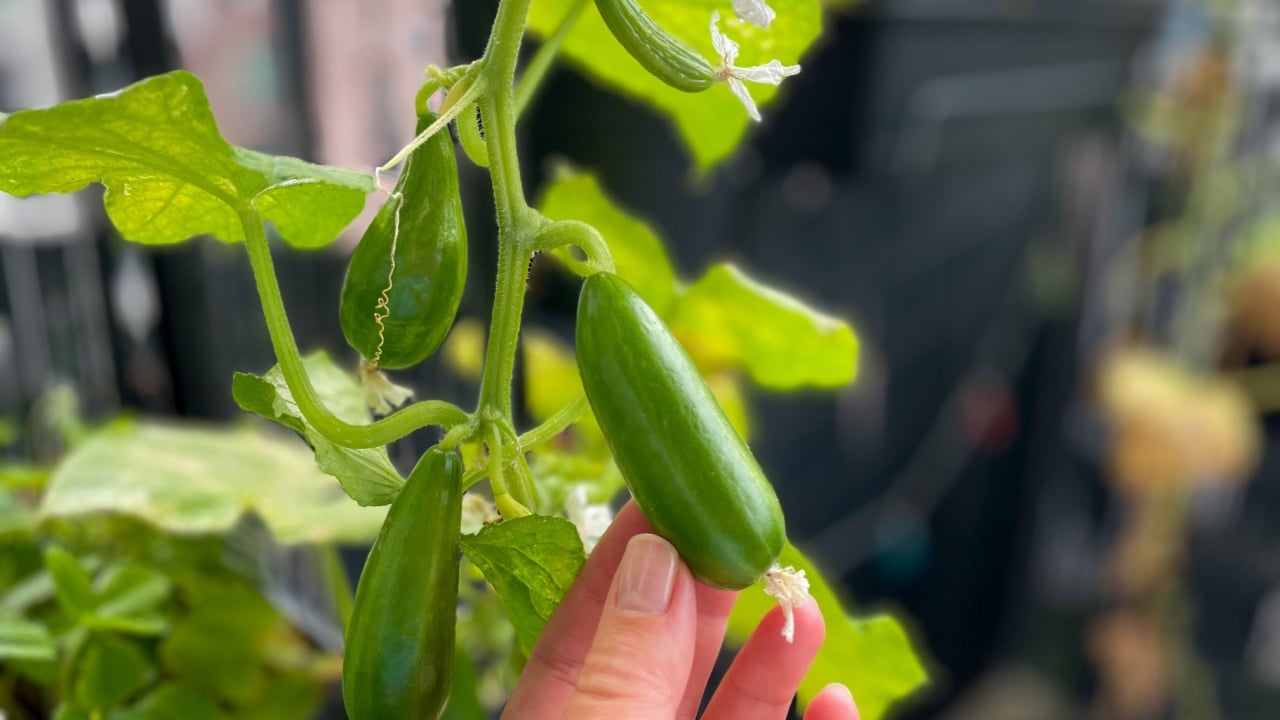
Fast-growing, crisp, and endlessly snackable. For an experience that genuinely surprises children and adults alike, grow lemon cucumbers: small, round, and pale yellow, they look nothing like what kids expect a cucumber to look like, and their flavor is the sweetest, mildest of any cucumber variety. That element of surprise is a small but genuine moment of magic in the garden.
7. Beans
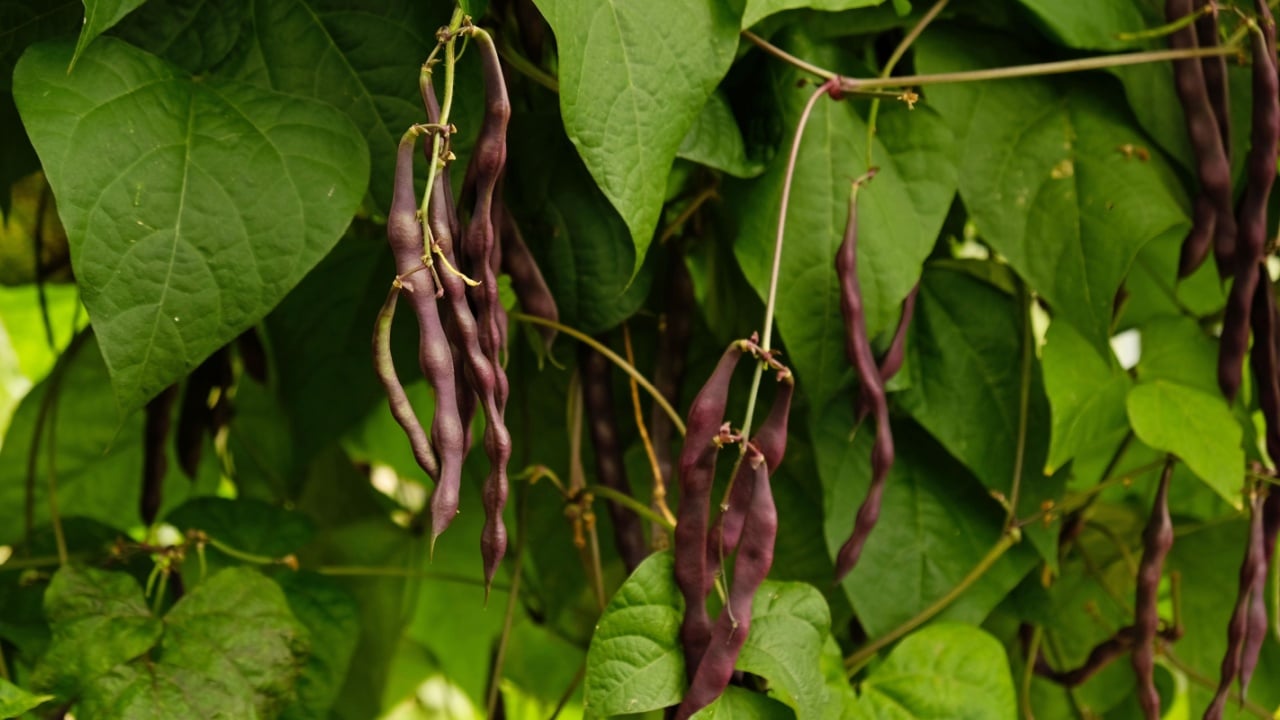
Beans grow quickly, come in dramatic colors including deep purple and scarlet-striped varieties, and offer one of the most beloved structures in children’s gardening: the bean teepee. As Kids Gardening describes it, a few poles tied at the top with beans climbing up create a living secret hideout that children will want to spend time inside, which means they’re also checking on their plants constantly.
8. Nasturtiums
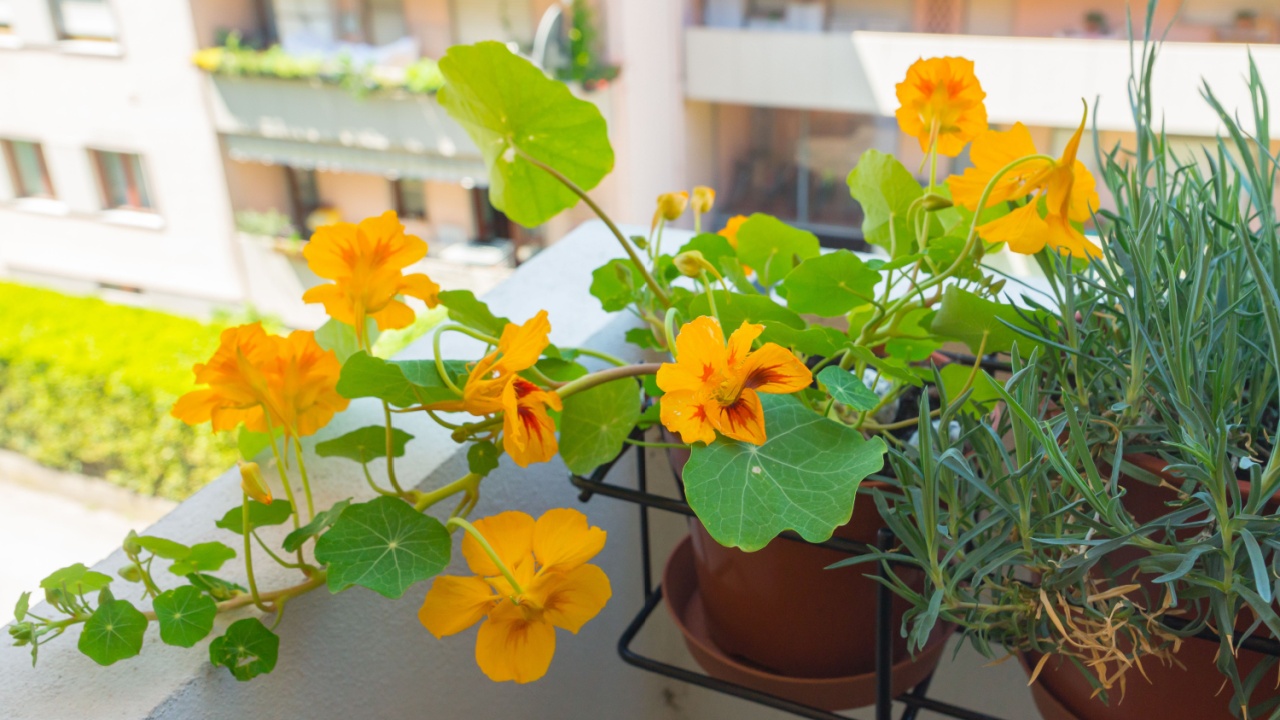
The most underestimated plant in any children’s garden.
Nasturtiums are nearly impossible to kill, produce peppery edible blooms in vivid orange, red, and yellow all season, attract butterflies and bees, are a natural lesson in pollination, and require almost no care. The Black Forest Garden Club notes that edible flowers like nasturtiums and violas broaden the snack garden’s appeal well beyond vegetables, turning the harvest into something visually exciting for children. They are also non-toxic to dogs and cats, which matters in any family garden.
How to Give Kids Real Ownership of the Garden
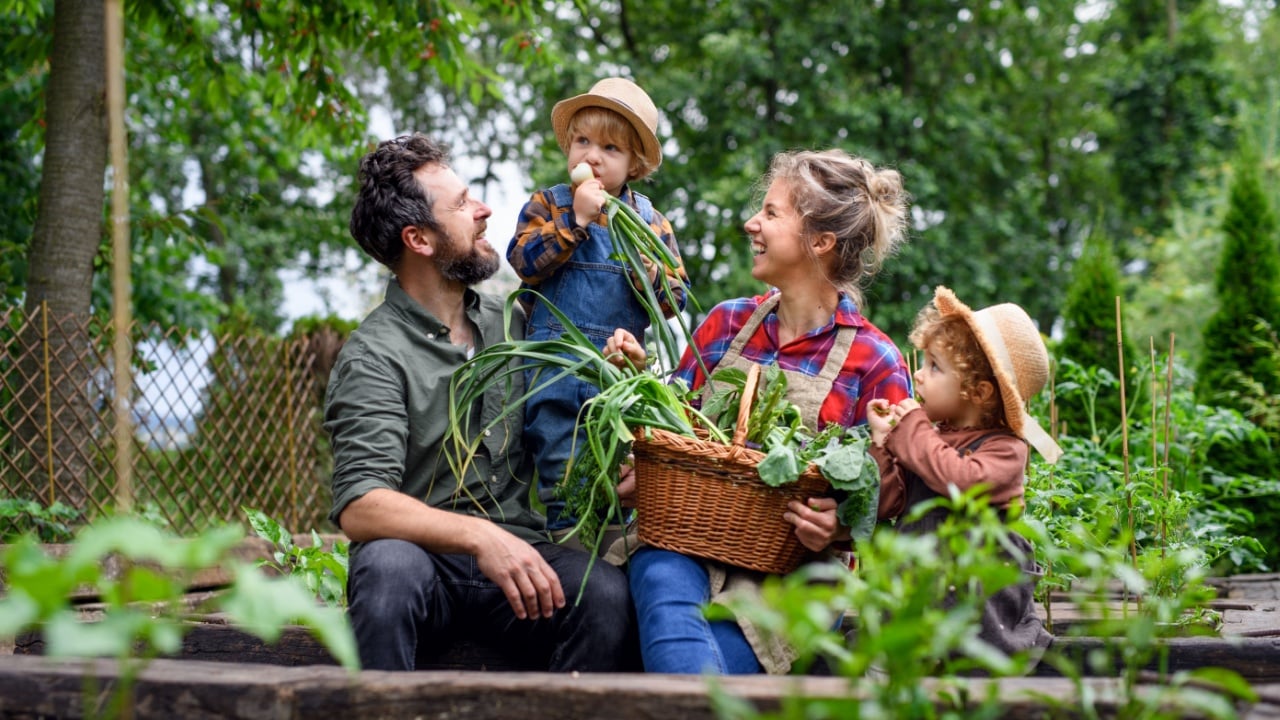
The fastest way to lose a child’s interest in a garden is to make all the decisions yourself and hand them a watering can. The fastest way to keep it is to let them choose.
Before you buy a single seed, ask your child which vegetables and fruits they actually like to eat, or which ones they’re curious about. Within the list of reliable snack garden plants, there’s enough variety to give children real choices. According to AltaVie Health, suggesting unusual but reliable plants, like purple carrots, striped beets, and lemon cucumbers, keeps children engaged because the novelty keeps them curious. Assign your child a specific, recurring task: watering every morning, checking the snap peas after school, or harvesting anything ready before dinner. Ownership of a task creates ownership of the garden.
Theme gardens are another proven approach. A pizza garden plants tomatoes, sweet peppers, basil, and oregano together in the same bed, all of which share similar growing conditions and all of which end up on a pizza your child helped grow. A salsa garden pairs tomatoes, tomatillos, peppers, onions, and cilantro. These theme frames give children a destination: they’re not just growing plants, they’re growing pizza night.
How to Set Up a Kid-Friendly Snack Garden This Weekend
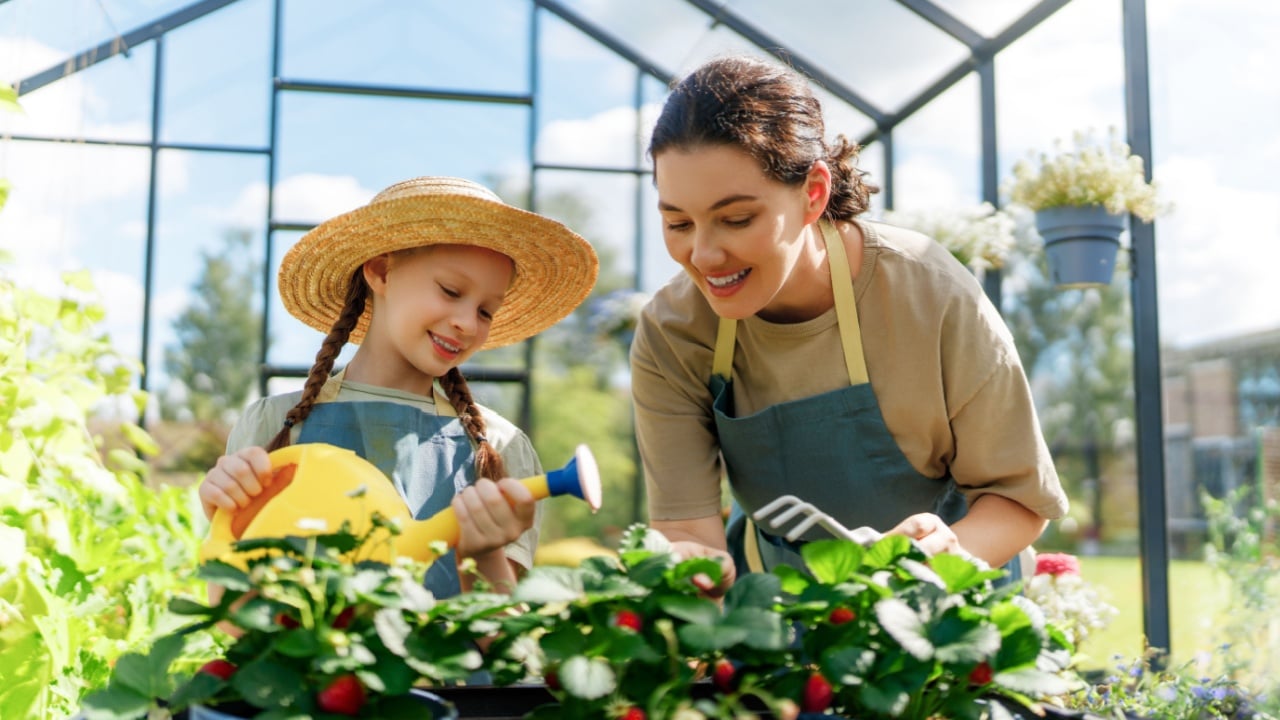
The physical setup is simpler than most parents expect, and the investment is modest.
Start with two or three containers at least 12 inches wide and 12 inches deep. Anything smaller dries out too fast and stunts root growth, as Gardenary‘s container gardening guides make clear. Fill them with a loose, well-draining potting mix enriched with compost; regular garden soil compacts in containers and will quietly undermine the whole garden. Place the containers near where your children already spend time outside, not in the far corner of the yard. Proximity drives engagement: when the garden is two steps from the back door, children check on it constantly.
Invest in one set of child-sized gardening tools. Kid-sized watering cans, trowels, and gloves, as BrightPath Kids notes, make children feel like real gardeners rather than helpers, which is a meaningful distinction for their sense of ownership. Start with one fast crop (radishes or snap peas for a win this month in May) and one longer crop (cherry tomatoes or strawberries for the summer payoff). That combination keeps the experience alive across two time scales: a quick success that proves the garden works, and a longer investment that teaches patience without asking too much of it.
Start This Weekend, Harvest All Summer
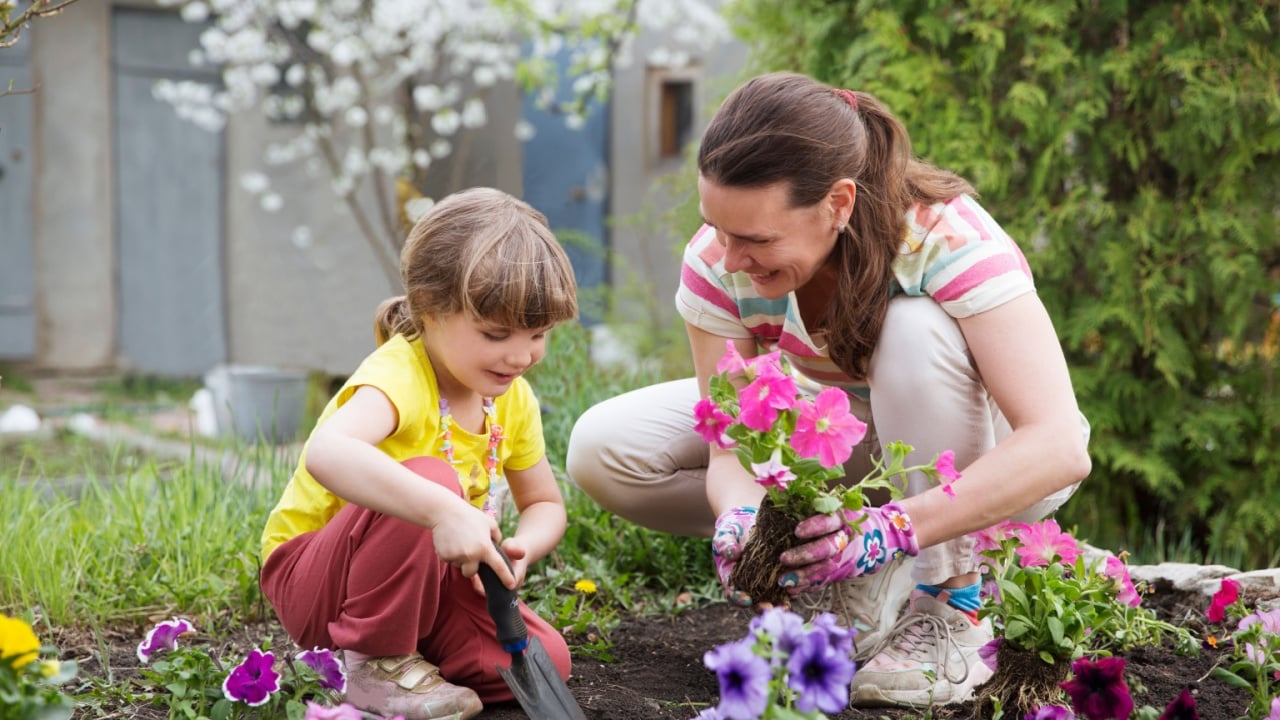
The snack garden doesn’t require a yard, a big budget, or any gardening experience. It requires a sunny spot, the right containers, fresh soil, and plants that were chosen with a child’s attention span in mind.
Plant in May, right now, and the fast crops pay off before the month is out. The summer crops carry the garden through August. And the child who helped push those seeds into the dirt will be the same child asking, unprompted, if the snap peas are ready yet. That question, that small, eager question, is worth more than any reward chart or dinner table negotiation you’ve tried before.
Read More
Washing Your Lettuce Won’t Remove Cyclosporiasis, But Growing Your Own Will
Your Grandmother Stored These 8 Foods All Winter Without Canning a Single Jar