16 Biggest Home Design Scams Draining Renovation Budgets Today
The home improvement market is full of beautiful trends you see on social media. Homeowners often spend thousands on these upgrades, hoping to improve their daily life and increase their home’s value. But many popular choices that look great in photos don’t work well in real life.
Industry professionals often look at the actual return on investment for these popular renovations. They see how materials stand up to daily use and check the real-world function of viral design trends. They concluded that many of these popular upgrades don’t live up to their hype and often lead to more maintenance.
Here are sixteen of the most common design choices that are draining renovation budgets. You’ll learn why these upgrades fail in the real world and discover practical alternatives to protect your investment.
1. Zellige Tile
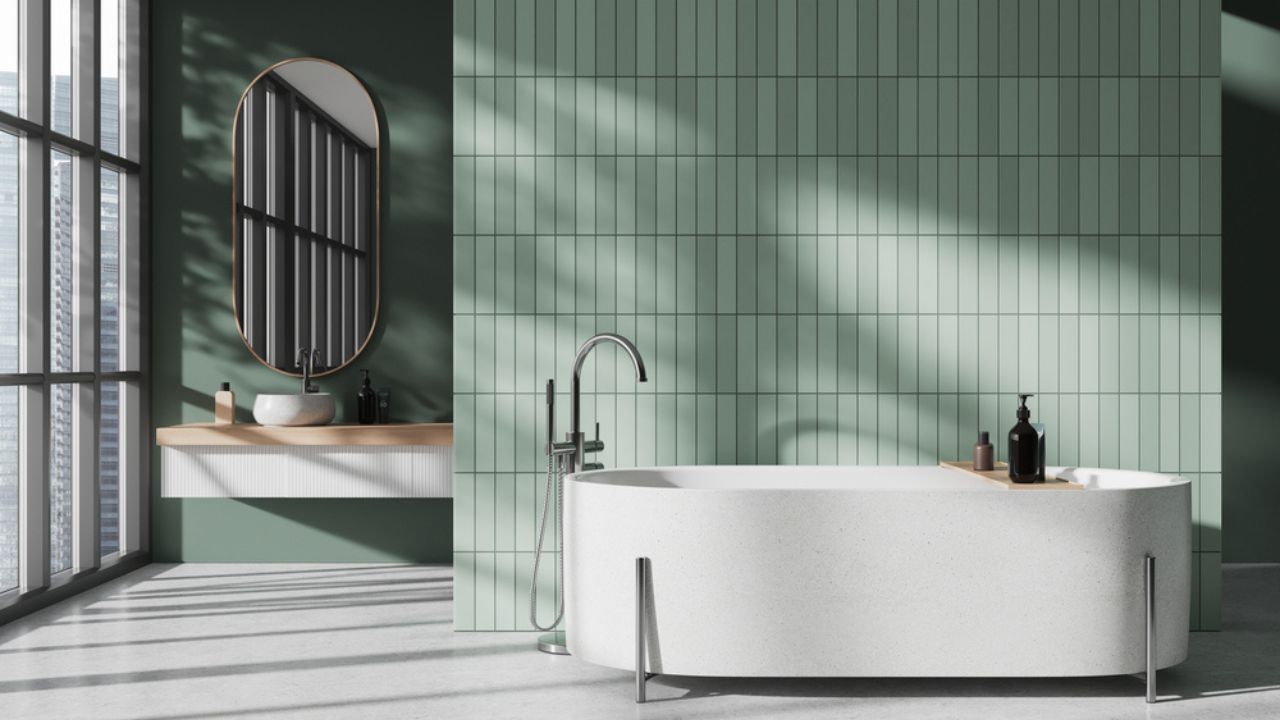
While handmade ceramic tiles like Zellige look stunning in photos, their real-world application can be a headache. Designers love the unique color and texture variations that give a space a distinct look. However, installers point out that these tiles demand specialized labor and much longer timelines.
The main problem is that each tile has a slightly different size and thickness. Because they’re handmade, the edges are fragile and chip easily. They also need to be sealed regularly to prevent stains and damage. Attempting to install them without an expert often leads to an uneven, inconsistent finish.
For homeowners who love the look, a practical alternative is manufactured ceramic tile designed to mimic the handcrafted aesthetic. These tiles offer a similar organic feel but come in uniform sizes, making installation easier and much cheaper.
2. Cement Tile
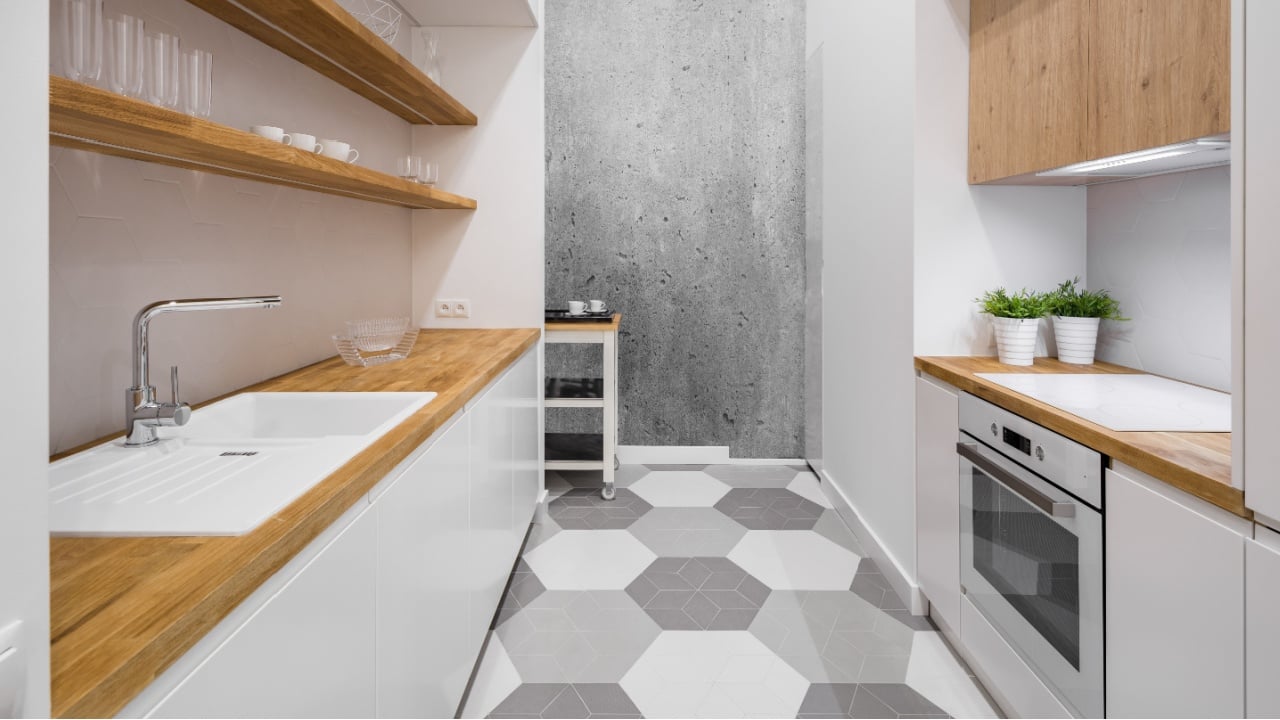
Home improvement contractors often find that cement tile installations require more structural support than standard options. The material is dense and heavy, which means it needs a reinforced subfloor and special adhesives. Manufacturing cement tiles also requires a significant amount of water and energy.
The main problem is the highly porous nature of the material itself. Every day, kitchen spills like tomato sauce or lemon juice penetrate the surface immediately and leave permanent, stubborn stains behind. Maintaining the original appearance demands rigorous, frequent sealing and immediate attention to any accidental drops.
Selecting high-quality porcelain tile featuring printed geometric patterns provides the same visual impact. Porcelain resists moisture and stains naturally, while remaining incredibly durable in high-traffic areas.
3. Waterfall Islands
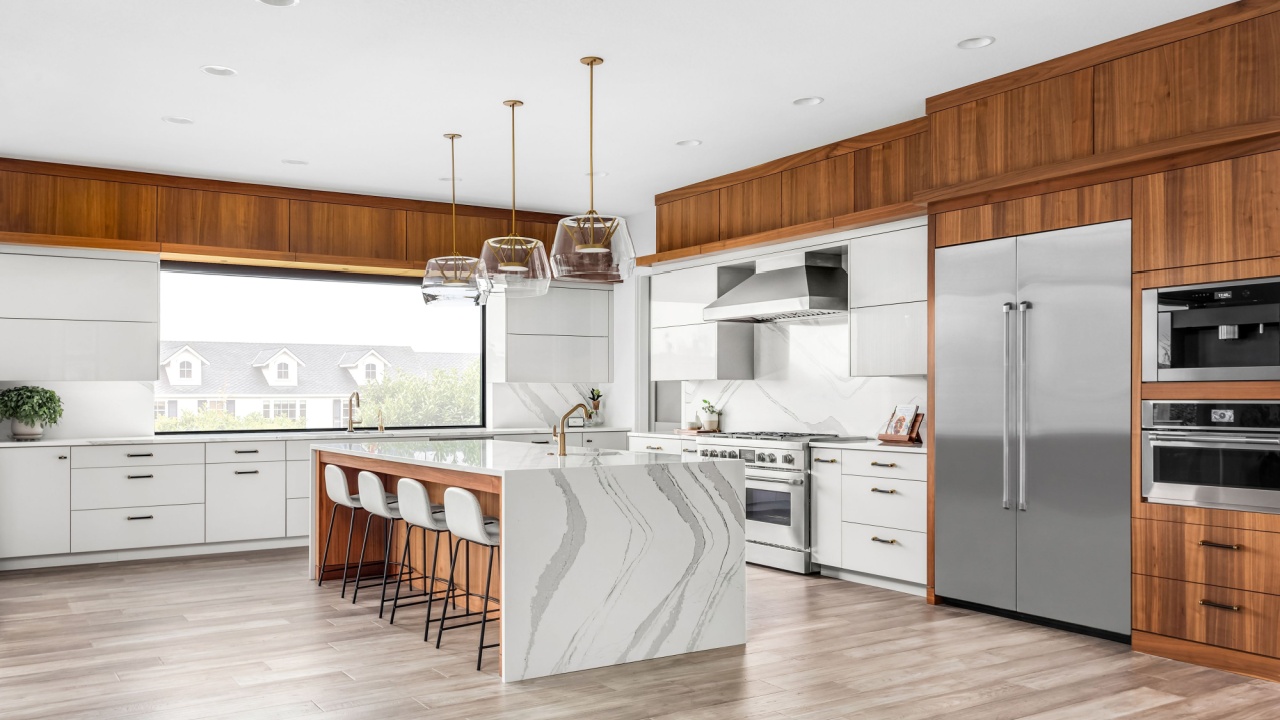
Many homeowners are opting for stone countertops that flow down the sides of their cabinets, creating what’s known as a waterfall island. While these installations look striking and modern, they require buying extra stone slabs and paying high fabrication fees for those perfect edges.
The problem? This design limits practical kitchen use by getting rid of valuable seating and storage space. Plus, the exposed stone corners are in high-traffic areas, making them prone to chips and cracks from chairs or people walking by. Adding electrical outlets to the stone sides can also be a complicated wiring nightmare.
A better alternative is a large, furniture-style island. It offers more utility and customization for a busy kitchen. Using decorative wood panels or traditional posts can add character while still leaving room for comfortable seating and hidden storage.
4. Fully Integrated Smart Homes

Fully integrated low-voltage automation systems can cost tens of thousands of dollars. These systems promise seamless control over every electronic device from a single central interface, suggesting a futuristic lifestyle managed entirely through a smartphone app.
The reality, however, often involves frequent software glitches, network connectivity failures, and expensive service calls. When a central hub goes offline, homeowners can lose control of basic functions like lights or window shades. Since technology evolves so quickly, this expensive hardware can become obsolete in just a few years.g project.
A more reliable and cost-effective solution is to install individual smart devices. Using standalone smart dimmers or automated window treatments offers convenient control without depending on a single, vulnerable central network.
5. White Linen Furniture
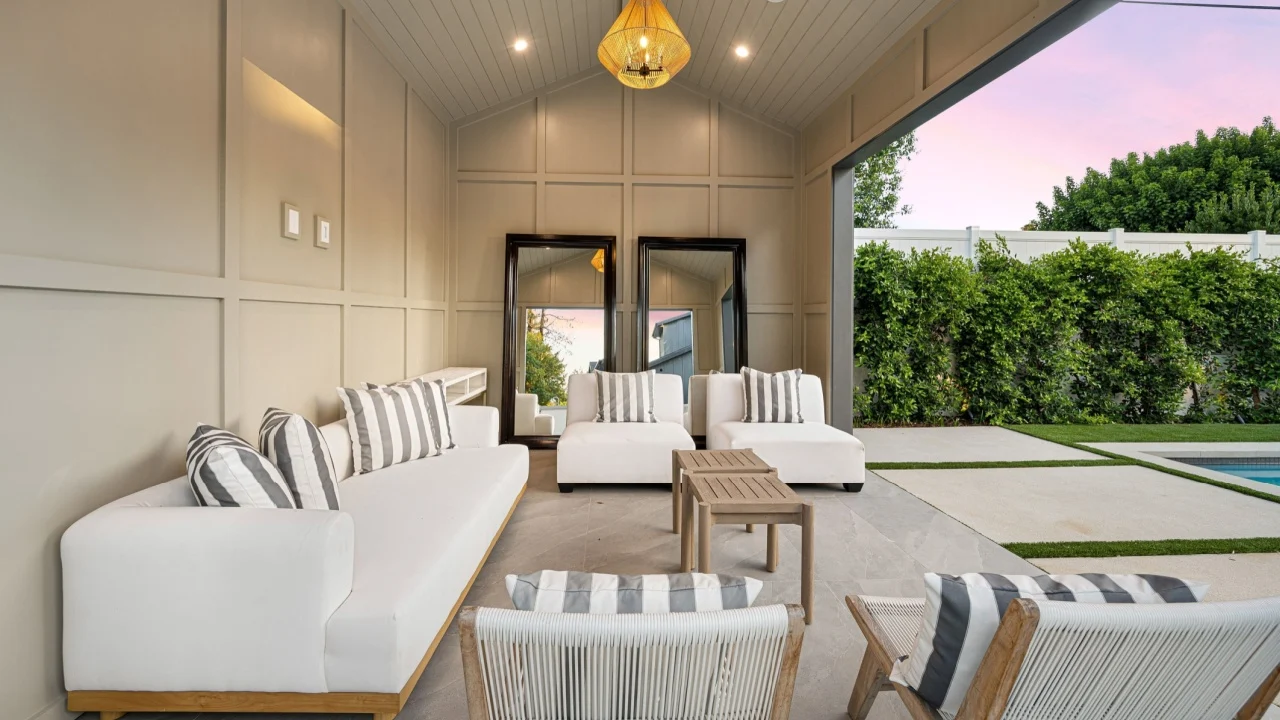
Furniture retailers usually promote beautiful white fabric upholstery in their catalogs and showrooms. The look suggests a luxurious, peaceful environment perfect for sophisticated living spaces, and premium brands charge top dollar for these natural fiber pieces.
Unfortunately, these fabrics are notoriously difficult to keep clean, especially in active households with kids or pets. Natural linen absorbs spills instantly, turning minor accidents into permanent stains that can ruin an entire piece of furniture. Professional cleaning is expensive, and the results are never guaranteed.
A much less stressful option is to select performance fabrics designed to resist stains and repel liquids. Modern synthetic blends can mimic the look and feel of natural linen while allowing for easy spot-cleaning with basic household supplies, keeping furniture looking great with less worry.
6. Built-In Coffee Makers
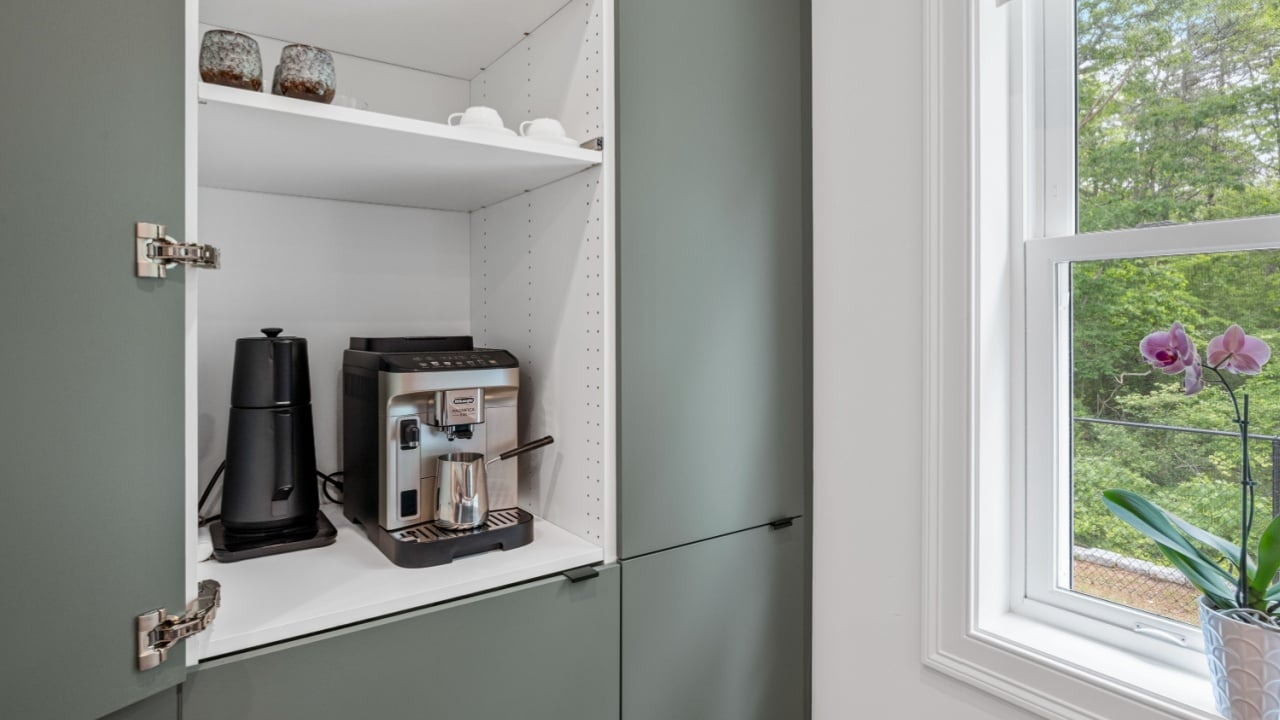
Built-in coffee makers are often sold as a luxury kitchen upgrade. These units are built directly into the cabinetry, which frees up counter space and offers professional-grade coffee. However, the initial purchase price and custom cabinet work require a substantial investment.
These complex machines also demand rigorous daily cleaning to prevent mold and mechanical issues. The internal plumbing and grinders need regular professional servicing, which can be expensive and hard to schedule. When the unit eventually breaks, finding a replacement that fits the same dimensions is often a major challenge.
A better long-term solution is to create a dedicated coffee station on a standard countertop. A high-quality freestanding espresso machine can deliver superior coffee with far lower maintenance needs and replacement costs, offering more flexibility and less hassle.
7. Low-Quality Disposable Furniture
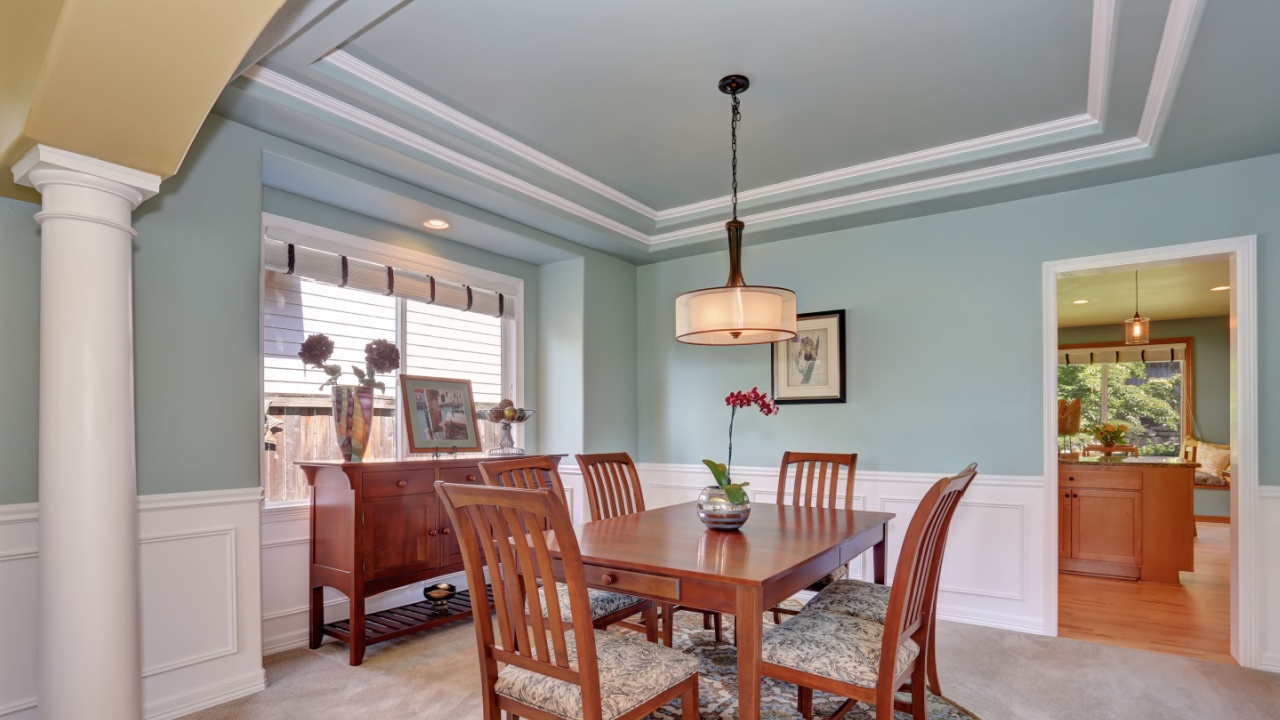
There has been a huge increase in the production of flat-pack and budget-friendly furniture. These pieces look trendy in sponsored social media posts and ads, and the low price tag is tempting for anyone looking for a quick room update.
The problem is that these items are often made from inferior materials like particleboard and flimsy fasteners that break down quickly. They rarely survive a move and often end up in landfills. Replacing cheap furniture every year ends up costing much more than buying well-made pieces in the first place.
Investing in solid wood construction and durable upholstery is a much better financial decision. Quality vintage pieces often cost the same as new disposable furniture but can provide decades of reliable use, making them a smarter and more sustainable choice.
8. Freestanding Bathtubs
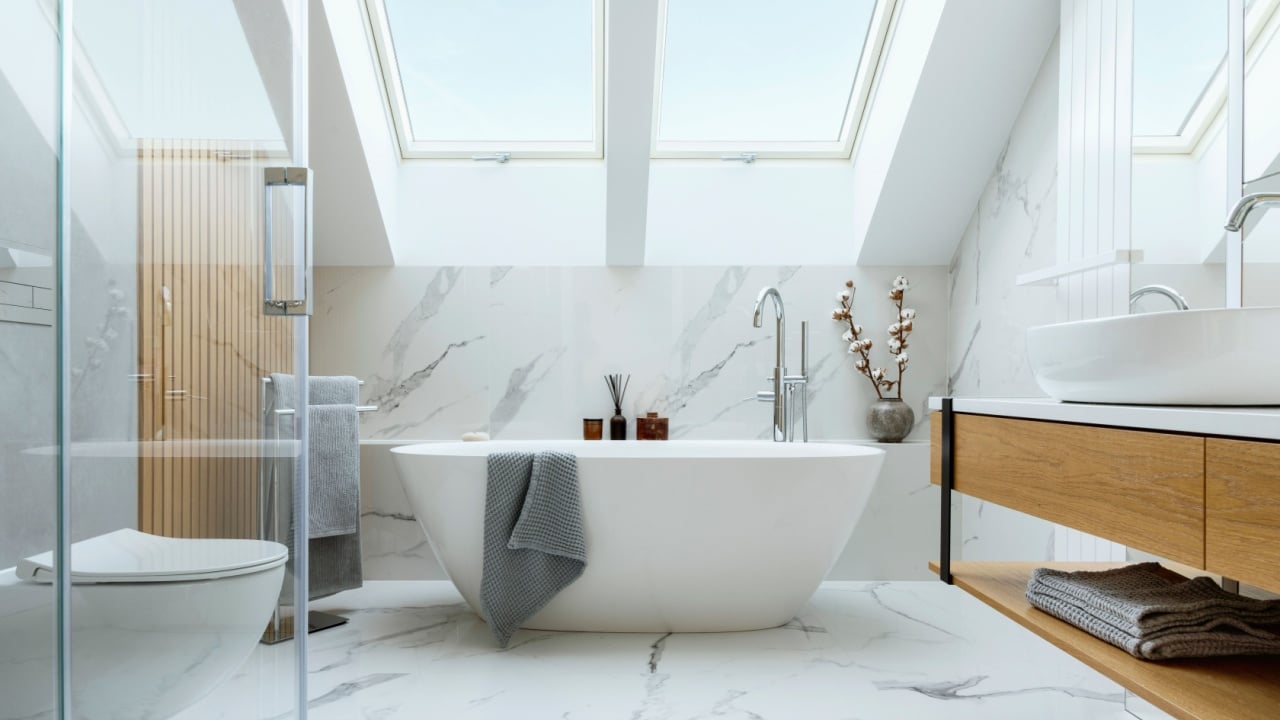
Freestanding soaking tubs are often featured in real estate listings as a luxury feature. However, these tubs need a lot of space to look good and work properly. The plumbing changes can also be expensive, sometimes needing major work on the floor to install the drain.
When these tubs are placed too close to walls, they create awkward gaps that collect dust and moisture, making them difficult to clean. Unless the bathroom is exceptionally large, the tub can feel more like an obstacle than a relaxing retreat. Cleaning the floor behind it is a chore in itself.
A well-designed alcove tub or a traditional drop-in model offers a more practical bathing experience. These configurations eliminate hidden floor gaps and provide convenient ledge space for toiletries, making the bathroom more functional and easier to maintain.
9. Whole-Home Limewash
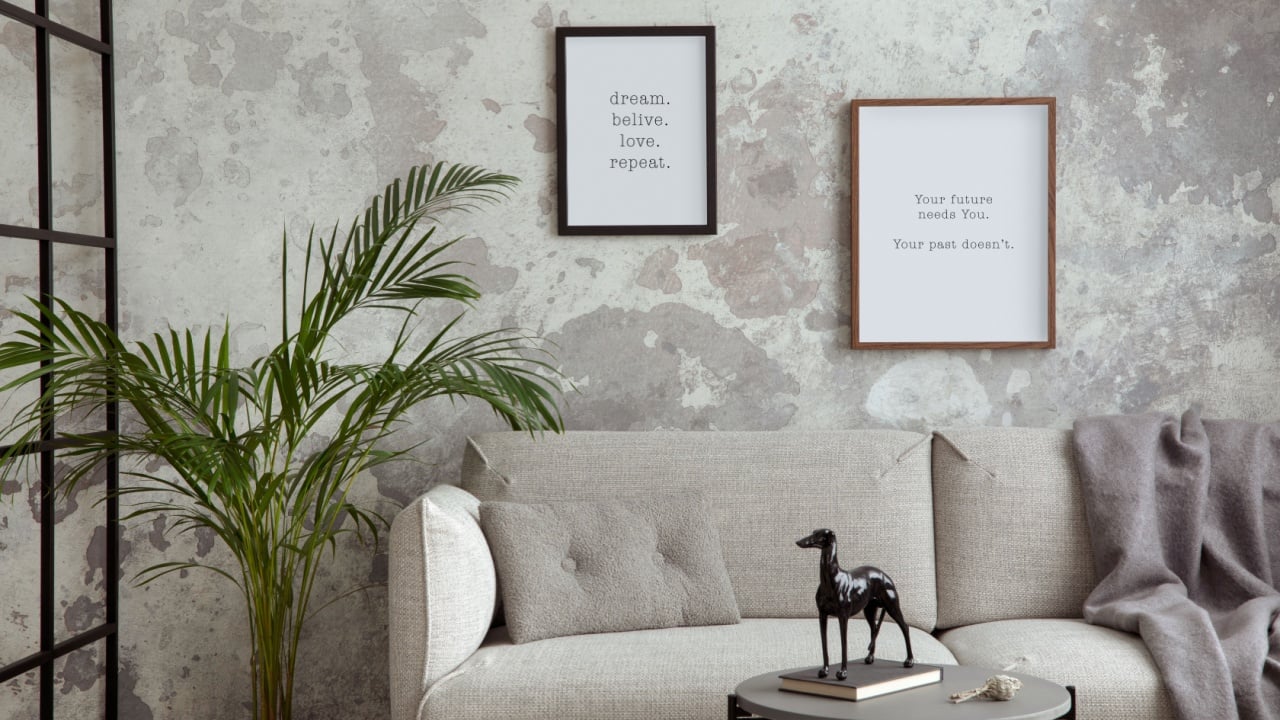
Interior design trends show a growing interest in textured plaster finishes like limewash across entire homes. The material creates a beautiful, organic look that catches light in appealing ways, but it requires professional application with specific techniques.
Applying this finish throughout a whole house is incredibly labor-intensive and expensive. The multi-day process requires specialized contractors who charge premium rates. Touching up damaged areas later is also extremely difficult, as new layers rarely blend seamlessly with the original texture.
A more budget-friendly approach is to apply textured finishes to a single focal point, like a fireplace or an accent wall. This creates visual interest without the massive expense. Painting the other walls in a complementary warm neutral can achieve a similar earthy feel for a fraction of the cost.
10. Wall-Mounted Pot Fillers
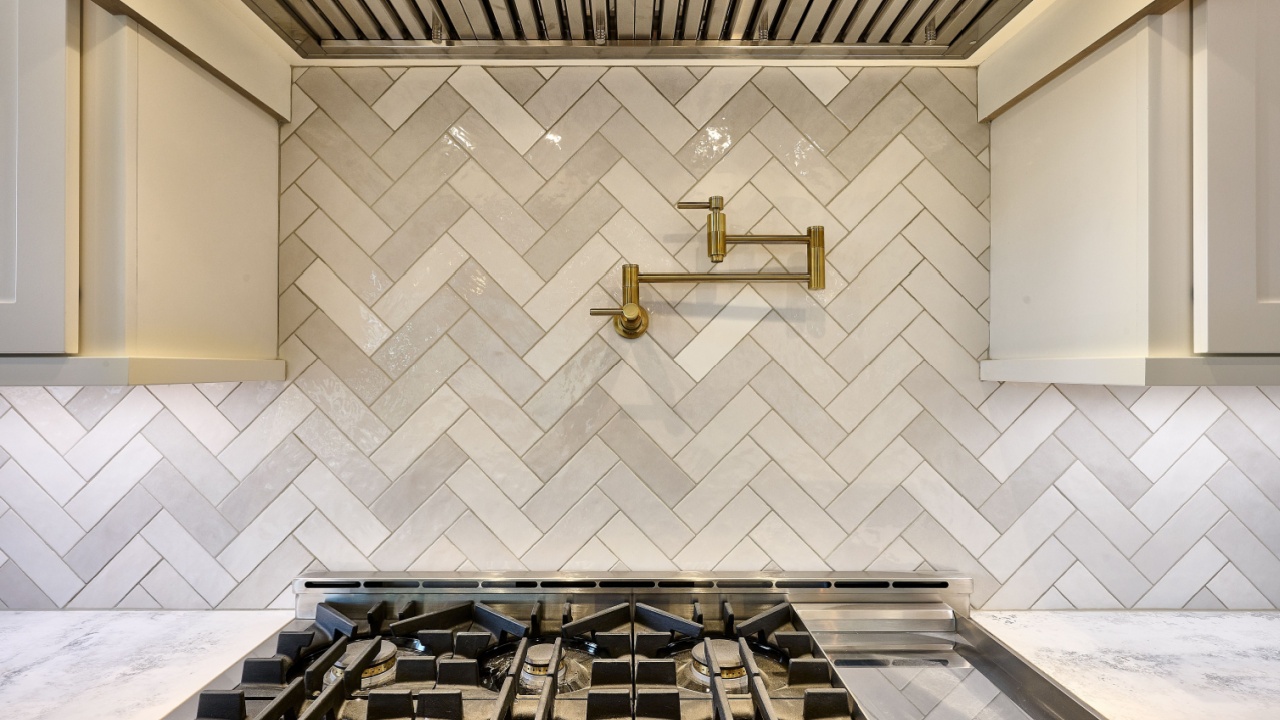
Plumbing contractors often get requests for cold-water faucets installed directly above stovetops. These fixtures look impressive in real estate photos and suggest a professional chef’s kitchen. However, the installation requires opening up walls to run new water supply lines.
These isolated water lines are susceptible to freezing and leaking behind the drywall, which can lead to costly repairs. While it’s convenient for filling pots, it doesn’t solve the problem of carrying a heavy pot of boiling water to the sink to drain. The convenience rarely justifies the high installation costs and potential risks.
A better investment is a high-quality main kitchen sink faucet. Upgrading to a professional-style pulldown sprayer provides powerful cleaning capabilities and makes it easy to fill large pots right next to the sink, offering more daily utility for your money.
11. Unenclosed Wet Rooms
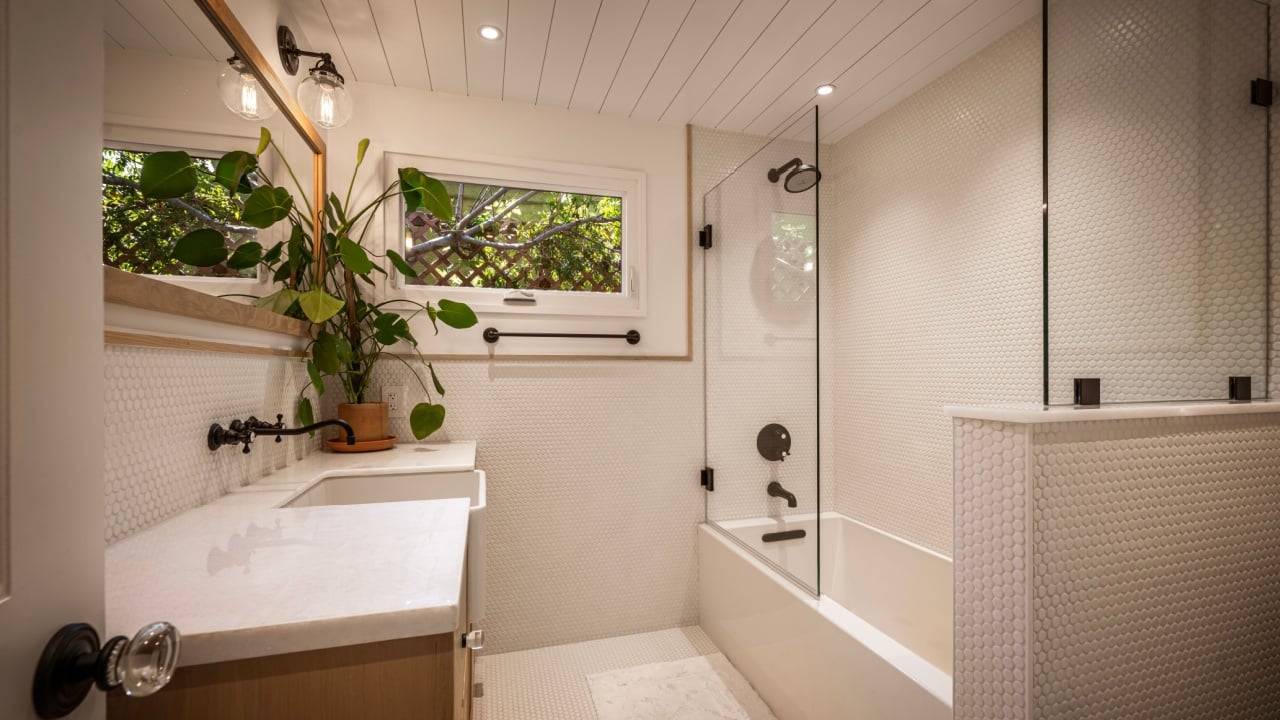
Modern bathroom designs often feature expansive “wet rooms” where the shower and tub share an open, un-glassed area. This style tries to replicate the feel of a luxury spa, requiring the floor to be carefully sloped toward a central drain.
The open design allows steam to escape quickly, which can make for a chilly and uncomfortable showering experience. Water inevitably splashes onto the nearby tub and surrounding fixtures, leading to soap scum buildup. This constant moisture can accelerate wear on finishes and dramatically increase daily cleaning chores.
Enclosing the shower with quality glass panels is a more practical choice. It keeps the shower area warm and comfortable while ensuring the rest of the bathroom stays dry. This simple separation drastically reduces the time spent wiping down adjacent surfaces.
12. Marble Kitchen Countertops
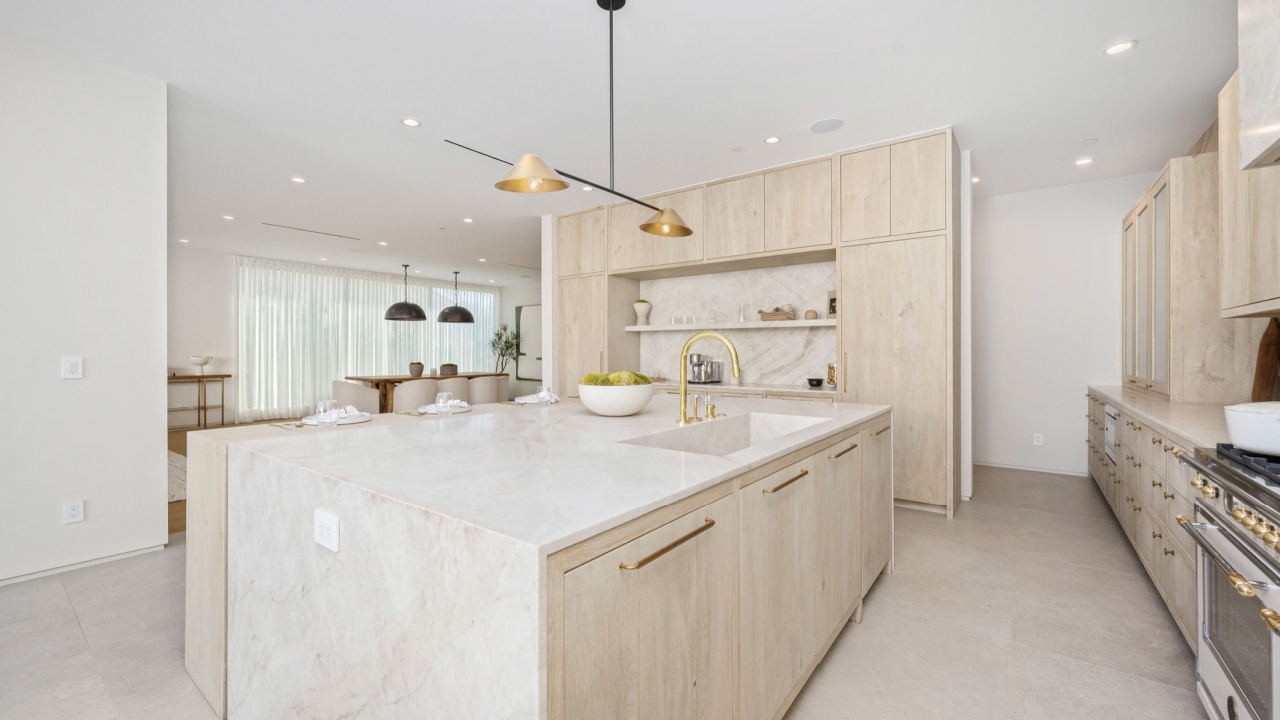
Stone fabricators continue to see high demand for natural marble in kitchens. The material is associated with luxury due to its classic appearance and unique veining, and the raw slabs command premium prices.
However, marble is a soft and porous material that doesn’t hold up well to typical kitchen activities. Acidic ingredients like citrus, vinegar, or wine will instantly etch the surface, leaving permanent dull marks. The stone requires strict maintenance, immediate spill cleanup, and regular professional sealing.
Engineered quartz countertops offer the visual appeal of natural stone with far superior durability. These manufactured surfaces naturally resist staining and scratching, and they don’t require any chemical sealants, making them a much more practical choice for a busy kitchen.
13. Matte Black Plumbing Fixtures
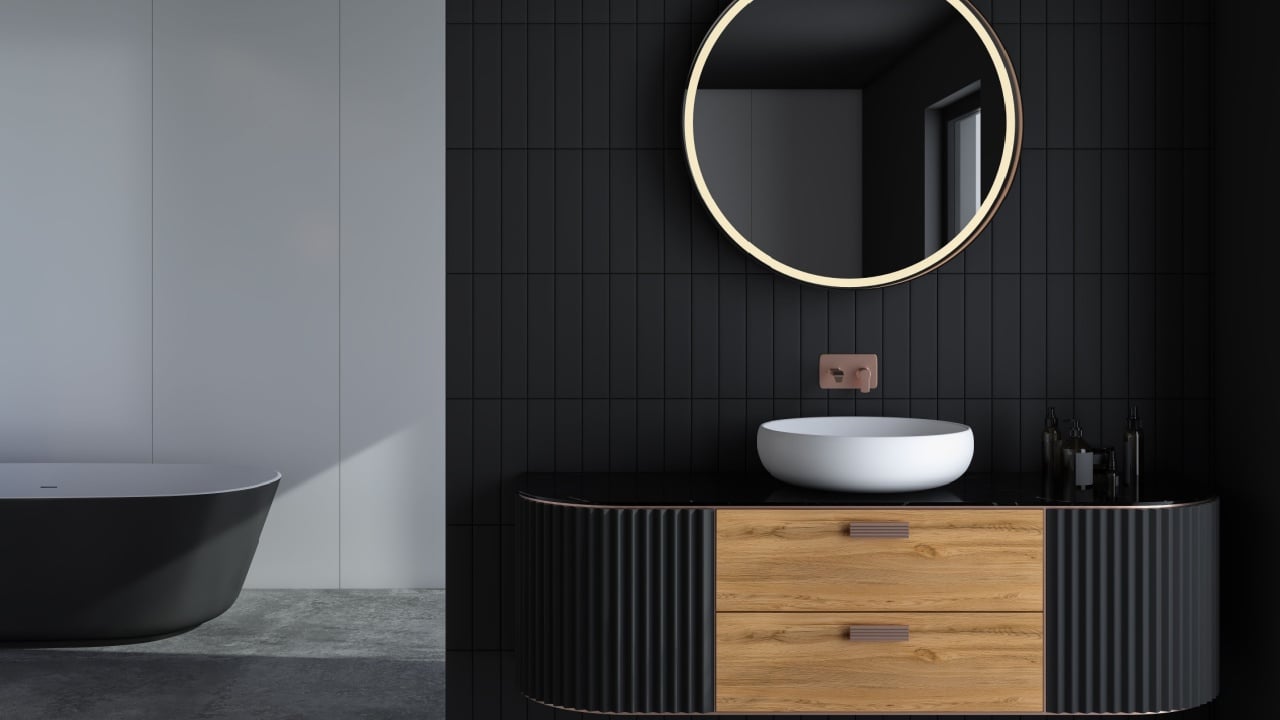
Matte black finishes are dominating the market for bathroom and kitchen faucets. The dark finish creates a striking modern contrast against lighter tiles and countertops, pairing perfectly with contemporary and industrial designs.
The downside is that this dark, unreflective surface acts as a magnet for every kind of bathroom residue. Toothpaste splatter, hard water deposits, and soap scum stand out vibrantly against the dark background. Keeping these fixtures looking clean requires constant wiping after every single use.
Finishes like brushed nickel or warm brass are much more forgiving. They effectively disguise daily water spots and fingerprints, providing lasting visual appeal while minimizing the daily cleaning burden.
14. Open Kitchen Shelving
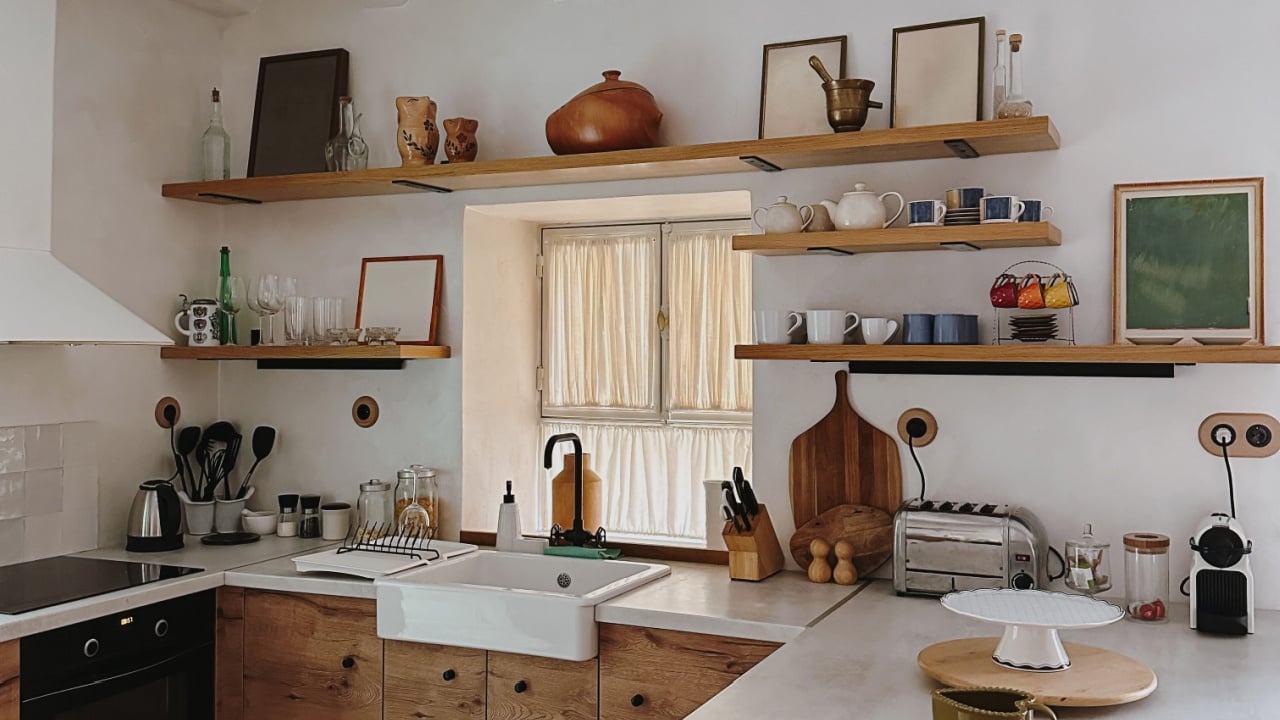
Open kitchen shelving might look great in magazines, but it’s a pain to live with. While floating shelves can make a kitchen feel bigger and are cheaper to install than cabinets, they come with a major downside.
All those beautifully arranged plates and glasses are magnets for cooking grease and dust. That means you’ll have to wash everything before you use it. Plus, you have to keep them perfectly organized, or your kitchen will look cluttered.
Upper cabinets are a much more practical choice. They keep your dishes clean and out of sight. If you’re worried about the kitchen feeling too closed in, just paint the cabinets a light color.
15. Interior Barn Doors
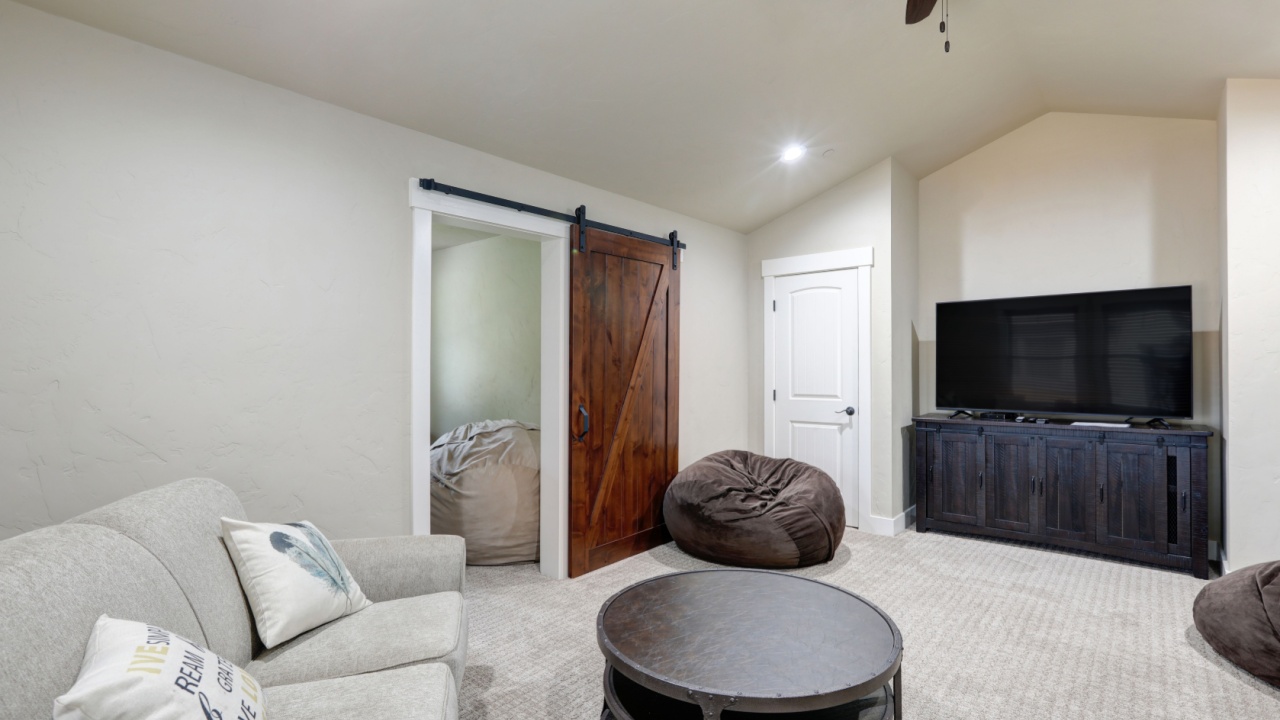
Hardware suppliers sell thousands of sliding track systems for large wooden doors mounted outside the doorframe. This rustic look became popular through home renovation TV shows, and the installation is relatively simple.
However, these heavy sliding panels offer almost no sound insulation or privacy, making them a poor choice for bedrooms and bathrooms. The doors hang about an inch from the wall, allowing light, odors, and noise to travel freely. The tracks also take up valuable wall space where furniture or art could go.
A traditional pocket door is a much better space-saving option that properly seals a room. For the best sound dampening and complete privacy, a standard solid-core swinging door remains the superior choice.
16. Vessel Bathroom Sinks

Plumbing catalogs prominently feature vessel sinks (decorative bowls that sit on top of the vanity). These fixtures are treated like sculptural art pieces, but their design comes with several functional drawbacks, including often requiring extra-tall faucets.
The area where the bowl meets the counter creates a tight, hard-to-clean crevice that traps water and grime. The raised rim can make it difficult for children to wash their hands, and the flat bottom often causes water to splash onto the surrounding vanity.
An under-mount sink is a better choice. It maximizes usable counter space and allows water to be swept directly into the basin for easy cleanup. This traditional style eliminates hidden dirt traps and provides a better daily washing experience.
Focus on Function Over Fleeting Trends
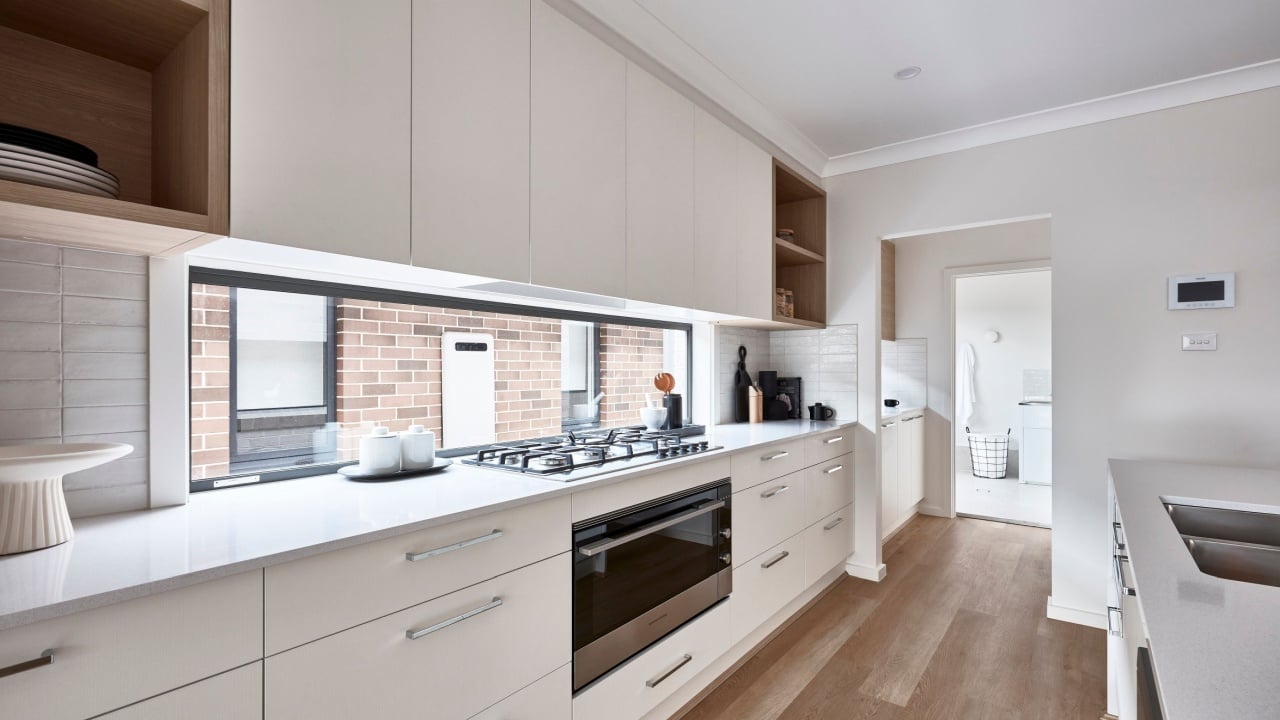
Your home should function perfectly for your daily routine without requiring exhausting maintenance schedules or expensive repairs down the road. Focus your renovation budget on durable materials and practical layouts to protect your long-term financial investment.