8 Rose Growing Mistakes That Are Silently Destroying Your Garden This Spring
Every spring, thousands of rose gardeners do the same things they did last year and wonder why their plants look worse, not better.
The damage is rarely dramatic. It’s a watering habit that quietly feeds fungal disease every morning, a fertilizer routine that looks attentive but is slowly burning roots underground, or a single fall chore skipped once that sends black spot spores into the soil to wait out winter. By the time the symptoms show up on your roses this summer, the mistakes that caused them are already weeks old.
The frustrating part is that none of this is complicated. Roses are not the fussy divas their reputation suggests. Properly understood, they are some of the most resilient perennial shrubs in the garden, capable of blooming reliably for 20 to 30 years with the right foundation. The issue is that most of the advice passed around online is incomplete in exactly the wrong places: it tells you what to do without telling you what to stop doing first.
This article addresses both. Whether you planted your first rose this spring or have been growing them for years without ever getting that full, spectacular flush of blooms, what follows is the core knowledge that separates a struggling rose garden from a stunning one. The corrections are simple. The results, applied in the spring when roses are in active growth, show up fast.
Here are the 8 most important things to know about how to grow stunning roses this year, drawn from expert growers, horticultural research, and the real-world experiences of serious rose gardeners.
1. Stop Choosing the Wrong Rose for Your Climate
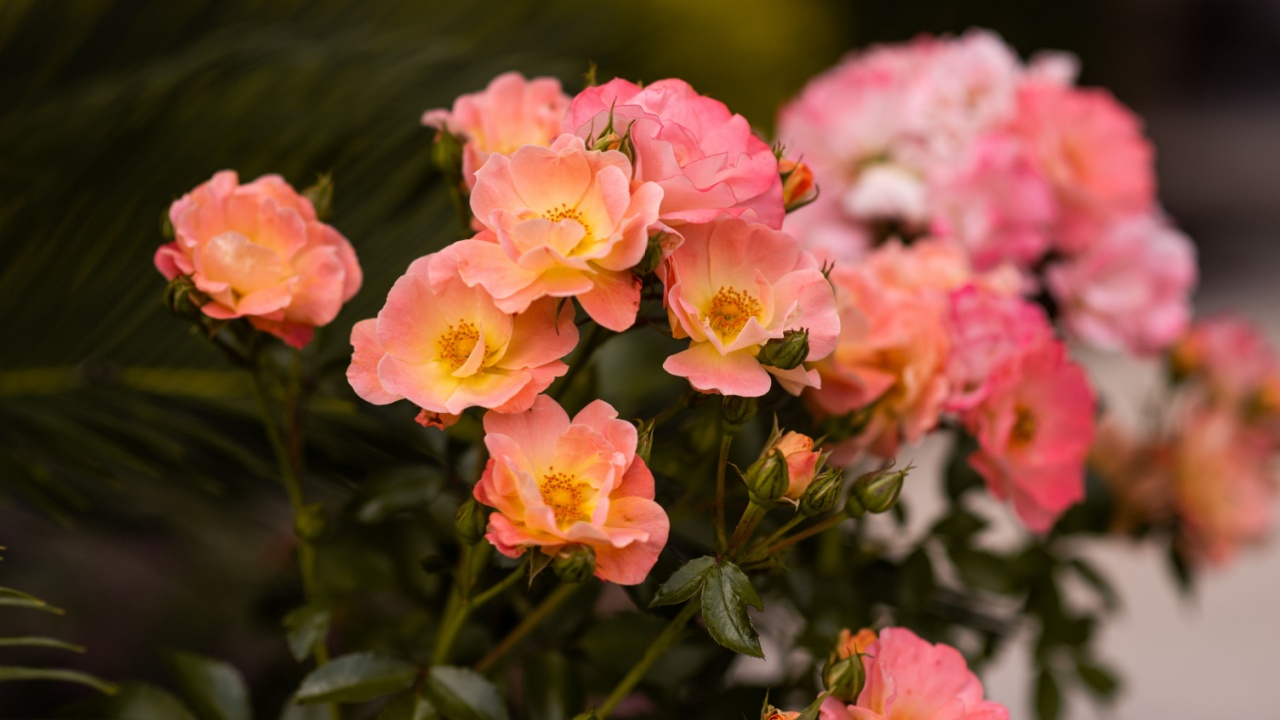
The single highest-impact decision in rose growing happens before you touch a shovel. Planting a rose that is wrong for your zone is, as the American Rose Society puts it plainly, setting yourself up for years of trying to save a faltering rose.
Modern disease-resistant shrub roses, floribundas, and groundcover varieties like the Knock Out and Flower Carpet series are bred specifically for reliability across a wide range of climates. As the Old Farmer’s Almanac notes in its beginner rose guide, these varieties resist black spot and powdery mildew without spraying, rebloom continuously from spring through fall, and forgive beginner pruning.
Hybrid teas, by contrast, demand precise feeding, careful pruning, and close disease monitoring; they are best saved for gardeners who have already built confidence with easier types. Start with disease resistance and zone compatibility as your top criteria, and the rest of rose care becomes dramatically more manageable.
2. Never Skip the Bud Union Step at Planting

Most planting guides tell you to dig a hole twice as wide as the roots. Few explain what to do with the bud union, and that omission costs gardeners entire plants.
The bud union is the swollen knob at the base of the rose cane where the named variety was grafted onto rootstock. According to Martha Stewart Living, citing expert Tyler Francis of April & Ashley Rose Farm, the bud union should be buried 2 to 3 inches below soil level in cold climates, where it needs protection from hard freezes. In warmer climates, plant it at the soil line. Getting this wrong in a cold climate means the entire grafted rose can die back in winter, leaving only the rootstock to regrow; the beautiful rose you paid for is gone.
Before backfilling, soak bare-root roses for at least two hours (overnight is better) to rehydrate roots that may have dried during shipping. Backfill with a mix of 50% native soil and 50% compost-rich potting soil, press gently to eliminate air pockets, water generously, and finish with a 2-inch mulch layer kept a few inches away from the stem.
3. Stop Watering Your Roses Overhead
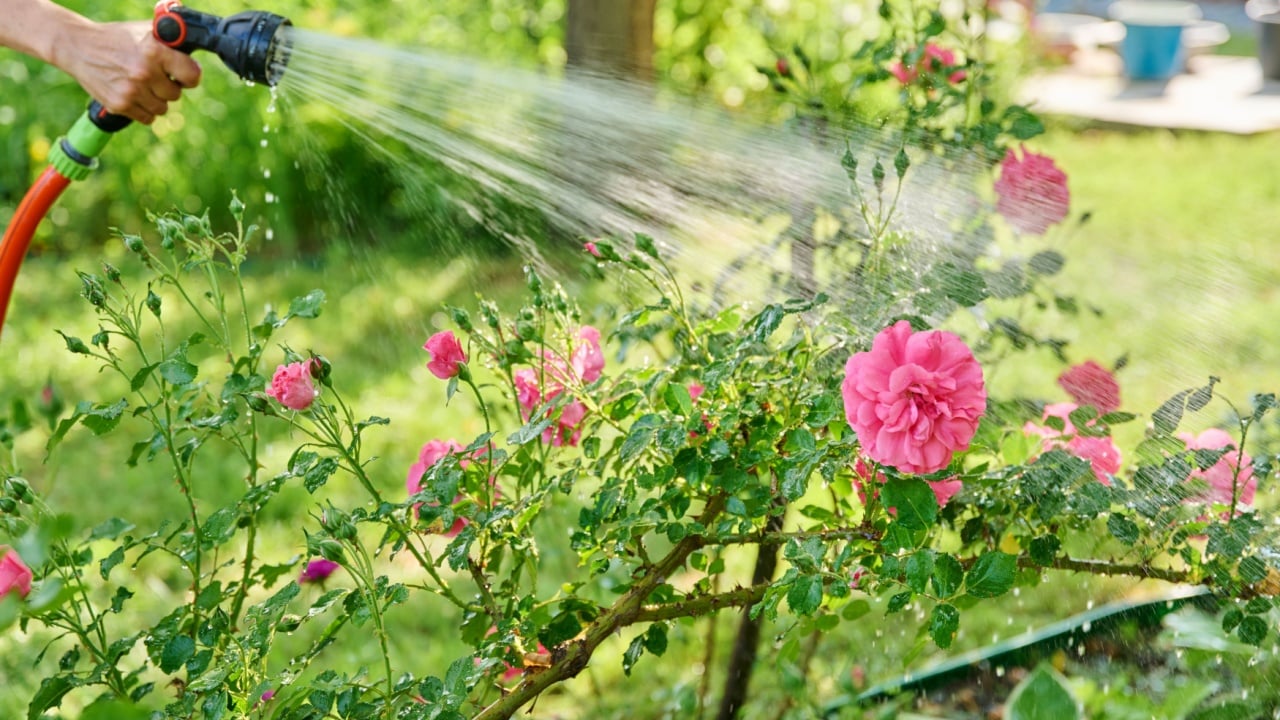
If your roses develop black spot, the first question to ask is not what to spray on them. The first question is how you are watering. According to Garden Design, the leading cause of black spot and powdery mildew in home rose gardens is consistently wet foliage, which happens any time water is applied overhead rather than at the base.
Roses need the equivalent of 1 to 2 inches of water per week during the growing season. The delivery method matters as much as the amount. A soaker hose or drip irrigation system placed at soil level keeps foliage dry while delivering deep, consistent moisture to the root zone. Water in the morning only, so any incidental splash on leaves has time to dry before nightfall.
Shallow daily sprinkling is worse than no watering at all; it trains roots to stay near the surface, making plants less drought-tolerant and more vulnerable to summer stress. Deep, infrequent watering, two to three times per week depending on your soil type, builds the deep root system that produces the strongest plants.
4. Never Over-Fertilize
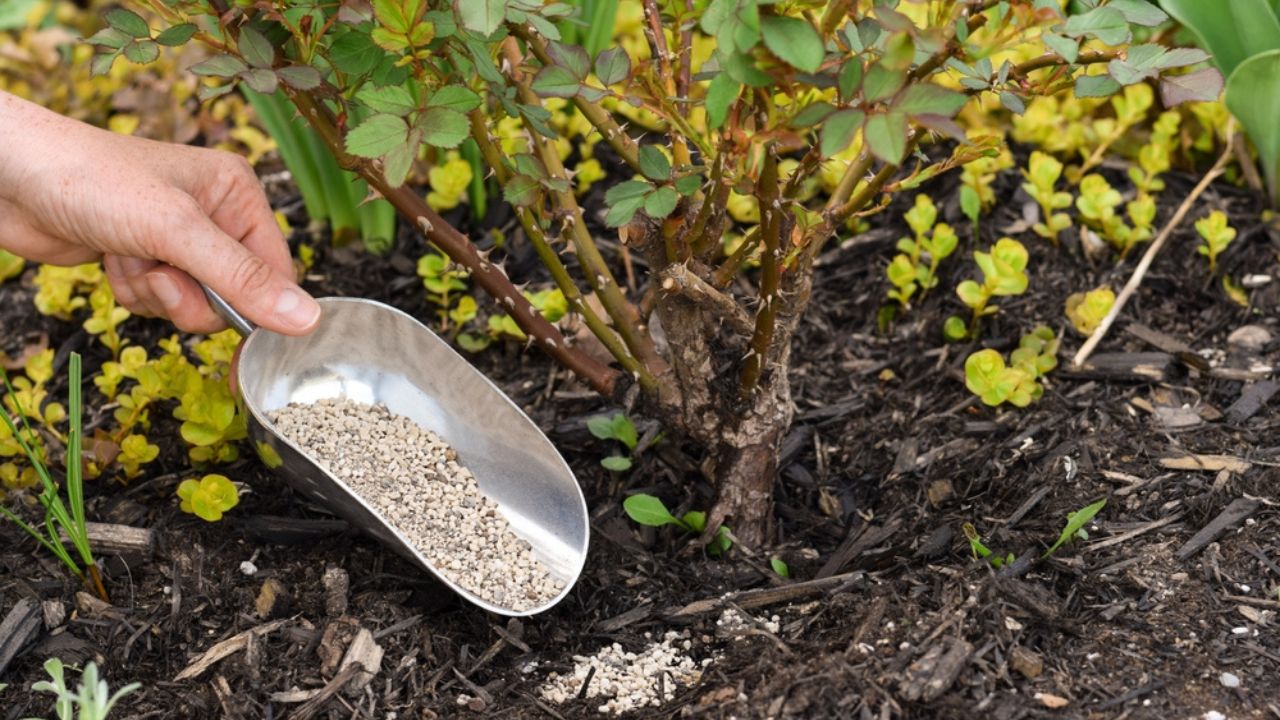
Over-fertilization kills more roses than underwatering.
The common cycle goes like this: a gardener notices yellow leaves or weak growth. Assuming the plant is hungry, they apply fertilizer. The plant looks worse. They apply more. By the time the real problem, often a pest, a disease, or a pH imbalance, is identified, the roots are burned, and the plant is gone.
As the New York Botanical Garden explains in its rose care research guide, roses need a soil pH between 6.0 and 6.5 for nutrients to be properly available. At the wrong pH, the fertilizer you add simply gets locked in the soil. Before reaching for a feed, conduct a soil test. Once pH is confirmed to be in range, fertilize on a disciplined schedule: early spring when new growth appears, again after the first bloom flush, and no later than six weeks before your first expected frost.
Organic options, like fish emulsion, alfalfa meal, bone meal, and well-rotted compost, feed more gently and support soil biology in ways synthetic fertilizers cannot.
5. Prune Like This to Double Your Blooms Without Spending a Dollar

The pruning step most gardeners either skip or rush through is the one that most directly controls bloom quantity. According to Garden Design, the goal of spring pruning is not just to tidy the plant; it is to open the center of the bush so that light and air can reach the interior. A rose with a dense, closed center is a rose that stays wet after rain, invites fungal disease, and produces weak interior canes that never bloom.
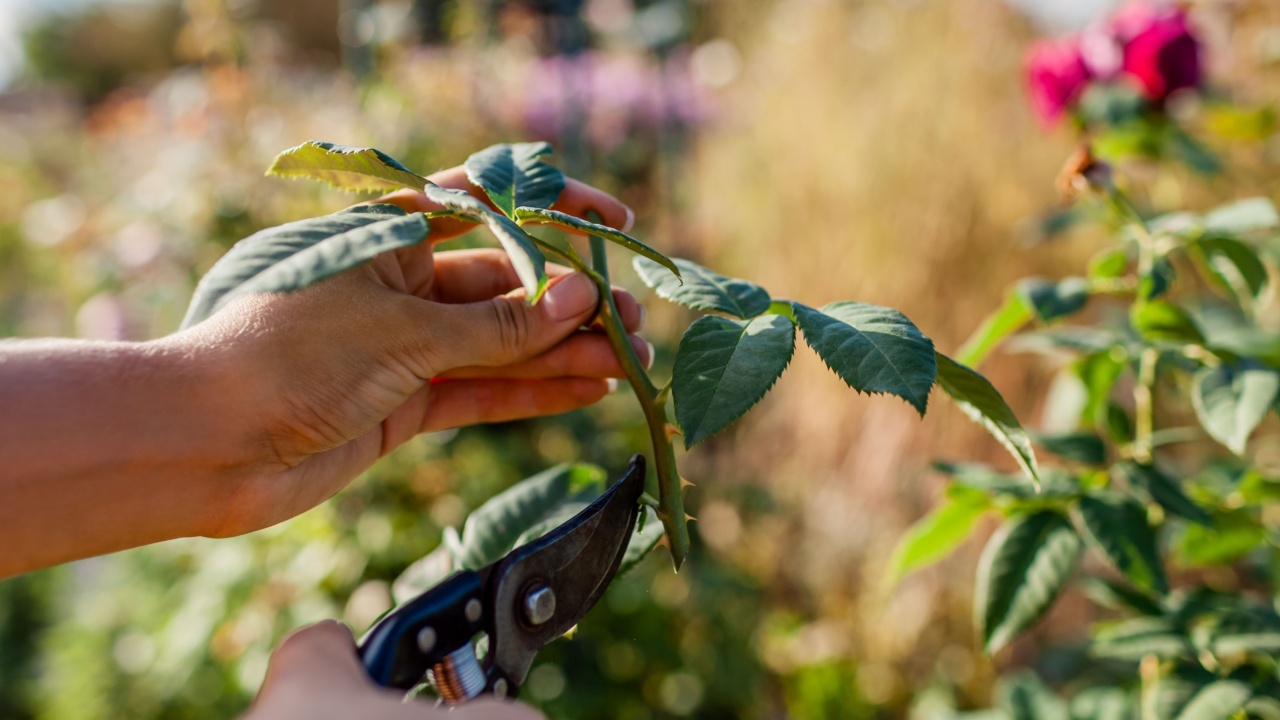
Prune in early spring, as soon as buds begin to break. Remove dead, diseased, or crossing canes first. Then cut remaining canes back by a third to a half, making each cut at a 45-degree angle, a quarter-inch above an outward-facing bud. This directs new growth away from the center of the plant.
Through the season, deadhead spent blooms by cutting back to the first five-leaflet stem below the flower; this redirects energy from seed production back to flowering. For shrub roses like Knock Out, which are self-cleaning, deadheading is optional; the plants rebloom without intervention.
6. The Hidden Threat Destroying Rose Gardens Every Spring
Most gardeners know about black spot. Fewer know how it survives winter and comes back to reinfect healthy plants every spring. The answer is fallen leaves.
As Smithsonian Gardens horticulturalists explain, black spot fungal spores can overwinter on fallen rose foliage left in the garden, then reinfect new growth as soon as warm, wet spring conditions arrive. Raking up and disposing of all rose leaf litter in the fall, rather than leaving it as mulch, is one of the highest-impact disease prevention steps in the garden, and it costs nothing.
Two other hidden threats rarely make it into mainstream rose advice. First, dirty pruning tools spread disease between plants with every cut. Wipe blades with a disinfectant wipe or dip them in a dilute bleach solution between plants. Second, the New York Botanical Garden specifically flags lawn weed-and-feed products as a common but unrecognized rose killer.
Herbicide drift from applications to nearby grass, carried by air or water movement, can damage rose roots and scorch foliage. If your roses border a lawn area treated with combination fertilizer-herbicide products, apply those products with a hand spreader rather than a broadcast spreader, and water the lawn boundary deeply after application to keep runoff away from rose roots.
7. Three Organic Tricks Your Grandmother Knew That Still Work Today
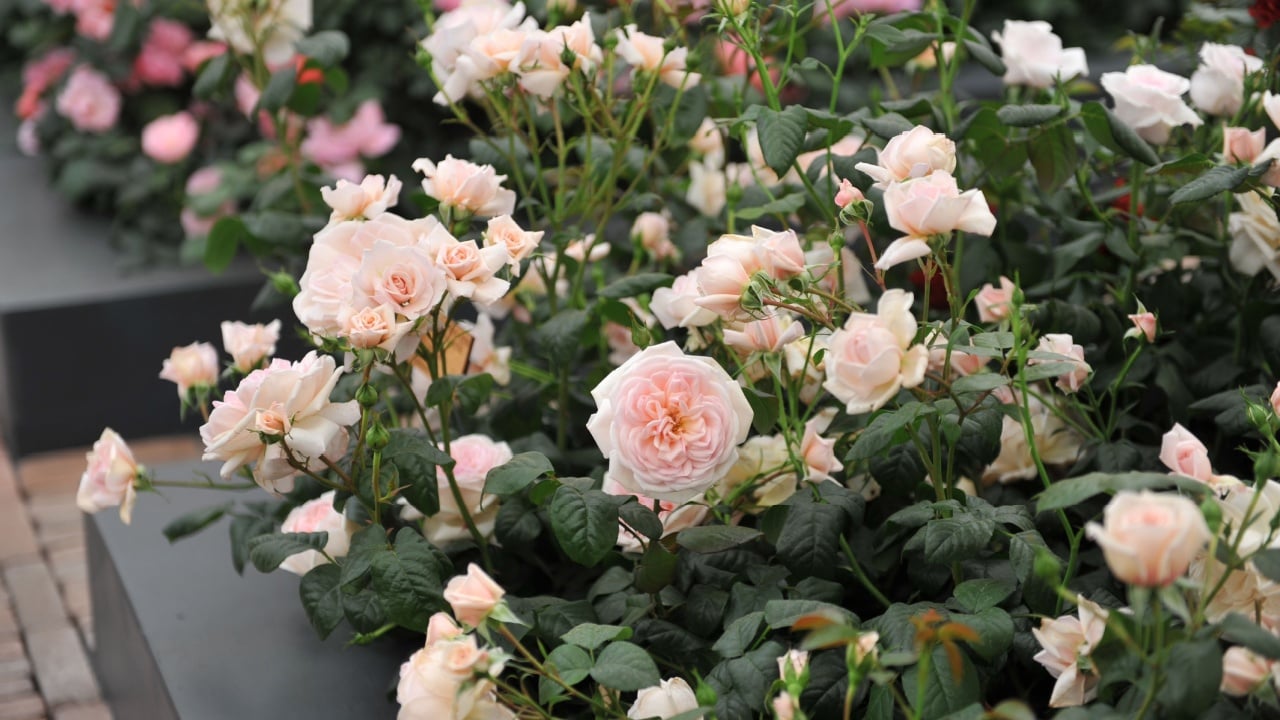
Your grandmother’s garden likely had roses that bloomed spectacularly without a trip to the garden center every other week. The reason: she understood a few low-cost soil amendments that modern gardeners often overlook.
Alfalfa meal is one of the most consistent organic performance boosters for roses, according to Perry Homes‘ rose gardening guide. Apply one cup around large bushes and water it in; the natural growth stimulant in alfalfa promotes stronger cane development and more prolific flowering.
Coffee grounds add nitrogen to soil and are most effective when worked lightly into the top inch of soil or mixed into compost; used in excess, they can lower pH too aggressively, so moderation matters.
Companion planting with alliums (ornamental onions), lavender, and catmint around rose beds repels aphids and Japanese beetles through natural aromatic compounds, reducing the need for any sprays at all. According to Gardenia‘s comprehensive rose care guide, geraniums planted nearby specifically deter Japanese beetles, one of the most destructive summer pests.
8. Why Roses Die in Winter
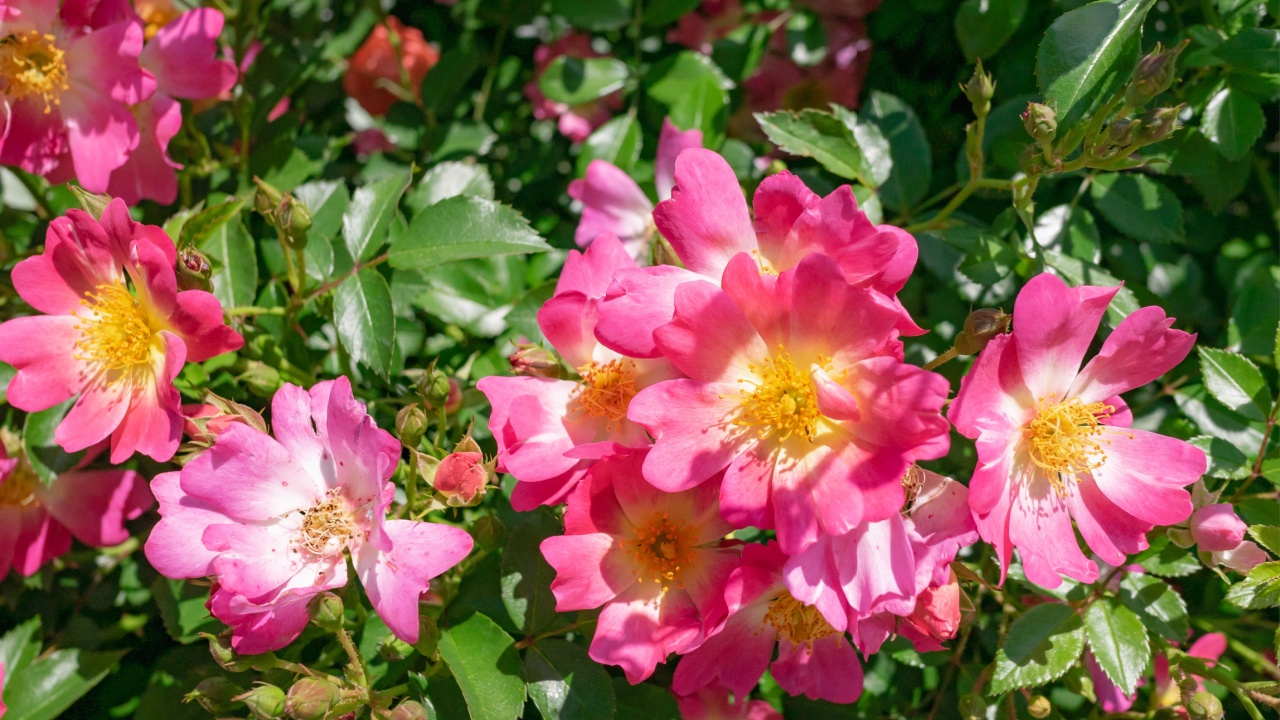
Container roses are the most common winter casualty, not because of cold air, but because of frozen roots. Above-ground growth handles cold better than exposed roots do, and a pot, regardless of how thick, provides far less insulation than the ground. Group potted roses together against a sheltered wall, wrap containers in burlap or black plastic to insulate the root zone, and move them to an unheated garage or shed if temperatures regularly fall below 20 degrees Fahrenheit in your region.
For in-ground roses, the most critical and most frequently mistimed step is mounding. Apply 8 to 12 inches of soil or mulch around the base of each plant after several hard frosts have passed, not before.
As Epic Gardening‘s rose expert Danielle Sherwood explains, mounding too early prevents roses from entering proper dormancy, leaving them vulnerable to cold damage from tender new growth that the protection inadvertently stimulated. Stop fertilizing entirely six weeks before your average first frost date and let the plant harden naturally before you add protection.
The Routine That Separates Stunning Rose Gardens From Struggling Ones
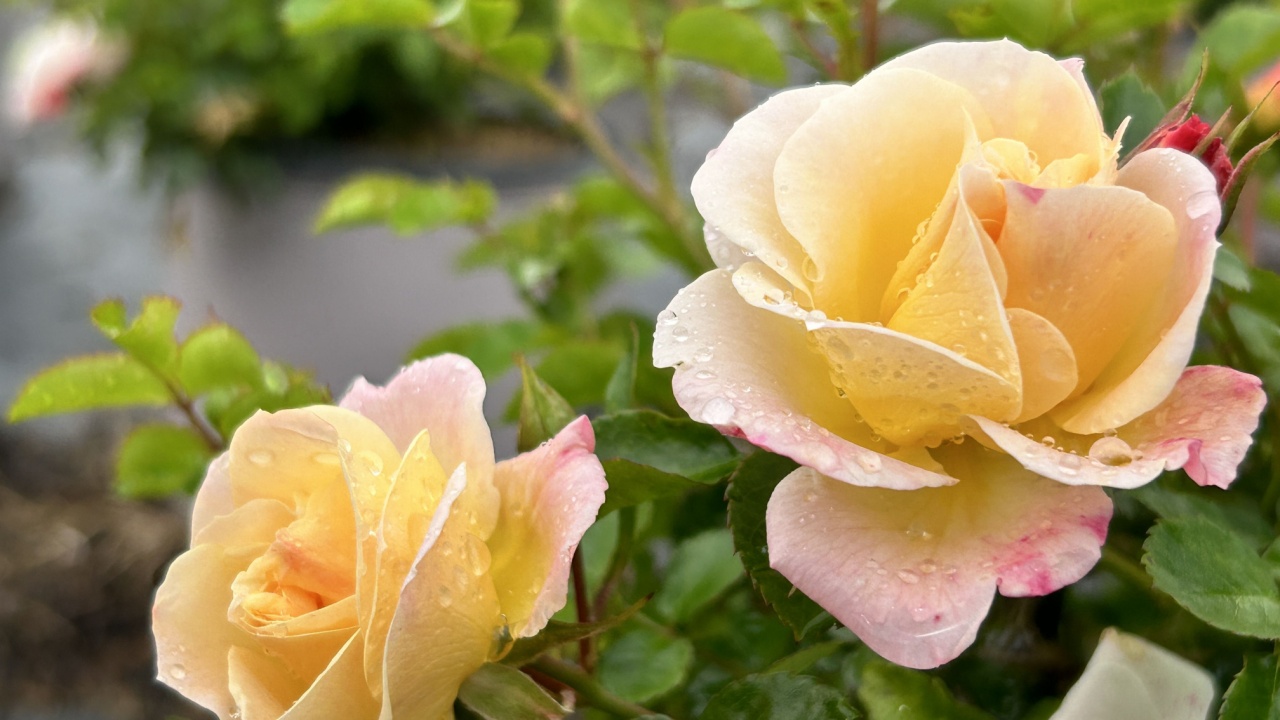
The gardeners who consistently produce spectacular roses are not working harder.
They are doing a small number of things consistently and correctly. Every spring, they prune to open the plant’s center. They water deeply at the base and never overhead. They feed on a schedule and stop six weeks before frost. They remove fallen leaves in the fall without fail. And they chose disease-resistant varieties at the start, which means they spend their garden time enjoying blooms rather than fighting problems.
According to David Austin Roses, whose English rose varieties are among the most respected in the world, the principle is simple: deep watering encourages deep roots, and deep roots produce strong plants that handle heat, drought, and disease pressure far better than shallow-rooted plants ever can. Apply that principle to every decision in your rose garden, and this can be the year your roses finally perform the way you always imagined they would.
Read more:
Why wildlife experts are telling people to take down their bird feeders
Plant these 10 companion plants with your tomatoes — and stop planting these 4