
6 Vegetables That Are Better Bought Canned
Fresh vegetables get a lot of praise, but they are not always the best buy. In some cases, the canned version saves time, cuts waste, and still gives you solid nutrition.
Knowing which canned veggies are worth buying can be a relief on busy days when peeling, trimming, or cooking from scratch feels like too much. Canned vegetables are picked and packed quickly, so they can still hold plenty of nutrients.
They also help you keep useful ingredients on hand for soups, salads, sides, and quick meals. A can in the pantry often beats fresh produce that goes soft in the fridge before you use it.
This list covers six vegetables (including legumes) that are often smarter to buy canned, with reasons that make sense for taste, cost, and convenience.
1. Artichokes
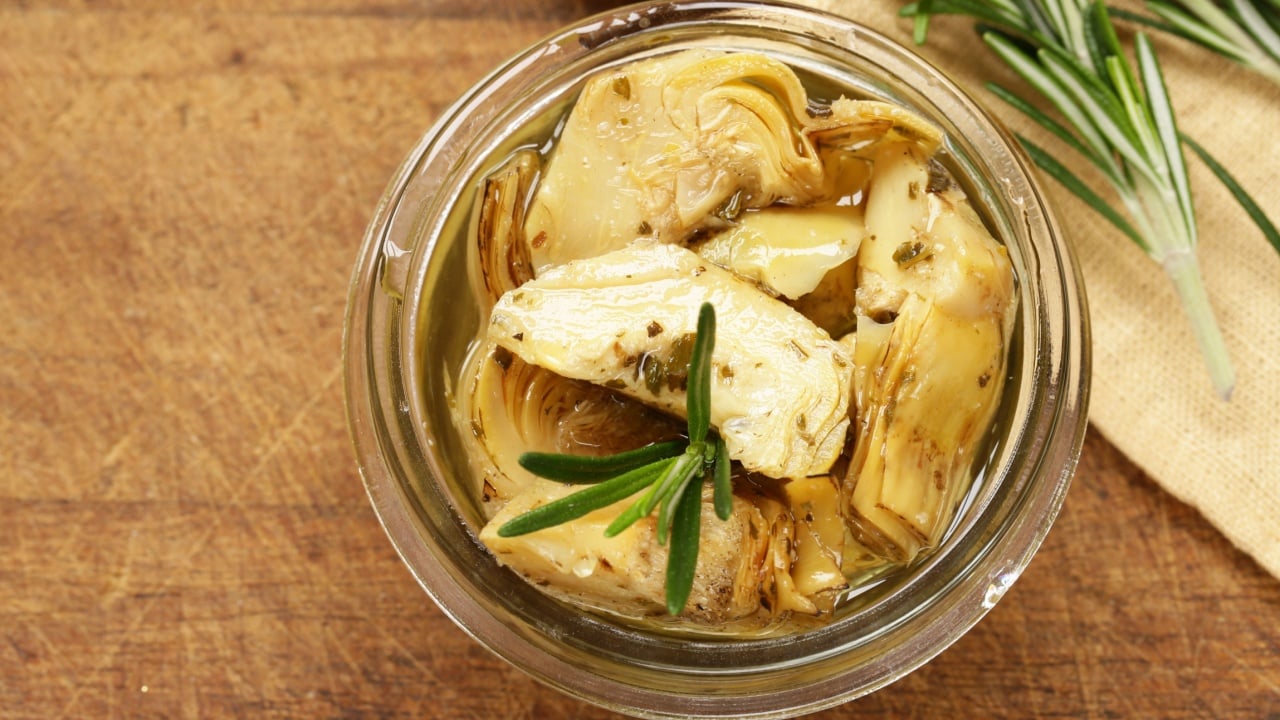
Fresh artichokes ask a lot from you. You have to trim the leaves, cut off tough parts, remove the fuzzy choke, and cook them long enough to soften.
Canned artichoke hearts skip all that labor and give you the part you actually want to eat, which makes them a smart pantry item for dips, pasta, grain bowls, and salads.
They still bring good nutrition to the table, including fiber and plant compounds linked with cell protection. If you buy them canned, look for versions packed in water with moderate sodium, and rinse them before using. That small step can improve the flavor and lower the salt, which helps if you plan to add cheese, olives, or other salty ingredients.
2. Pumpkin
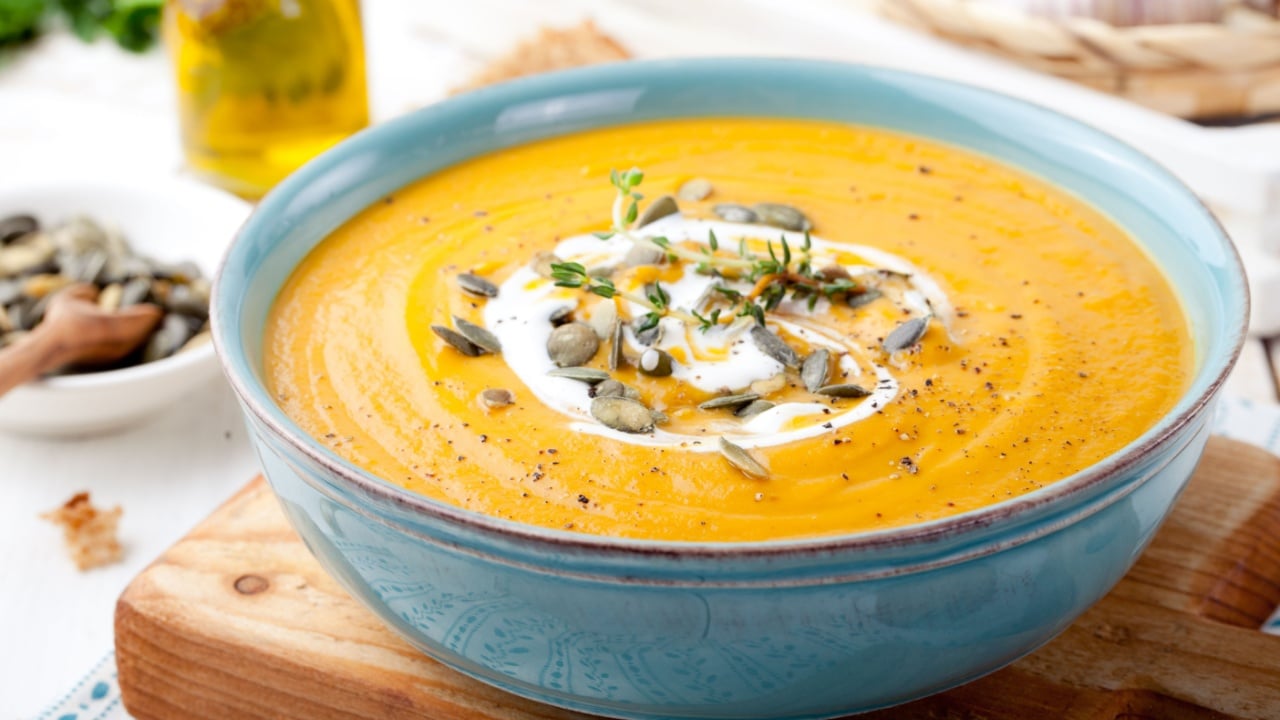
Fresh pumpkin sounds nice in theory, but it can be a hassle in the kitchen. It is dense, hard to cut, and takes time to roast and puree, while canned pumpkin gives you a smooth, consistent texture right away.
That matters for baking, soups, oatmeal, and sauces, where texture can make or break the dish.
It also gives you fiber and potassium, so it offers more than pie filling potential. Just make sure you buy plain pumpkin puree rather than pumpkin pie mix, since pie mix comes with added sugar and spices that limit how you can use it.
3. Hearts of Palm
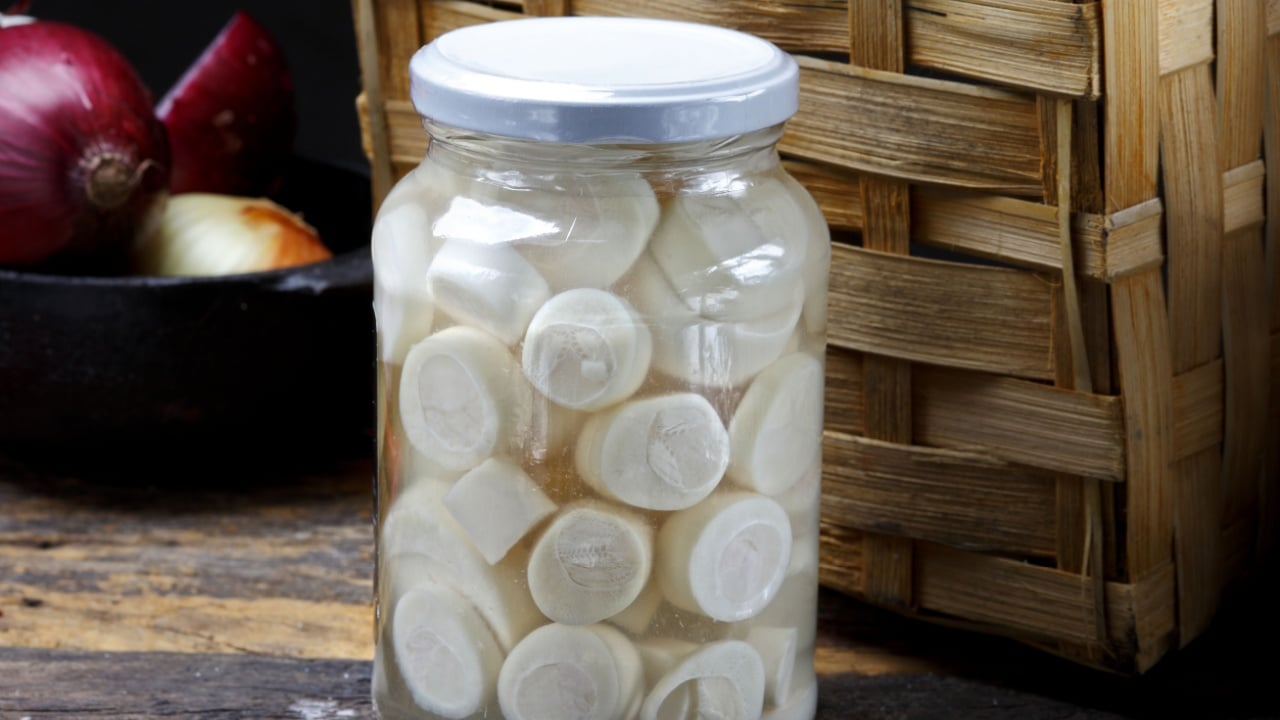
Hearts of palm are one of the easiest vegetables to buy canned because fresh ones are rarely seen in regular grocery stores. The canned form is widely available, shelf-stable, and ready to slice into salads or blend into dips.
Their mild flavor and tender bite make them useful when you want something light that still adds substance to a meal.
They also contain fiber and minerals, which gives them more value than a simple garnish. If you are new to them, try tossing sliced hearts of palm with lemon juice, olive oil, and herbs, or add them to a chopped salad with cucumbers and tomatoes.
Rinsing them first can soften the briny taste and help them blend better with fresh ingredients.
4. Beans
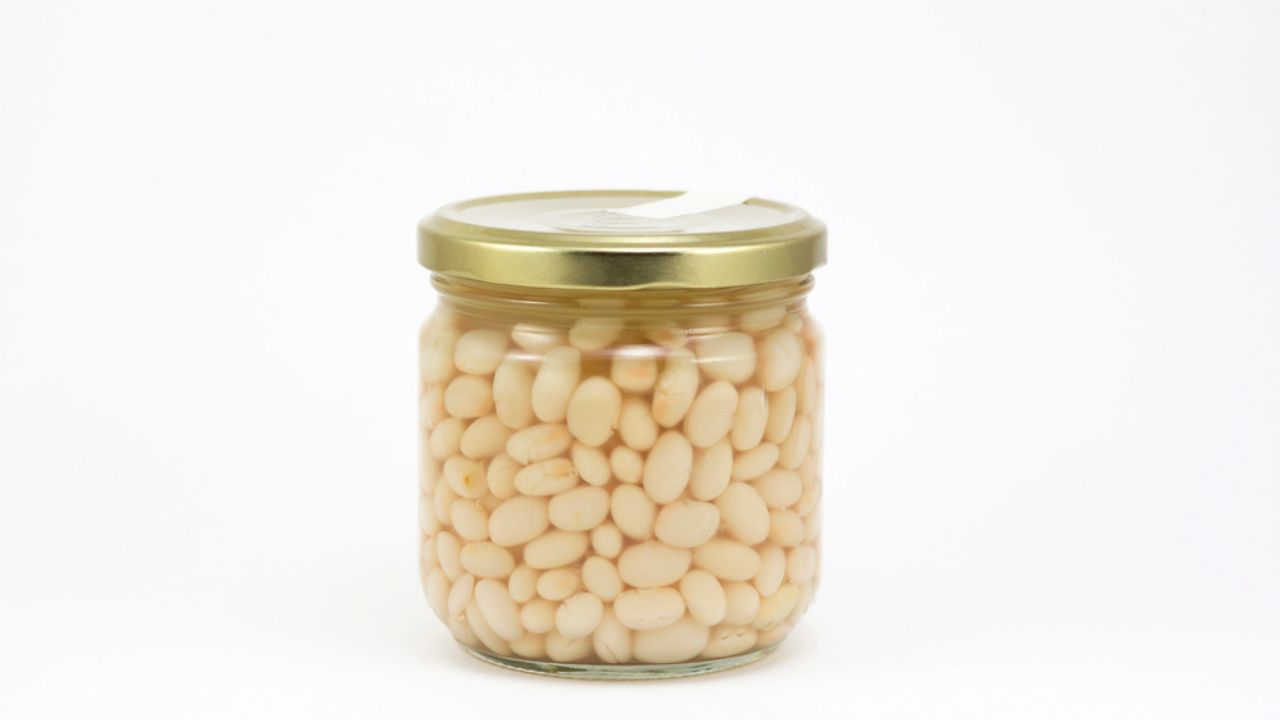
As a legume, beans are often considered a vegetable in culinary speak. Beans are one of the clearest cases for buying canned. Dried beans are budget-friendly, but they need soaking, simmering, and a bit of planning, while canned beans are ready in minutes.
That ease makes it far more likely you will use them for tacos, soups, salads, and grain bowls instead of ordering takeout.
They are packed with fiber, protein, folate, potassium, and iron, so they earn their spot in the pantry. Rinsing canned beans can wash away a good share of the sodium and improve their flavor.
Keep a few kinds on hand, such as black beans, chickpeas, and cannellini beans, so you can build meals fast without much prep.
5. Tomatoes
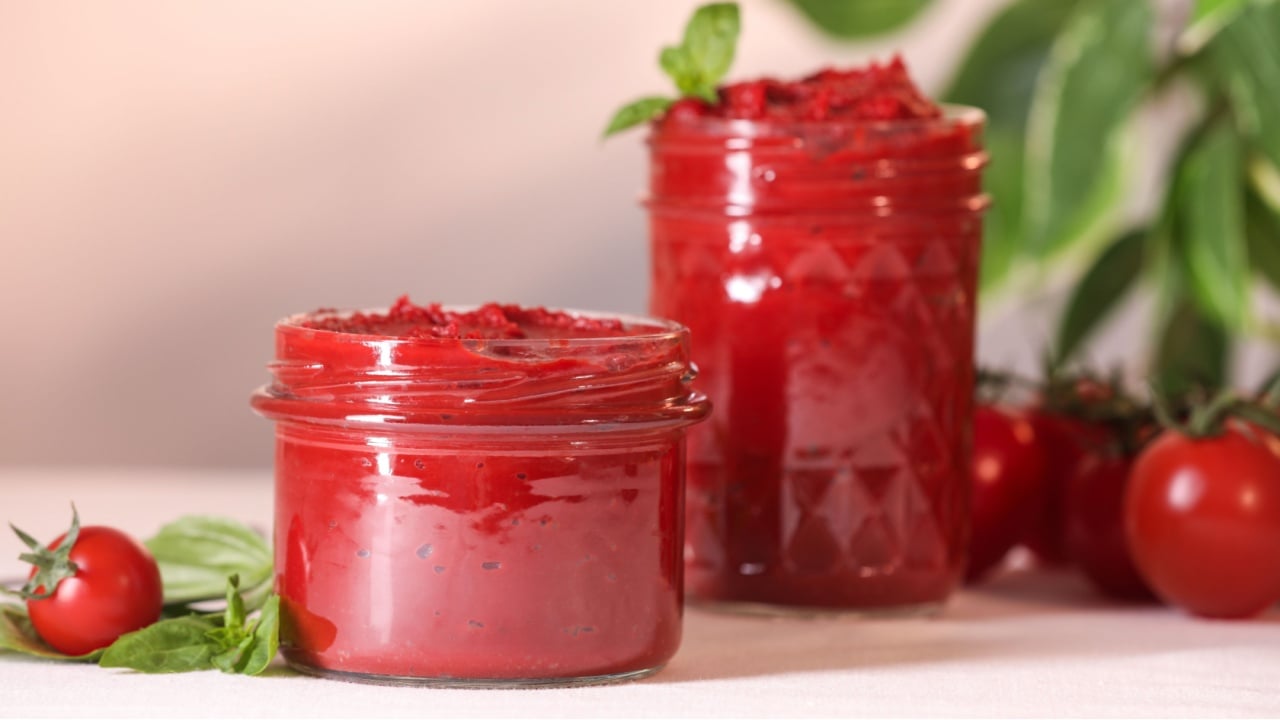
Tomatoes are often better canned than fresh unless they are truly in season. Fresh tomatoes sold out of season can be watery, pale, and bland, while canned tomatoes are usually packed at peak ripeness.
That gives you a deeper flavor for pasta sauce, chili, soups, and braised dishes.
They also bring useful nutrients like lycopene, an antioxidant linked with heart health. Cooked and canned tomato products often make lycopene easier for the body to absorb than raw tomatoes do.
Keep diced, crushed, and whole canned tomatoes in the pantry so you can match the texture to the meal you are making.
6. Corn
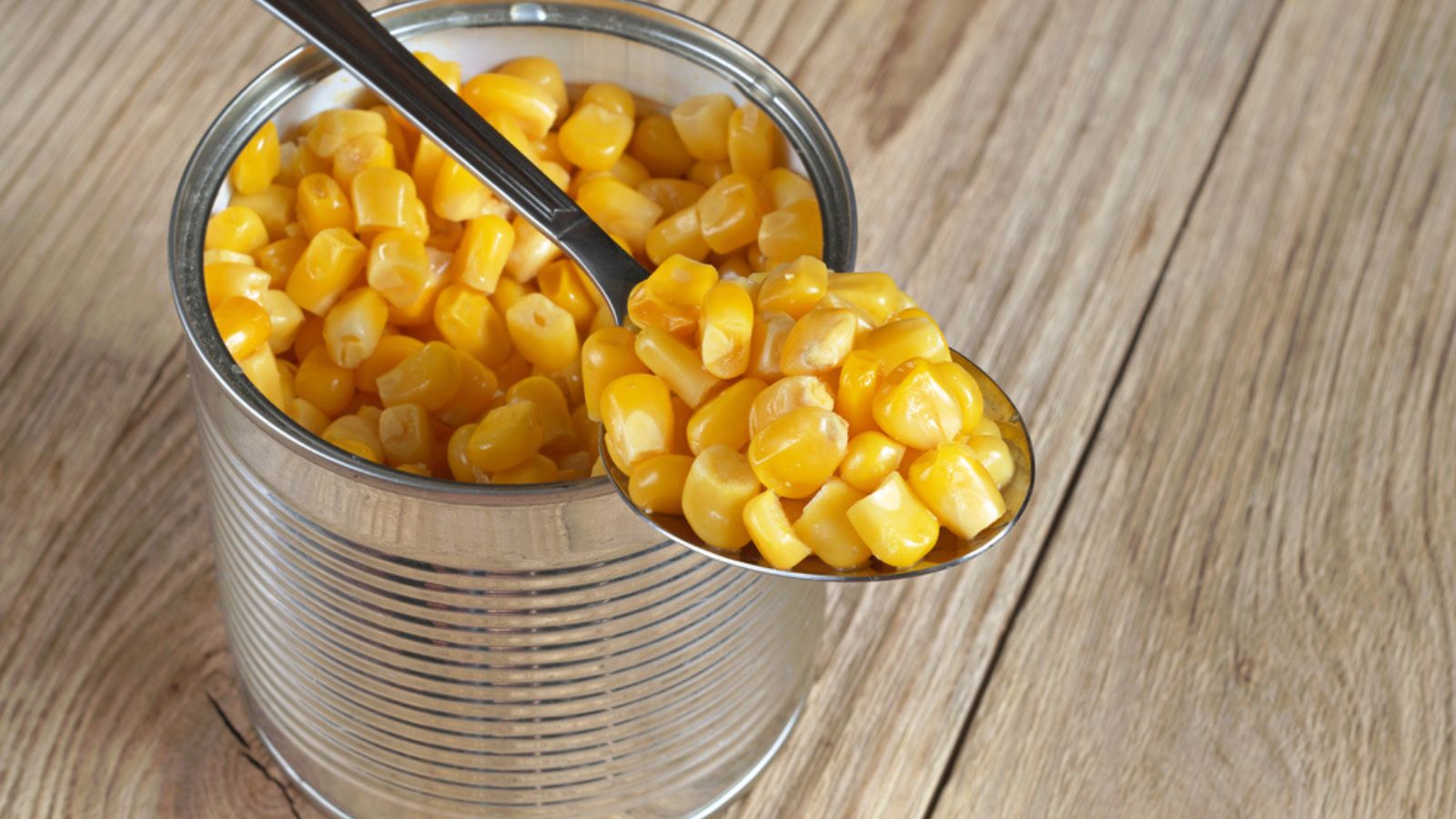
Fresh corn is great in summer, but it loses sweetness fast after picking. Canned corn holds onto much of its flavor and texture, and it saves you from shucking ears and cutting kernels off the cob.
It is an easy option for chowders, casseroles, salads, and quick skillet meals. It also gives you fiber and helpful plant compounds like lutein and zeaxanthin, which support eye health.
Choose cans with simple ingredients, and rinse if you want a cleaner taste or less sodium. If you warm canned corn in a skillet for a few minutes, it can taste fuller and less processed without much effort.
A Better Pantry Plan
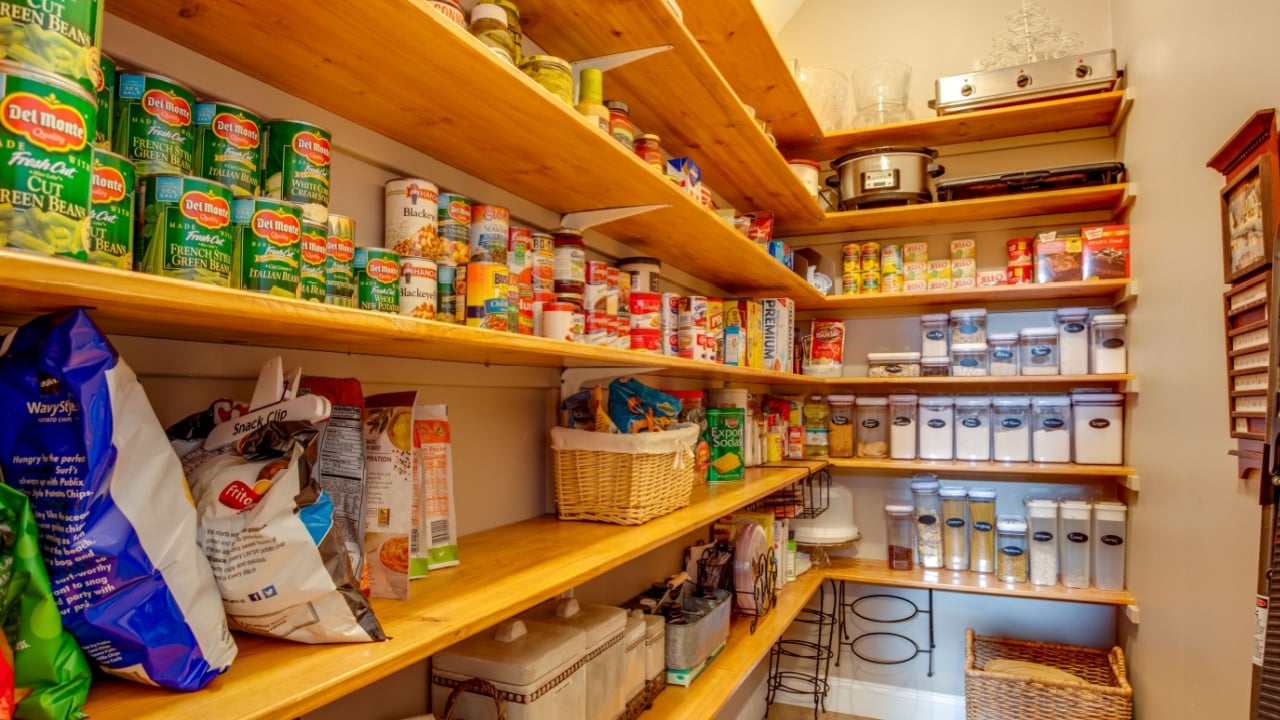
Canned vegetables and legumes have spent years being treated as a lesser option, but that reputation has never really been fair. Plenty of home cooks swear by fresh produce for everything and end up throwing away more food than they use.
A pantry stocked with the right canned goods is not a shortcut or a compromise. The best kitchens tend to mix both.
Fresh produce shines when it is in season and eaten quickly, while canned options fill in the gaps without any pressure. Knowing the difference between when fresh is worth it and when a can does the job just as well, or better, is one of the more practical things a cook can learn.
Read More:
Save Money and Prep the Pantry: 6 Canned Food Items Always Worth Buying