California Farmers Are Cutting 420,000 Fruit Trees After Del Monte Collapse
So, here is the deal. Imagine you have spent eighty years building something. You have planted trees, watched them grow, and signed contracts that were supposed to last until your grandkids were out of college. Then, in one summer, the whole thing just vanishes.
That is exactly what is happening in California right now. We are talking about a total agricultural meltdown in the Central Valley. Farmers are literally ripping 420,000 clingstone peach trees out of the ground.
It is not because the trees are sick. It is not because the soil is bad. It is because Del Monte Foods, a company that has been a household name for nearly 140 years, basically fell apart.
The Day the Contracts Died
In July 2025, Del Monte Foods filed for Chapter 11 bankruptcy. They were drowning in about $1 billion worth of debt. Inflation was hitting them hard, and the way people eat is changing faster than the industry can keep up with.
But the real kicker for the farmers was the cancellation of their long-term contracts. We are talking about 20-year agreements that were supposed to keep these farms running for decades.
Some of these contracts were valid through the year 2044. When Del Monte pulled the plug, those farmers were left holding the bag. Or, more accurately, they were left holding 74,000 tons of peaches that nobody wanted to buy.
Think about that for a second. That is enough fruit to fill up a small stadium, and it is all just sitting there.
Why Can’t We Just Eat Them?
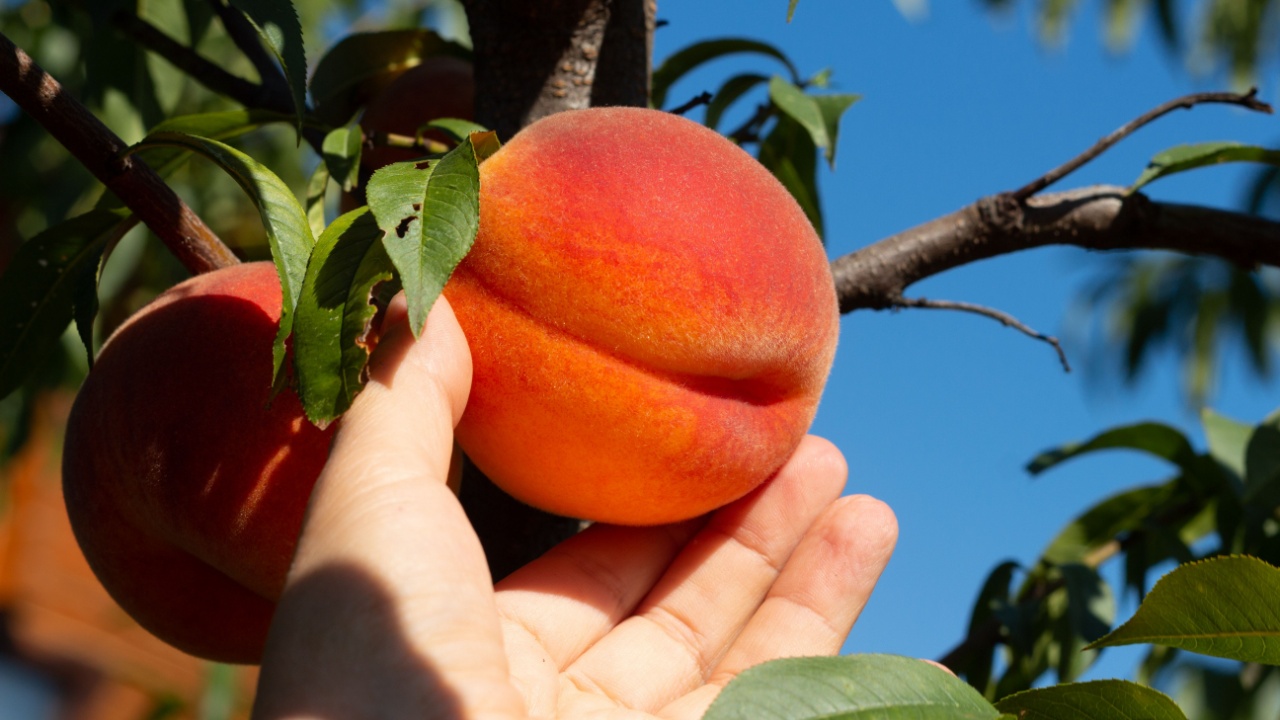
You might be thinking, “Hey, why not just sell them at the grocery store?” It is a great question, but it’s not that simple. These are “clingstone” peaches. The flesh of the fruit is literally stuck to the pit. They are sweet and juicy, but a nightmare to eat fresh because you can’t easily remove the pit. They were specifically bred for the canning process because they hold up well under heat and machinery.
The “freestone” peaches you buy at the store are different; their pits just pop right out. Because these 420,000 trees are the clingstone variety, they only have one real home: the cannery. And since the canneries in Modesto and Hughson are closing their doors for good, the fruit has nowhere to go.
The Modesto and Hughson Closures
The heart of the disaster is centered on two massive facilities. The Modesto plant on Yosemite Boulevard is a historic hub for the Valley. The Hughson plant on Santa Fe Avenue is another major loss. Del Monte decided to permanently close both of them in April 2026.
This was not just some minor downsizing. It was a total shutdown of their California processing operations. When those doors locked, the jobs went with them. We are looking at 765 people in Modesto alone who lost their livelihoods on April 7.
When you add in the seasonal workers, the number jumps to around 1,800 people. That is 1,800 families who are now wondering how they will pay their bills this summer.
The Ripple Effect on Rural Towns
This is not just a “farmer problem.” It is a community catastrophe. Think about the truckers who haul the fruit. One trucking company owner in Hughson, Wolf of Flow Transportation Services, is expecting to lose over $1 million.
He used to send 40 trucks to haul peaches to the Modesto cannery every single season. Now, those trucks are just sitting in the yard. Then you have the fuel companies, the repair shops, and the local diners where these workers eat. When $550 million vanishes from a local economy, everyone feels it. Economists use something called a “value-added multiplier” to track this.
In the citrus industry, for every dollar of value added in agriculture, another $1.30 is created in related businesses. If the peach industry works the same way, the total economic hit to California could be way higher than the $550 million loss reported by the farmers.
The $9 Million Band-Aid

Our lawmakers actually stepped up for once, which is a bit of a surprise.
A group of reps, including Mike Thompson and David Valadao, along with Senator Adam Schiff, went to the USDA. They managed to secure $9 million in federal aid.
But here is the thing: that money isn’t to save the trees. It is to pay farmers to cut them down. It sounds crazy, but it’s actually a mercy move. Removing 50,000 tons of peaches from the market prevents a massive oversupply.
If all those peaches hit the market at once, the price would crash so hard that even the surviving farmers would go broke. The USDA estimates that spending this $9 million now will save farmers $30 million in even deeper losses. It’s like paying for a controlled demolition to prevent a whole building from collapsing on its own.
The Pain of Generations
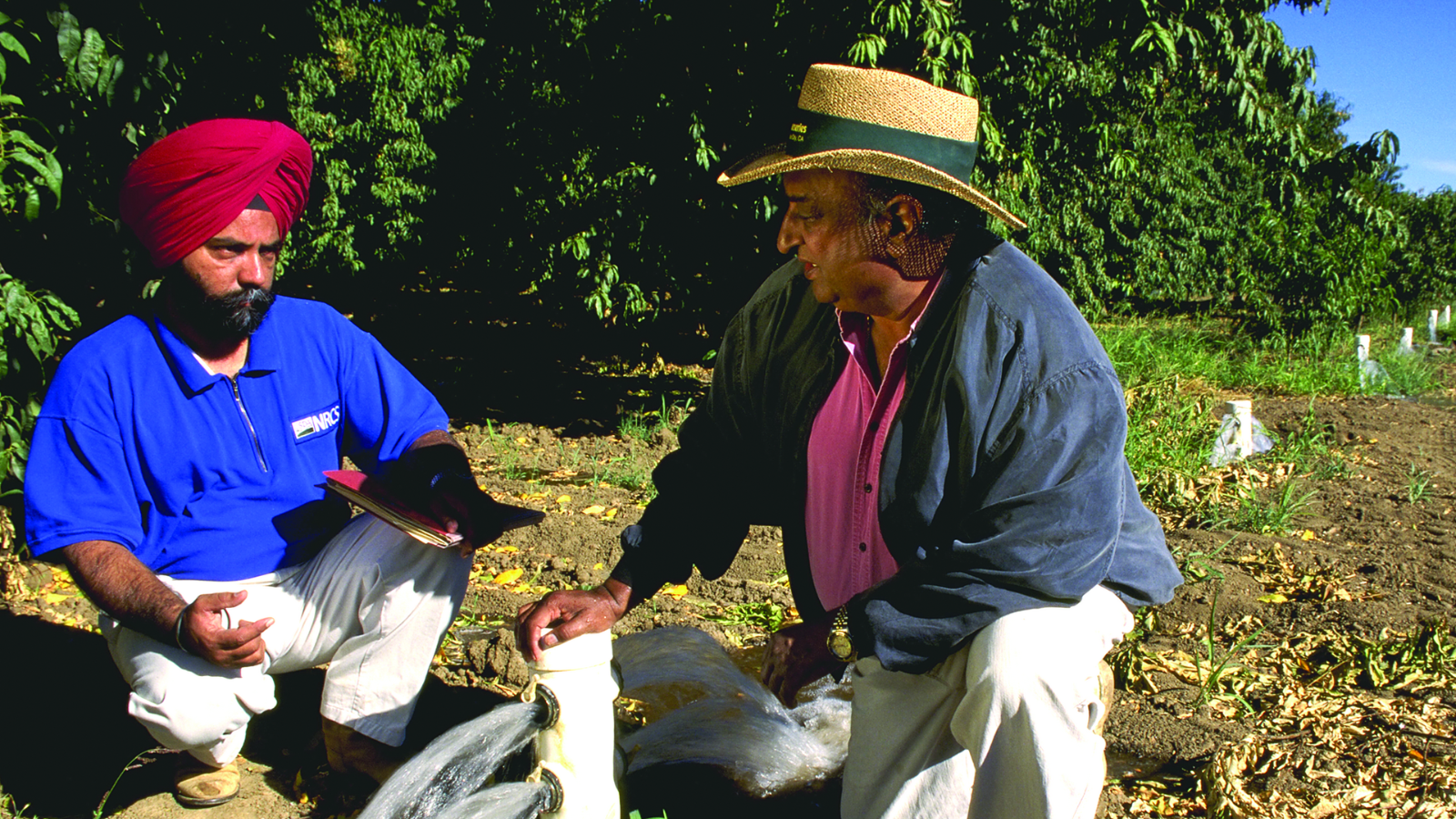
Ranjit Davit is a fourth-generation farmer in Sutter County. His family has been growing peaches since the 1940s. In 2023, he felt good about the future and planted a bunch of new trees. He had that 20-year contract in his pocket. Now, those trees haven’t even reached their full potential, and he has to grind them into wood chips. “It hurts,” Davit says, and you can really feel that.
This isn’t just business for these guys; it’s their heritage. Watching a bulldozer rip up an orchard your grandfather tended is a special kind of heartbreak. And for what? Because some corporate executives in a boardroom somewhere messed up the math?
Why Did Del Monte Fail?
It is easy to point fingers, but the reasons are a bit mixed. First, people just aren’t eating as much canned fruit as they used to. Everyone wants fresh, organic, or “farm-to-table” stuff now.
Canned peaches are seen as a “grandma food” or something you only eat in a school cafeteria. On top of that, Del Monte was carrying way too much debt. Some people on Reddit and in business blogs are even calling it “private equity gutting.“
They say the company was loaded with debt from buyouts, making it impossible to survive a bad year. Whatever the reason, the farmers paid the ultimate price.
The Global “Peach War“
Here is something that will make your blood boil.
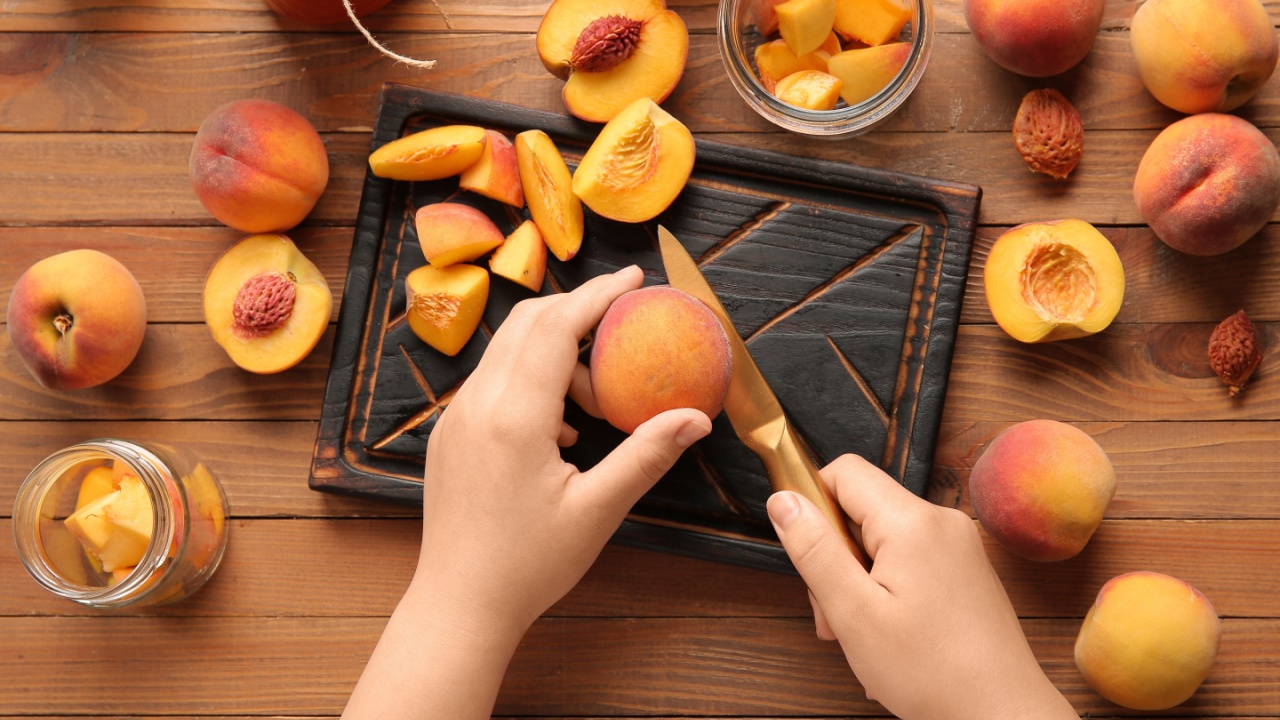
While California farmers are destroying 50,000 tons of their own peaches, we are still importing 100,000 tons of them from overseas. We are getting peaches from China, Greece, and South Africa.
Why? Because labor is cheaper there. Our farmers are following all the strict California environmental and labor rules, which costs money. Then, we turn around and buy cheaper stuff from halfway across the world. It’s a totally uneven playing field.
Farmer Sarb Johl from Yuba County is rightfully frustrated. He says farmers just want to grow healthy food for Americans, but the system is working against them.
What Happens to the Land Now?
Farmers can’t just leave the land empty; they have to pay taxes and mortgages. So, what’s next? Most are looking at tree nuts. Almonds, walnuts, and pistachios are the big ones. But here is the catch: you can’t just flip a switch. It takes about six years for a new nut orchard to start making money.
That is six years of zero income while you are still paying for water, fertilizer, and property taxes.
“Farming is simply gambling with dirt,” as Mark Twain once said. And right now, the house is winning. Some farmers might not make it through that six-year gap and could lose their land entirely.
The Logistics of Destruction
How do you even get rid of 420,000 trees? It’s a massive job. You have to pull them out, roots and all. You can’t just graft a new tree onto the old stump.
Usually, they grind the trees into wood chips. They then spread those chips back into the soil to help it. It’s called “whole orchard recycling,” and it’s actually good for the environment. But it still costs $2,000 to $3,000 per acre just to clear. It’s like being forced to pay for your own funeral.
Is the Canned Industry Dead?
Not quite, but it’s definitely shrinking. The global market for canned fruits is actually projected to grow about 4.3% to 4.95% over the next decade. People in places like China and India are starting to buy more of it.
But in the US, we are moving in the opposite direction. We value convenience, but we also want “freshness.” The only other big player left in California is a cooperative called Pacific Coast Producers (PCP). They stepped up and offered one-year contracts to buy some of the stranded peaches. But they could only take 24,000 tons. That left 50,000 tons out in the cold. When there is only one buyer left in the whole state, the farmers have zero bargaining power.
The Future of Food Security
This story is about peaches, but it’s really about our food supply chain. When an entire industry depends on one or two big companies and those companies fail, the whole system breaks down. We saw this during the pandemic, and we are seeing it again now.
If we continue to lose our local processing plants, we will be 100% dependent on imports. Do we really want to rely on China for our fruit? It’s a question that goes way beyond the Central Valley. Our “agricultural base” is taking a hit, and it’s not easily repaired. Once those multigenerational farmers give up, they don’t usually come back.
Why You Should Care
You might not even like canned peaches. But you probably like living in a country where we can grow our own food. When these farms go under, they don’t just become “different farms.” Sometimes they become housing developments or warehouses.
We are losing the skilled people who know how to work the land. Mechanics, technicians, and irrigation experts are all losing their jobs alongside the farmers. The Central Valley is at risk of becoming just a place that ships out raw goods, rather than a place that makes things. That makes the whole region less resilient and poorer.
Final Thoughts from the Field
It is a tough time to be in the dirt. But farmers are a resilient bunch. They are already planning for the 2026 harvest, even as the bulldozers are running. The $9 million from the USDA is a lifeline, but it’s just the beginning of a very long recovery.
If you see canned peaches in the store, take a look at the label. If they are from California, maybe grab a can. Every little bit helps keep these family legacies alive for one more season.
The collapse of Del Monte Foods has triggered a massive agricultural crisis in California’s Central Valley. Farmers are destroying 420,000 peach trees, roughly 3,000 acres, after $550 million in contracts were suddenly canceled.
A $9 million federal aid package is helping growers clear the land to prevent a total market collapse, but the region faces long-term job losses and a difficult multi-year transition to alternative crops like nuts. This event highlights the extreme fragility of our domestic food supply chain and the growing pressure from cheap international imports.