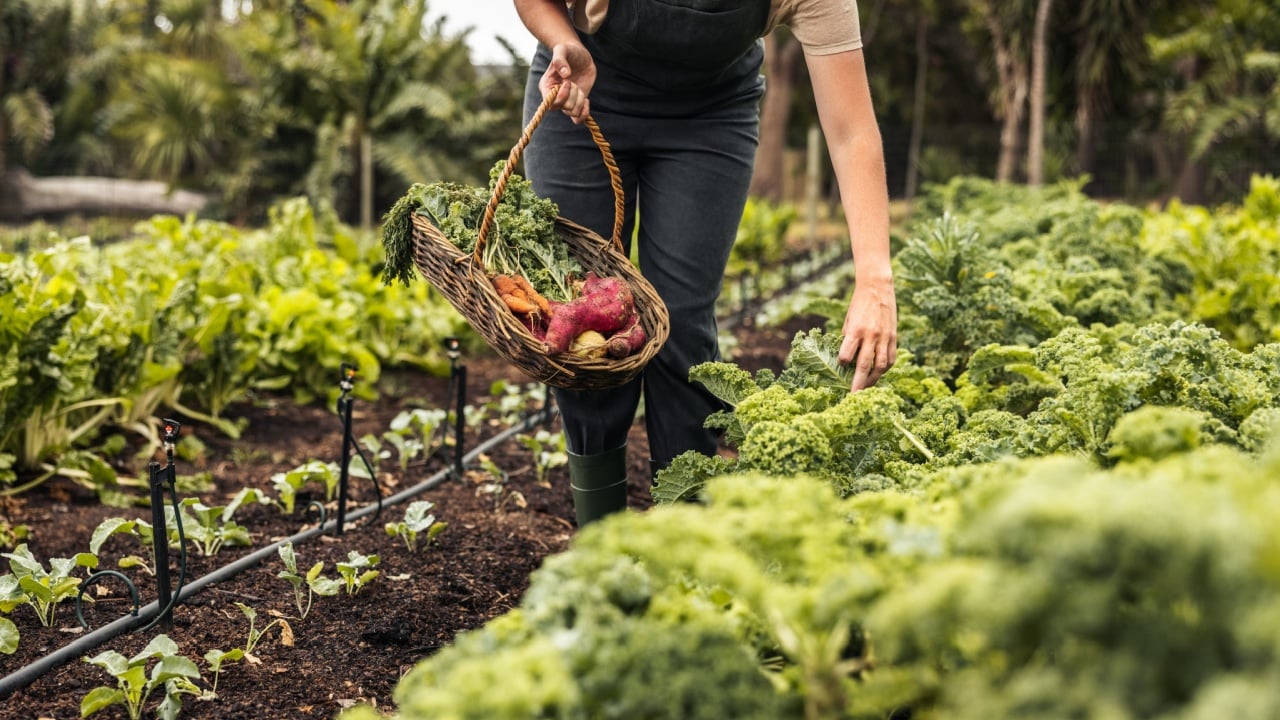
8 High-Yield Vegetables to Plant Now for a Summer Full of Free Food
The vegetables draining your grocery budget the fastest are not exotic imports or specialty items. They are normal vegetables like cucumbers, mixed greens, bell peppers, or tomatoes. According to a LendingTree analysis, cucumber prices jumped 33.6% from 2024 to 2025, and mixed greens climbed 36.5%. These are the items in your cart every single week, and they are also, without exception, the easiest high-yield vegetables you can plant this month.
According to How Stuff Works, citing National Gardening Association data, a well-maintained 4-by-8-foot garden can produce roughly $600 in grocery savings over a single summer. A $3 packet of cherry tomato seeds returns more produce than $180 worth of store-bought pints. One $1.50 pepper transplant replaces $15 to $20 worth of store peppers by September. The math is not complicated; it just requires planting before the month runs out.
Your grandmother did not grow a garden because she loved weeding. She grew one because she understood something that took the rest of us a few decades of inflated grocery bills to figure out: the most expensive produce at the store is almost always the easiest to grow at home. Here are the eight high-yield vegetables to plant right now.
1. Cherry Tomatoes
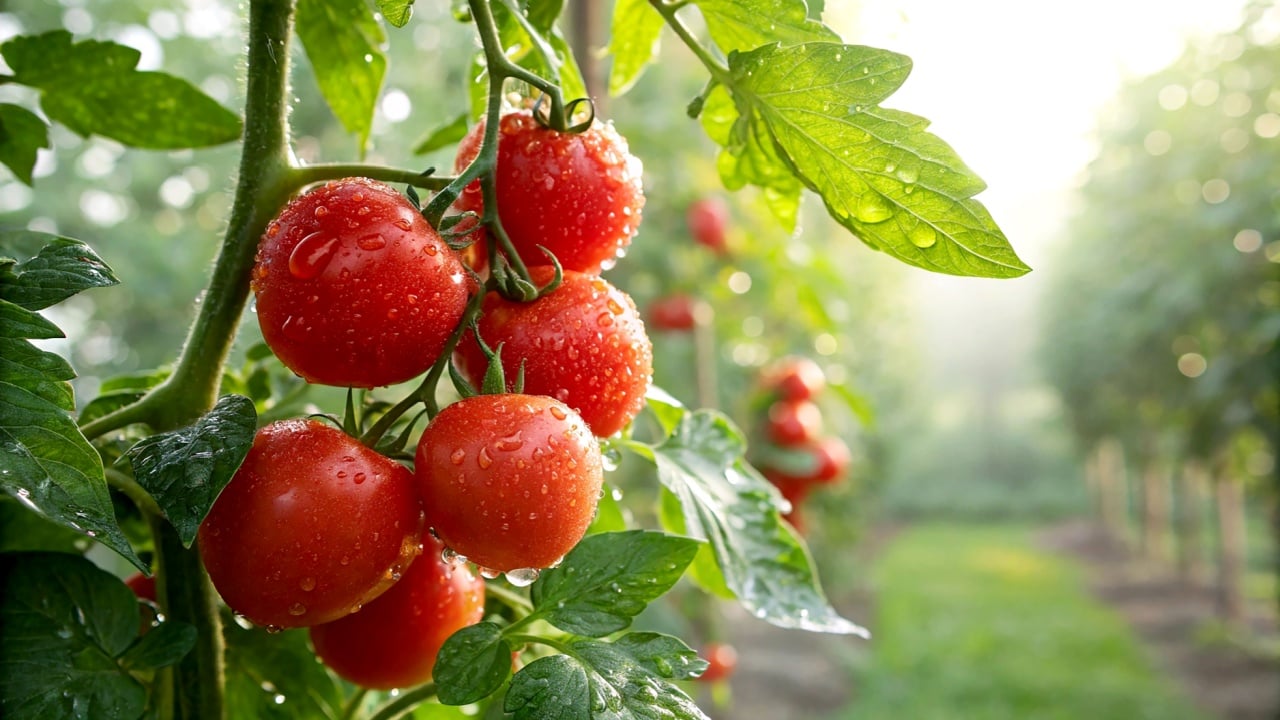
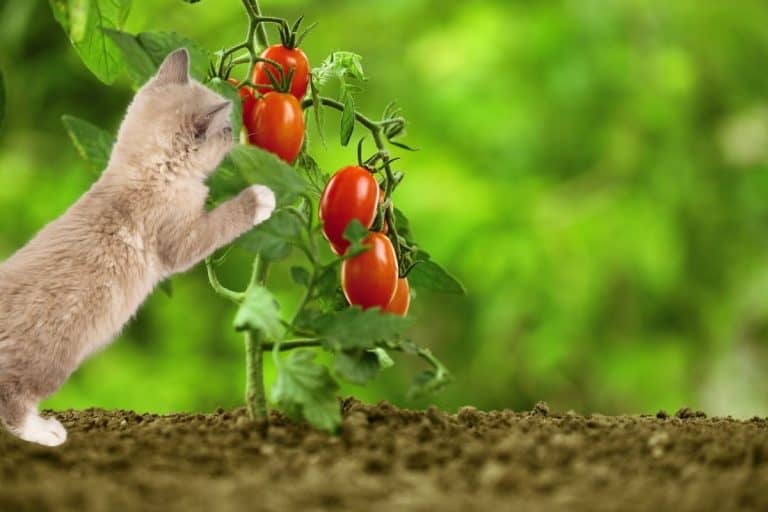
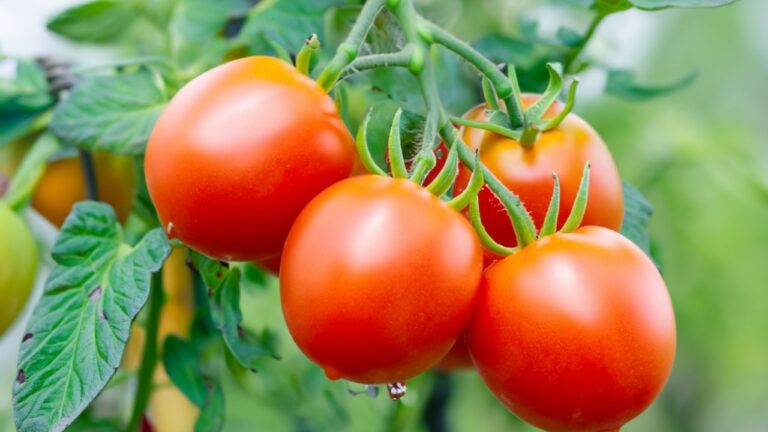
Three cherry tomato plants can yield approximately 45 pounds of fruit in a single season, worth roughly $180 at average store prices, and considerably more if you have been reaching for the premium vine-ripened or heirloom varieties. University of Georgia horticulture specialist Robert Westerfield notes in Southern Living that cherry tomato varieties are easier to grow and more prolific than large-fruiting types, and that one or two plants will carry most families through the season. Indeterminate varieties like Sungold and Sweet Million keep producing new clusters week after week without stopping, unlike one-and-done bush types. Stake them early, water deeply rather than frequently, and pick every two to three days to trigger continuous fruiting. One additional benefit for busy gardeners: cherry tomatoes tolerate uneven watering far better than large beefsteak types, making them the smarter choice if your schedule is unpredictable. Note that while the fruit is safe, tomato plant leaves and stems are toxic to dogs and cats; keep pets away from the vines.
2. Cucumbers
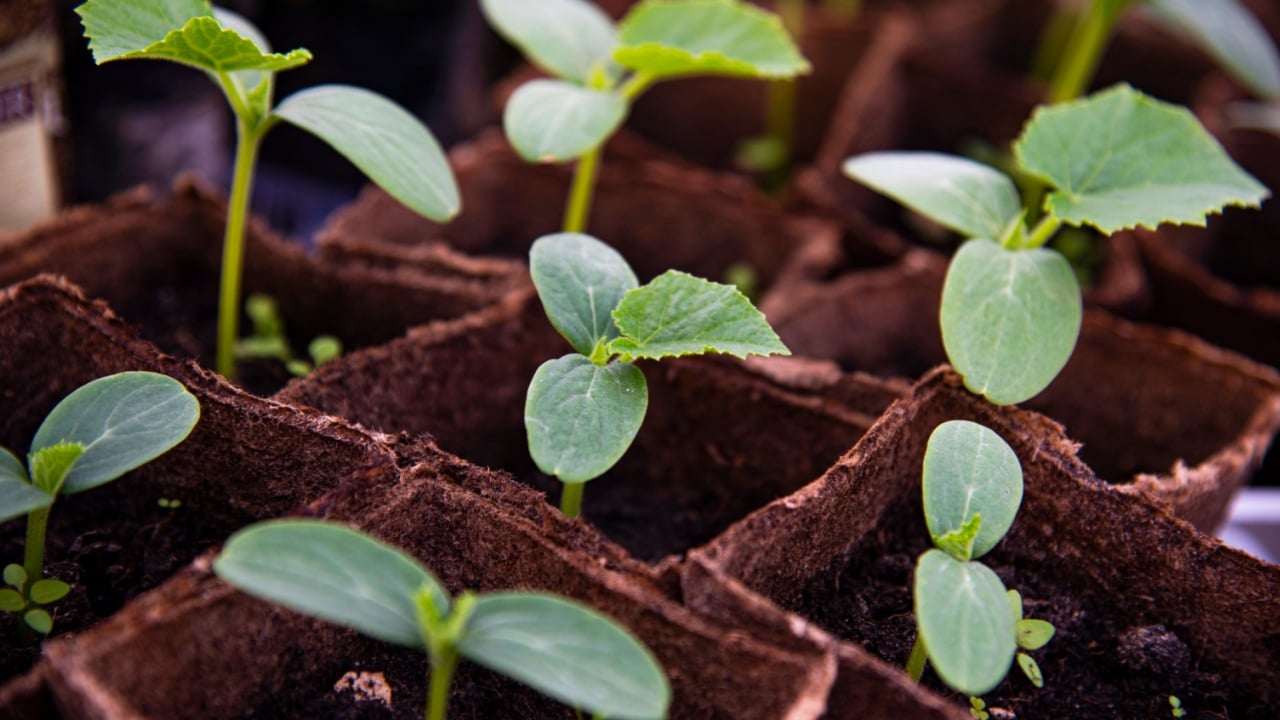
One cucumber plant yields 15 to 20 fruits in a season, at a retail price that has risen 33.6% in the past year alone. Buy transplants now or direct-sow seeds once soil temperatures reach 65°F, and you will be harvesting within 50 to 70 days. Growing cucumbers vertically on a simple trellis is one of the highest-leverage moves in the garden: it saves space, keeps fruit off the ground where it rots, and dramatically reduces pest and disease pressure. Gardening Know How recommends consistent harvesting every two to three days during peak production, because leaving mature cucumbers on the vine signals the plant to slow down. Pick young and pick often; the plant will respond in kind.
3. Zucchini
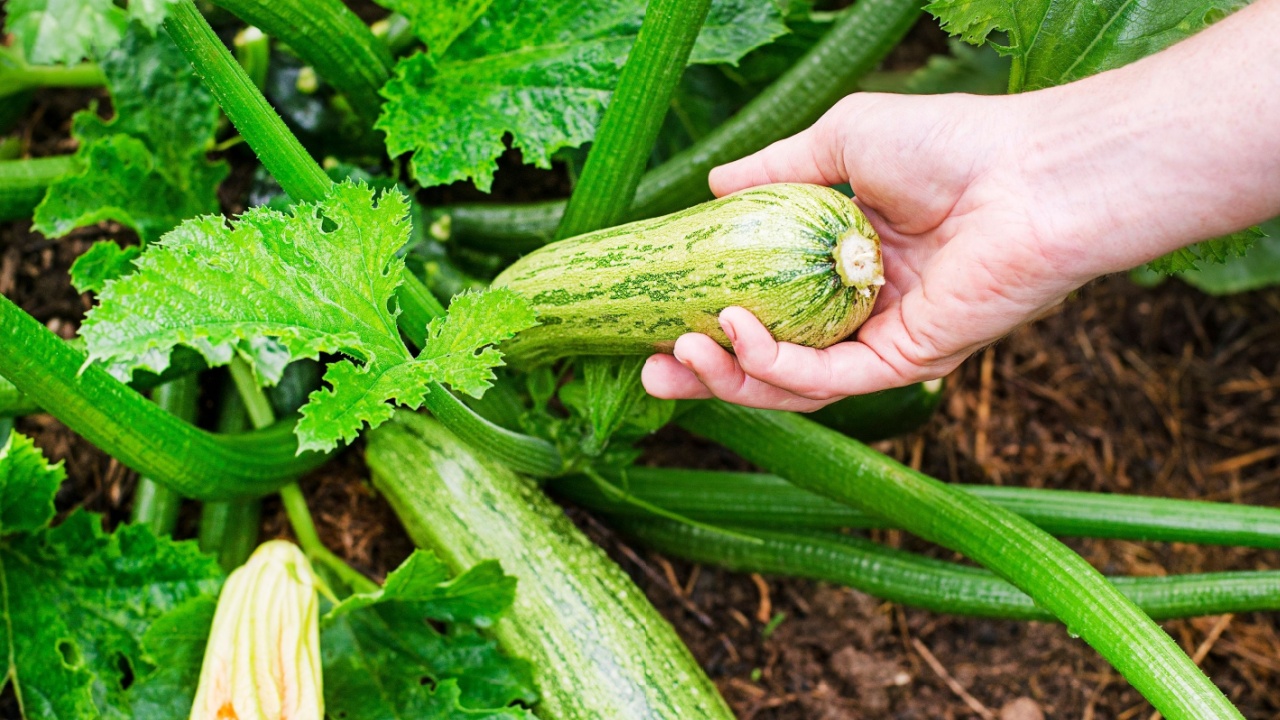
Two zucchini plants are enough for a family of four. That is not an understatement. These plants produce with the kind of reckless enthusiasm that turns first-time gardeners into people who quietly leave bags of zucchini on neighbors’ doorsteps. One or two plants in good soil will supply you with enough fruit to eat fresh, freeze, and bake into bread from July through frost. The key to not being overwhelmed is frequent harvesting: pick zucchini at 6 to 8 inches rather than letting them grow into unwieldy clubs. Most gardeners also miss the bonus harvest: zucchini blossoms are fully edible, and experienced cooks stuff and sauté them all summer long. According to Deer Creek Seed, summer squash begins producing 30 to 40 days after transplanting and keeps going until frost with almost no intervention.
4. Pole Beans
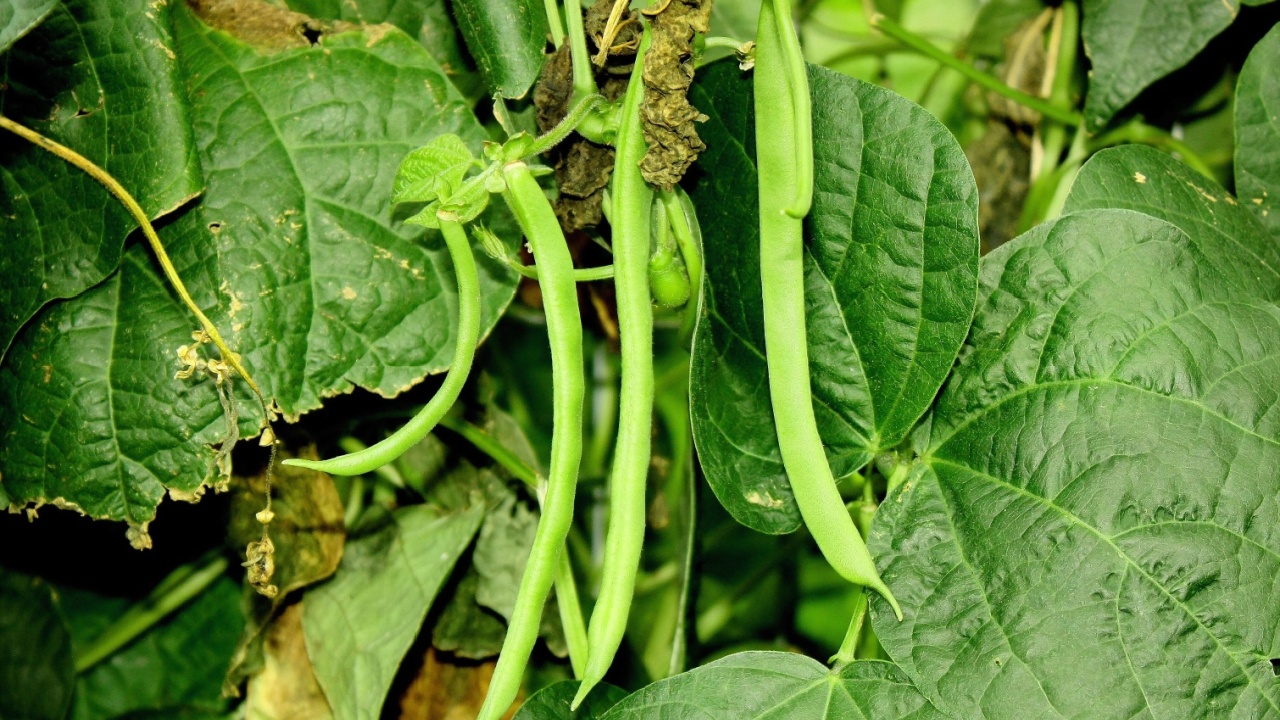
Pole beans are the unsung heroes of the high-yield garden. They grow vertically, so they take up minimal ground space while producing beans continuously from mid-summer through frost. They also fix nitrogen into the soil as they grow, meaning they leave every bed in better condition than they found it. Varieties like Kentucky Wonder and Blue Lake are workhorses that produce far more than their bush counterparts when grown in the same footprint. A trellis, a fence, or even a few old wooden stakes are all they need. According to Gardening Know How, direct-sow beans once the soil hits 60°F and expect your first harvest in 50 to 60 days. Pick regularly; the more you harvest, the more the plant produces.
5. Bell Peppers
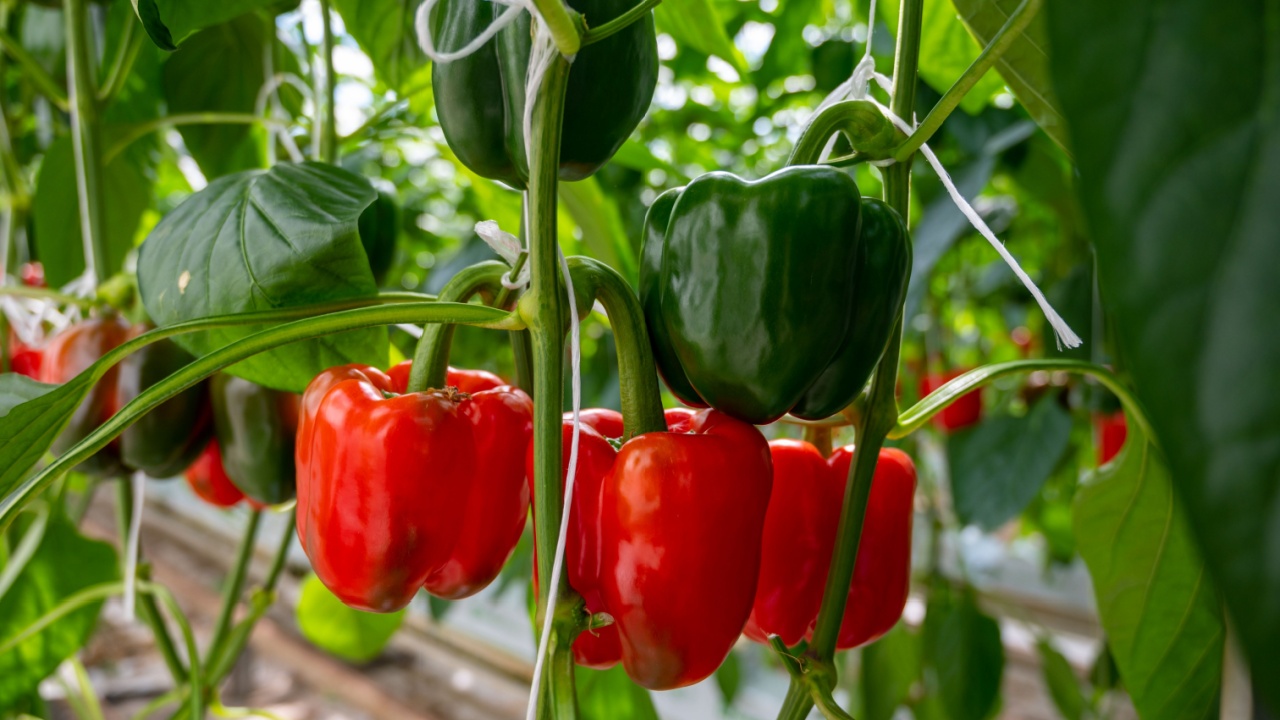
Red, orange, and yellow bell peppers are among the most overpriced vegetables in the grocery store, routinely selling for $2 to $4 each at retail. They are also slow starters: planted in spring, they may feel dormant for weeks before they hit their stride in July. Do not let that fool you. Once peppers begin producing, they do not stop. A single plant can yield 6 to 8 full peppers and will continue producing through September and beyond. Burpee‘s 2025 cost-savings analysis confirms that bell peppers consistently rank among the highest-ROI crops in the home garden relative to their purchase price. The trick is to buy transplants rather than starting from seed this late in the season, and to give them full sun and warmth from the start.
6. Salad Greens and Spinach
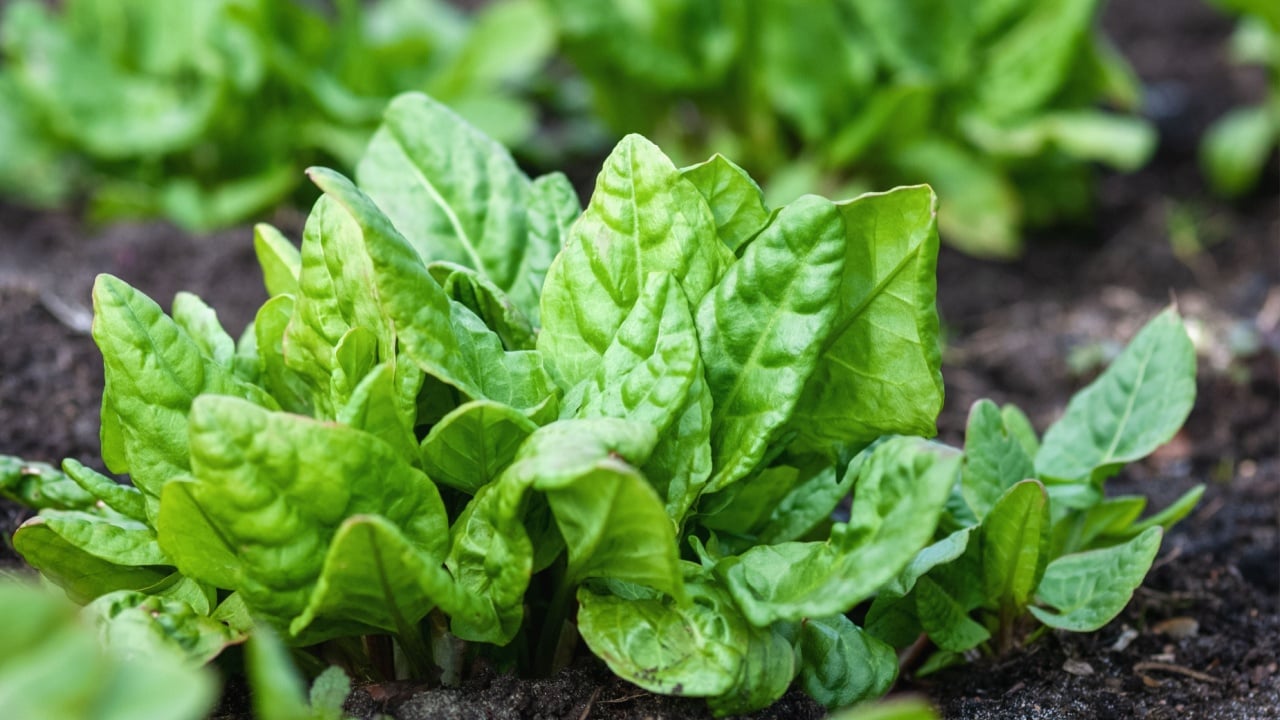
Mixed greens jumped 36.5% in price from 2024 to 2025, making them one of the fastest-rising grocery items in the produce section. They are also among the fastest crops to harvest at home: spinach and cut-and-come-again lettuces can be ready to eat in 25 to 35 days from seeding. Sow in a slightly shaded spot to slow bolting as temperatures rise; full sun will push cool-season greens to seed more quickly. Harvest by snipping outer leaves and letting the center grow on, and a single planting can feed you for four to six weeks before it runs its course. According to Homes and Gardens, successive sowings every two weeks extend the harvest window well into summer. This is also the lowest-cost crop on this list: a $2 seed packet covers a 4-foot row and replaces $10 to $15 worth of salad bags at the grocery store.
7. Beets
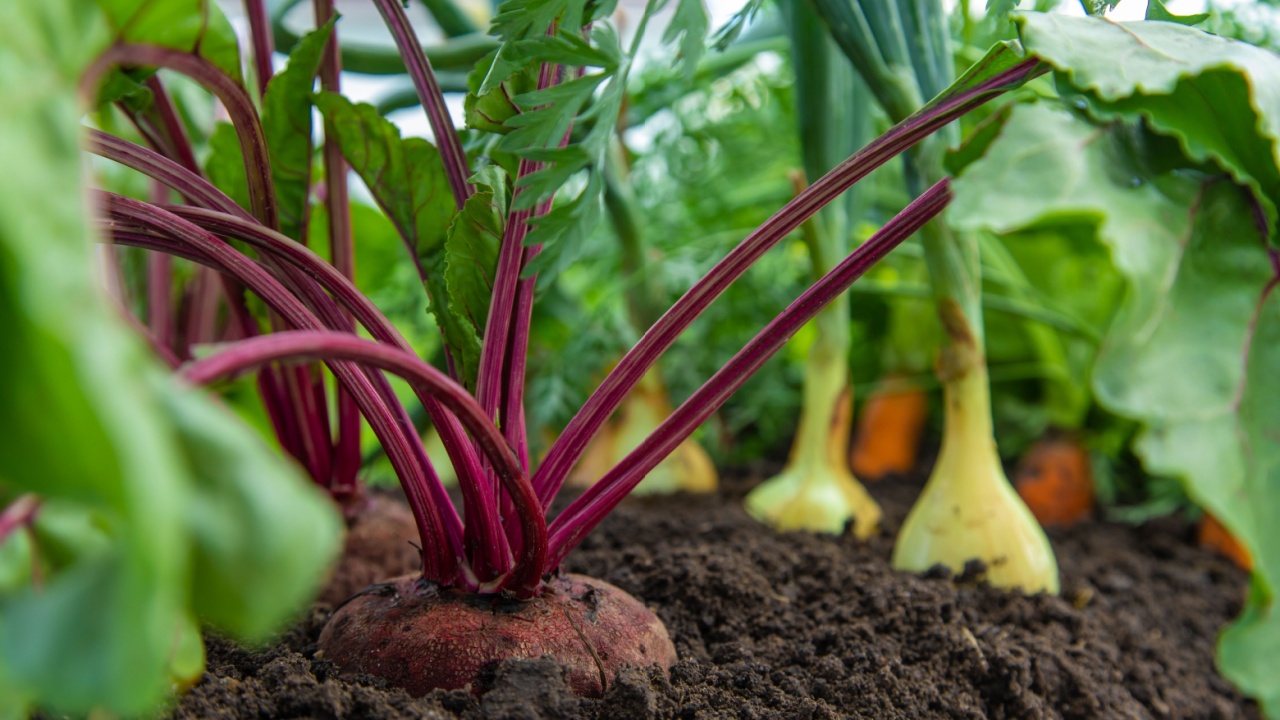
Beets are a two-harvest crop, and most gardeners only claim one of them. The root gets all the attention, but the greens are equally nutritious and can be harvested starting when they reach 4 inches tall, without disturbing the root at all. This effectively doubles the yield per square foot and gives you a steady supply of greens while the roots mature. Gardener’s Supply Company notes that beets go from seed to harvest in 45 to 60 days, making them one of the faster root crops for a spring planting. Direct-sow now; beet seeds can be planted 18 per square foot and thinned as they grow, and the thinnings are edible too. Baby beets roasted in olive oil taste nothing like the canned version that turned you off as a child, and home-grown organic beets replace what routinely costs $4 to $6 per bunch at the store.
8. Radishes
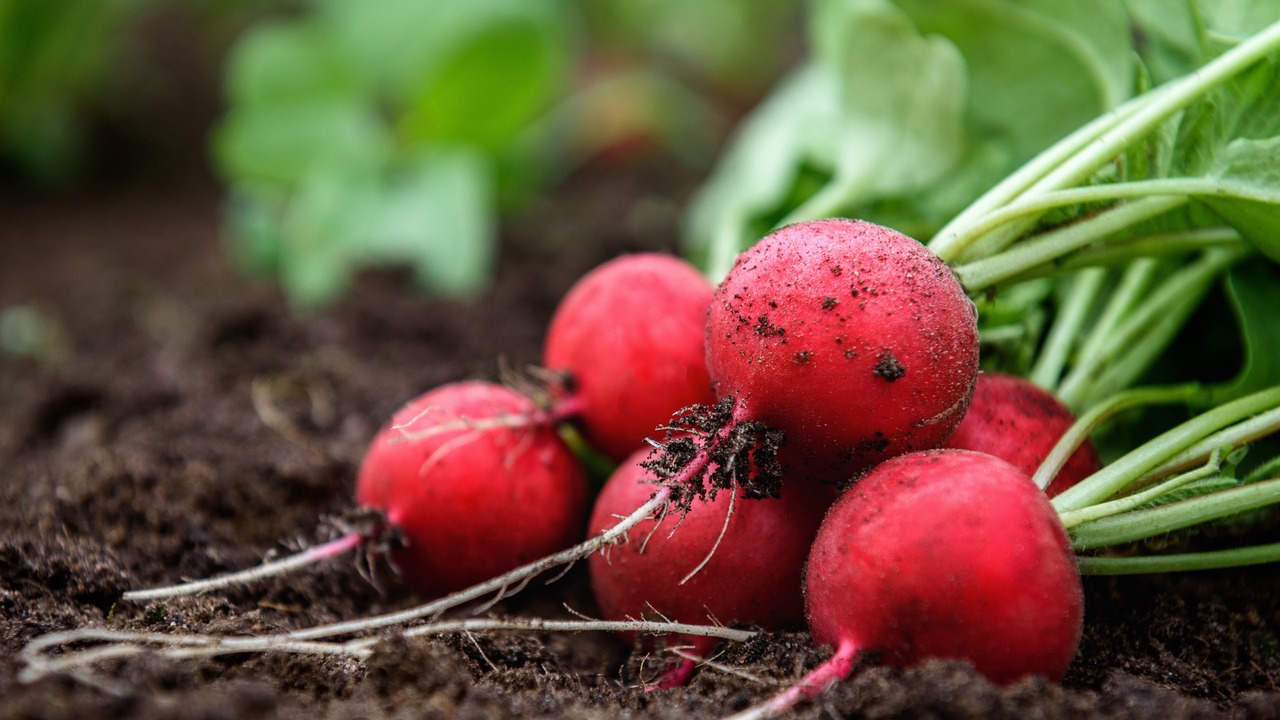
Radishes earn their place on every high-yield list by doing something no other vegetable can: deliver a harvest in 25 to 30 days. Plant a row of radish seeds in mid-June, and you will be pulling roots before the end of the month. For gardeners filling every inch of their beds with slower crops, radishes act as a living gap-filler: tuck them between tomato transplants, along the edge of a bean row, or in any empty corner. According to Homes and Gardens, varieties like French Breakfast and Cherry Belle are reliable performers that mature quickly and cleanly. Succession-plant every two weeks to avoid a glut, and the radish row pays for itself in fresh produce within weeks.
A Garden That Pays You Back All Summer
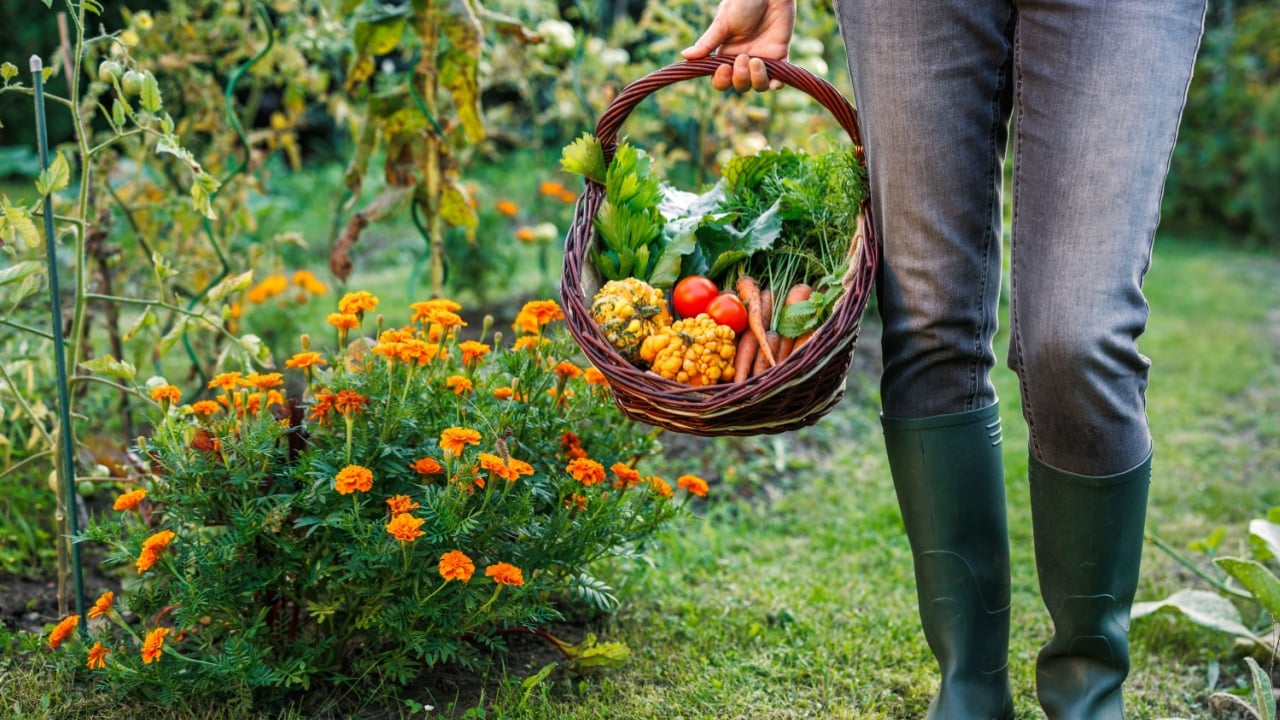
Now is not a timeto overthink this. You do not need raised beds, a large yard, or years of experience. You need a patch of sun, compost-amended soil, and eight seed packets or transplants totaling under $30. By July, that $30 investment begins returning produce worth many times its cost, and by September, the math has become difficult to argue with. The families who planted in spring are the ones who stop buying cucumbers in July. They are the ones pulling cherry tomatoes off the vine by the handful and watching the grocery bill shrink in real time. They are doing what gardeners have always done: turning a few dollars and a few weeks of patience into months of free food. Now is not too late. It is exactly the right time.
Read more:
Direct Sow These 9 Seeds in June Before the Window Closes for Good
June Is National Pollinator Month. Are You Accidentally Harming the Bees You Want to Help?