You’ve Been Growing Tomatoes Wrong for Years: Here Are the 8 Mistakes Costing You $100 in Fruit
If your tomato plants look lush, green, and absolutely thriving this summer but your actual tomatoes are disappointingly small, you are not alone.
Most backyard gardeners operate on a “more is more” logic when it comes to tomatoes. More watering, more feeding, and more shoots left to grow. But tomato plants are not like most vegetables. They are relentlessly ambitious, constantly sending energy into new foliage, new suckers, and new branches when what you actually want is for that energy to go straight into the fruit already forming on the vine. Left unchecked, a tomato plant will produce dozens of small, mediocre tomatoes instead of a handful of truly extraordinary ones.
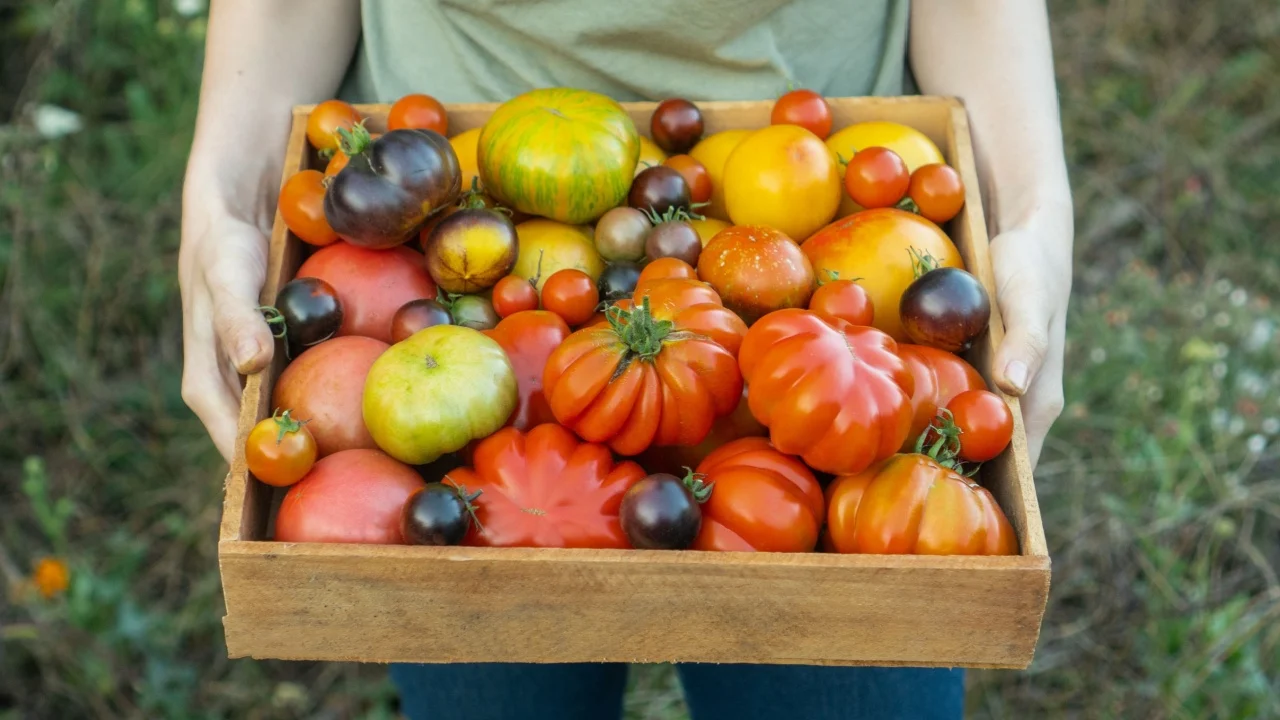
A single, well-managed indeterminate tomato plant can yield 20 to 25 pounds of fruit in a season, which is the equivalent of $100 to $125 worth of organic tomatoes at typical grocery store prices. And a standard seed packet, at around $3, can start enough plants to produce 300 pounds or more. The math alone makes it worth taking these steps seriously, and May is exactly the right month to act. The habits you establish right now, at planting time or in the first weeks of growth, determine the harvest you get in August.
Below are eight of the most common tomato mistakes gardeners make, and the precise fixes that experienced growers and university extension programs have known for decades.
1. Stop Planting at the Wrong Depth
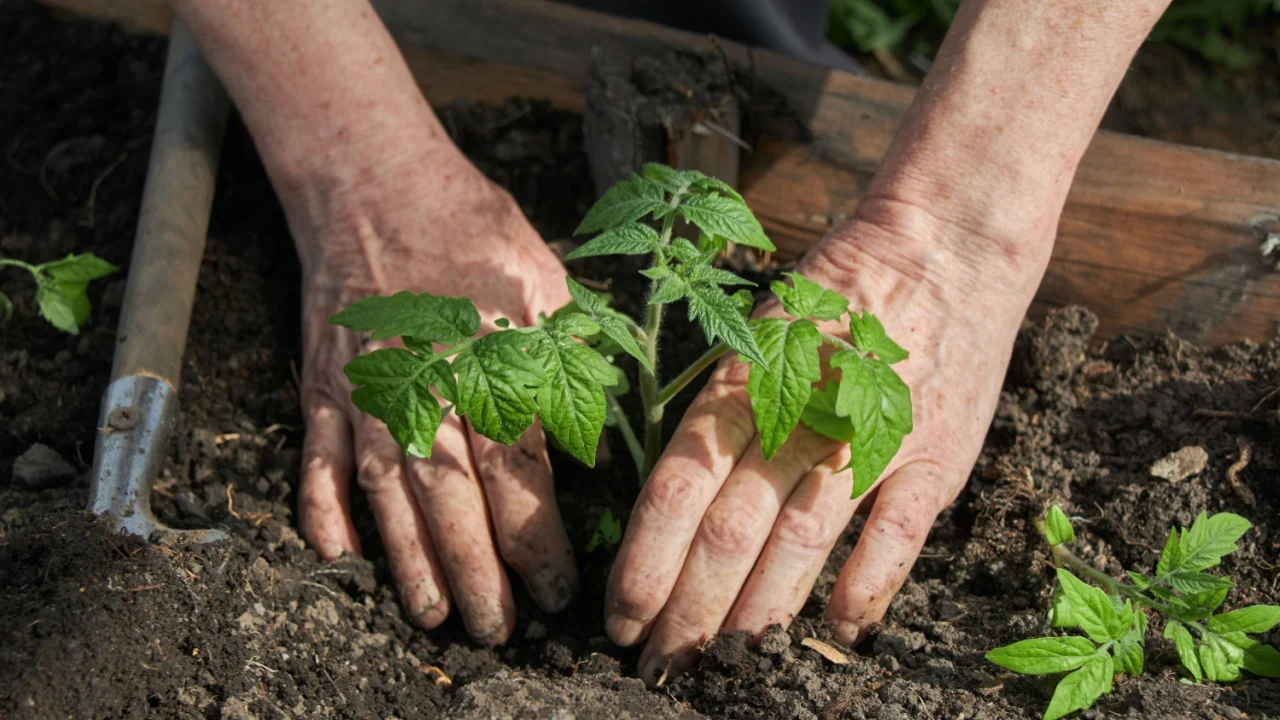
Most gardeners set a tomato transplant in the ground at roughly the same depth it grew in its nursery pot. That is a mistake.
Tomatoes are unique among vegetables in that their buried stems grow roots, and the more root mass a plant develops, the more water and nutrients it can pull to support large fruit.
The University of Minnesota Extension recommends planting tomatoes so a significant portion of the stem is below the soil line, with the lowest remaining leaves just above the surface. For leggy transplants, the trench method works equally well: lay the plant diagonally in a shallow trench, leaving only the top four to six inches above ground, and cover the rest. Roots will form all along the buried stem. As West Virginia University Extension notes, deep planting directly encourages more root development, which strengthens the entire plant from the moment it goes in the ground.
2. You Are Probably Watering Wrong
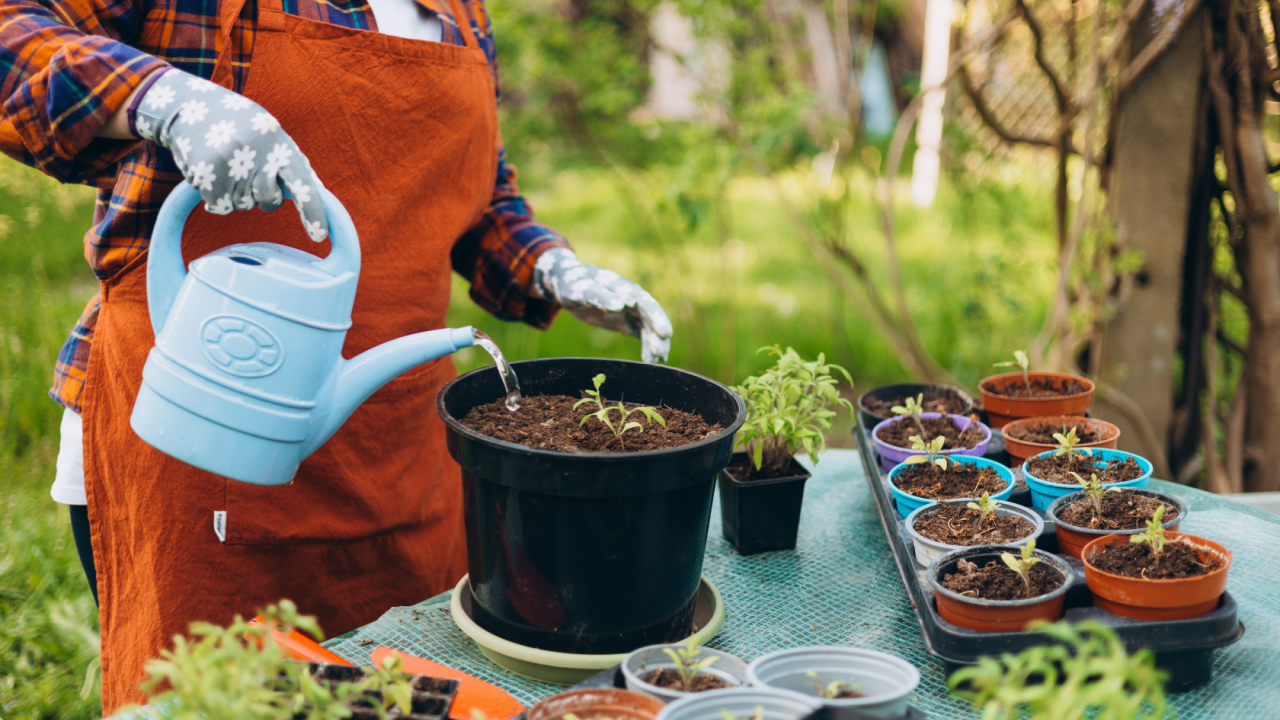
Watering tomatoes every day feels responsible. It is not.
Daily shallow watering keeps roots near the surface, where they are vulnerable to heat stress and drought. Deep, infrequent watering, every three to four days, delivering water slowly and directly to the base, trains roots to grow downward, making plants dramatically more resilient and productive.
The Old Farmer’s Almanac recommends one inch of water per week as a general baseline, delivered consistently rather than erratically. Irregular moisture is the primary cause of blossom end rot, that frustrating black rot that appears on the bottom of developing fruit. It is not a disease, and it is not caused by a lack of calcium in your soil; it is almost always caused by inconsistent watering that prevents the plant from moving existing calcium to the fruit.
Fix the watering schedule first before adding any amendments. And always water at the base of the plant, never overhead.
3. Your Fertilizer Is Feeding Leaves, Not Tomatoes
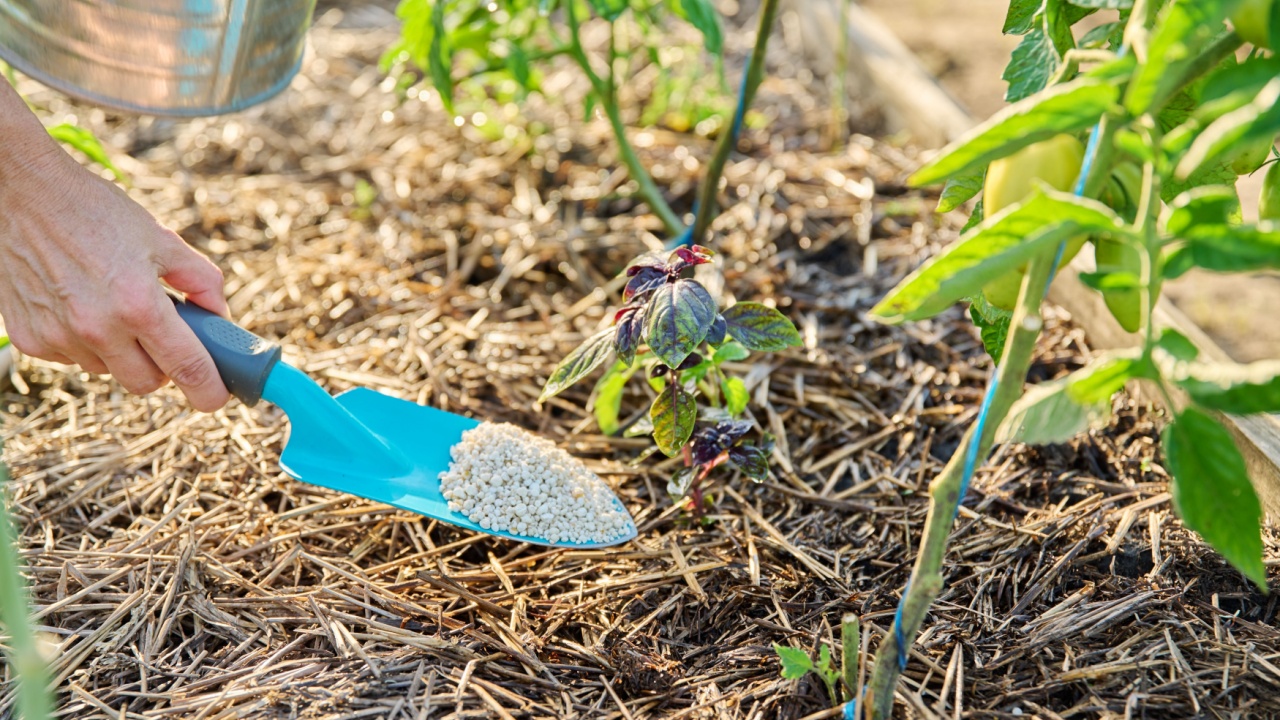
This is the mistake gardeners make once and then quietly repeat for years: feeding tomato plants the same fertilizer from transplant to harvest. High-nitrogen fertilizers drive lush, gorgeous foliage — and almost no fruit. The Old Farmer’s Almanac has said it for generations: too much nitrogen makes tomatoes go all to vine.
Oklahoma State University Extension recommends a low-nitrogen, high-phosphorus fertilizer such as a 10-20-10 blend at planting, then switching to a formulation like 5-10-15 once the plants begin setting flowers. Phosphorus and potassium support root development and fruit production, while nitrogen just grows leaves. Once your plants are established and flowering, step down the nitrogen and let the phosphorus work. Adding fish emulsion every two to three weeks after fruit set is a lower-cost approach that experienced gardeners report produces noticeably larger fruit by midsummer.
4. Stop Skipping the Mulch
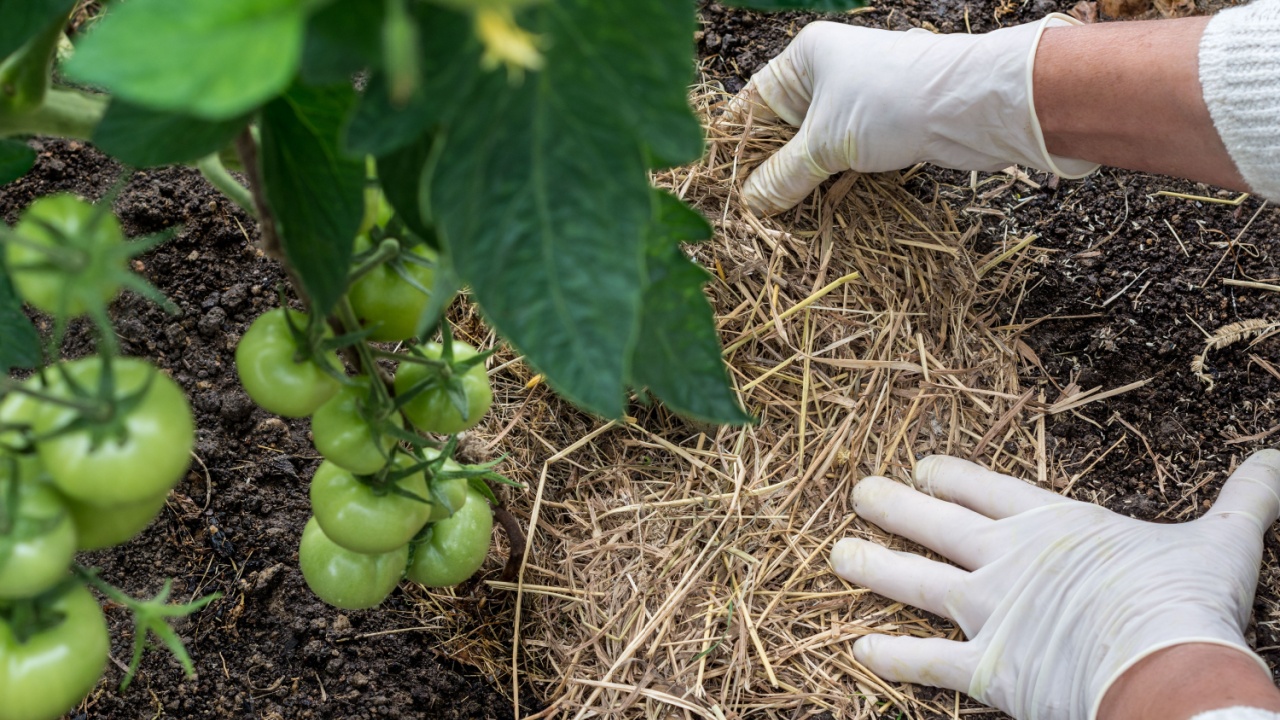
A two- to three-inch layer of straw, shredded leaves, or untreated grass clippings around each tomato plant does more work than most gardeners realize. Mulch holds soil moisture, which is critical for consistent calcium uptake. It moderates soil temperature, keeping roots cooler during summer heat spikes. And it physically prevents soil from splashing onto the lower leaves, which is how many fungal diseases, including blight, actually spread.
The one common mistake with mulch is applying it too early, right at transplant time. Gardeners.com recommends leaving the soil bare for the first few weeks after transplanting so the sun can warm it, because tomatoes will stall in cold soil. Once summer weather is firmly established, lay down the mulch and leave it. It will quietly protect your harvest all season long for essentially no cost.
5. The Sucker Secret Most Gardeners Never Use
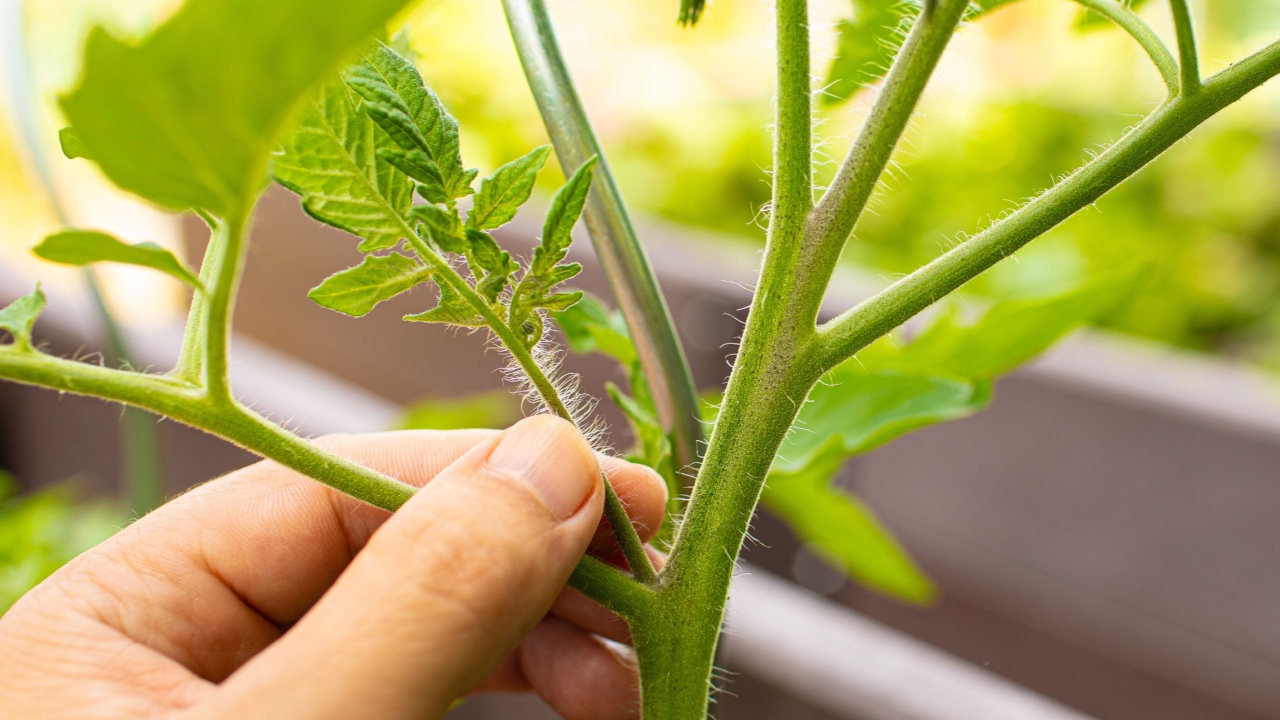
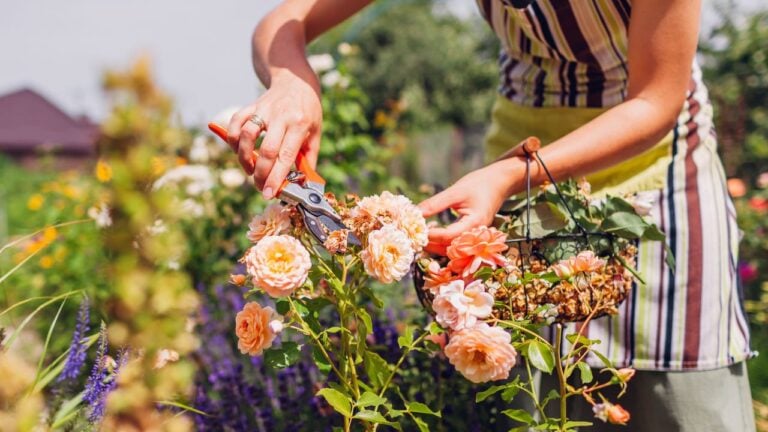
The UC Master Gardener Program confirms that pruning suckers on indeterminate varieties produces bigger, better-tasting tomatoes by focusing the plant’s energy on fewer fruits. Michigan State University Extension adds that pruning suckers not only increases fruit size but also leads to 22 percent fewer disease incidents and earlier ripening. Yet the majority of backyard gardeners have never removed a single sucker.
A sucker is the new shoot that grows in the “V” between the main stem and an established branch. Left in place, it becomes a full branch, then a whole additional structure competing for the same nutrients as your developing fruit. On indeterminate varieties, which include most heirlooms, Beefsteaks, and vining cherry tomatoes, removing suckers is not optional if large fruit is the goal. Michigan State University Extension recommends removing suckers before they reach six inches long, ideally on a dry sunny morning, to minimize disease risk. For most home gardeners, keeping one sucker below the first flower cluster (the “two-stem” method) and removing all others strikes the right balance between yield and fruit size.
One critical caveat: do not prune suckers on determinate varieties. University of Illinois Extension is direct on this point: the only pruning that should be done on determinate tomatoes is bottom pruning; no sucker removal. Iowa State University Extension confirms that removing suckers beyond the first flower cluster on determinate varieties does not increase yields and may reduce them.
Check whether your tomato is determinate or indeterminate before reaching for the pruning shears.
6. You Are Watering the Wrong Part of the Plant
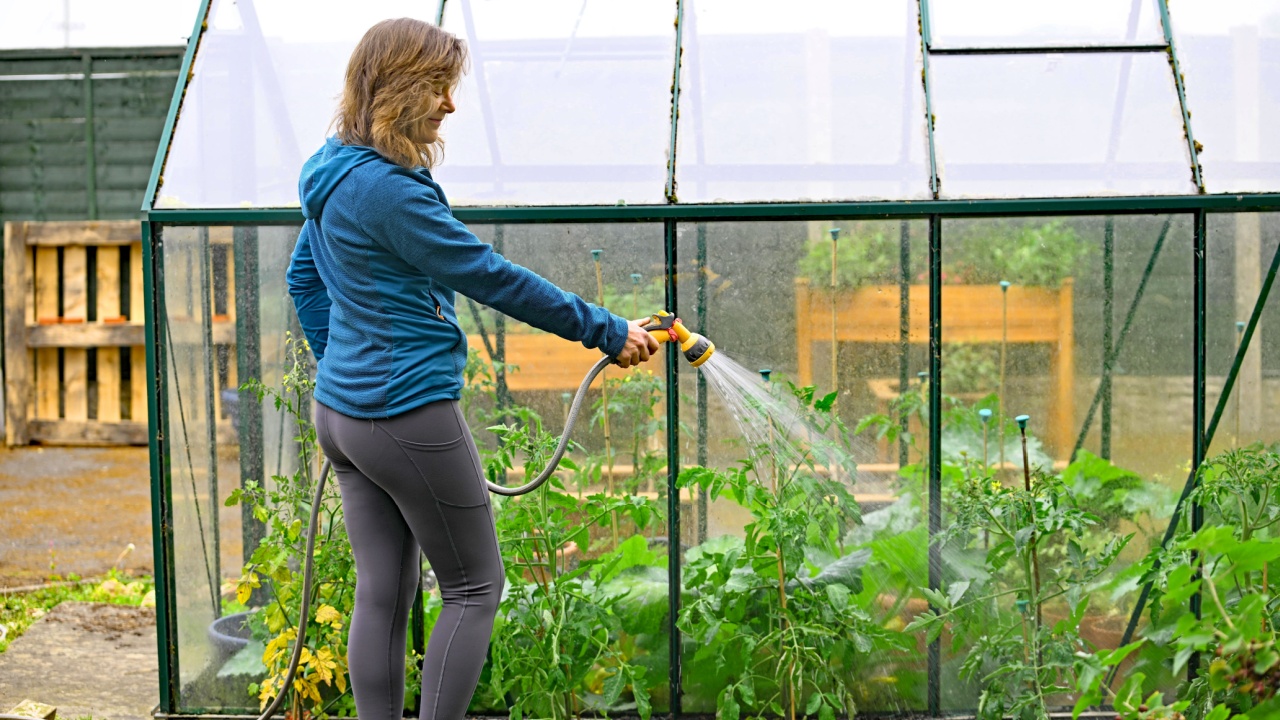
Overhead watering with a sprinkler, a watering wand aimed at the foliage, or even a hose sprayed over the top of the plant, is one of the fastest ways to invite disease into your tomato patch. Wet foliage and wet soil that splashes back up onto leaves create the exact conditions that early blight and other fungal diseases require to spread.
University of Minnesota Extension advises gardeners to avoid overhead watering entirely. Use a soaker hose, drip irrigation, or a watering wand aimed at the soil at the base of the plant. If you are installing cages, place them before laying soaker hoses so you do not puncture the hose later. Water in the morning rather than the evening, so any incidental moisture on leaves has time to dry before nightfall.
7. Your Tomato Cage Is Probably Already Failing
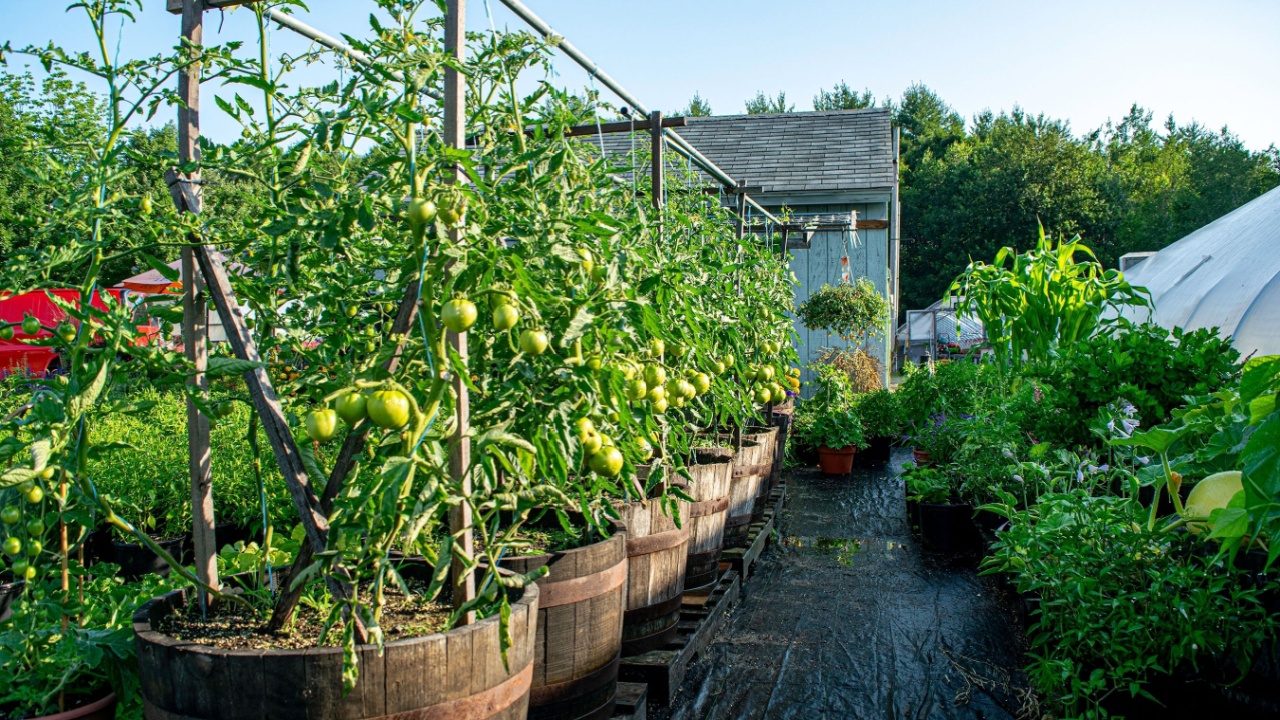
The cheap wire tomato cages sold everywhere in spring look adequate in May. By August, when your indeterminate plants are six feet tall and loaded with fruit, those cages are on the ground. A toppled tomato plant means fruit resting on soil, which means disease, slug damage, and lost harvests.
This is one of the most universally shared frustrations in the tomato-growing community, and the fix is equally universal: either invest once in heavy-gauge steel cages or build your own from concrete reinforcing wire. A single cylinder cut from a roll of concrete wire costs a few dollars and lasts decades. Stake it to the ground if needed. If you grow tomatoes in rows, run baling wire through the cages at the start and finish of each row, secured to fence posts, for storm-level stability. The cost is almost nothing compared to the harvest it protects.
8. Stop Letting Every Fruit Compete for the Same Resources

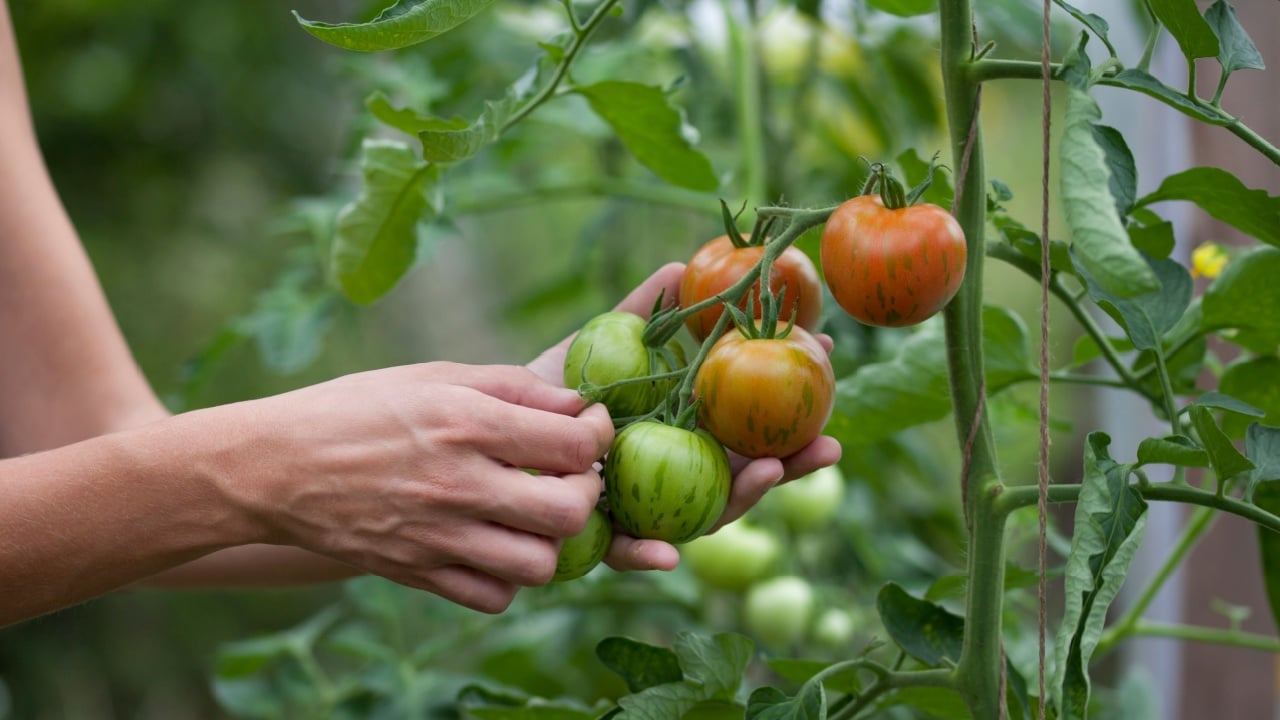
This is the technique competitive tomato growers rely on, and it works for home gardeners too. As Gardening Know How explains, once tomato plants begin setting fruit, pruning each flower cluster down to just one or two developing fruits forces the plant to concentrate all its energy into those selected tomatoes. The result is fewer fruits, but dramatically larger and more flavorful ones.
This is not a technique most gardeners are comfortable with at first. Removing flowers and small fruit from a plant that finally seems to be doing well feels wrong. But the plant has a fixed amount of energy. Spreading it across fifteen small tomatoes produces fifteen small tomatoes. Concentrating it on six produces six tomatoes that will actually make you stop and look twice. If bragging rights matter, this is where they come from.
What to Do Right Now, Before Summer Gets Away From You
If your tomatoes are already in the ground, start with the sucker pruning and the watering adjustment; both can be done today and will have a measurable impact within two weeks. Switch your fertilizer to a high-phosphorus formula if you have not already, and lay down mulch if your soil has fully warmed. If you have not yet planted, dig deep holes this weekend, bury at least half the stem, and choose an indeterminate variety that matches your climate.
None of these changes requires expensive products. Most of them require only that you stop doing something, not that you add something new. That is the insight experienced gardeners figure out eventually and wish they had known sooner: tomatoes thrive on restraint. Give them the right structure, the right water, and the right amount of nothing, and they will reward you with the best summer harvest of your life.
Read more:
Why wildlife experts are telling people to take down their bird feeders
Plant these 10 companion plants with your tomatoes — and stop planting these 4