Stop Buying Fertilizer: 9 Plants That Improve Your Soil for Free
Most home gardeners reach for a bag of synthetic fertilizer when their vegetables underperform, not realizing that certain plants are nature’s own soil-repair crew, rebuilding fertility from the roots up without costing a dime.
Depleted, compacted, or nutrient-starved soil is the number one hidden reason vegetable gardens underperform year after year. The tomatoes stay small, the peppers sulk, and the beans look pale. And the usual fix — applying another round of fertilizer — provides a short-term boost while doing little to address the real problem underground. Seasoned gardeners who’ve been at it for decades have figured out what the fertilizer industry would rather you didn’t know: the right plants, grown in the right sequence, can restore what’s missing without a trip to the garden center.
Right now, the planting window for the most powerful soil-improving plants is wide open. Some of these are cover crops to tuck in between rows or into empty beds. Others are companion plants that do double duty: looking beautiful while quietly fixing nitrogen, killing destructive soil pests, or breaking up clay that no shovel can crack. Many of them cost almost nothing to grow, and one season of getting this right can eliminate hundreds of dollars in soil amendments over the next several years.
Here are nine plants that improve soil quality in measurable, proven ways, from the nitrogen fixers your grandparents’ gardens relied on to the unlikely cover crop that drills six feet underground and does the work of a rototiller.
Grow any one of these, and your soil will thank you. Grow several in rotation, and you may never buy another bag of fertilizer again.
1. Clover: The Free Fertilizer You’re Probably Mowing Down
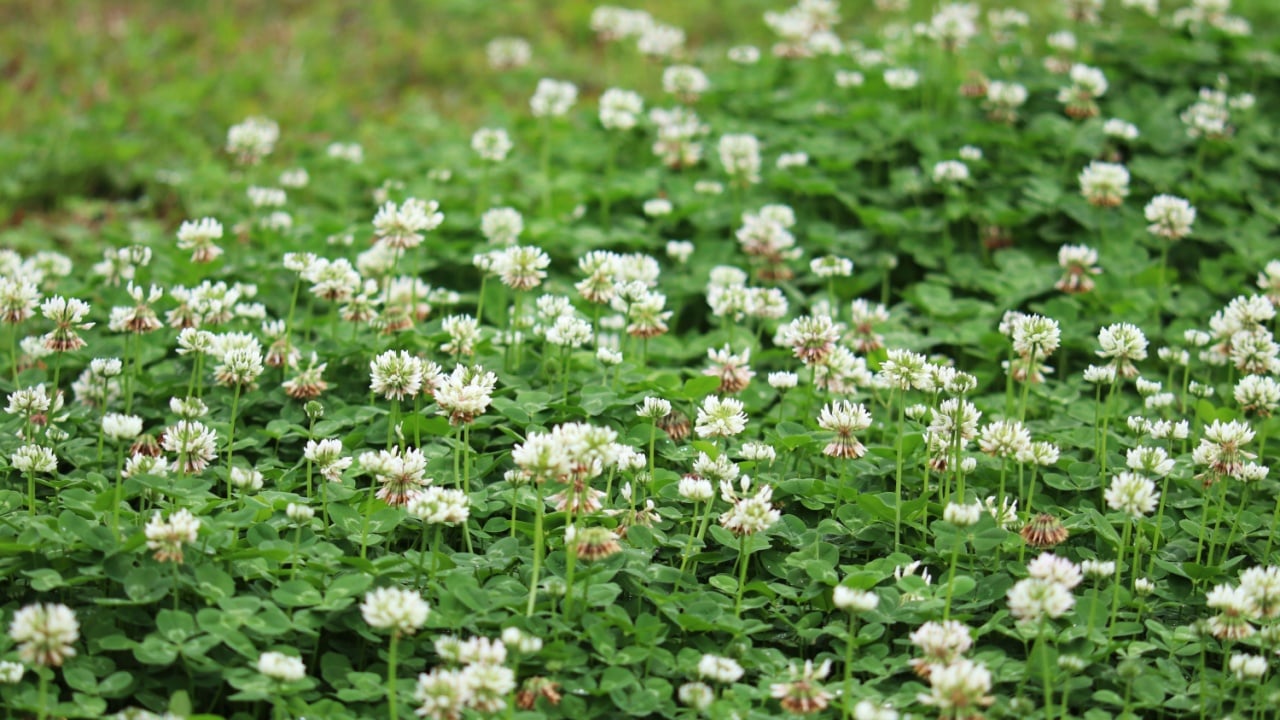
Clover may be the single most underappreciated soil improver in the home garden. For decades, lawn care culture trained homeowners to treat it as a weed – something to be sprayed, mowed, and eliminated. But your grandmother’s lawn had clover in it on purpose, and science has finally caught up with her instincts.
Clover is a nitrogen-fixing plant, meaning it pulls nitrogen gas directly from the atmosphere and, through a partnership with rhizobium bacteria in its root nodules, converts it into a form that surrounding plants can use. According to the Soil Association, clover can fix both nitrogen and carbon in the soil, reducing greenhouse gases while simultaneously feeding your garden.
A four-year Wisconsin study cited by the Sustainable Agriculture Research and Education program (SARE) found that medium red clover had an estimated fertilizer replacement value of 65 to 103 pounds of nitrogen per acre, which, for a home gardener, translates to real, measurable savings on fertilizer costs.
Furthermore, according to the Ohio State University Extension, there are more microbes in a teaspoon of healthy soil than there are people on Earth, and clover actively feeds that underground ecosystem. For home gardeners, white microclover works well as a ground cover between garden beds, while crimson clover is the go-to annual cover crop to sow in empty vegetable beds each fall. A word of caution: white clover is considered invasive in some states, and red clover can spread aggressively. Check local guidelines before planting, and keep it mowed before it goes to seed if you want to contain it.
2. Beans and Peas: The Dinner-Table Duo That Gives Back in Nitrogen
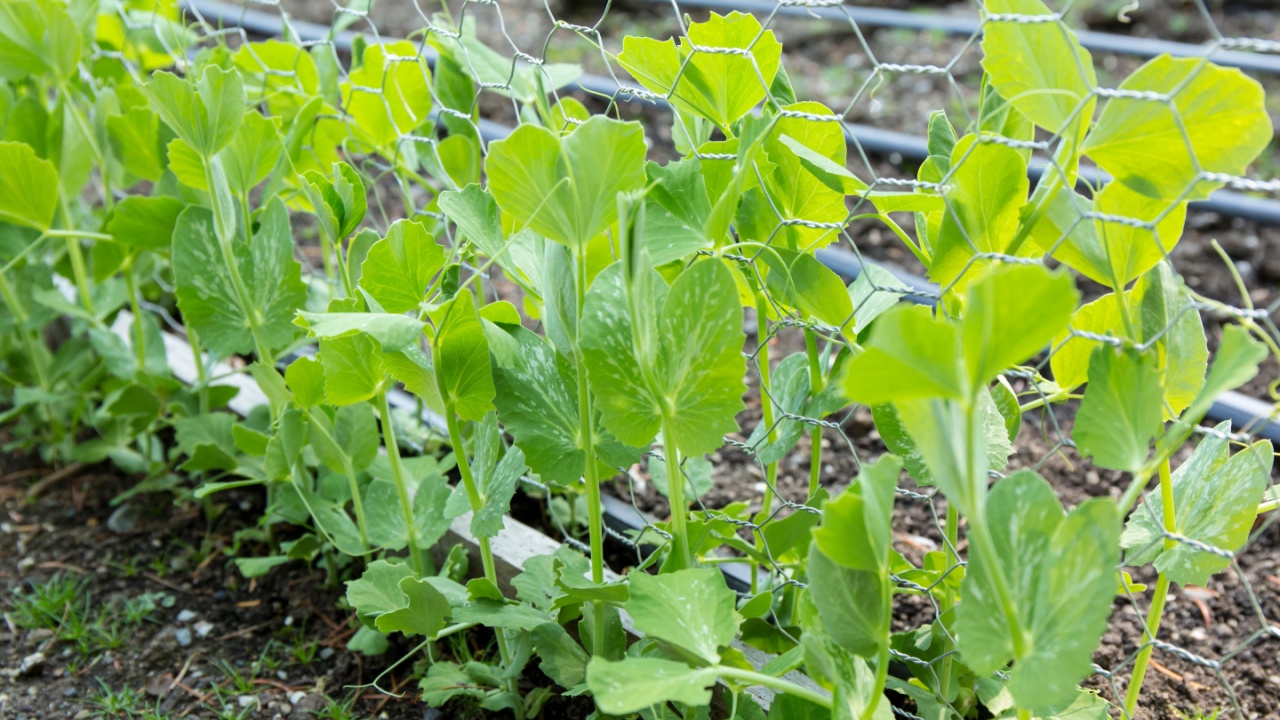
While most vegetables are takers, pulling nitrogen, phosphorus, and potassium out of the soil with every harvest, beans and peas are givers. As legumes, they host nitrogen-fixing rhizobium bacteria in nodules along their roots, enriching the soil rather than depleting it. Better Homes and Gardens notes that adding legumes to your crop rotation is one of the smartest ways to improve soil fertility after growing heavy feeders like tomatoes and potatoes.
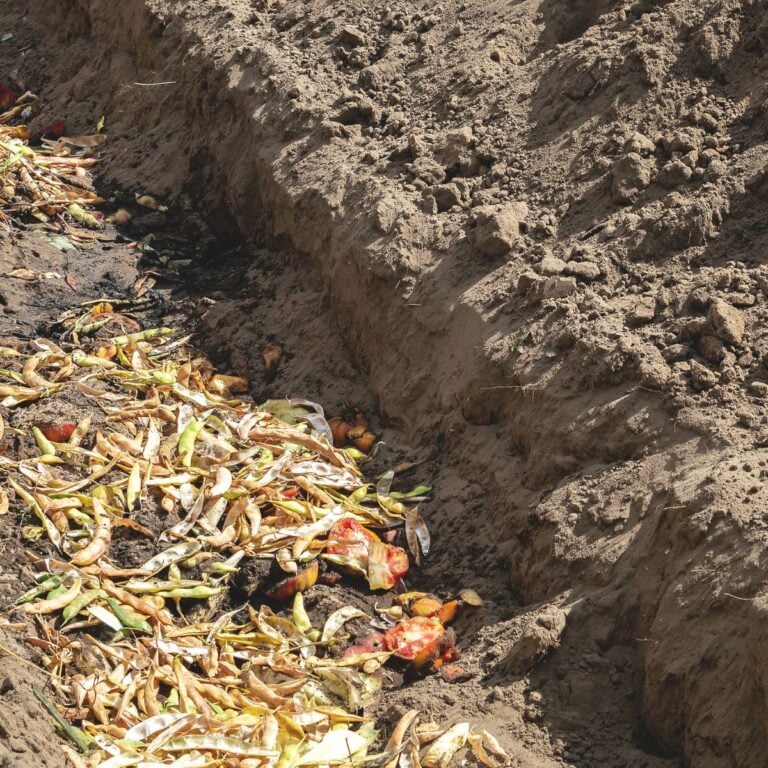
Inoculating bean and pea seeds with a legume inoculant before planting can amplify this effect. This inexpensive powder, available at most garden centers, supercharges the rhizobium activity and dramatically increases how much nitrogen the plants fix. In fall, instead of pulling spent bean plants, work the stems and roots directly into the bed. The decomposing plant matter releases the stored nitrogen back into the soil, where it will be waiting for whatever you plant in spring.
3. Lupines: The Showstopper That Fixes Nitrogen and Breaks Up Clay
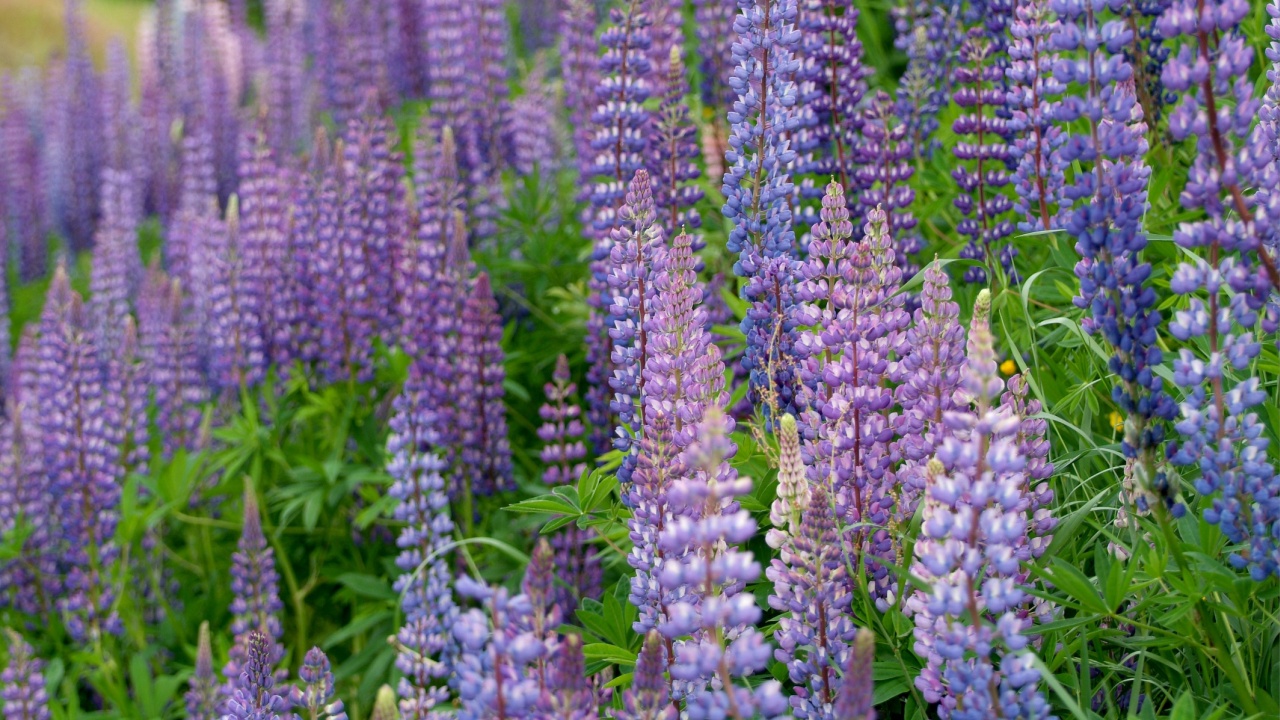
If you’ve ever tried to grow vegetables in hard, compacted clay soil, you know the frustration. Lupines are one of the few ornamental plants willing to tackle that problem directly. Their deep taproots penetrate dense soil, physically breaking it apart and creating the channels that water and air need to move through. As a legume, they also fix nitrogen, improving fertility while they improve structure.
Gardening expert Valeria Nyman of Taim.io describes lupines in Homes & Gardens as “nature’s nitrogen factories” that partner with soil bacteria to make nutrients available to surrounding plants. Wild lupine (*Lupinus perennis*) is the native option for East Coast gardeners and offers the added benefit of supporting local pollinators.
One important note for pet owners: lupines are toxic to dogs and cats if ingested. Plant them in areas your animals don’t access, or choose a different nitrogen-fixer if you have curious pets.
4. Alfalfa: The Underrated Cover Crop Nursery Pros Swear By

Most gardeners have never considered growing alfalfa in their home vegetable garden, and that’s exactly what makes it one of the best-kept secrets among experienced growers. Alfalfa has a near-perfect carbon-to-nitrogen ratio of 24:1 for promoting healthy soil microbial populations, and its deep, sponge-like roots aerate the soil while reducing water leaching, meaning the soil stays moist and productive with less supplemental watering.
What puts alfalfa in a class of its own is its dual role: it fixes nitrogen through root nodules while its dense growth prevents soil erosion and encourages carbon sequestration. A Pacific Northwest study referenced by SARE found that alfalfa can supply 80 to 100 percent of a subsequent potato crop’s entire nitrogen requirement, meaning gardeners who rotate alfalfa into their beds may be able to eliminate their nitrogen fertilizer budget entirely. Harvest only the above-ground portion to keep those valuable roots in the soil, working all season.
5. Marigolds: The Nematode Killer Your Tomatoes Desperately Need
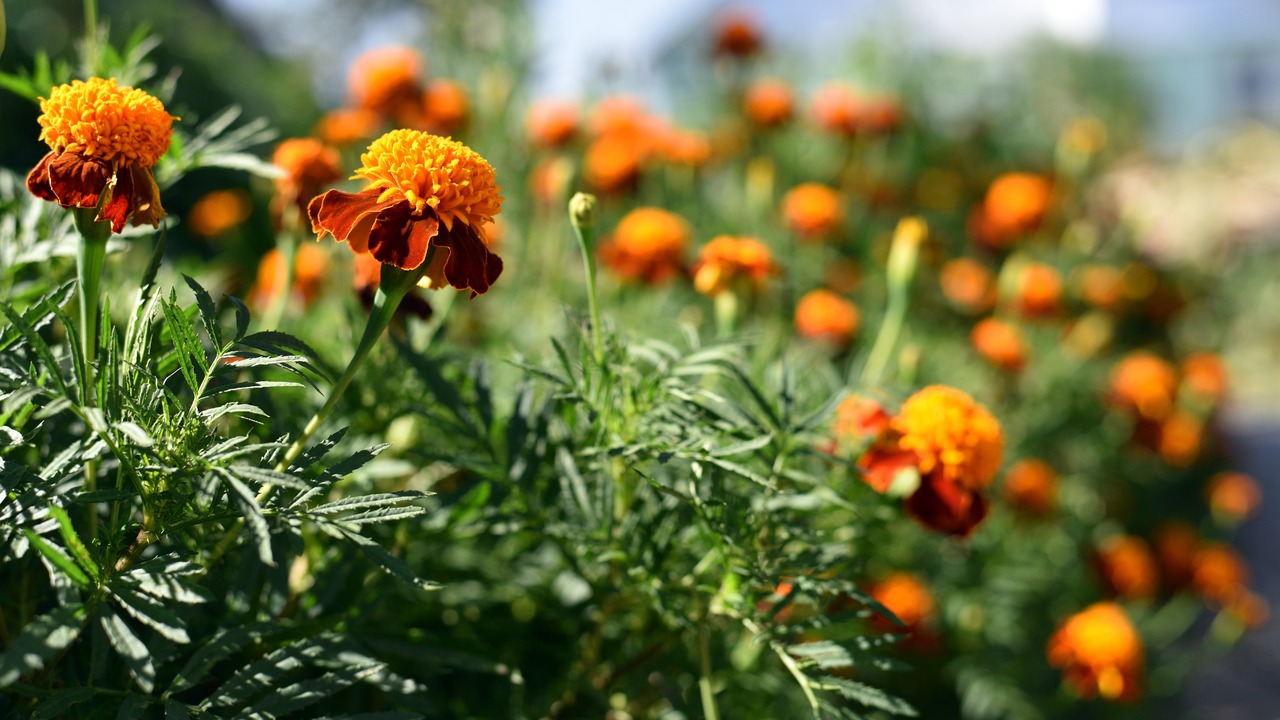
Marigolds are one companion plant almost every gardener has heard of, but most are using incorrectly.
Planting a few marigolds as a pretty border around your tomatoes is decorative. Planting French marigolds (*Tagetes patula*) as a dense cover crop for two to four months before your tomatoes go in is a proven pest-control strategy with real science behind it.
Marigold roots secrete a compound called alpha-terthienyl directly into the surrounding soil. According to research published in the journal Biology Open and summarized by the University of Florida Extension program, this compound penetrates the outer skin of root-knot nematodes — the microscopic soil pests that cause stunted growth and root damage in tomatoes, peppers, and carrots — and triggers oxidative stress inside their cells, killing them within 24 hours. The University of Florida Extension documents marigolds suppressing 14 genera of plant-parasitic nematodes. The key is timing: marigolds must grow as a standing crop for at least two months in the exact spot where you’ll plant vegetables. The effect is lost once they’re cut down and dug in.
One more note for households with pets: Marigolds are considered mildly toxic to dogs and cats, so keep curious animals away from fresh plants and cuttings.
6. Comfrey: The Deep-Root Powerhouse (Plant It Carefully; It’s Forever)
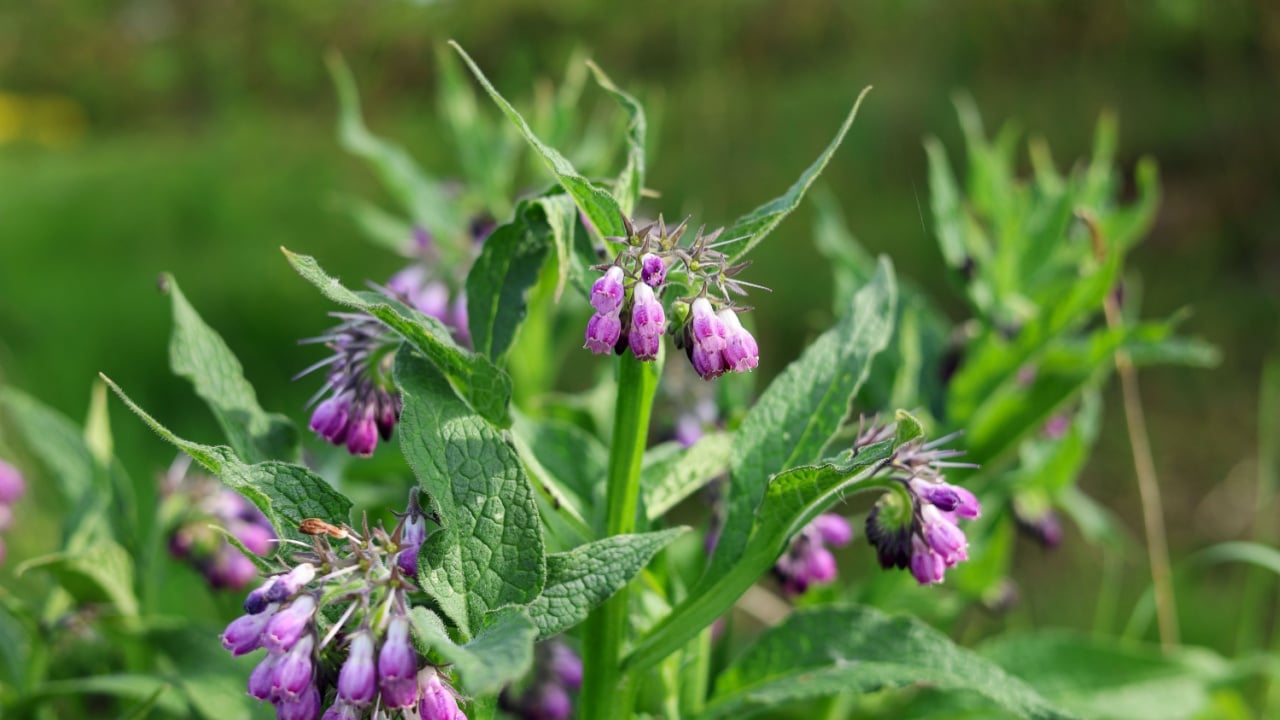
Comfrey has been called a “slow-motion fountain” of nutrients, and the description is apt. Its taproot can reach several feet underground, drawing up potassium, calcium, and phosphorus from soil layers that other plants can’t access. Cut the leaves and let them decompose in place via a technique called “chop and drop”, and those nutrients are deposited directly into the topsoil where your vegetables will use them. Cornell Small Farms program research, conducted at Unadilla Community Farm over two years, confirmed that Russian comfrey (*Symphytum peregrinum*) is a genuine dynamic accumulator of potassium and silicon, even in poor soil conditions.
Comfrey is also a pollinator magnet, and its fast-decomposing leaves make an excellent compost accelerator.
However, plant comfrey with caution: it is notoriously difficult to remove once established, spreading through even small root fragments left in the soil. Plant it in a dedicated spot with clear boundaries, and don’t locate it anywhere you might want to change later.
7. Daikon Radish: Nature’s Rototiller for Compacted Soil
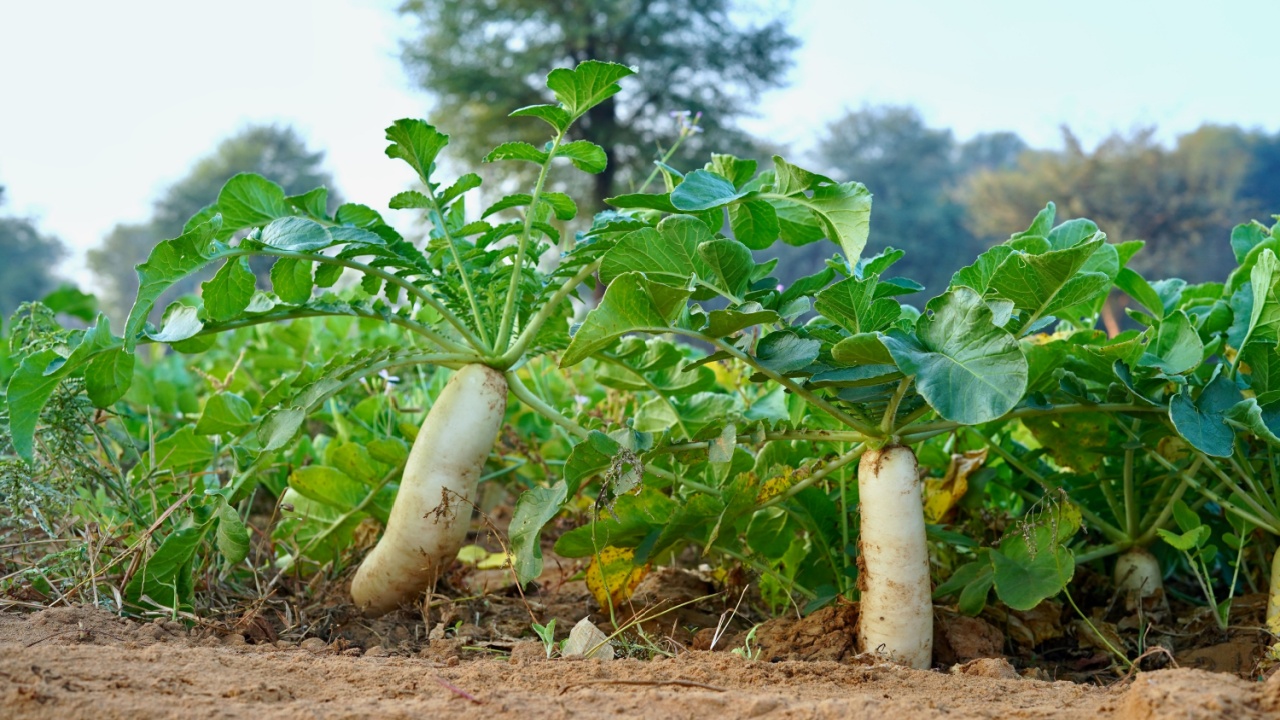
If your garden soil is so compacted that a shovel bounces off it, daikon radish is the plant to reach for before you reach for a machine.
Developed specifically as a cover crop, daikon’s taproot can drill down up to six feet, fracturing dense soil layers and creating channels for water infiltration and future root growth. The University of Arkansas Cooperative Extension describes the tillage radish as a tool for increasing soil aeration, water infiltration, and rooting depth opportunities for successive crops.
Unlike mechanical tilling, which disrupts the soil microbiome and accelerates erosion, daikon’s biodrilling action improves structure without the damage. Sow daikon radish seeds four to ten weeks before your first expected frost in the fall. By spring, the roots will have decomposed, leaving behind aerated, enriched soil ready for planting. It is one of the most effective low-cost soil improvement strategies available, with seed packets typically costing just a few dollars for enough to cover a large garden bed.
8. Sunflowers: The Heavy-Metal Cleaner That Beautifies While It Works
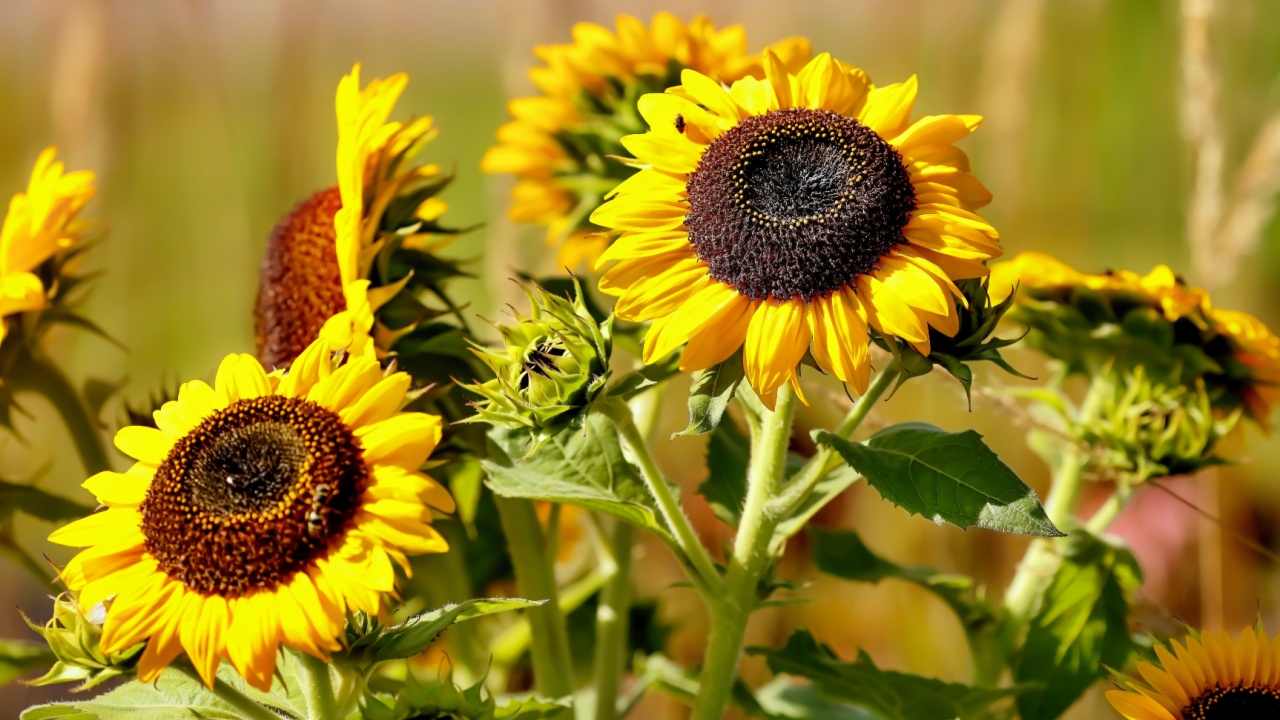
Sunflowers do two things most people don’t expect from a cheerful, towering flower: they drill their extensive root systems deep into the soil, creating channels for water and air, and they actively absorb heavy metals, including lead, cadmium, copper, and zinc, from contaminated ground. This process, called phytoremediation, has been studied extensively in scientific literature, including research published in the journal Annals of Agricultural Science, which confirmed sunflowers’ effectiveness at extracting lead and cadmium from polluted soils.
For home gardeners, this matters most if you’re working with older urban soils that may carry residual contamination from decades of vehicle traffic, old paint, or industrial activity. Note that the heavy metals absorbed by sunflowers are stored in the plant’s tissues, which means you should not compost sunflowers grown for phytoremediation. Remove and bag the entire plant. For gardeners working with clean soil, sunflowers still earn their place as soil improvers through their deep root channels and the organic matter their decomposing stems and roots add to the soil each season.
9. Stinging Nettle and Dandelion: The Two ‘Weeds’ That Deserve to Stay

Old farmers and kitchen gardeners have known for generations that dandelions and stinging nettles belong in the garden, not in the compost. Both are dynamic accumulators, which are plants that mine nutrients from deep in the soil and store them in their leaves. When those leaves decompose, the nutrients are deposited into the topsoil where shallow-rooted plants can access them. Cornell Small Farms researchers confirmed that stinging nettle accumulates significant concentrations of calcium, producing calcium-rich liquid fertilizer and nutrient-dense mulch. Dandelion’s deep taproot mines calcium and iron from lower soil layers.
Stinging nettle planted near a compost pile accelerates decomposition and improves the nutrient content of the finished compost. Dandelion, left to grow in a designated corner of the garden rather than throughout the lawn, quietly feeds the surrounding soil all season. Both can be harvested for use as a liquid fertilizer: steep leaves in water for a week or two, dilute heavily, and apply to vegetable plants for a free nutrient boost that experienced gardeners have been using for well over a century. This is old wisdom that deserves a modern revival.
Small Choices Now, Better Soil for Years

Healthy soil doesn’t happen overnight, but it also doesn’t require expensive intervention.
The plants listed here are doing quiet, continuous work underground by building structure, fixing nutrients, breaking up compaction, and killing pests, while your garden looks more beautiful above the surface. The gardeners who never buy fertilizer aren’t lucky; they’ve just figured out which plants to grow first.
This year, skip the fertilizer aisle and spend that money on a packet of daikon radish seeds, a flat of French marigolds, or a clover cover crop mix instead. Your soil will repay you with compound interest.
Read more:
7 perennial planting mistakes to stop making right now
How to Grow Zucchini Vertically: 7 Steps That Save Space and Double Your Harvest