The Summer Lawn Mistake Most Homeowners Make That Costs Them Hundreds Every Year
Every summer, millions of homeowners dump bag after bag of fertilizer onto their lawns, run their sprinklers faithfully, and still watch the grass turn brown. The secret most of them never learn is that their soil pH is off, which means the nutrients are being chemically locked out of the grass roots before they ever have a chance to work.
pH is the silent villain behind more struggling summer lawns than any pest, any drought, or any mowing mistake. When soil pH falls below 6.0 or rises above 7.0, grass roots lose their ability to absorb nutrients already present in the soil. Homeowners spend hundreds of dollars on products that are essentially going to waste, season after season, never knowing why the results don’t come. A basic soil test from your local cooperative extension office, which typically costs $15 or less, would identify the problem in about two weeks. Yet most homeowners have never done one.
June is the critical window for setting your lawn up to succeed through the heat of summer. The steps you take right now determine whether July feels like a victory lap or a damage-control mission. Cool-season lawns are preparing to slow down under summer stress; warm-season lawns are about to hit their most aggressive growth phase. Acting before temperatures peak is how you stay ahead of the curve rather than chasing it.
The following eight steps represent what turf scientists, extension specialists, and experienced lawn professionals know to be the highest-leverage moves for a beautiful summer lawn.
Step 1: Know Your Grass Type Before You Do Anything Else

Every care decision downstream depends on this one, and it is more frequently skipped than any other. According to Clint Waltz, Ph.D., in House Beautiful, turfgrass scientist at the University of Georgia, identifying your grass type is the essential foundation of any lawn care plan, because warm-season and cool-season grasses have nearly opposite needs.
Warm-season grasses, including Bermuda, Zoysia, Centipede, St. Augustine, and Bahia, thrive during the hottest months and are most common in Southern regions. They are at their peak in summer, actively spreading and healing bare spots on their own. Cool-season grasses, including Kentucky bluegrass, tall fescue, and ryegrass, grow most vigorously in spring and fall and naturally slow down under summer heat. Treating a cool-season lawn like a warm-season one is one of the fastest ways to burn it out.
If you are not certain which type you have, your local university cooperative extension service can identify it for free.
Step 2: Rake, Dethatch, and Clear the Canvas
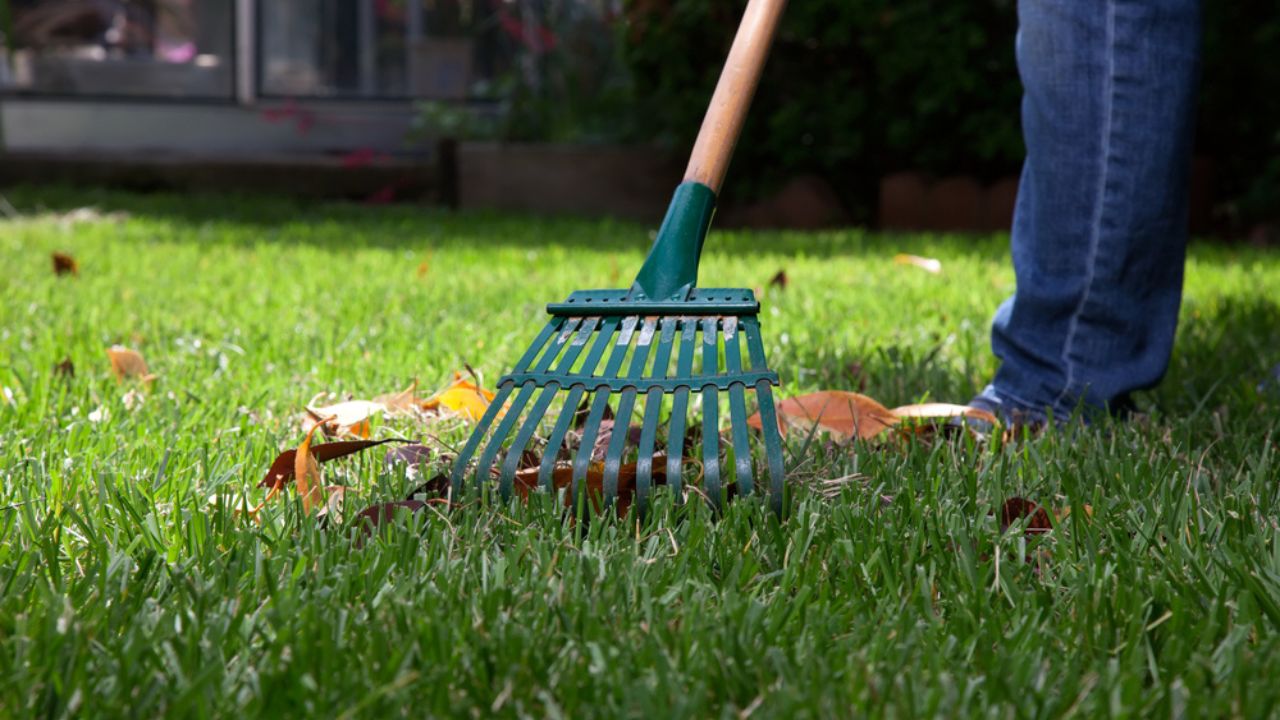
Before any treatment, amendment, or seed can work, your lawn needs a clean surface. Thatch, the layer of decomposing organic matter that sits between the grass blades and the soil, is beneficial in small quantities. But when it accumulates beyond half an inch, it begins to block sunlight and prevent water from reaching the grass roots.
Grass Seed USA, writing for National Lawn Care Month in Total Landscape Care, recommends raking as the first step in any lawn preparation sequence: it removes dead grass and leftover debris, controls thatch, and reveals bare or thin patches that need attention before summer foot traffic makes them worse. Run a rake in firm, overlapping passes. If you find significant buildup, a dethatching rake or a power dethatcher, available as a rental for around $40 to $60 per day, will clear it more thoroughly.
Step 3: Test Your Soil (Don’t Skip This Step!)
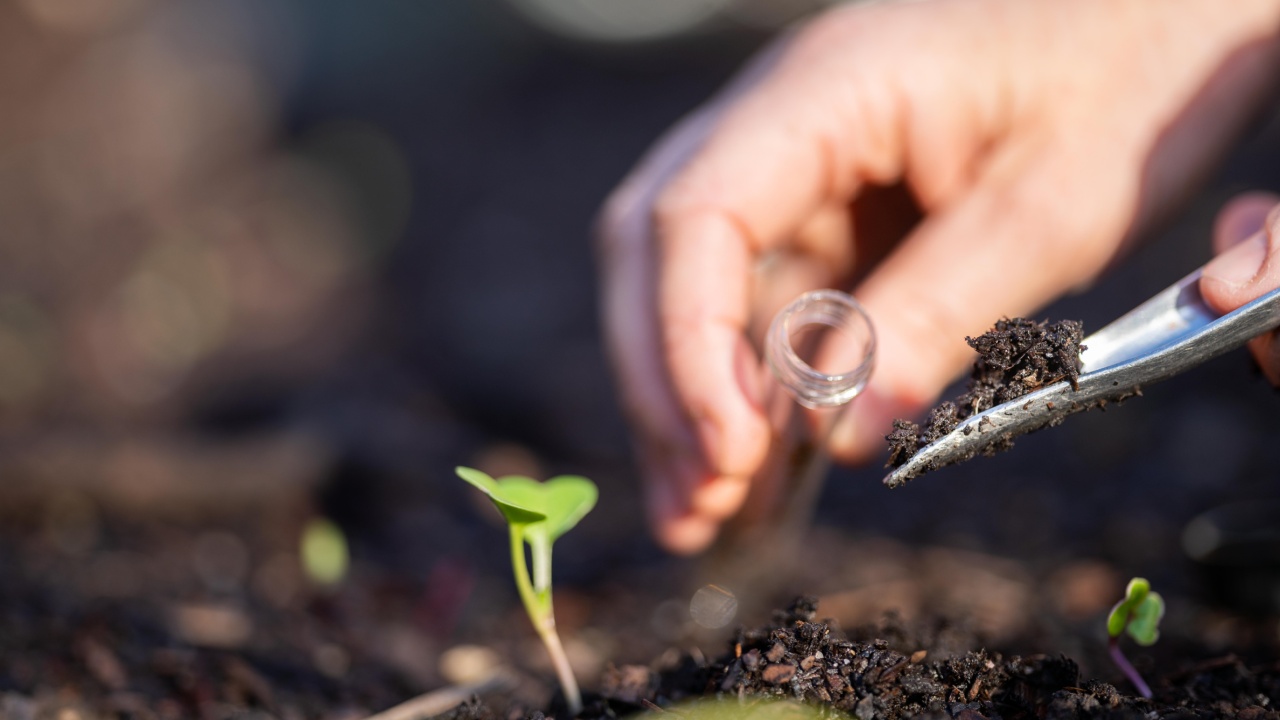
Here is the step that the gardeners with the most resilient, beautiful lawns all quietly have in common: they know their soil pH.
Most turfgrasses thrive in a soil pH range of 6.0 to 7.0, according to Purdue University Extension turfgrass specialists Zac Reicher and Clark Throssell. When pH drops below that range, essential nutrients like phosphorus become chemically unavailable, no matter how much fertilizer you apply. Aluminum and manganese begin to reach toxic levels in the root zone. When pH climbs too high, iron becomes insoluble, causing grass to yellow even on an otherwise healthy-looking lawn. Even if the nutrients are there, the grass simply cannot access them.
A soil test from your local cooperative extension office costs as little as $10 to $20 and returns actionable results within two weeks. University of Minnesota Extension recommends testing every three to five years. If the results reveal acidity, lime corrects it. If they reveal excess alkalinity, sulfur brings it down. These are inexpensive, widely available amendments.
The old-timers who kept the most remarkable lawns on the block were running soil tests long before it was fashionable. Their secret wasn’t a premium fertilizer; it was chemistry they actually understood.
Step 4: Aerate to Break Up Compaction
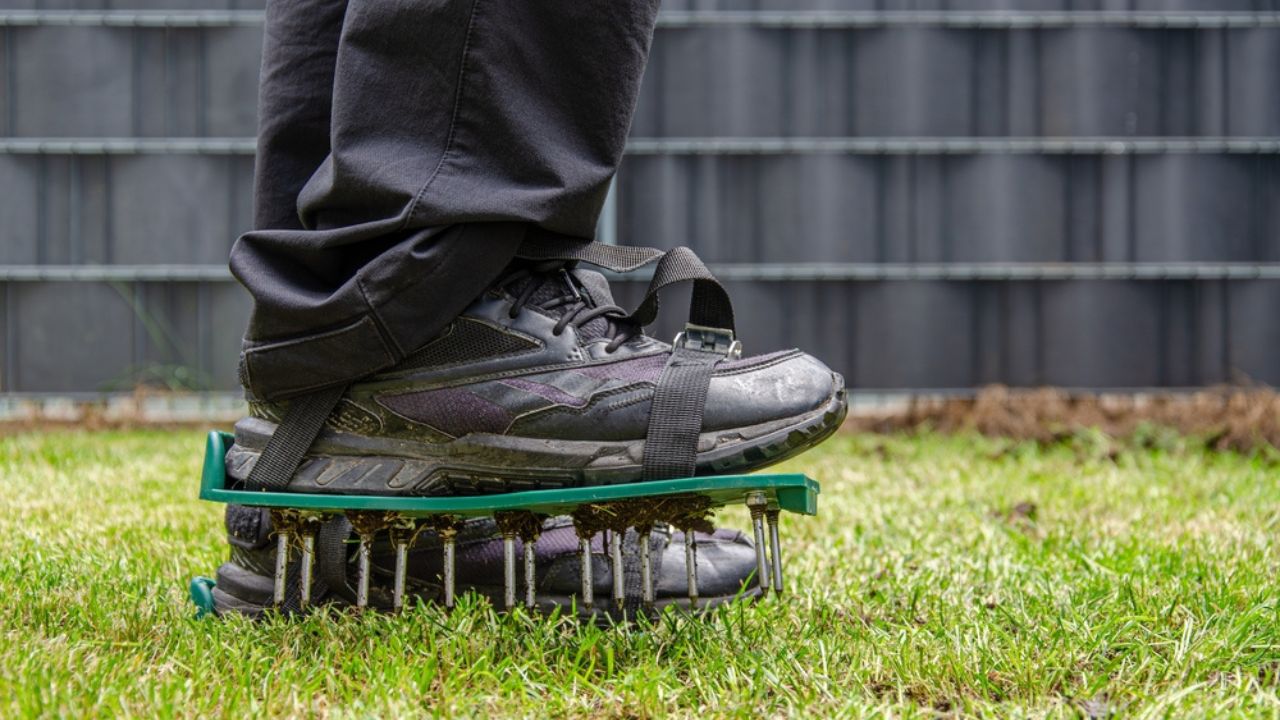
Soil compaction is one of the most common hidden causes of summer lawn failure, according to Purdue University Extension. Heavy foot traffic from children, pets, and repeated mowing passes compresses soil over time, reducing the pore space that roots need to access oxygen, water, and nutrients.
Core aeration, which uses hollow tines to pull small plugs of soil from the ground, opens that space back up and dramatically improves water penetration and root depth. Timing is critical: warm-season grasses should be aerated in late spring to early summer when they are actively growing; cool-season grasses are best aerated in fall. Aerating a cool-season lawn in summer stress can worsen the problem rather than solve it.
Rental core aerators are available at most major home improvement stores for $60 to $80 per day, making this an accessible DIY task. High-traffic areas, like the path from the back door to the patio or the zone beneath a backyard swing set, may benefit from annual attention.
Step 5: Mow High, Mow Sharp, and Never Scalp

The single most widespread summer lawn mistake, according to lawn professionals from coast to coast, is cutting grass too short. It feels intuitive: mow shorter so you mow less often. But the results are the opposite of what homeowners expect.
The Ohio State University Extension identifies the one-third rule as a cornerstone of proper lawn management: never remove more than one-third of the grass blade in a single mowing session. When you cut deeper than that, the grass plant diverts energy away from root growth toward replacing lost leaf surface, leaving it shallow-rooted, heat-vulnerable, and exposed. Summer mowing height should stay at 3 to 4 inches for most grass varieties. That extra height shades the soil surface, slows moisture evaporation, and physically blocks weed seeds from getting the sunlight they need to germinate.
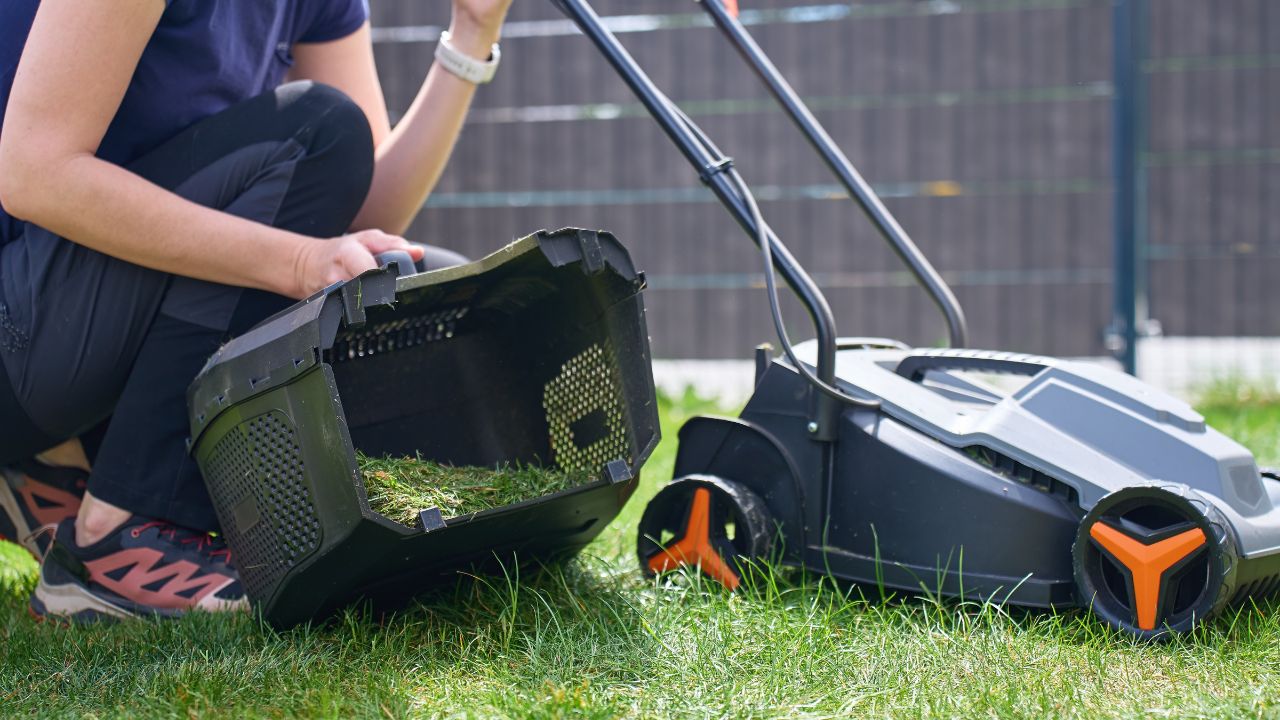
Blade sharpness matters as much as height. A dull mower blade tears grass rather than cutting it cleanly, producing brown frayed tips that serve as entry points for disease. Lawn Doctor notes that sharpening your blade twice per season produces a visibly healthier cut. And whenever possible, mow in the early morning or evening, not during the midday heat. Michigan State University Extension has documented “heat tracking,” the visible damage that occurs when a mower passes over heat-stressed turf at its wilting point, leaving stripes that look as though weed killer was applied to the tires.
Step 6: Water Deeply, Early, and Less Often Than You Think

Watering your lawn every day actually weakens it. Frequent, shallow watering trains grass roots to stay close to the surface, where they become vulnerable to the first dry stretch of summer.
The goal is deep, infrequent watering. Lawns need approximately 1 to 1.5 inches of water per week, from rainfall or irrigation combined. Delivering that in one or two longer sessions per week, rather than daily sprinkling, encourages roots to grow downward in search of moisture, building the drought resilience they need for July and August.
Purdue University Extension identifies the ideal watering window as 4:00 to 8:00 a.m., when water pressure is highest, wind is calmest, and evaporation is negligible. University of Florida IFAS Extension confirms that watering in late afternoon or evening extends the time grass blades stay wet, accelerating disease occurrence.
A practical depth check: push a screwdriver 6 to 8 inches into the soil after watering. If it slides in without effort, the water is penetrating deeply enough. If it resists, you need to water longer. For coverage measurement, set empty tuna cans in several spots around your lawn and let the sprinkler run until they contain about an inch of water. This no-cost method tells you both how much you are delivering and whether your coverage is even.
Step 7: Fertilize at the Right Time for Your Grass Type
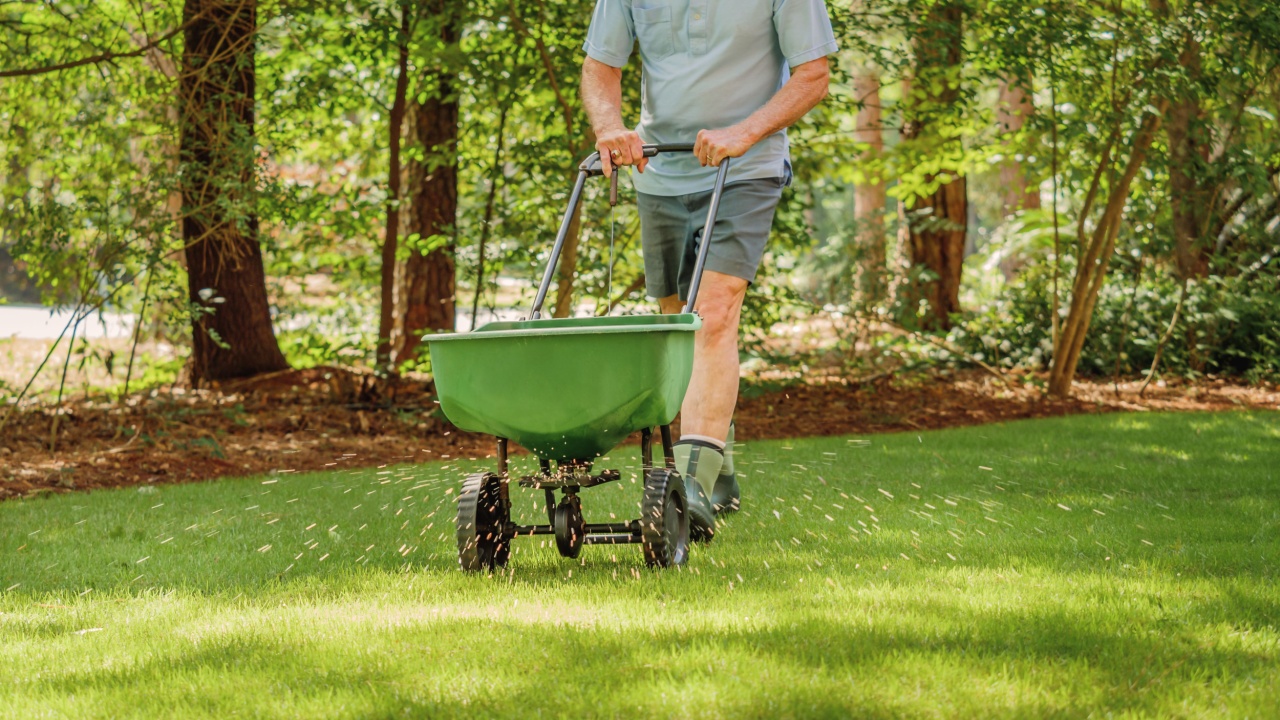
The fertilizer timing mistake that costs homeowners the most money is this: applying a nitrogen-heavy fertilizer to a cool-season lawn in the heat of summer, when that grass naturally wants to slow down and conserve energy. The result is a forced flush of growth that the plant cannot sustain, followed by heat stress, burn, and an even weaker lawn.
For warm-season grasses, summer is peak fertilization time. A slow-release nitrogen fertilizer applied during active growth fuels the spreading, self-healing behavior that makes these grasses so resilient. For cool-season grasses, scale back nitrogen applications in summer and prioritize fall feeding instead. When you do fertilize in warmer months, slow-release formulas are essential; they nourish the lawn gradually without risking burn on already-stressed turf.
One more move that saves money and lawn health simultaneously: stop bagging your grass clippings. Research indicates that grass clippings contain roughly 58% of the nitrogen added through fertilizer. Leaving them on the lawn, a practice called grasscycling, returns that nitrogen to the soil for free, reducing fertilizer needs and improving organic matter.
Step 8: Watch for Pests Before They Take Over

A brown summer patch in the lawn could mean several very different things: a grub infestation beneath the soil surface, a fungal disease like brown patch, heat stress, or drought. Each requires a different response, and applying a broad-spectrum pesticide or fungicide without proper identification wastes money and harms the beneficial organisms in your soil.
Examine the affected area closely before reaching for a product. Grub damage typically shows as spongy turf that pulls up easily, like a loose carpet, often accompanied by increased bird activity as they forage for insects below. Fungal disease often presents in rings, circles, or distinct patterns. Heat stress shows as general wilting and a blue-gray color shift across the lawn. According to This Old House, routine inspection of your lawn for brown patches, wilting blades, and small holes or mounds is an essential summer practice, and one that most homeowners only start doing after a problem has already escalated.
If you apply pest control products, be aware that many are harmful to dogs and cats who walk on treated turf. Always read label drying times before allowing pets back onto the lawn, and keep children off treated areas until the product has fully dried and watered in.
The Lawn Your Neighbors Envy Is Closer Than You Think

The homeowners with the most beautiful summer lawns are not spending more time or more money than everyone else. They are spending it on the right things, in the right order. A soil test that reveals a pH problem fixes what years of fertilizer never could. Raising the mower deck two notches protects against heat stress more reliably than any spray. Watering early in the morning instead of at night is a change that costs nothing and delivers immediate results.
The perfect summer lawn is not a matter of luck or an ideal climate. It is a sequence of small, well-timed decisions that compound across the season. Start now, and by the time August arrives, you will have the kind of lawn that makes people slow down when they drive past.
Read more:
Is Your House A Wildfire Target? 7 Things That Increase Your Risk At Home
Is The Heat To Blame for Your Struggling Vegetable Garden This Summer? Stop Making These 7 Mistakes