Don’t Let One Cold Night Wipe Out Your Entire Garden (How to Protect Your Plants from Late Spring Frosts)
Most gardeners have lived this nightmare: weeks of careful seed-starting, hardening off, and finally getting transplants into the ground, only to walk outside one May morning and find every tender plant blackened and limp from an overnight frost nobody saw coming.
Late spring frosts are not rare accidents. They are a predictable threat that most gardeners underestimate, season after season. Frost dates printed on seed packets and garden calendars represent averages based on historical data, not guarantees. According to the Old Farmer’s Almanac, even when air temperatures hover as high as 38°F, ground-level frost can still form on clear, calm nights. That four-degree gap has killed more tomato seedlings than any disease or pest.
The financial and emotional cost is real. Replacing a flat of tomatoes or peppers after a single overnight freeze can easily run $30 to $80 at the nursery, and that doesn’t account for the weeks of the growing season already lost. For gardeners who rely on their vegetable beds to offset grocery costs, a late frost isn’t just frustrating; it hits the budget directly. The good news is that protecting your garden from late spring frosts costs almost nothing if you know what to do before temperatures drop.
Below are the seven most reliable strategies for how to protect your garden from late spring frosts, backed by horticultural experts and extension services, so you can stop losing plants to an entirely preventable threat.
1. Know Your Real Frost Risk: the Date on the Packet Isn’t the Whole Story
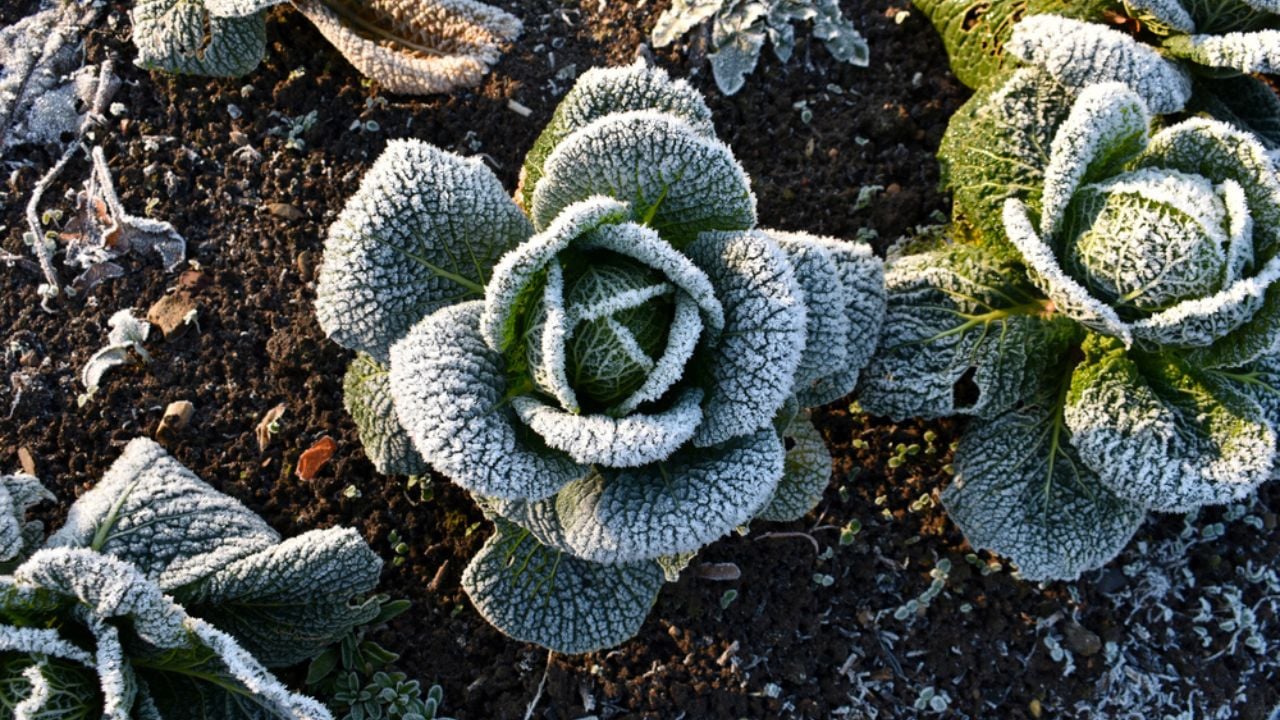
The biggest mistake home gardeners make in spring is treating the average last frost date as a finish line. It isn’t.
As the Old Farmer’s Almanac explains, frost dates are calculated on historical averages with a 30% probability of frost, meaning even after that date passes, there is still a real chance of a damaging overnight low. Microclimates within your own yard can make the situation worse: low-lying areas and north-facing beds can run several degrees colder than the surrounding garden, creating frost pockets that hit vulnerable plants even when your neighbor’s raised beds come through unscathed.
The smartest habit is to watch your 10-day forecast religiously through the end of spring, especially during any stretch of warm days followed by clear nights. As Nature Hills Nursery advises, increasingly frequent weather swings across the U.S. mean that even areas historically considered frost-free may still experience cold snaps well into May and June.
Don’t plant out warm-season crops based on calendar dates alone.
2. Water Your Garden Deeply the Day Before a Frost
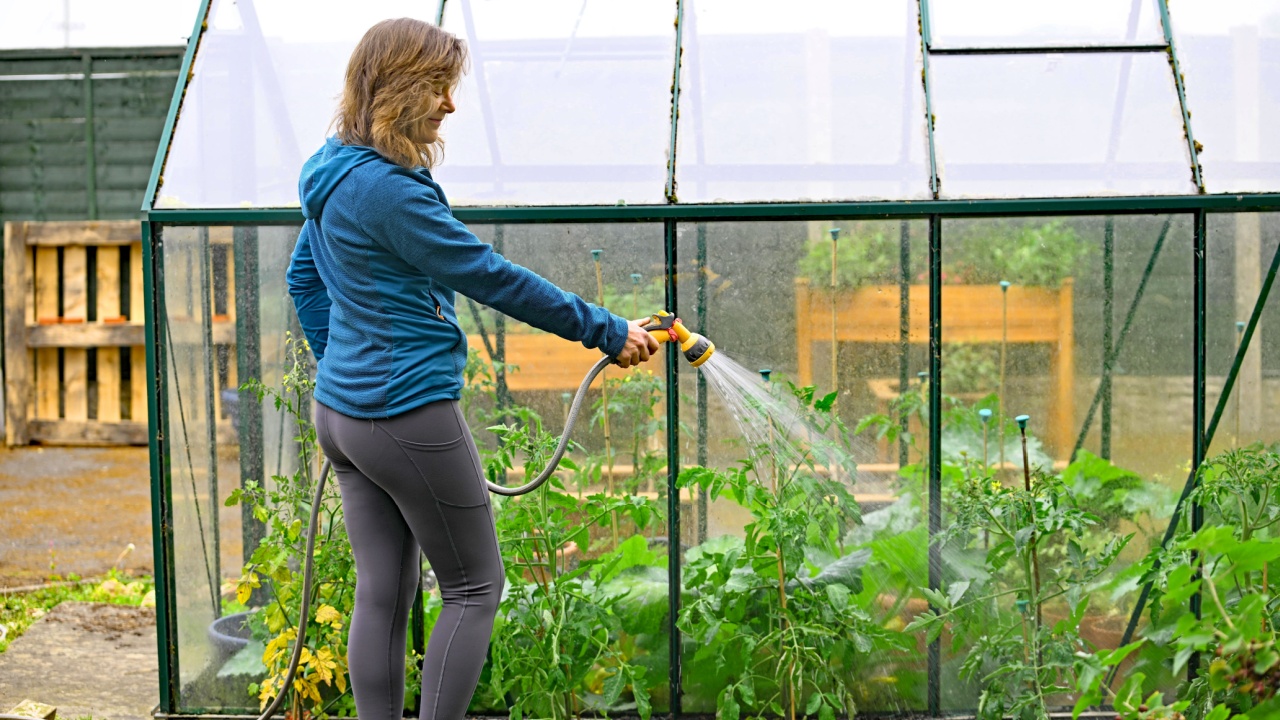
This is the counterintuitive move that experienced gardeners swear by, and beginners almost always skip. Watering your garden thoroughly the afternoon before an expected frost can genuinely save your plants, and the science is solid.
According to the Old Farmer’s Almanac, moist soil holds up to four times more heat than dry soil and can keep the air around ground-level plants as much as 5°F warmer through the night. Michigan State University Extension confirms the same principle: clean, moist, and packed soil surfaces absorb more radiant energy during the day and release that heat slowly after dark, acting as a natural overnight heater for the root zone.
Water deeply in the afternoon, so the soil has time to soak it in before temperatures drop. Avoid watering foliage directly, since wet leaves lose heat faster than dry ones. This one step, combined with covering plants, can push your protection from marginal to effective on nights that dip to just 29 or 30°F.
3. Cover Plants Before Sunset, Not After Dark

Timing matters more than most gardeners realize. According to HGTV‘s gardening guide, covers need to go on before dusk because the soil begins releasing stored heat the moment the sun sets. If you wait until you can see frost forming, the warmth you need to trap is already gone.
For fabric covers, like old bedsheets, bath towels, tablecloths, or frost blankets, drape them all the way to the ground and secure the edges with rocks or bricks to seal in warmth. Use stakes or wire hoops to keep the fabric off the foliage; direct contact transfers cold to whatever it touches. Remove covers the following morning once temperatures have risen above freezing, so plants can get sunlight and air circulation.
One important warning from the Pioneer Woman‘s gardening team: never lay plastic sheeting directly on foliage. Plastic touching leaves causes freeze damage at the contact point even when air temperatures are only slightly below freezing. Fabric breathes; plastic does not.
The one exception is old-fashioned incandescent Christmas lights: hung beneath a fabric cover, they generate enough gentle heat to push a borderline night safely above the damage threshold for most tender plants.
4. Use 5-Gallon Buckets and Inverted Pots for Individual Plants
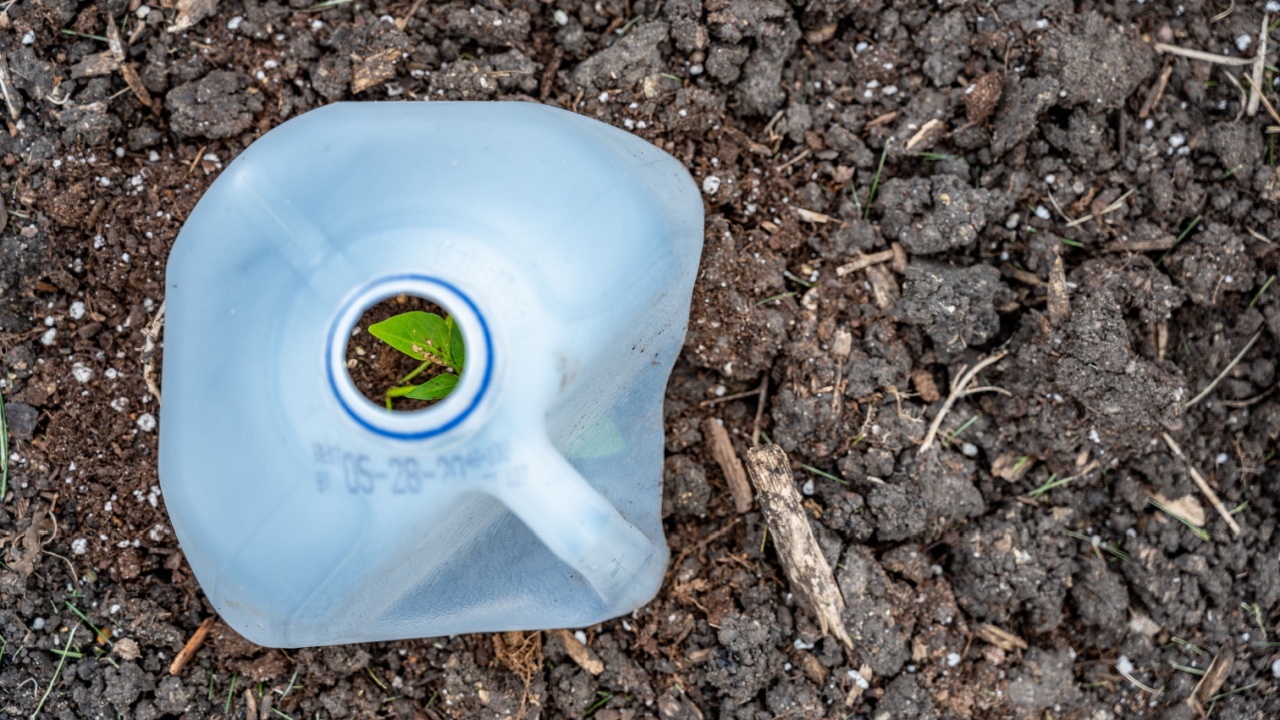
When rain or snow is coming along with the cold, a combination that makes fabric covers a liability, rigid covers are your best tool. A heavy, wet sheet can crush the very plants you’re trying to protect. Instead, flip a 5-gallon bucket upside down over each vulnerable plant, pressing the lip firmly against the soil to seal in warmth.
Colorado gardener and horticulturist Angela from Wild Revival Gardening recommends keeping a dedicated stack of 5-gallon buckets and saved nursery pots on hand each spring for exactly this purpose. The rigid structure protects against snow weight, traps warmth, and can be reused season after season. Cardboard boxes, especially the tall, cylindrical cardboard trash cans sold at home improvement stores, work exceptionally well for peonies and other taller plants. They can be reused for multiple storms as long as you dry them flat between uses.
Hot caps made from plastic gallon jugs work the same way for seedlings: cut off the bottom, place the jug over the plant with the lid on at night, and remove the lid during warm days to ventilate. Cut a slit in the handle to stake it down in the wind.
5. Mulch Your Root Zones Now, Before the Cold Hits
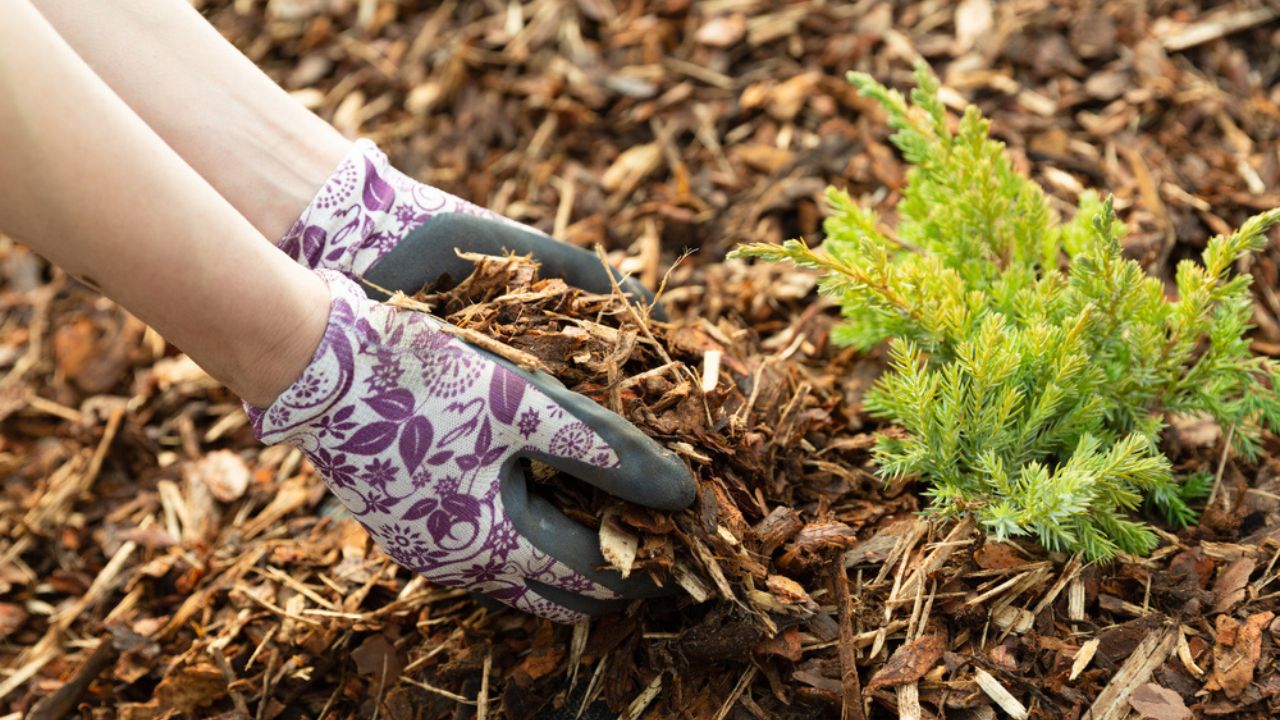
A 2 to 3-inch layer of mulch around the base of your plants does double duty in late spring: it holds soil moisture (which, as we’ve established, holds heat) and stabilizes root zone temperatures through freeze-thaw cycles. According to Iowa State Extension, strawberry plantings protected with straw mulch experience dramatically less flower bud loss during late frosts, with open blooms showing damage at just 30°F, and tight buds surviving temperatures as low as 20°F.
Straw, shredded leaves, and wood chips are all effective. Apply mulch to your most vulnerable beds now, before the next frost event catches you off guard, and leave it in place through the remainder of frost season. It’s one of the easiest and cheapest protective steps you can take, and it improves your soil as it breaks down.
6. Know Which Plants Actually Need Protection, and Which Ones Don’t
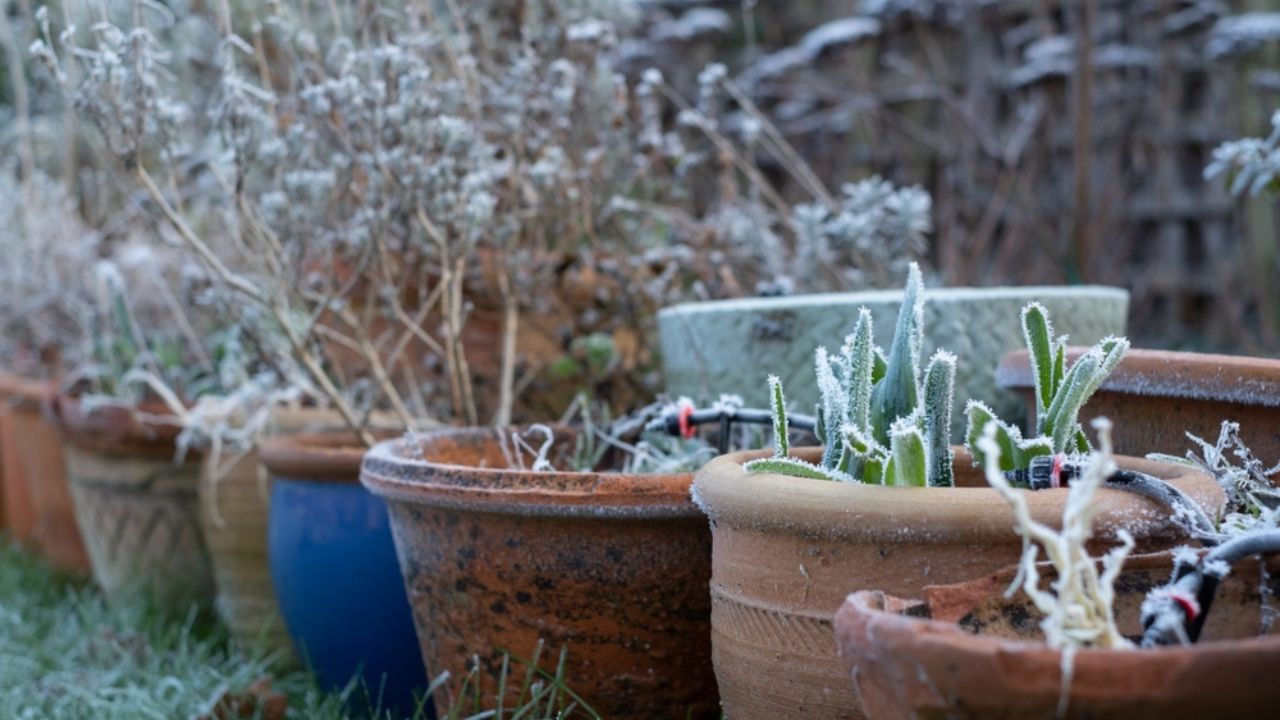
Not every plant in your garden is equally at risk, and spending energy covering hardy plants that don’t need it wastes precious time when a frost is hours away. According to Burpee Gardening horticulture expert Nancy Awot-Traut in the Pioneer Woman, the most frost-vulnerable plants are tender annuals like tomatoes, peppers, and basil; dahlias; peonies currently in bud or bloom; and any seedlings transplanted within the past six weeks.
Basil is particularly sneaky: it can show cold damage at 38°F, before most gardeners even think about covering anything. Peonies in bud are a one-and-done plant: as Wild Revival Gardening notes, if their buds freeze, that season’s bloom is gone, with no second chance. Fruit tree blossoms, once open, sustain damage at just 30°F, and according to Gardening Know How, a temperature of 25°F or lower can reduce a fruit tree harvest by up to 90%.
On the other hand, native plants, established perennials, and cool-season crops like kale, spinach, and cabbage largely shrug off light frosts. Roses may suffer minor tip damage but will rebloom. Focus your protective energy where it counts most.
7. Don’t Write Off Frost-Damaged Plants Too Quickly
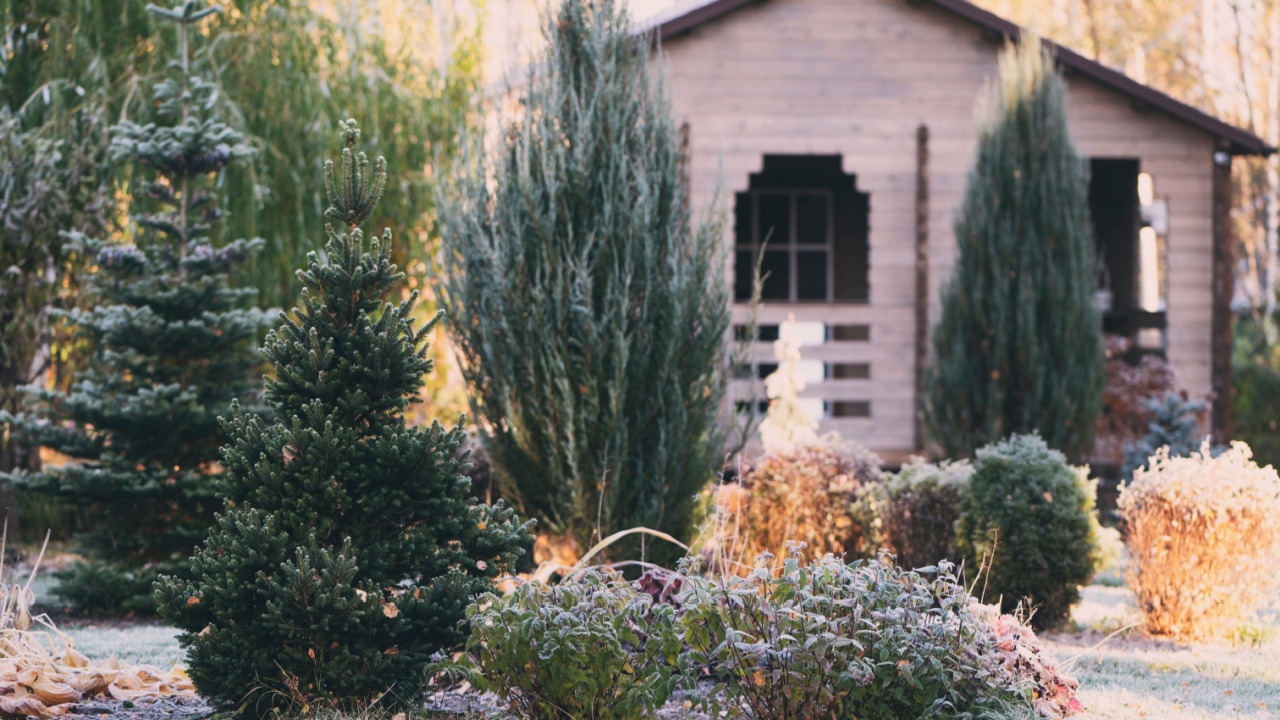
If a cold night slips past your defenses, resist the urge to immediately prune or discard damaged plants. As Epic Gardening‘s horticulture team explains, the dead or wilted leaves on a frost-damaged plant still provide some insulation for healthy tissue below; cutting too soon exposes that new growth to any follow-up frost.
Michigan State University Extension is direct on this point: late frost damage often looks dramatic but is largely aesthetic, and plants typically resume growth quickly. Give plants several days to a week before making any decisions. If the stem is still firm and green at its base, the plant can almost certainly recover. If the stem is mushy and dark all the way through, replacement makes more sense.
For warm-season vegetables like tomatoes and peppers, keep backup seedlings growing indoors right through the end of frost season. A flat of extras is cheap insurance against the kind of loss that sets your whole summer harvest back by weeks.
Read more:
Why wildlife experts are telling people to take down their bird feeders
Plant these 10 companion plants with your tomatoes — and stop planting these 4