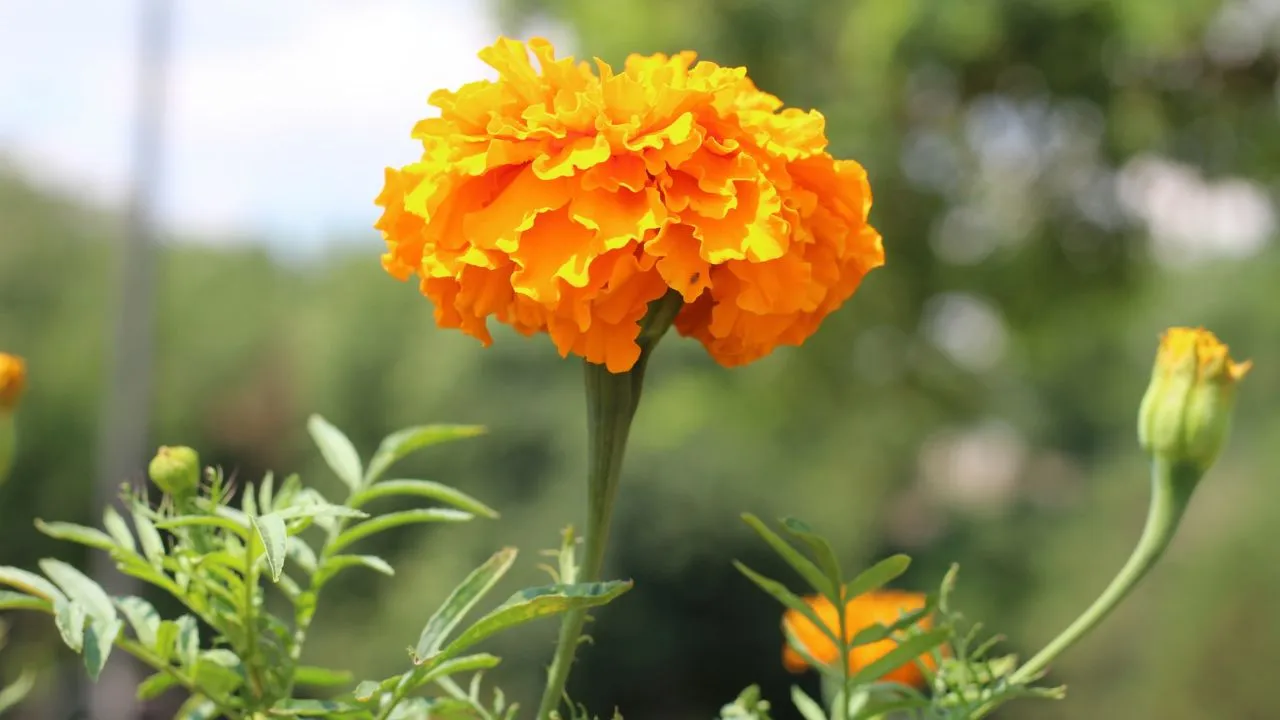
Stop Throwing Away Next Year’s Garden: 8 Flowers That Self Seed If You Leave Them Alone
Most gardeners spend $50 or more every spring replacing annuals they planted the year before. They buy the same flats of flowers, drop them in the same beds, and repeat the cycle without ever realizing it was optional.
What nurseries don’t advertise, and what experienced gardeners quietly rely on, is that a specific group of annuals will plant themselves for you. These plants drop their seeds before the first frost, let winter do its work, and return in spring without ever requiring a second purchase. Planted once, they come back year after year, often in greater numbers than the year before.
The problem is that two of the most common gardening habits are silently sabotaging this process. Aggressive deadheading removes the very seed heads these plants need to regenerate. Thick layers of mulch, though well-intentioned, physically block seeds from reaching the soil. According to research aggregated by Epic Gardening, over 90% of failed self-seeding attempts trace back to one of these two causes; both are entirely avoidable.
Now is the ideal time to plant these eight self-seeders and set the cycle in motion. Do it right this season, and you may never have to buy these varieties again. Here is what to grow, what to stop doing, and exactly how to get free flowers for life.
Stop Buying New Plants Every Spring: How Self-Seeding Annuals Actually Work
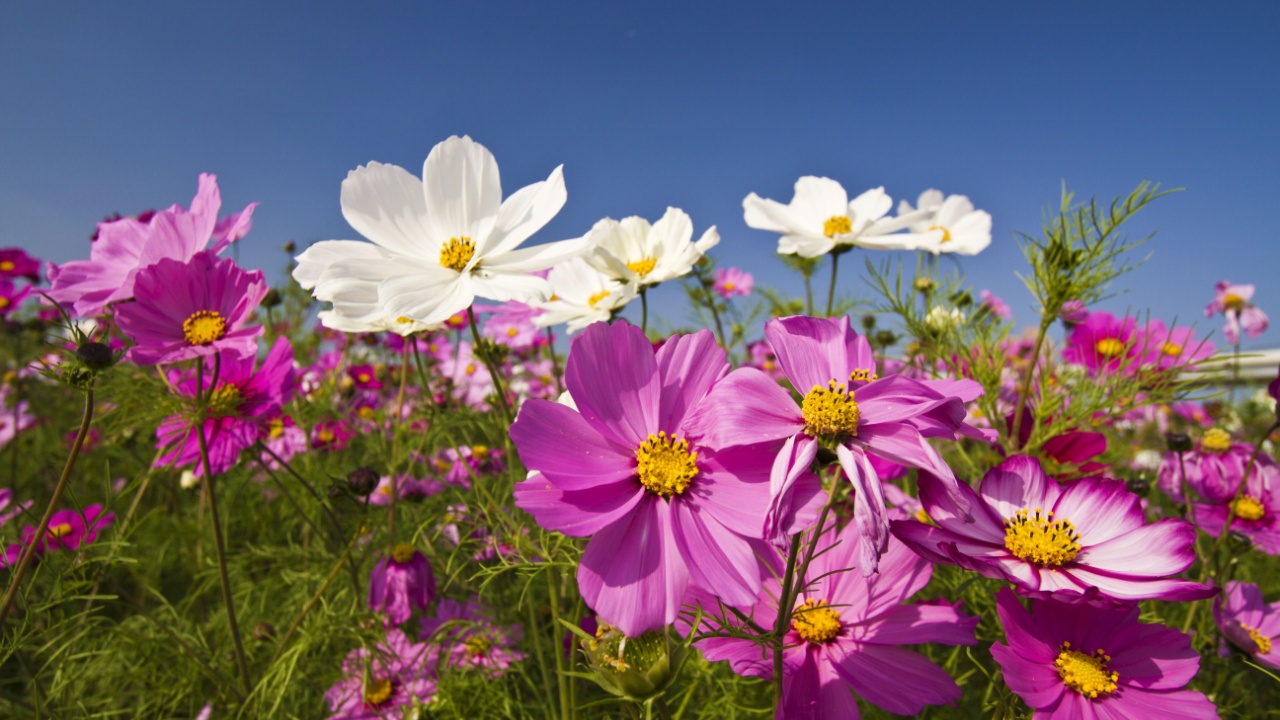
A true annual completes its entire life cycle in one season: it germinates, grows, blooms, sets seed, and dies.
The keyword in that sequence is “sets seed.” Self-seeding annuals produce such an abundance of seeds before they die that their offspring germinate the following spring without any help. The result is a plant that behaves exactly like a perennial — returning year after year — but from seeds rather than roots.
Self-sowing annuals offer a meaningful sustainability benefit beyond just convenience: natural selection over generations produces seedlings that are genetically adapted to the specific microclimate of your garden, resulting in hardier, lower-water plants each successive year.
Open-pollinated and heirloom varieties are essential for this to work. Hybrid seeds often do not breed true, meaning the plants that sprout from dropped seeds may look nothing like the parent plant. When purchasing seeds for any of the varieties below, look for “open-pollinated” or “heirloom” on the label.
1. Calendula: The One Packet You Will Ever Need to Buy
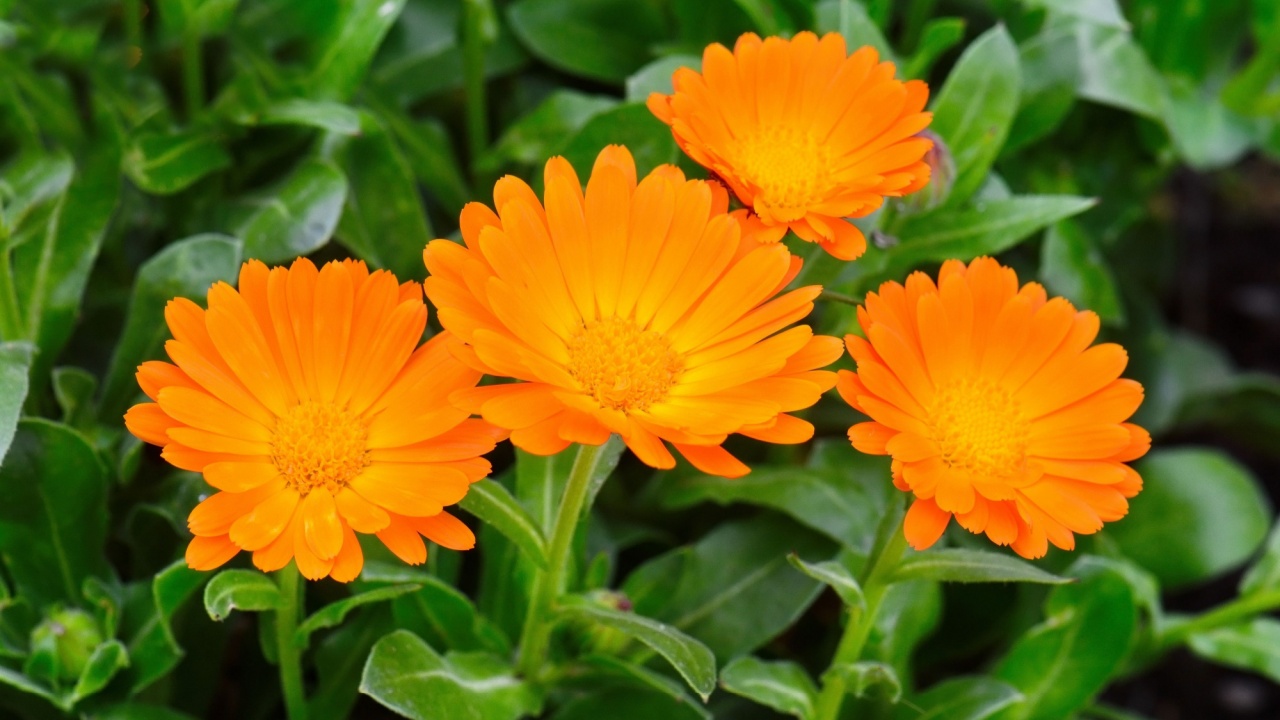
Calendula earns its reputation as the most reliable self-seeder across nearly every climate.
Thriving in USDA zones 2 through 11, it blooms from spring through fall in shades of orange, yellow, and cream, and its edible petals are a longtime staple of home apothecaries. As horticulturist Miya Sohoza, ornamentals product manager for Harris Seeds, puts it, in Martha Stewart, calendula “is a hardy annual that will self-seed if given the room in the garden to do so.”
One original packet is genuinely all you need; most gardeners never purchase it again after the first season.
Zones: 2–11
Light: Full sun to partial shade
Bloom period: Spring through fall
2. Cosmos: The Drought-Proof Self-Seeder That Runs Itself
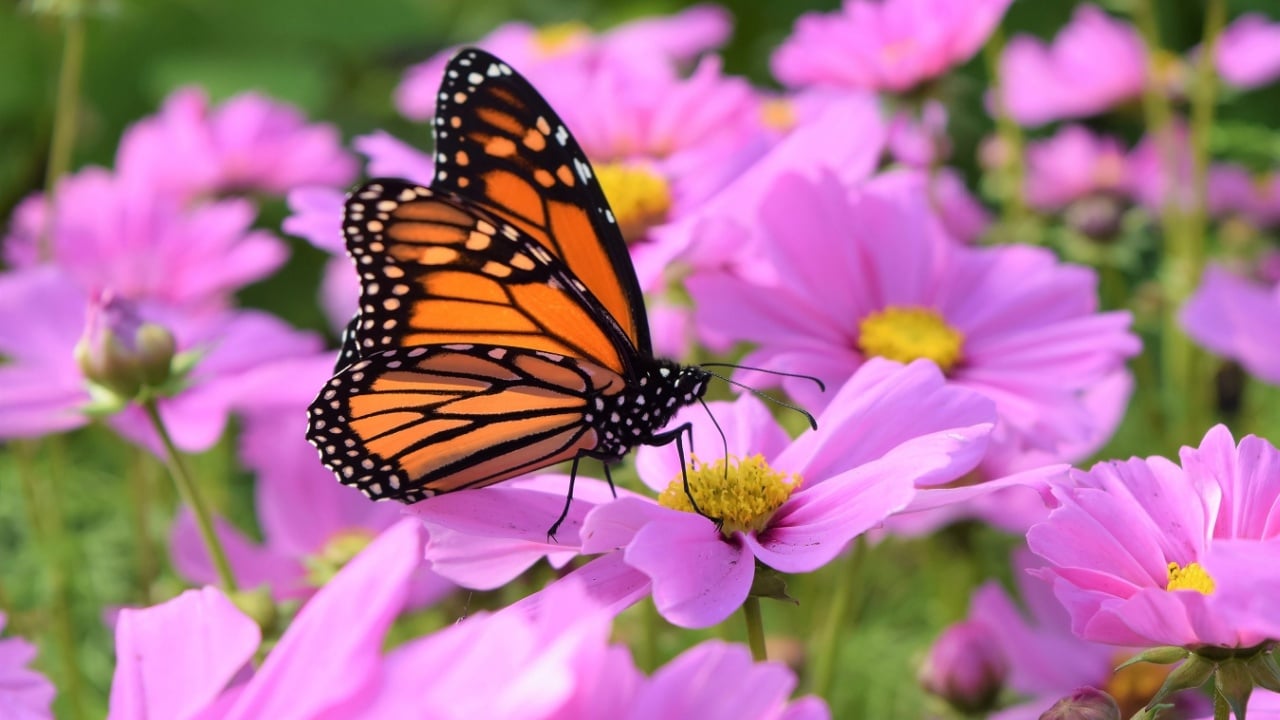
Cosmos have earned a reputation as the most forgiving self-seeder in hot, dry climates.
Linda Hayek, horticulturist for Eden Brothers, told Martha Stewart Living that cosmos are “an incredibly colorful flower that is both hardy and beautiful” and can “thrive in just about any climate and any soil condition.” Long-season bloomers from early summer through the first frost, they also make outstanding cut flowers.
Zones: 2–11
Light: Full sun
Bloom period: Summer through fall
3. Love-in-a-Mist (Nigella): The Old-Fashioned Flower That Comes Back Bigger Each Year
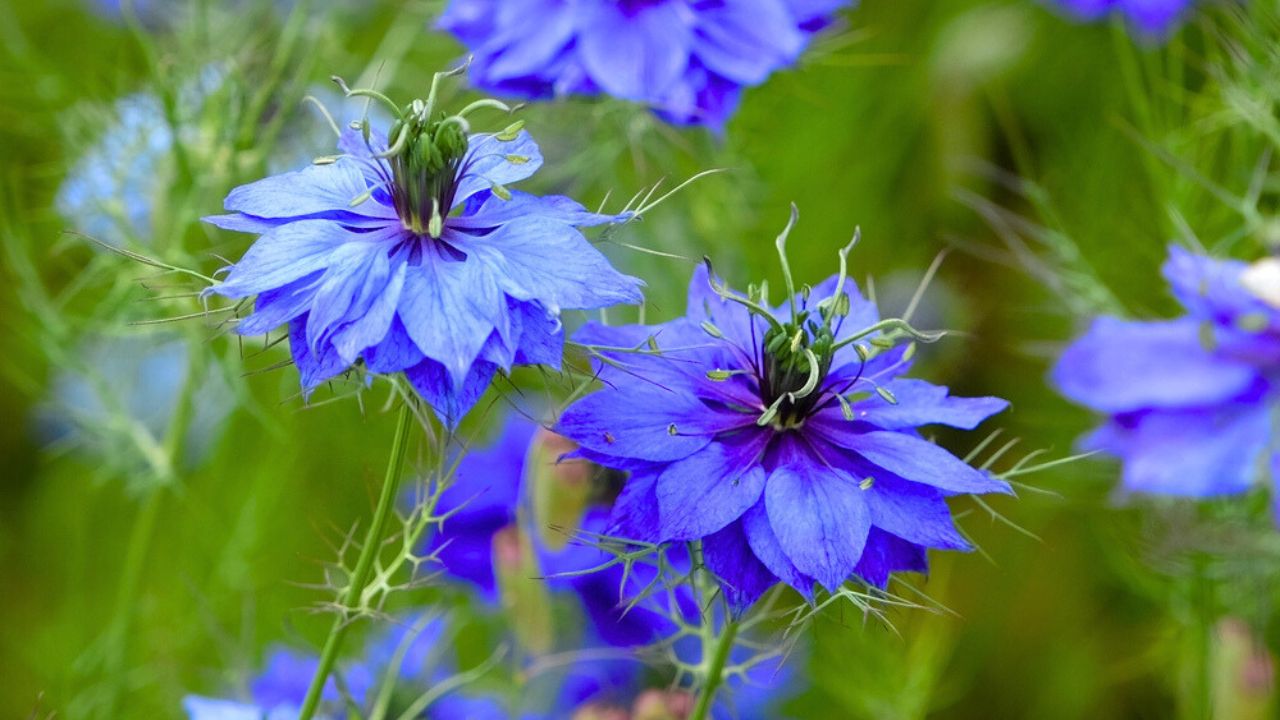
Love-in-a-mist (Nigella damascena) is a cottage garden classic that carries a second season of ornamental value long after its blue, pink, and white blooms fade. The flowers transform into egg-shaped, purple-striped seed pods that are coveted for dried arrangements.
As Gardening Know How reports, Nigella “resents transplanting” and must be sown directly where it is intended to grow. It reliably returns each year and produces a slightly larger drift with each passing season.
Zones: 2–11
Light: Full sun
Bloom period: Late spring through summer
4. Common Poppy: Scatter Once, Bloom Every Year for Free
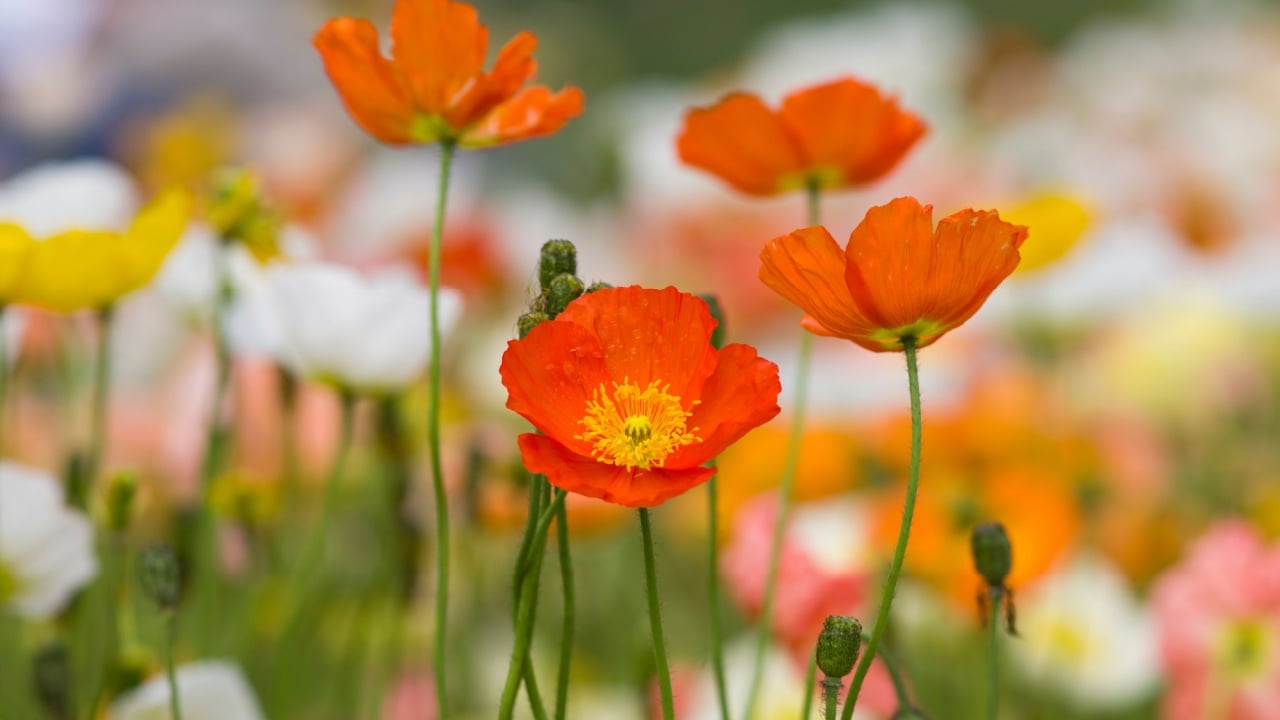
The Flanders poppy (Papaver rhoeas) is, as Gardening Know How describes it, “so eager to self-seed, you’d think it was a perennial.”
These are light germinators, meaning the seeds must not be buried. Scatter directly over prepared soil in spring, press down with a flat board, and let them naturalize. Once established, poppies are drought-tolerant and virtually maintenance-free. Their structural pepper-pot seed heads dry beautifully on the stem, dispersing seeds naturally as wind shakes the stalks each autumn.
Zones: 1–10
Light: Full sun
Bloom period: Spring through summer
5. Larkspur: The Tall, Dramatic Self-Seeder That Winter Plants for You
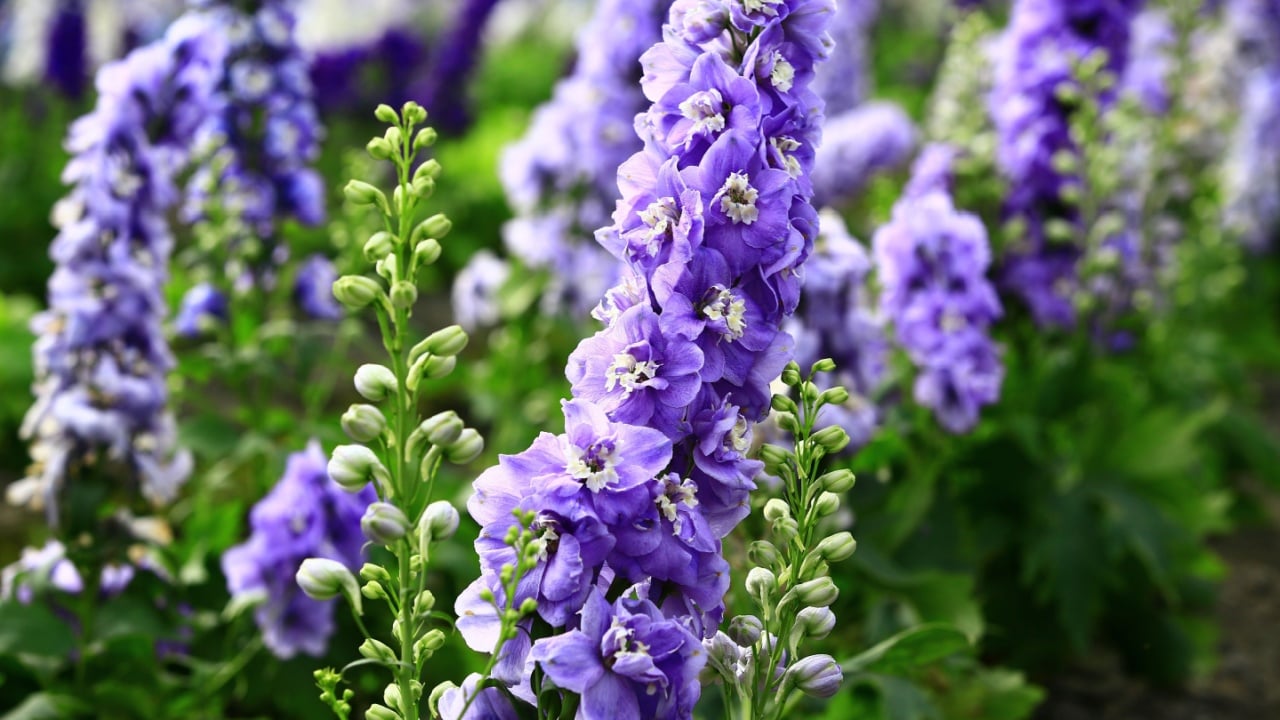
Larkspur (Consolida regalis) is one of the most dramatic self-seeders available, with tall spires of blue, pink, and white blooms that lend a cottage-formal quality to any bed.
Its germination requirement is also one of its greatest advantages: seeds need cold stratification and will not sprout above 65°F, meaning the gardener’s only job is to scatter them in fall and let winter do the rest. According to Epic Gardening, larkspur is a reliably cool-season annual that returns year after year in zones 5 through 9 with no supplemental sowing.
A note of caution: the plant is toxic, so wear gloves when handling it and keep it away from curious pets.
Zones: 5–9
Light: Full sun
Bloom period: Late spring through summer
6. Columbine: The Surprise-a-Season Self-Seeder Your Grandmother Grew
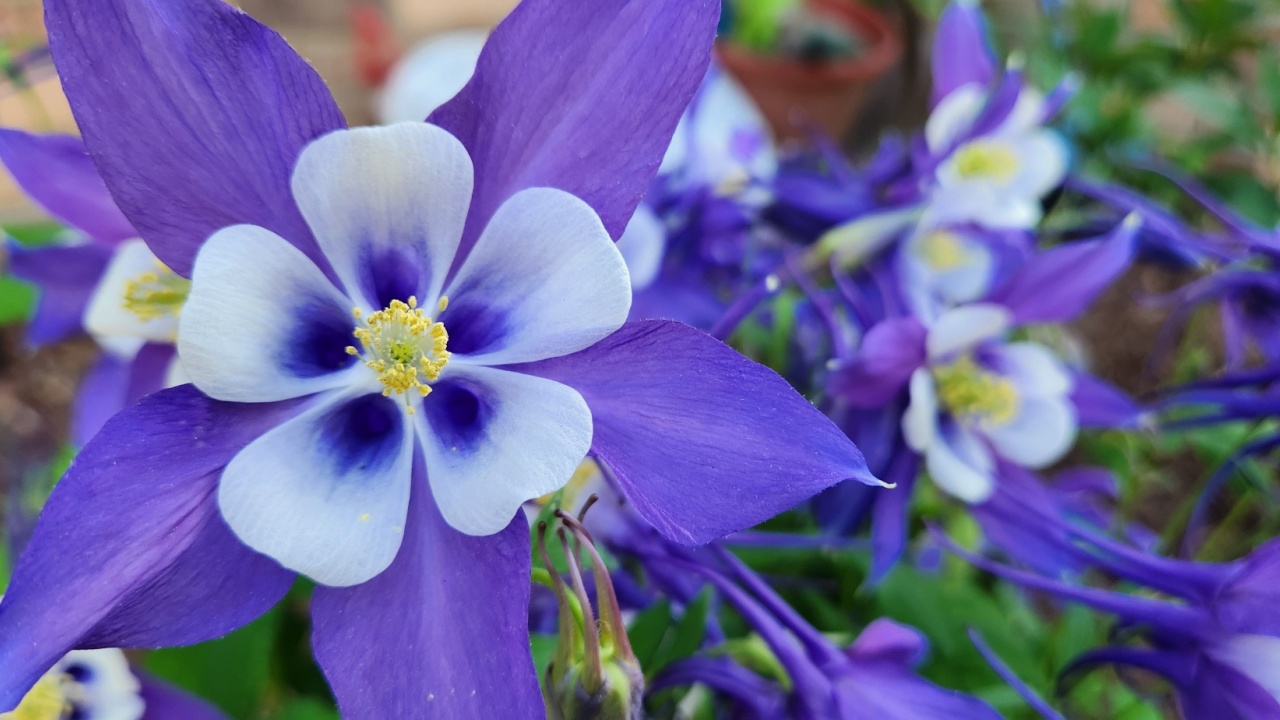
Your grandmother may have called it granny’s bonnet.
Columbine (Aquilegia spp.) is a short-lived perennial that functions as a self-seeding annual, producing an abundance of volunteers each season. What makes it especially beloved is its tendency to cross-pollinate freely, meaning the seedlings that emerge each spring may show entirely new color combinations that were never planted intentionally.
Nancy Ketchmark, owner of Flowers Contained, told Martha Stewart: “It’s always a surprise to see where columbine will pop up in the spring.” Hummingbirds are consistent visitors, reaching into the distinctive spurred flowers for nectar.
Zones: 3–9
Light: Partial shade to full sun
Bloom period: Spring through early summer
7. Verbena bonariensis: One Plant This Year, a Full Drift by Year Three
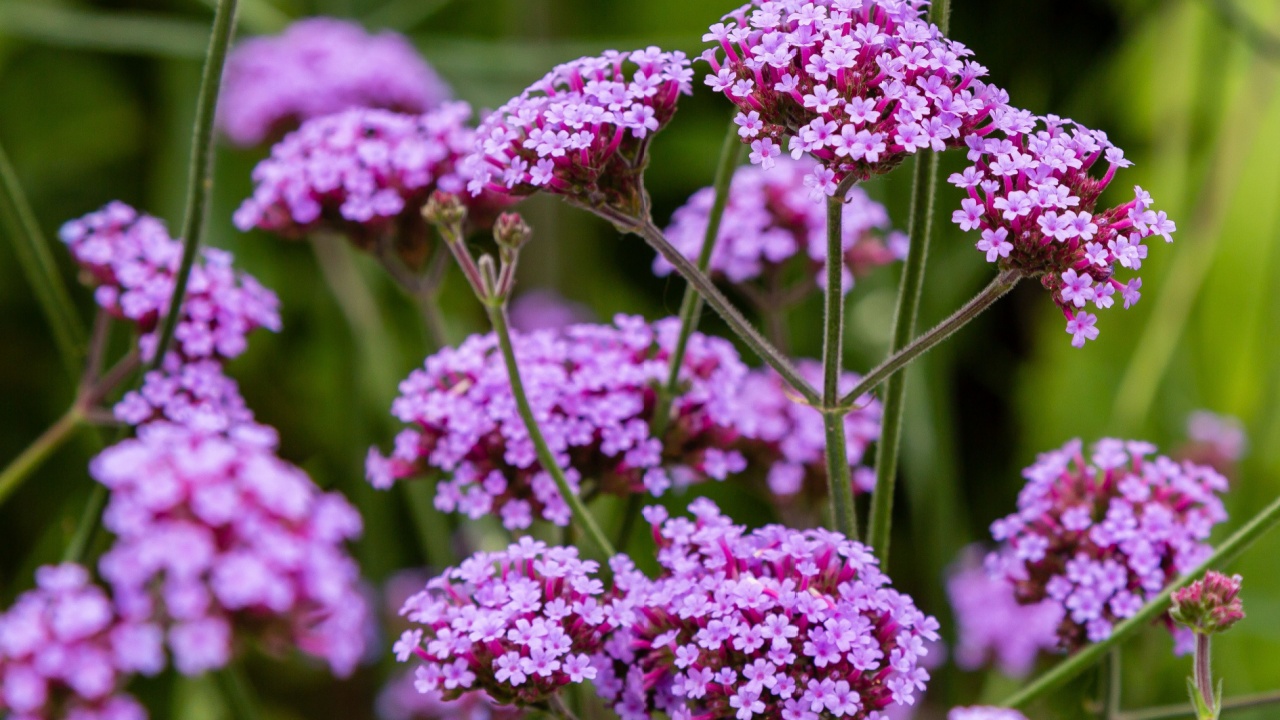
Verbena bonariensis is the budget gardener’s most powerful long-game plant.
Reaching 4 to 5 feet tall but only a foot wide, it functions as what Gardening Know How’s heritage guide calls “a purple haze” floating above the border: transparent enough to be planted at the front without blocking the view. It is classified as a tender perennial in zones 7 through 11 and as a self-seeding annual everywhere else.
As ornamentals expert, Miya Sohoza notes in Martha Stewart, it is “one of the most hardy and consistent self-seeding plants” she has encountered. One plant in year one becomes a full drift by year three, with no additional purchase required.
Zones: 7–11 (self-seeds as annual elsewhere)
Light: Full sun
Bloom period: Midsummer through first frost
8. Bachelor’s Buttons: The Last Blue Flower You’ll Ever Have to Buy
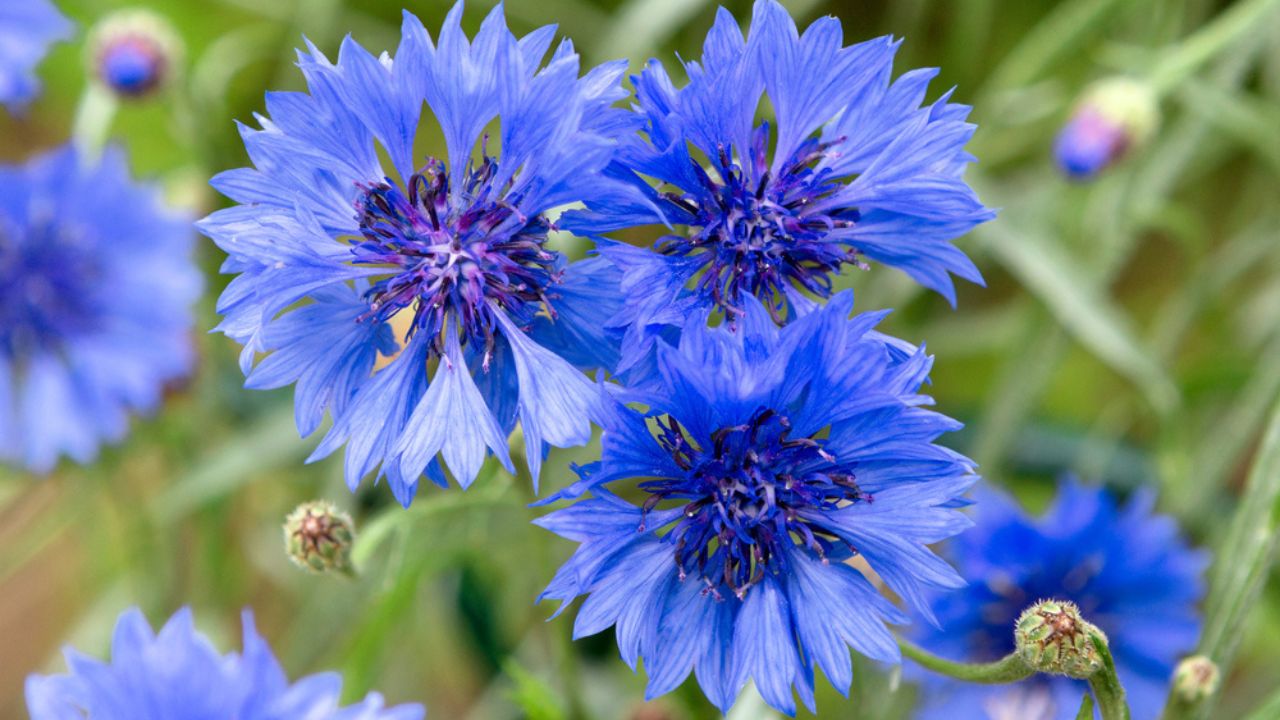
Bachelor’s buttons (Centaurea cyanus), also called cornflowers, solve a problem that most gardeners don’t realize they have: very few self-seeding annuals reliably produce true blue flowers. This one does, in addition to purples, pinks, and whites.
It is drought-tolerant, thrives in zones 2 through 11, and according to Epic Gardening, self-seeds so abundantly that it is considered invasive in some states. Make sure to check your state’s invasive species list before planting. Where it is not invasive, it is an extraordinarily easy self-seeder that pollinators depend on heavily. Unwanted seedlings pull out effortlessly.
Zones: 2–11
Light: Full sun
Bloom period: Spring through summer
How to Stop Accidentally Pulling Your Future Flowers in Spring

The most common way to lose a self-seeded volunteer is to mistake it for a weed. In early spring, tiny seedlings of cosmos, larkspur, and bachelor’s buttons look remarkably similar to common weeds, and many gardeners pull them before they have a chance to establish.
The Brooklyn Botanic Garden‘s top practical recommendation for self-seeder gardeners is to photograph young plants in their first season: seedlings if you’re starting from seed, young transplants if you bought starts. These photographs become your identification guide the following spring when the volunteers emerge in unexpected places.
Leave spent stalks standing until late winter, not fall; avoid tilling or heavy raking over self-seeding zones after seeds have dropped; and resist purchasing the “improved” thornless or double-flowered varieties of any of these plants, as those cultivars have often had their self-seeding capacity bred out in favor of other traits. The old-fashioned versions are the ones that take care of themselves.
The Old Farmer’s Almanac sums up the philosophy well: “Your self-seeding garden will give your garden a natural cottage garden look”, but only if you give it room to do what it already knows how to do.
Read More
The 7 Best Garden Items to Thrift This Fall
9 Smart Ways to Save Money in the Garden Before Fall Ends