15 Tubular Blue Flowers Hummingbirds Can’t Resist
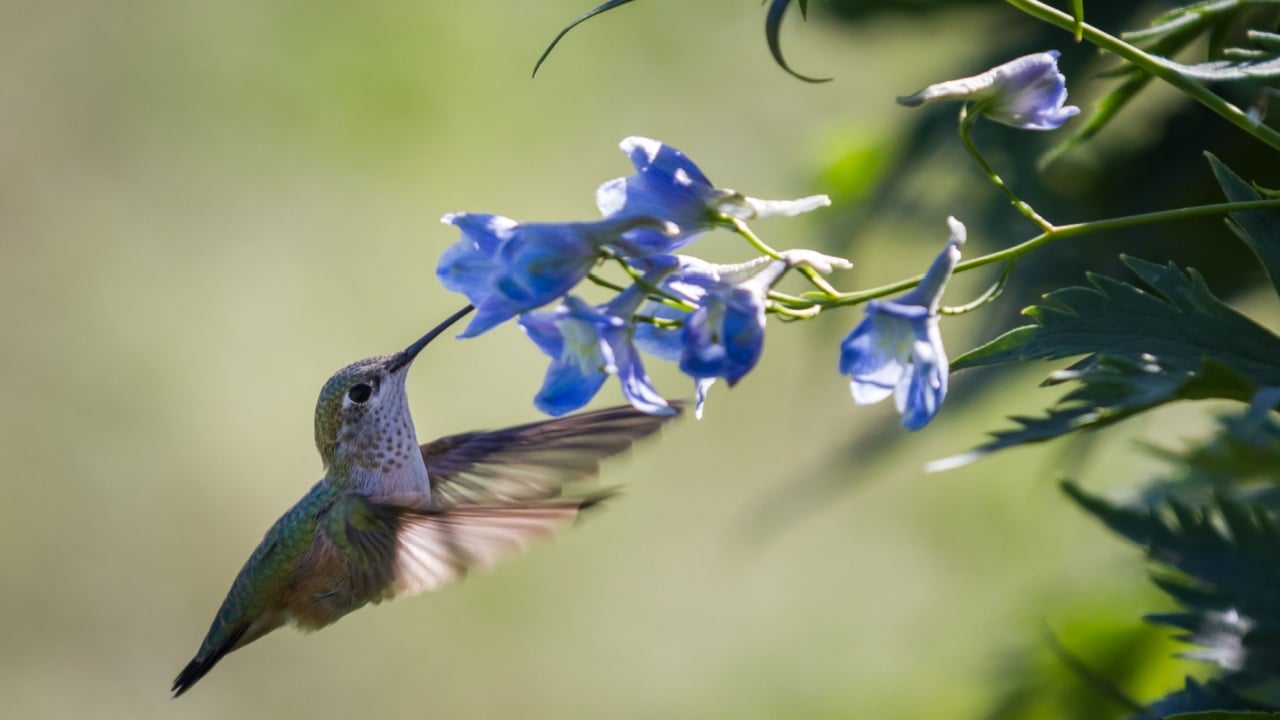
If you’re looking to turn your backyard into a hummingbird hotspot, you don’t have to stick to the traditional “red only” rule. While red is a classic signal for these tiny birds, blue flowers can make your garden look incredibly sophisticated while still providing the high-energy nectar they crave.
It’s all about the shape and the sugar. Hummingbirds have super-fast metabolisms, and they’re naturally drawn to tubular flowers that fit their long bills. By mixing in different shades of blue, you’re creating a “refueling station” that’s both functional for them and a total vibe for you.
The key to a successful bird-friendly garden is timing. You want a variety of plants that bloom at different points in the season so that when the birds arrive in the spring or head south in the fall, they always have a snack waiting for them.
Let’s explore fifteen blue beauties that are easy to grow and bird-approved. From tall, dramatic spikes to low-growing groundcovers, these plants will keep your garden buzzing with activity. Here’s how to get started with a palette that’s as cool as it is useful.
1. Salvia
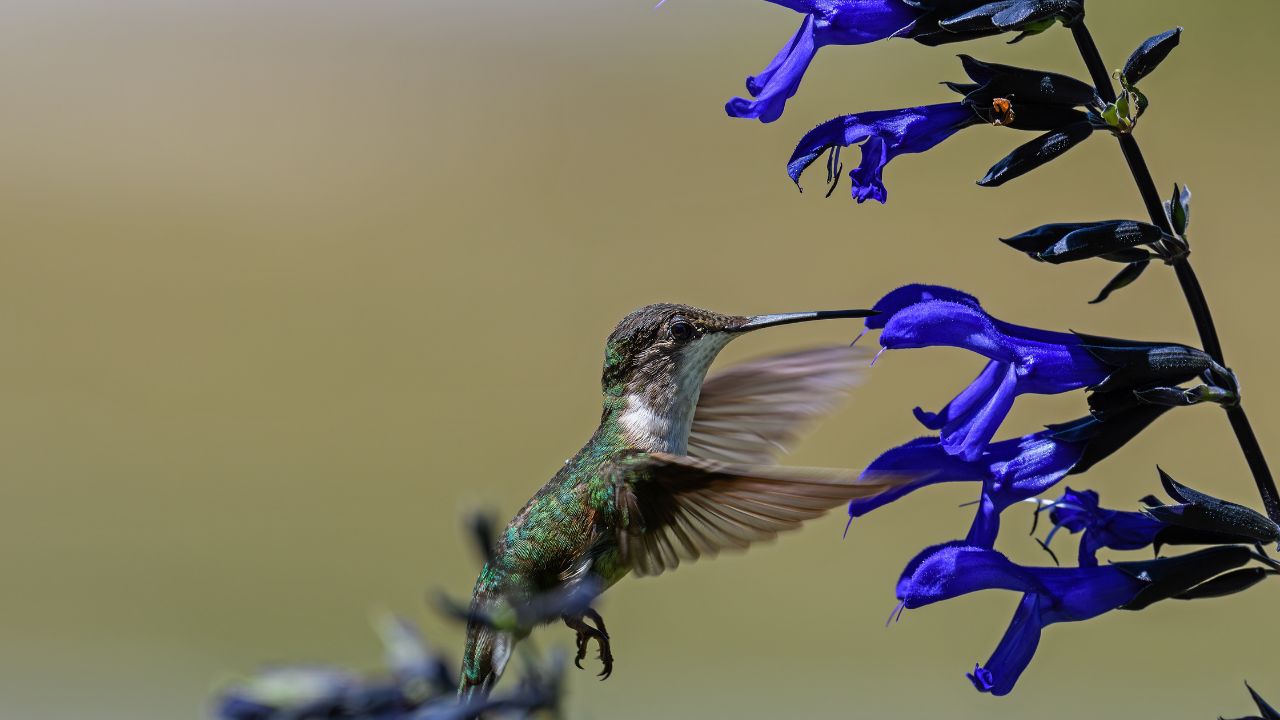
Salvia is a superstar in the hummingbird world because of its long, tube-shaped blossoms. These flowers are a perfect match for a hummingbird’s beak, allowing them to reach deep inside for nectar. Popular blue versions like ‘Black and Blue’ are especially famous for being “hummingbird magnets.”
To get the best results, plant your salvia in a spot that gets plenty of direct sunlight. They prefer soil that drains well so their roots don’t stay too wet. If you notice the flowers starting to fade, simply snip off the old spikes to help the plant grow a fresh batch of blooms.
Keeping your salvia healthy is relatively simple with regular watering during the hottest weeks of summer. Adding a little compost to the soil in the spring gives them the energy boost they need to produce nectar all season long. They are sturdy plants that will keep the birds coming back day after day.
2. Bee Balm
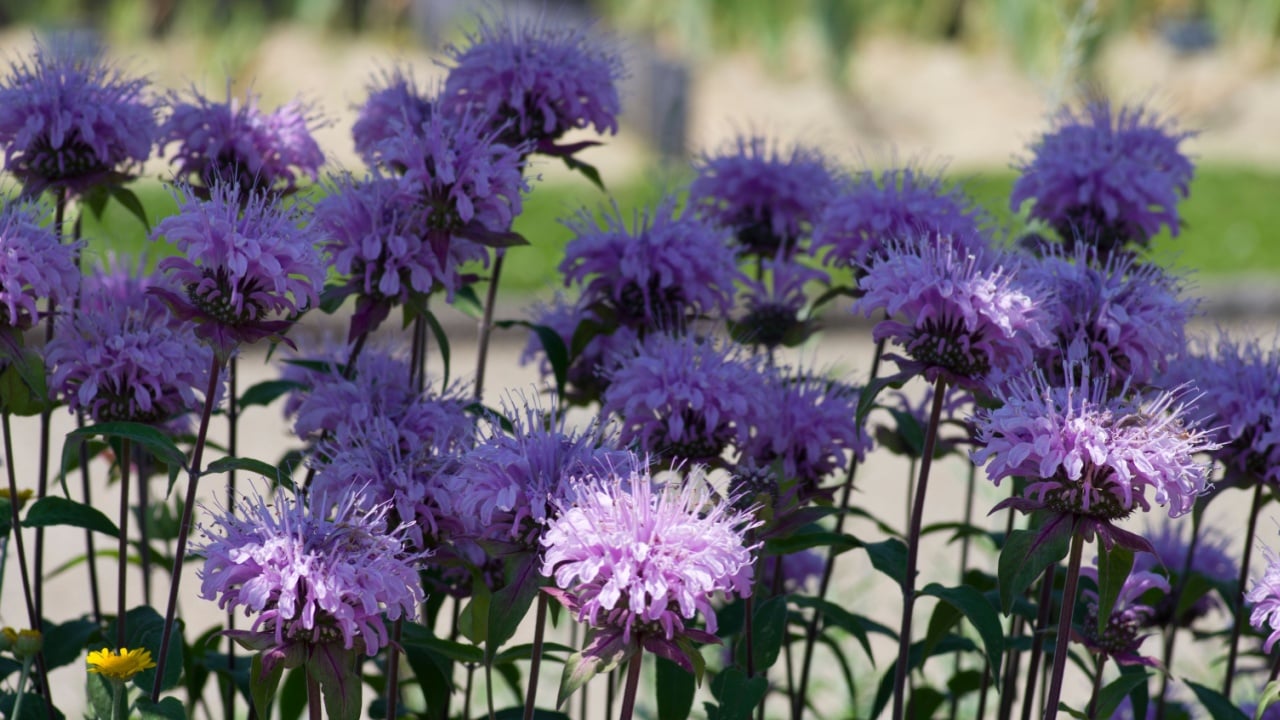
Also known as Monarda, bee balm features wild, shaggy flower heads that look like colorful mop-tops. The blue and violet varieties are packed with tiny tubes, meaning one flower head can feed a bird for several seconds. It is a perennial plant, so it will come back every year to greet your feathered friends.
This plant loves moisture, so it is a great choice for areas of the garden that don’t dry out quickly. It also likes a bit of breathing room between plants to keep the leaves healthy and free of spots. Placing them in a sunny or slightly shady spot will keep them happy and blooming.
As the plant grows, it will spread out to form a nice, thick clump. Every few years, you can dig up the plant and divide it into smaller pieces to share with friends or move to other parts of your yard. This keeps the plant from getting too crowded and ensures it stays vigorous.
3. Delphinium

Delphiniums are famous for their tall, dramatic towers of flowers that can reach several feet high. These deep blue spikes act like giant neon signs for hummingbirds, signaling a major food source from far away. They add a classic, elegant look to the back of any garden bed.
Because they grow so tall, these plants often need a little extra help to stay upright. Using a simple wooden stake or a garden hoop will prevent the heavy flower stems from flopping over in the wind. They do best in rich soil and appreciate a regular supply of water to keep their large leaves green.
Delphiniums prefer cooler weather, so they usually put on their best show in the early summer. If you live in a very hot climate, try planting them where they get some shade in the afternoon. A bit of fertilizer in the spring will help them produce those massive, nectar-filled flower spikes.
4. Lupine
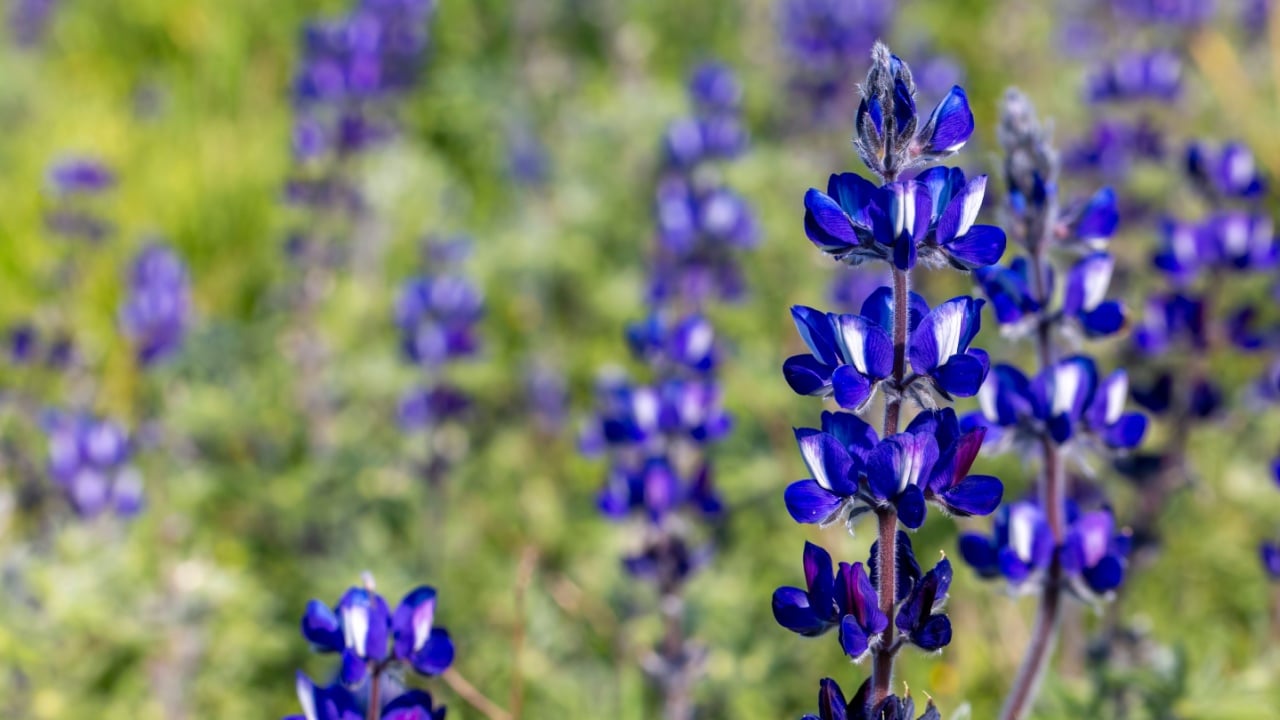
Lupines are unique plants with hand-shaped leaves and tall cones of pea-like flowers. They come in stunning shades of blue and are some of the first flowers to bloom in the spring. This makes them essential for hummingbirds that are just arriving after a long migration and need a quick meal.
These plants have a long “taproot,” which means they reach deep into the ground for water. Because of this, they don’t like to be moved once they are planted, so choose their forever home carefully. They prefer soil that is a bit sandy and not too packed down.
Lupines love the sun but enjoy keeping their roots cool, so a layer of mulch around the base is very helpful. Once the flowers start to wilt, cutting them off prevents the plant from getting tired out by making seeds. This helps the plant stay strong so it can return even bigger the following year.
5. Gentian

Gentian is famous for having a “true blue” color that is rare in the plant world. These trumpet-shaped flowers usually bloom in late summer or autumn. This timing is perfect because it provides food for hummingbirds right when they are packing on weight for their long flight south.
These plants are a bit more patient than others and might take a year or two to really settle in. They like soil that is rich in organic matter, like old leaves or compost, and they prefer to stay consistently damp. They are very long-lived, so once they are happy, they will be a garden staple for years.
When weeding around your Gentians, be careful not to poke around too deeply near their roots. They prefer to be left alone once they are established. Their intense blue color is so striking that it often becomes the favorite focal point of the autumn garden.
6. Blue Fortune Agastache
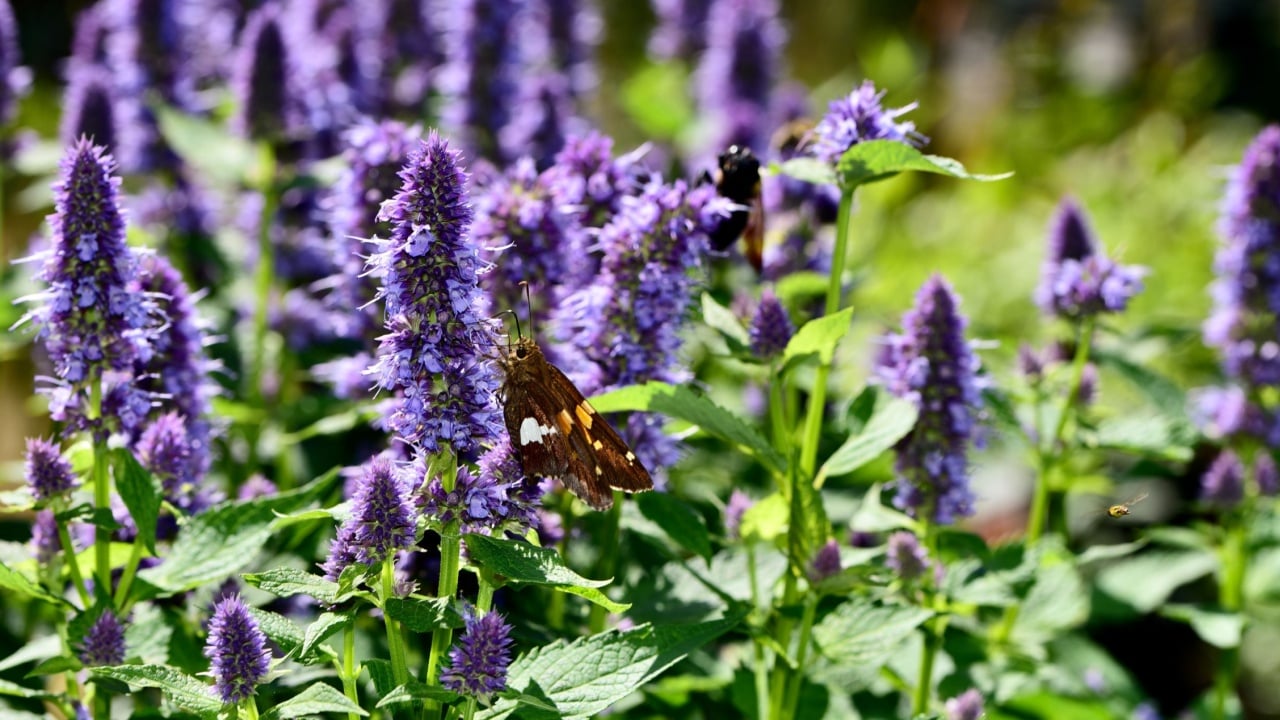
This plant produces fuzzy spikes of light blue flowers that have a pleasant, minty scent. It is one of the hardest-working plants in a hummingbird garden because it stays in bloom for months. It provides a massive amount of nectar in a relatively small space.
Agastache is a great choice for gardeners who want something low-maintenance. It is very tough and can handle dry spells once it has grown a solid root system. Just make sure the soil is “well-draining,” as this plant doesn’t like having “soggy feet” during the winter.
In the spring, you can trim back the old, woody stems to make room for new, green growth. It is a very sun-loving plant, so give it the brightest spot you have. As a bonus, the fragrant leaves are usually ignored by deer and rabbits, leaving more flowers for the birds.
7. Columbine

Columbines have whimsical, dangling flowers that look like they belong in a fairytale. The blue varieties have long “spurs” on the back of the flower where the nectar is hidden. Only birds like hummingbirds, with their long tongues, can easily reach the sweet treat inside.
These plants are very versatile and can grow in full sun or in the dappled shade under a tree. They have beautiful, lacy leaves that look great even when the flowers aren’t blooming. They are known for “self-seeding,” meaning they might pop up in new spots every year.
If you want to keep your garden tidy, you can snip off the seed pods before they turn brown and open. Columbines aren’t the longest-lived perennials, but because they drop seeds, you will likely always have them in your garden. They are a charming addition to any wildlife-friendly space.
8. Catmint
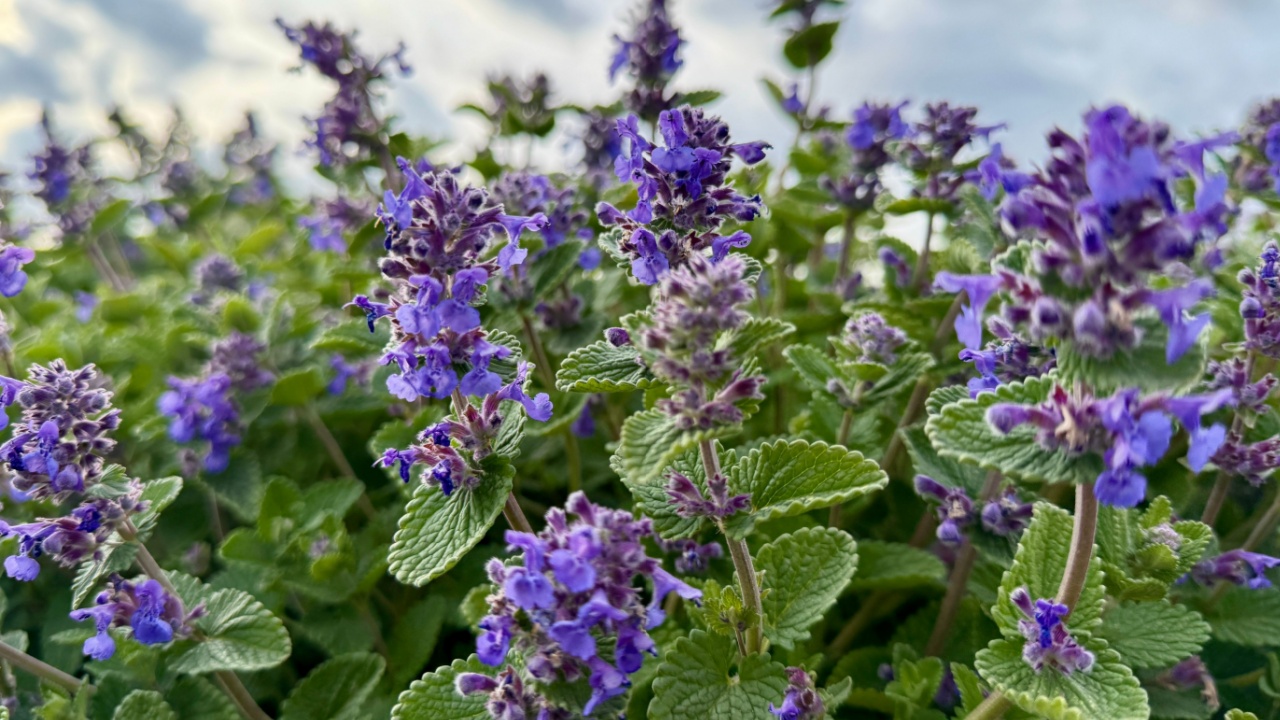
Catmint, or Nepeta, creates a soft carpet of grayish leaves topped with clouds of tiny blue flowers. It is much easier to manage than regular mint because it grows in a neat mound rather than spreading everywhere. Hummingbirds love to hover over the low flowers and move from bloom to bloom.
This is a very “forgiving” plant that can grow in poor soil where other flowers might struggle. It loves the sun and doesn’t need much water once it is established. It is a perfect choice for the edges of a walkway or the front of a flower bed.
After the first big flush of flowers in early summer, you can give the whole plant a “haircut” with some garden shears. This might seem drastic, but the plant will quickly grow back with fresh leaves and a second round of flowers. It is a reliable, easy-care plant for any beginner.
9. Penstemon
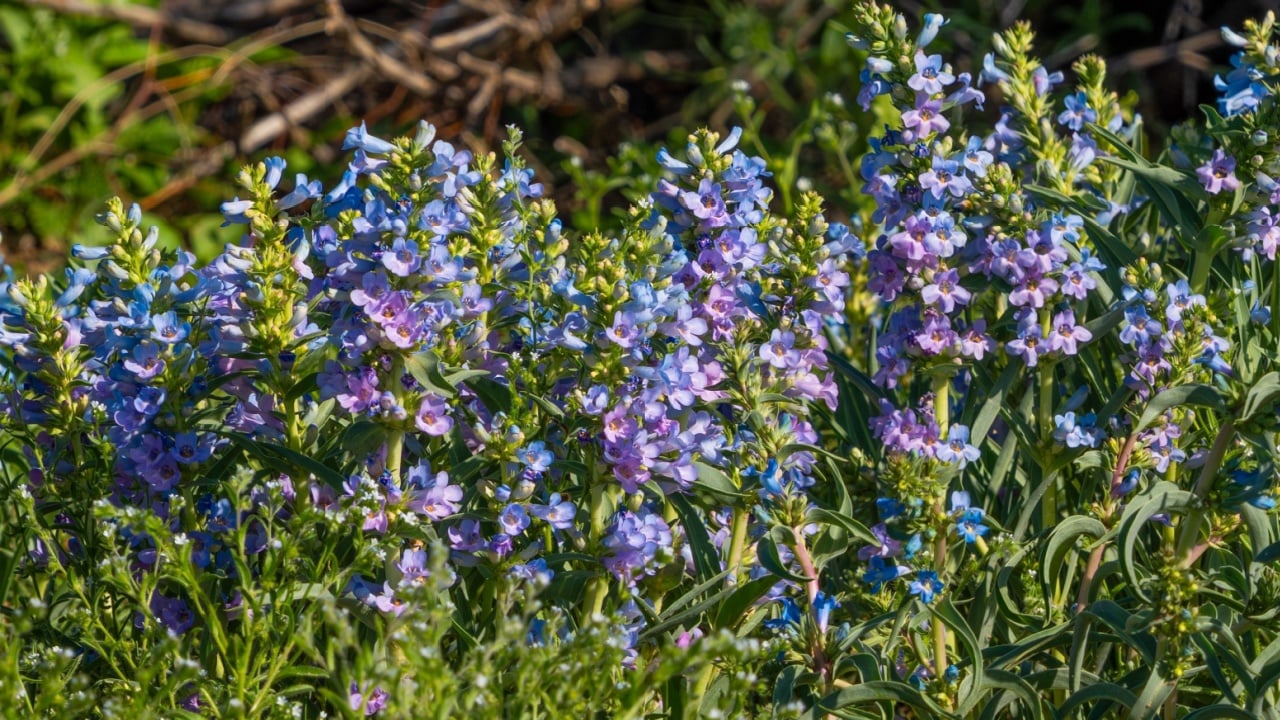
Penstemon, often called beardtongue, features stiff stems lined with bright, bell-shaped flowers. Most varieties come in electric blue shades that are hard to miss. The flowers provide a perfect “landing strip” for bees, though hummingbirds prefer to hover while they sip.
These plants are naturally adapted to rocky or dry areas, so they don’t need fancy soil or lots of fertilizer. In fact, giving them too much “rich” food can actually make them grow too fast and fall over. They thrive in full sun and prefer to stay on the drier side.
To keep your penstemon looking its best, simply cut the old flower stalks down to the ground in late winter. This clears the way for the new green shoots to emerge in the spring. They are rugged, beautiful plants that bring a touch of the wild into your backyard.
10. Great Blue Lobelia
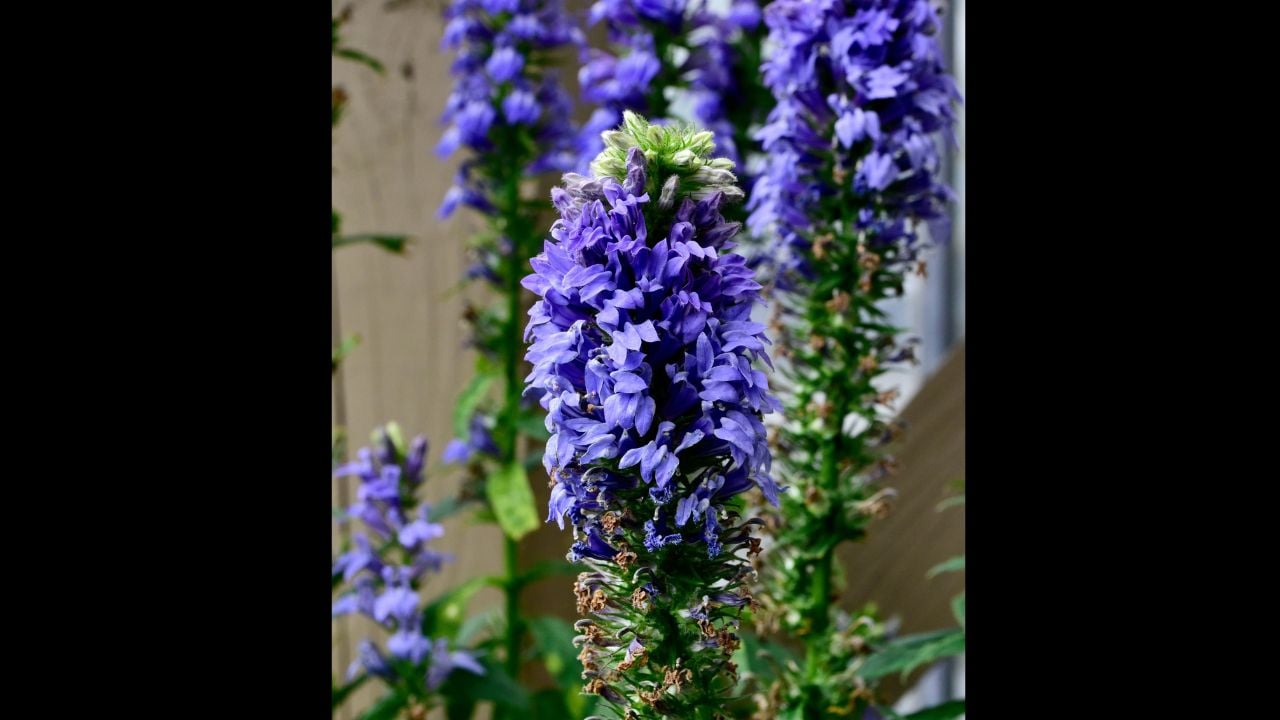
The Great Blue Lobelia is a native plant that is perfect for the damper parts of your yard. It grows upright spikes of clear blue flowers in the late summer. It is a fantastic choice for a “rain garden” or any spot near a hose or pond that stays wet.
While many flowers wilt if they get too much water, this lobelia thrives in it. It can grow in the sun if the ground is wet, but it also does very well in partial shade. It typically grows about two to three feet tall, making it easy for hummingbirds to spot.
This plant is great for the environment because it is a native species, meaning it has a natural relationship with local wildlife. Adding a bit of mulch around the base will help keep the soil as moist as the plant likes. It is a dependable late-season performer that birds truly appreciate.
11. Borage
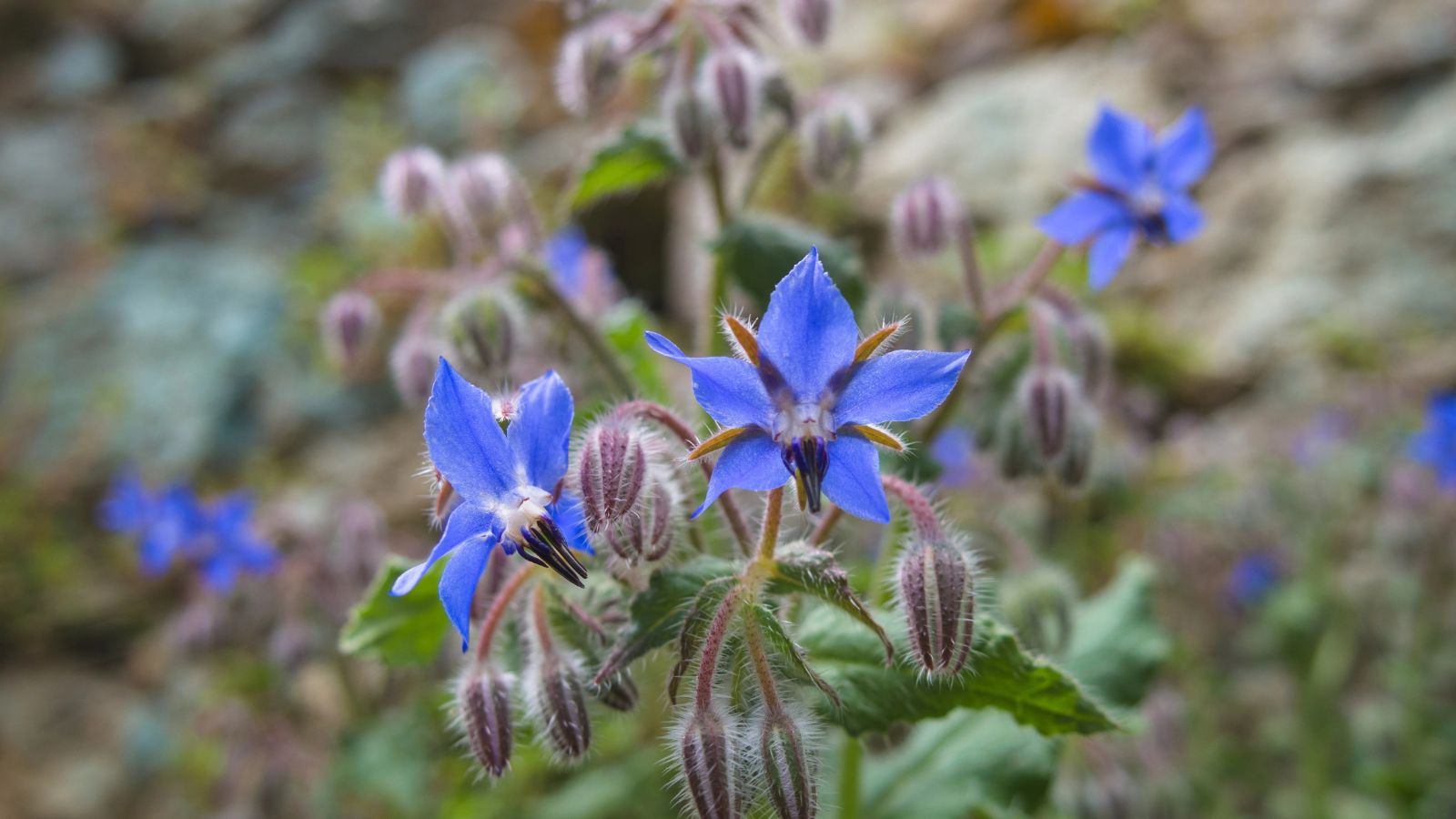
Borage is an annual herb that grows very quickly and produces beautiful, star-shaped blue flowers. It is famous for producing nectar so fast that it can refill its flowers multiple times a day. This makes it a high-traffic destination for hummingbirds and bees alike.
You can easily grow borage from a packet of seeds tucked into the soil in late spring. It has fuzzy stems and leaves, so you might want to wear gloves when you are working around it. It grows quite large in a single season, so give it plenty of room to spread out.
Because it is an annual, borage will die back when the frost hits, but it often drops seeds that will grow into new plants next year. The flowers are actually edible and have a cool, cucumber-like taste. It is a fun, multitasking plant that adds both beauty and food to the garden.
12. Bachelor’s Buttons
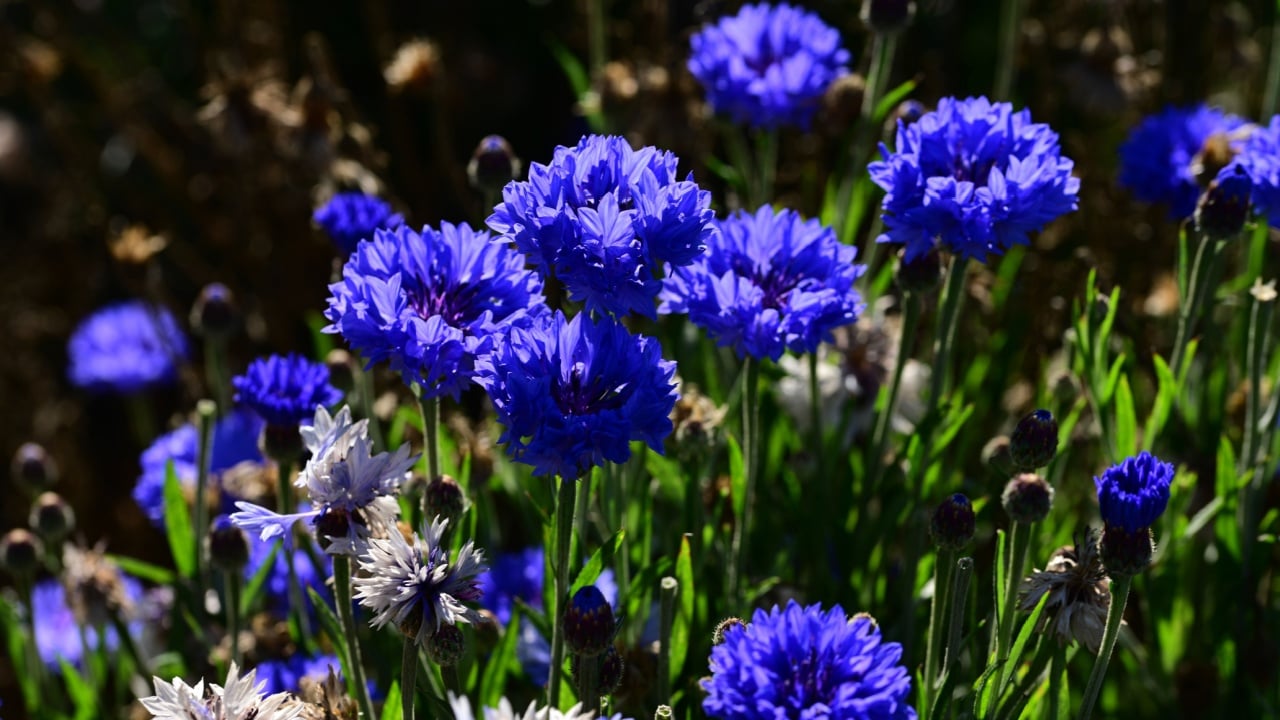
These are classic garden flowers that produce ruffled, blue blossoms on thin, dancing stems. They are extremely easy to grow from seed and are a great way to fill in empty spaces in a new garden. Their bright blue color is a favorite for traditional “cottage style” landscapes.
Bachelor’s Buttons love the sun and aren’t picky about what kind of soil they are in. They can get a little tall and “floppy,” so it helps to plant them near sturdier flowers that can act as a natural fence. They provide a simple, rustic look that hummingbirds find very inviting.
The more you pick the flowers, the more the plant will grow, so feel free to cut some for a vase inside. If you leave them in the garden, just snip off the dead ones to keep the plant blooming all summer long. They are a low-stress way to add a splash of blue to your yard.
13. Blue Lace Flower
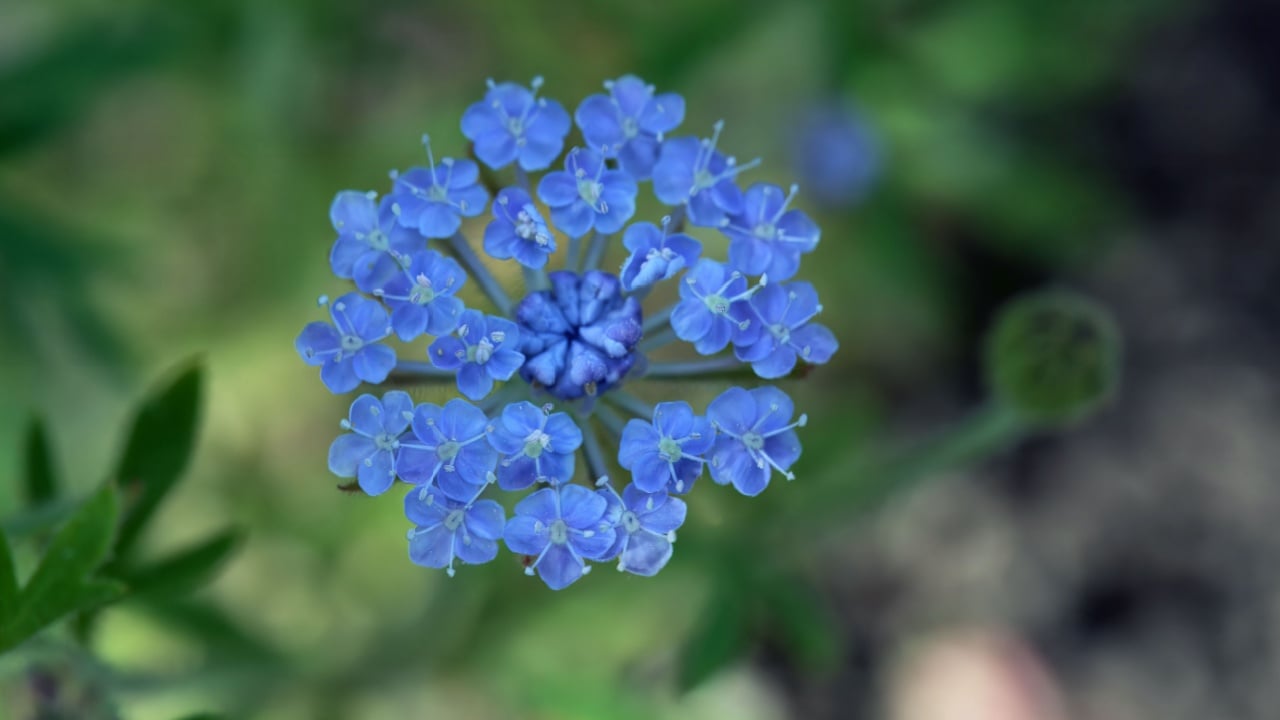
The Blue Lace Flower looks exactly like its name suggests—delicate, lacy clusters of tiny blue blossoms. These flat flower heads are made up of many small flowers, each holding a tiny drop of nectar. It adds a light, airy texture to the garden that balances out heavier-looking plants.
This plant prefers the mild weather of spring and early summer. If you live in a place with very hot summers, it might start to fade when the temperature soars. Sowing the seeds early in the year gives the plant time to bloom before the heat of July and August arrives.
To keep the “lace” looking its best, you can use a liquid plant food every few weeks. This gives the plant the extra nutrients it needs to create such intricate flower structures. It is a unique choice that will make your garden stand out from the neighbors’.
14. Scabiosa
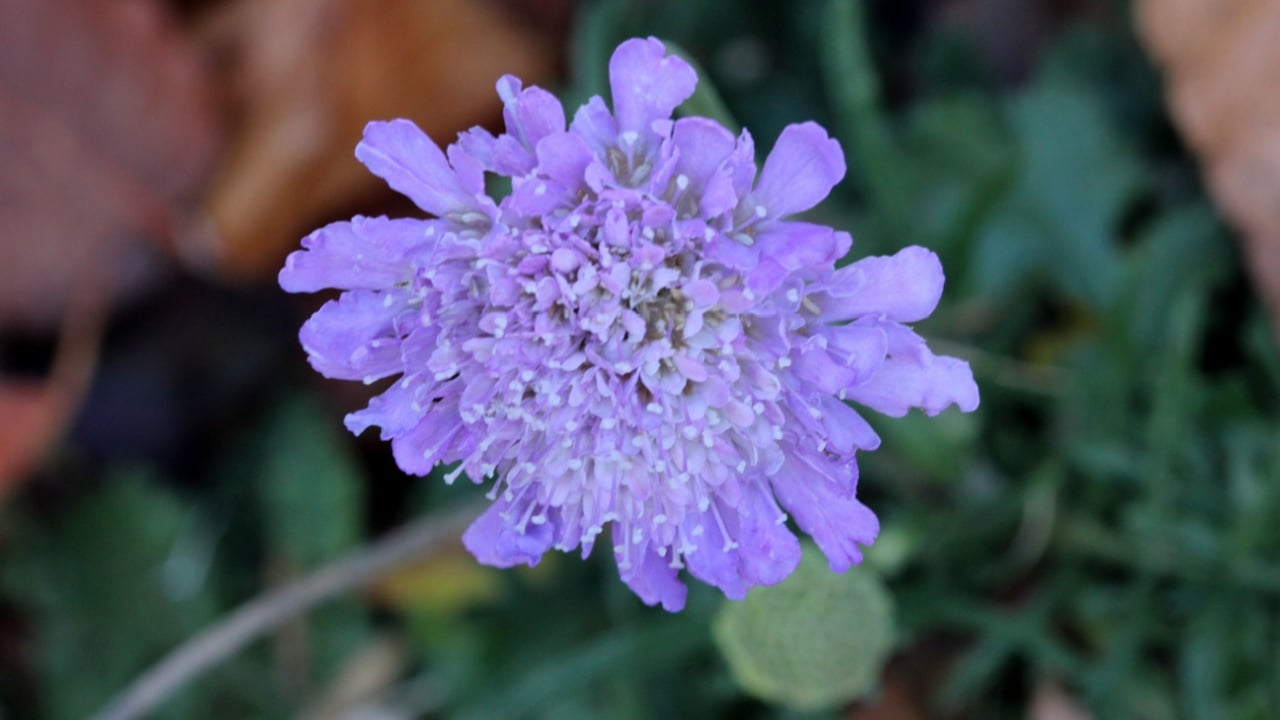
Commonly called the “pincushion flower,” Scabiosa has round blooms that look like they have tiny pins stuck in them. These flowers sit on long, wiry stems that bounce in the wind, catching the eye of passing birds. It is a compact plant that stays tidy and doesn’t take up too much space.
Scabiosa needs a sunny spot and soil that never stays soggy, especially in the winter. If your garden has heavy clay soil, consider planting these in a raised bed or a large pot. They are very hardy and can handle a bit of wind without any trouble.
If you keep up with “deadheading”—which is just cutting off the old, dead flowers—this plant will bloom from late spring all the way into autumn. This long blooming season makes it a very reliable food source for hummingbirds. It’s a “set it and forget it” plant for many gardeners.
15. Morning Glory

Blue morning glories are climbing vines that can turn a plain fence into a wall of color. They produce large, funnel-shaped flowers that open every morning to greet the sun. Hummingbirds love to fly from one “trumpet” to the next, investigating the deep centers for nectar.
Since these are vines, they need something to climb on, like a trellis, a fence, or even a tall sunflower stalk. They grow incredibly fast and can cover a large area in just a few months. They love the sun and will produce the most flowers if they get at least six hours of direct light.
You don’t need to do much for morning glories other than making sure they have water during dry spells. In the fall, they produce small seed pods that you can collect to plant again next spring. They are a wonderful way to add vertical interest and bird-friendly habitat to your yard.
Cultivating a Blue Haven
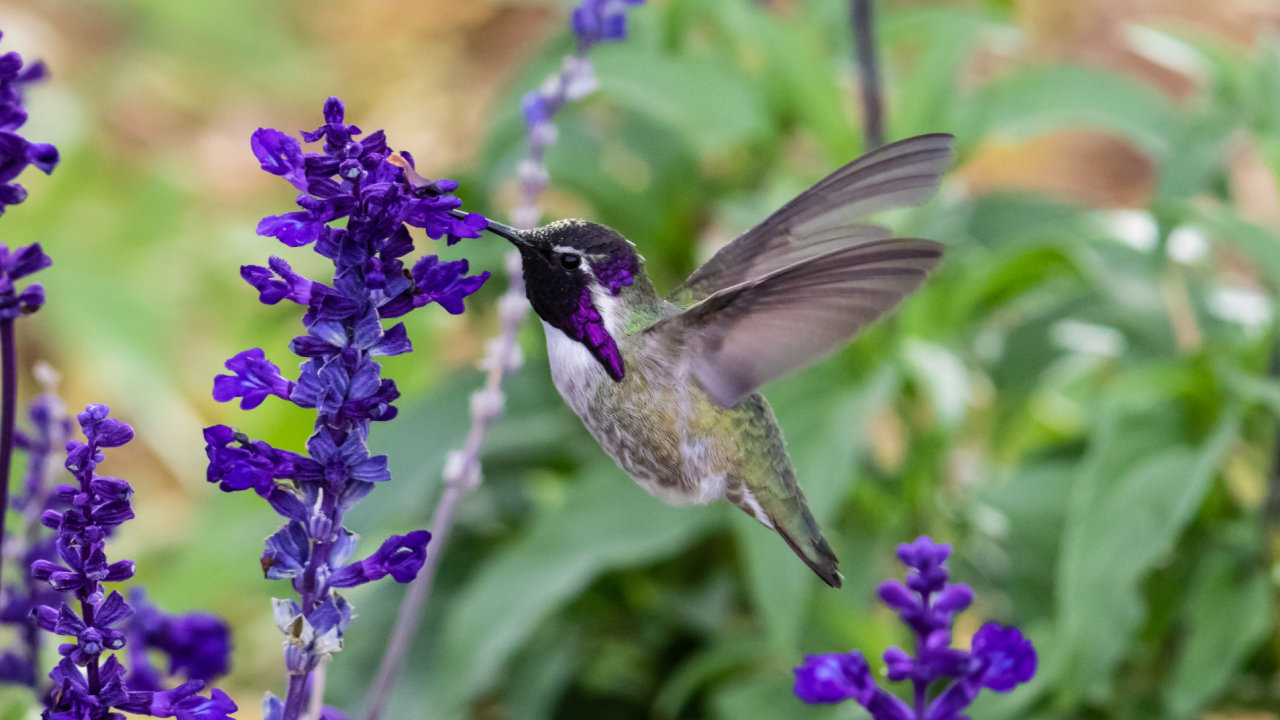
Successful hummingbird gardening involves creating a reliable sequence of blooms from early spring through the late autumn. By choosing a variety of these blue flowers, the garden remains an active site for wildlife while maintaining a cohesive and beautiful color palette.
Observe which specific plants the local birds prefer and group those for a more concentrated food source. Continuing to provide fresh water and avoiding harsh chemicals will support a healthy environment for these birds for years to come.