6 Reasons Marie Kondo’s Decluttering Method Doesn’t Work for Everyone, and What to Try Instead
Marie Kondo changed the way many people look at clutter. Her method made decluttering feel calm, intentional, and even hopeful for people who were tired of living with too much stuff.
Still, a popular method is not the same as a universal one. A system can be smart, well-loved, and still fall flat in real homes with packed schedules, different habits, and emotional ties to belongings.
That does not mean you failed if her method did not stick. It often means the method did not match your life, your energy, or the kind of support you needed to make lasting progress.
Here are six reasons Marie Kondo’s decluttering method does not work for everyone, and some ideas you can use instead.
1. The All-at-Once Approach Asks for More Time Than Most People Have

Marie Kondo’s method often works best when you can set aside long, uninterrupted blocks of time. For many people, that is hard to do, especially in homes with kids, caregiving duties, shift work, or long commutes.
Research on habit change shows that smaller, repeatable actions are easier to maintain than big bursts of effort that leave you drained. A major decluttering session may look inspiring at first, yet it can stall fast when daily life gets in the way.
A better fit for busy households is a shorter routine that fits into normal life. You might clear one drawer in fifteen minutes, sort a single shelf after dinner, or spend twenty minutes each Saturday on one trouble spot.
That slower pace still builds progress, and it usually creates less stress and less mess in the middle of your home. When a method fits your schedule, you are far more likely to keep using it.
2. Decluttering by Category Can Become Visually and Mentally Overwhelming
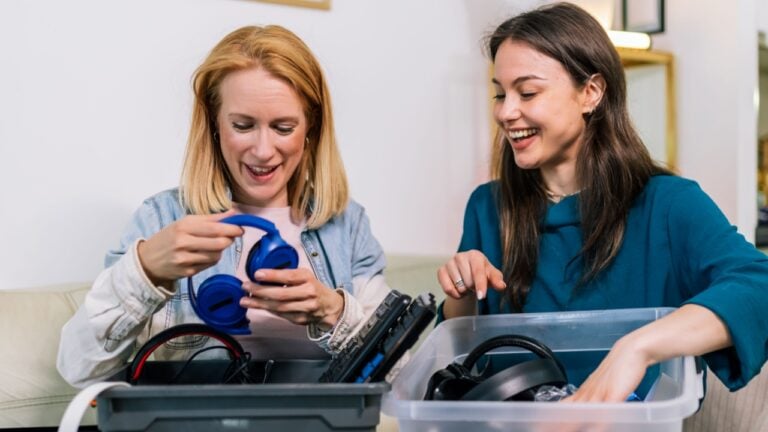
Kondo’s category-based system asks you to gather similar items from every room before sorting them. That can help some people see how much they own, yet it can also turn a home upside down in a matter of minutes.
Piles of clothes, papers, or random household items can create visual overload. Researchers have found that too much visual input can reduce productivity, increase stress, and make it harder to focus.
If you already feel behind, seeing everything at once may push you toward shutdown instead of action. A room-by-room or zone-by-zone method is often easier to manage.
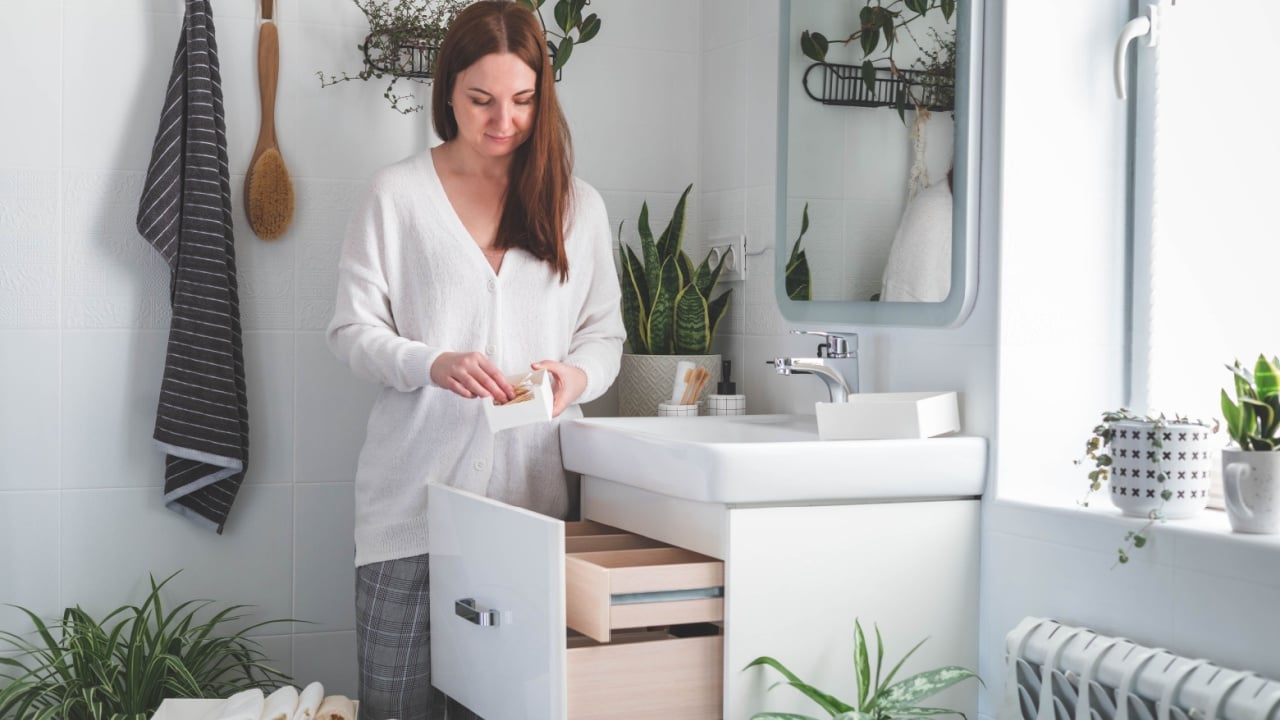
Clearing a bathroom cabinet or a kitchen drawer keeps the task contained, and you can finish with a visible win on the same day. That sense of closure matters because visible progress tends to build motivation.
3. Sentimental Items Are Harder Than Any Method Admits

The method saves sentimental items for last, based on the idea that you will be better at making decisions by then. In real life, sentimental belongings can stop people cold, even after they have sorted easier categories.
Items tied to grief, family history, identity, or guilt are not just objects. They carry memory, pressure, and sometimes fear of losing a part of their past.
For this group of belongings, gentler rules often help more than a strict keep-or-discard choice. You can set a memory box with a clear size limit, photograph meaningful items you do not need to keep, or ask yourself which story you want to keep rather than which object you must keep.
Some people also do better when they sort sentimental items in short sessions, since emotional fatigue can cloud good decisions. A slower method is often more humane and more effective here.
4. Spark Joy is Too Vague for Many Real-Life Items
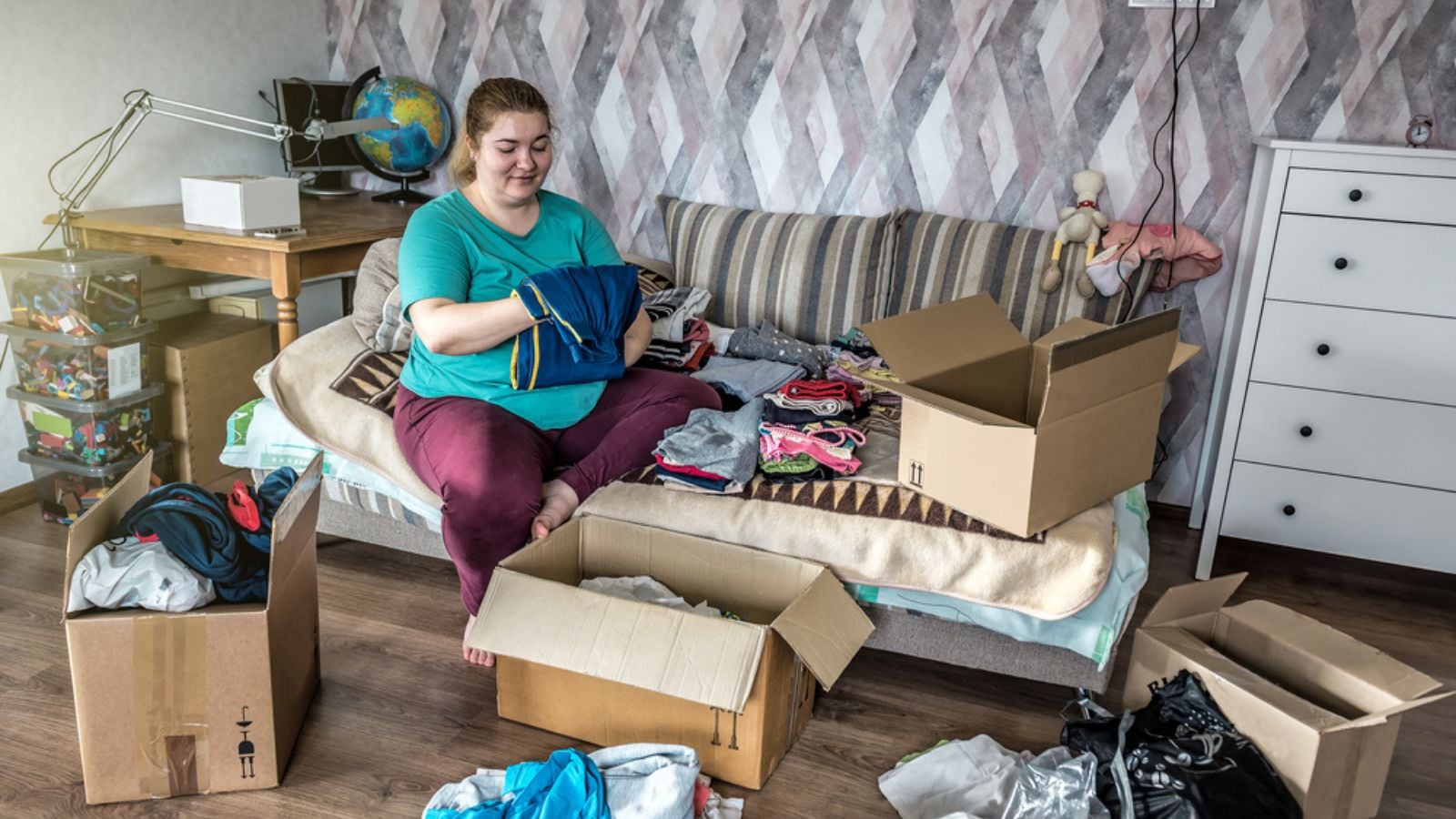
The famous spark joy test is memorable, though it can be hard to apply to practical items. Very few people feel joy when they hold tax papers, cleaning tools, extension cords, or a winter emergency kit.
Many things stay in a home because they serve a purpose, save money, or support daily life. If joy becomes the only test, people may feel confused, guilty, or tempted to keep too much just because the question itself is hard to answer.
A more useful filter for many households is a short list of practical questions. Do you use it, need it, replace it often, or have space to store it without creating clutter around it?
You can also sort items into simple groups, such as use weekly, use rarely, replace if needed, and no longer useful. This keeps decisions grounded in reality rather than forcing every object through an emotional test that does not fit.
5. The Prescribed Order Does Not Match Every Person’s Pain Points

The Kondo sequence starts with clothes, then books, papers, miscellaneous items, and sentimental belongings. That structure helps some people build decision-making skills, yet it does not fit every home or life stage.
A parent dealing with school papers may need to handle paperwork first, while someone downsizing after a move may need to focus on furniture or storage bins before touching a closet.
If the order overlooks your biggest source of stress, you may lose momentum early on. Many professional organizers now use customized plans built around function and urgency.
If a guest room has become a storage dump, clearing that single room may free up valuable space and create fast relief. People often stay motivated when they tackle the area that bothers them most instead of following a fixed sequence.
6. Minimalism is Not the Right Endpoint for Every Household
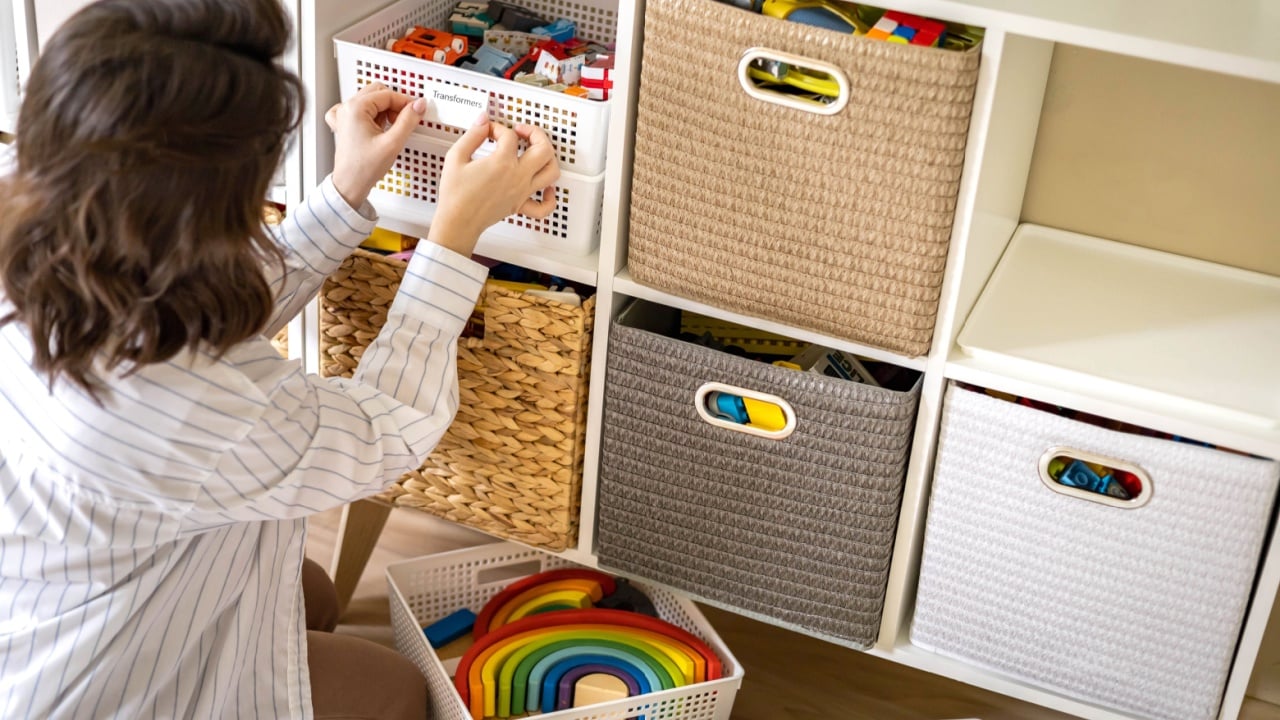
Marie Kondo’s method is often linked with a cleaner, more minimal home. That image appeals to many people, though some households simply function better with a different style.
Large families, hobby-based homes, multigenerational households, and people with health or mobility needs may need more supplies, more storage, and easier access to everyday items. For them, the issue may not be owning too much, but storing things in a way that supports daily routines.
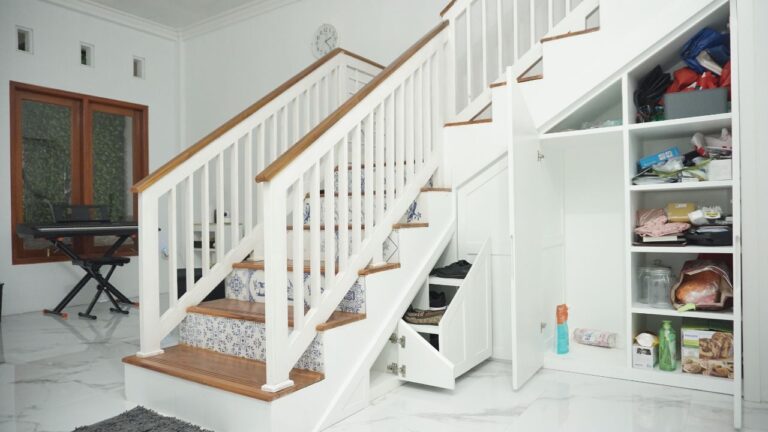
In these cases, the better option is organized usability instead of strict reduction. Open bins, labeled shelves, drop zones, and easy-return systems can do more good than trying to cut possessions to a low number.
Some people also thrive with visible storage because hidden systems make them forget what they own. If your home works well and feels manageable, that matters more than matching a minimalist ideal.
Declutter on Your Own Terms

Marie Kondo’s decluttering method has helped many people, but it is not a perfect match for every home. Busy schedules, emotional baggage, mental overload, and different lifestyles can make the system hard to follow or maintain.
That does not mean you are bad at decluttering. It means you may need decluttering rules and a method built for your actual habits and responsibilities.
The most useful decluttering plan is the one you can keep using without burning out. When you choose a method that fits your life, decluttering becomes less stressful and much more likely to last.