
6 Costly Moving Mistakes to Stay Clear Of
Moving is rarely fun; it’s chaotic and intense, and you almost always break something. For many of us, the best part of moving is when the boxes are finally out of the way, and we find the coffee maker. Oftentimes, a missed deadline, a weak box, or a rushed decision can cost far more than most people expect.
Many moving costs do not show up in the first quote. They appear later as broken items, added fees, lost time, utility gaps, and stress that drags on after move-in day.
A well-planned move usually comes down to a few smart choices made early. When you know where people slip up, you can avoid common traps and keep your budget in better shape.
Here are six costly moving mistakes to stay clear of, along with practical ways to make your move smoother, safer, and less expensive.
1. Packing Everything Without Decluttering First

One of the most expensive moving mistakes is paying to move stuff you no longer need. Movers often charge by weight, time, or truck space, so extra boxes can quickly raise the bill.
Clutter also creates more packing work, more unpacking later, and more mess in your new home. Go room by room before you pack a single box.
Sort items into keep, donate, sell, and toss piles, and be honest with yourself during the process.
If you have not used something in years, or it no longer fits your life, moving it may cost more than replacing it later. Selling larger items can also offset moving costs, while donations can save time and lighten the load.
2. Skipping Insurance and Assuming Everything Is Covered

A lot of people assume the moving company will fully cover damaged or lost items. In many cases, basic valuation coverage is limited and pays by weight, not by actual item value.
That means a damaged television or antique table may bring back far less money than it would cost to repair or replace. Read the mover’s coverage details before signing anything.
Ask what is included, what is excluded, and how claims are handled if something goes wrong.
If you own valuable electronics, artwork, jewelry, or family heirlooms, check your homeowner’s or renter’s policy and look into added moving coverage if needed. Taking photos of high-value items before the move can also help support a claim.
3. Underestimating How Long Packing Takes

Packing almost always takes longer than people expect. A home that seems easy to pack can turn into days of work once you factor in closets, drawers, fragile items, garage storage, and all the small things tucked into cabinets.
When people run out of time, they rush, and rushed packing often leads to broken items, mislabeled boxes, and expensive supply runs. Build in more time than you think you need, especially if you are packing a full household without outside help.
Gather sturdy boxes, packing paper, tape, markers, and padding well before moving week so you are not paying premium prices at the last minute.
Label boxes with both the room and the contents, and clearly mark fragile items. A simple packing plan can save hours during unpacking and lower the odds of damage.
4. Using Cheap or Poor-Quality Packing Supplies

Trying to save money on boxes and supplies can backfire quickly. Old, weak boxes may collapse under weight, and low-quality tape can fail in the middle of a move.
Fragile items packed with towels alone or left with space in the box are far more likely to shift, crack, or break during loading and transport.
Use the right materials for the items you own. Dish packs, mattress bags, wardrobe boxes, and heavy-duty cartons cost more up front, yet they can prevent much bigger replacement costs later.
Keep heavier items in smaller boxes and lighter items in larger ones so boxes stay manageable and do not split open. Filling empty gaps with packing paper or bubble wrap helps stop movement and protects what is inside.
5. Trying to Do Everything Yourself Instead of Hiring Help
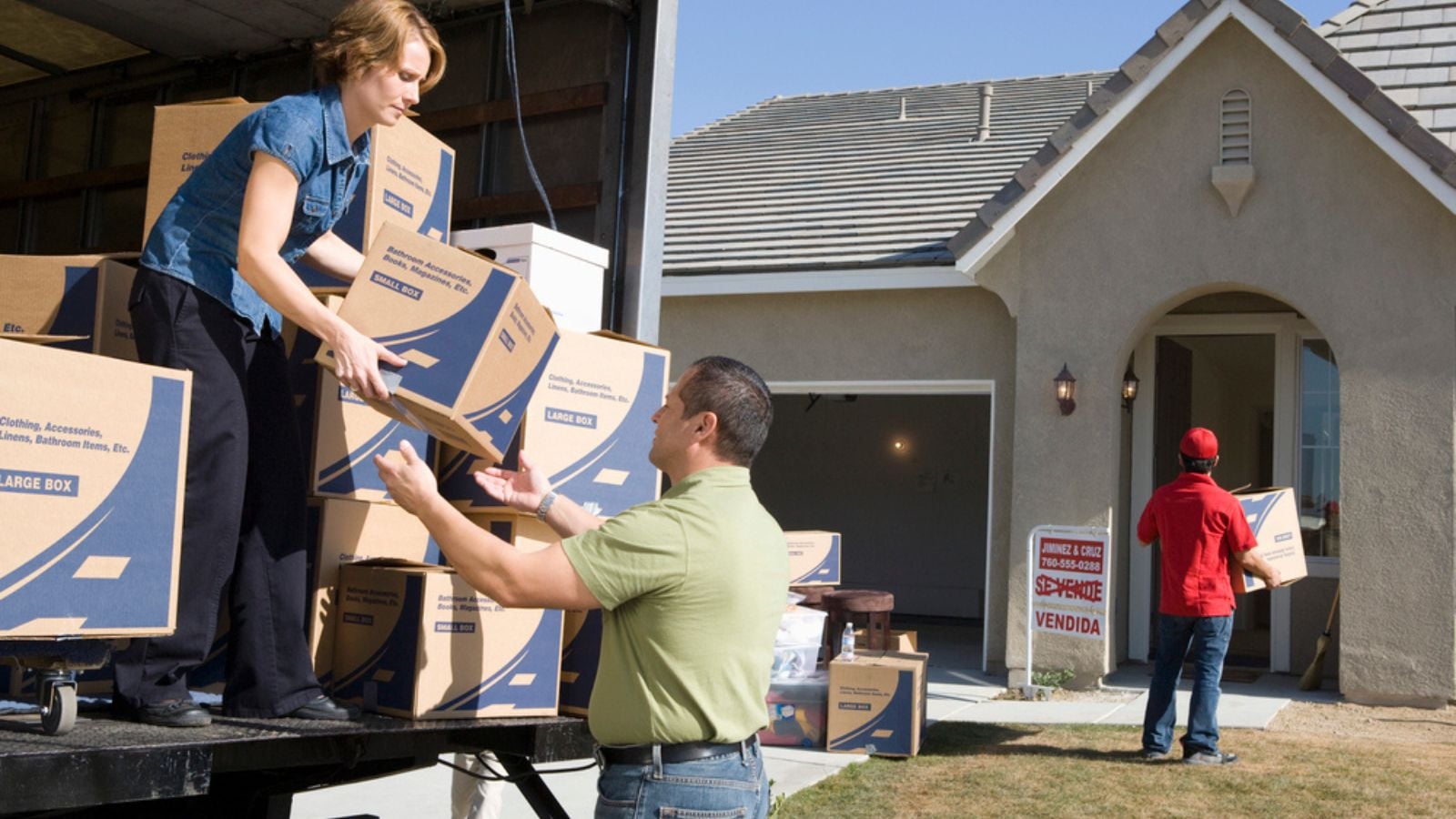
A do-it-yourself move may seem cheaper at first, yet the total cost is often higher than expected. Truck rental fees, fuel, moving equipment, hotel stays, meals, and missed work can add up fast.
There is also the risk of injury, damaged furniture, and the strain of lifting bulky items without proper tools or enough people.
Professional movers bring experience that can save time and reduce the risk of damage. They know how to load a truck safely, move large pieces through tight spaces, and protect floors, walls, and furniture during the job.
If a full-service move is out of reach, look into partial help, such as labor-only movers for loading and unloading. That middle option can cut costs while still giving you support where it matters most.
6. Forgetting Address Changes and Utility Transfers

It is easy to focus so much on boxes and moving day that the admin side gets pushed aside. Then the problems begin with missed bills, delayed packages, internet outages, or arriving at your new place with no power or water.
These issues can create fees, service delays, and a rough first week in a new home. Create a moving checklist that covers mail forwarding, bank account updates, insurance records, subscriptions, and government documents.
Schedule utility shutoff and start dates early to avoid gaps between homes. It also helps to confirm appointments a few days before the move, since busy seasons can lead to scheduling mistakes. A little planning here can prevent a long list of avoidable headaches.
Prepared Moves Pay Off

Moving is expensive enough without paying for mistakes that can be avoided with some planning. The smartest moves usually happen before moving day, when you have time to sort, compare, label, book help, and handle paperwork without rushing.
If you focus on the trouble spots, you can protect your budget, your belongings, and your time. A move may never be easy, yet it can be far less costly when you go in prepared.