You’re Never Too Old To Garden! Explore These Adaptive Gardening Ideas for Older Adults
Your joints ache, your knees protest, and somewhere along the way, someone told you that gardening was a young person’s game.
That someone was wrong, and a University of Arkansas study of more than 3,300 women proves it. Researchers found that women over 50 who gardened at least once a week had higher bone density than those who jogged, swam, walked, or did aerobics. Not a little higher — significantly higher.
A long-term study by the University of Edinburgh tracked hundreds of older adults across their lifetimes and found that those who gardened regularly had better cognitive function in later life, including stronger memory, problem-solving ability, and word fluency, even after controlling for education, socioeconomic status, and overall physical activity levels.
A 2022 meta-analysis of 22 gardening studies, cited by the National Institutes of Health, concluded that gardening is associated with reductions in depression, anxiety, and BMI, alongside increases in quality of life, physical activity levels, and cognitive function. Yet millions of older adults abandon their gardens precisely when the health stakes are at their peak.
This year, before another season slips away, it is worth knowing that the garden does not have to be given up. It simply has to be redesigned. Adaptive gardening, or the art of working smarter, not harder, has given countless older adults not just a garden but a lifeline.
Stop Telling Yourself You Can’t Garden Anymore

The biggest obstacle most older gardeners face is not arthritis or a bad knee. It is the belief that the garden belongs to a younger version of themselves. That belief is the real enemy, and it is not supported by the evidence.
Adaptive gardening is not a consolation prize. It is a philosophy of working with your body rather than against it by selecting tools, layouts, and plants that make the whole enterprise sustainable for decades. The National Garden Bureau, which has championed adaptive gardening for years, puts it plainly: every limitation has a corresponding solution, and most of those solutions cost less than a gym membership.
The gardeners who thrive past 70 and 80 are not the ones who push through pain on hands and knees. They are the ones who rebuilt their gardens around their abilities, often discovering that a smaller, smarter garden produces more beauty and more food than the sprawling ground-level plots they used to maintain.
As the National Garden Bureau notes, “I recommend that senior gardeners embrace imperfection”, and that imperfection often turns out to be a masterpiece.
Here are 18 ideas to make it work for you, no matter what your body is telling you today.
1. Build raised beds at waist height.
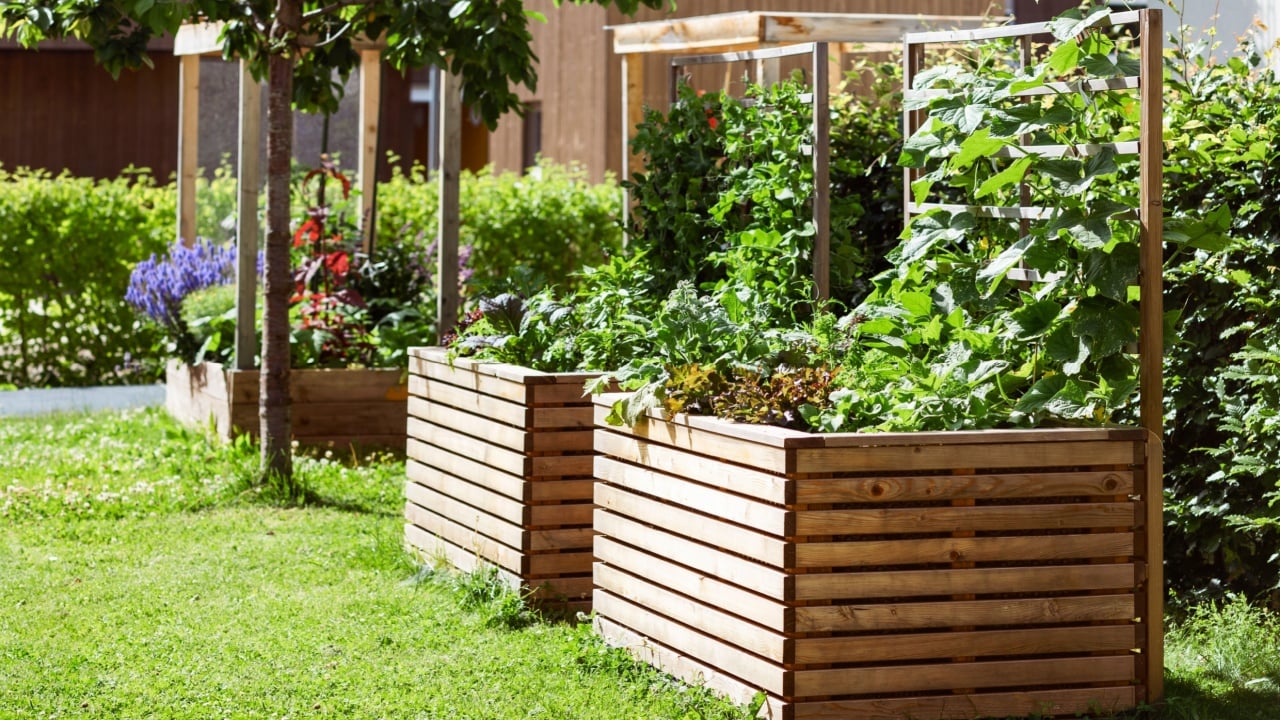
Add accessible raised beds to your garden that range from 24 to 36 inches tall. Consider adding a 6–8-inch-wide flat ledge around the top edge to serve as a built-in resting seat; no separate chair required.
2. Switch to container gardening immediately.
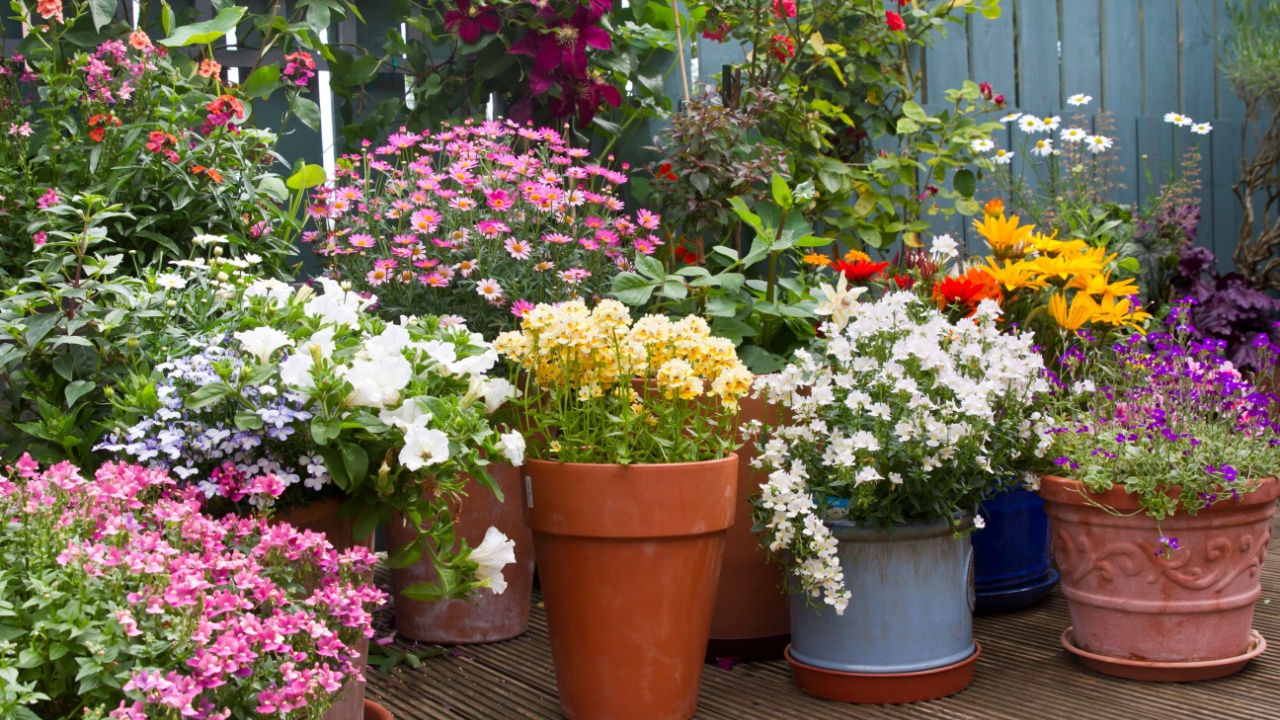
Pots, window boxes, and planters placed on tables or potting benches bring the garden to you. Containers also give you complete control over soil quality, which means healthier plants with less effort. However, some pots, due to their size, become unmanageable once filled. Opt for lightweight resin containers on rolling plant caddies that can be repositioned for sun and shade without any lifting.
3. Try vertical gardening on a fence or wall.
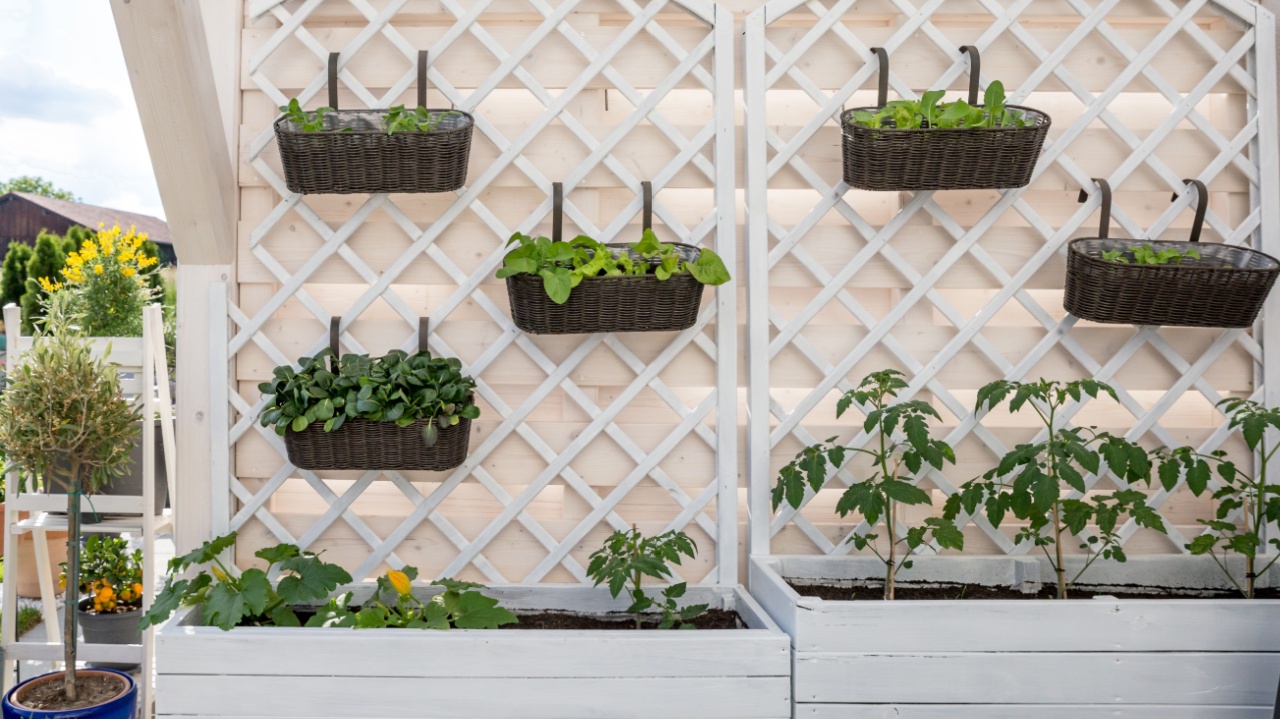
Wall planters, trellises, and hanging systems bring plants to eye or shoulder level. Climbing vegetables like peas and pole beans, plus most herbs, thrive in vertical setups. For wheelchair users, a ratchet pulley system allows containers to be lowered for planting and raised for display.
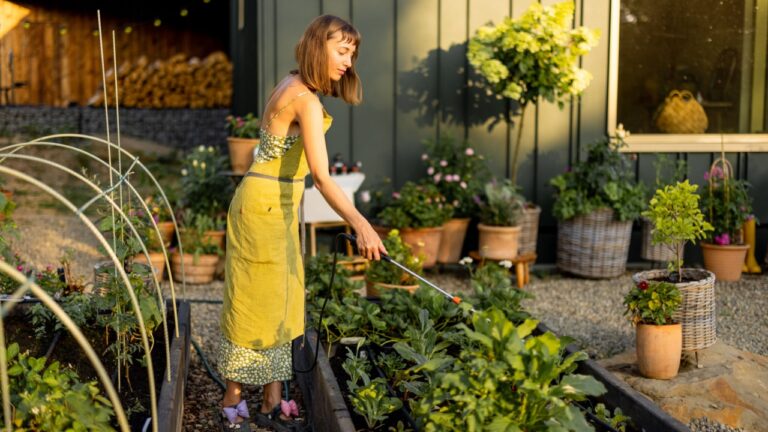
4. Install a drip irrigation system with a timer.
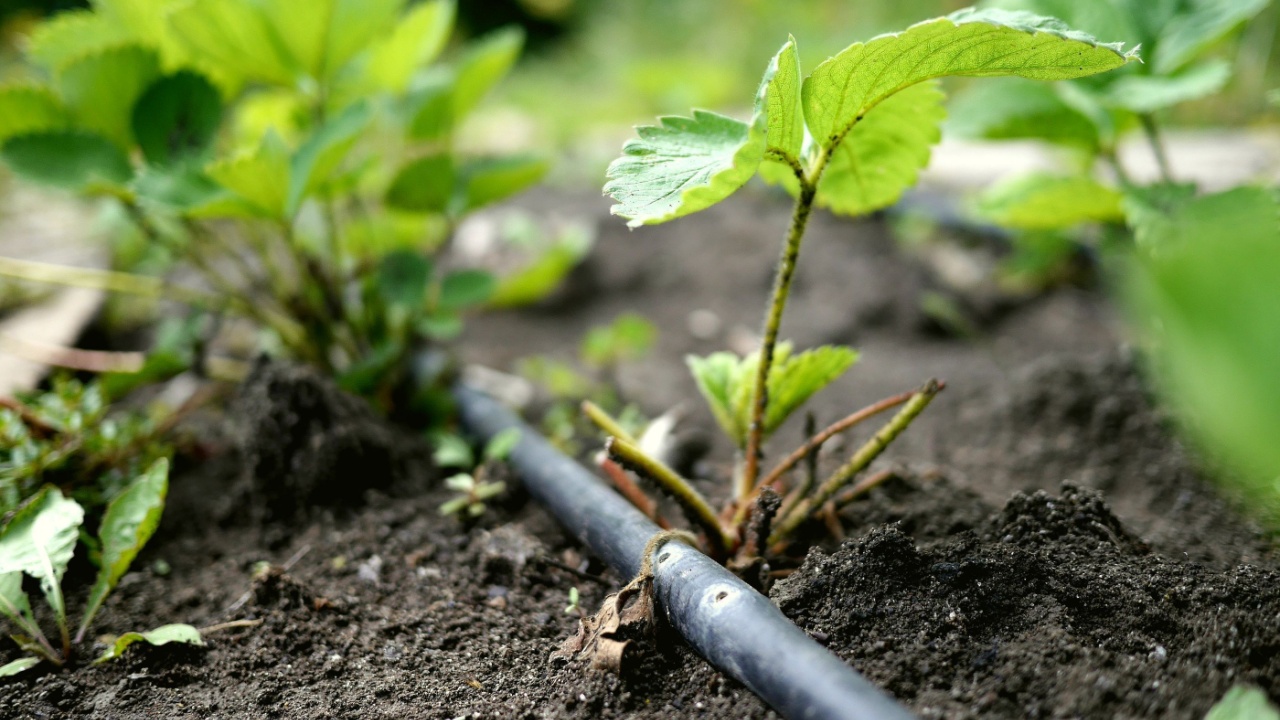
According to MIT research cited by DripWorks, drip irrigation saves up to 60 percent more water than sprinklers. More importantly for older gardeners, it eliminates the need to carry heavy watering cans or drag hoses across the yard. A battery-operated timer means the garden waters itself, so you don’t have to worry about getting out into the garden on days that you don’t feel well. If you do have to still use a hose, opt for modern expandable hoses instead of the traditional heavy rubber ones.
5. Mulch everything heavily.
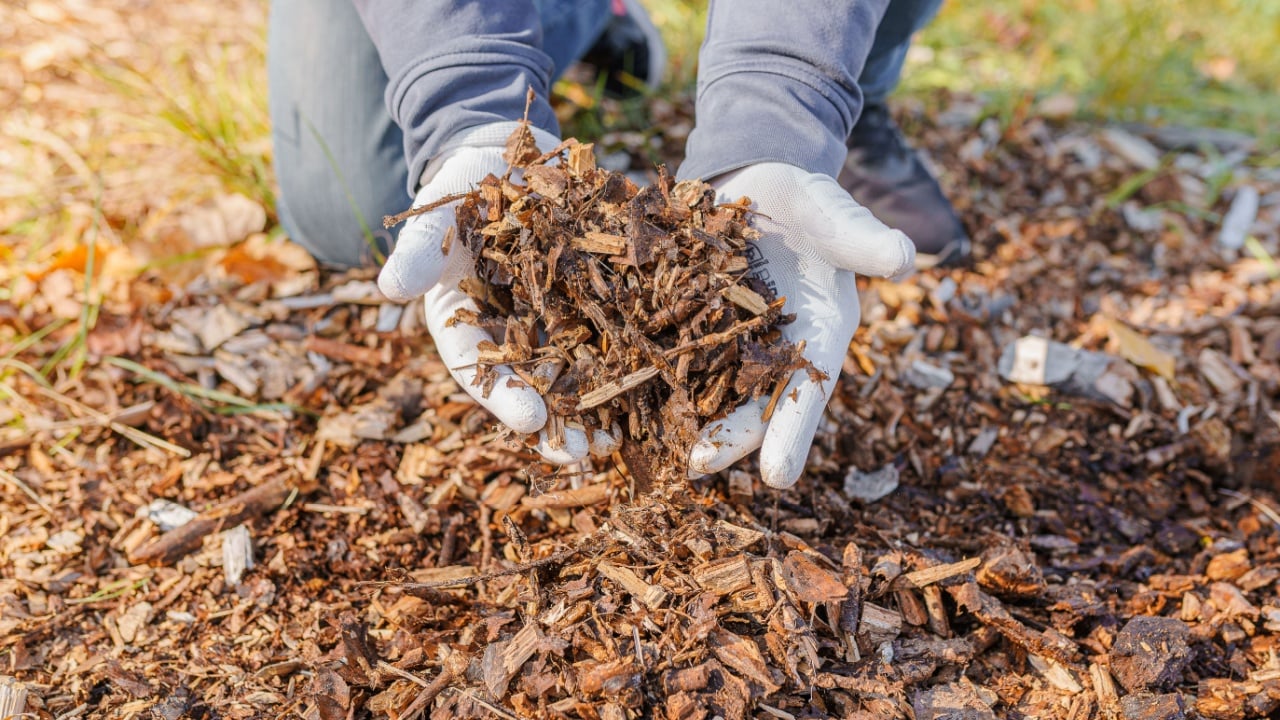
A 2–3 inch layer of straw, wood chips, or shredded leaves suppresses weeds, retains soil moisture, and regulates temperature. This means that there is less weeding, less watering, and less work every season.
6. Upgrade to ergonomic tools.
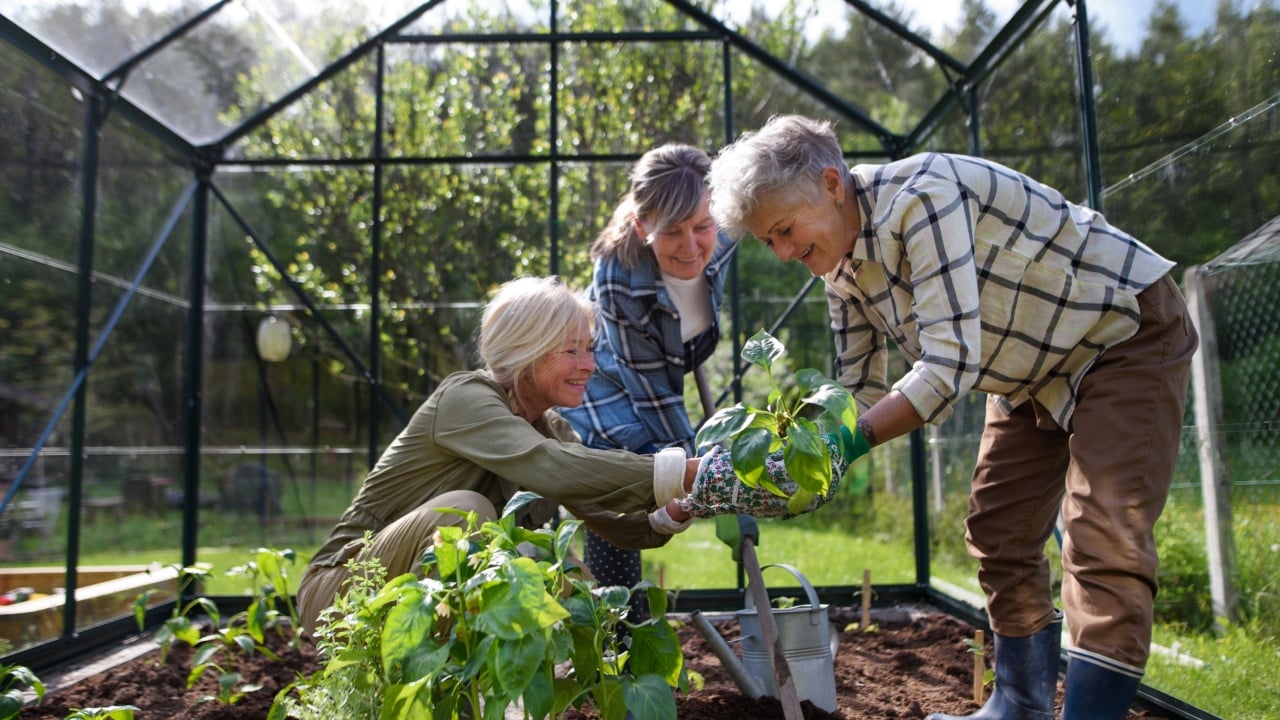
Ergonomic handles with non-slip rubber grips can improve hand grip efficiency by up to 58 percent, according to research reviewed by physical therapist and Master Gardener Sue Jones. Tools with curved handles keep the wrist in a neutral position, reducing repetitive strain injuries. If you don’t have the budget to upgrade your tools, try wrapping existing tools with foam pipe insulation or pool noodles secured with hockey tape. This hack can transform any standard tool handle into an arthritis-friendly grip. As HGTV‘s adaptive gardening expert Kerrigan notes, the added cushioning makes gripping significantly easier.
If you struggle with hand strength, you could try switching to ratchet pruners. Ratcheting pruners and loppers multiply cutting force: you squeeze several times gently to cut through a branch instead of applying one powerful grip. For gardeners with weak hands, battery-operated electric pruners require almost no hand strength at all.
Updating to long-handled standing tools can also be a smart option, because they allow weeding, planting, and soil work entirely from a standing or seated position. You can find long-handled options for rakes, hoes, stand-up weeders, and cultivators. Even bulb planters have a stand-up option that eliminates kneeling for one of the most beloved fall planting tasks.
7. Choose perennials over annuals.

Lavender, hostas, daylilies, coneflowers, sedum, and peonies return every year without replanting. Once established, most perennials require only seasonal light maintenance, making them the smartest long-term choice for limited-mobility gardens.
8. Select dwarf and compact vegetable varieties.
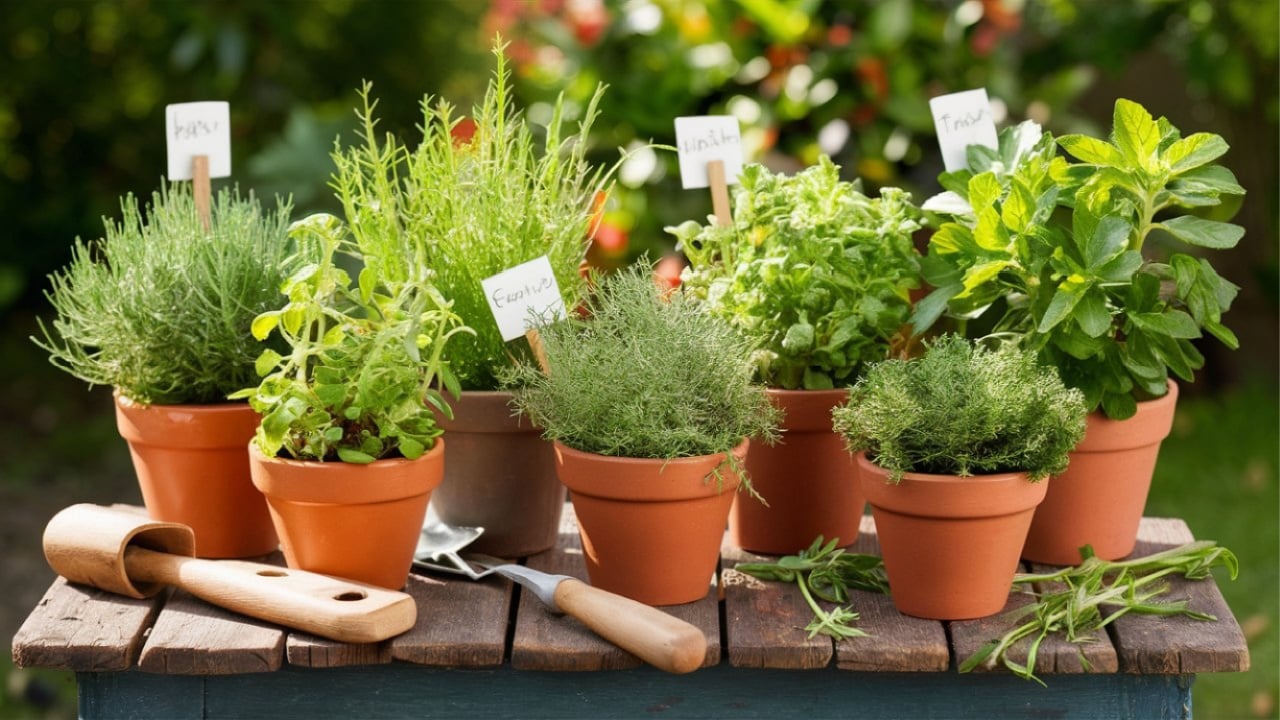
Patio tomatoes, bush beans, dwarf cucumbers, and compact pepper varieties are bred to thrive in containers without staking or trellising, eliminating one of the most physically demanding vegetable garden tasks. They’ll stay small, so if you plant in containers, it’ll stay a manageable size for moving as needed.
9. Garden in short sessions of 20–30 minutes.
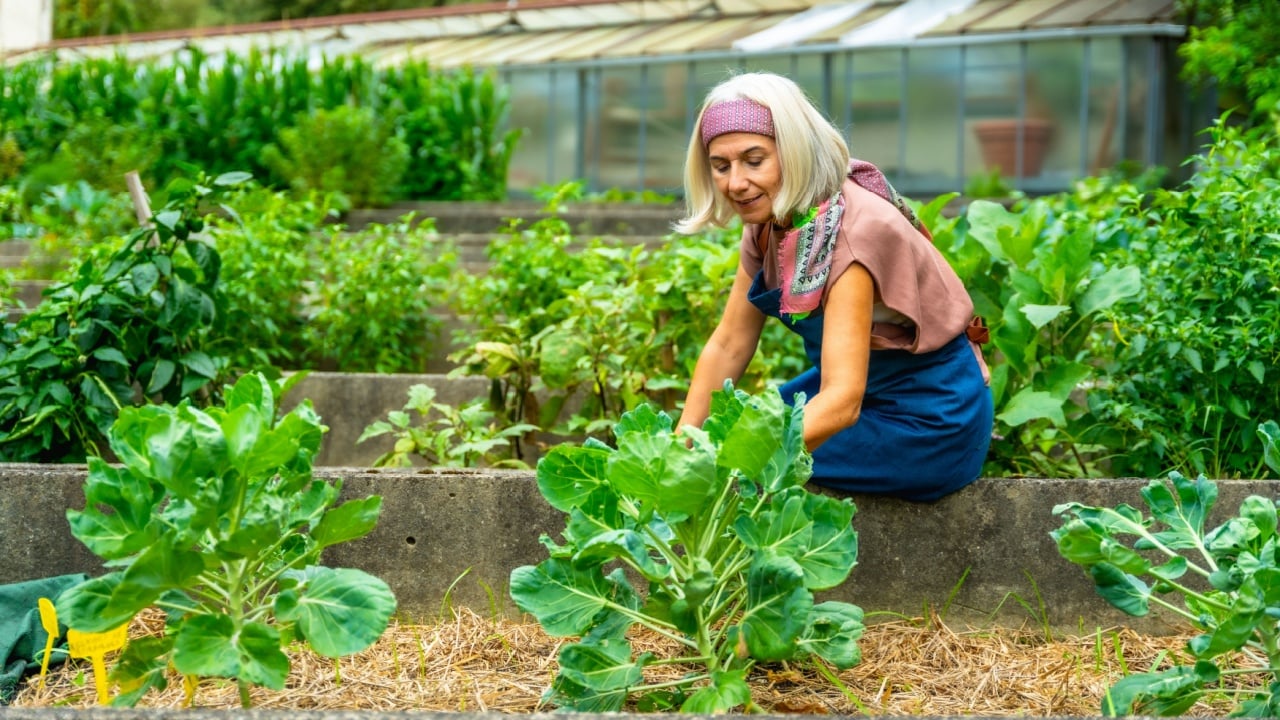
Experienced adaptive gardeners consistently recommend working in short blocks rather than marathon sessions. Fifteen to twenty minutes of activity followed by five minutes of rest, repeated across a morning, allows more total time in the garden with dramatically less soreness and fatigue afterward.
The Tools You Should Never Garden Without After 60

Ground-level gardening is the villain in this story. Kneeling, bending, and rising from the soil are the movements that drive older gardeners away from the hobby, not the gardening itself. The solution is a straightforward design shift that your grandmother’s generation never had access to, but that is now widely available and surprisingly affordable. What the gardener with the most beautiful adaptive garden on the block knows that most people never learn: it is rarely about strength. It is always about the right tools.
The essential short list includes a lightweight telescopic trowel with a vertical handle (allows a power grip rather than a pinch grip), ratchet pruners, a rolling garden stool or kneeler with side handles for getting up, a garden cart to keep tools and harvest within arm’s reach, and a pair of copper compression gloves that support arthritic joints while protecting hands. Bright-colored handles make dropped tools easy to spot; a simple pool noodle on the handle makes them easy to grip.
Physical therapist and Master Gardener Sue Jones, writing for InTheGardenSue.com, notes that handle angulation is a critical ergonomic factor: keeping the wrist in a neutral position while gripping a tool requires a handle angled at the right degree, and the best ergonomic tools are designed specifically around this biomechanical principle.
Raised beds built to 24–36 inches tall eliminate the need to kneel entirely. According to GardenTech, beds designed at this height allow gardeners to plant, water, and weed comfortably from a seated or standing position, with easy access to the bed’s center from either side. HGTV‘s adaptive gardening guidance recommends 28–30 inches as the sweet spot for most older gardeners.
Paths matter just as much as beds. The National Garden Bureau recommends a minimum path width of 4 feet to accommodate walkers and wheelchairs, with 7 feet for two-way traffic. Steps should be replaced with gentle slopes of no more than 5 percent grade. Smooth pavers or packed gravel provide firm, slip-resistant footing. These are not just accessibility upgrades; they are fall-prevention measures that can save a season or a hip.
Don’t Wait Until You Need a Walker to Plan for One

The single most important piece of adaptive garden advice has nothing to do with plants or tools. It is this: design your garden today for the mobility level you may have in ten years, not the one you have right now.
Paths that are 4 feet wide cost no more than paths that are 2 feet wide, but one accommodates a walker, and the other doesn’t. Gentle slopes replace steps for a fraction of the cost of retrofitting. Low-voltage path lighting installed now means safe early-morning and evening garden visits for years to come. Raised beds built with seating ledges function perfectly for standing gardeners today and seated ones tomorrow.
The gardeners who keep growing into their 80s and beyond are not the toughest or the most physically gifted. They are the ones who planned, adapted early, and permitted themselves to garden differently. Their rewards are real: stronger bones, sharper minds, lower stress, and a garden that still brings them joy every single morning.
Read more:
Is Your House A Wildfire Target? 7 Things That Increase Your Risk At Home
Is The Heat To Blame for Your Struggling Vegetable Garden This Summer? Stop Making These 7 Mistakes