Stop Growing These 10 Plants Near Your Tomatoes
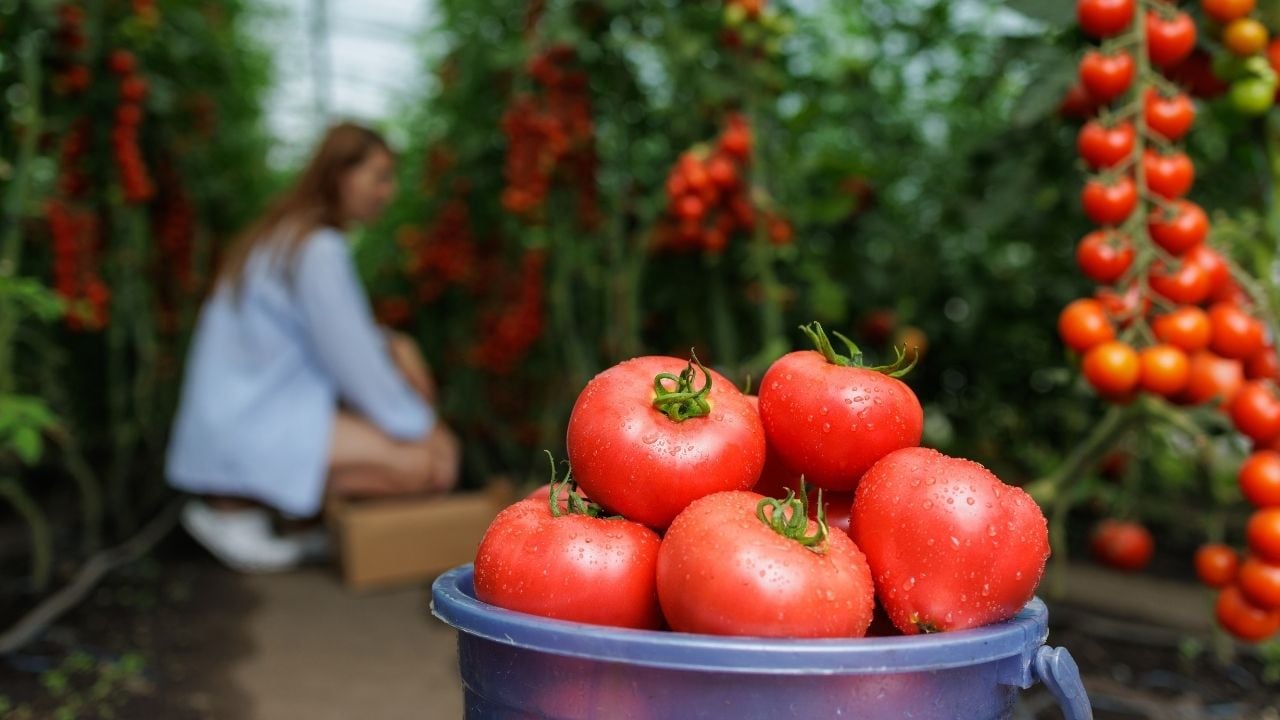
Tomatoes are the most popular home garden vegetable in America, and also among the most commonly sabotaged by their own neighbors. Every spring, gardeners make the same well-intentioned mistakes: tucking a familiar herb here, a cheerful flower there, a cousin vegetable a row over. By midsummer, the harvest is thin, and the mystery feels unsolvable. The culprit is often right next to the plant.
Companion planting is genuinely powerful, but it cuts both ways. The wrong neighbors can steal nutrients, spread devastating diseases, and release chemicals that quietly stunt your tomatoes’ growth before you ever see a symptom. The biggest antagonists fall into three categories: nutrient competitors that starve your tomatoes, pest magnets that invite destruction, and allelopathic plants that wage chemical warfare in the soil. Knowing which plants belong in which category is the difference between a bumper crop and a season of head-scratching disappointment.
Here are the 10 plants you should never grow near your tomatoes, and what’s actually going wrong when you do.
1. Fennel
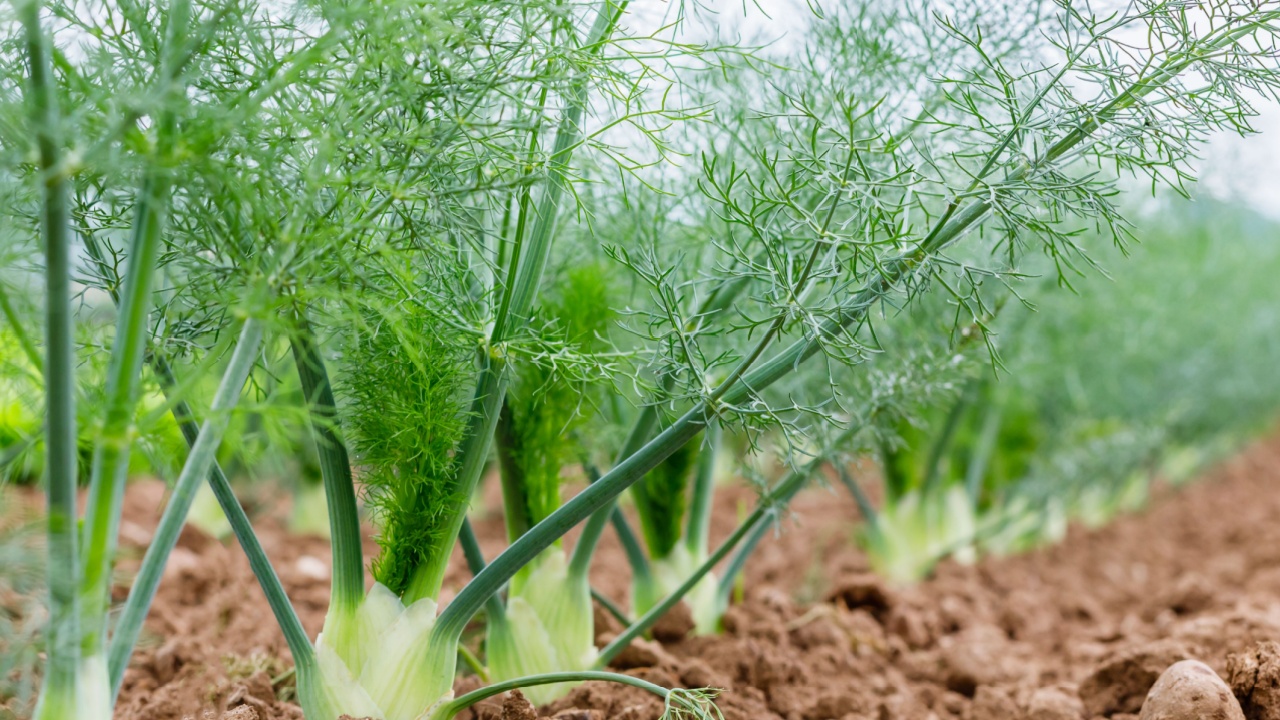
Fennel is the single most dangerous plant you can put in or near a tomato bed. It releases allelopathic compounds that actively inhibit the growth and development of nearby plants, and tomatoes are particularly sensitive. As Hunker explains, these chemicals are found in fennel’s roots and spread through the soil; once they interact with tomato roots, growth is inhibited, significantly weakening the plant and reducing fruit yield.
House Digest points out that even when planted several feet away, fennel’s height casts shade, and its deep taproot competes for water in the same soil layers as tomato roots. Grow fennel in a dedicated container or an isolated bed, completely away from your vegetable garden.
2. Black Walnut

If you have a black walnut tree anywhere on or near your property, treat it as a hard boundary for tomato planting. As the University of Illinois Extension explains, black walnut trees produce a chemical called juglone found throughout the tree in its roots, nut hulls, bark, and leaves, and plants in the potato family, including tomatoes, are especially sensitive, showing symptoms of leaf yellowing, wilting, stunted growth, and eventual death.
Iowa State University Extension notes that the root zone of a mature black walnut can extend well beyond the tree’s canopy, and for sensitive crops like tomatoes, raised beds with a root barrier and fresh soil are the only reliable safeguard.
3. Potatoes
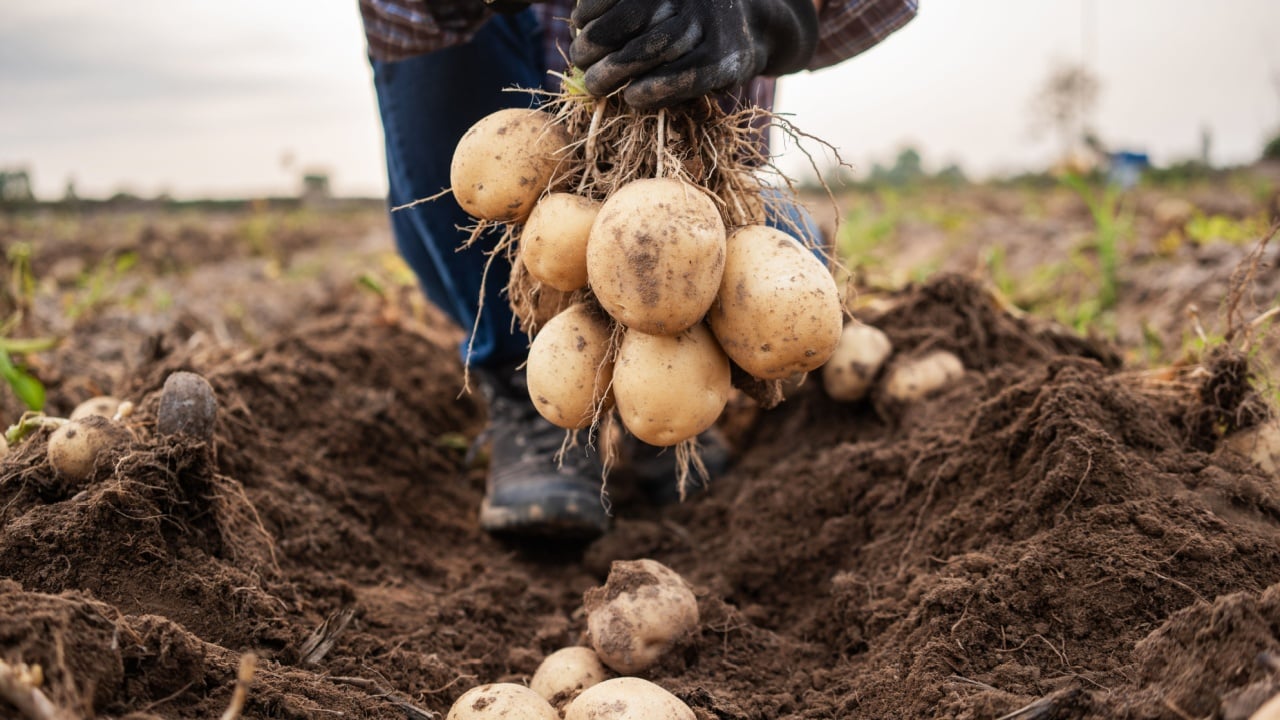
Tomatoes and potatoes are botanical cousins, both members of the Solanaceae family, and that shared ancestry is the problem. As the University of Minnesota Extension warns, late blight (Phytophthora infestans) is a water mold that can infect and produce thousands of sporangia per lesion in less than five days, easily becoming airborne; this is the same disease responsible for the Irish Potato Famine.
UMass Amherst Extension stresses that because the disease can move very easily from one garden or field to another, planting potatoes next to tomatoes creates a situation where one infected plant can bring down both crops before you can intervene. Grow them in separate beds and rotate both away from any prior nightshade planting.
4. Brassicas (Broccoli, Cabbage, Cauliflower, Kale)

The entire brassica family makes a poor companion for tomatoes. As Gardening Know How explains, brassicas tend to outcompete tomatoes for nutrients in the soil; they are both heavy feeders, but when placed in competition, tomatoes usually lose, leaving them stunted and unable to produce fruit.
Beyond nutrient competition, Rural Sprout notes that brassicas are mildly allelopathic, releasing natural compounds called glucosinolates in the soil that stunt the growth of nearby plants. Timing also works against this pairing: Brassicas prefer cool conditions while tomatoes need warmth, making them nearly impossible to grow side by side in the same season.
5. Corn

Corn and tomatoes are fierce competitors for the same resources. As Park Seed notes, both crops are heavy feeders competing for essential nutrients like nitrogen and phosphorus, and they share vulnerabilities to similar fungal diseases.
Hunker adds that corn grows up to ten feet tall and must be planted in blocks for wind pollination, meaning any nearby tomato bed will deal with significant shade, and both crops also share the corn earworm, also known as the tomato fruitworm, a pest that becomes significantly harder to manage when its two favorite hosts are planted side by side.
6. Eggplant
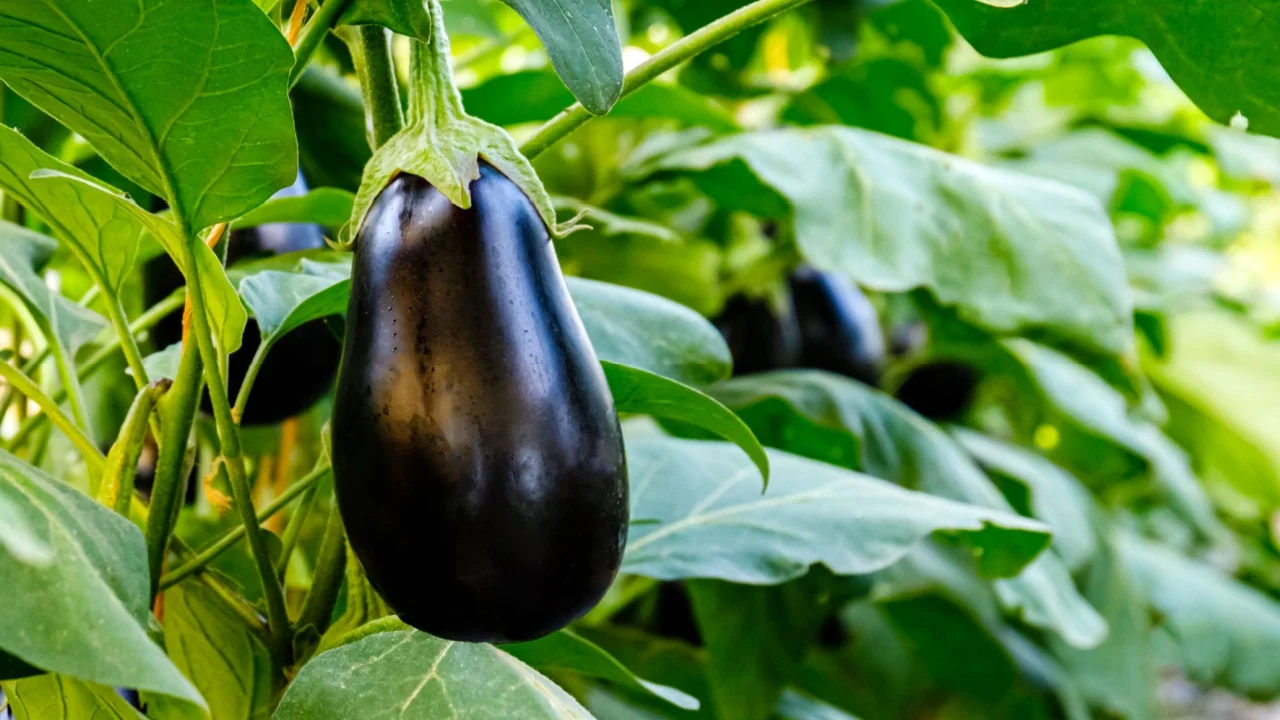
Eggplant may seem like an intuitive companion for tomatoes, but in the garden, they are a risky pair. As Hunker explains, eggplant competes intensely with tomatoes for the same soil nutrients, leaving both plants with reduced growth and yields; like potatoes, eggplant can also spread blight between itself and neighboring tomato plants.
UC IPM confirms that Phytophthora infestans has a wide host range that includes tomato, potato, pepper, and eggplant, making it all the more important to give each its own bed and rotate annually.
7. Mature Dill
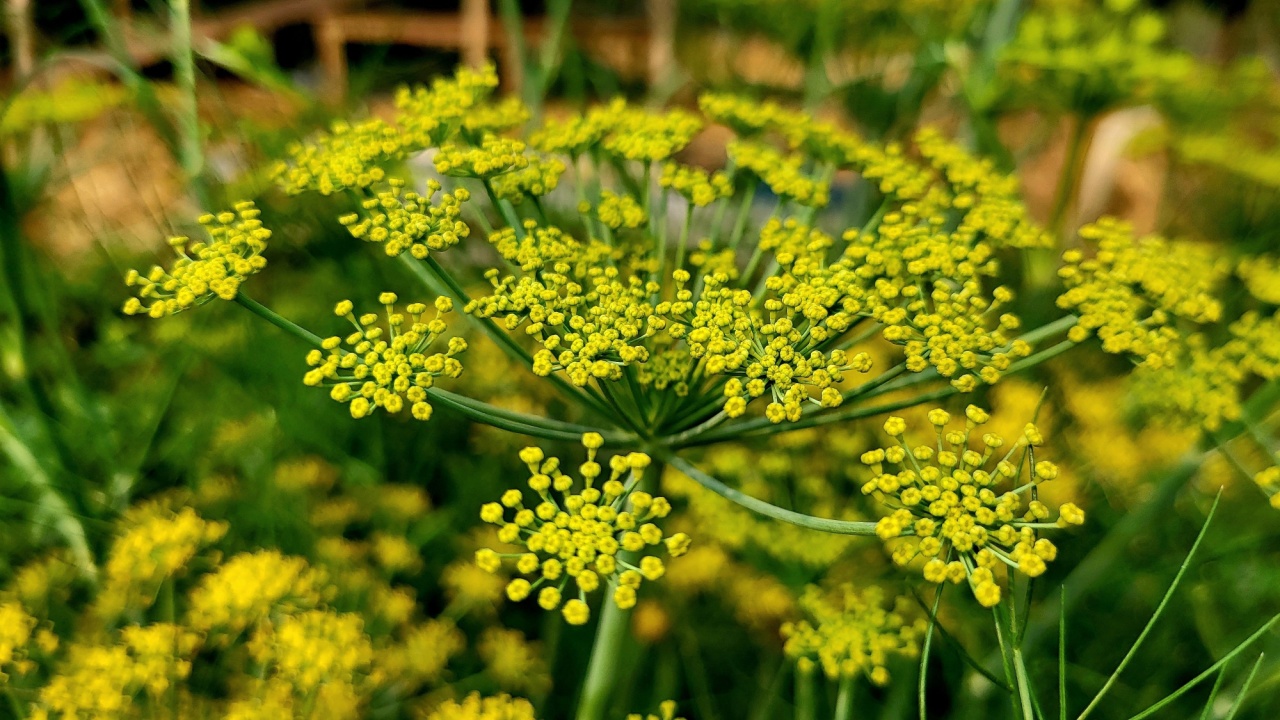
Dill occupies a complicated position: young dill is genuinely beneficial, attracting predatory wasps and other beneficial insects. But the advice stops there. As Park Seed cautions, as dill matures, it releases chemicals into the soil that can inhibit the growth of neighboring plants like tomatoes.
House Digest adds that mature dill also attracts tomato hornworms, one of the most destructive tomato pests. Plant dill at the garden edges, harvest it regularly before it flowers, and remove it from proximity to tomato beds the moment it bolts.
8. Sunflowers
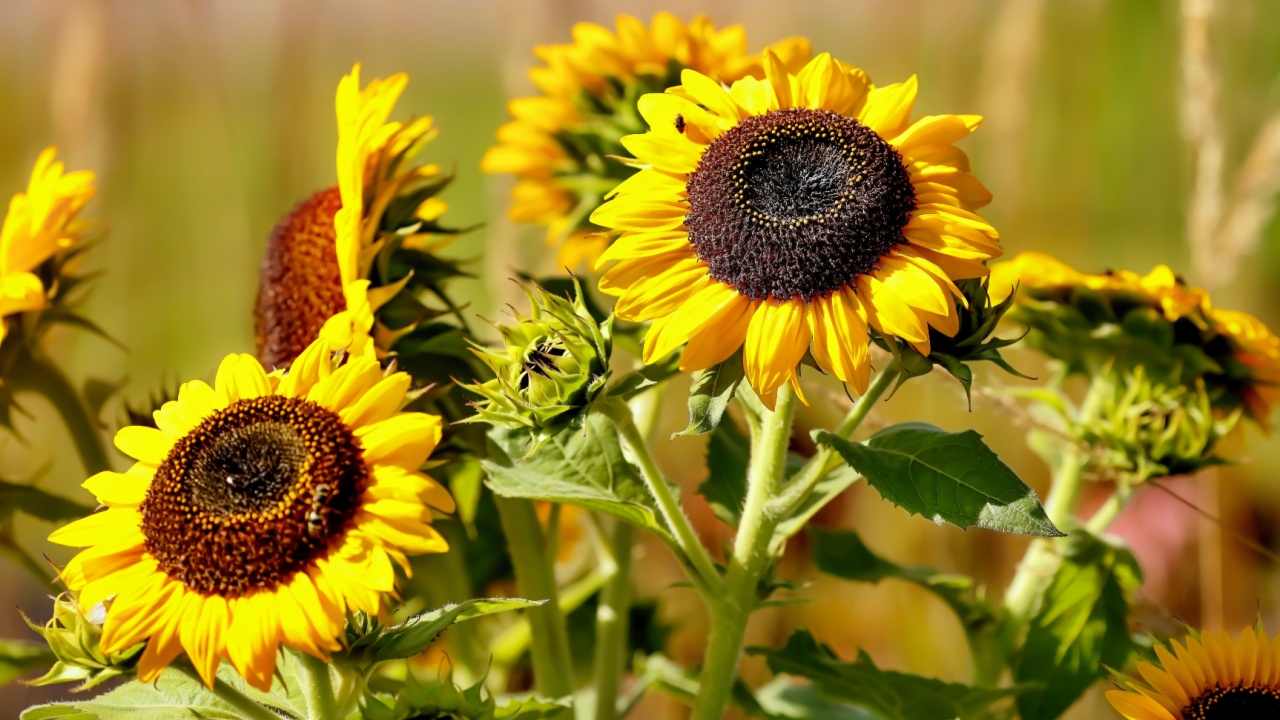
Few plants seem less threatening than a sunflower, which is exactly why this entry surprises so many gardeners. As Park Seed explains, sunflowers have deep, extensive root systems that monopolize water and soil nutrients, leaving nearby tomatoes struggling, and they attract aphids and beetles that readily migrate to tomatoes.
Rural Sprout points out that a mature sunflower can also cast a wide shadow that deprives sun-loving tomatoes of the hours of direct light they need for fruit production.
9. Cucumbers
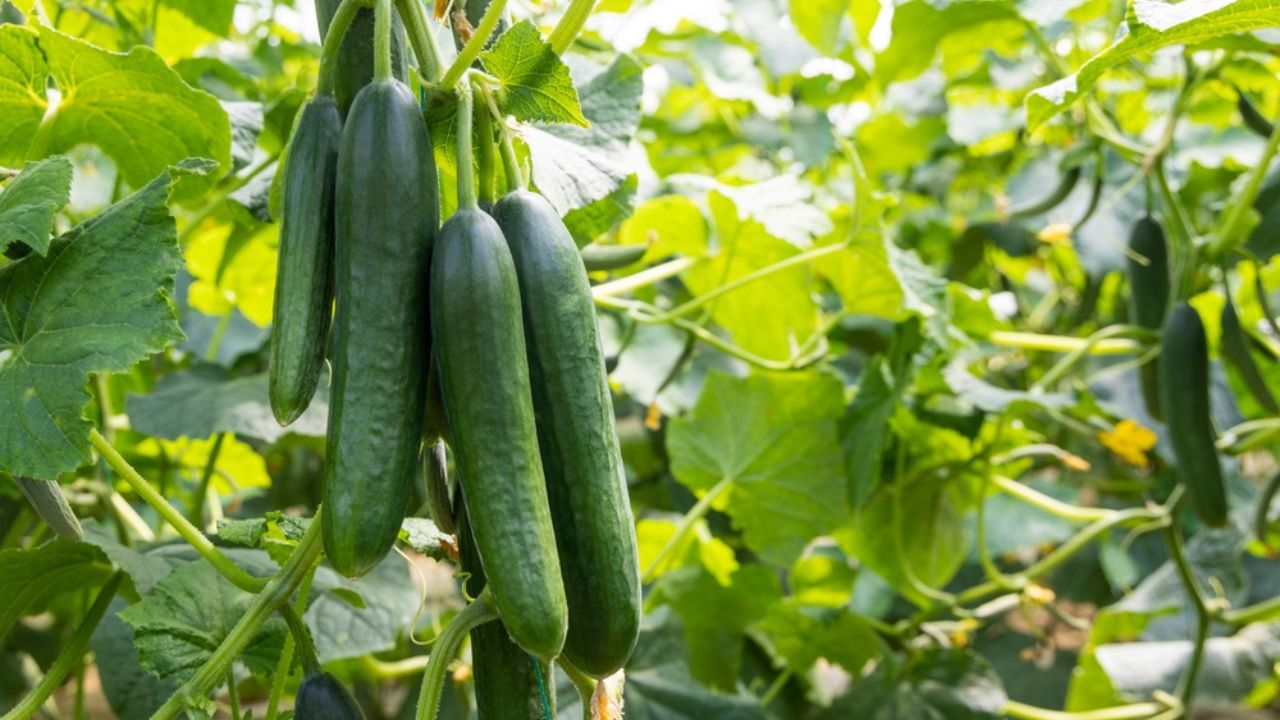
Cucumbers and tomatoes share enough problems to make proximity unwise. However, both are prone to powdery mildew and fusarium wilt, and both attract aphids, whiteflies, and spider mites, according to Park Seed.
Cucumbers also prefer consistently moist soil, and tomatoes need drier conditions, meaning the moisture level that cucumbers thrive in promotes exactly the fungal conditions that tomatoes are most vulnerable to. Keep them in separate beds with different watering schedules, and you’ll get better yields from both.
10. Peppers
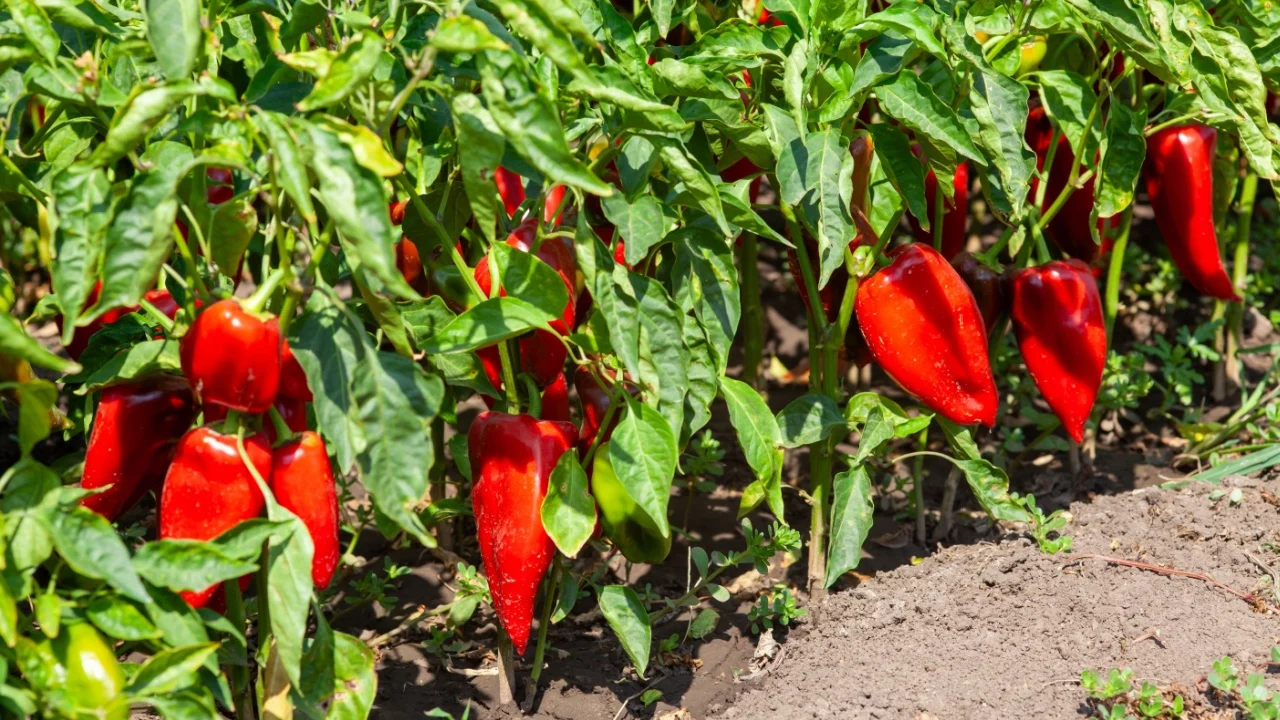
Peppers and tomatoes are so botanically similar that many gardeners assume they’re natural companions. They are not. As House Digest explains, as fellow nightshades, they share diseases, including bacterial spot and verticillium wilt, and planting them together allows pathogens to spread easily between the two while drawing the same pests: aphids, whiteflies, and hornworms.
In a high-disease year, concentrating two nightshade crops in one spot can accelerate losses dramatically. Separate them, and rotate both groups to fresh beds each spring.
What to Plant Near Tomatoes Instead
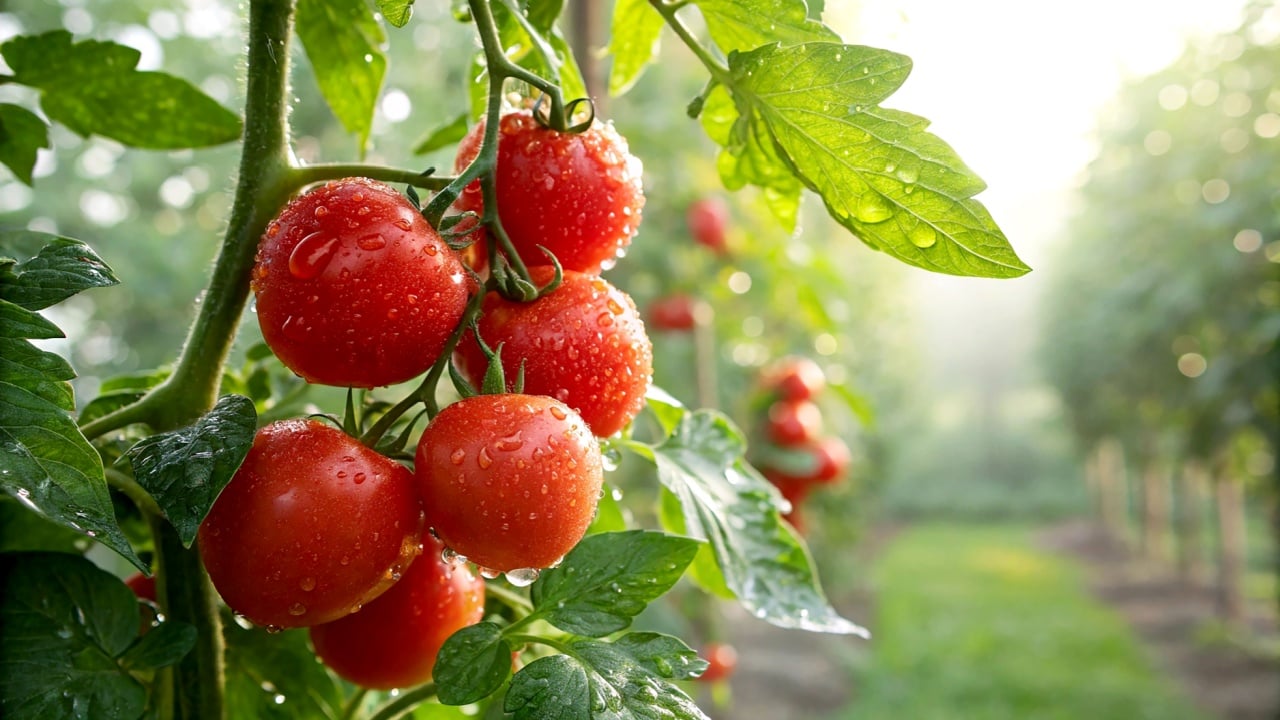
Once you’ve cleared the offenders, the good news is that tomatoes have excellent companions that actively improve the garden. Basil is the most well-documented, deterring certain pests and improving airflow around plants. Marigolds repel nematodes, aphids, and tomato hornworm moths. Garlic and chives discourage aphids and whiteflies through natural sulfur compounds. Lettuce grows happily in the shade beneath tomato plants, suppresses weeds, and retains soil moisture, earning its space without competing for anything tomatoes need most.
The goal is not to surround your tomatoes with as many plants as possible. It is to choose neighbors that earn their space without taking what the tomatoes need most: sunlight, water, and room for their roots to run.
Read More
Washing Your Lettuce Won’t Remove Cyclosporiasis, But Growing Your Own Will
Your Grandmother Stored These 8 Foods All Winter Without Canning a Single Jar