12 Shade-Friendly Perennials You Should Be Growing But Probably Aren’t
If you’ve written off the shadiest corner of your yard as a lost cause, you’re leaving the most interesting real estate in your garden empty. Experienced gardeners don’t see shade as a problem to overcome; they see it as a different kind of canvas, one that rewards patience, rewards texture, and reliably comes back year after year with almost none of the fuss that sun gardens demand.
Many beginner gardeners assume that shade gardening is easy, which, ironically, is one of the most common mistakes beginners make. Shade gardening is more precise than sun gardening because the plant list is narrower and the consequences of the wrong choice are quieter and slower to reveal themselves. A sun plant dies dramatically; a shade-wrong plant simply sits, sulks, and slowly fades.
However, once you find the right plants for your shade, those plants tend to be extraordinarily forgiving. They need less water than sun beds, fewer amendments, and almost no deadheading. As White Flower Farm puts it, shade gardens offer “a wider world of flowers and foliage than you previously knew existed.”
The secret is choosing perennials that earn their keep with beautiful foliage first and treat flowers as a bonus.
Before You Plant, Know Your Shade
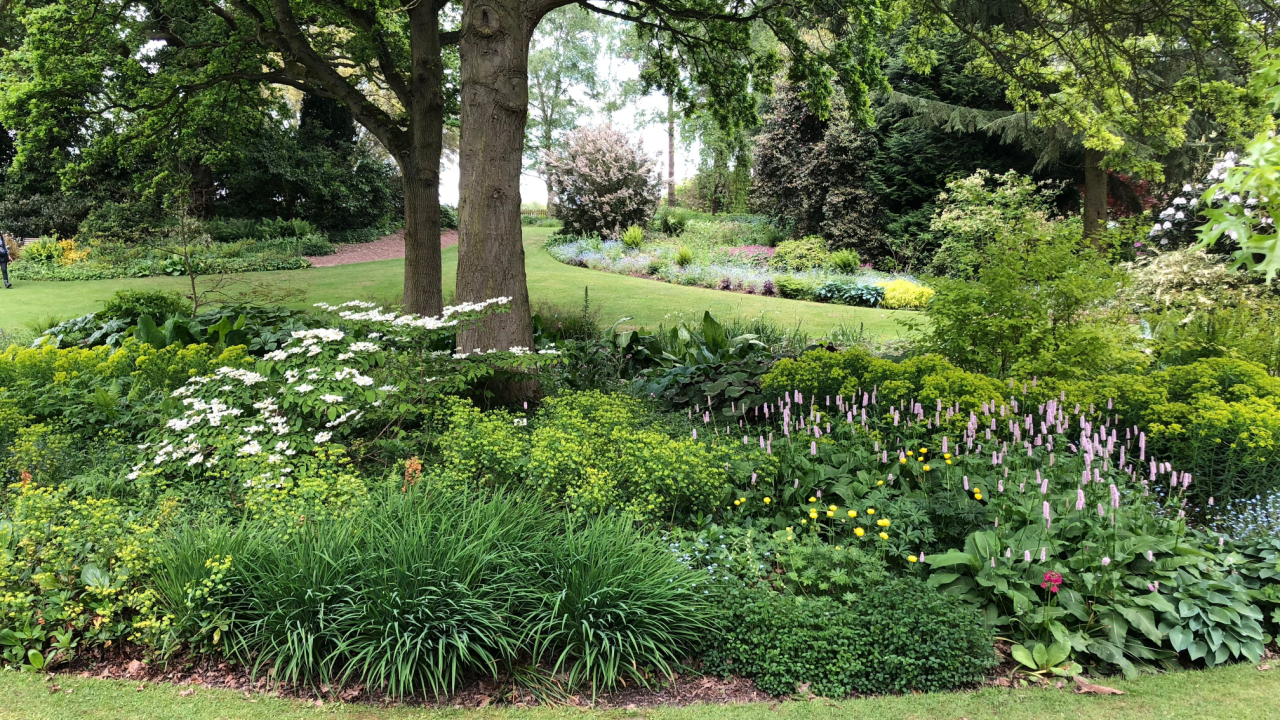
Not all shade is the same, and treating it as identical is the fastest way to kill a perfectly good plant. Full shade means fewer than three hours of direct sunlight per day. Part shade means roughly four hours, often with morning light. Dappled shade, the kind that filters through tree leaves, counts closer to full shade than most gardeners assume.
The single most useful thing you can do before spending a dollar at a nursery is to spend one full day watching where light falls in the area you want to plant, and take photos every two hours. It sounds tedious, but it prevents the most expensive mistake in shade gardening: buying a plant for the wrong light level. Many gardeners overestimate their light in spring, when trees are still bare, and discover their “part shade” bed is actually full shade by July.
Here are 12 shade-friendly perennials worth growing, each one chosen not just to survive but to genuinely shine.
1. Hellebore (Lenten Rose)
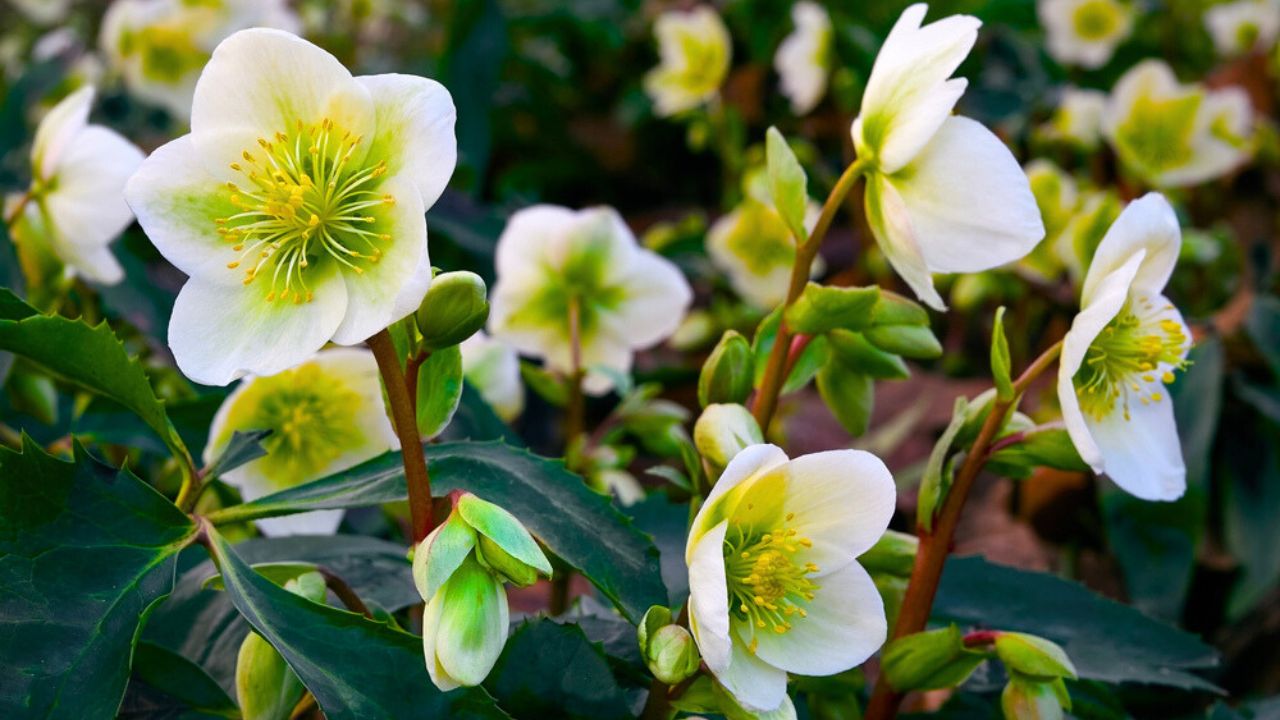
Hellebores bloom in late winter to early spring, before almost anything else in the garden has woken up, sometimes pushing up through snow. They are evergreen, deer-resistant, and long-lived, with nodding flowers in shades of deep burgundy, dusty pink, cream, and near-black.
The Chicago Botanic Garden calls them “wonderful plants for moist shade gardens” that offer “attractive, glossy evergreen foliage” year-round. Hellebores are a hardy addition to gardens in zones 4–9.
2. Hostas
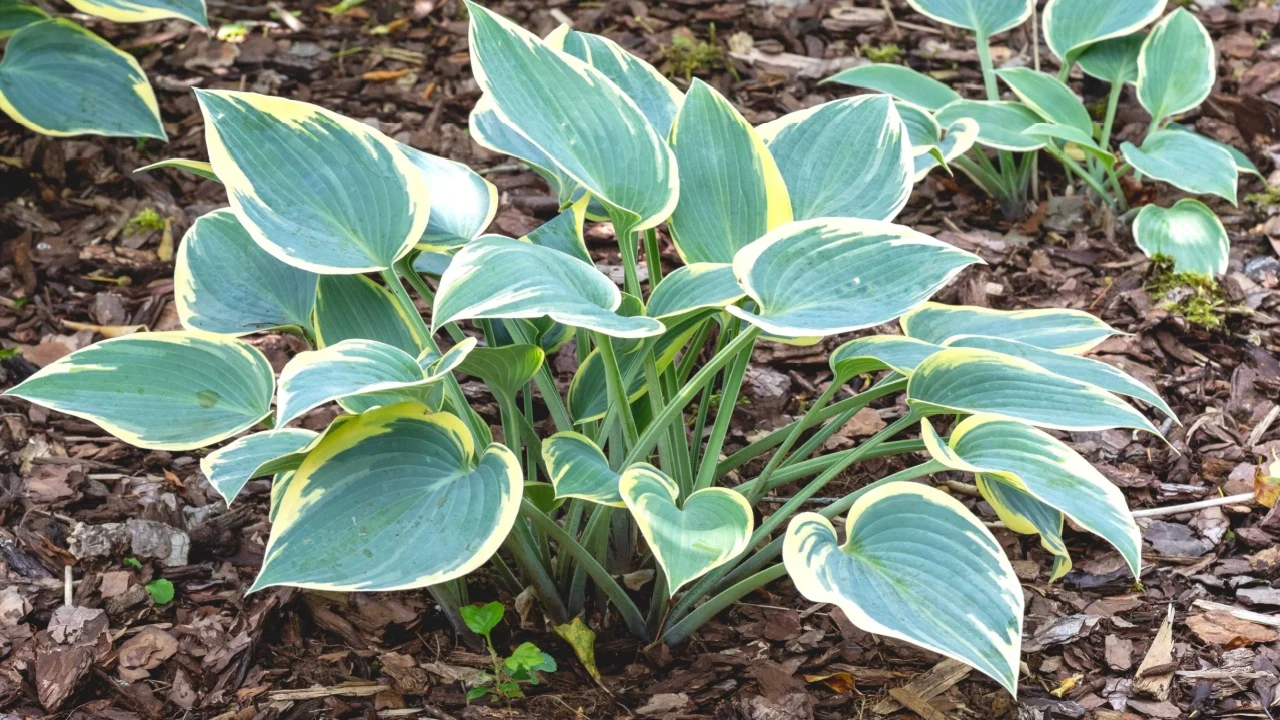
Yes, hostas. Before you roll your eyes, consider this: hostas come in hundreds of varieties, from ground-hugging miniatures to ‘Empress Wu,’ a giant that reaches four feet tall and six feet wide at maturity. Their summer flowers are jasmine-scented, and bees and hummingbirds are drawn to their nectar.
According to Gardenista, hostas are “indispensable perennials for shade” precisely because of their “immense variety of sizes, leaf forms, texture, and color.” Hostas are hardy in zones 3–9.
3. Astilbe
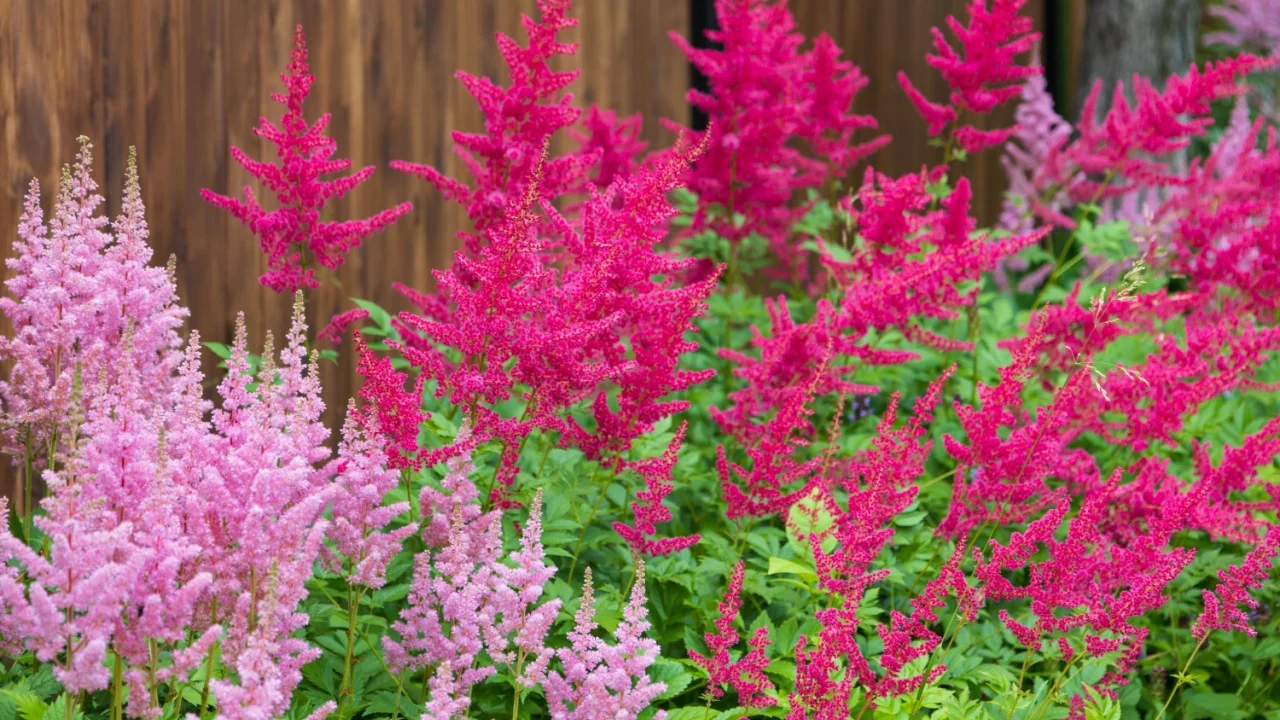
Astilbe is the shade perennial that genuinely surprises people: feathery, romantic plumes of pink, red, white, or lavender that rise above fern-like foliage in early to midsummer. It is deer-resistant, long-blooming, and doubles as a cut flower.
Nature Hills notes that astilbe is “the go-to flowering perennial for shade gardens,” combining texture, movement, and bold plumes of color. Plant in consistently moist soil; astilbe will burn in hot afternoon sun. Astilbe is hardy in zones 4–9.
4. Heuchera (Coral Bells)
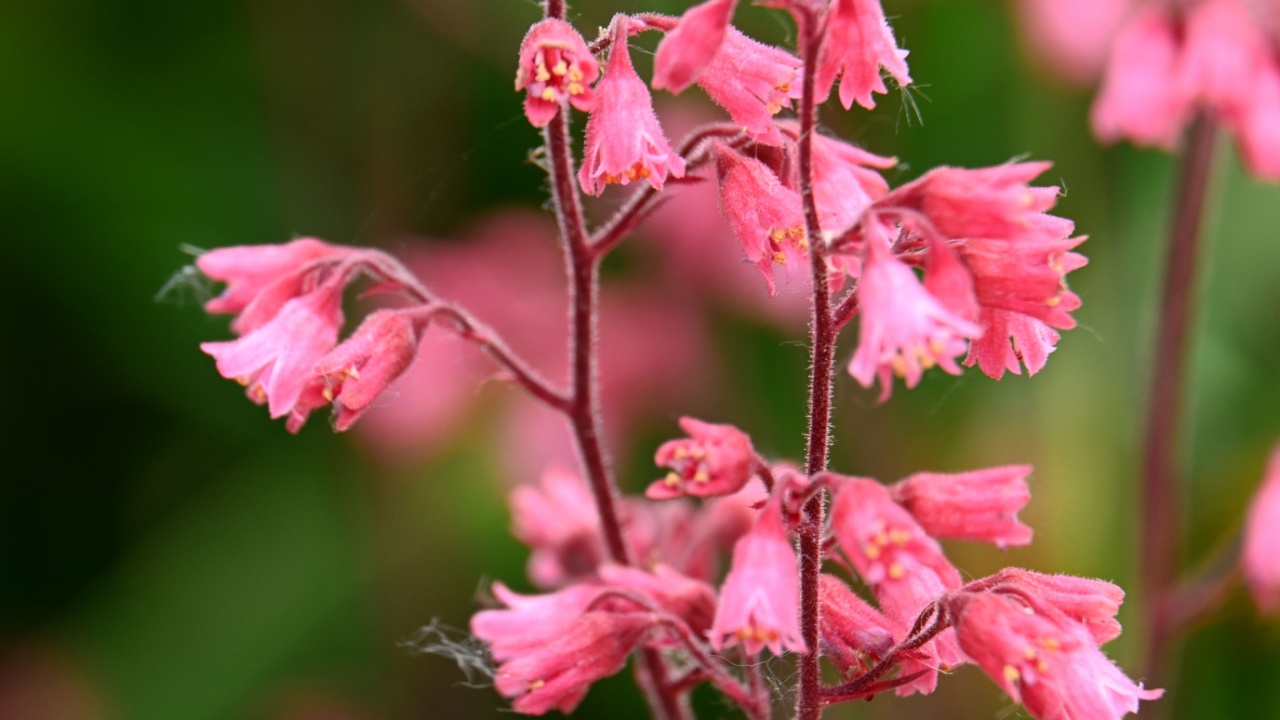
Few perennials offer foliage this extraordinary in a shady spot. Heuchera leaves range from vivid chartreuse and lime to deep burgundy and apricot, making them one of the most visually striking plants available, even when not in bloom.
Proven Winners describes them as growing “in any amount of sunlight, from full sun to full shade, as long as you water” them; they are one of the most adaptable perennials available. Gardeners in clay soils should amend at planting time, as heuchera dislikes soggy winter soil. Heuchera thrives in zones 3–8.
5. Bleeding Heart (Dicentra)
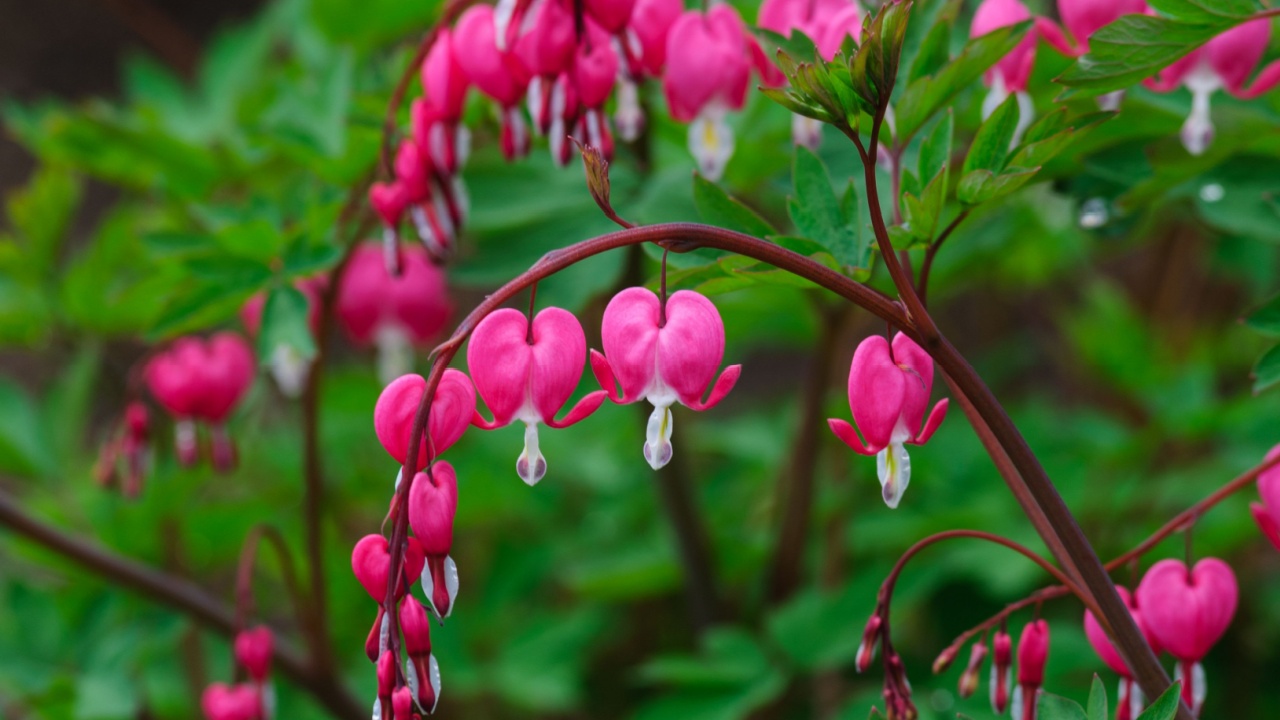
An old-fashioned cottage garden treasure being rediscovered by a new generation of gardeners, bleeding heart produces long, arching stems studded with dangling heart-shaped flowers in spring. It goes dormant by midsummer, which sounds like a problem until you realize the fix: plant hostas and astilbe nearby, and they expand precisely when bleeding heart disappears, leaving no gap.
Gardenia notes that bleeding heart pairs naturally with “hosta, astilbe, pulmonaria, or ferns to fill the space left by its foliage when going dormant.” Bleeding heart grows well in zones 3–9.
6. Foamflower (Tiarella)
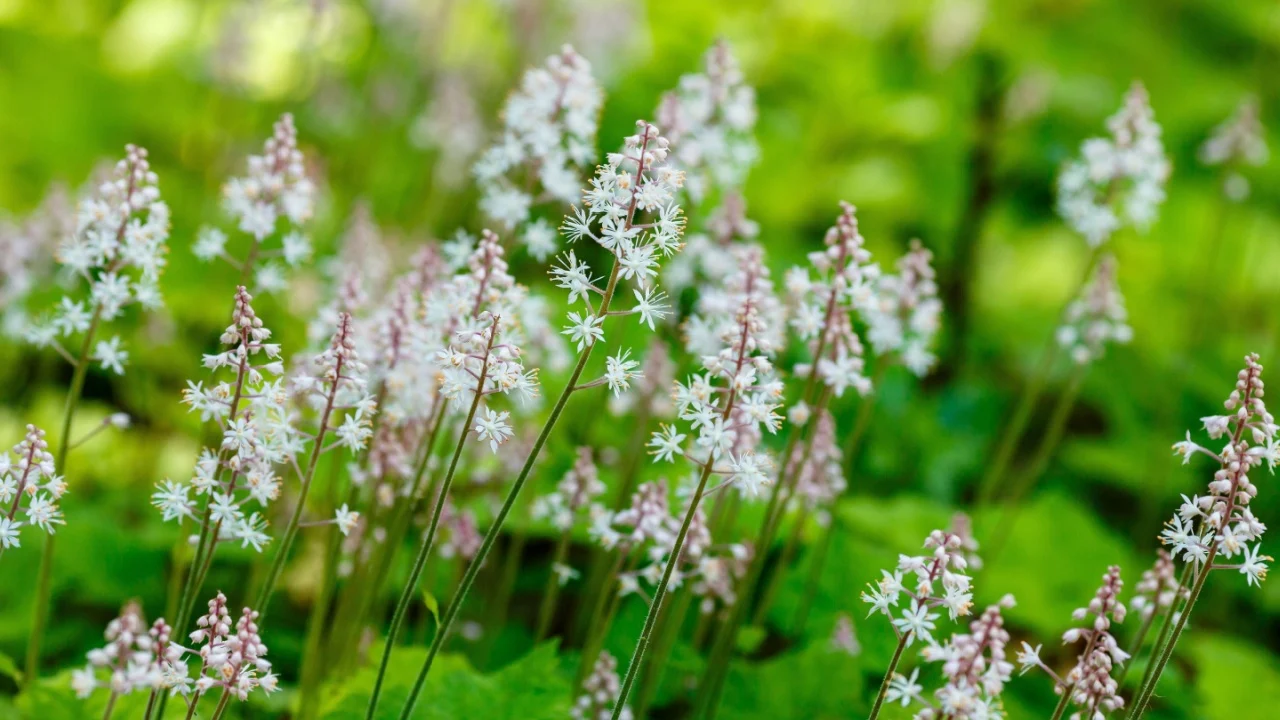
Foamflower is the underrated cousin of heuchera, and in many ways, the better plant for true shade situations. It naturalizes itself, spreading via surface runners to form a frothy carpet, and its maple-shaped leaves create ornamental texture even when not in bloom.
Gardening Know How calls it “a powerhouse for the low-effort gardener in partial or even full shade.” Foamflower is hardy in zones 4–9.
7. Brunnera ‘Jack Frost’
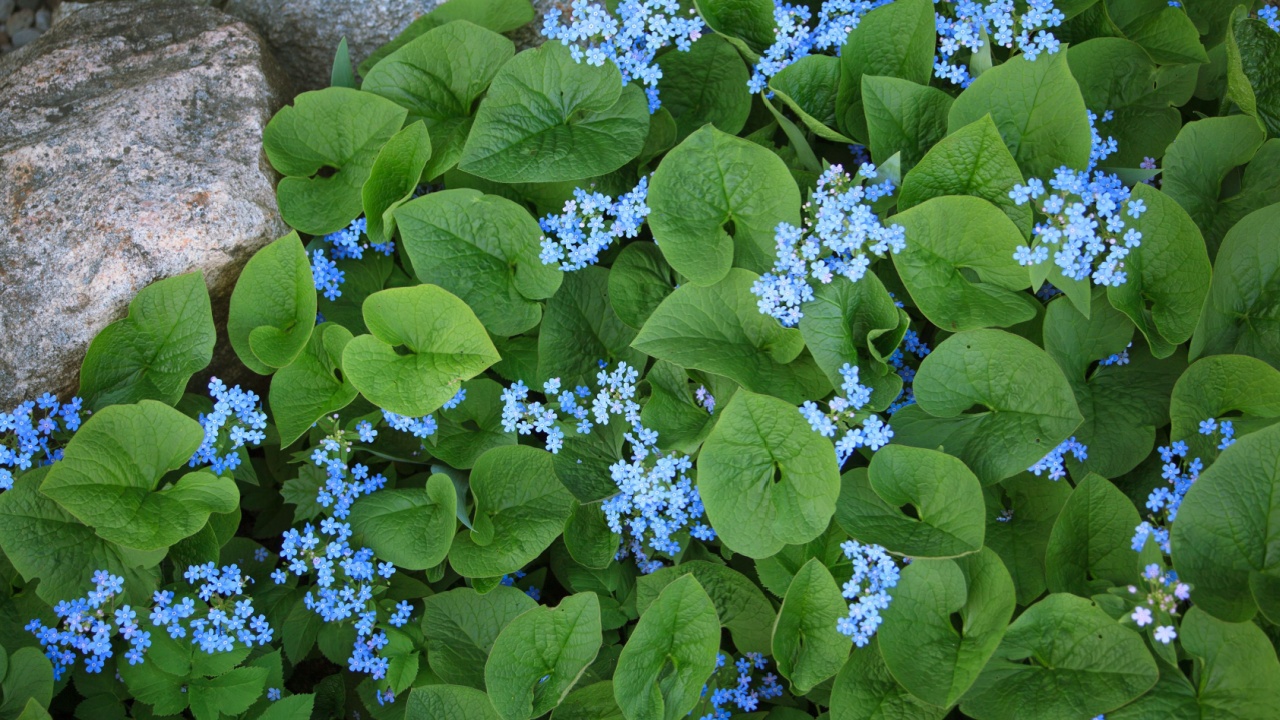
The silvery-netted leaves of Brunnera ‘Jack Frost’ look like an artist decided to trace every vein in a heart-shaped leaf with metallic ink. In spring it produces small, forget-me-not-blue flowers on slender stems above the foliage.
HGTV describes it as a plant that “steals the show in any shade garden,” with foliage that remains striking from early spring to the last fall frost. It is also deer-, rabbit-, and slug-resistant, and is hardy in zones 4–9.
8. Solomon’s Seal (Polygonatum)
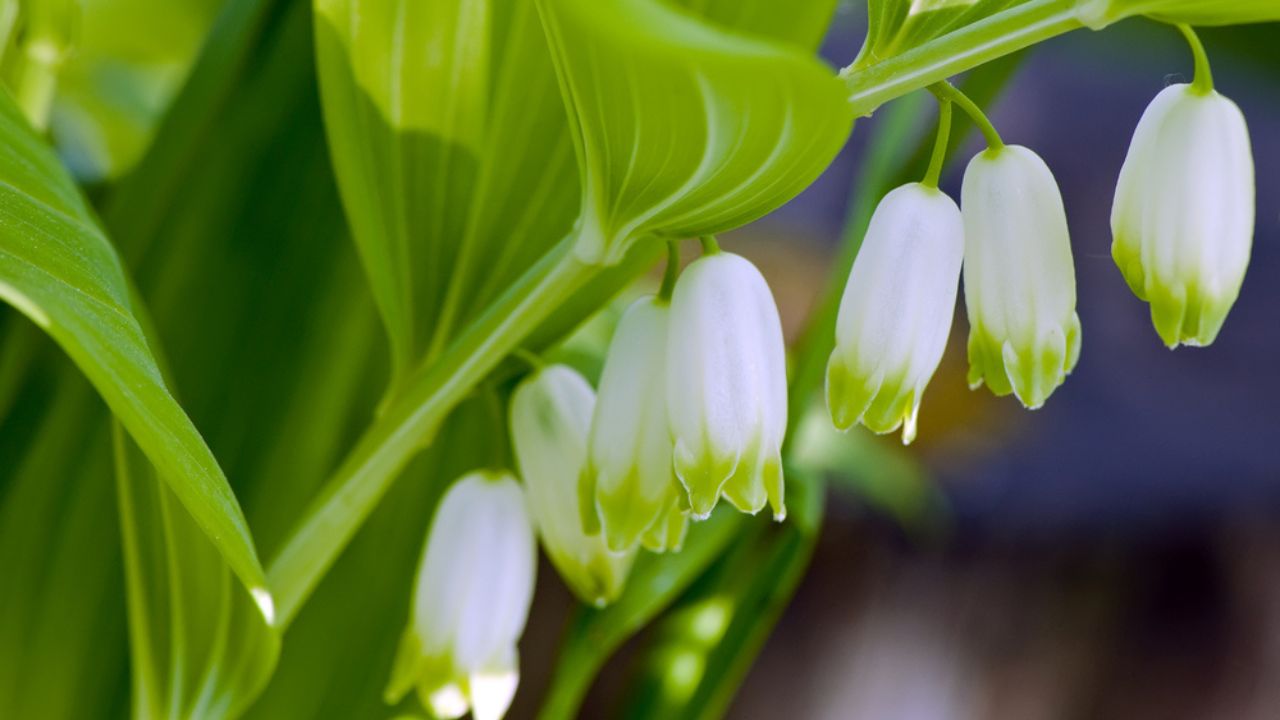
If you have deer pressure, Solomon’s seal deserves a prominent spot in your shade garden. It is both deer- and rabbit-resistant, produces graceful arching stems with delicate, drooping white bell flowers in spring, and fades to a lovely golden-yellow in fall.
Garden Moxie recommends variegated Solomon’s seal specifically, noting it “remains a focal point even after its autumn foliage dies back.” Solomon’s Seal thrives in zones 4–8.
9. Japanese Painted Fern (Athyrium niponicum)
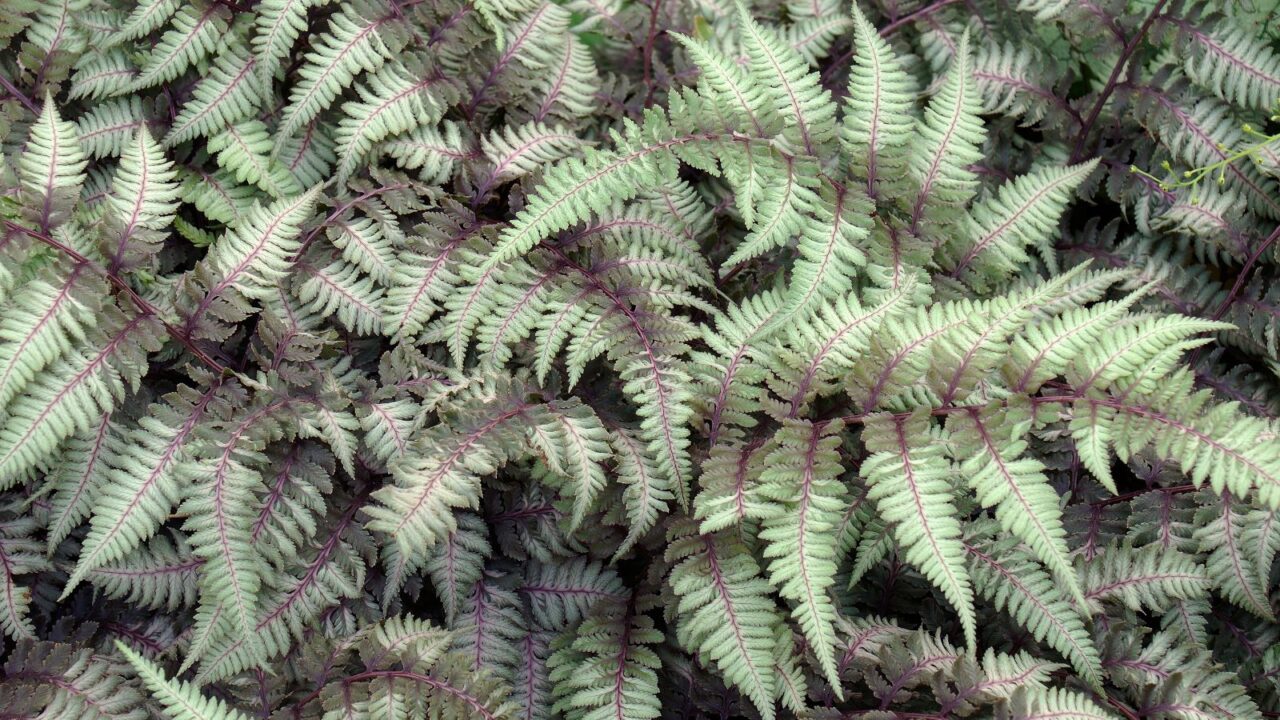
Not all ferns are created equal, and the Japanese painted fern stands apart from the crowd. Its fronds are a remarkable combination of silver, burgundy-red, and soft green, creating a specimen plant rather than just a filler. The Chicago Botanic Garden singles it out for “spiking foliage that adds texture and architecture to surrounding mounded plants.”
Plant in consistently moist, organic-rich soil, and it will gradually form dramatic colonies in zones 4–9.
10. Toad Lily (Tricyrtis)

If you think the shade garden has nothing to offer in September and October, you haven’t tried toad lilies. Native to the shaded forests of temperate Asia, toad lilies produce intricate, orchid-like spotted flowers that bloom for weeks in fall, long after most perennials have given up for the season.
The Chicago Botanic Garden recommends positioning them close to a patio or porch “where you can enjoy the late-season display of exotic spotted flowers that bloom until frost.” Toad lily is hardy in zones 4–8.
11. Columbine (Aquilegia)
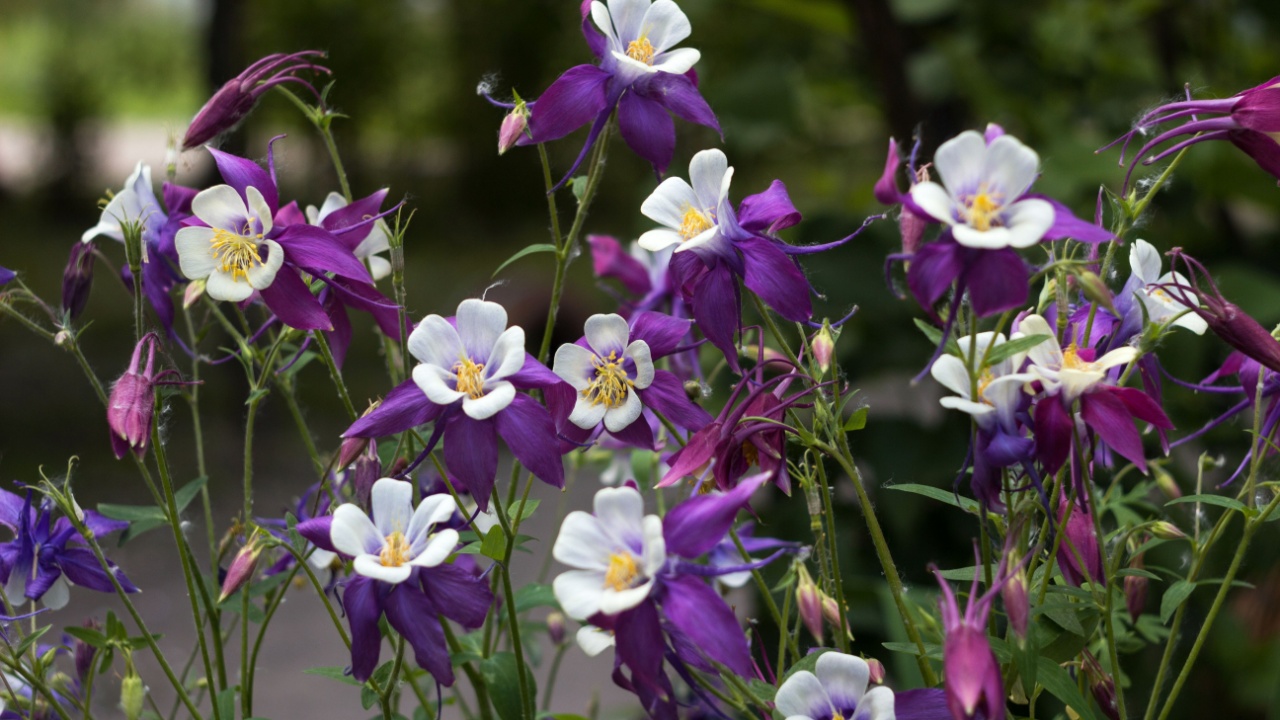
Columbine is one of those early-blooming shade perennials that looks far more complicated than it actually is; its distinctive, spurred flowers in purple, pink, white, and bicolor are hummingbird magnets and open in mid-spring when the shade garden most needs a burst of color.
It self-seeds freely, meaning a single plant can become a generous colony over time. Columbine thrives in zones 3–9.
12. White Wood Aster (Eurybia divaricata)
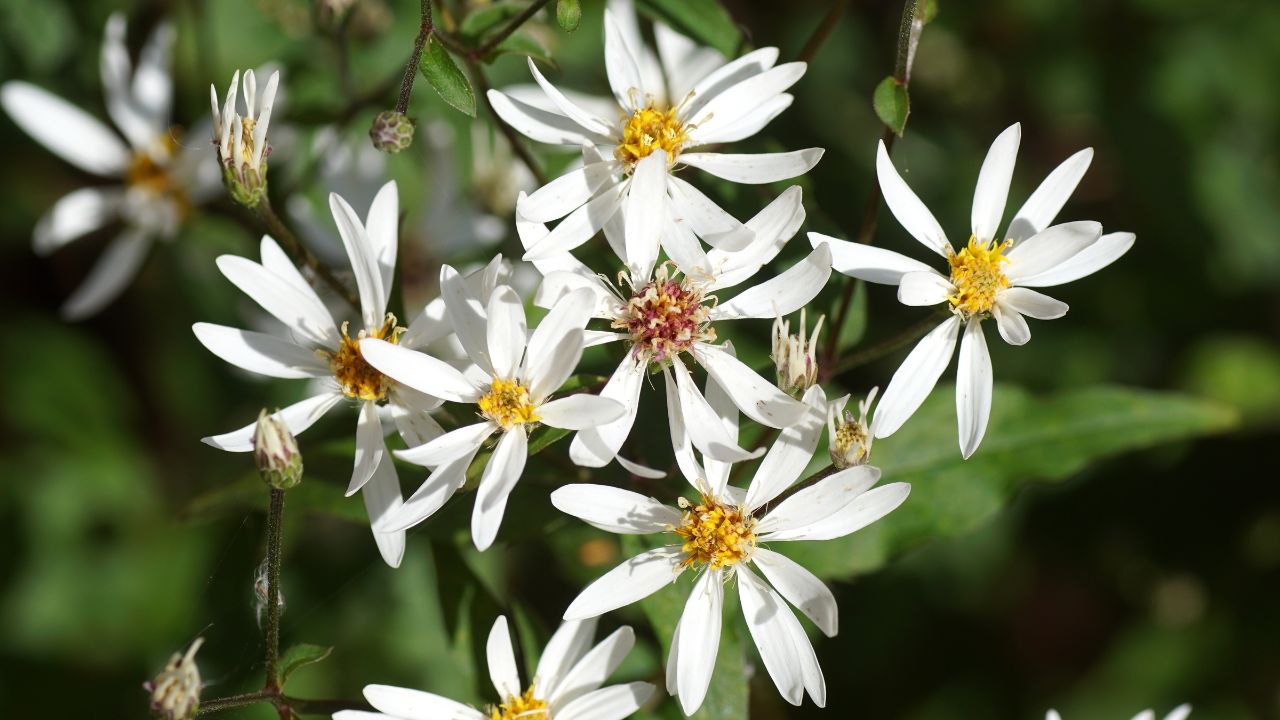
For a shade garden that performs across four seasons, you need something that blooms in fall, and white wood aster is your answer. Starry white flowers sparkle in shadowed corners for weeks in September and October, just as the trees overhead begin their own color show.
It is an Eastern native, requiring almost no intervention once established, and is hardy in zones 3–8.
Stop Making This Common Shade Garden Mistake
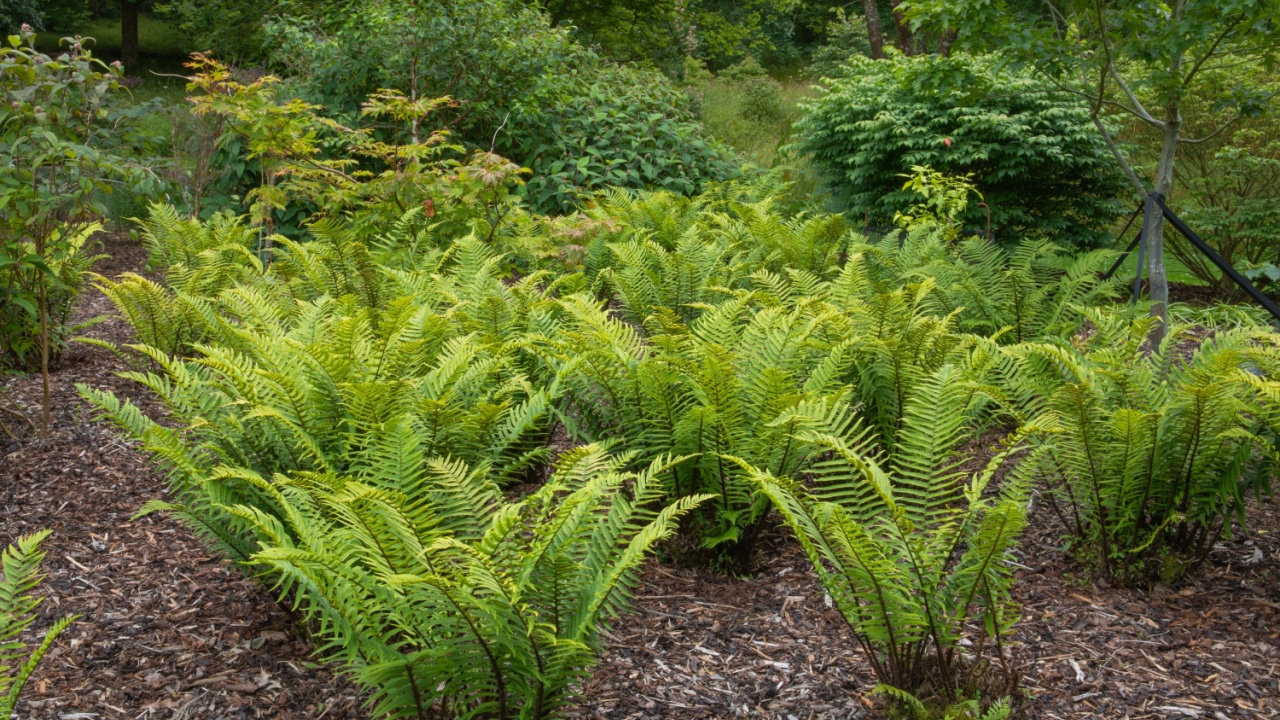
The single most frequent design error in shade gardens is planting everything at the same height and the same mounded shape. A bed full of hostas, all roughly knee height, all dome-shaped, is technically a planted shade garden. It is also a very boring one.
Experienced shade gardeners think in three layers: tall structural plants in the back (meadow rue, bugbane, tall ferns), medium-height performers in the middle (astilbe, bleeding heart, Solomon’s seal), and low-growing edgers and groundcovers at the front (foamflower, heuchera, brunnera). The contrast between very tall and very low, between upright feathery plumes and flat spreading leaves, is what gives a shade garden the quality of looking genuinely designed rather than simply planted.
Don’t ignore good mulch, either. Two to three inches of organic mulch keeps shade soil from compacting, retains moisture, and reduces slugs by limiting their prime hiding spots. Just pull it back from plant crowns to prevent rot.
Your Shady Corner Is Ready
May is exactly the right time to act. Spring is when nurseries carry their widest selection of shade perennials, and established garden centers often sell out of popular varieties by early June. The shady corner you’ve been ignoring isn’t a problem; it’s a garden in waiting. Give it the right cast of characters, and it will repay you for decades.
Read more:
Direct Sow These 9 Seeds in June Before the Window Closes for Good
June Is National Pollinator Month. Are You Accidentally Harming the Bees You Want to Help?