16 Nectar-Packed Plants to Turn Your Yard Into a Hummingbird Hotspot
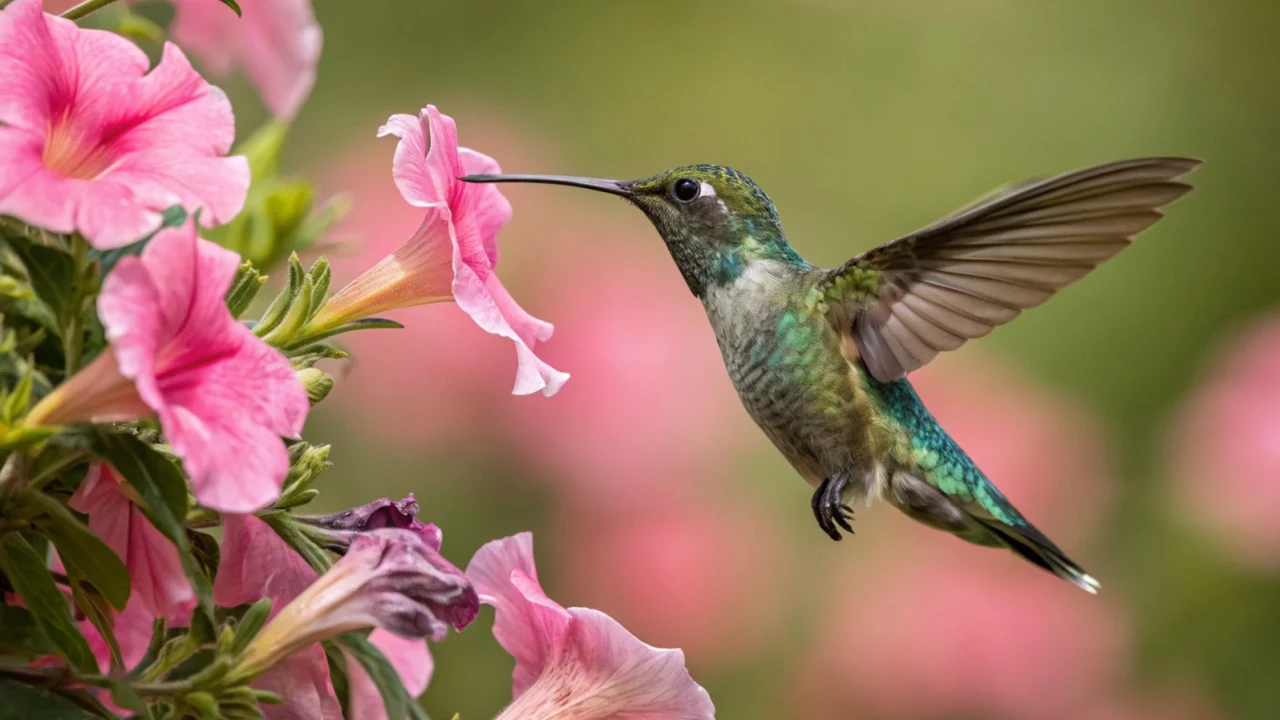
Picture a tiny feathered fighter jet hovering just inches from your face, wings blurring like crazy as it hunts for its next sugar fix. That’s a hummingbird for you, small, restless, and surprisingly powerful. Their metabolism runs so high that they need to consume nearly half their body weight in nectar each day just to stay in motion. If you want to see them up close, the simplest way is to turn your garden into a steady, reliable refueling stop.
Hummingbirds rely more on sight than scent. Bright, tubular flowers that match their long bills naturally pull them in. Once they find a good food source, they remember it and return often. The plants in this guide are chosen with bloom timing and nectar levels in mind, so your garden offers more than a quick burst of color.
What you get is a mix that works together. Hardy perennials for structure, fast-growing annuals for constant color, and a few shrubs to anchor the space. Some provide early nectar when little else is available, while others carry the season through peak summer heat. The result is a garden that stays active, balanced with hummingbirds returning not just once, but all season long.
1. Bee Balm
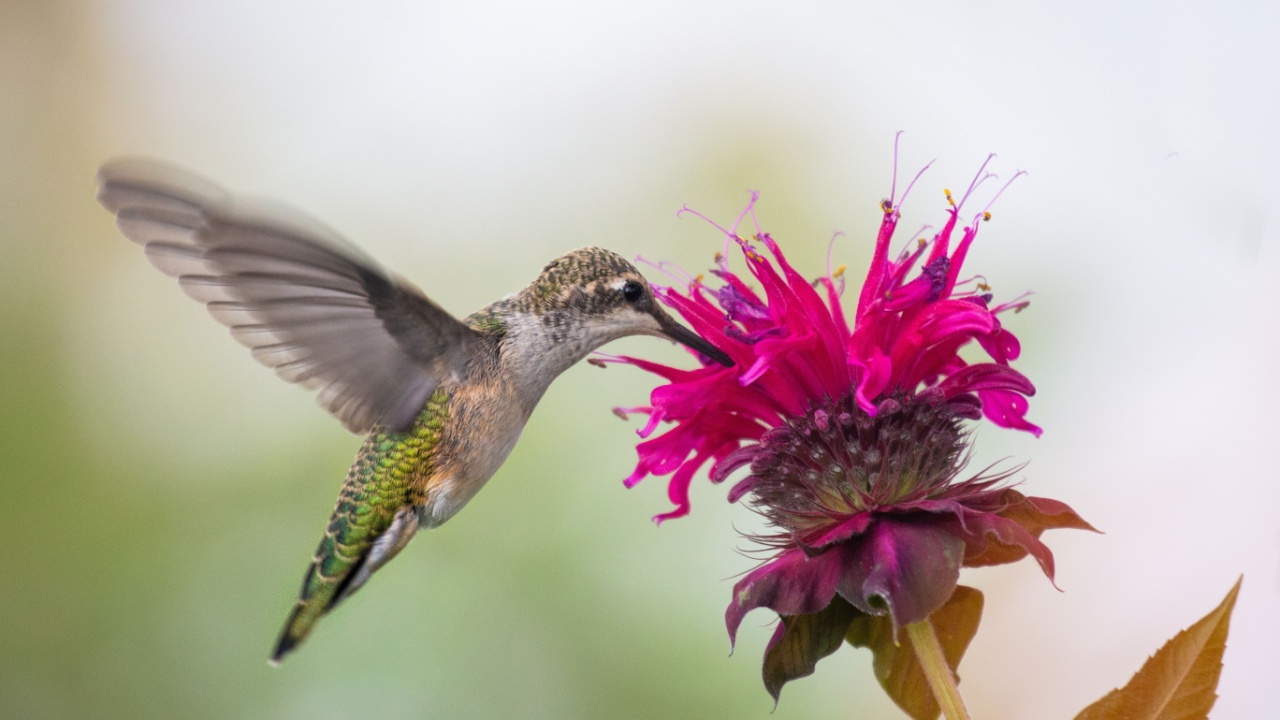
Monarda is a nectar machine and one of the easiest ways to pull hummingbirds into your garden. It’s messy, mop-top flowers look like something Dr. Seuss dreamed up, but every thread-like petal is built for feeding.
The plant spreads through runners, forming a thick patch that acts like a bright signal for birds flying overhead. Once it settles in, it becomes a reliable stop that hummingbirds return to again and again. It thrives in full sun and appreciates steady moisture to keep issues like powdery mildew under control.
Care tips:
- Plant at the back of a border to give it room to spread.
- Choose varieties like Jacob Cline for deep red flowers and leaf spot resistance.
- Cut back the first flush of flowers to encourage a second bloom later in the season.
- USDA Hardiness Zone: 3 to 9
2. Cardinal Flower

Lobelia cardinalis produces a red so vivid it almost looks artificial in low light. It naturally grows in wet areas like stream banks, which makes it perfect for those tricky, damp spots where other plants struggle.
The tall flower spikes open gradually from the bottom up, giving hummingbirds a steady supply instead of a short burst. It stands out even in partial shade, making it a strong visual anchor in the garden.
Care tips:
- Plant near a pond or rain barrel to meet water needs.
- Let seeds drop in fall to maintain the population.
- Keep soil around the base clear for new seedlings.
3. Phlox
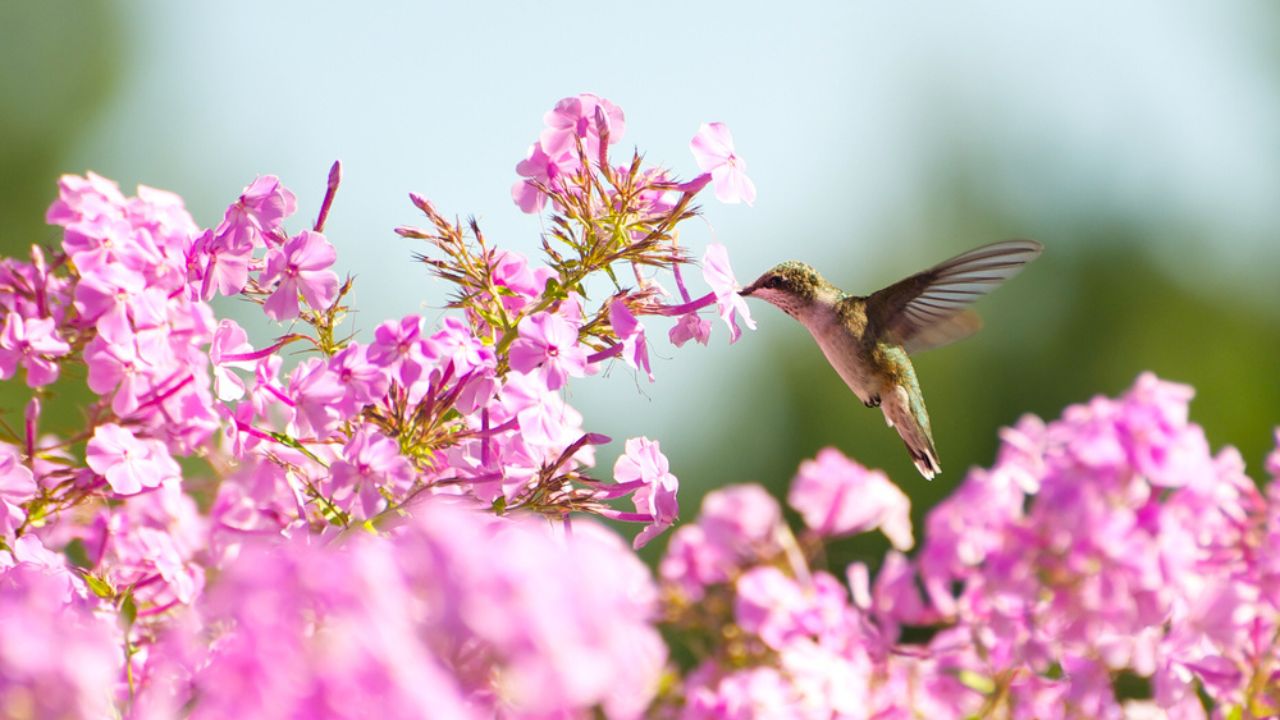
Phlox brings in soft, clustered blooms that hummingbirds can easily spot from a distance. The flowers form dense heads, making it easy for birds to move from one bloom to the next without wasting energy. It’s especially useful for filling gaps in the garden and keeping color going when early bloomers start to fade.
Care tips:
- Plant in full sun in cooler regions, partial sun in hotter climates.
- Ensure good air circulation to prevent mildew.
- Water at the base to keep foliage dry.
4. Salvia
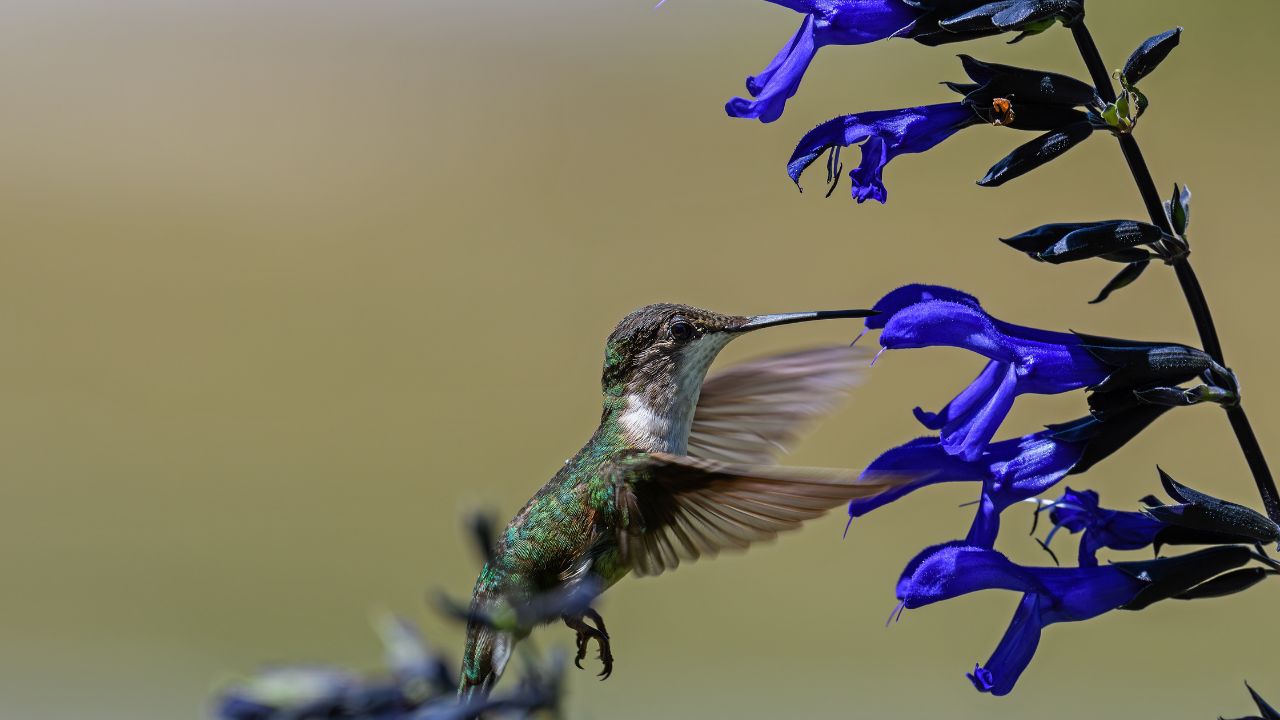
Salvia is one of those plants that quietly does all the work in the background. The tall, tubular flowers are perfectly shaped for hummingbirds, letting them move quickly from one bloom to the next.
Once established, these plants handle heat and dry spells without much fuss. Their upright growth adds height and structure, while the deep purples and blues give contrast to the usual reds. A few well-placed salvias can carry a large part of the garden’s activity.
Care tips:
- Plant in full sun and well-drained soil.
- Select Black and Blue Salvia for a strong visual impact.
- Cut back spent flower spikes to encourage reblooming.
5. Hollyhock
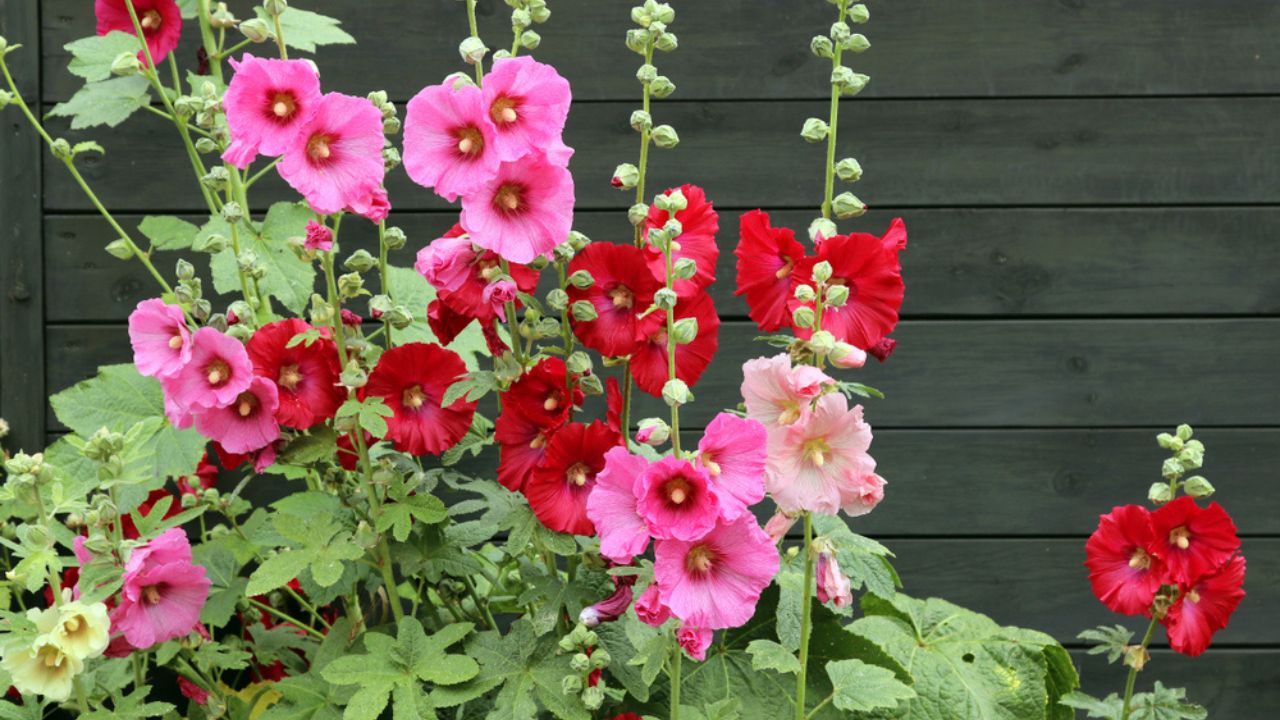
Hollyhocks grow tall, elegant spikes with multiple blooms along each stem. They act as natural towers in your garden, creating vertical feeding stations for hummingbirds. The flowers’ bright colors, from soft pastels to bold reds, catch the birds’ eyes and guide them directly to the nectar. They also add a cottage-garden charm, providing height and structure while accommodating multiple visitors simultaneously.
Care tips:
- Plant in full sun with well-drained soil.
- Provide staking or support in windy areas.
- Allow some self-seeding to keep plants returning each year.
6. Butterfly Bush

Buddleia is often buzzing with activity, and it is easy to see why. The long flower spikes are packed with tiny blooms that hold a steady supply of nectar. Hummingbirds move along them quickly, feeding as they go, while butterflies gather at the same time.
It grows fast and can easily become a focal point in the garden (warning: this plant can be invasive in some areas, so check with your local extension office first). With the right pruning, it stays full, balanced, and covered in flowers through the warm months.
Care tips:
- Choose sterile or non-invasive varieties.
- Prune hard in early spring to encourage strong new growth.
- Place in full sun for maximum bloom.
7. Trumpet Vine

Trumpet vine is bold, fast-growing, and hard to ignore once it gets going. Its large orange flowers are shaped exactly the way hummingbirds like, deep and easy to access. Given space, it can cover fences or trellises and turn them into living walls of color. It also provides shelter along with food, which makes it more than just a nectar source. With time, it becomes one of the busiest spots in the garden.
Care tips:
- Provide a strong support structure as it gets heavy.
- Prune regularly to control the spread.
- Plant in a sunny spot for the best flowering.
8. Lupine
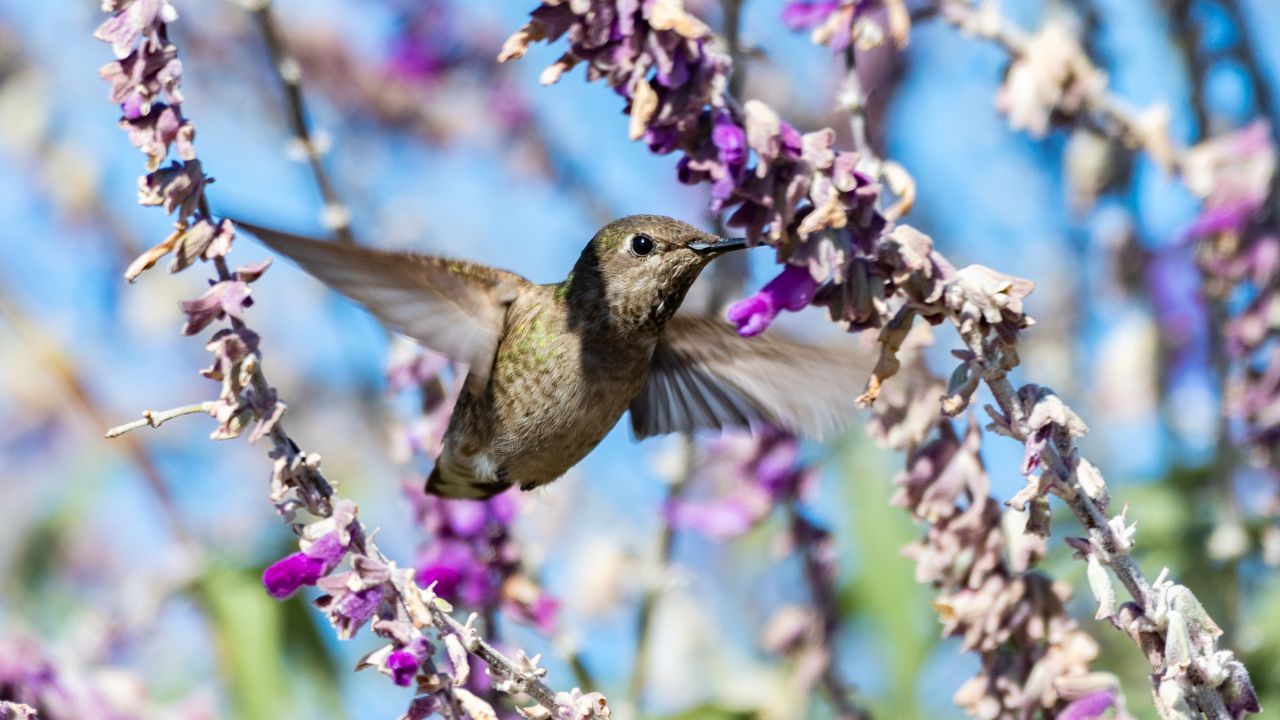
Lupines bring height and structure with their tall, upright flower spikes. The layered blooms are easy for hummingbirds to move through, stopping briefly at each level. They also improve soil quality by fixing nitrogen, which benefits nearby plants.
Their soft, blended colors give a slightly wild, natural look that fits well in relaxed garden settings. They shine most in cooler conditions.
Care tips:
- Provide afternoon shade in hotter climates.
- Avoid transplanting due to deep roots.
- Use well-drained soil to prevent rot.
9. Columbine

Columbine has a light, airy look, but it holds up well in different conditions. The backward-pointing spurs store nectar in a way that suits hummingbirds more than insects. It often reseeds itself, slowly spreading without much effort from you.
The mix of colors and shapes adds variety without making the space feel crowded. It works well as a quiet filler between more dramatic plants.
Care tips:
- Grow in partial shade with well-drained soil.
- Combine varieties to extend bloom time.
- Leave foliage in place after flowering.
10. Passionflower
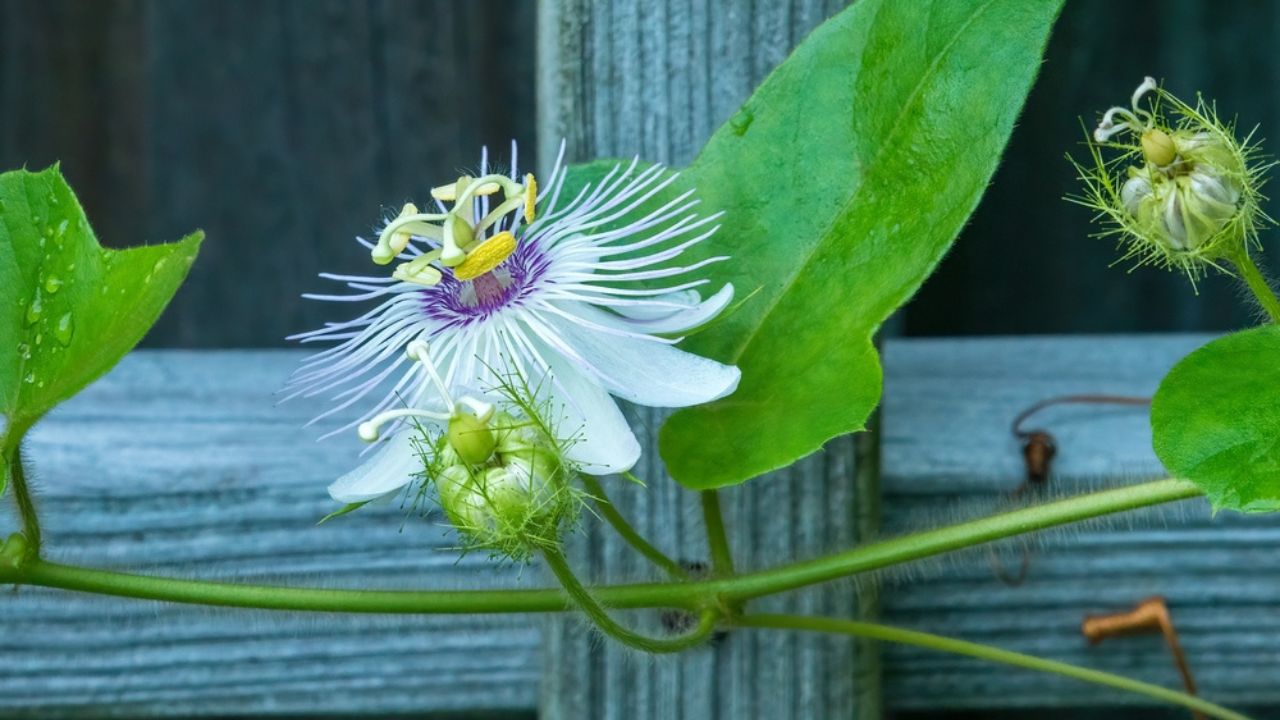
Passionflower is instantly striking with its intricate, almost tropical-looking blooms. Hummingbirds are drawn to the unusual shapes, which are packed with nectar and provide perches for short rests.
This vine adds both color and architectural interest, creating a layered, wild look while giving your feathered visitors a steady snack. Its blooms also attract beneficial insects, making it a multitasking addition to the garden.
Care tips:
- Plant in full sun to partial shade.
- Provide strong climbing support.
- Keep soil evenly moist but well-drained.
11. Petunia

Petunias are simple but effective, especially when used in large numbers. Their wide, open flowers make feeding easy, and the constant bloom cycle keeps hummingbirds coming back. They work just as well in containers as they do in garden beds. When placed at eye level, they turn everyday spaces like patios into viewing spots. With a bit of feeding and watering, they stay productive for months.
Care tips:
- Use hanging baskets for better visibility.
- Fertilize regularly for continuous blooms.
- Keep soil moist during hot weather.
12. Red Buckeye
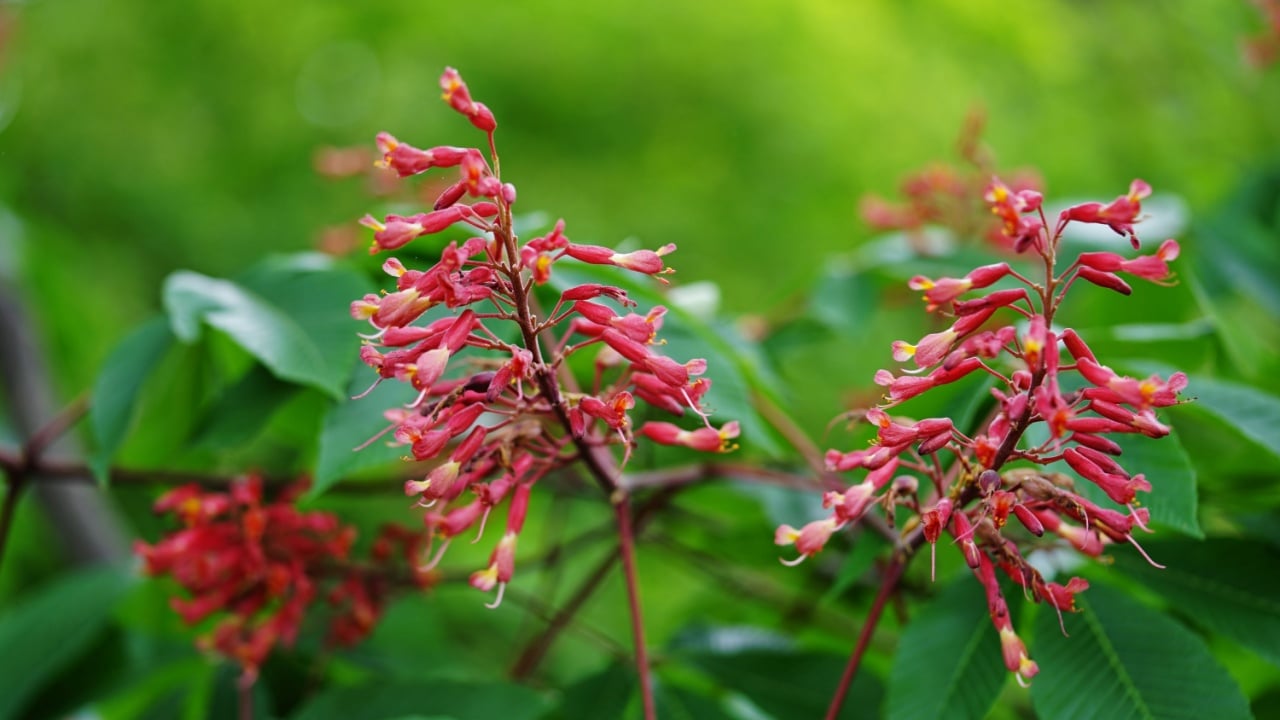
Red buckeye offers something a little different by adding height and structure along with nectar. Its clusters of red flowers appear early in the season, drawing in hummingbirds when options are still limited. As it grows, it also provides perching spots where birds can rest and observe. It feels more permanent than smaller plants, anchoring the garden over time.
Care tips:
- Ideal for smaller yards as a compact tree.
- Prefers moist, well-drained soil.
- Tolerates partial shade.
13. Mandevilla
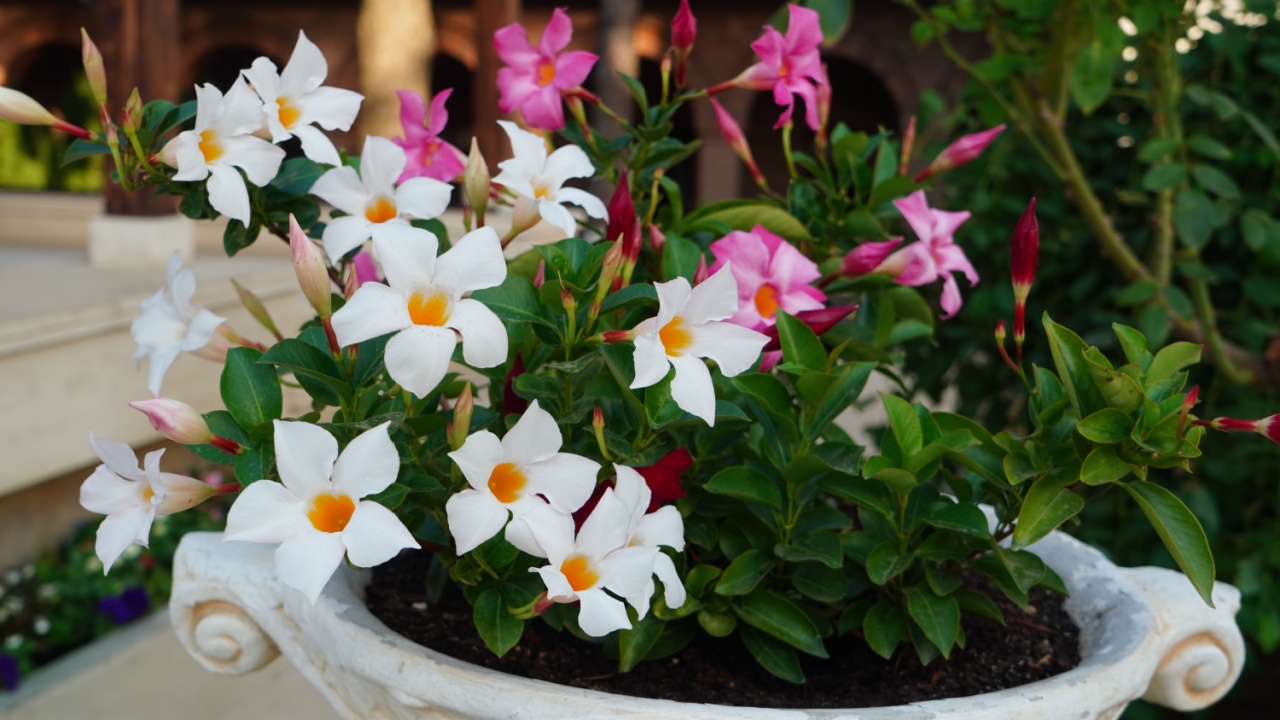
Mandevilla produces large, trumpet-shaped flowers in bold reds, pinks, or whites. Hummingbirds can see them from a distance, and the flowers’ open throats make nectar easy to reach. Whether climbing a trellis or growing in a container, mandevilla adds a tropical flair to your garden while offering reliable, high-energy food. It’s particularly useful in patios or small spaces where vertical color is needed.
Care tips:
- Place in full sun for best flowering.
- Water regularly, but avoid soggy soil.
- Grow in containers in cooler climates so it can be moved indoors during winter.
14. Catmint
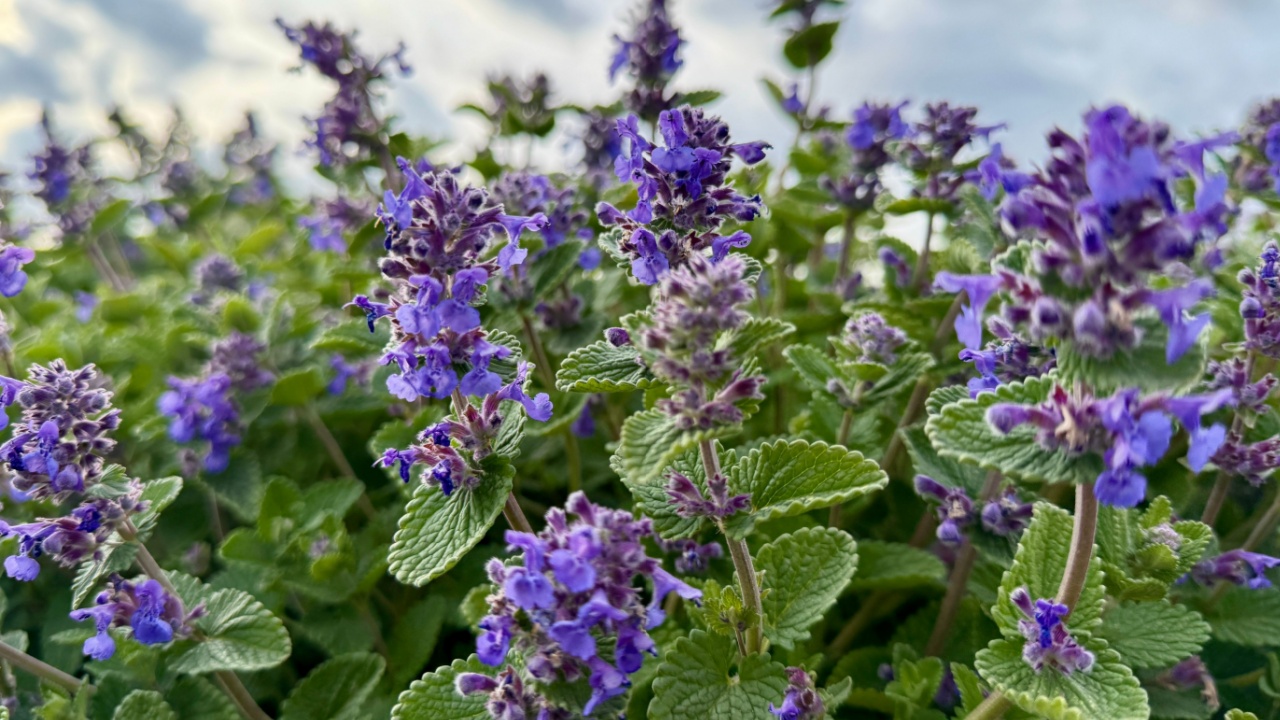
Catmint forms soft, spreading mounds that bring a relaxed feel to the garden. The lavender-blue flowers may seem subtle, but they attract steady attention from hummingbirds. It works well as a border plant, tying different sections together. Once established, it keeps going with very little effort. A quick trim can refresh it completely.
Care tips:
- Shear back after the first bloom.
- Pair with taller plants for contrast.
- Drought-tolerant once established.
15. Lantana
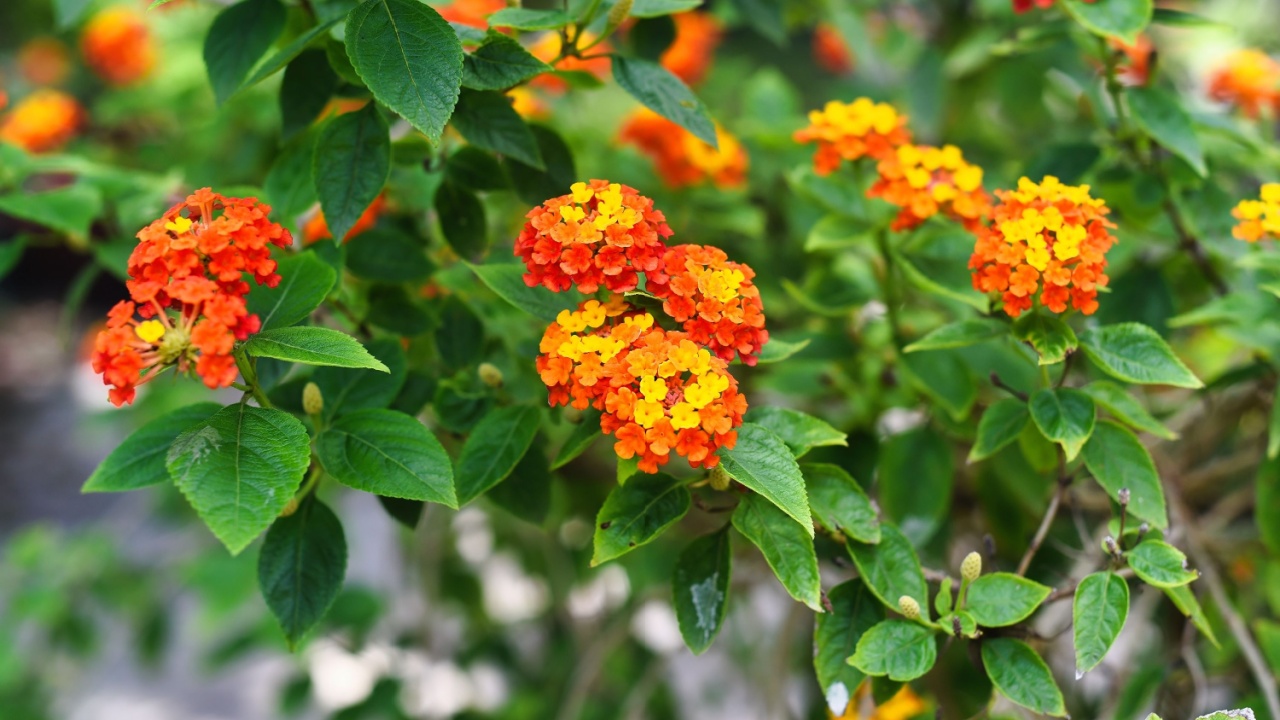
Lantana is built for heat and keeps blooming when other plants start to slow down. The clusters of small flowers often shift in color, giving a mixed look to a single plant. It produces a steady supply of nectar, even in harsh conditions. This makes it especially useful during peak summer when hummingbirds need reliable food sources.
Care tips:
- Plant in full sun.
- Water lightly once established.
- Use gloves when handling foliage.
16. Fuchsia
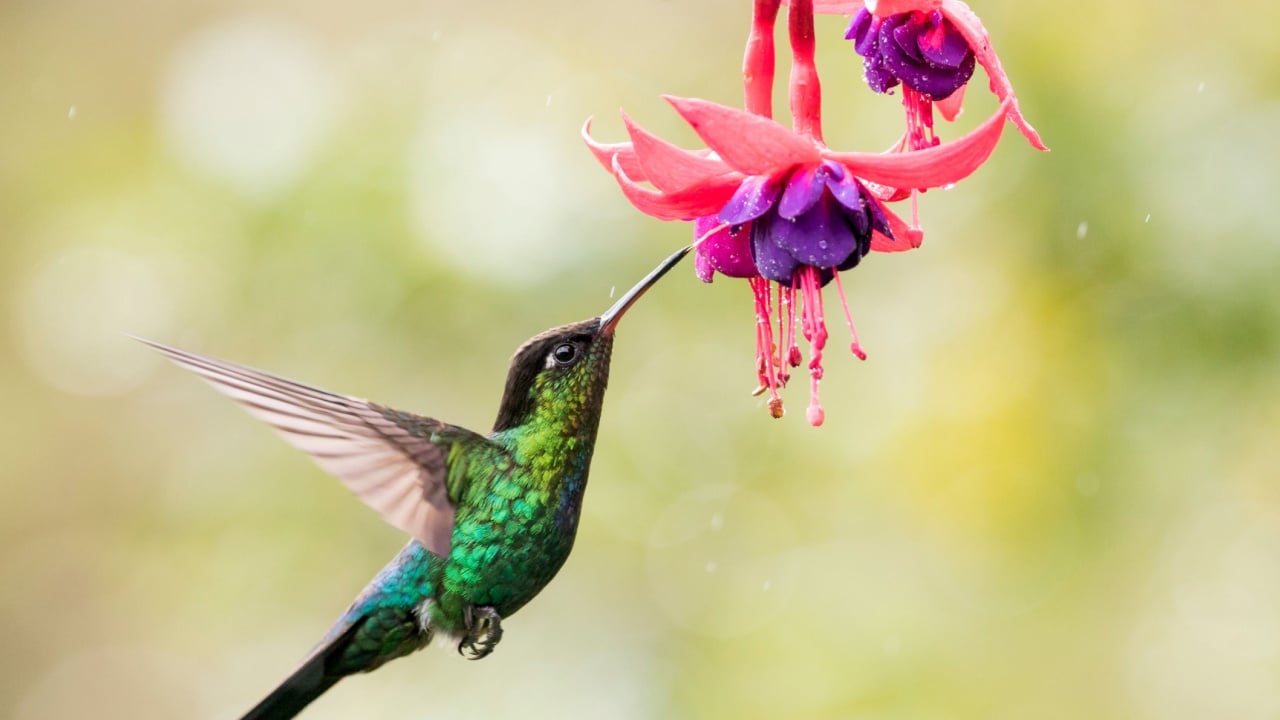
Fuchsia stands out with its hanging, almost ornamental flowers that look delicate but are highly functional. These blooms dangle in a way that makes feeding easy for hovering birds. It works especially well in shaded areas where other flowering plants struggle. In the right spot, it adds both movement and color.
Care tips:
- Keep out of strong afternoon sun.
- Maintain even moisture.
- Choose heat-tolerant varieties if needed.
Keep Your Garden Buzzing
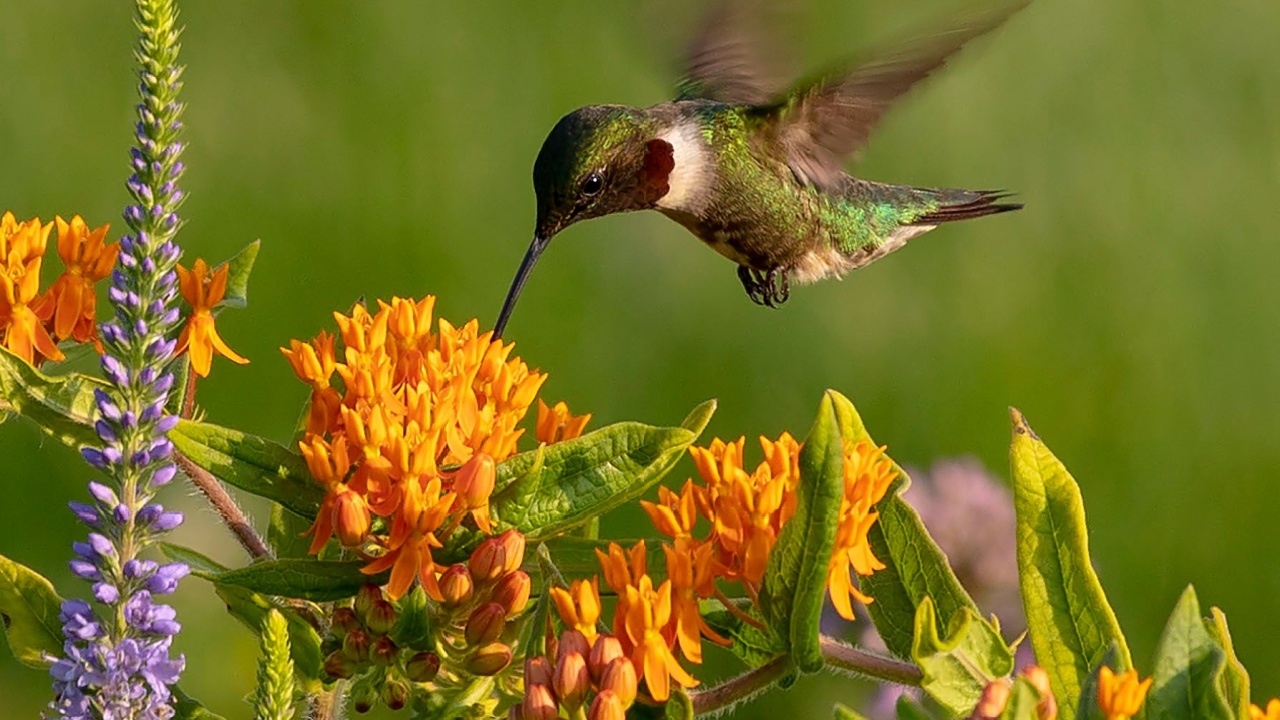
A well-planned hummingbird garden provides more than just a quick snack for passing birds. By selecting a variety of these plants, you create a reliable ecosystem that supports these high-energy travelers throughout the summer.
The combination of different heights, colors, and bloom times ensures that your yard remains a buzzing hub of activity from the first spring arrival to the final autumn departure.
Read More: