15 Protected Birds You Must Leave Alone Under Federal Law
It’s always a delight to spot a beautiful bird building its nest in the backyard, bringing a little piece of nature right to your doorstep. While it might be tempting to get closer, offer some food, or even move a nest that’s in an inconvenient spot, you might be taking a legal risk without even realizing it.
In the United States, nearly all native birds are protected by federal laws like the Migratory Bird Treaty Act of 1918, the Bald and Golden Eagle Protection Act, and the Endangered Species Act. These laws make it illegal to chase, hunt, capture, or kill protected birds. The rules also cover their feathers, nests, and eggs. Messing with them can lead to hefty fines and even jail time, turning a simple interaction into a serious problem.
To help you appreciate your avian neighbors from a safe and legal distance, this guide highlights fifteen protected birds you might find around the country.
1. Bald Eagle
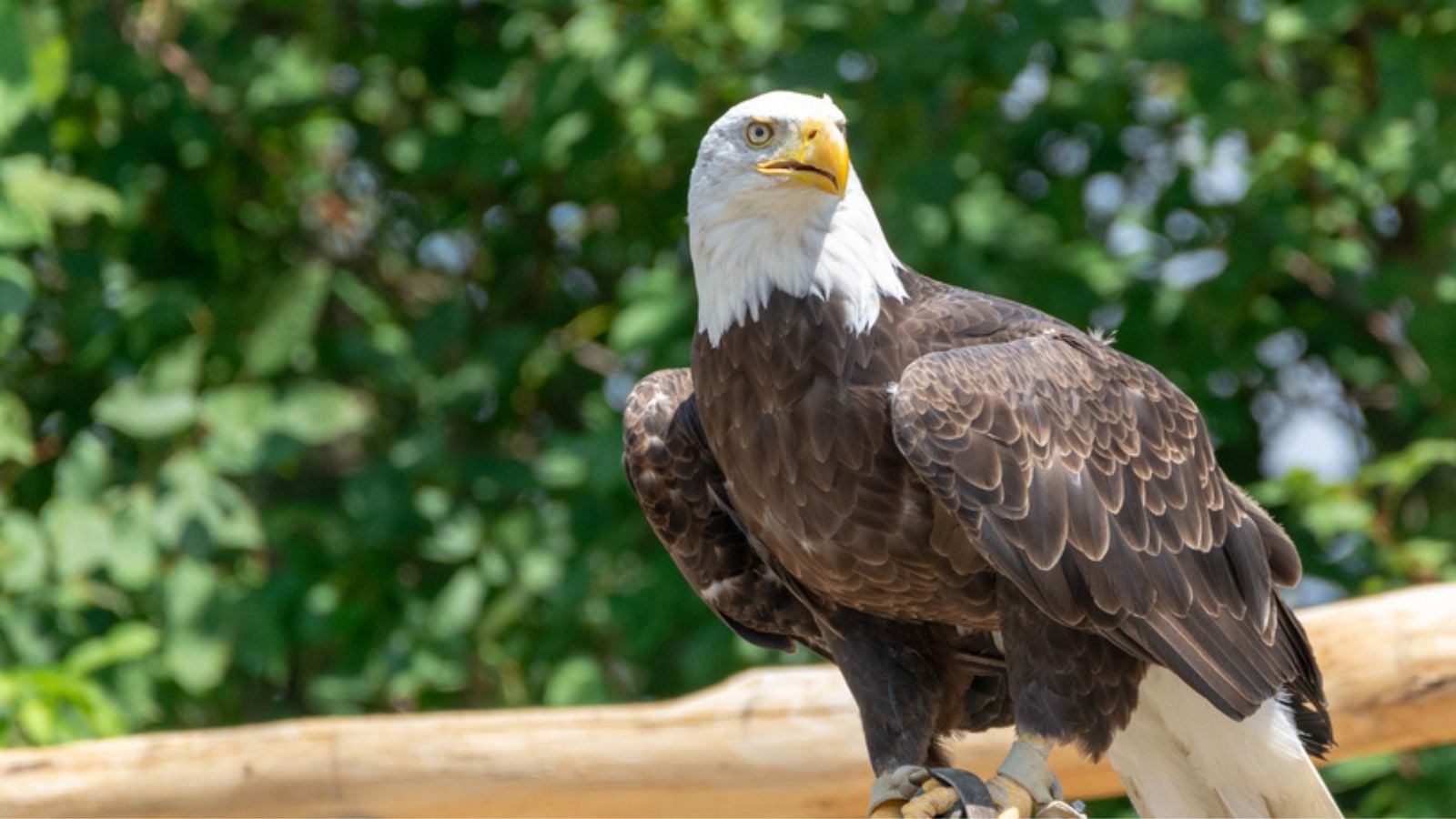
As a symbol of national pride, the Bald Eagle is strictly protected under the Migratory Bird Treaty Act and the Bald and Golden Eagle Protection Act. These large raptors, with wingspans up to seven feet, faced a severe population decline in the mid-20th century due to pesticides. Although conservation efforts have helped their numbers rebound, it remains illegal to possess their feathers, disturb their nests, or harass them.
If you spot one of these magnificent birds, it’s best to observe from a distance. Maintain at least 330 feet from any active eagle nest to comply with federal guidelines. You can also support local wetland conservation projects to help preserve the habitats these birds need to hunt and raise their young.
2. Golden Eagle
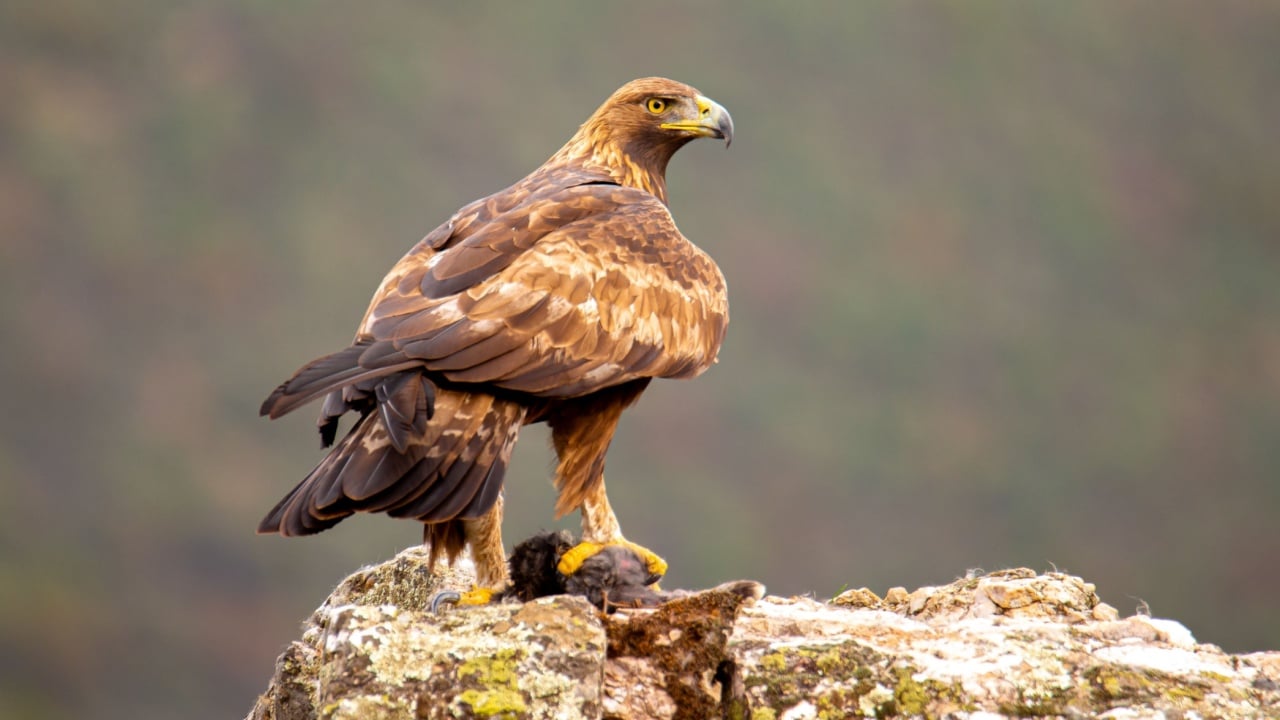
Golden Eagles command the open skies of the western United States, renowned for their impressive speed and hunting prowess. Like their bald eagle relatives, they are safeguarded by the Bald and Golden Eagle Protection Act. These birds are skilled hunters, typically preying on small mammals, and require vast territories to thrive, making them particularly vulnerable to habitat loss and human disturbances.
If you are a landowner and discover a Golden Eagle nest on your property, it is crucial to leave it undisturbed. When enjoying outdoor activities in grasslands or mountainous areas, stick to established trails to prevent startling these majestic raptors. Photographing them from a respectful distance is an excellent way to appreciate their beauty without causing stress.
3. Northern Cardinal
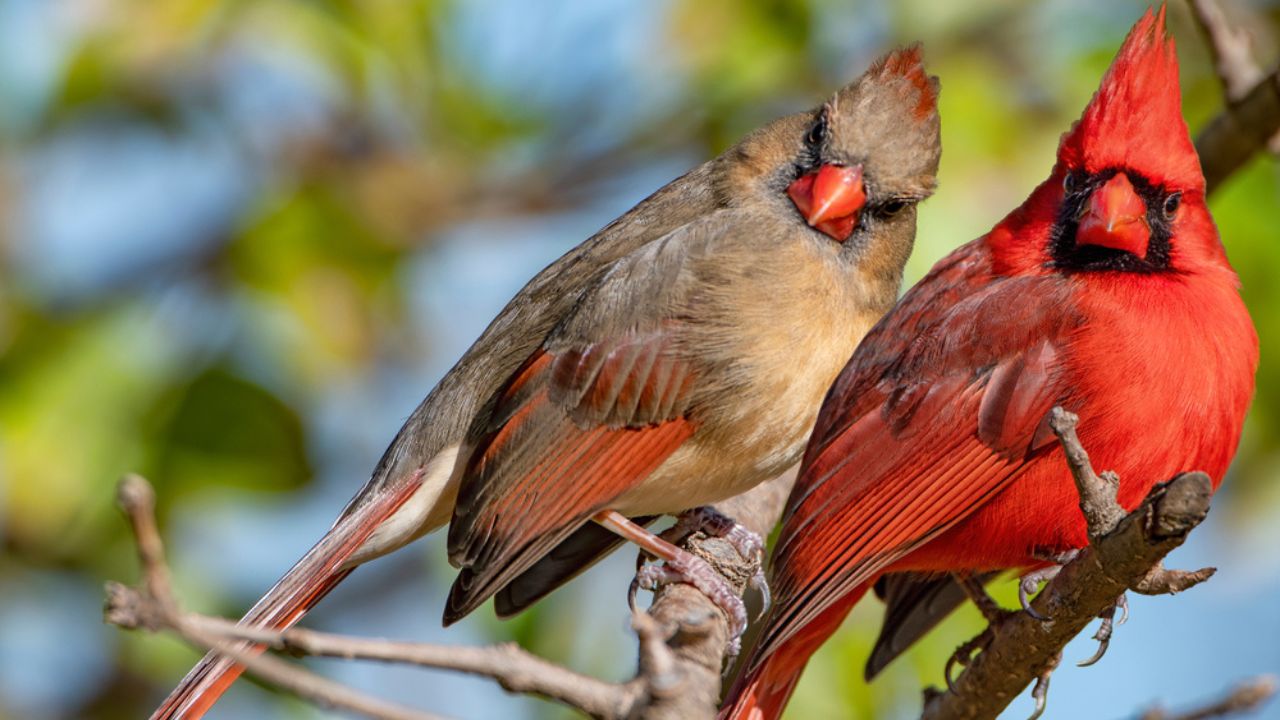
With its vibrant red plumage, the male Northern Cardinal is a stunning sight in both snowy winter landscapes and suburban gardens. This cherished songbird is protected under the Migratory Bird Treaty Act, which means it is illegal to capture them as pets or keep them in a cage. Cardinals depend on dense shrubs for nesting and finding seeds.
To attract cardinals to your yard, simply plant native fruit-bearing shrubs and provide black oil sunflower seeds in a feeder. If you find a cardinal nest in a hanging basket on your porch, federal law requires that you leave it alone until the young birds have flown. Moving an active nest is against the law and severely lowers the chicks’ chances of survival.
4. Blue Jay
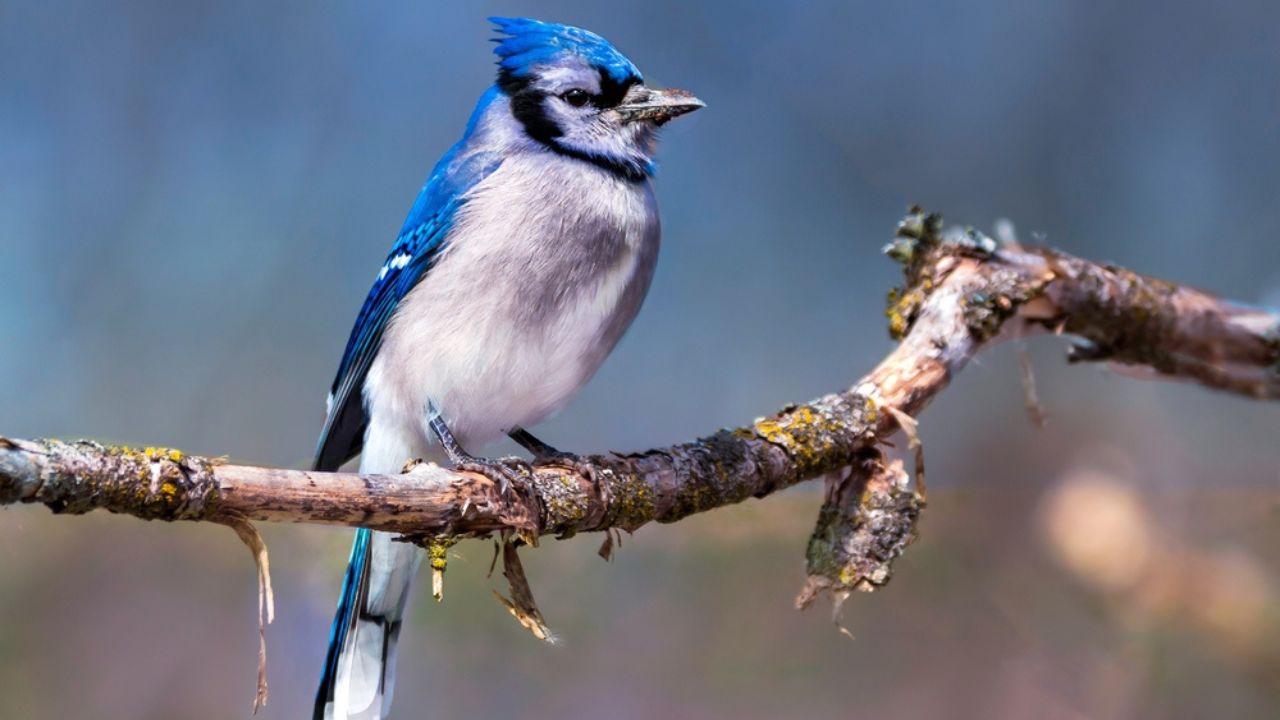
Blue Jays bring vibrant color and striking intelligence to forests and residential areas across the eastern and central United States. These loud, boisterous birds fall under federal protection, making it illegal to harm them or destroy their active nests. Known for their complex social structures and ability to mimic the calls of hawks, Blue Jays play a vital role in forest ecosystems by caching acorns, which helps plant new oak trees.
While their aggressive behavior at bird feeders can sometimes frustrate backyard observers, attempting to trap or harm them breaks federal law. Instead of resorting to drastic measures, try offering a separate feeding station stocked with whole peanuts to distract them from smaller songbirds. Appreciating their role as nature’s forest planters makes their noisy presence much more enjoyable.
5. American Robin
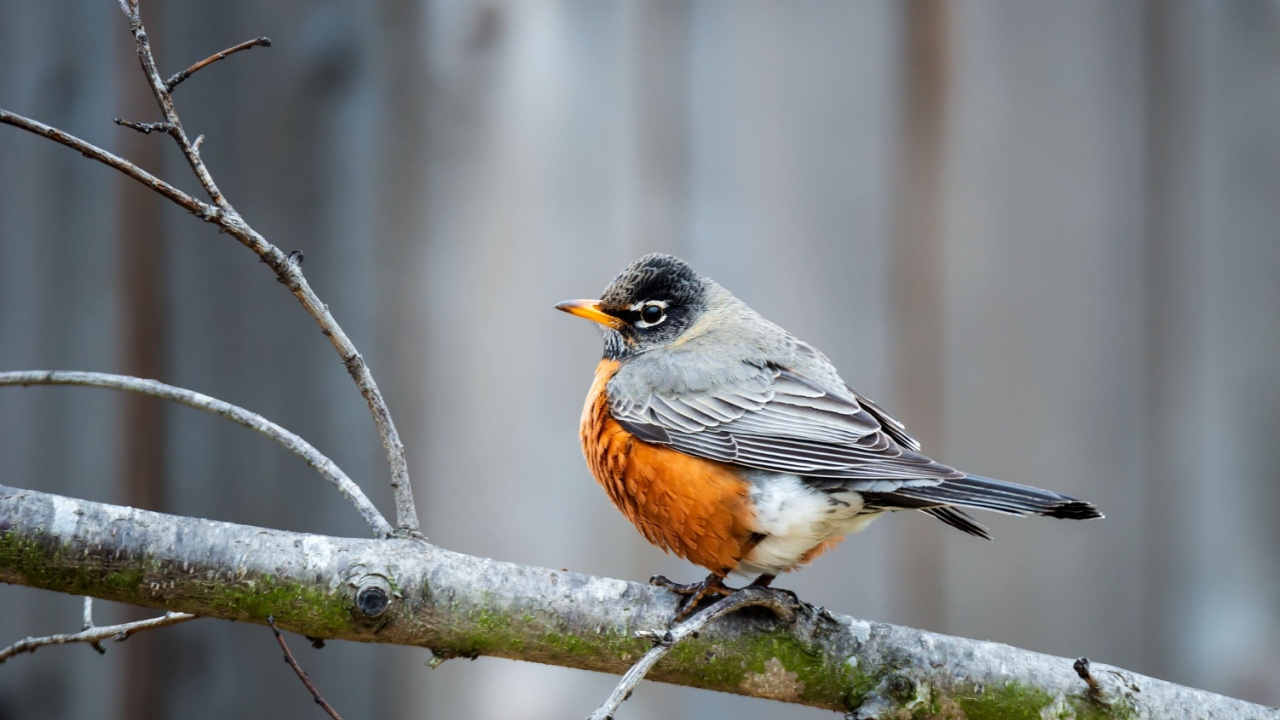
The American Robin, often seen as a sign of spring, is famous for pulling earthworms from lawns. Thanks to the Migratory Bird Treaty Act, robins, their bright blue eggs, and their mud-lined nests are all protected from human interference. These adaptable birds often build nests near people, sometimes on window ledges or outdoor lights.
If a robin builds a nest on your porch, you must wait until the young birds have left before starting any maintenance or painting. To make your yard robin-friendly, avoid using pesticides on the lawn, which protects their food supply. Also, keeping cats inside is a great way to protect young robins as they learn to fly.
6. Red-tailed Hawk
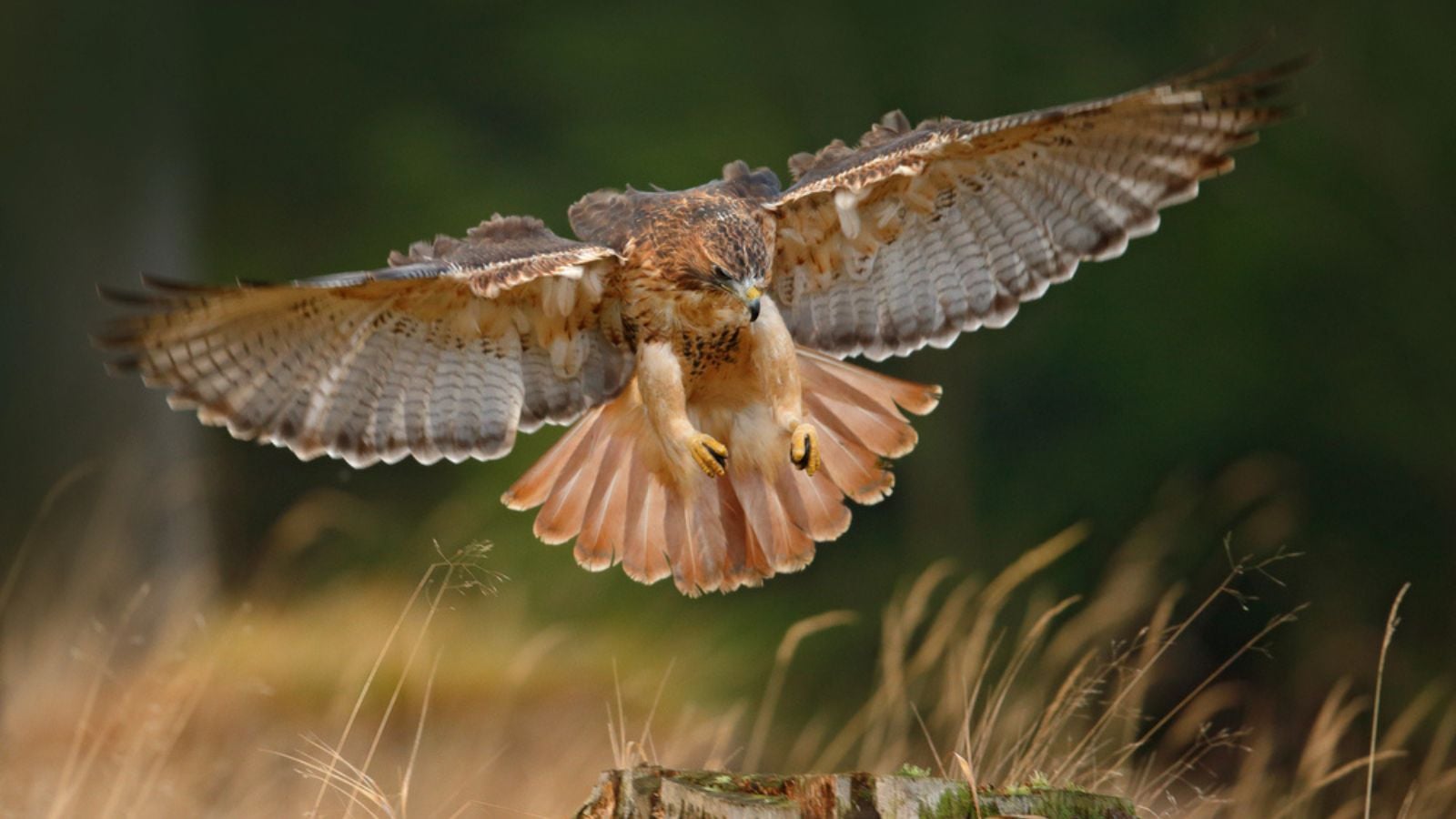
Red-tailed Hawks are one of the most common raptors in North America, often spotted on telephone poles looking for rodents. As a protected migratory bird, it’s illegal to shoot, trap, or harm them, and doing so can result in serious legal trouble. These hawks play a vital role in the ecosystem by managing populations of mice, rats, and other small mammals that could damage agricultural areas.
While some farmers and property owners worry about hawks threatening small livestock, only non-lethal deterrents are allowed. To protect poultry, secure chicken coops with strong wire mesh, which keeps them safe without harming the hawks. If you find an injured hawk, contact a licensed wildlife rehabilitator to ensure it gets the medical care it needs for a safe return to the wild.
7. Great Blue Heron
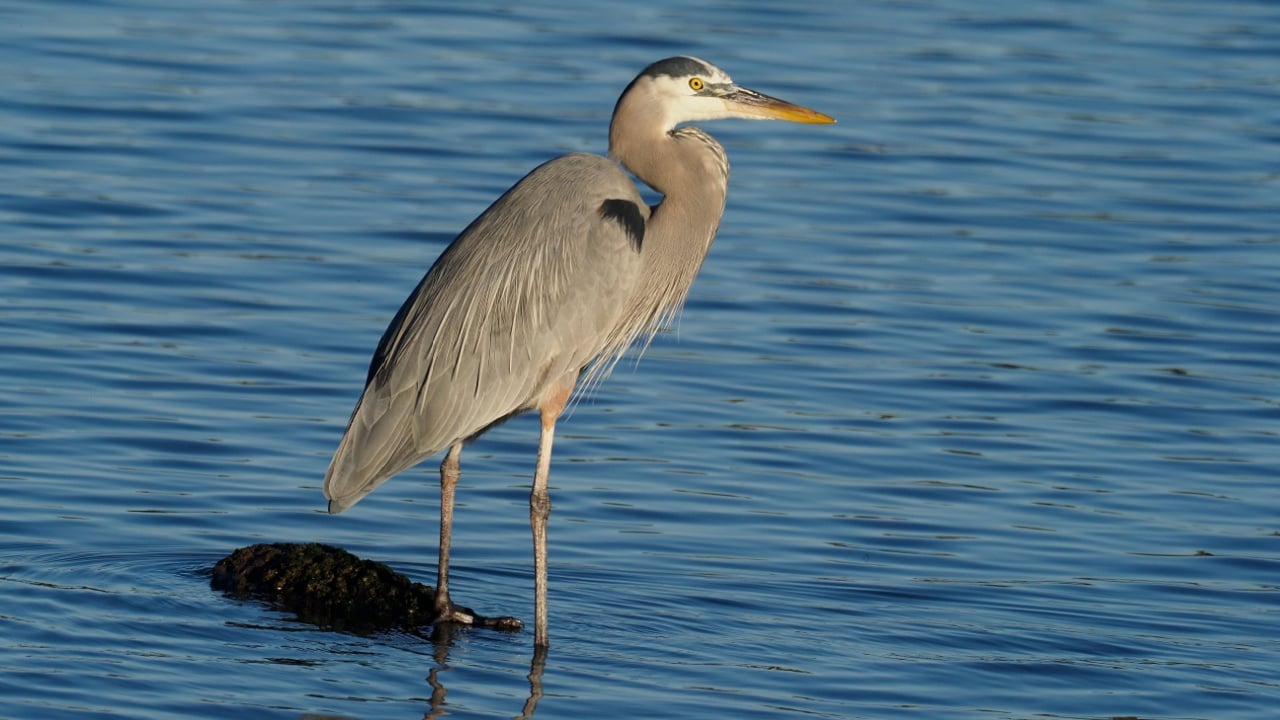
Standing motionless in shallow wetlands before striking at passing fish, the Great Blue Heron is an impressive wading bird. These elegant creatures are federally protected, and their rookeries are legally shielded. They are vulnerable to habitat loss and water pollution, which threaten the aquatic life they need to survive.
To protect them, boaters and kayakers should avoid rookeries during the spring nesting season to prevent adults from abandoning their eggs. Planting native vegetation along waterways can help filter runoff and maintain water quality. For the best view without disturbing them, observe these patient hunters from the shore with a spotting scope.
8. Ruby-throated Hummingbird
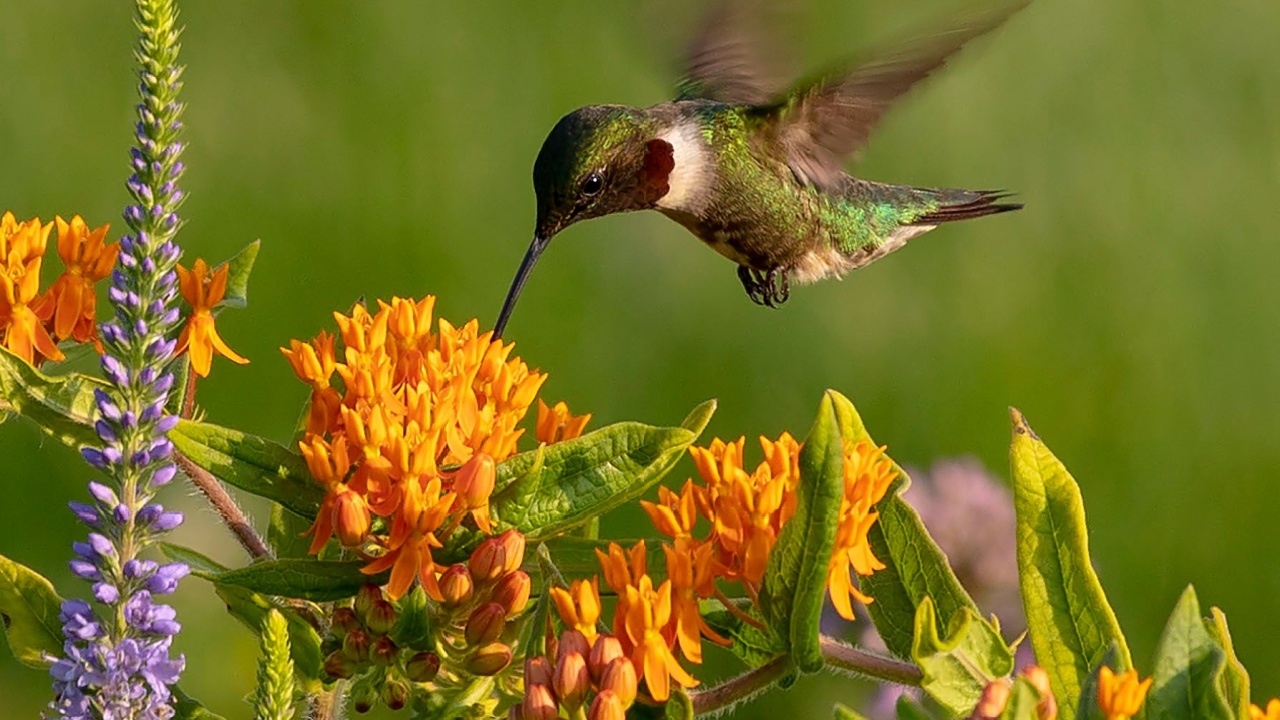
The Ruby-throated Hummingbird weighs less than a nickel, yet it makes an incredible migratory flight across the Gulf of Mexico annually. Though small, these birds are federally protected just like large eagles. It is a federal crime to capture them or take their nests, a measure that helps protect their populations from decline and exploitation.
To help hummingbirds on their long journey, you can plant native, tubular flowers such as bee balm and columbine. If you use a nectar feeder, be sure to clean it every few days with hot water to stop the growth of dangerous fungi. Also, never add red dye to the nectar; plain sugar water gives them all the energy they need without the danger of chemical additives.
9. Mourning Dove
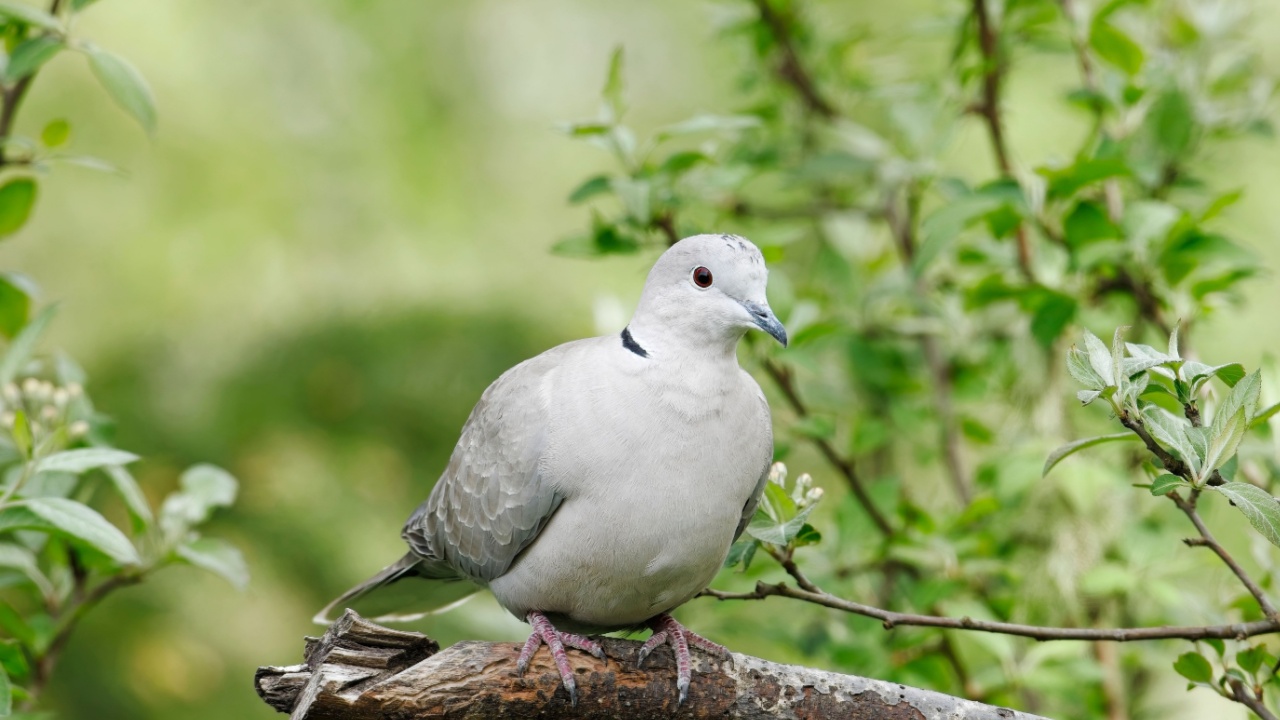
The soft, sorrowful cooing of the Mourning Dove is a staple sound in rural and suburban neighborhoods alike. While they are a game bird in many states, their hunting is strictly regulated by the Migratory Bird Treaty Act. Outside of designated seasons, it’s illegal to harm them or disturb their notoriously flimsy nests.
Mourning Doves often build nests in precarious locations, like on top of outdoor ceiling fans or in hanging plant baskets. If a nest appears in a high-traffic area, simply reroute foot traffic for a few weeks until the young leave. Scattering millet or cracked corn on a flat platform feeder provides a safe, accessible food source for these ground-feeding birds.
10. Barn Owl
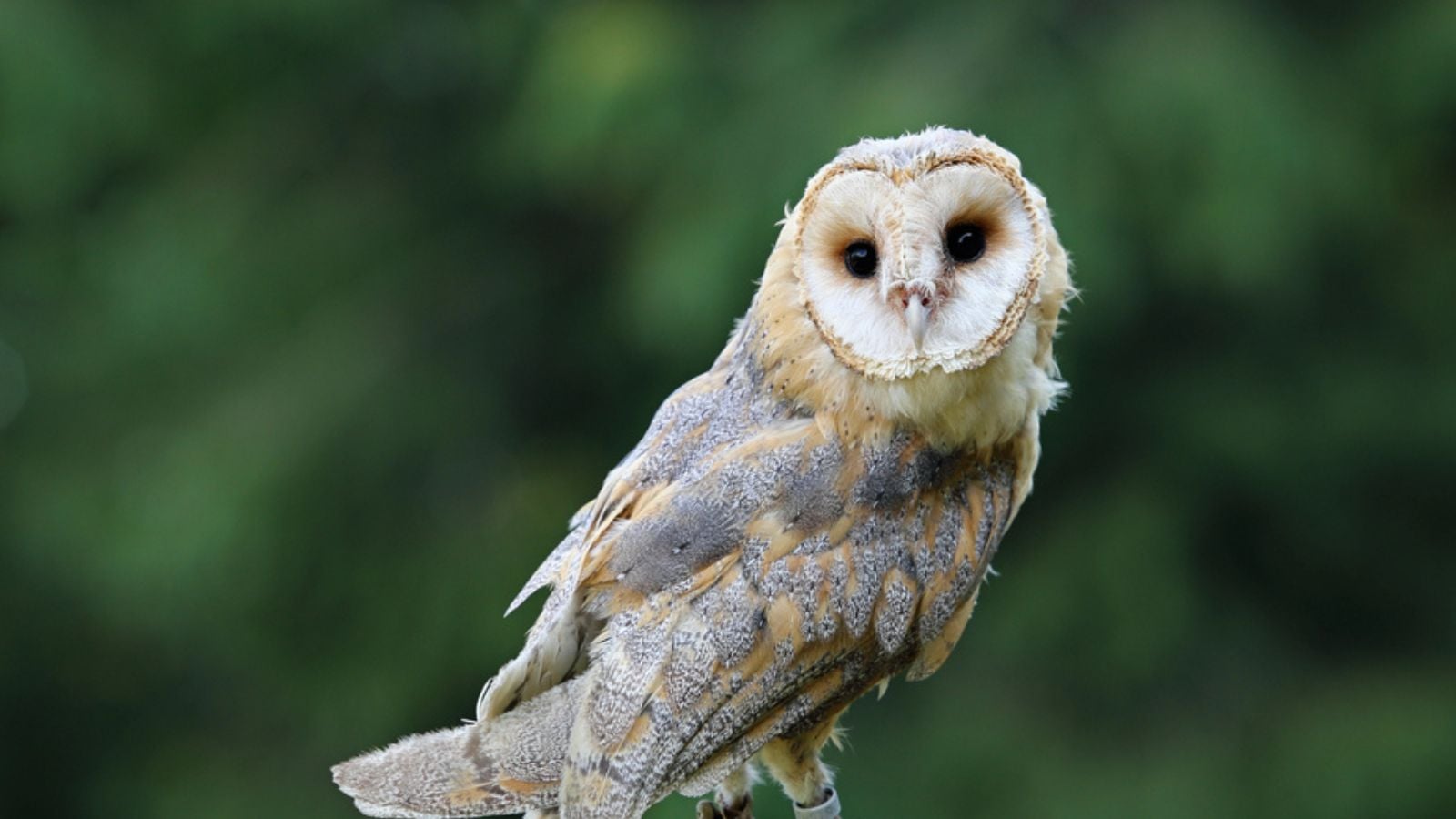
The Barn Owl, with its unique heart-shaped face and pale feathers, is a silent nighttime hunter that’s a huge help in farming areas. They’re federally protected, so it’s illegal to shoot, poison, or bother them. A single Barn Owl family can eat thousands of rodents in just one year, offering natural pest control for farms and rural homes.
Rodent poisons are a major threat to Barn Owls because they can get sick from eating a poisoned mouse. You can help these birds out by putting large wooden owl boxes in barns or tall trees. Using snap traps for indoor rodent problems is a safer way to keep the local owls healthy and on the job.
11. Canada Goose
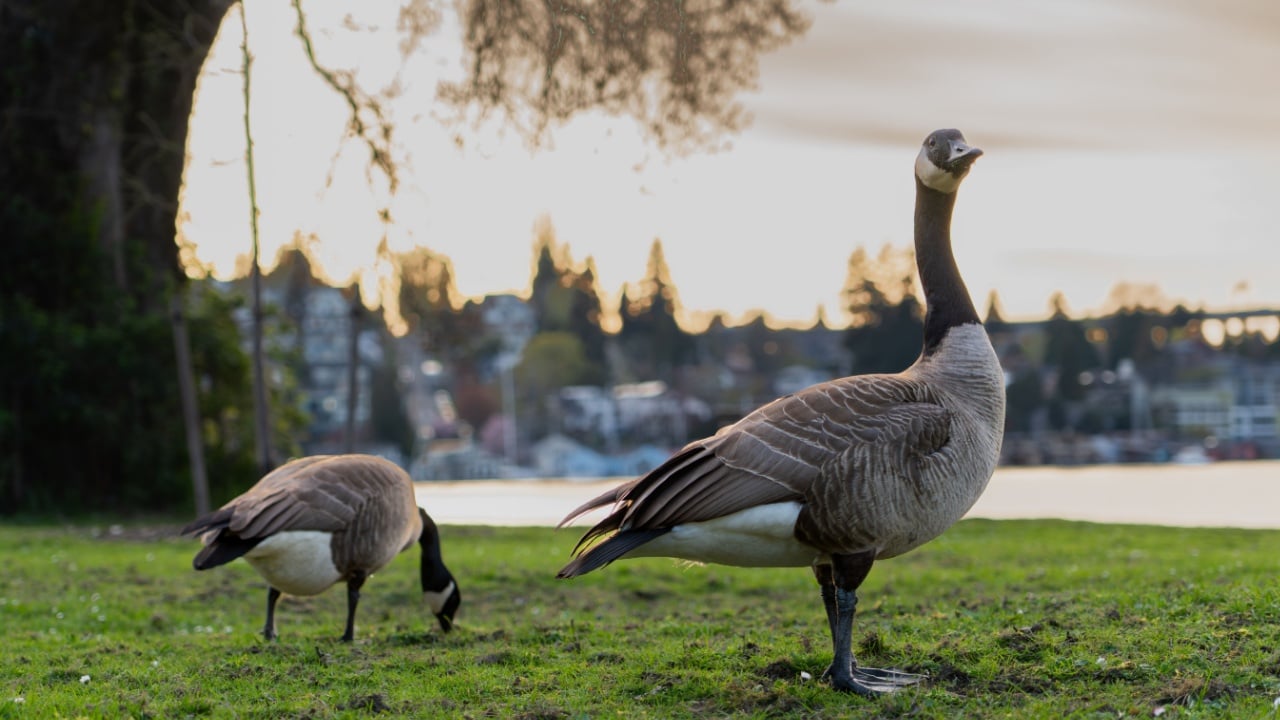
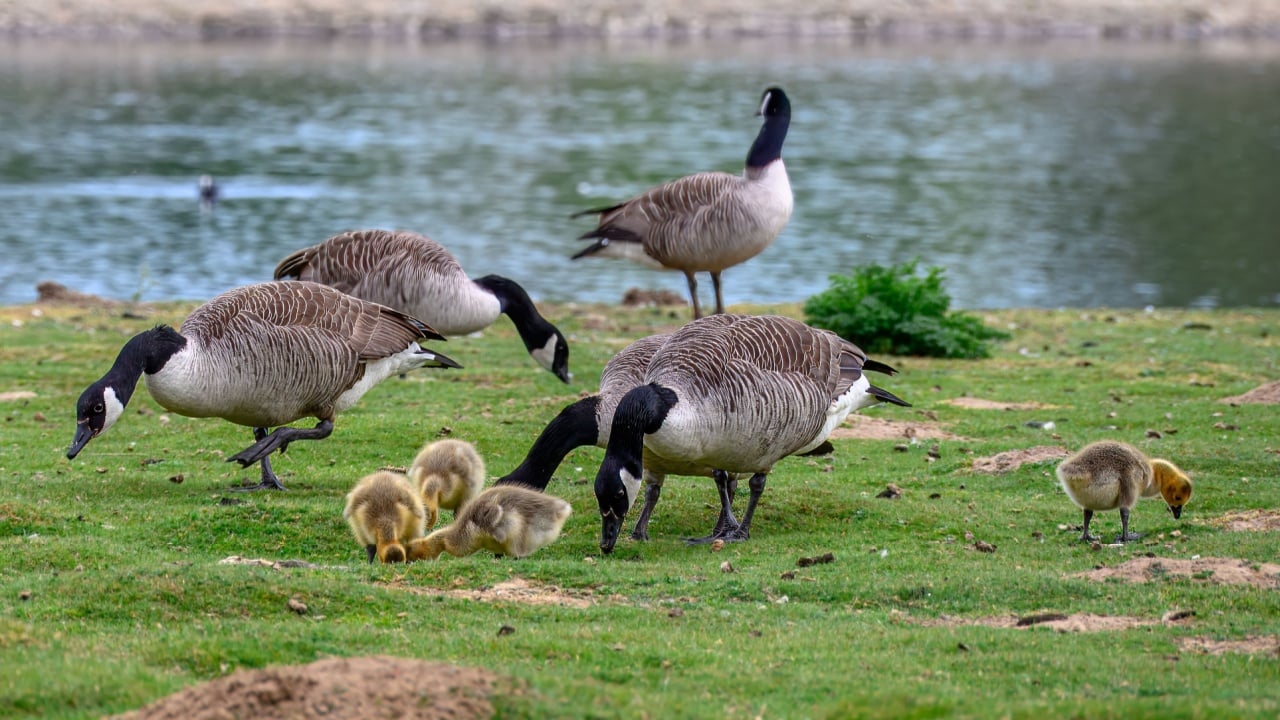
With its distinct black head and white chinstrap, the Canada Goose is easily spotted, especially when flying in its classic V-formation. While they can sometimes be a nuisance in public areas like parks and golf courses, they are protected under federal law. It’s illegal to destroy their nests, harm the birds, or oil their eggs without a special permit, and doing so can result in large fines.
For property managers dealing with large flocks, legal methods like using trained herding dogs or visual deterrents are the only options to encourage the geese to move. Feeding them bread is harmful, causing nutritional problems and encouraging them to gather in unnatural numbers. A simple way to deter them is to let the grass grow tall near pond edges, creating a natural barrier they dislike.
12. Downy Woodpecker
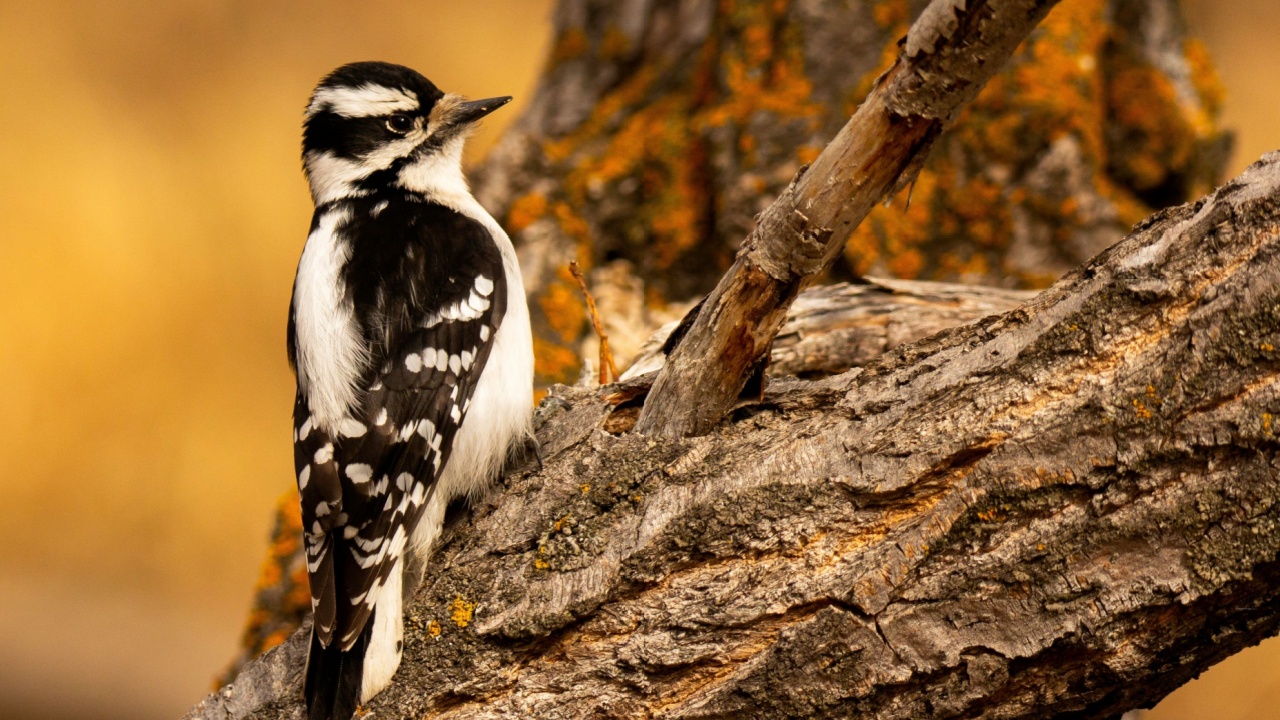
Downy Woodpeckers are the smallest woodpeckers in North America and are often seen climbing up tree trunks looking for insects. These active little birds are protected by the Migratory Bird Treaty Act and play a vital role in controlling wood-boring pests. They carve out nests in dead trees, which other wildlife species later use for shelter.
If a woodpecker starts drumming on your house’s wooden siding, it’s usually to mark its territory or search for food. This can cause damage, but you shouldn’t harm the bird. Instead, try hanging shiny streamers or placing a suet feeder nearby to lure it away. If it’s safe to do so, leaving a dead tree standing on your property can provide a natural habitat and food source for them.
13. Mallard Duck
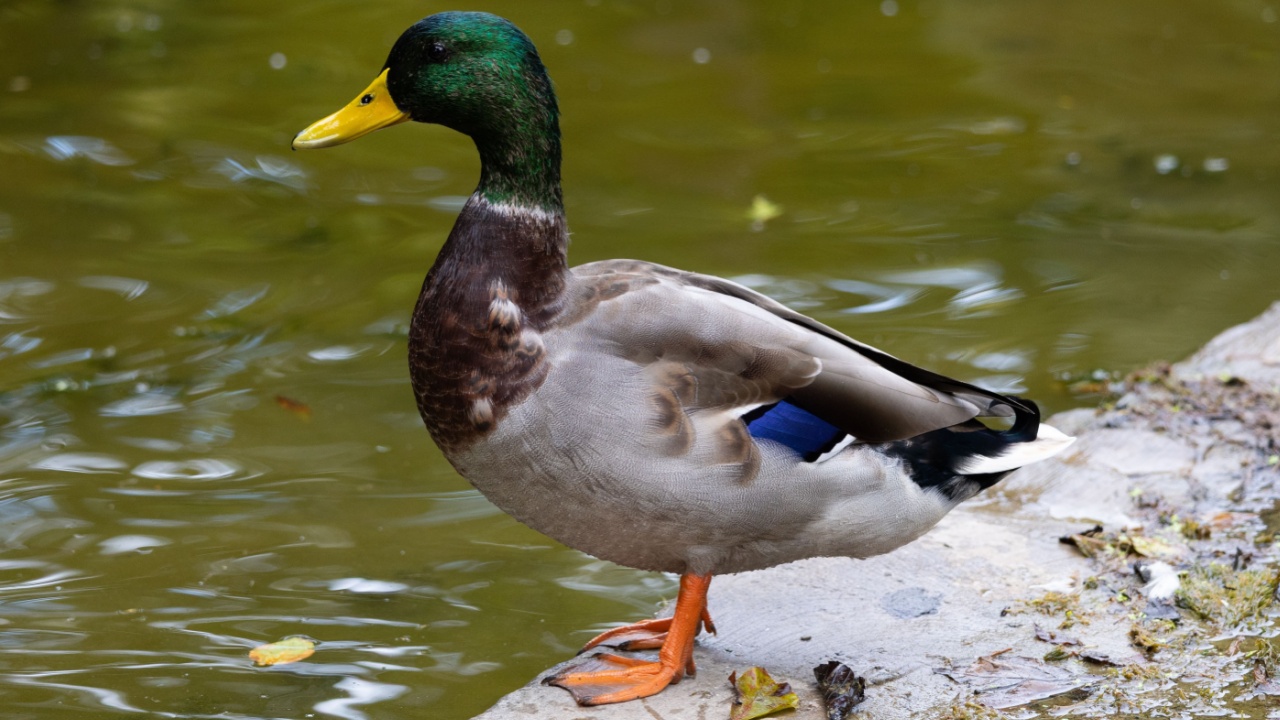
With their iconic iridescent green heads, Mallards are the most common wild ducks in the Northern Hemisphere. These migratory birds are federally protected, so hunting is strictly regulated by seasonal laws and permits. They depend on healthy wetlands for breeding and resting during their long flights.
Sometimes, a female Mallard might lay her eggs in a suburban swimming pool or courtyard. If this happens, place a small ramp in the pool so the ducklings can get out. It’s best to contact a local wildlife rescue for advice on how to safely guide the family to a nearby pond or stream.
14. American Crow
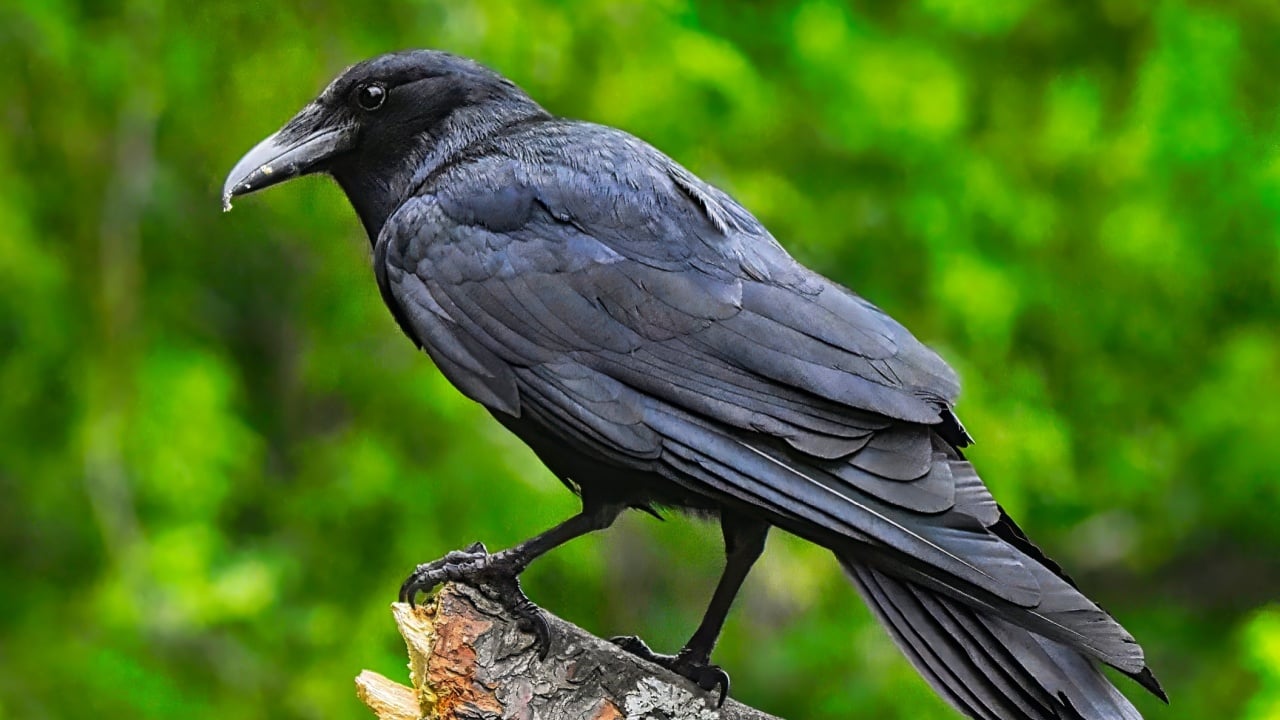
The American Crow is a highly intelligent and adaptable bird that thrives in nearly every environment across the continent. They are protected under federal law, making it illegal to harm them without a specific permit, which is usually only granted for severe agricultural damage. Crows are known for their problem-solving skills and can even recognize individual human faces.
If you have a large flock of crows in your neighborhood, use non-lethal scare tactics like motion-sensor lights or distress calls to encourage them to move. Also, make sure to secure your trash cans with tight-fitting lids to remove easy food sources that attract them.
15. Eastern Bluebird
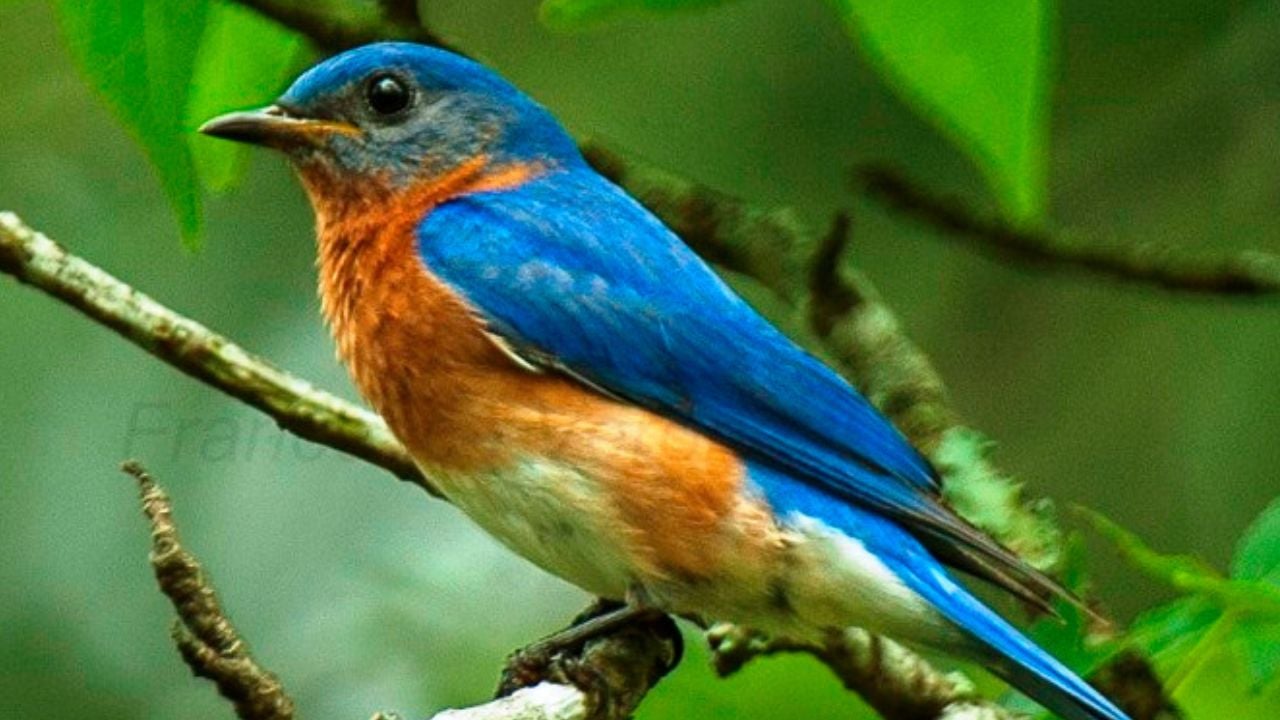
Eastern Bluebirds are beautiful little birds that nearly disappeared in the 20th century because of competition from invasive species. Thankfully, major conservation efforts and strict federal laws have helped their numbers bounce back. Messing with bluebirds or their nests can lead to big fines and undo years of hard work.
If you want to help them out, setting up a bluebird trail with the right kind of nest boxes is a great idea. Make sure to put the boxes on poles with predator guards to protect the eggs and chicks. Checking on the boxes now and then helps track their progress and gives useful info to local conservation groups.
Be a Good Bird Neighbor
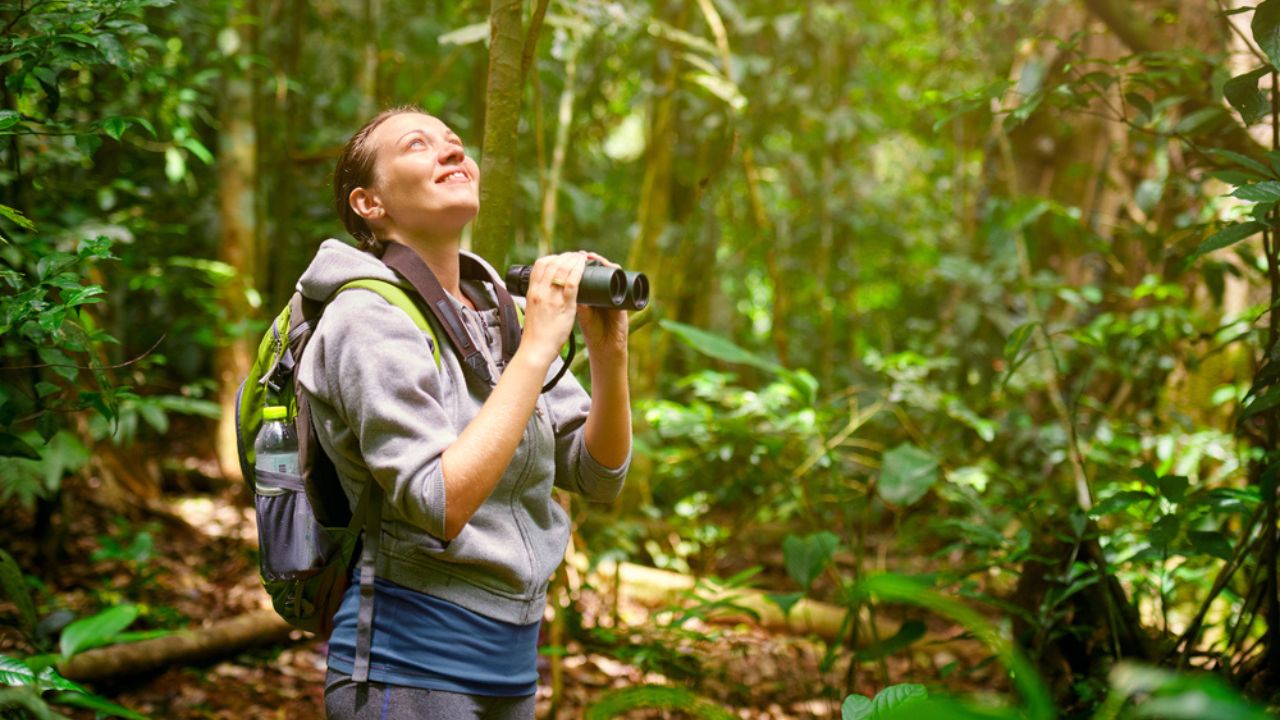
Following federal bird laws helps keep our ecosystems in balance and keeps us out of legal hot water. To watch native birds, all you really need is a good pair of binoculars and the common sense to stay away from their nests.
You can make your yard more inviting by adding native plants and fresh water, turning it into a safe spot for birds passing through or living there year-round. Turning your garden into a certified wildlife habitat is a great way to protect the amazing birds we share our world with.
Read More: