10 Pruning Mistakes You’re Probably Making Right Now
March and April are two of the most important pruning windows of the year. Dormancy is lifting, sap is moving, and the choices you make in the next few weeks will shape your trees and shrubs for the entire growing season.
Get it right, and you set your garden up for a spectacular spring. Get it wrong, and you may be waiting years for plants to recover if they recover at all.
Here are the ten pruning mistakes that trip up even experienced gardeners, and exactly what to do instead.
1. Pruning Spring-Flowering Shrubs Before They Bloom
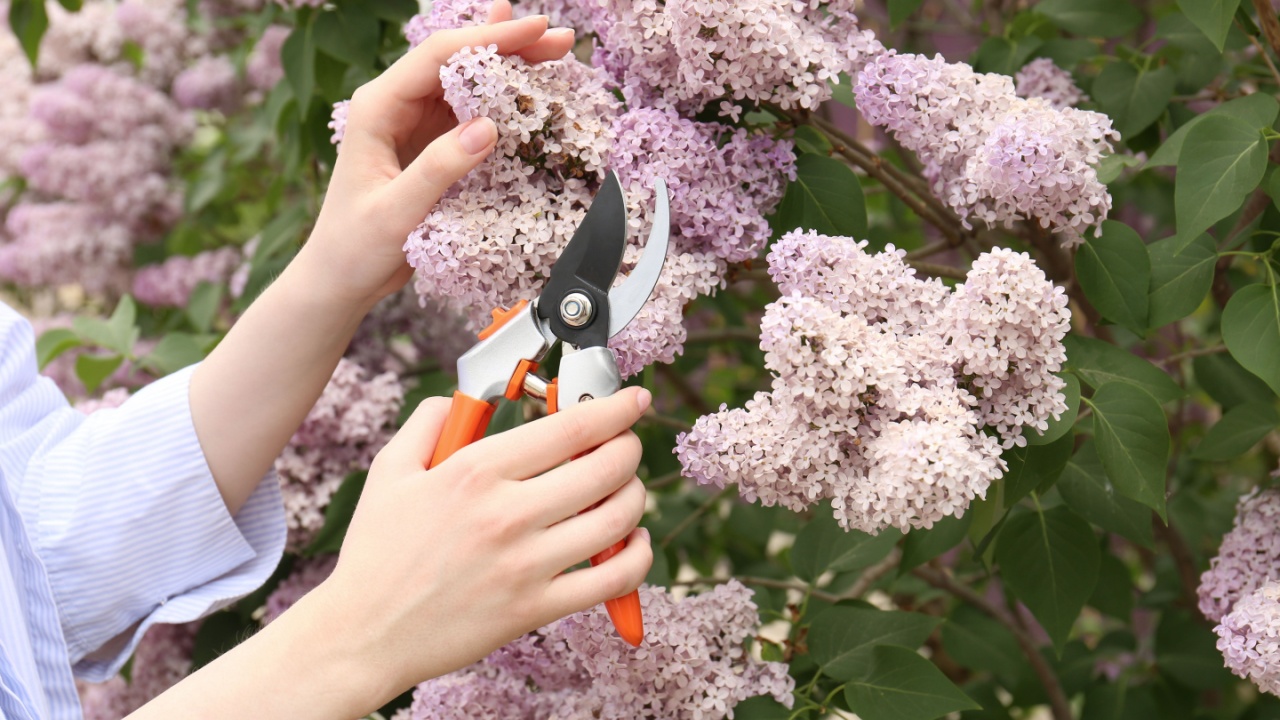
This is the most heartbreaking timing mistake in the garden, and it happens constantly in March. Lilacs, forsythia, azaleas, and rhododendrons all set their flower buds the previous summer. Prune them now, before they’ve had a chance to bloom, and you’re cutting off an entire year’s worth of flowers.
The fix is simple: let them bloom first. Wait until the flowers fade, then prune immediately. For summer-blooming shrubs like roses and butterfly bush, late winter or early spring is exactly the right time.
2. Using Dull, Dirty, or Wrong Tools
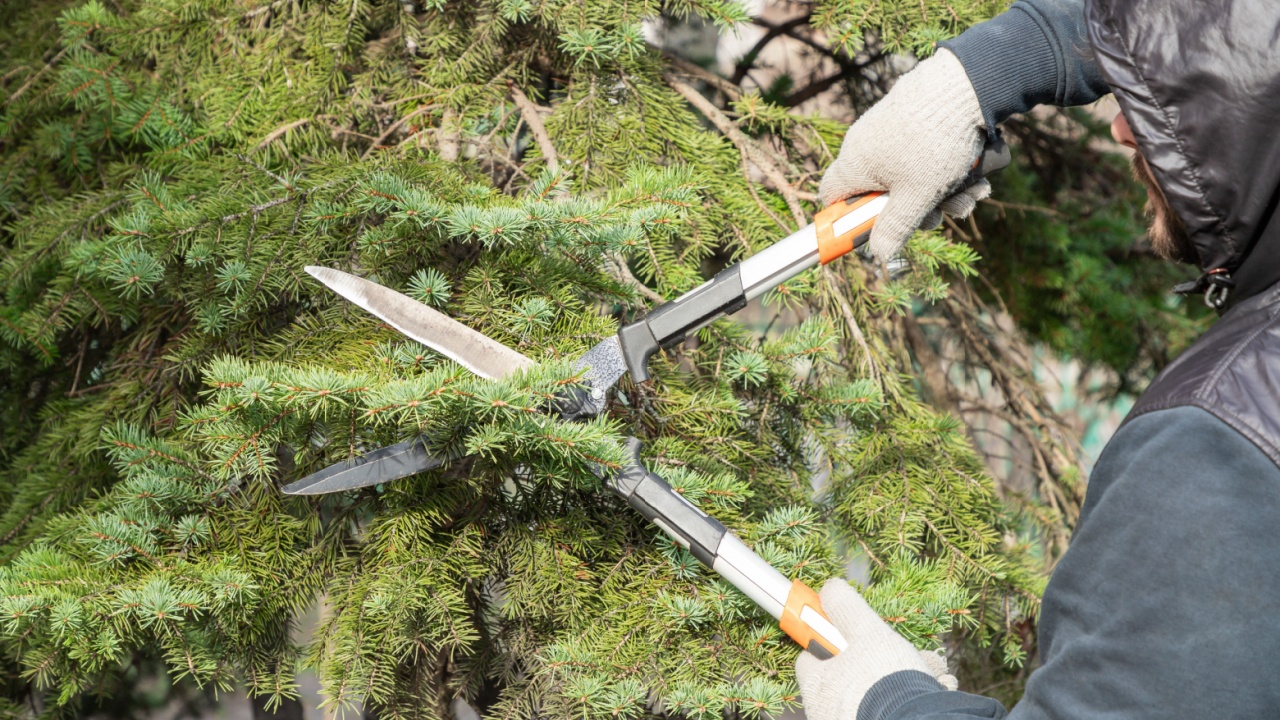
One of the biggest pruning mistakes can happen before you make a single cut. Blunt blades don’t slice cleanly; they shred and crush plant tissue, leaving ragged wounds that take far longer to close and are far more vulnerable to infection.
Dirty tools are a separate, more insidious problem. When you cut a plant, you create an open wound exposed to whatever is on your blade. According to Homes & Gardens, pruners covered in dried sap from previously diseased wood can transmit bacterial and fungal spores directly into a healthy plant.
Wipe blades with rubbing alcohol between plants, and ideally between cuts on a plant you suspect may be diseased. Sharpen tools at least once per season. And for live green wood, always reach for bypass pruners (scissor-style) over anvil pruners, which crush stems rather than slicing them.
3. Removing the Branch Collar (The Pruning Mistake That Actually Kills)

Here is the single most damaging pruning mistake most homeowners have never heard of. Every branch connects to the trunk through a swollen ring of specialized tissue called the branch collar. This collar contains the tree’s own healing mechanisms: the cells responsible for producing callus tissue that seals a wound and blocks decay.
When you cut flush against the trunk, trying to make things look tidy, you remove the collar entirely. The tree is now left with an open wound that it cannot close. According to the Sacramento Tree Foundation, flush cuts are harder for the tree to seal and make it significantly more likely that decay will spread beyond the wound site.
The correct cut lands just outside the collar, leaving that protective ring fully intact. The difference between a proper cut and a harmful one is often less than an inch.
4. Over-Pruning: The One-Third Rule You Should Never Break
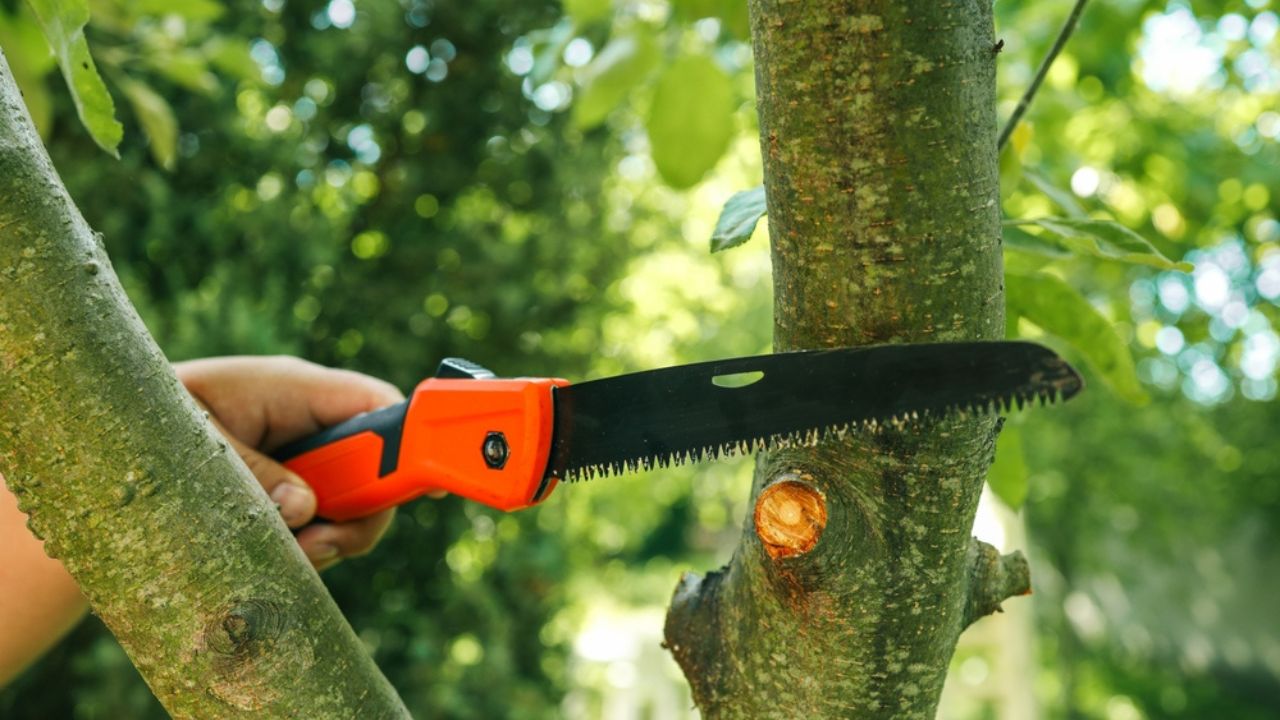
Removing too much from a tree or shrub in a single session is one of the most common ways gardeners harm plants they love. The standard guidance is clear: never remove more than one-third of a plant’s total foliage in one pruning session.
For trees, the threshold is even lower. Research from Independent Tree suggests removing more than 20 to 25 percent of a tree’s canopy in a single season can drain its stored energy reserves to the point where the tree can no longer fight off pests, heal wounds, or survive drought. A tree that looks fine the week after hard pruning may quietly decline for years before the damage becomes visible.
5. Topping Trees (Stop Doing This)
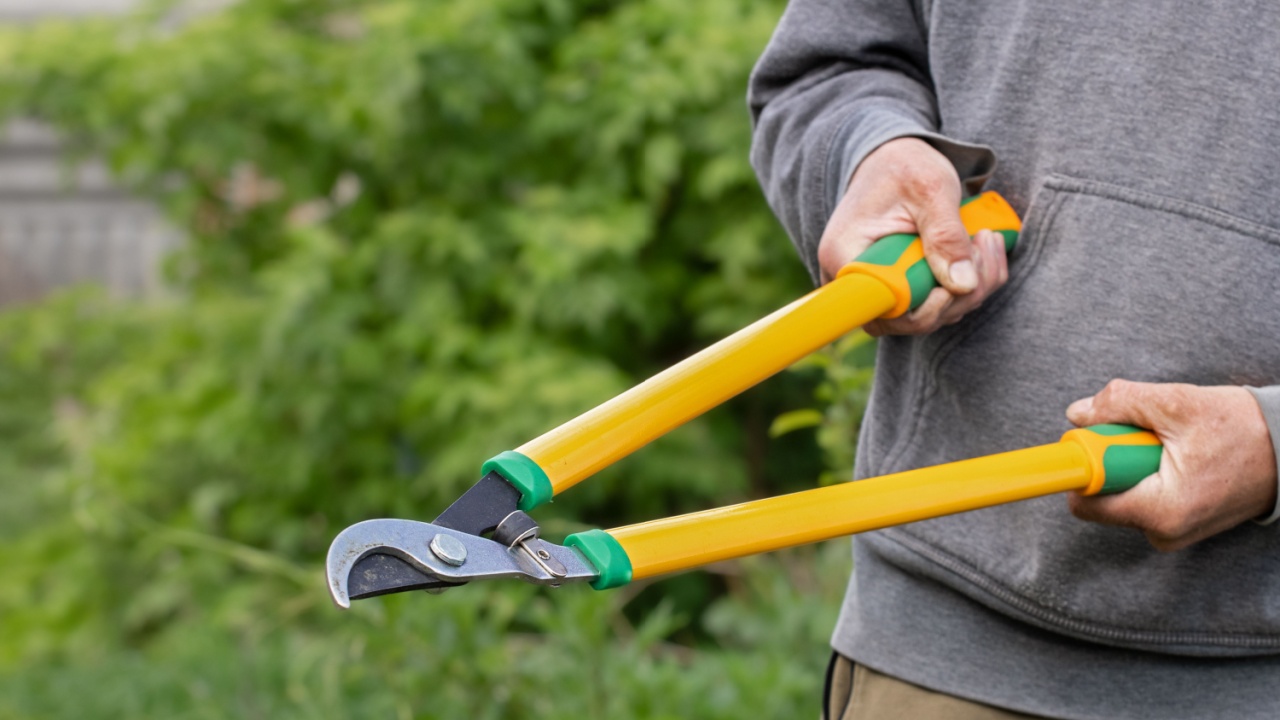
Tree topping is cutting the central leader, the main upright trunk, at an arbitrary point to reduce the tree’s height. It is the most destructive pruning practice in home landscaping, and it is still shockingly common.
A topped tree responds to the trauma by producing a flush of spindly, fast-growing shoots called watersprouts. These grow in unpredictable directions, attach weakly to the trunk, and break easily in storms. The large wounds left by topping cuts are often too big for the tree to seal before decay fungi move in. According to American Climbers, topped trees rarely recover their natural form and frequently become structural liabilities long before they die.
If a tree is too large for your space, the right solution is to work with a certified arborist on reduction cuts made to lateral branches, not to top the tree. Some mistakes can be corrected. Topping, in most cases, cannot.
6. Applying Wound Sealant After Cuts
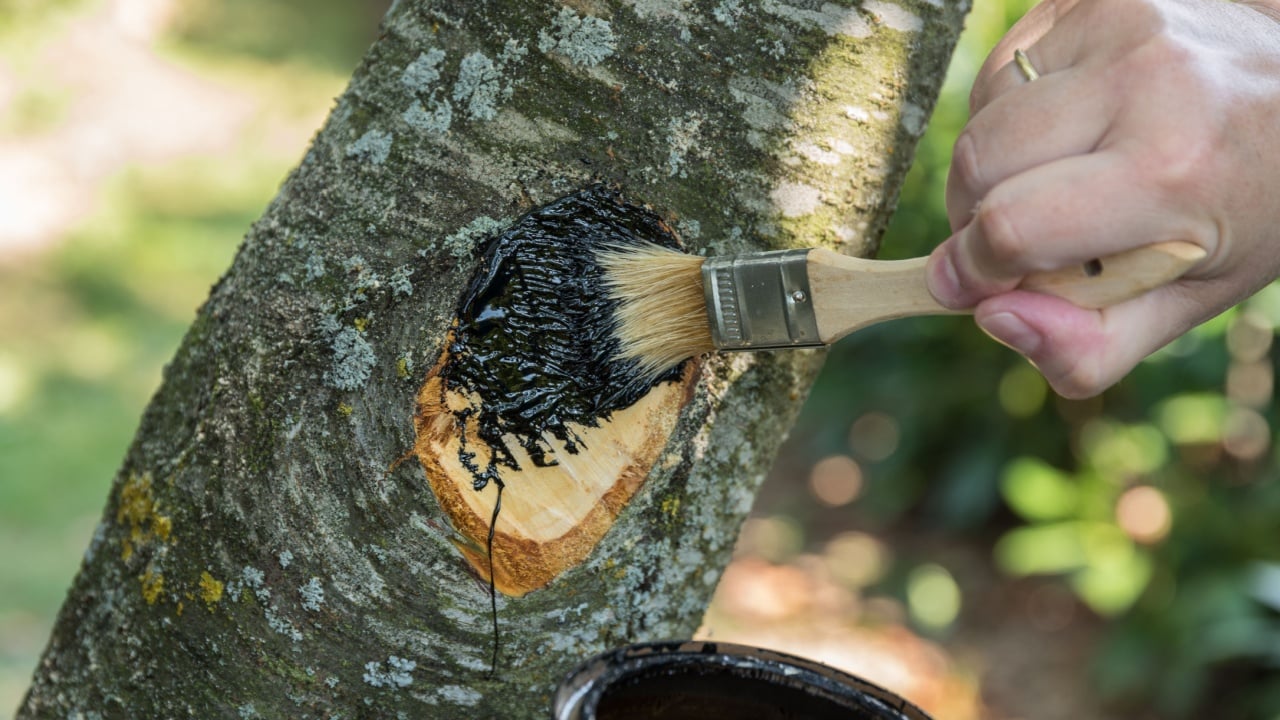
Here is the counterintuitive fact that surprises nearly every gardener who hears it: pruning wound sealants, those black tarry products sold in garden centers for decades and recommended by well-meaning gardeners for generations, are now known to do more harm than good. Applying them slows the tree’s own healing response, may trap moisture and bacteria inside the wound, and in some cases actively prevents callus tissue from forming.
Garden Design states plainly that in most cases it is best to leave pruning cuts to heal naturally, avoiding wound dressings unless a professional recommends them for a specific situation. Leave the cut alone. The tree knows what to do.
7. Pruning Stressed or Waterlogged Plants
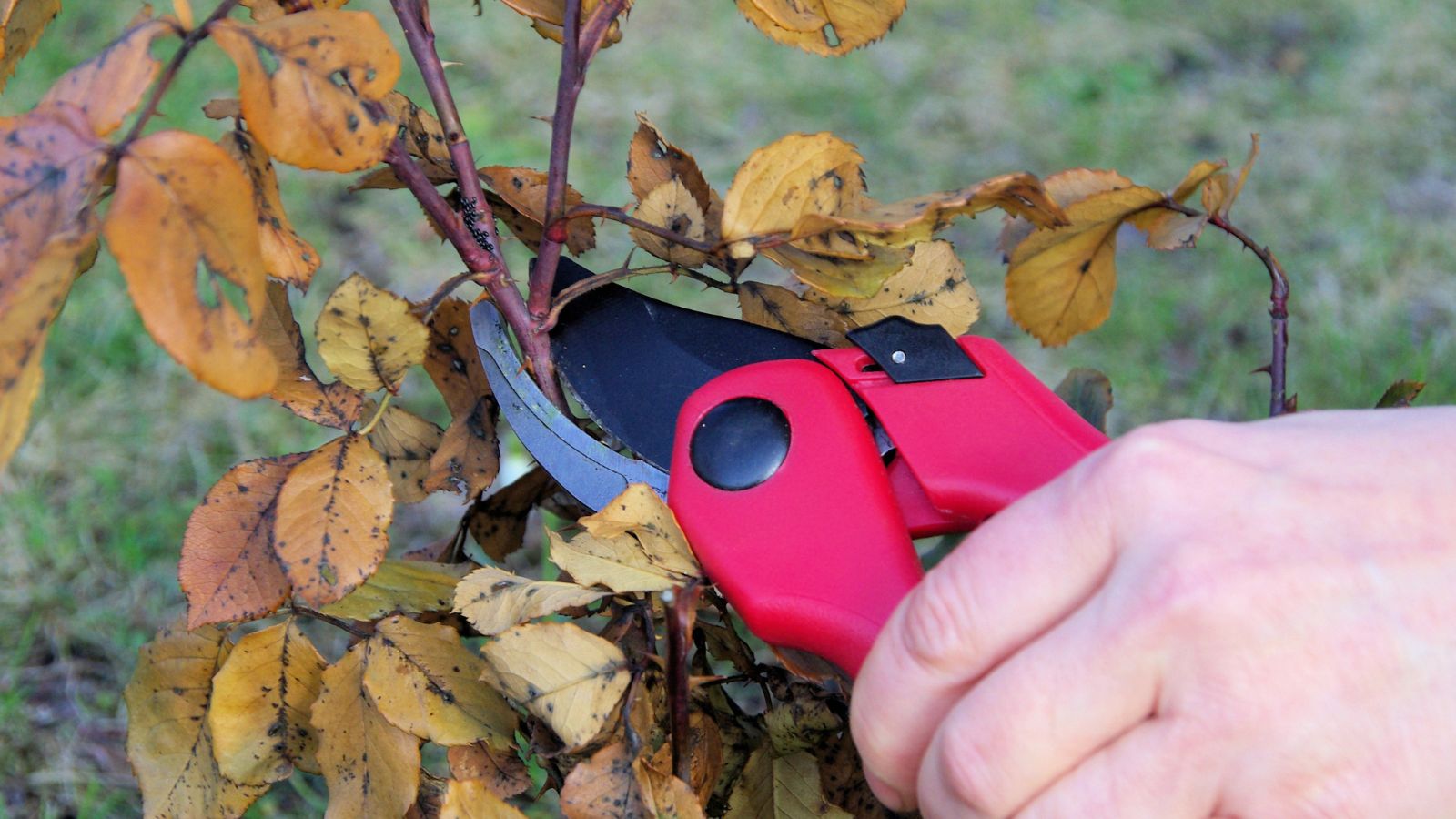
Every pruning cut is a wound. A healthy plant seals those wounds efficiently. A plant that is already under stress, from drought, pest pressure, waterlogged soil, or disease, cannot.
According to The Spruce, pruning during wet conditions dramatically increases the risk of fungal and bacterial infection; water pooling on fresh cuts accelerates the growth of pathogens. The guidance is to wait at least a week after heavy rainfall before pruning. The same applies to plants visibly struggling with pests or disease: assess the plant’s overall health before you ever pick up the shears.
8. Pruning Only the Tips (Haircut Pruning)
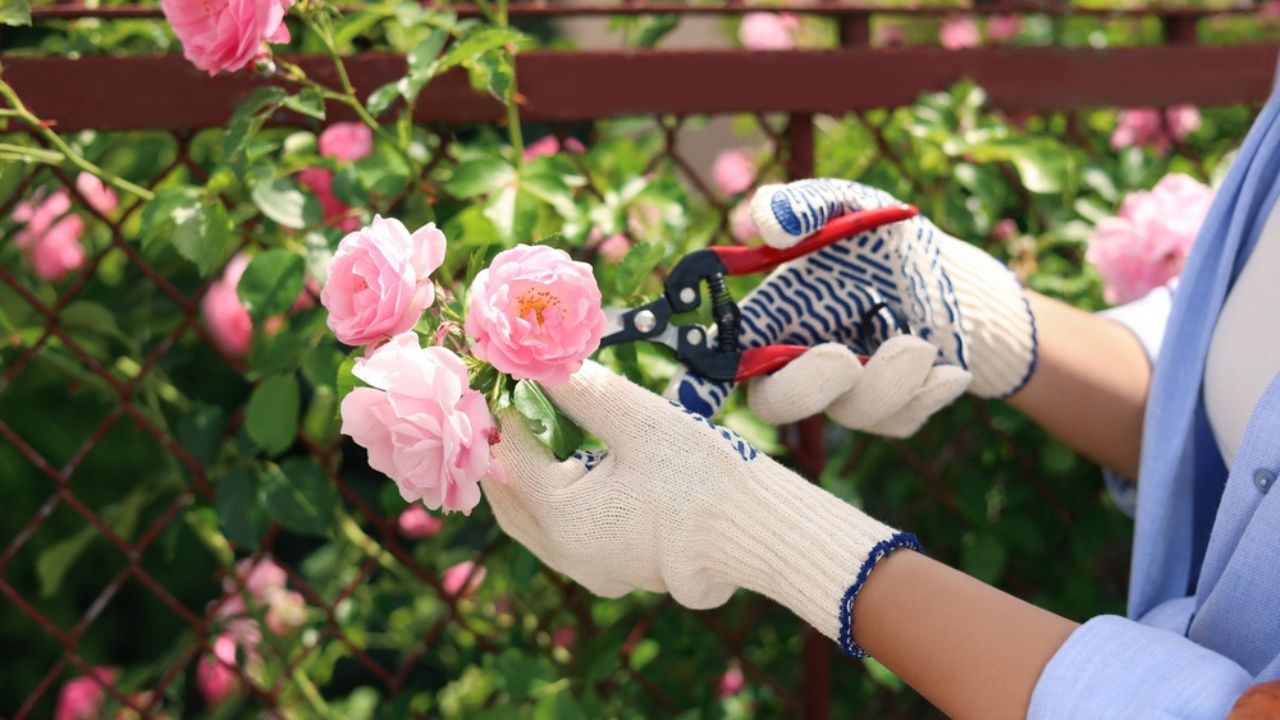
Running hedge shears across every branch tip to create a neat, rounded shape feels satisfying. It is also one of the least effective ways to prune most shrubs and produces compounding problems over time.
Tip pruning stimulates multiple competing buds at each cut site instead of directing energy to one dominant growth point. According to The Spruce, making a few larger, well-placed cuts produces far better structure than many tiny snips. Over years of tip-only pruning, shrubs develop a dense, twiggy outer shell that blocks light from reaching the interior; the plant becomes hollow, weak at its core, and increasingly susceptible to disease.
9. Ignoring the Three Ds

Before any shaping or aesthetic pruning begins, there is one step that should always come first: removing every branch that is dead, dying, or diseased. Arborists call this the three Ds, and it is the foundation of sound pruning practice.
Dead wood is an entry point for pests and pathogens. Diseased branches, if left in place, can spread infection to healthy tissue. According to BBC Gardeners’ World Magazine, removing die-back promptly prevents fungi from invading and spreading canker to other parts of the plant. Work through the three Ds first, with freshly sanitized tools, before you make a single cut for shape.
10. Not Pruning at All

The most common pruning mistake, according to Fine Gardening, is not pruning at all. Fear of making a wrong cut leads many gardeners to avoid pruning entirely, and year after year, the shrub grows denser, the crossing branches multiply, air circulation disappears, and the plant becomes a slow-moving disaster waiting for one bad season to tip it over.
Prune The Right Way

Pruning is not the threat. The right cut, made at the right time with a clean blade, is one of the most restorative things you can do for a plant. Neglect is not the safe option. With knowledge of these 10 common pruning mistakes, you can head out to the garden empowered and confident, ready to prune the right way.
Read More
Do these 12 raised garden bed tasks before March ends, or lose your head start
12 vegetables to direct sow in the garden right now in March