11 Trees and Shrubs to Never Prune in Spring (And When to Cut Them Instead)
That urge to grab your pruners the moment temperatures rise is one of the most natural impulses in gardening, and one of the most destructive.
Every March, well-meaning gardeners pick up their loppers and go to work on the very plants that most need to be left alone, and then spend June wondering why their lilacs are leafy green stalks with no flowers, or why their beloved bigleaf hydrangeas produced nothing but foliage.
The problem is not enthusiasm. It is timing, and timing in pruning is everything.
Why Spring Is the Wrong Season for Pruning Many Plants
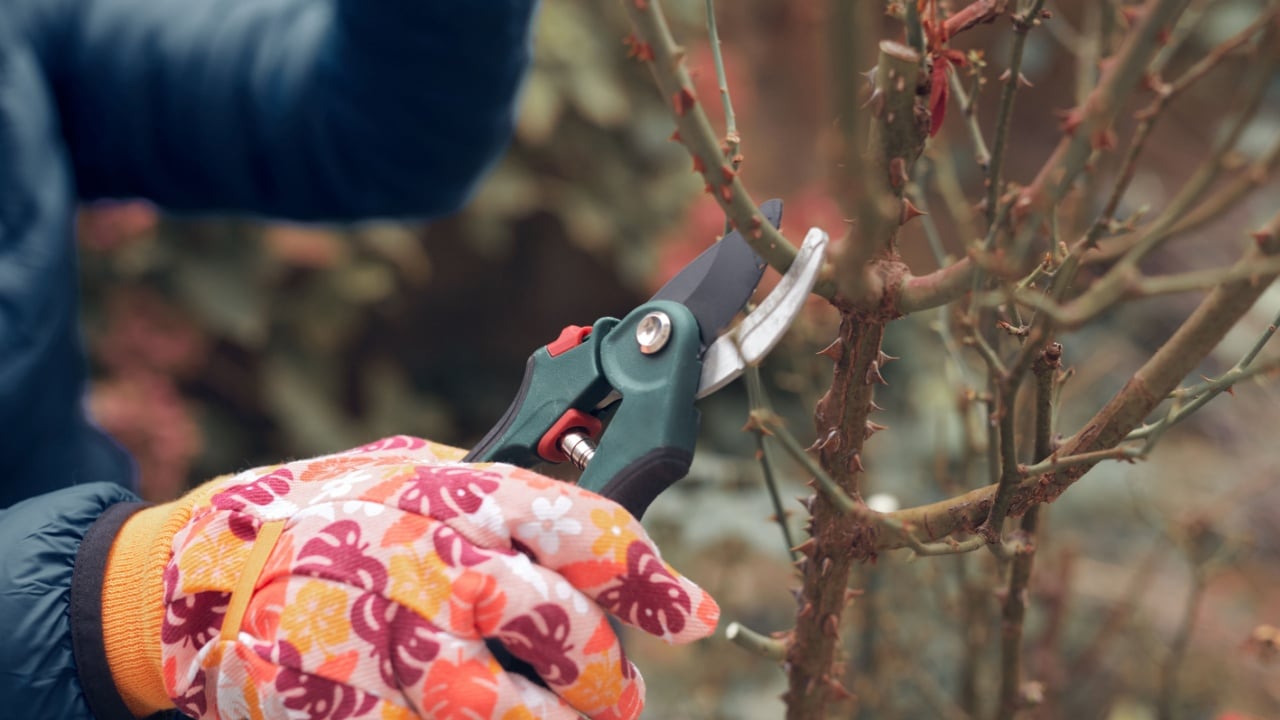
The key to understanding when to prune anything is knowing whether it blooms on “old wood” or “new wood.” Old-wood bloomers set their flower buds during the previous summer and fall, on growth that is already a year old. When you prune those plants in early spring, you are not cleaning them up; you are removing every bud they spent months developing.
As Nebraska Extension landscape horticulture specialist Kim Todd explains, spring-flowering shrubs and trees “bloom early on the previous season’s growth,” which means the best time to prune them is immediately after they finish flowering, not before. Prune after bloom, and the plant has the entire growing season to develop new buds for next year. Prune in spring, and you eliminate the current year’s display and potentially delay next year’s as well.
New-wood bloomers, by contrast, produce flowers on growth that emerges each spring, so pruning in late winter or early spring actively encourages their best performance. Knowing which category your plant falls into is the single most useful piece of horticultural knowledge a home gardener can have.
The following spring-flowering shrubs and trees should never be pruned in the spring, before they bloom. Hold on to your pruners and wait.
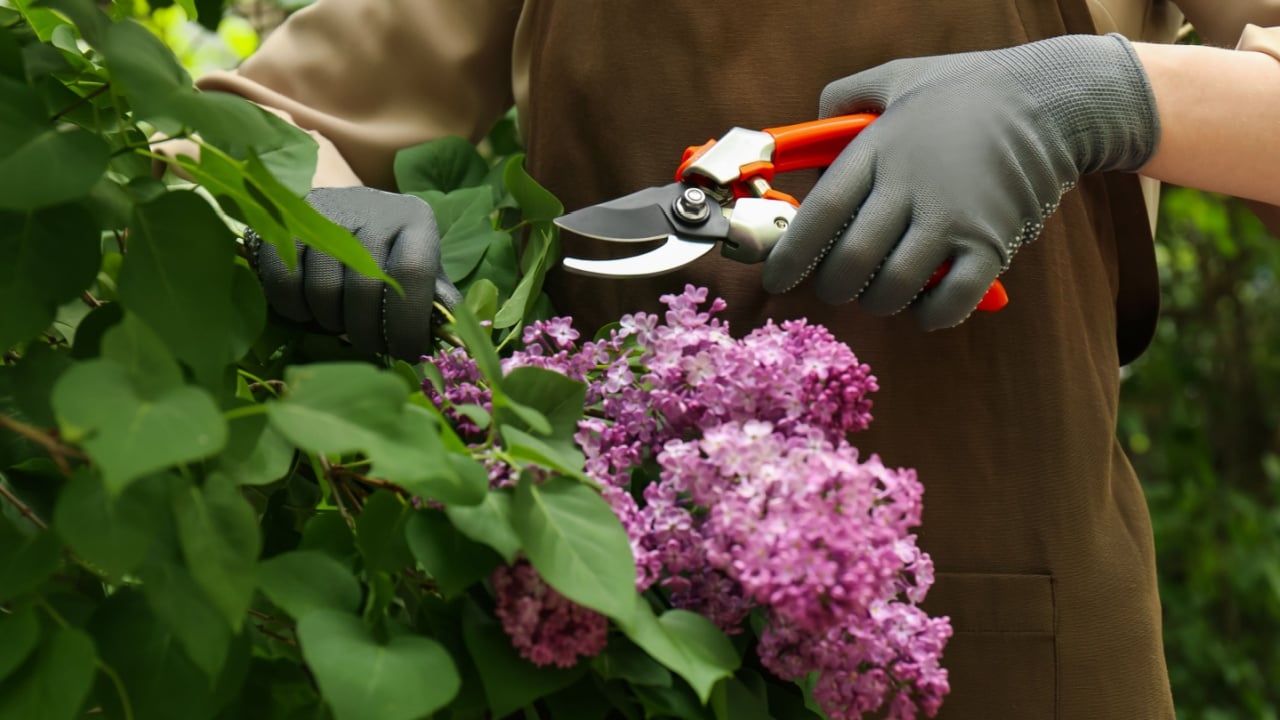
1. Lilac

Lilacs are among the most eagerly awaited spring bloomers, and among the most commonly over-pruned. According to Laura Irish-Hanson, horticulture educator at the University of Minnesota Extension, lilacs are susceptible to diseases that, while rarely fatal, can defoliate the plant.
Spring pruning creates additional stress at the worst possible time. Wait until flowering is finished, then prune lightly, removing no more than one-third of the oldest canes.
2. Azalea
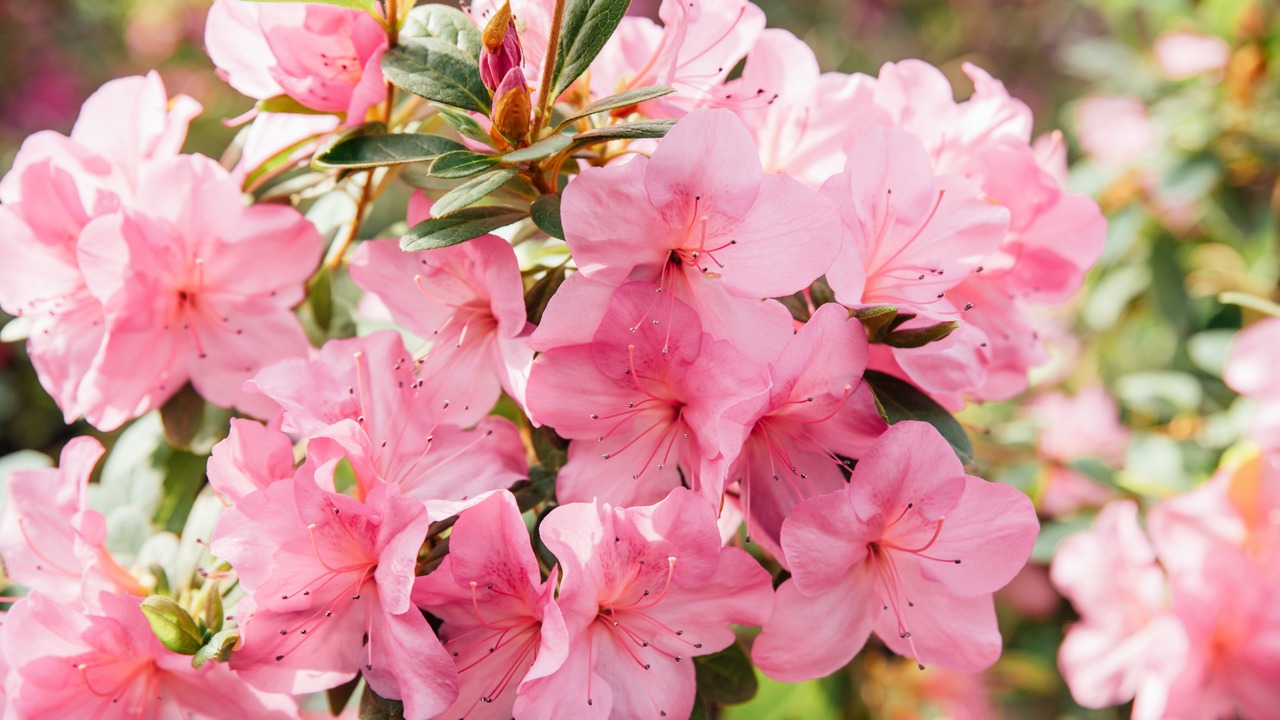
Spring-blooming azaleas set their buds in summer and fall on old wood. Pruning in early spring removes the flowers before they ever appear. David Hillock, consumer horticulturist at the Oklahoma State University Extension, notes in Martha Stewart Living that the variety matters, since some azaleas bloom repeatedly through the season.
If you are unsure of your variety, wait until after the flowers fade before making any cuts.
3. Forsythia
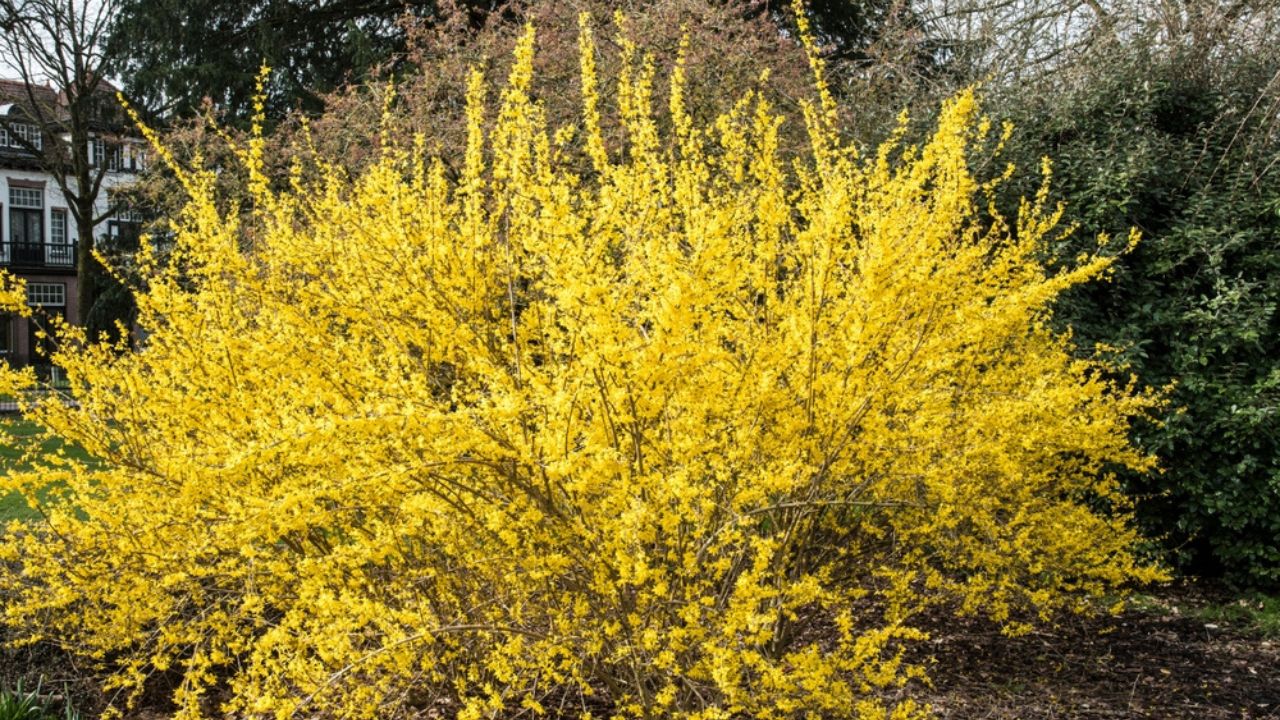
Forsythia is one of the first shrubs to signal spring with its brilliant yellow flowers. Because it blooms so early on old wood, even a late-winter trim will eliminate the display you have been waiting for since November. Prune forsythia immediately after its flowers drop, then leave it alone until the following year.
4. Mock Orange
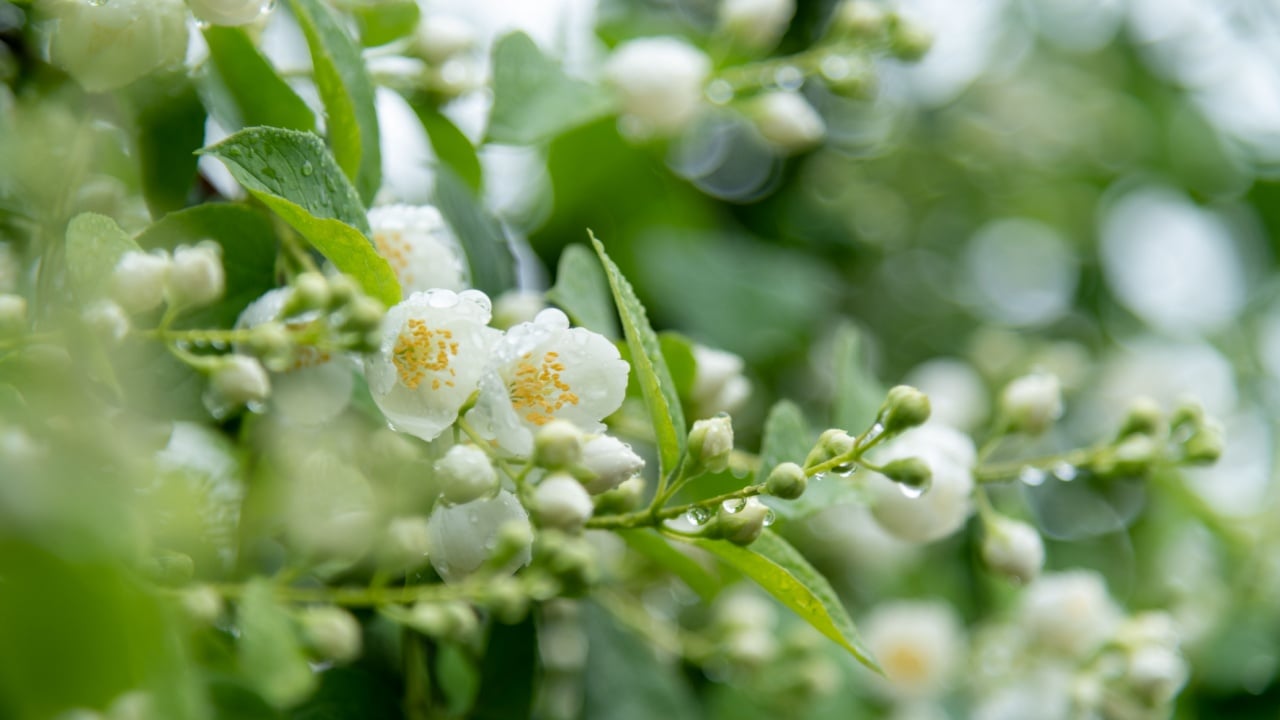
The intensely fragrant mock orange blooms in late spring from buds that formed on last year’s growth. Pruning it in early spring removes those buds entirely, leaving you with an unscented, flowerless shrub until the following season. Prune right after flowering, and do not wait too long; if you prune in late summer, you risk cutting off next year’s buds before they are fully formed.
5. Weigela
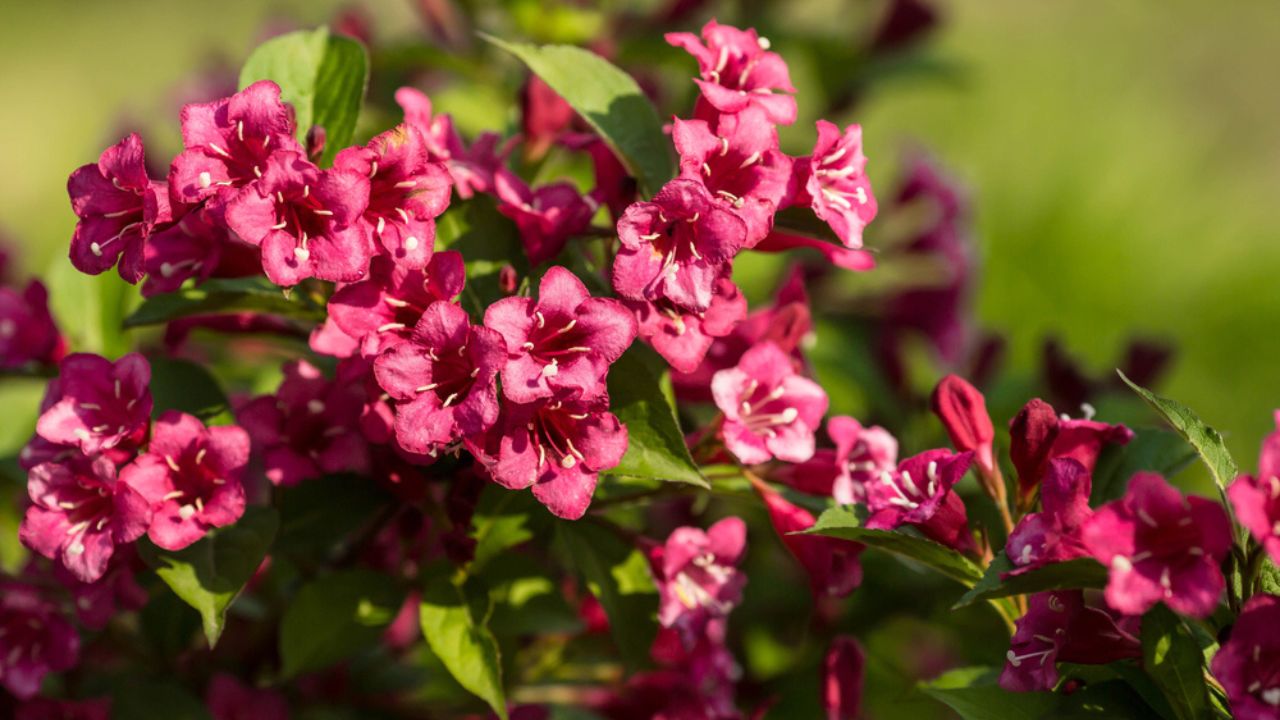
Weigela’s arching branches fill with tubular flowers in late spring, and every one of those flower buds developed last summer. Pruning in early spring means none of them will open. Wait until the flowers have fully faded, then remove up to one-third of the oldest stems to keep the plant vigorous.
6. Viburnum (old-wood varieties)

Several beloved viburnum species, including Korean spice viburnum, doublefile viburnum, and snowball viburnum, bloom on old wood in spring and early summer. As horticulturist George Weigel explains in Preen’s pruning guide, spring-blooming shrubs like these “are best pruned right after they’ve finished flowering,” since that gives them time to grow new branch wood that will carry next year’s buds by fall.
7. Virginia Sweetspire
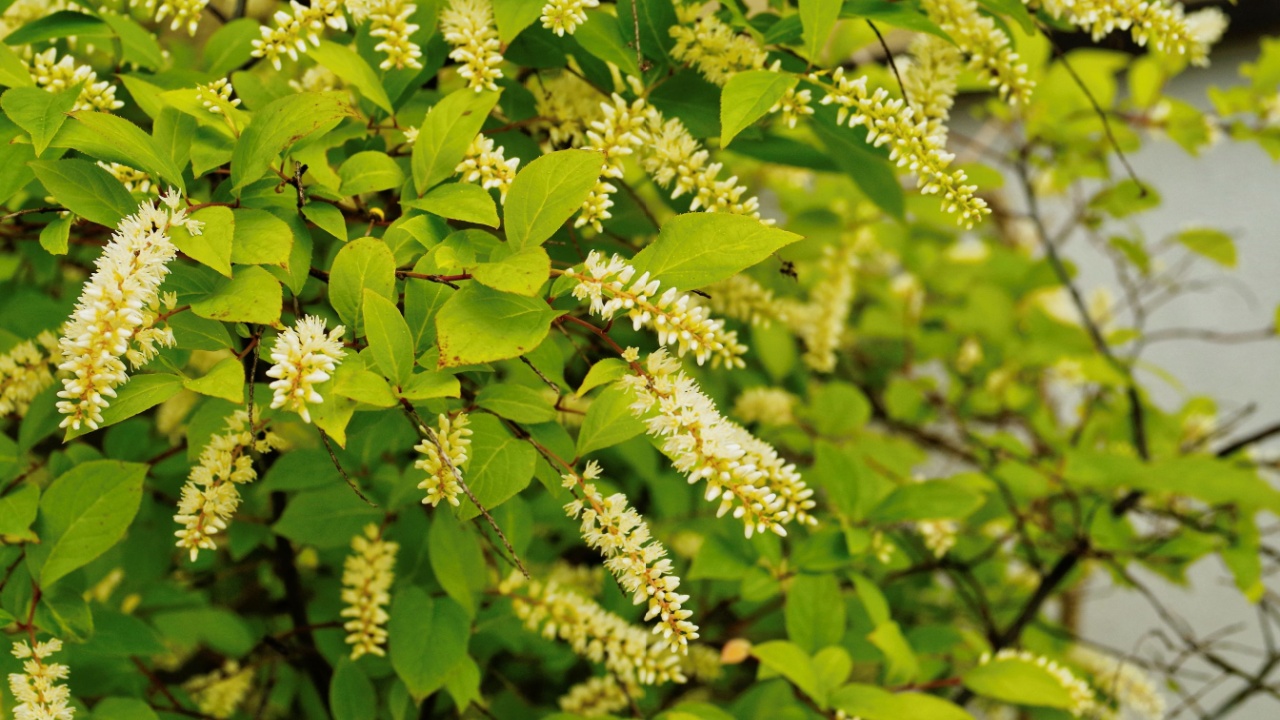
Virginia Sweetspire earns its place in the garden with fragrant flower spires and brilliant fall color. David Hillock of the Oklahoma State University Extension recommends in Martha Stewart Living to prune it only after blooming ends, usually by late June. Spring pruning removes the flower buds entirely.
8. Rhododendron
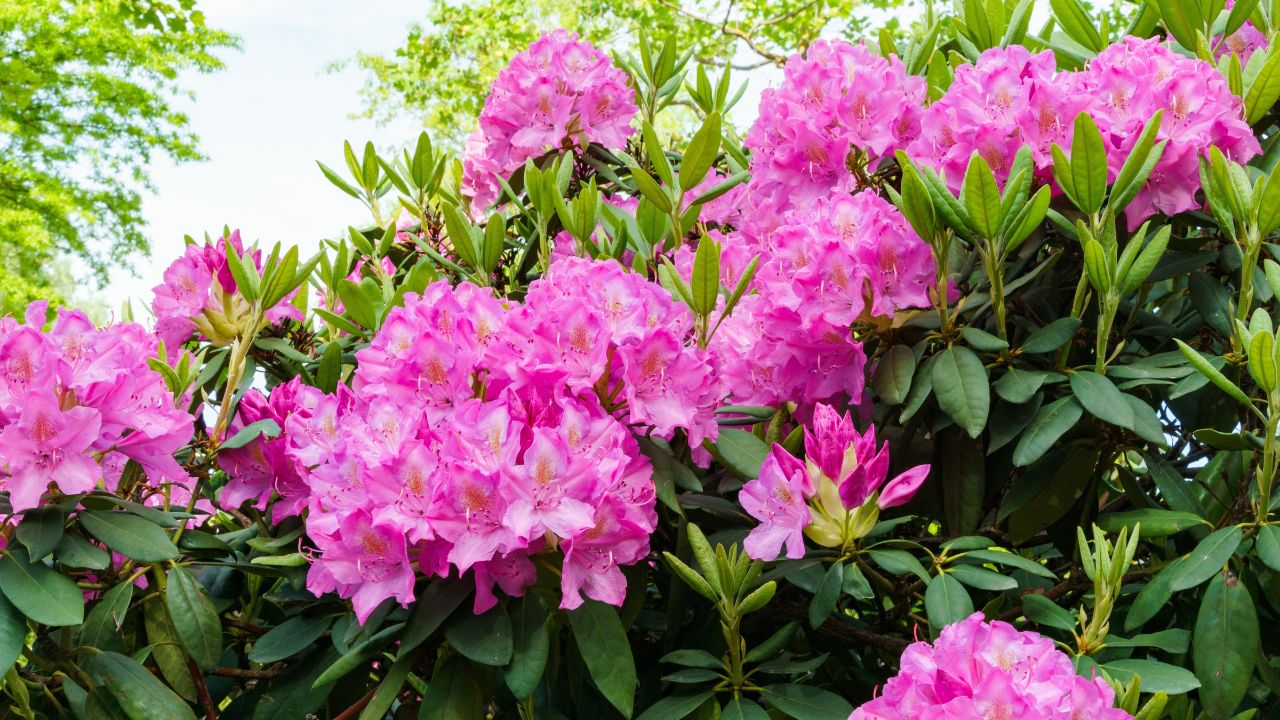
Rhododendrons set their flower buds in autumn for the following spring’s bloom. Pruning in late winter or early spring, when those buds are visible and swelling, destroys the current season’s flowers. Prune right after bloom, and keep cuts conservative since rhododendrons do not always recover quickly from heavy pruning.
9. Oak Trees
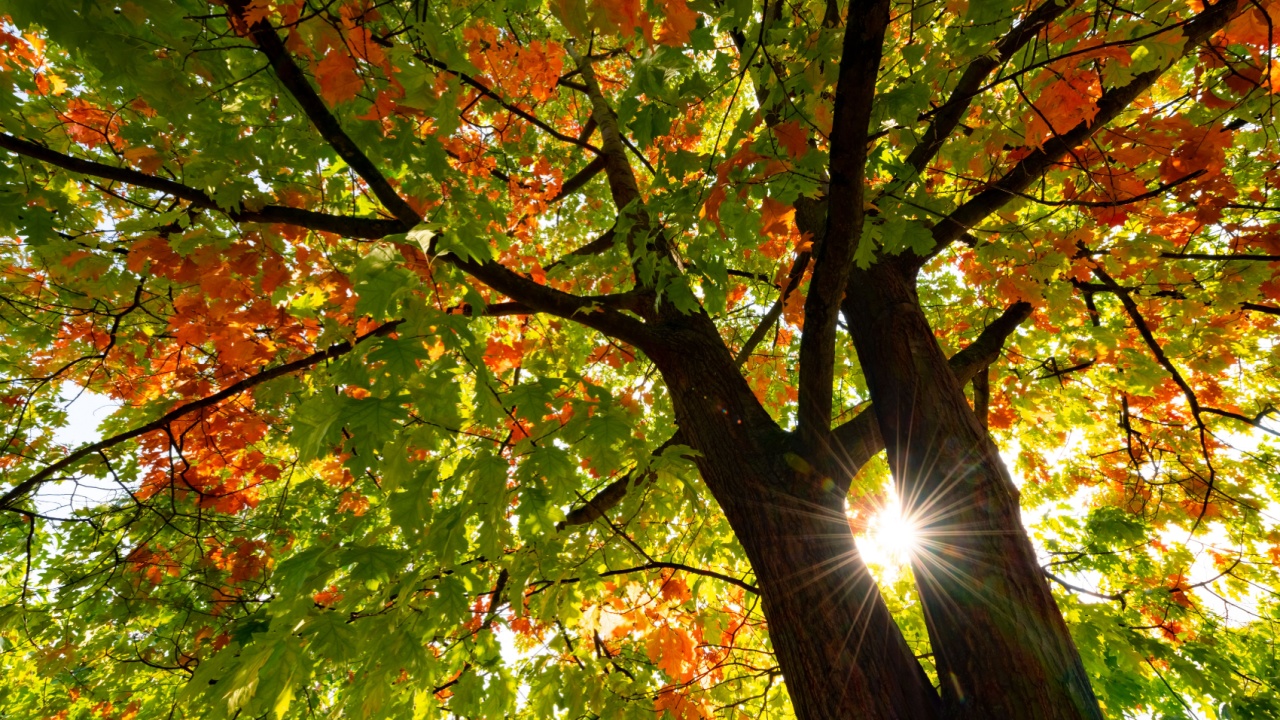
Of all the spring pruning mistakes on this list, pruning oaks during warm months carries the most serious consequence: oak wilt, a fungal disease that can kill a red oak within weeks of infection. The University of Minnesota Extension is explicit: do not prune oaks from April through July, when sap-feeding beetles are most active and capable of carrying the oak wilt fungus from infected trees to fresh pruning cuts. Michigan State University Extension narrows the high-risk window to April 15 through July 15 and recommends completing all oak pruning in winter, when beetles are dormant. If an oak must be pruned due to storm damage during those months, apply latex paint or wound sealant to the cut within fifteen minutes to block beetle access.
10. Spring-Flowering Trees: Cherry, Crabapple, Redbud, Serviceberry, and Magnolia

All of these beloved ornamental trees bloom before July on old wood. Pruning in spring removes flower buds before they open and weakens a plant already expending significant energy on its annual floral display. The University of Maryland Extension advises pruning magnolias anytime from mid-summer to early winter, after flowering is complete. For cherry, crabapple, hawthorn, and pear, there is an additional disease risk: pruning these trees in spring can trigger bacterial diseases like fire blight, making late-winter dormant pruning the strongly preferred option.
11. Maple, Birch, Elm, and Walnut
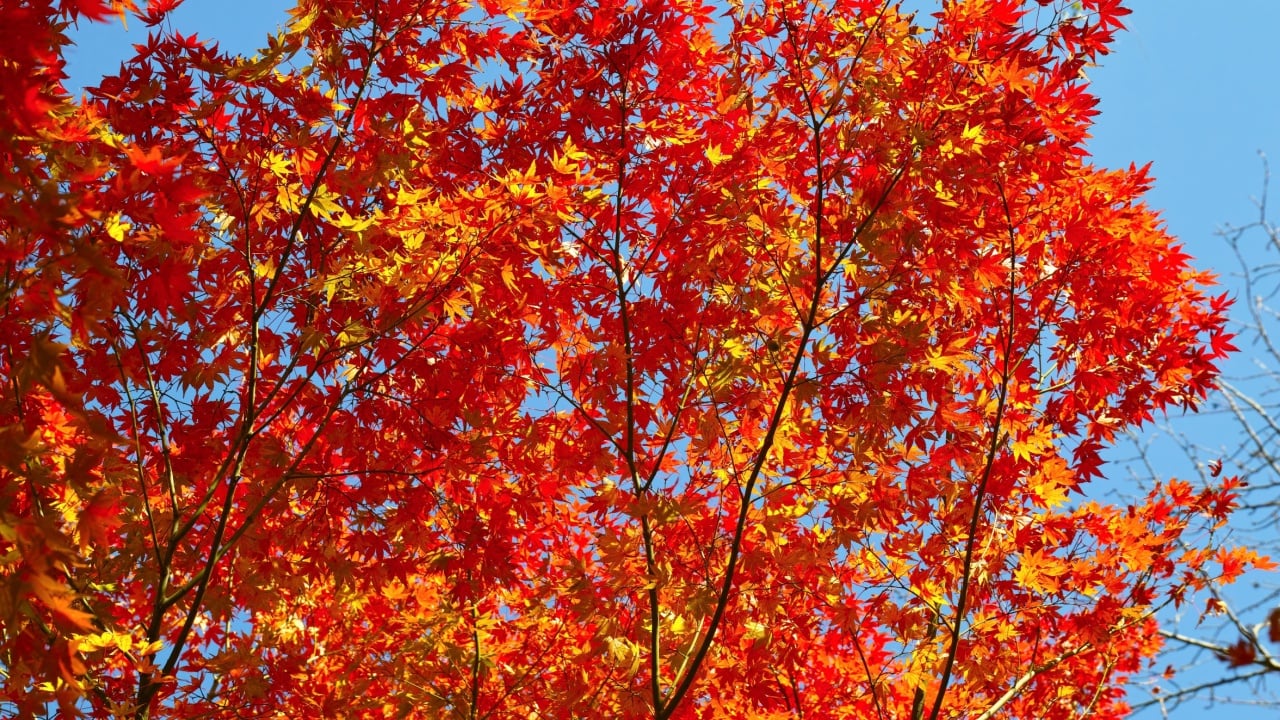
These trees do not have the same disease risk as oaks, but they do something alarming when pruned in early spring: they bleed. As sap pressure builds in the warming weeks of March, cutting into a maple or birch releases a steady, sometimes heavy flow of sap from the wound. Iowa State University Extension is reassuring on this point, noting that while the sap flow can look alarming, “the loss of sap does not harm the trees.”
The University of Maryland Extension echoes this, stating the bleeding “is not harmful to the tree,” and that it can be avoided by pruning these species in late fall, early winter, or after new spring growth has fully expanded in May or June. If you prune a maple or birch in early spring and find it dripping, there is no need to panic. If you want to avoid the mess entirely, schedule this pruning for November or December.
The One Exception to Every Spring Pruning Rule

There is a category of pruning that is appropriate at any time of year, on any species: removing dead, diseased, or structurally dangerous branches. If a winter storm splits a limb on your lilac, clean up the break immediately. If a branch on your oak is clearly dead or poses a safety hazard, remove it regardless of the calendar. For oaks specifically, any emergency cut made between April and July should be treated with a wound sealant immediately after cutting to minimize oak wilt risk.
Light pruning to remove crossed or rubbing branches is also generally acceptable at most times of year, provided it is truly light. The rule of never removing more than one-third of a plant’s live growth in any single season applies year-round.
The Simple Rule That Prevents Every Pruning Mistake

The easiest pruning guideline in gardening is also the most reliable: if it blooms before July, prune it after it blooms. If it blooms after July, or not at all, you can prune it in late winter or early spring before growth begins.
For the trees and shrubs above, put the pruners down until the petals fall, and you will be rewarded with the exact display you have been waiting for since the first cold day of autumn.
Read More
Do these 12 raised garden bed tasks before March ends, or lose your head start
12 vegetables to direct sow in the garden right now in March