12 Low-Tech Ways to Protect Your Home From Burglars
People often spend thousands on smart cameras and complex alarm systems to keep intruders away. However, expensive electronics do not always stop someone determined to get inside. Sometimes, you just don’t have the funds for an expensive, innovative security system.
Burglars look for easy targets with obvious vulnerabilities. When you remove those easy access points, criminals usually move on to another house. You can create significant physical barriers using simple hardware and smart landscaping habits.
This guide provides a dozen effective, non-digital strategies to secure your property. You will learn practical methods to reinforce your doors, windows, and garage against unwanted visitors.
1. Prune Branches Near Your Windows
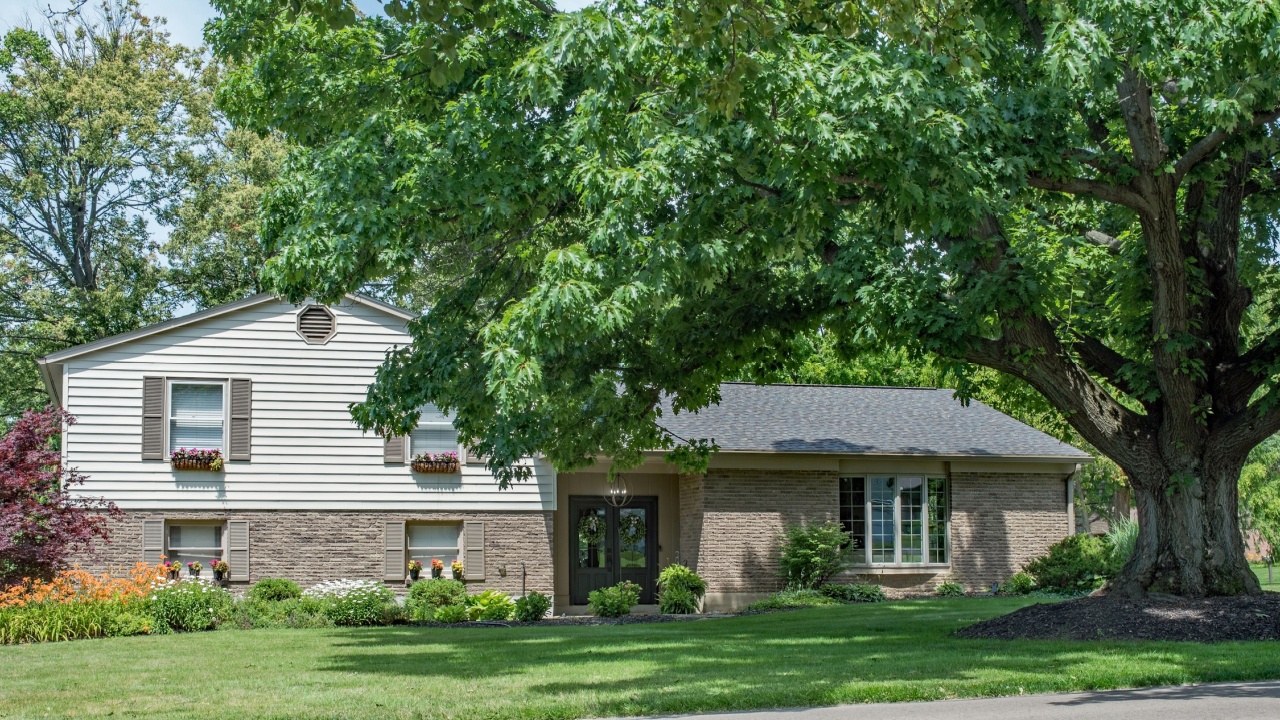
Did you know that landscaping can prevent crime? Large trees growing too close to your house provide an easy route for climbing to the second floor. Criminals use thick branches to bypass ground-level locks and reach upper windows that people often leave unlocked. Keeping these branches trimmed removes a highly convenient entry route.
Make it a regular weekend habit to inspect the trees surrounding your house. Cut back any limbs extending toward your roofline or upper ledges. Maintaining a clear gap between the foliage and your exterior walls forces intruders to stay on the ground.
2. Swap Standard Screws for Tamper-Proof Options
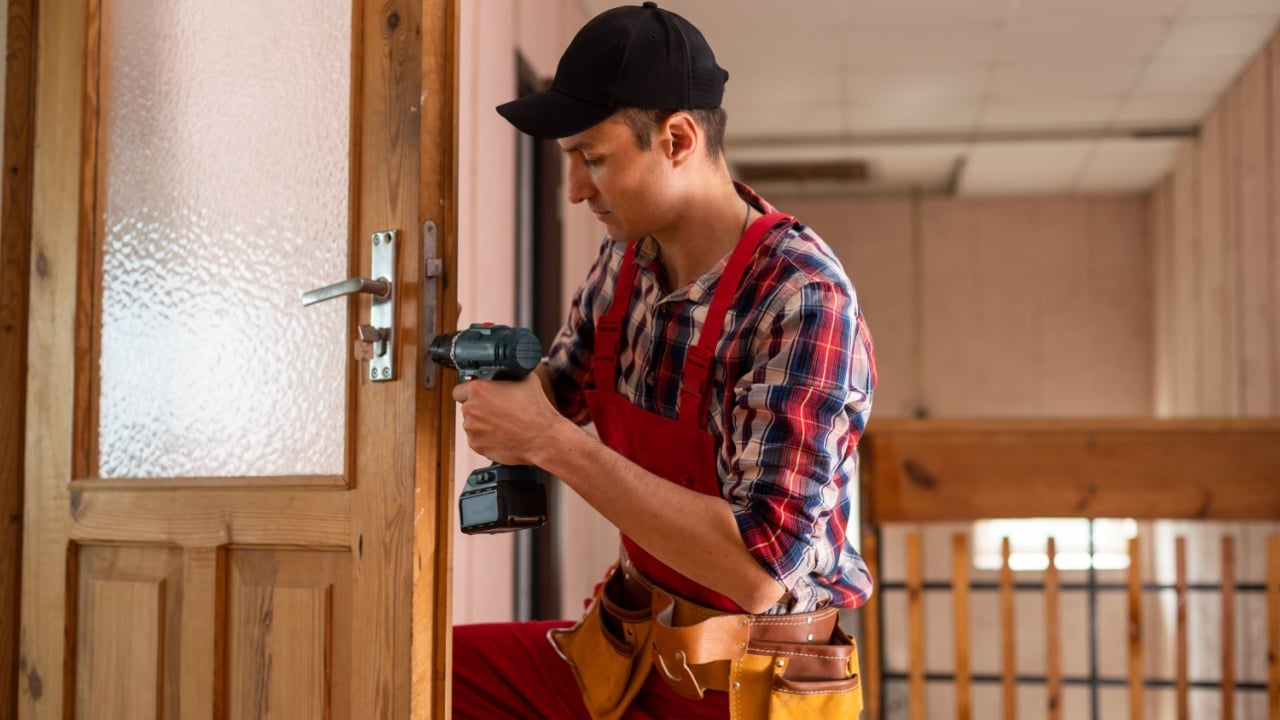
Many exterior doors feature exposed hardware that a thief can easily dismantle with a standard screwdriver. If an intruder can unscrew your lock plate or hinges, they can bypass the locking mechanism entirely. Replacing standard screws with tamper-proof versions prevents someone from quietly taking your door apart.
You can find these specialized security fasteners at any local hardware store. They require a specialized tool to install and remove, so a common flathead or Phillips screwdriver will not work. Upgrading your hardware takes only a few minutes per door and drastically increases your physical security.
3. Grow Prickly Bushes Under Ground-Floor Glass

Thieves want a quiet, painless way to slip inside your home. Planting dense, thorny shrubs directly beneath your first-floor windows creates a painful physical barrier. Anyone attempting to pry open the glass will have to stand inside a miserable thicket of sharp thorns.
Look for protective plants like roses, holly, or barberry to plant along the perimeter of your house. These bushes grow thick and feature sharp spikes that deter even the most motivated criminal. Keep them trimmed just below the window ledge so you maintain a clear view of the outside.
4. Place Sturdy Locks on Sliding Tracks

Sliding patio glass is notoriously vulnerable to forced entry. Intruders frequently lift the glass right off the track or pry the standard latch open with a crowbar. Adding a sturdy foot lock or an adjustable security bar along the bottom track makes the slider incredibly difficult to force open.
A foot-operated lock sits at the base of the frame, pinning the slider firmly in place. Alternatively, a thick metal bar placed in the bottom track physically blocks the glass from moving sideways. Both options cost very little and provide a massive upgrade over the flimsy factory latch.
5. Secure the Garage Door Release Mechanism

Most automatic garage doors have a red emergency release cord hanging down from the ceiling track. A skilled burglar can thread a wire hanger through the weatherstripping, hook that cord, and pull it to manually open the garage from the outside. Disabling this exploit prevents criminals from gaining full access to your vehicles and your interior entryways.
You can stop this trick by threading a small plastic zip-tie through the release mechanism. The zip-tie holds the latch closed tightly enough to resist a wire hanger pulling on it. At the same time, the plastic will still break if you pull down hard on the cord during an actual power outage.
6. Keep Front and Back Doors Fully Visible
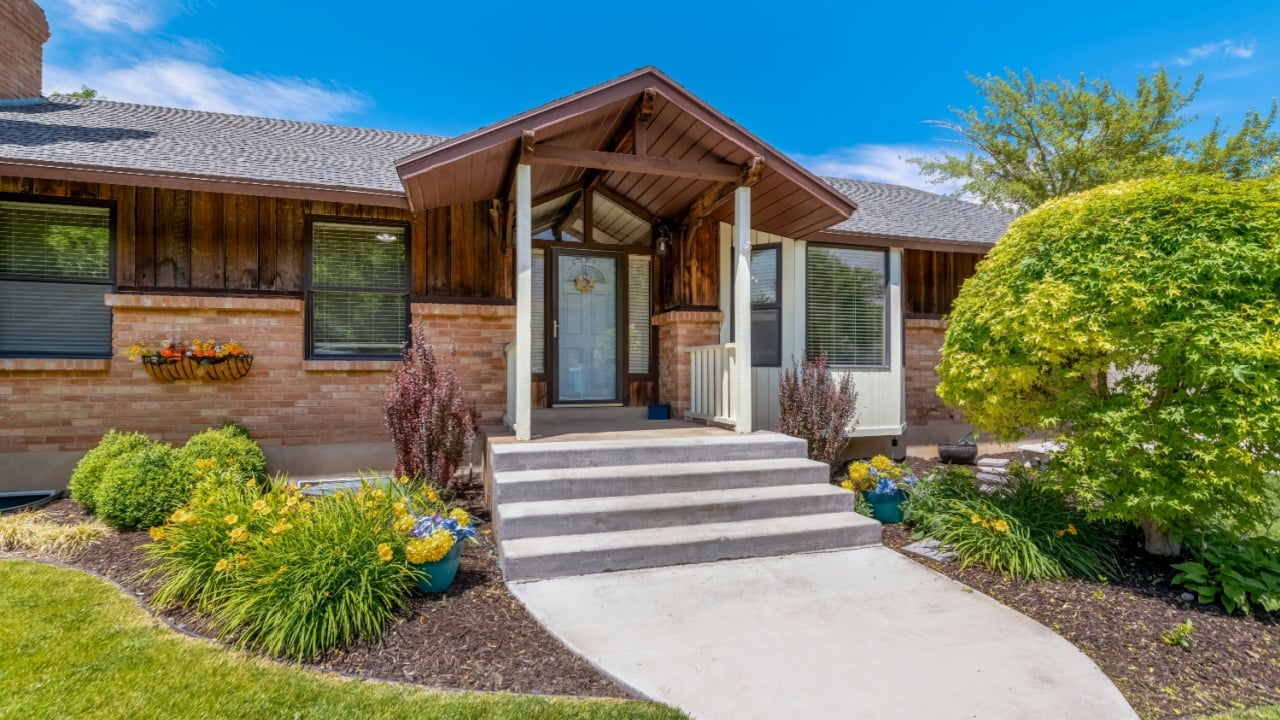
Intruders prefer to work in the shadows where neighbors and street cameras cannot see them. Tall privacy hedges or deep alcoves around your main entrances give thieves a comfortable place to pick your locks undetected. Removing visual obstructions around your doors removes their cover.
Trim back any overgrown shrubs framing your porch and keep the walkway well-lit. You want a clear line of sight from the street directly to your front entryway. When criminals realize they have no place to hide while working on your lock, they typically abandon the attempt.
7. Fasten The Window Air Conditioners Firmly
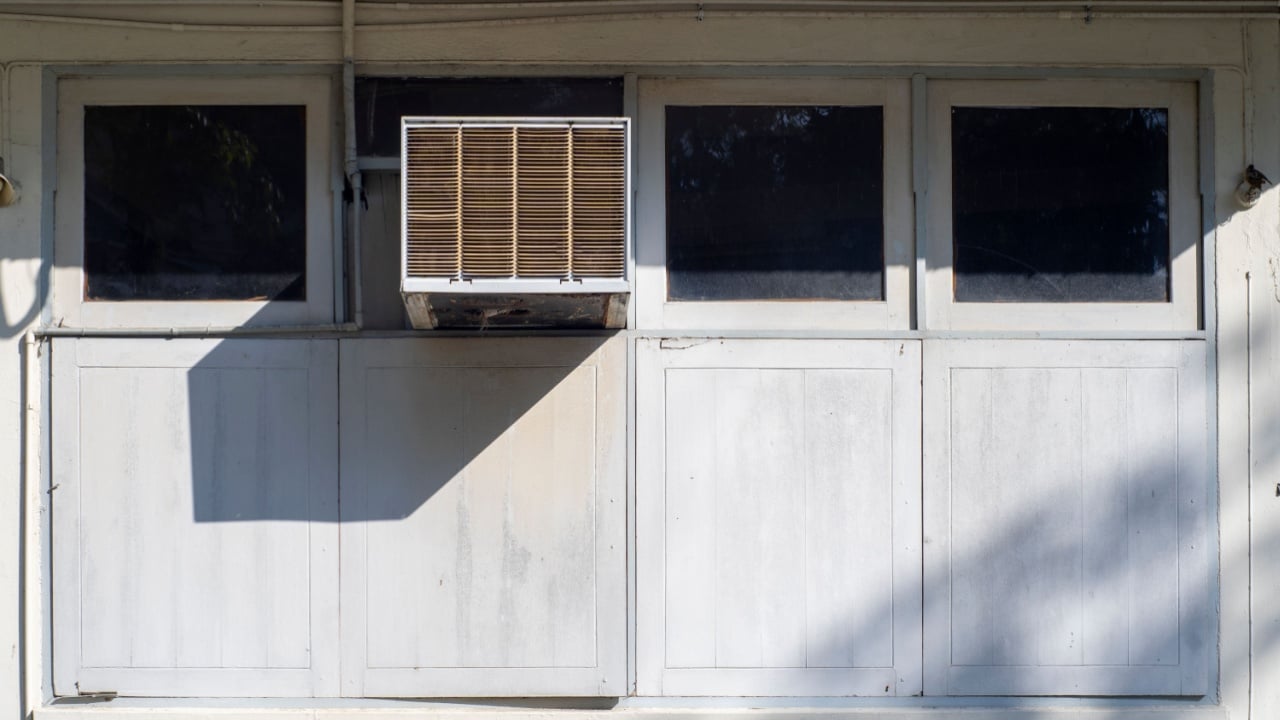
A window-mounted cooling unit provides a massive weak point if you leave it unanchored. Burglars simply push the heavy box inward, letting it crash onto the floor, which leaves a wide-open hole for them to climb through. Securing the unit directly to the frame stops someone from shoving it inside.
Drill structural brackets into the window frame to hold the heavy appliance firmly in place. You should also install sliding stops on the window sash so nobody can raise the glass from the outside. Fastening the entire setup tightly makes it impossible to remove the appliance without heavy tools.
8. Block Access With a Garage Shield
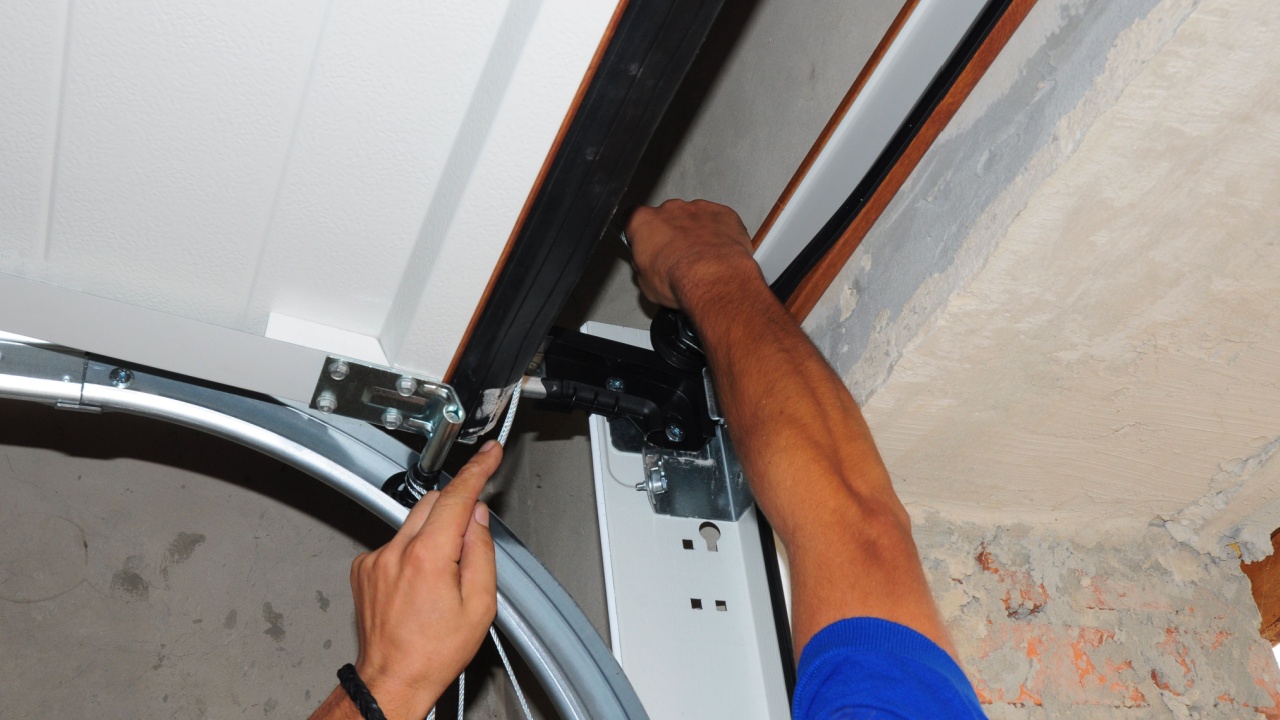
If you prefer not to use a zip-tie on your emergency release cord, a physical barrier serves the same purpose. A garage shield is a simple piece of plastic or metal installed directly between the door and the release latch. This barrier completely blocks any wire or tool coming from the outside.
You can buy a commercial version online or build your own using a scrap piece of thin plywood. Once attached to the track, it covers the sensitive latch mechanism from all external angles. This upgrade takes almost no time to complete and permanently solves the wire hanger problem.
9. Strengthen Your Exterior Door Frames
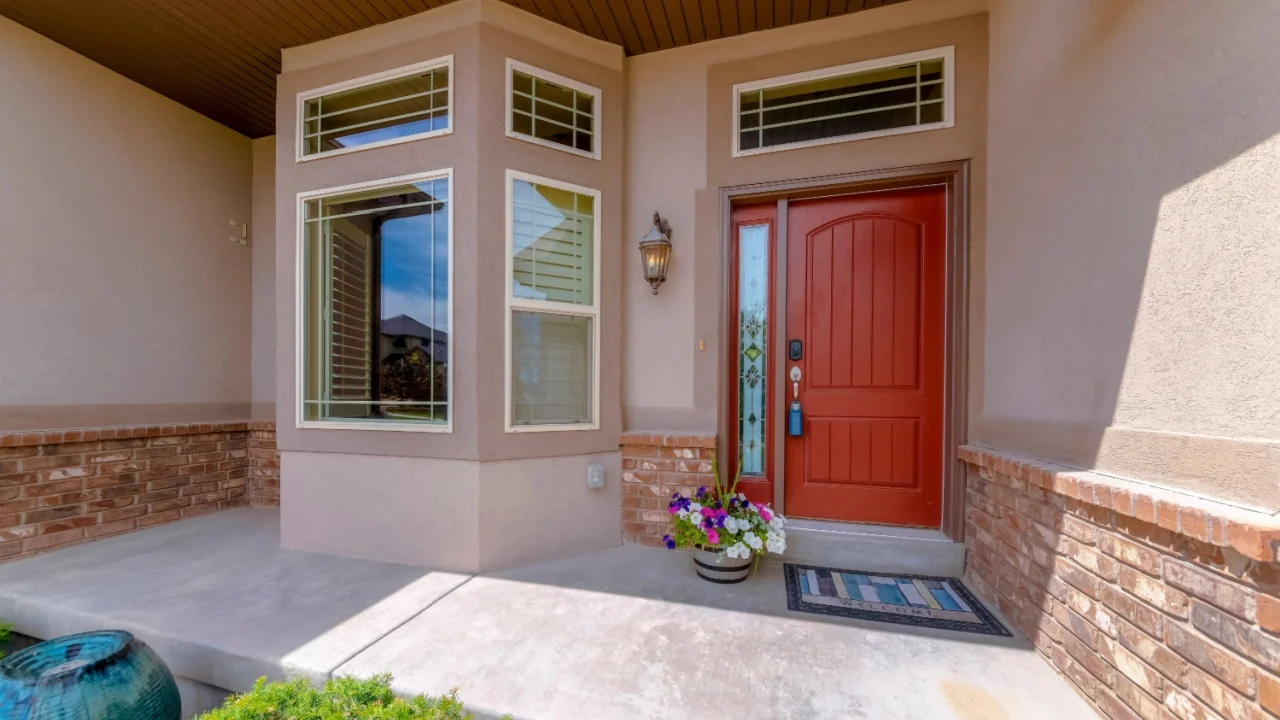
Kicking a door open remains one of the most common methods of forced entry. Standard wooden frames splinter easily under heavy force, allowing the deadbolt to tear right through the door jamb. Installing a heavy-duty metal reinforcement kit prevents the wood from shattering under pressure.
These reinforcement kits feature long steel plates that you screw directly into the wall studs behind the door jamb. The thick metal wraps around the fragile wood, absorbing the impact of a heavy kick. Upgrading the strike plate and hinges with this metal armor keeps the door firmly locked in place.
10. Remove Structures That Can Act As Ladders
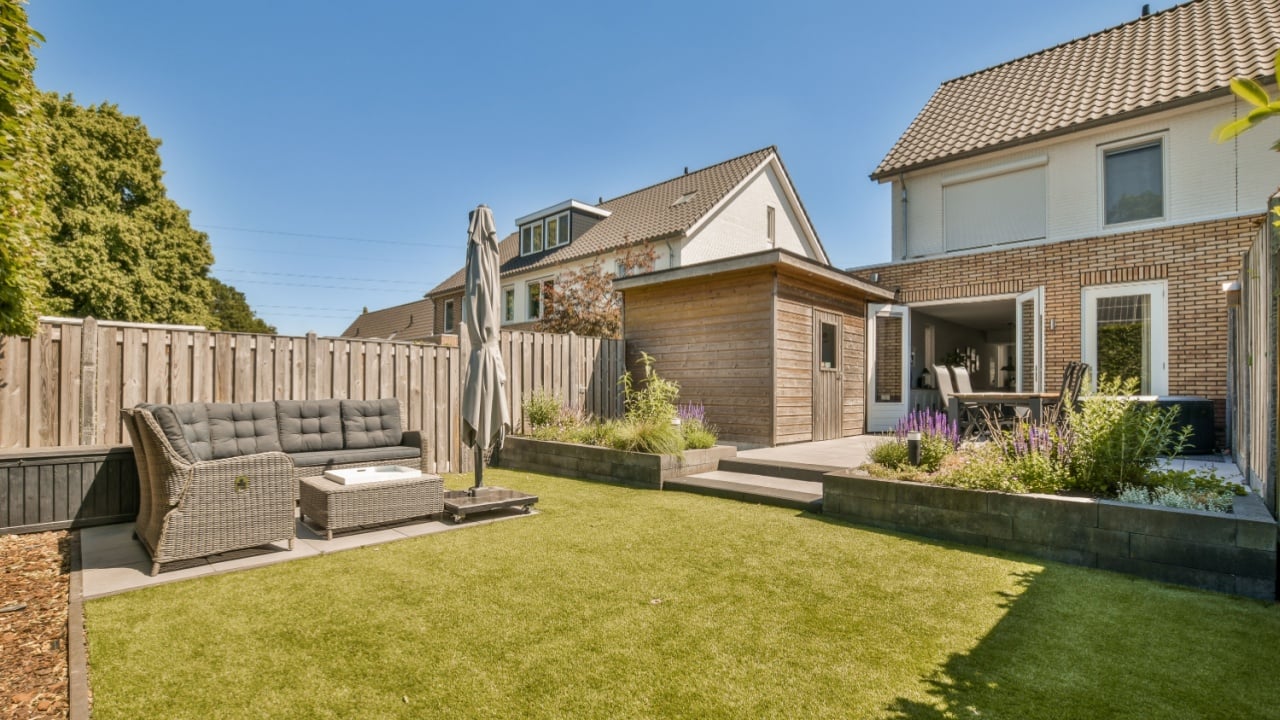
Latticework, decorative trellises, and tall wooden fences often serve as convenient step ladders for motivated thieves. If you place a sturdy garden trellis right next to a second-story balcony, you invite criminals to climb up. Keeping these structures away from your exterior walls forces intruders to remain on the ground.
Walk the perimeter of your house to see if any decorative elements provide a foothold to an upper level. Avoid this security mistake by relocating large trellises to the garden or replacing them with varieties that cannot support human body weight. Store your actual hardware ladders securely locked inside a shed so thieves cannot borrow them.
11. Attach Hinged Wedge Locks to Window Sashes
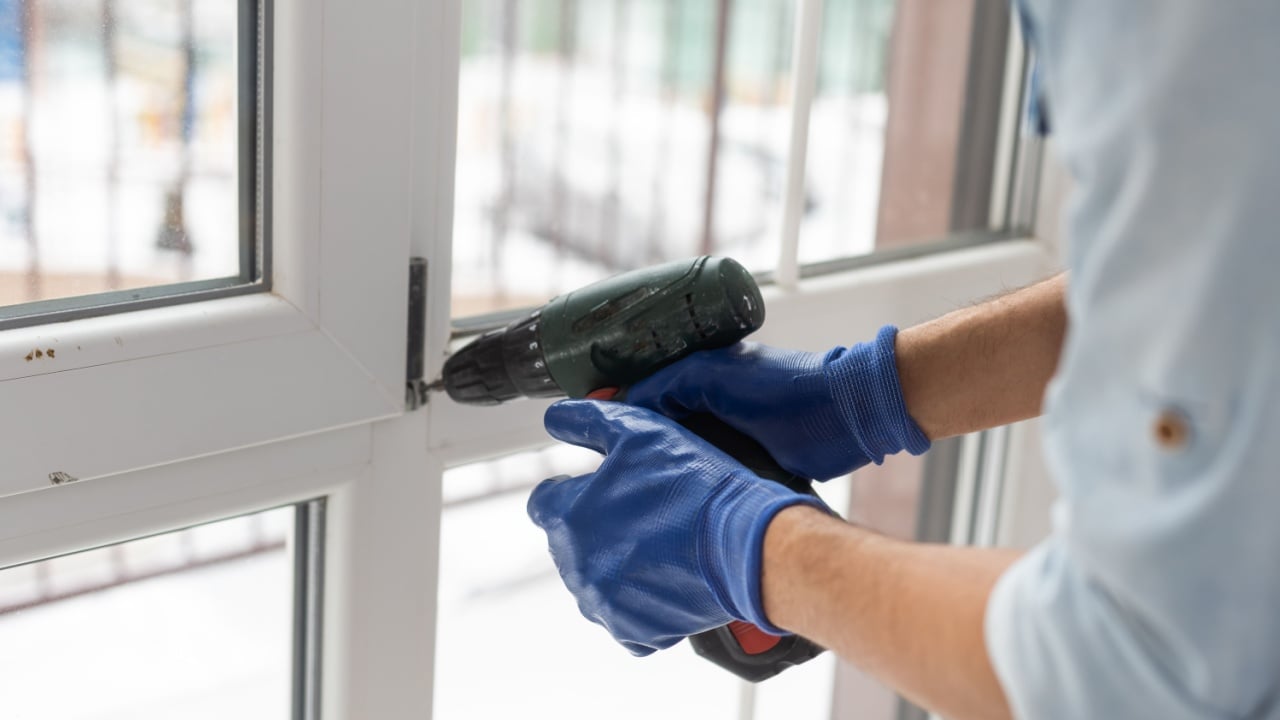
Standard factory window latches only work when the window is completely shut. If you want to let a breeze inside, you have to leave the glass entirely unlocked and vulnerable. A hinged wedge lock solves this problem by allowing the window to open a few inches while preventing it from opening any further.
You screw the wedge directly into the track above the bottom pane. When activated, the glass slides up slightly and then hits the thick metal wedge, stopping it dead. This allows fresh air into your home while completely blocking an intruder from raising the glass wide enough to crawl inside.
12. Carry Your Garage Remote on Your Keys
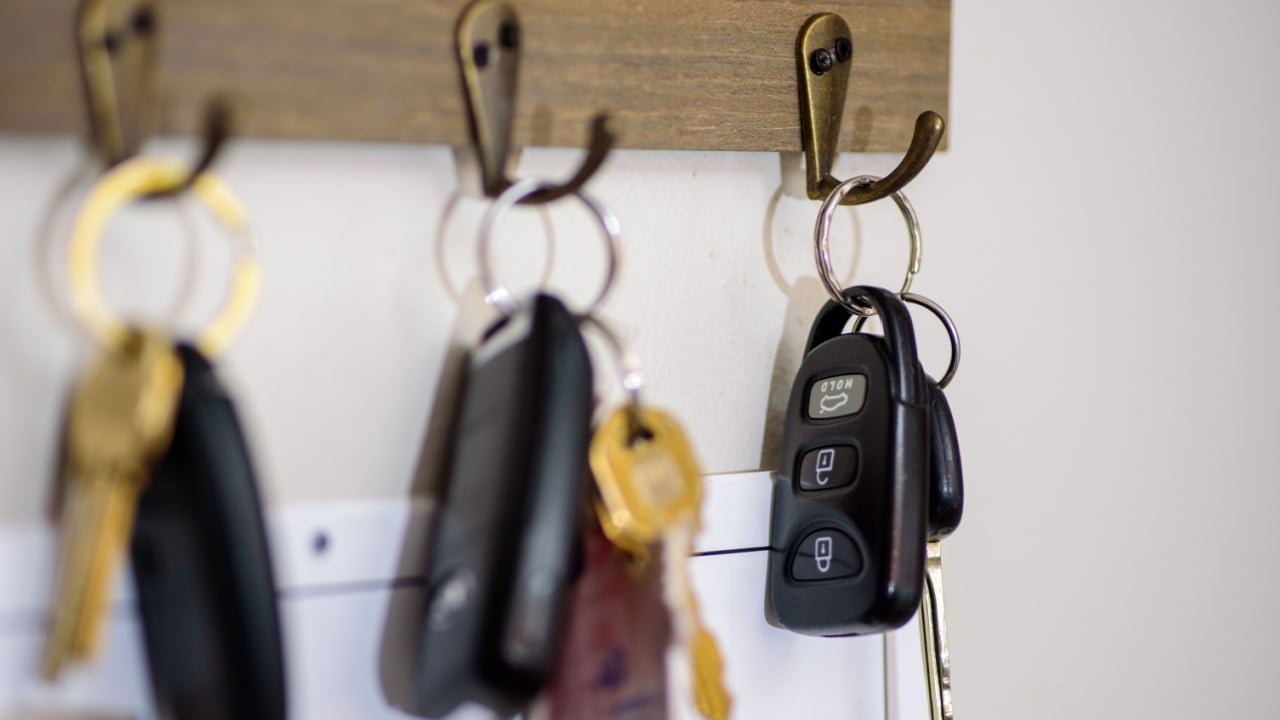
Many drivers leave their garage door opener clipped to the car visor or tossed in the glovebox. If a criminal breaks into your vehicle parked in the driveway, they gain immediate access to your house by simply pressing that button. Removing the remote from your car eliminates this major security risk.
Replace your bulky visor clip with a miniature keychain remote that stays with you at all times. When you exit your vehicle and walk inside, the opener comes with you. Taking the remote inside deprives criminals of a very easy button that opens up your home.
Make Your Home a Hard Target
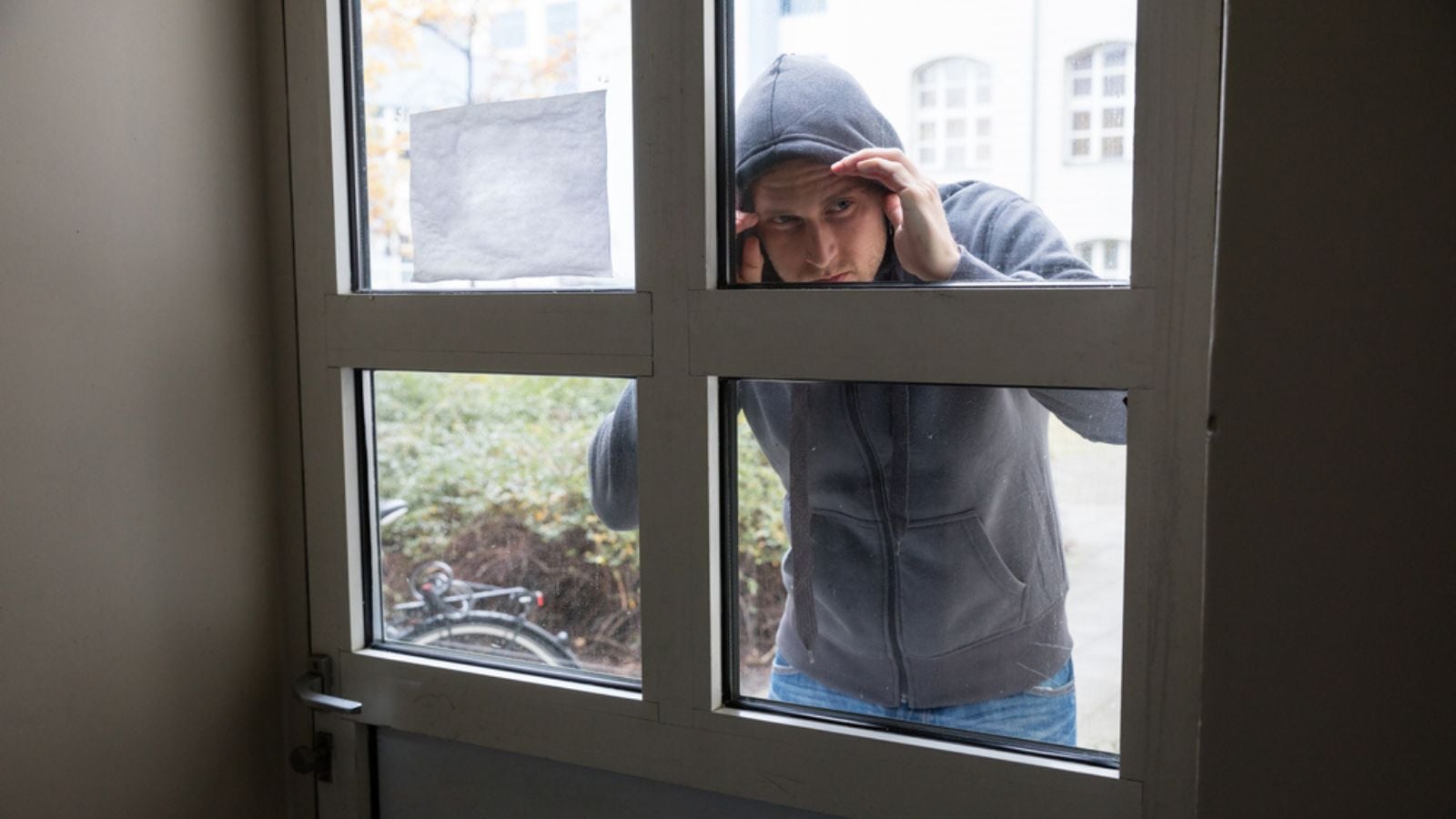
Securing your house is a priority. Basic physical barriers provide immediate protection that digital cameras simply cannot replicate. Reinforcing the weak points around your property makes it physically demanding for anyone to break inside. Criminals generally walk away when they realize your home requires too much effort and makes too much noise to penetrate.
Take a walk around your property this weekend to identify vulnerable spots. Implement a few of these physical upgrades right away to give your family greater peace of mind. Consistent maintenance of your locks and landscaping provides incredibly reliable protection year after year.
Read More:
11 Innovative Home Security Tips to Keep the Upper Hand on Thieves