12 Perennials Experienced Gardeners Quietly Swear By (And You’ve Probably Never Grown)
If you have ever visited a gardener whose borders look effortlessly full, whose plants come back bigger and better every year, and whose yard seems to run itself, there is a good chance their secret isn’t a complicated routine. It’s a plant list of a quiet, hard-won roster of perennials that most people walk right past at the nursery.
Most home gardeners build their perennial beds around the same familiar cast: peonies, hostas, black-eyed Susans, daylilies, and iris. These are good plants. But they are also the easy answer, the ones that fill the front of every garden center display because they sell quickly, not necessarily because they perform best over the long haul.
The perennials on this list are different. A few of them look unimpressive in a small pot. Some take a year or two to find their footing before they start performing. But once they do, they tend to stay in the garden for decades. And because many of them are North American natives or long-lived cottage garden staples, they are also feeding pollinators, building soil, and quietly holding the garden together while the trendier plants come and go.
Whether you have space for plants that prefer full sun or like a bit of shade, you should find a new perennial for your yard on this list. Here are 12 underrated perennials worth adding to your garden.
1. Baptisia (False Indigo)
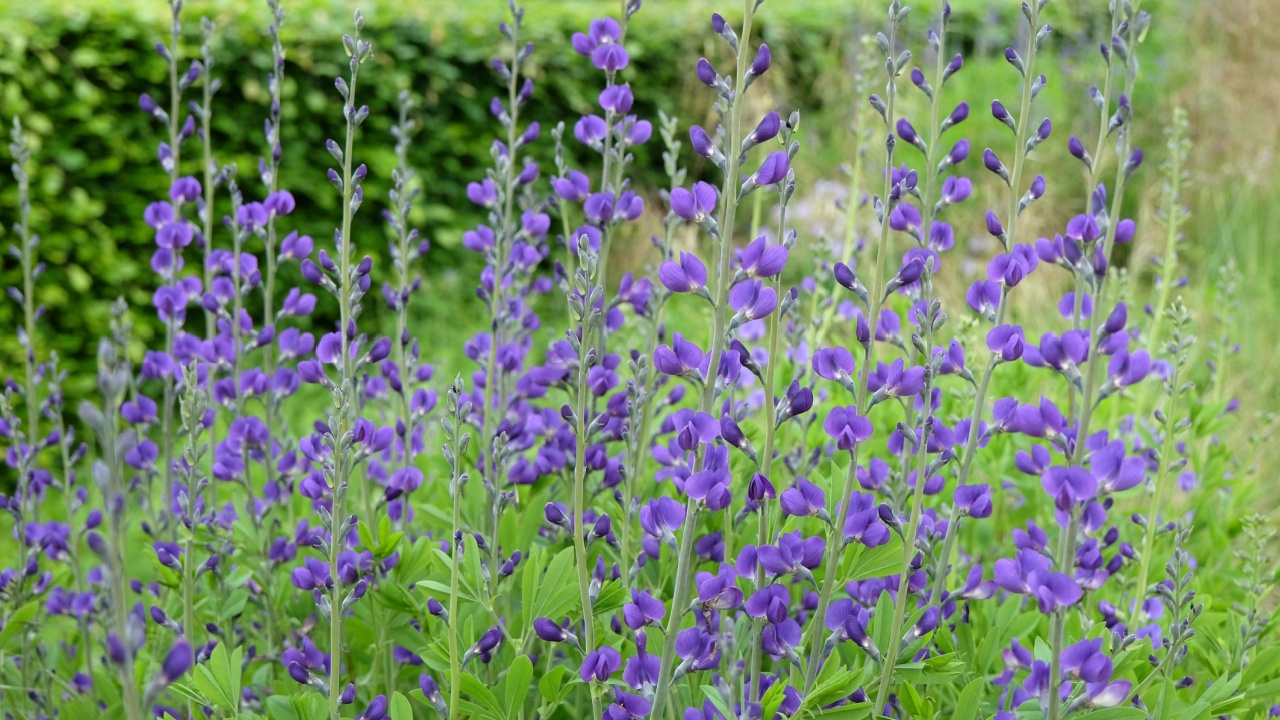
If you plant only one perennial from this list, make it this one. A North American native with dramatic lupine-like flower spikes in shades of blue, purple, yellow, or white, Baptisia blooms in late spring and then produces decorative seed pods that rattle like maracas well into fall. According to Garden Design, Baptisia forms deep taproots that make it exceptionally drought-tolerant once established, and those same roots mean you should plant it exactly where you want it and leave it alone permanently. It looks unremarkable at the nursery; it looks magnificent after its third year.
2. Catmint (Nepeta)
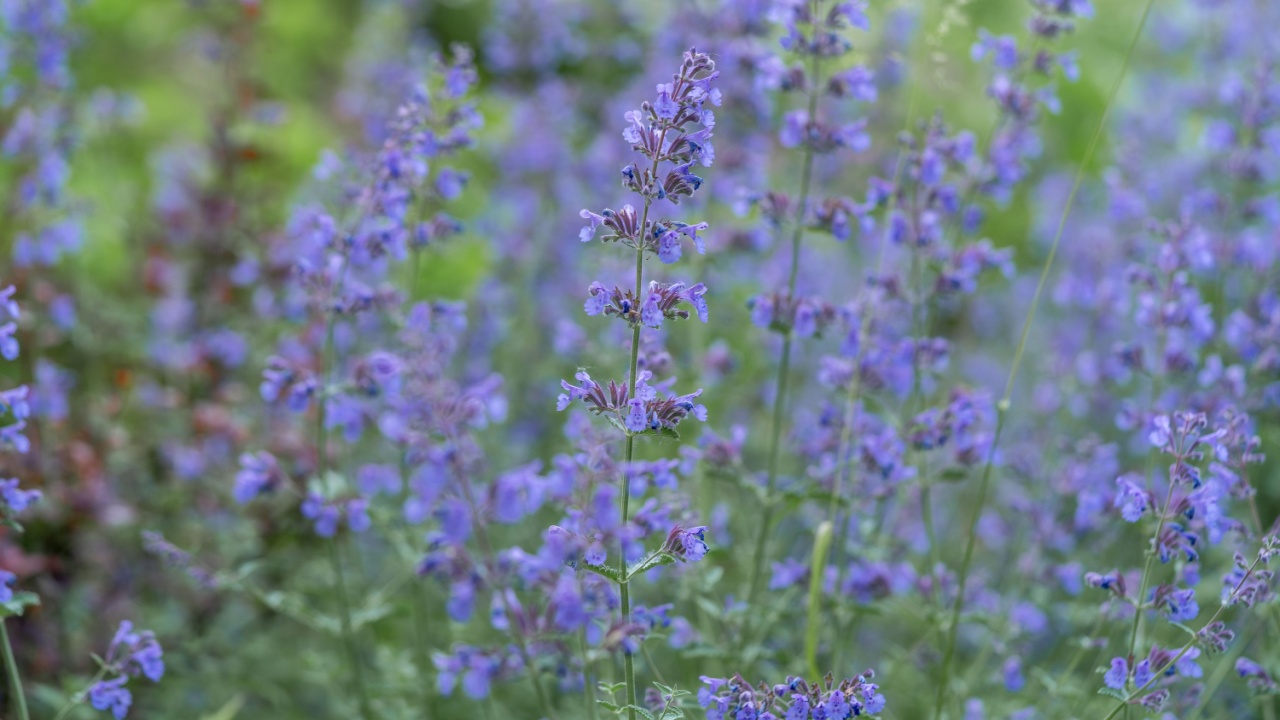
Better Homes & Gardens notes that catmint earns more compliments in the test garden than nearly any other perennial. Planted along a border edge, it produces billowing clouds of blue-purple flowers in late spring that can be sheared back by two-thirds after their first flush to trigger a second wave in summer. It is hardy, virtually disease-free, and available in sizes from 6 to 36 inches tall. If you want visitors to ask what that gorgeous plant is, this is your answer.
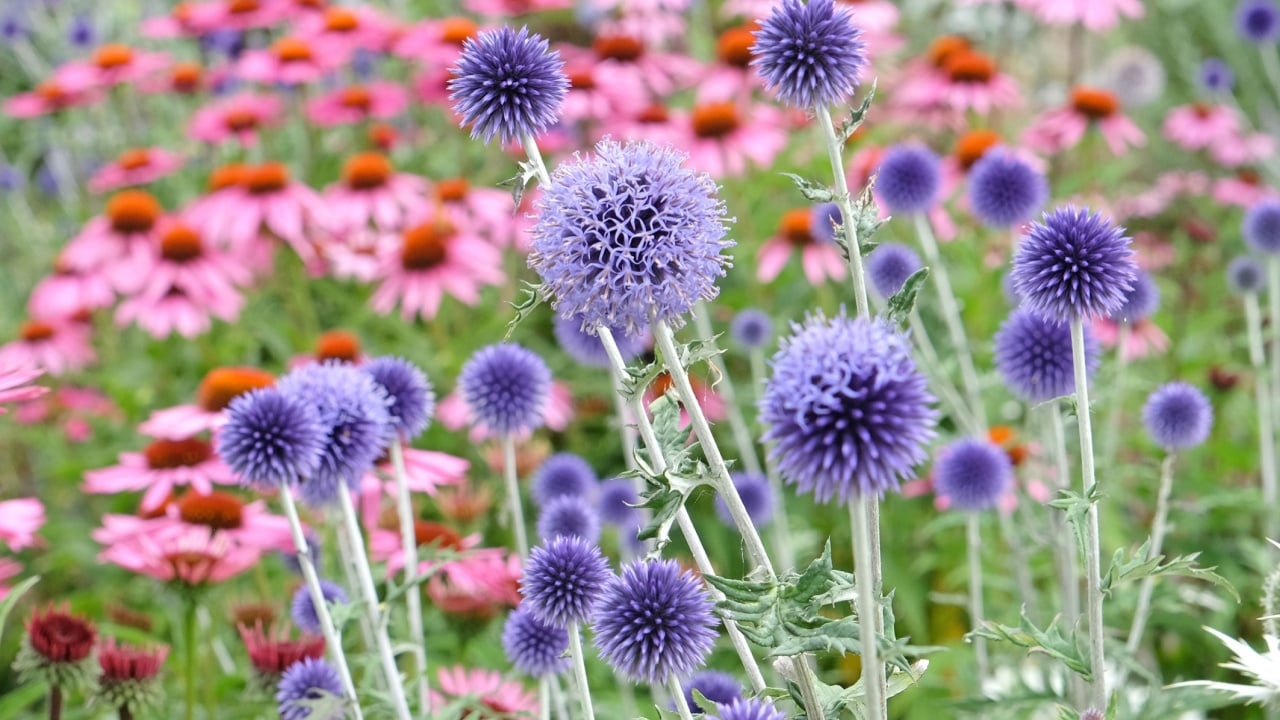
3. Globe Thistle (Echinops ritro)

The word “thistle” puts people off, but globe thistle is nothing like its weedy namesakes. It produces perfectly spherical, steel-blue blooms on stiff stems in mid-to-late summer, and those blooms hold their color beautifully when cut and dried. Heat and drought-resistant, it asks only for full sun and decent drainage. Plant it once in a permanent spot (it dislikes transplanting), and it will anchor the mid-border with cool blue tones for years.
4. Agastache (Anise Hyssop)
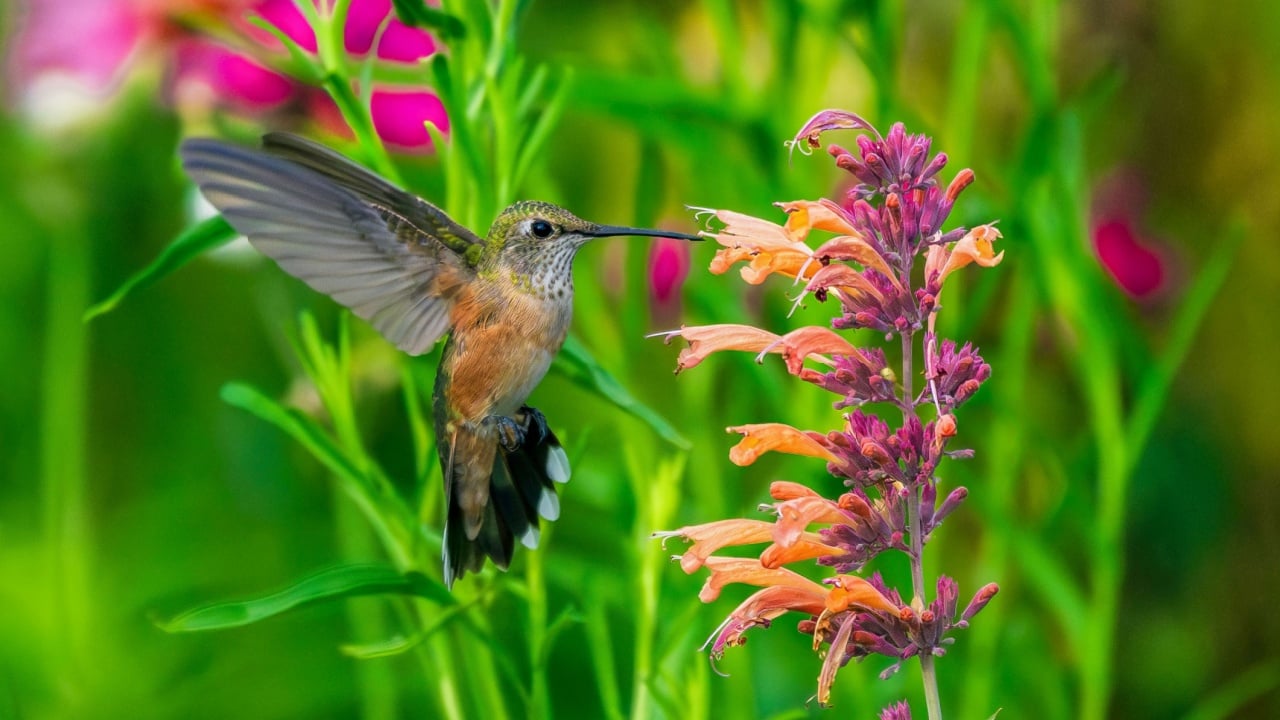
Fragrant, heat-tolerant, drought-resistant, and a magnet for hummingbirds and butterflies. Better Homes & Gardens describes the genus as offering long-lasting blooms in shades of pink, red, orange, purple, blue, and white, with a sweet fragrance that makes it equally at home along walkways, in cottage borders, or in dedicated pollinator gardens. In hot, dry climates, especially, this is a plant that genuinely thrives on neglect.
5. Sea Holly (Eryngium planum)
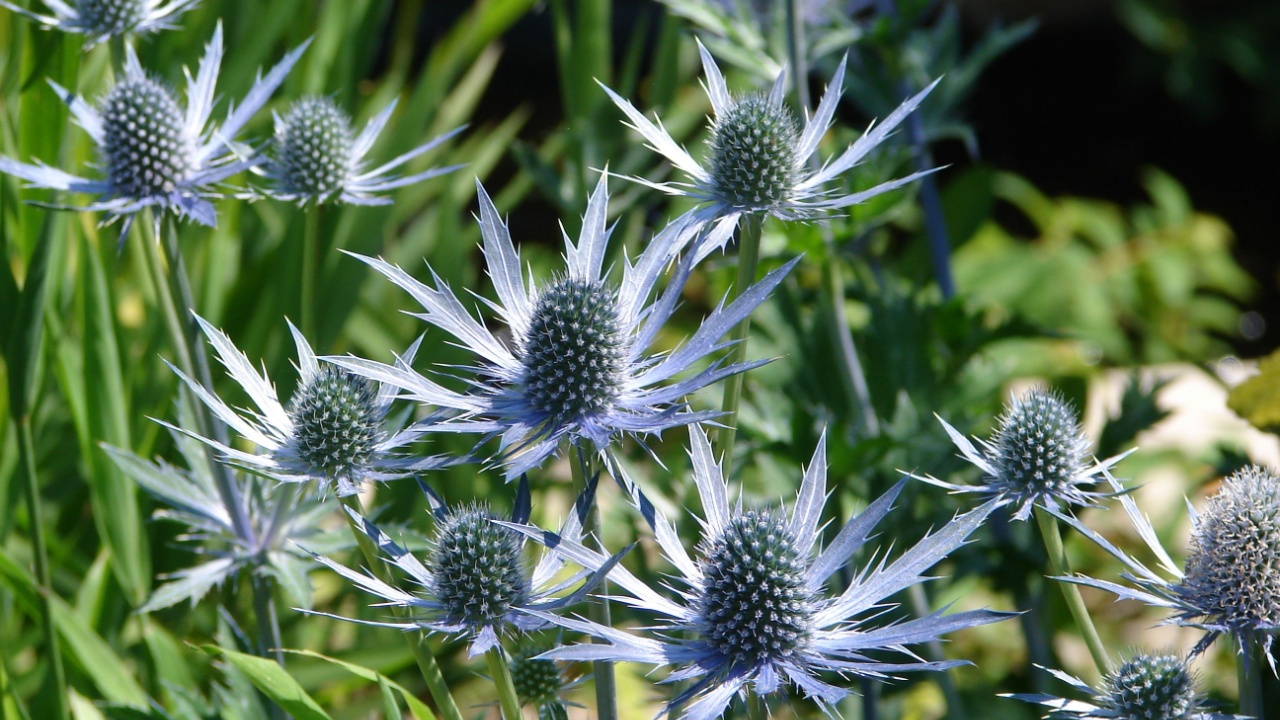
Sea holly looks like something from another planet. Its thistle-like flowers glow in an otherworldly steel-blue from June to September, and they retain that color even after drying, making it a standout in both the garden and any cut flower arrangement.
According to Better Homes & Gardens, it thrives in dry, sandy soil and actually suffers if overwatered or over-fertilized. If you have a hot, challenging spot that defeats other plants, sea holly may be exactly what it needs.
6. Threadleaf Bluestar (Amsonia hubrichtii)
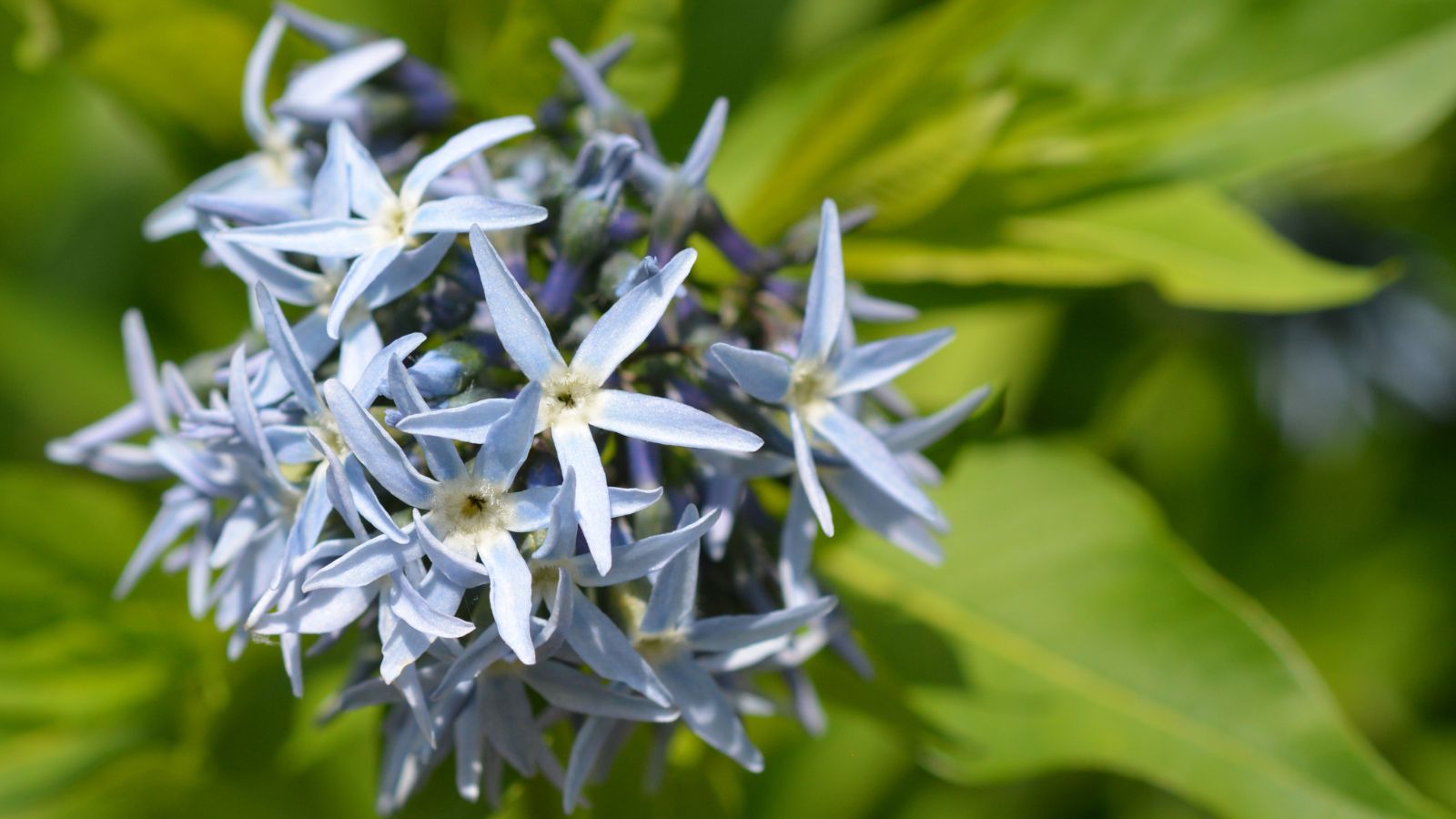
Few perennials earn their keep across three seasons the way Amsonia does. In spring, it opens clusters of pale blue star-shaped flowers. Through summer, its fine, feathery foliage plays beautifully as a foil for bolder textures. In fall, it turns a brilliant gold that rivals any ornamental grass.
Horticulturist Justin Hancock of Costa Farms describes Amsonia in Homes & Gardens as “a North American native that deserves more love in the perennial garden,” adding that it is deer- and rabbit-resistant and reliably draws pollinators.
7. Toad Lily (Tricyrtis)

Late summer and fall are the most neglected seasons in the shade garden, and toad lily fills that gap with more elegance than almost anything else. Its orchid-like, speckled flowers open on arching stems from August through October, long after most shade perennials have called it a season.
Justin Hancock puts it plainly in Homes & Gardens: “It can be challenging to find shade-loving plants that bloom in summer and fall, so I’m surprised that toad lily hasn’t caught on and become more popular.” Some varieties also offer variegated foliage for added interest.
8. Solomon’s Seal (Polygonatum)
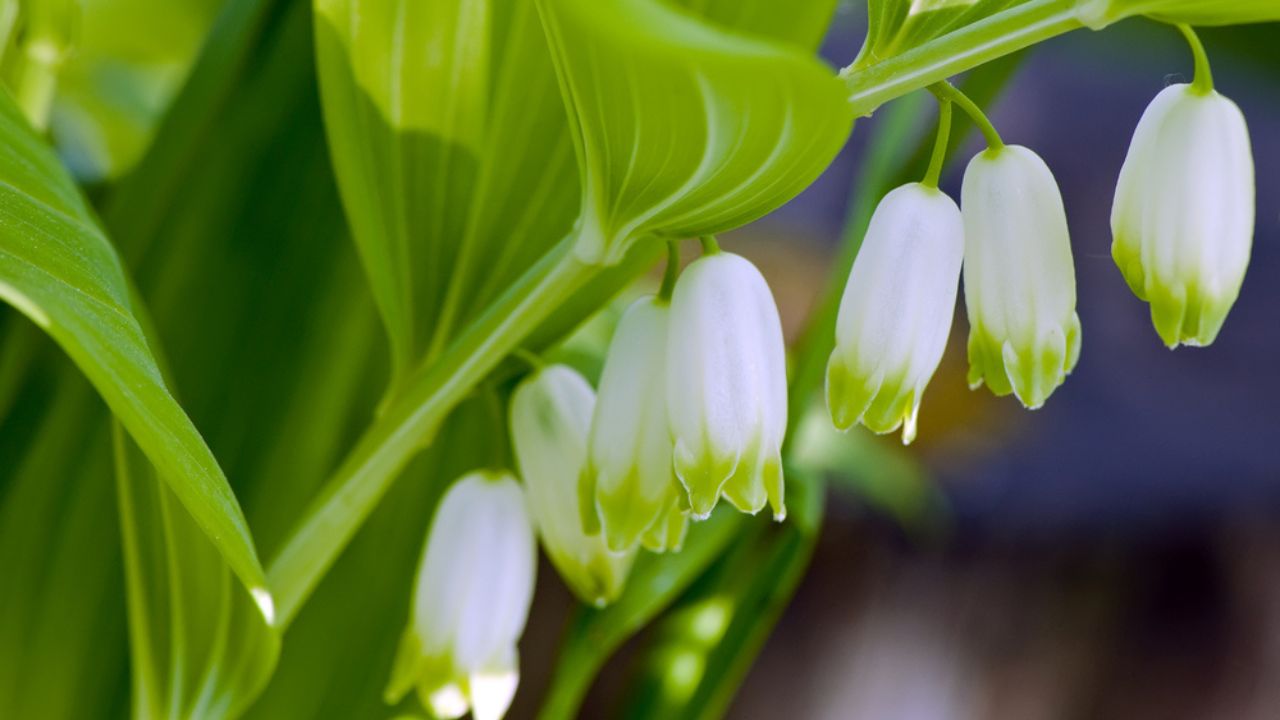
One of the most architecturally elegant plants you can grow in shade, Solomon’s seal produces gracefully arching stems with dangling white bell-shaped flowers in spring, followed by luminous yellow fall foliage. Country Living notes that it is an old-school cottage garden plant that adds charm to any modern garden, and that deer and rabbits reliably leave it alone. It spreads slowly by underground roots, eventually forming beautiful colonies under trees.
9. Epimedium (Barrenwort)

Dry shade under shallow-rooted trees is one of the hardest spots in any garden to plant. Epimedium solves it. Better Homes & Gardens describes it as one of the best groundcovers for dry shade, with heart-shaped leaves and delicate spring flowers in yellow, white, lavender, or rose. It is resistant to deer and rabbits, nearly problem-free, and once established, it asks almost nothing of the gardener.
10. Japanese Anemone (Anemone hupehensis)
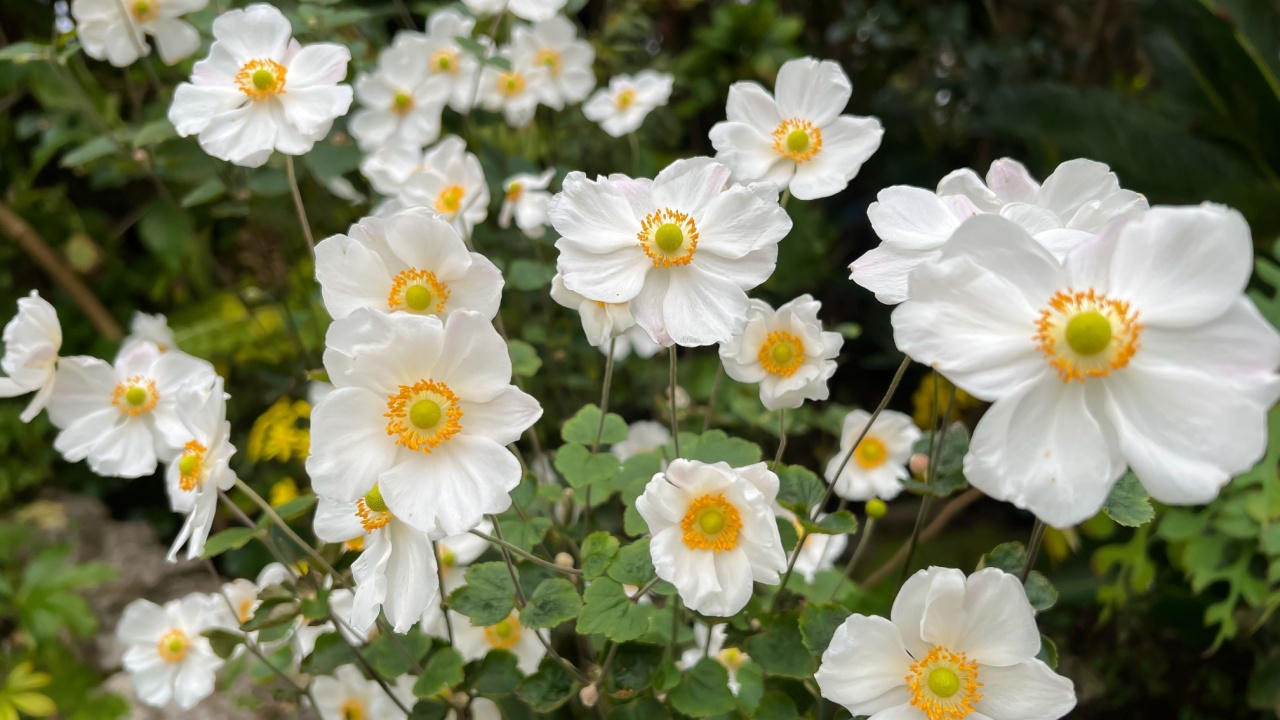
Japanese anemone blooms in the midsummer-to-fall window when most shade gardens go visually quiet. Its flowers appear on long, elegant stems in white and soft pink, and they move beautifully in a breeze. Better Homes & Gardens notes that it grows well beneath trees as long as it isn’t in full shade, and is at home in both cottage and woodland garden settings.
11. Wallflower (Erysimum)
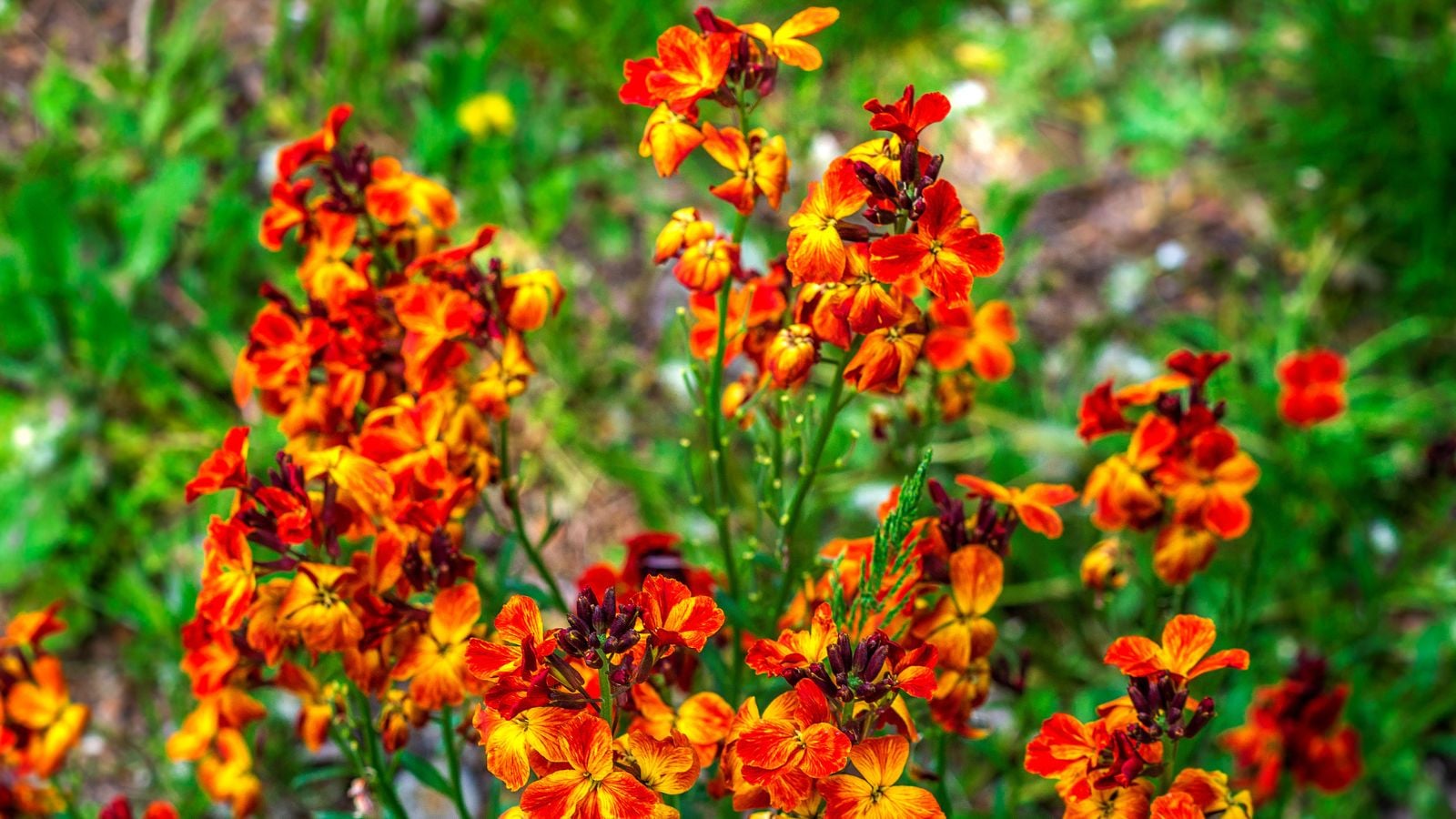
Most perennials bloom for three to six weeks. Wallflower blooms from spring until the first frost. Master Gardener Tabar Gifford describes Erysimum in Homes & Gardens as “a true garden workhorse” with an extended flowering period that ensures continuous color for months on end, adding that it thrives in low-fertility and sandy soils where other plants struggle. It is also a pollinator magnet, drawing butterflies and hummingbirds throughout the season.
12. Culver’s Root (Veronicastrum virginicum)
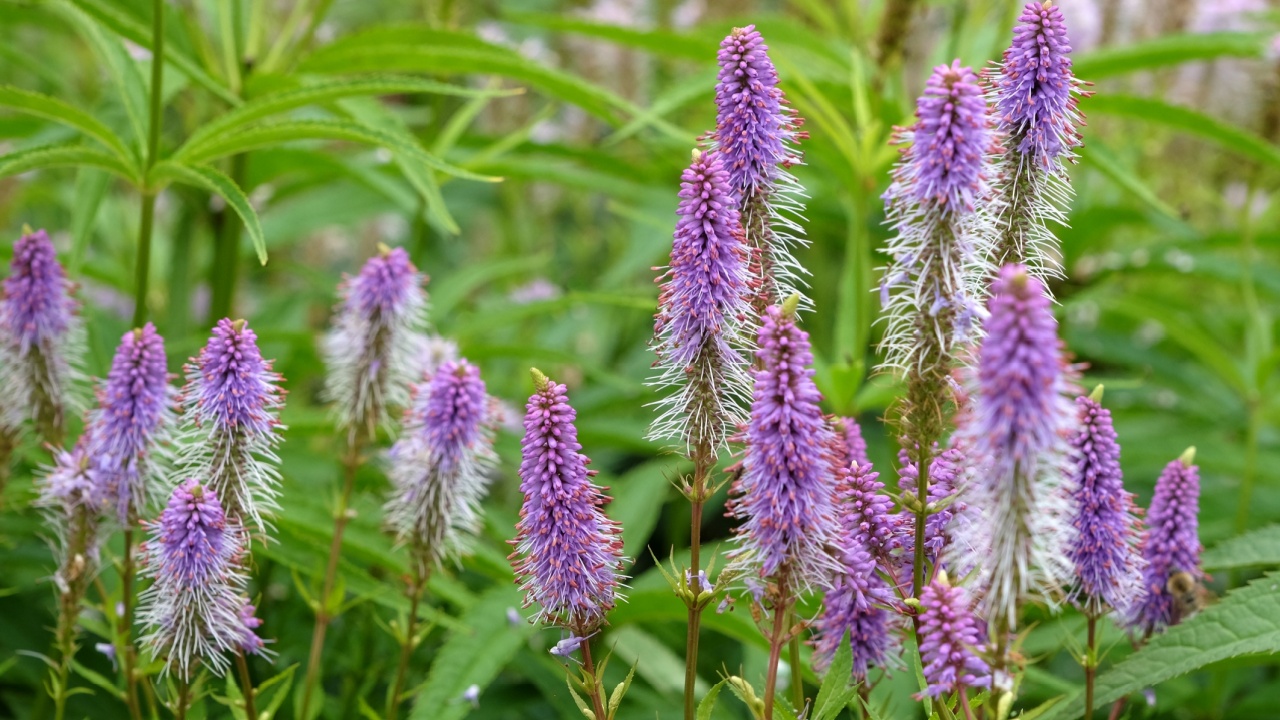
If you have space for a statement plant in the back of a border or along a meadow edge, Culver’s Root delivers. This North American native can reach 7 feet tall, producing elegant candelabra-like white flower spikes throughout summer that are a feast for butterflies. Better Homes & Gardens notes that it is unbothered by disease or insect pests. It is dramatic, native, and almost completely overlooked.
Where to Find These Underrated Perennials
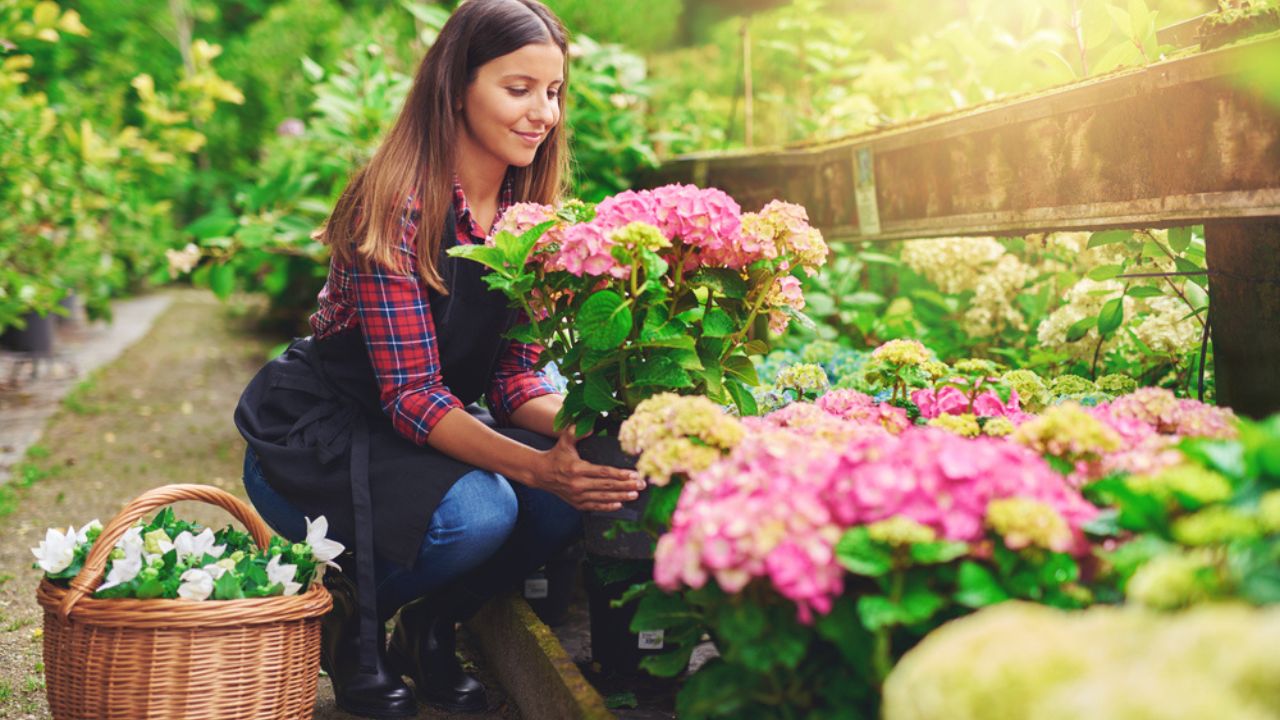
Most of these plants will not be waiting for you at a big-box home improvement store. They live at independent garden centers, specialty perennial nurseries, and reputable online plant retailers. That slight inconvenience is actually a reliable signal of quality: plants that survive long enough to reach a specialty nursery have already proven themselves.
When you do find them, buy the largest specimen available. For slow-establishing plants like Baptisia, Amsonia, and gas plant, a larger root system means a shorter wait before the plant starts performing as advertised. According to Weston Nurseries, buying the largest available Baptisia specimens is the single most practical shortcut to a faster, more rewarding result.
The Perennial Garden Is a Long Game

You do not need to replant your whole garden. You need one Baptisia that will still be blooming in 30 years. One patch of catmint fills your border edge with blue-purple clouds every June. One toad lily that makes you feel, on a late-September afternoon, like you discovered something the rest of the gardening world has been keeping to itself.
That is the promise of underrated perennials. They ask for your patience once, and then they never ask for anything again.
Read more:
Direct Sow These 9 Seeds in June Before the Window Closes for Good
June Is National Pollinator Month. Are You Accidentally Harming the Bees You Want to Help?