15 American Foods That Elevate Stroke Risk
Navigating the grocery store for heart-healthy options can feel like walking through a minefield. So many snacks that seem harmless are packed with ingredients that can mess with your blood vessels and increase your risk of heart problems. To make smart choices, you have to look beyond the slick marketing and understand what’s really in the food you buy every day.
In fact, recent studies from the University of Colorado show just how much some common additives can affect our bodies. Scientists found that erythritol, a popular low-calorie sweetener, can make it easier for blood clots to form. Their research showed that people with high levels of this compound in their blood had a much greater risk of major cardiovascular events.
With that in mind, it’s more important than ever to read ingredient labels and be aware of common dietary traps. This guide will walk you through fifteen popular grocery items that might be hiding some serious risks for your heart.
1. Sugar-Free Ice Cream

To keep calories low, many ice cream brands replace sugar with erythritol, a choice that appeals to health-conscious shoppers. However, even a single serving can flood your bloodstream with the compound, which lab tests have linked to blood clotting.
Before you put that pint in your cart, take a moment to read the ingredient list for hidden additives. If you’re craving something sweet, you might be better off enjoying a small portion of regular ice cream or blending up some frozen bananas for a healthier alternative.
2. Keto-Friendly Baked Goods

The rising popularity of low-carbohydrate diets has flooded store shelves with specialized muffins, cookies, and breads. Manufacturers rely heavily on sugar alcohols to replicate the texture and taste of traditional baked goods while keeping the carbohydrate count strictly limited.
Baking at home allows for complete control over the ingredients used in your favorite recipes. Using natural applesauce or mashed dates provides plenty of sweetness and moisture while keeping harmful chemical substitutes out of your diet.
3. Protein Bars
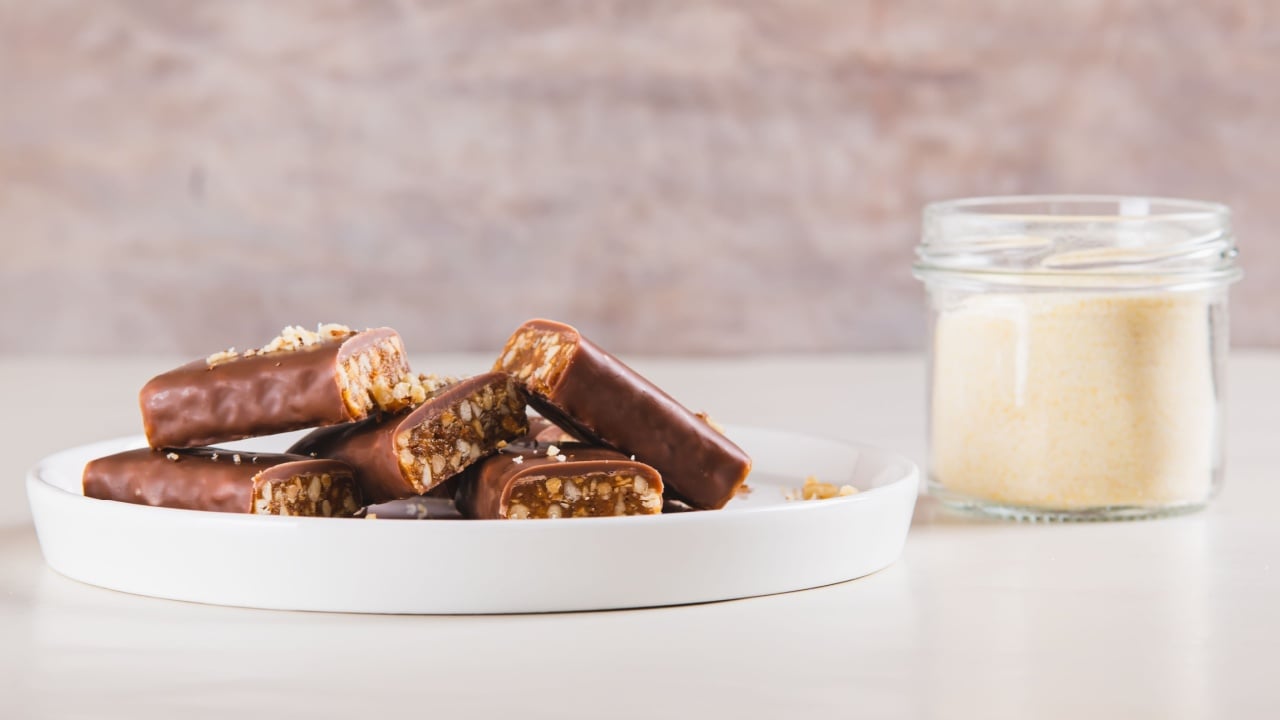
Marketed as the ultimate post-workout recovery tool, many protein bars conceal a cocktail of artificial additives beneath their healthy packaging. Companies frequently use erythritol to maintain a sweet flavor profile without adding excess calories that might deter fitness enthusiasts.
Switching to whole food snacks delivers the necessary nutrients without the hidden chemical risks. A handful of unsalted almonds paired with a fresh apple provides a satisfying crunch and a natural energy boost.
4. Meal Replacement Shakes

Busy professionals often turn to bottled shakes for a quick nutritional fix on hectic mornings. These convenient beverages regularly contain heavy doses of zero-calorie sweeteners to mask the chalky taste of added vitamins and protein powders.
Preparing a quick smoothie at home takes only a few minutes and eliminates the need for highly processed alternatives. Blending spinach, berries, and a scoop of plain oats delivers genuine nutrition that supports long-term heart health.
5. Energy Drinks

The vibrant cans promising endless focus and vitality frequently rely on chemical sweeteners to deliver a palatable flavor. The combination of intense stimulants and vascular-disrupting additives puts unnecessary strain on the cardiovascular system.
Green tea serves as a fantastic alternative for anyone needing a gentle midday lift. The natural caffeine provides sustained alertness, while the built-in antioxidants actively support healthy blood vessel function.
6. Diet Sodas

Swapping regular soda for the diet version seems like a smart caloric compromise. Unfortunately, the artificial sweeteners replacing sugar have been repeatedly linked to heightened oxidative stress and negative changes in how blood vessels expand and contract.
Adding a splash of real fruit juice to sparkling water recreates the refreshing carbonation of soda without the health risks. Squeezing fresh lime or crushing some mint leaves elevates the flavor naturally.
7. Sugar-Free Gum

Popping a piece of gum is a common habit for fresh breath and stress relief. Most modern varieties use sugar alcohols to provide a lasting sweet taste without causing dental cavities, unknowingly introducing these compounds into your system throughout the day.
Chewing on fresh mint leaves or fennel seeds offers a traditional and completely natural method for freshening breath. These botanical options leave your mouth feeling clean without delivering any synthetic sweeteners.
8. Low-Calorie Yogurt

Dairy aisles are packed with brightly colored yogurt cups boasting zero added sugar. To achieve a dessert-like flavor, manufacturers heavily dose these products with erythritol and other synthetic taste enhancers.
Purchasing plain, unsweetened yogurt allows you to dictate exactly what goes into your breakfast bowl. Stirring in fresh berries or a small drizzle of raw honey creates a delicious morning meal free of cardiovascular risks.
9. Diabetic-Friendly Desserts

Products explicitly formulated for blood sugar management often rely on chemical substitutes to keep glucose levels stable. While they succeed in avoiding sugar spikes, they inadvertently introduce compounds that disable the emergency responses needed to dissolve blood clots.
Consulting a registered dietitian can help identify safe, whole-food treats that align with medical needs. Fresh fruit paired with a small portion of plain Greek yogurt often serves as a safe and satisfying option.
10. Sugar-Free Candy

Gummy bears and hard candies marketed as guilt-free treats contain massive amounts of sugar alcohols. Eating just a handful can flood the bloodstream with enough erythritol to trigger the vascular dysfunction observed in recent cardiovascular studies.
Replacing artificial candies with naturally sweet snacks helps curb cravings safely. A small serving of frozen grapes provides a candy-like texture and a burst of refreshing sweetness entirely from nature.
11. Processed Deli Meats

Pre-packaged turkey, ham, and salami contain French and chemical preservatives used to extend shelf life. This excessive sodium intake directly elevates blood pressure, heavily straining the delicate arteries leading to the brain.
Roasting a whole chicken or turkey breast at home provides plenty of flavorful meat for weekly sandwiches. Slicing your own meat guarantees a fresh lunch option entirely free of harmful industrial preservatives.
12. Fried Fast Food

Drive-thru staples like French fries and chicken nuggets are typically submerged in heavily processed oils at extreme temperatures. This cooking method creates trans fats and advanced glycation end products that promote severe arterial inflammation.
Preparing meals in an air fryer achieves a similar satisfying crunch using only a fraction of the oil. Tossing potato wedges in olive oil and herbs creates a delicious side dish that actively supports a healthy heart.
13. High-Sodium Canned Soups

tang90246 at Deposit Photos.
A warm bowl of soup feels comforting, but commercial canned varieties often harbor more than half the recommended daily sodium allowance in a single serving. This concentrated salt load forces the cardiovascular system to work significantly harder, elevating stroke risk.
Simmering a large batch of homemade vegetable soup on a Sunday afternoon yields multiple healthy meals for the week. Using low-sodium broth and abundant fresh herbs creates deep flavor profiles without relying on a salt shaker.
14. Commercial Margarine

Once praised as a butter alternative, many stick margarines still contain partially hydrogenated oils and trans fats. These manufactured fats are notorious for lowering good cholesterol while simultaneously raising bad cholesterol and contributing to arterial plaque buildup.
Transitioning to heart-healthy fats makes a noticeable difference in overall vascular wellness. Mashed avocado or a light spread of high-quality olive oil offers rich flavor and beneficial nutrients for your morning toast.
15. Sugary Breakfast Cereals

Brightly colored morning cereals market themselves as a great start to the day, but function more like a dessert. The massive sugar loads cause rapid spikes in blood glucose and insulin, driving chronic inflammation that damages blood vessel walls.
Swapping boxed cereals for steel-cut oatmeal provides a steady stream of complex carbohydrates and heart-protecting fiber. Adding a handful of walnuts and a dash of cinnamon transforms a simple bowl of oats into a spectacular and healthy breakfast.
The Heart of the Matter: Your Plate appeared first on Your Domain.

Protecting your cardiovascular health starts with making mindful choices at the grocery store and in the kitchen. By focusing on whole, unprocessed foods and incorporating more heart-healthy fats, fibers, and antioxidants into your diet, you take a powerful and proactive step toward a stronger, more vibrant heart.
Small, consistent changes in your eating habits can lead to significant improvements in your overall well-being, proving that the best investment you can make is in your own health.
Read More: