14 Foods to Buy in Bulk and Make Meal Prep a Money-Saving Breeze
With grocery bills squeezing budgets nationwide, finding ways to cut costs without sacrificing quality meals is top of mind for many. While loading up your cart with massive quantities might seem intimidating, a strategic approach to bulk buying can pay off big time.
Financial experts and meal preppers agree that purchasing in bulk is a great way to slash spending, with data showing that the typical bulk shopper saves around $1,000 annually (If you shop from places like Costco). Of course, a great deal only translates to real savings if you actually use the items before they expire.
Having a well-stocked pantry and freezer makes weekly meal prep much simpler. Read on to discover the best ingredients to buy in bulk for maximum savings and convenience.
1. Canned and Dried Beans

Canned beans offer a long shelf life and extreme affordability at warehouse stores. Properly stored in a cool and dark place, these pantry staples can last up to five years. An eight-pack of black beans at a warehouse club retails for under $8, bringing the cost per can under a dollar and the cost per serving to approximately 30 cents.
Dried beans increase the savings even further for those willing to soak and boil them. A 10-pound bag costs less and drops the price per serving to under 25 cents. Try incorporating black beans into unexpected recipes like protein-packed brownies to utilize large quantities efficiently.
2. Meat (Fresh and Frozen)

Meat and seafood found in the freezer section undergo freezing right after prepping to maintain high quality. Shoppers often find large packages of fresh and frozen meat at a much better price in warehouses than in standard grocery store portions. Certain types of meat and seafood remain safe in a freezer for up to twelve months.
Buying large quantities of ground beef or chicken on sale makes weeknight cooking much less stressful. Cook these proteins immediately upon bringing them home, and store the cooked meat in smaller containers. Use the pre-cooked portions later in the week for quick tacos, chili, and chicken soup. If it’s too much, freeze some (cooked or raw) for later use. Just make sure you put a date on it so you know when you need to use it by.
3. Butter
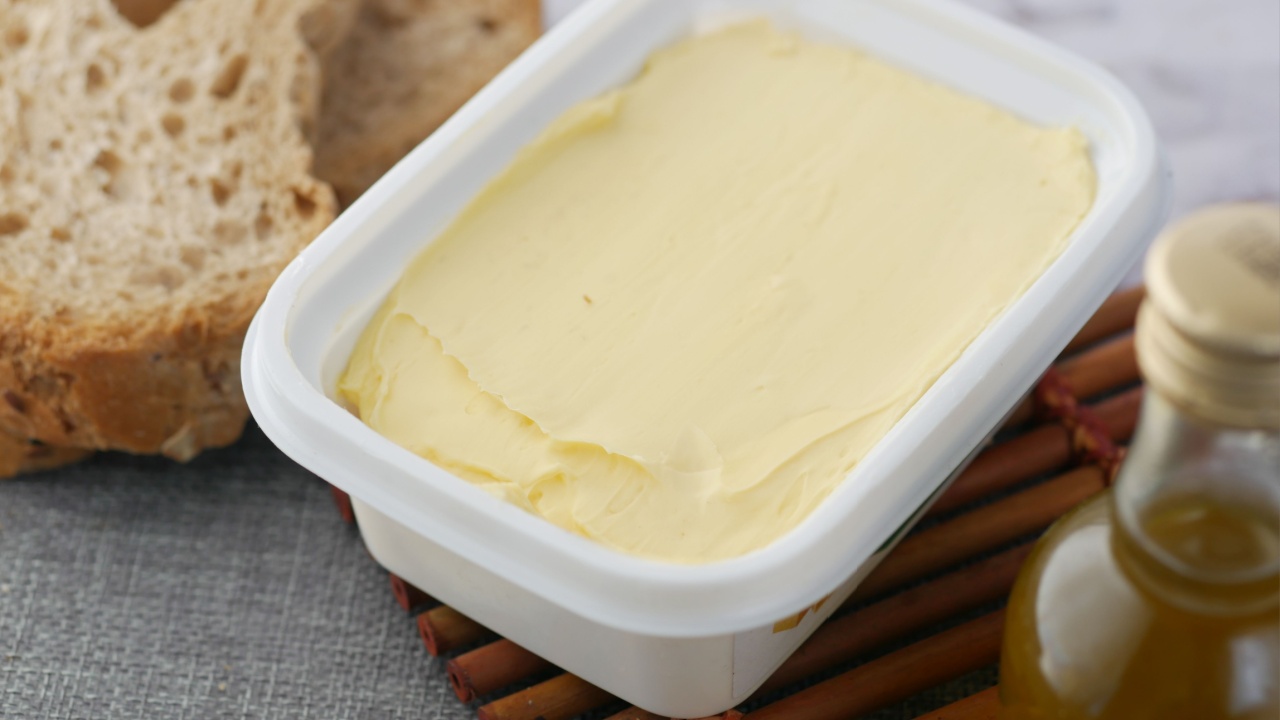
Dairy products often get overlooked when shopping for large quantities, yet butter freezes beautifully and lasts up to 9 months. A four-pound package of warehouse-brand butter typically costs under $15. Supermarkets generally charge twice that amount for the same volume.
Keep one block in the refrigerator for daily use and stash the rest in the freezer. Thaw a new block overnight in the fridge whenever the current supply runs low. Baking enthusiasts will find this method particularly useful during the holiday season, when recipes often require high-fat quantities.
4. Dry Pasta and Noodles

Boxed pasta requires dedicated storage space, yet the incredible longevity makes it a worthwhile investment. Dry pasta provides an unopened shelf life of up to two years. Purchasing eight pounds of penne at a wholesale club results in a savings of over a dollar per pound compared to supermarket prices.
Having an abundance of noodles makes whipping up a quick weeknight dinner incredibly simple. Spaghetti anyone?
5. Specialty Spices and Peppercorns
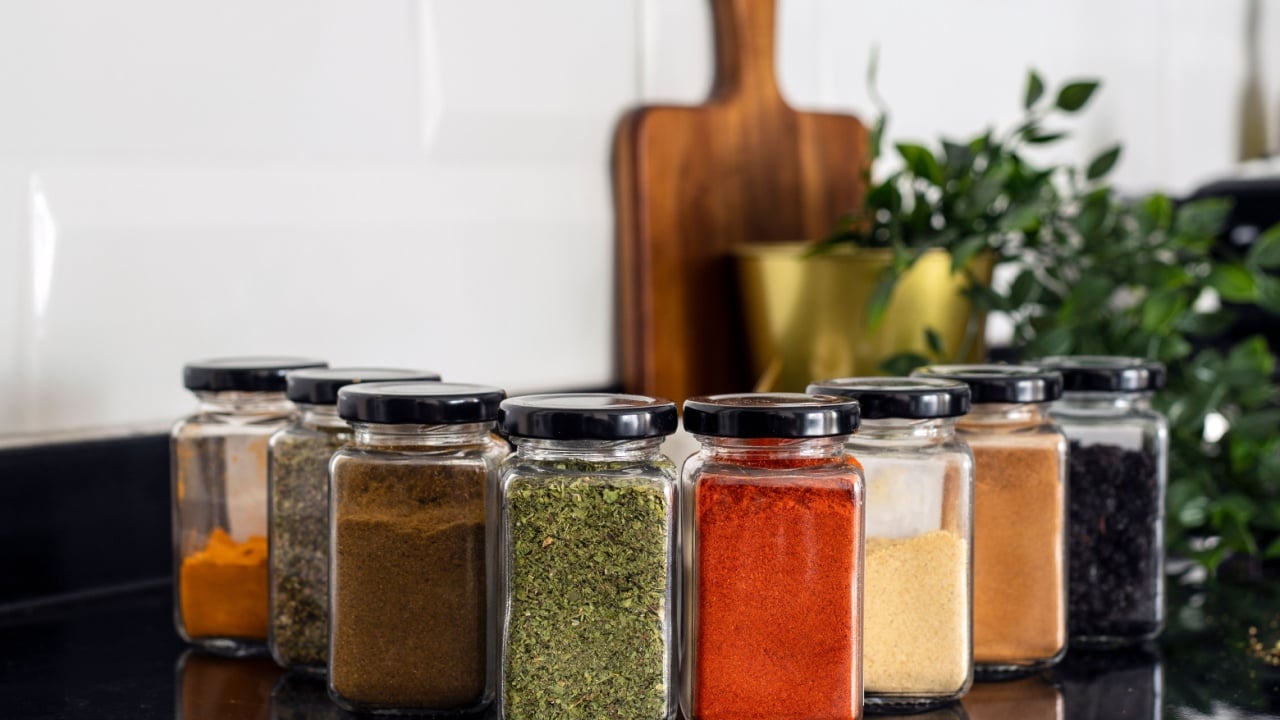
High-priced specialty items present prime candidates for stockpiling when purchased on sale. Expensive ingredients like quality black peppercorns and saffron cost significantly less per ounce in larger containers. Evaluating the price per ounce helps determine the true value of these premium goods.
Keep the large containers in a dark pantry and refill smaller shaker bottles for everyday use. Buying whole spices and grinding them at home extends their shelf life and flavor profile.
6. Rolled Oats
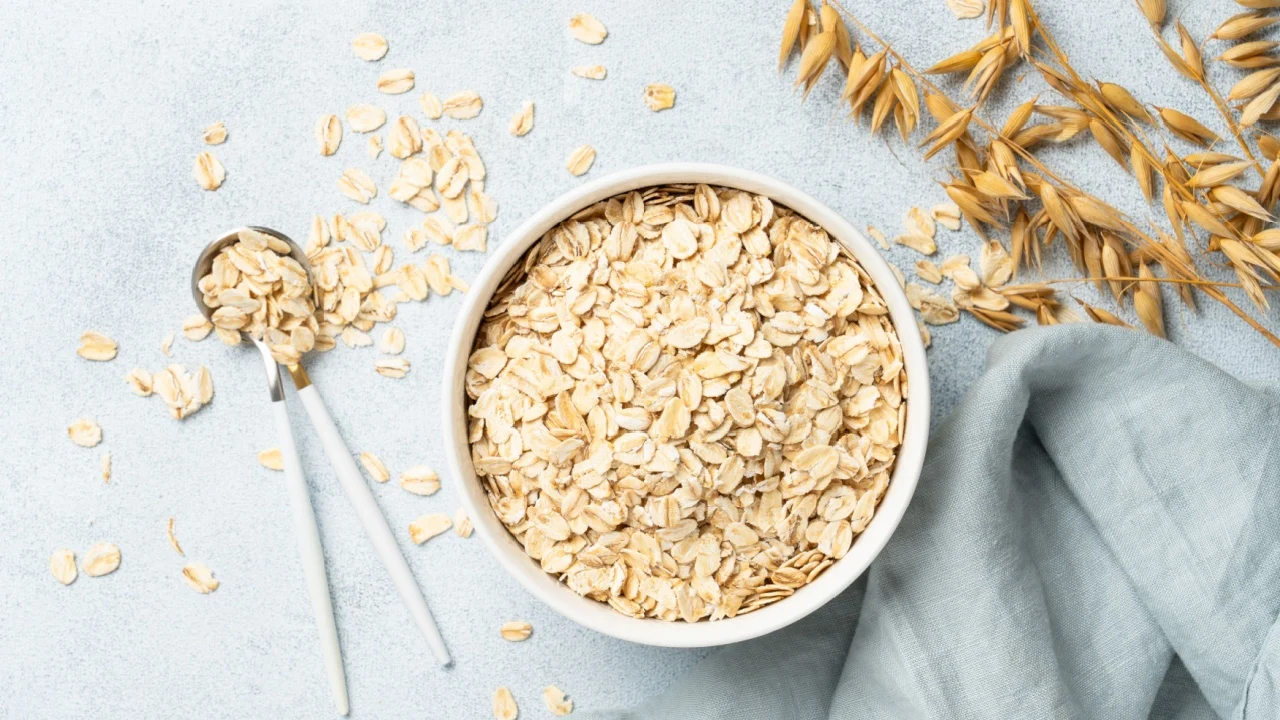
Breakfast preparations become entirely effortless when a massive bag of rolled oats sits in the pantry. A ten-pound bag of oats costs a fraction of the price of individual instant oatmeal packets. Oats boast an impressive shelf life of up to two years when stored correctly in airtight containers.
Prepare large batches of overnight oats in mason jars for grab-and-go morning meals. Blend dry oats into a fine powder to create a budget-friendly gluten-free flour alternative for baking. Toasting oats with honey and nuts yields a substantial amount of homemade granola at a minimal cost.
7. White and Brown Rice

Buying a twenty-pound bag of rice drastically reduces the cost per serving compared to smaller supermarket bags. White rice can literally last indefinitely when stored free from moisture and pests. Brown rice contains more natural oils and stays fresh for around six months in the pantry or longer in the freezer.
Invest in a large, airtight food storage bin to keep the grains perfectly dry and accessible. Cook massive batches of rice on Sundays and divide them into portions for the week (good for 4-6 days). Cold leftover rice provides the perfect texture for making quick and satisfying fried rice on busy weeknights.
8. Frozen Vegetables
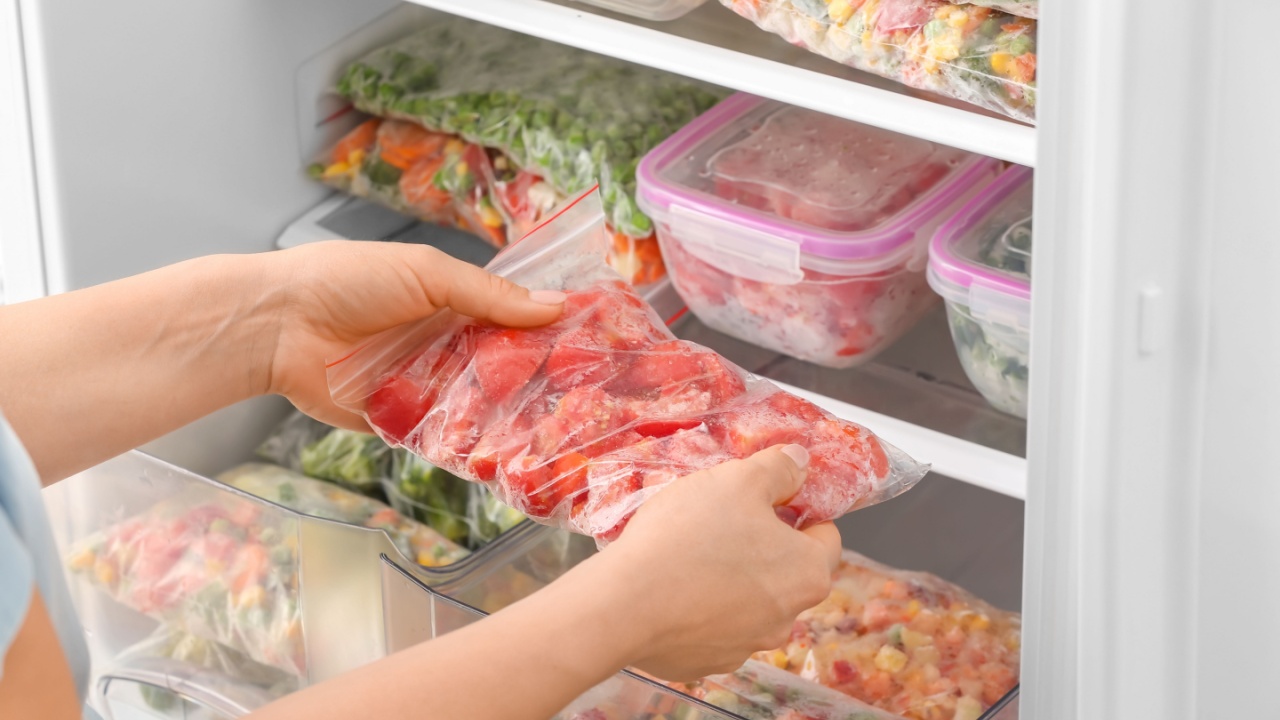
Flash-frozen vegetables retain their nutritional value just as well as fresh produce. Massive bags of frozen broccoli, peas, and mixed vegetables cost very little and eliminate the risk of produce rotting in the crisper drawer. Having a freezer full of vegetables guarantees a nutritious side dish is always available.
Toss frozen vegetables directly into soups, stir-fries, and casseroles without needing to thaw them. Roasting frozen broccoli florets on a high heat yields crispy and delicious results in under thirty minutes. Repackage giant bags into smaller, meal-sized freezer bags to prevent freezer burn and save space.
9. Nuts and Seeds
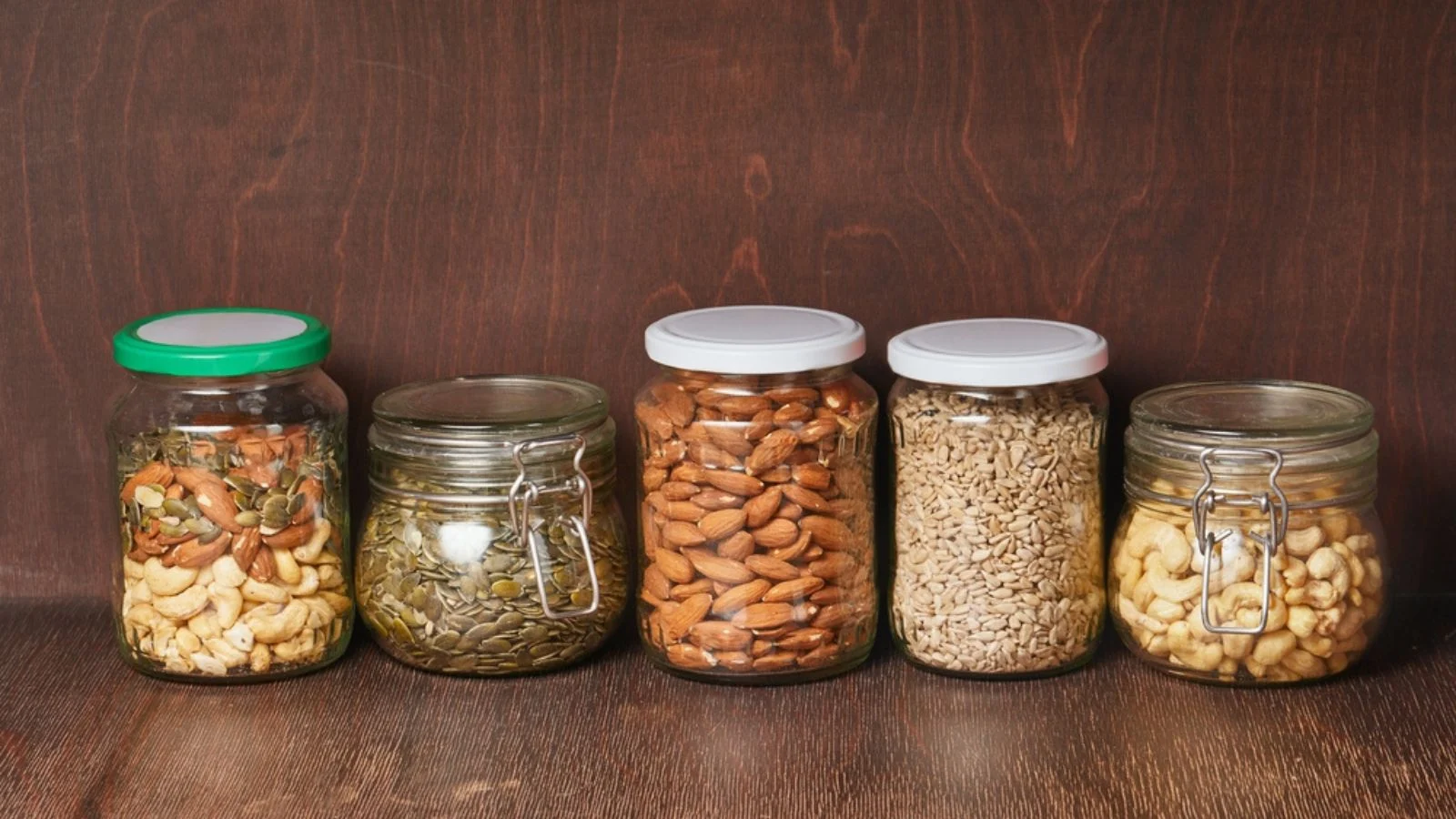
Small bags of almonds, walnuts, and chia seeds carry a hefty premium at standard grocery stores. Purchasing these nutrient-dense snacks in three-pound bags drops the price per ounce dramatically. The high oil content means they require proper storage to prevent spoiling.
Store all nuts and seeds in the refrigerator or freezer to extend their freshness for over a year. Portion them out into small containers for quick snacks or toss them into morning smoothies. Roasting raw nuts with a dash of salt elevates their flavor profile for a fraction of the cost of pre-roasted options.
10. All-Purpose Flour

For anyone who bakes, flour is a must-have staple. Buying a 25-pound bag from a warehouse store can cut the price per pound in half compared to supermarket sizes. When stored in a cool, dry, airtight container, all-purpose flour can last for up to a year.
To prevent pests, consider storing your large bag of flour inside a food-grade bucket with a gamma seal lid. Sift flour before using it in delicate cakes and pastries to ensure a light, airy texture. Having a large supply on hand encourages spontaneous baking projects, from weekend pancakes to homemade bread.
11. Cooking Oils

Olive oil and avocado oil serve as the foundation for countless recipes and salad dressings. Buying oil in two-liter jugs slashes the premium placed on fancy glass bottles. Quality oils maintain their flavor for up to three years when stored away from direct sunlight and heat.
Transfer a small amount of oil into a dedicated kitchen dispenser for easy daily pouring. Store the large jug in a cool, dark cabinet to maintain its structural integrity. Buying neutral oils in massive quantities makes deep-frying and large-scale baking much more economical.
12. Canned Tomatoes
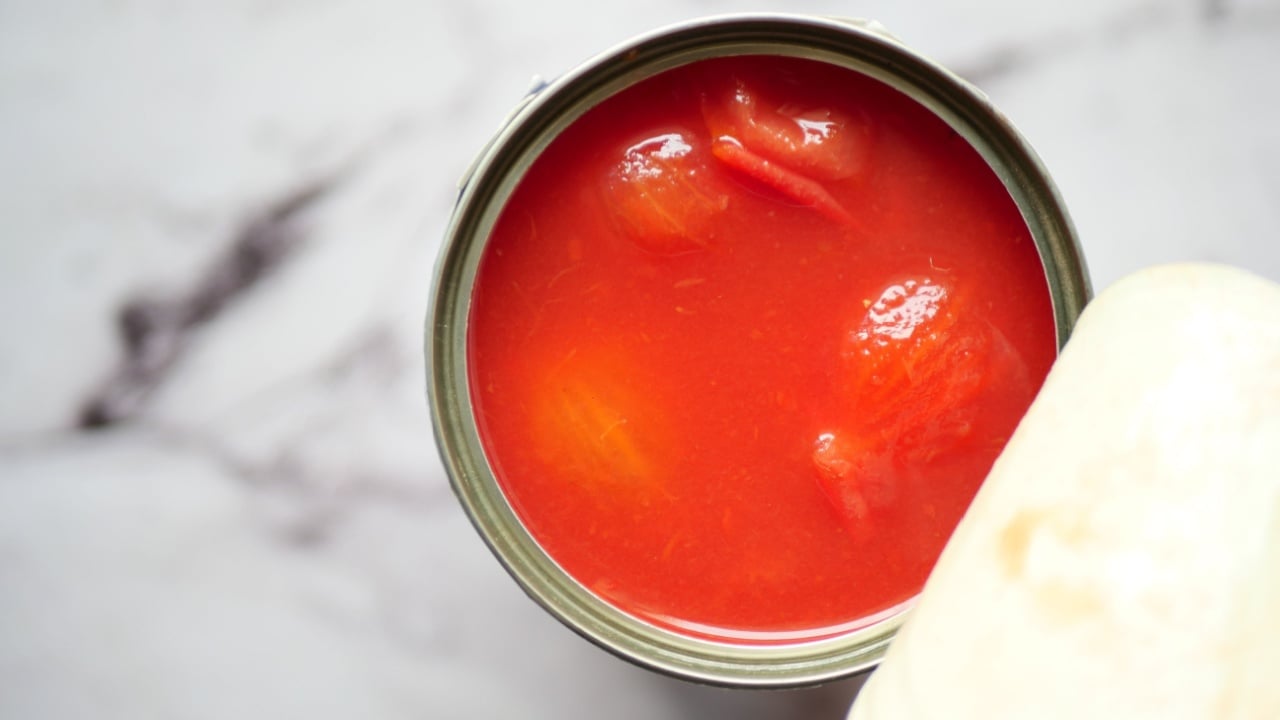
Diced, crushed, and whole peeled tomatoes form the base of soups, stews, and countless pasta sauces. Flats of twelve cans cost significantly less at wholesale clubs than buying single cans at retail price. Canned acidic foods maintain peak quality for up to eighteen months on the shelf.
Simmer a few cans of crushed tomatoes with garlic and herbs to create a massive batch of marinara sauce. Freeze the homemade sauce in flat silicone bags to maximize freezer space and allow for rapid thawing. Maintaining a steady supply of tomatoes prevents last-minute takeout orders on busy evenings.
13. Quinoa
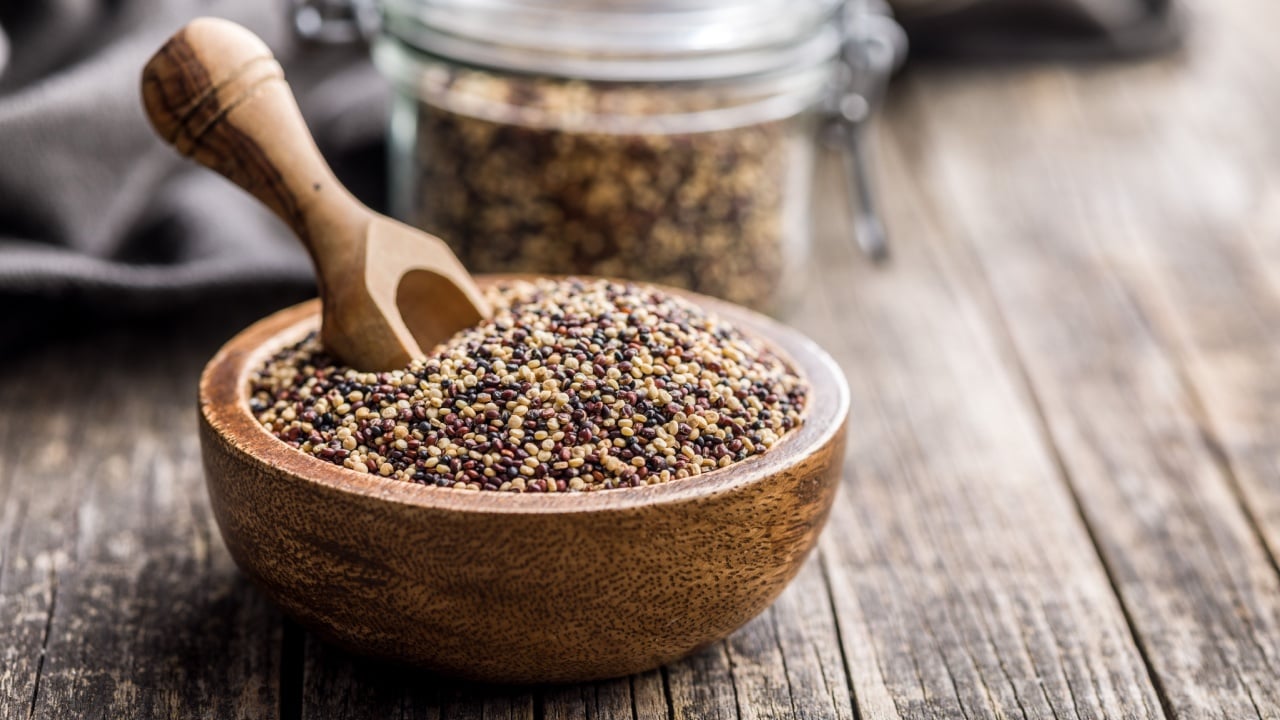
This protein-packed seed often carries a luxury price tag in standard grocery aisles. Buying a massive bag drops the price to a highly reasonable level for everyday consumption. Quinoa provides a complete protein source and cooks incredibly fast compared to other whole grains.
Rinse the grains thoroughly before cooking to remove any natural bitter coating. Use quinoa as a hearty salad base or a nutrient-dense substitute for traditional pasta. Store the uncooked seeds in a cool, dark place to maintain freshness for up to three years.
14. Honey and Maple Syrup

Natural sweeteners, such as honey and maple syrup, have a remarkably long shelf life, making them ideal for bulk purchases. Purchasing large jugs from wholesale clubs offers significant savings over small, decorative bottles. Pure honey can last indefinitely, while pure maple syrup can last for years if stored properly.
Keep your large container of maple syrup in the refrigerator after opening to prevent mold growth. Pour smaller amounts of honey and syrup into squeeze bottles for easy, mess-free daily use. Use these natural sweeteners in everything from baked goods and marinades to your morning coffee or tea.
Bulk Up Your Savings, Not Your Grocery Bill

Transforming a grocery budget begins with evaluating current storage capabilities and identifying which ingredients surface most often in weekly recipes. Grab a notepad and map out a simple weekly menu based entirely on the bulk items listed above. Head over to the nearest wholesale club today to stock the pantry and experience the financial relief of smart shopping.
Read More: