10 Trees Sold at Every Garden Center That Can Kill a Dog or Child
Every year, nurseries across the U.S. fill their shelves with ornamentals, shade trees, and hedging plants that look gorgeous and come with zero disclosure about their toxicity. Some of the trees on this list can kill a child who eats a single berry. Others can send you to the emergency room just from burning their prunings. A few will silently destroy your sewer line while you admire their canopy.
Fall is prime tree-planting season, when cooler temperatures and steady rain give roots months to establish before summer stress hits. That means garden centers are stocked to the brim right now, and big-box stores are slashing prices to move inventory before winter. It’s tempting to grab a deal and get it in the ground while conditions are perfect. But a bargain tree you’ll spend years regretting isn’t a bargain at all.
Before you pick up a shovel this planting season, read this first.
1. Yew: The Deadliest Shrub in the American Suburb
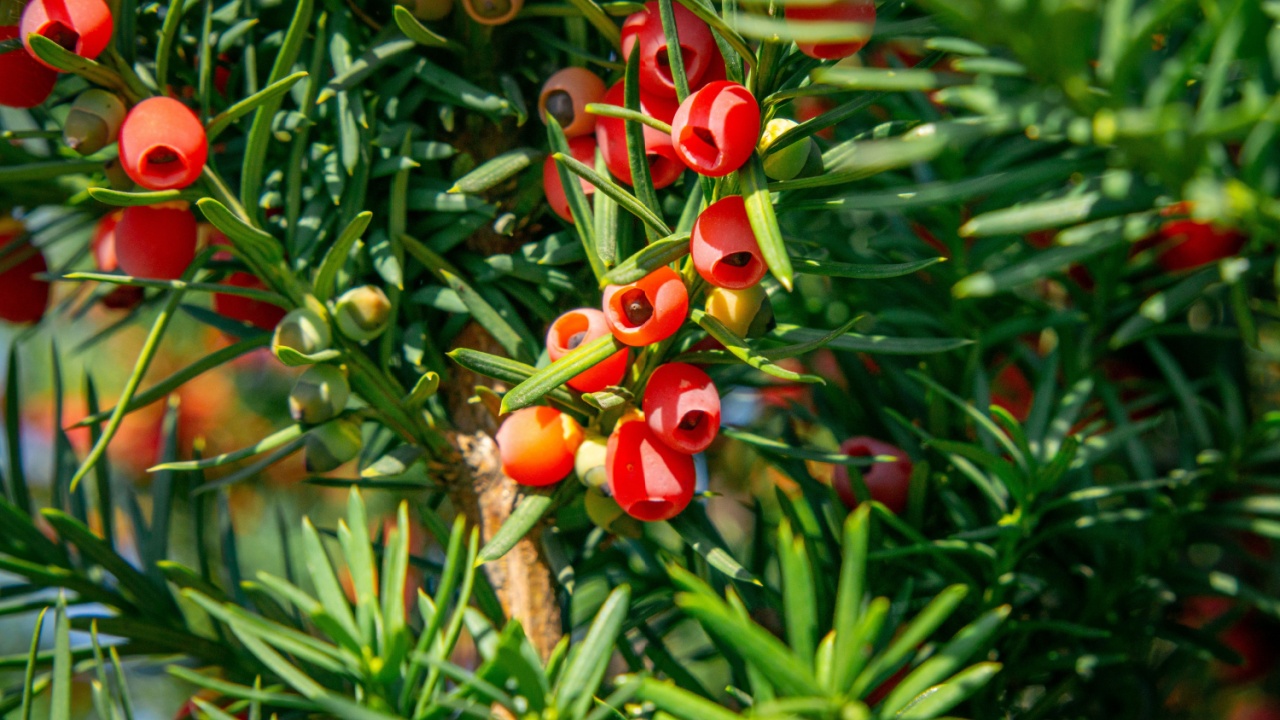
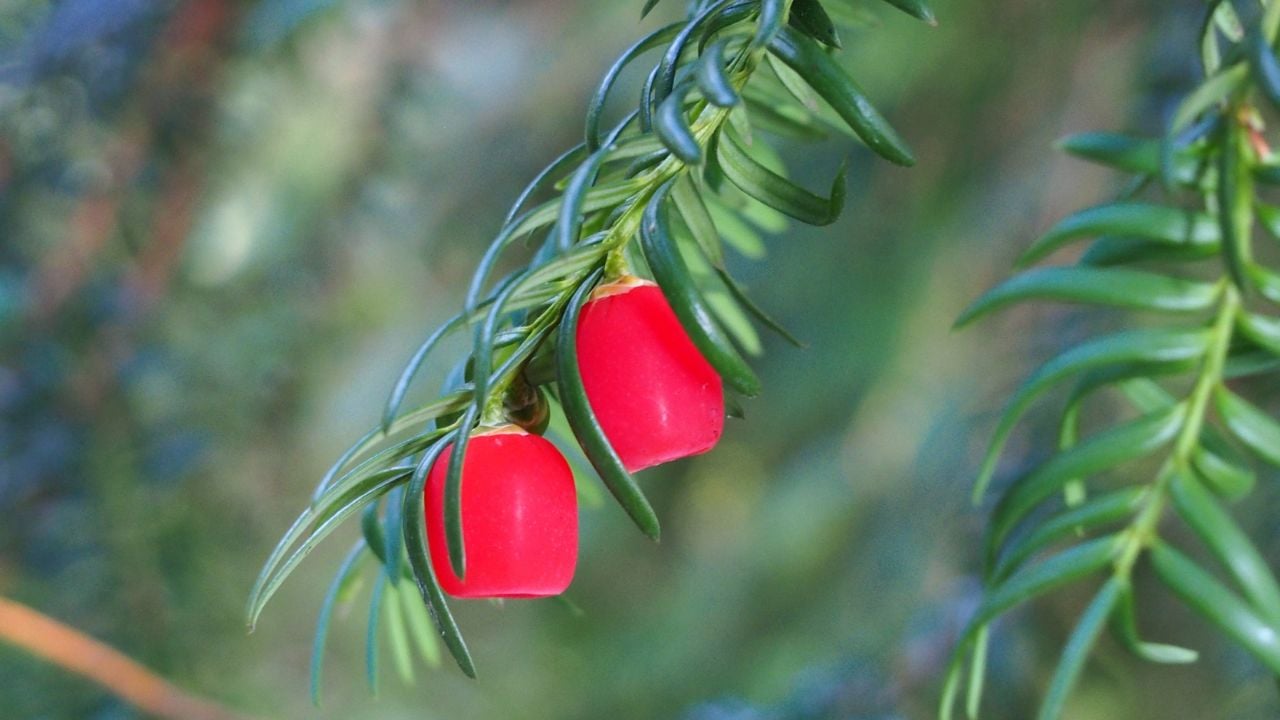
Yew (Taxus species) may be the single most dangerous plant hiding in plain sight in American landscaping. It’s sold at every big-box hardware store and garden center, used universally as a low-maintenance foundation shrub, and planted by the millions in front yards across the country. Its foliage is glossy, it stays green year-round, and it is lethally toxic.
All parts of the yew, except for the fleshy red fruit surrounding the seed, contain taxine alkaloids that cause sudden cardiac failure in humans and animals. Children are especially drawn to the bright red berries, which look like candy. The WiC Project writes that, according to Cornell University’s Department of Animal Science, livestock deaths from consuming yew clippings are well-documented. As little as half a pound of needles can fatally poison a horse. In documented human poisoning cases, the fatality rate has been substantial, often involving children who ingested the attractive berries.
2. Oleander: The Ornamental That Can Kill With One Leaf
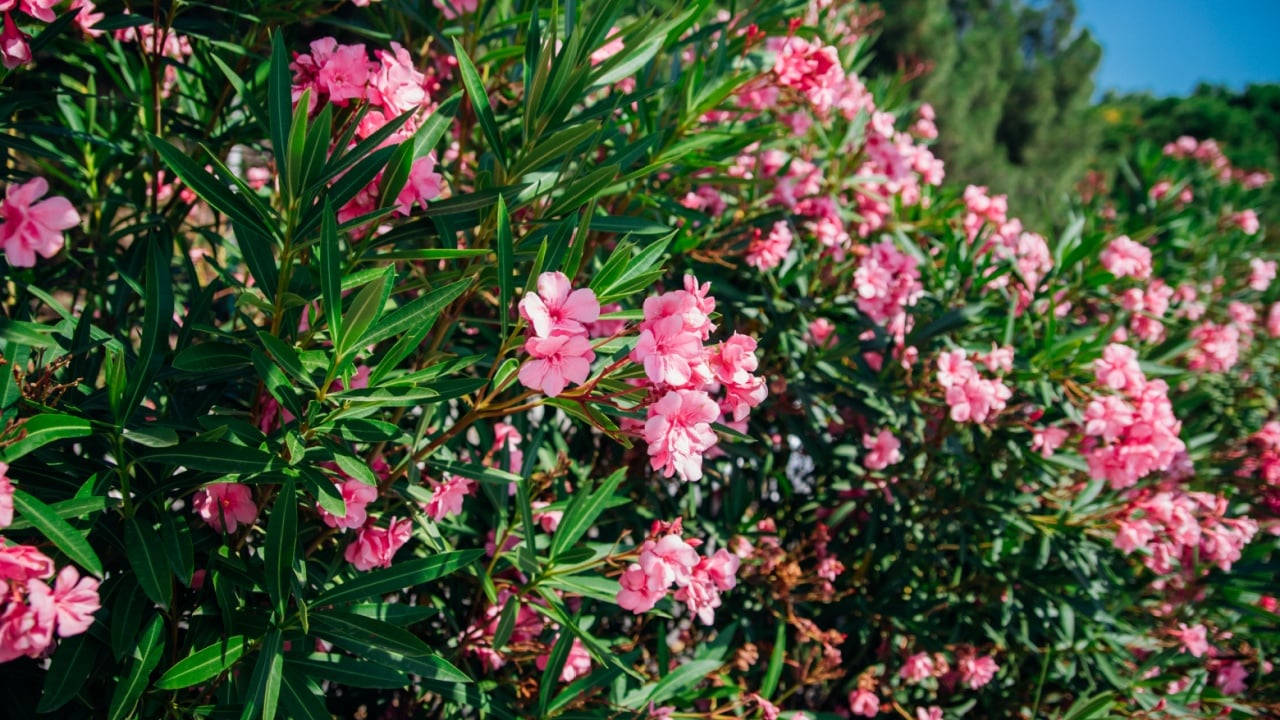
Oleander (Nerium oleander) is the definition of a wolf in sheep’s clothing. It blooms prolifically, tolerates drought and poor soil, grows as a lush privacy hedge, and is planted by the millions in California, Texas, Florida, and the American Southwest. Every part of it is toxic.
The compound oleandrin, a cardiac glycoside, disrupts heart rhythm. According to the University of Florida Health, eating one leaf can be fatal to a small child or pet within hours. What most gardeners don’t know is that burning oleander prunings releases toxic smoke that is also dangerous; even inhaling it can cause serious respiratory damage. This warning rarely appears on the plant’s tag at the nursery.
“Oleander is one of the most potentially poisonous plants on earth,” writes landscape designer Shirley Bovshow of EdenMakers Blog. “Neither human nor animal is safe from a toxic encounter.”
3. Manchineel: The Tree With a Guinness World Record for Toxicity
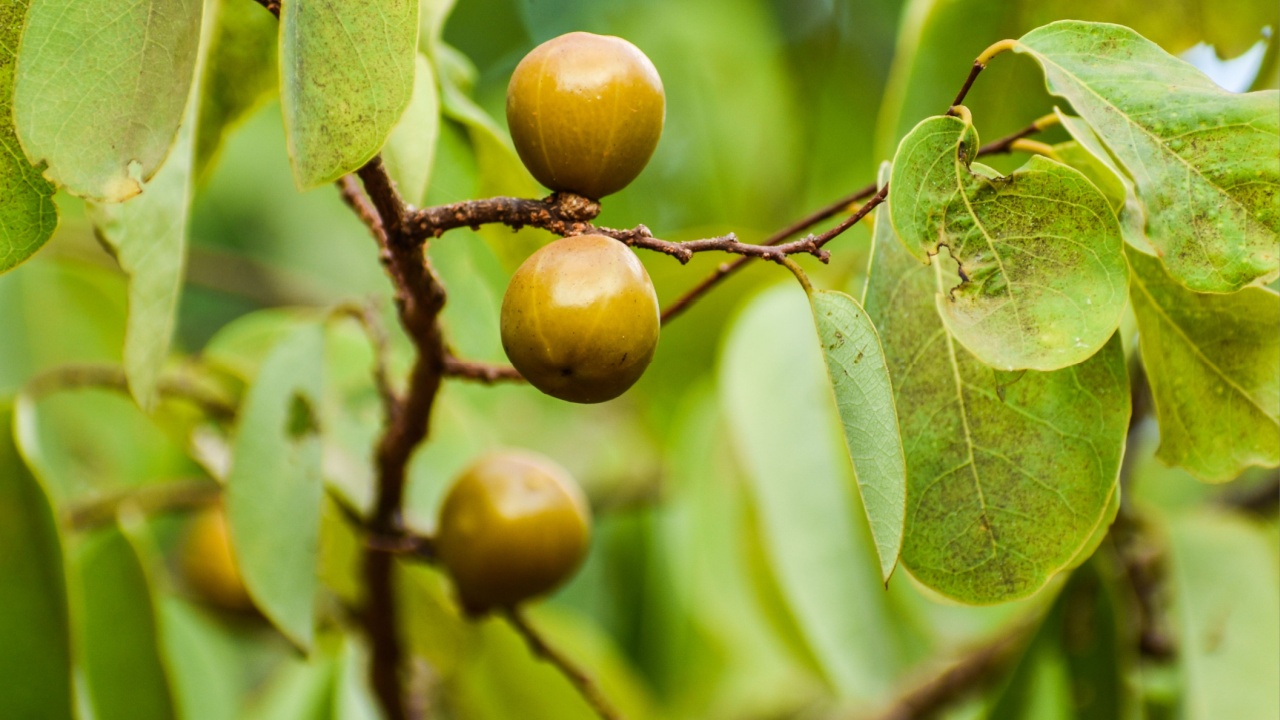
The manchineel (Hippomane mancinella) holds the Guinness World Record as the most toxic tree in the world. In Florida and the Caribbean, authorities post warning signs around it. Every part is dangerous: the fruit looks like a small apple and tastes pleasantly sweet before it causes severe mouth blistering and throat swelling. The sap causes painful skin blisters on contact. Standing under the tree during the rain can cause blistering as the sap runs off the leaves. Burning the wood releases smoke that causes blindness.
One radiologist published an account in the National Center for Biotechnology Information describing the consequences of tasting the fruit while on vacation. Her symptoms escalated over hours until swallowing became nearly impossible. Today, the manchineel is a rare, endangered species in Florida, growing only in the Everglades and the Virgin Islands National Park. Still, if you’re near any subtropical coastline and see an apple-like fruit on the ground, leave it alone.
4. Castor Bean: Sold as an Ornamental, Contains a Bioterrorism Agent
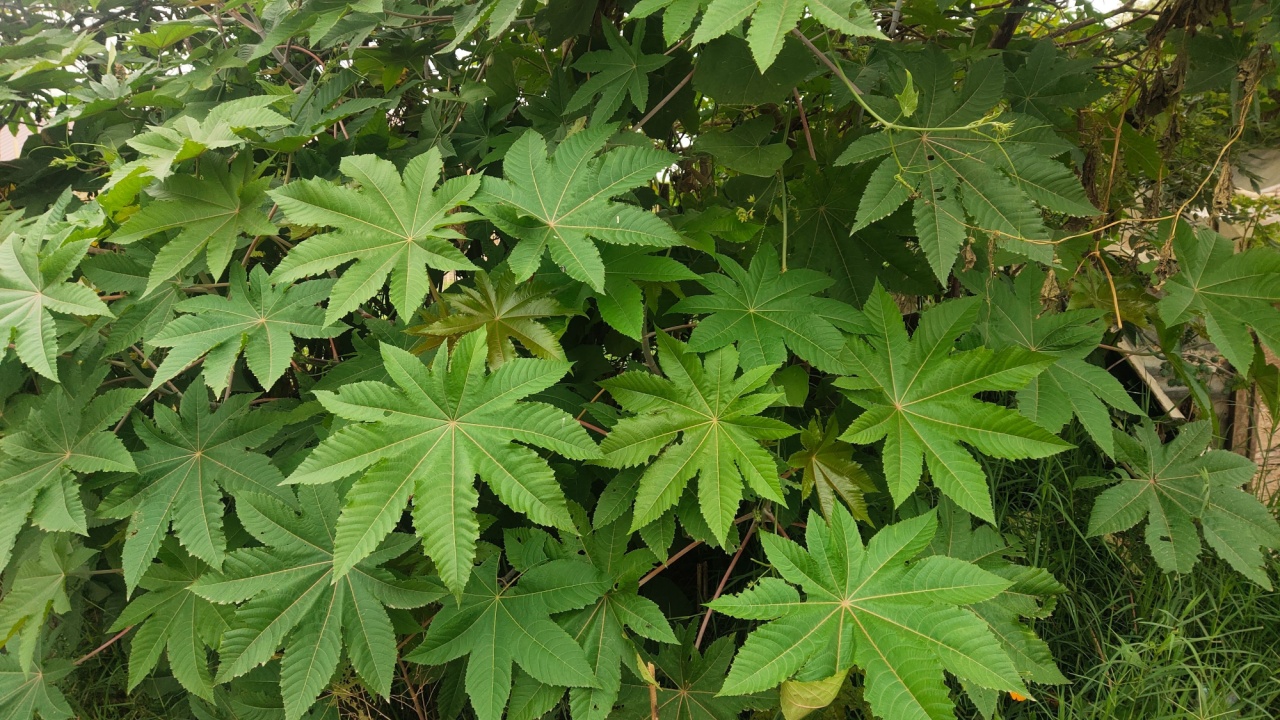
The castor bean plant (Ricinus communis) is frequently sold at American nurseries for its large, exotic-looking tropical foliage. What the seed packet doesn’t advertise: the seeds contain ricin, which the CDC classifies as a Category B bioterrorism agent due to its extreme potency.
Ingestion of a single seed can be fatal to a child. There are no antidotes. The plant is simultaneously one of the most toxic and one of the most casually available ornamentals in the country, sold with nothing more than a standard planting tag. If you have children or pets with access to your yard, this one needs to be removed.
5. Angel’s Trumpet: The Patio Plant That Can Hospitalize You
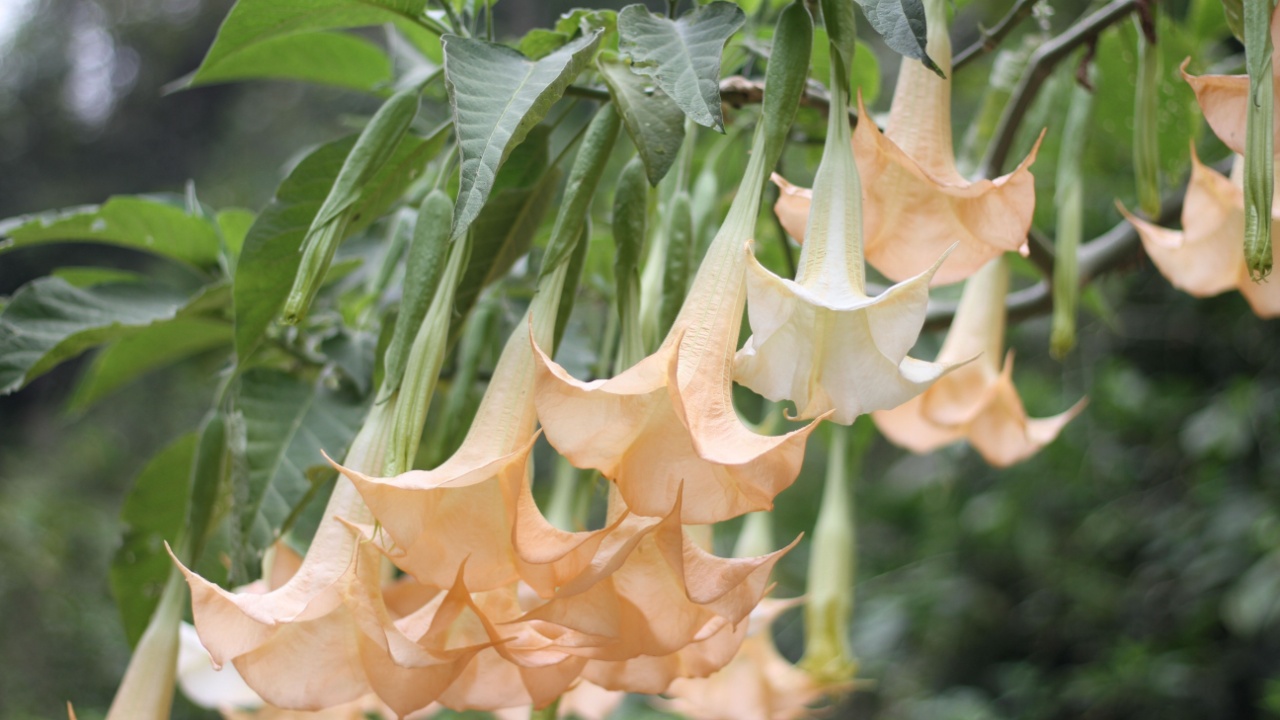
Angel’s trumpet (Brugmansia species) is a showstopper in container gardens, and that’s exactly the problem. With its dramatic, pendulous flowers, it’s a popular patio plant, which places it directly in the zones where children and pets spend time. All parts contain tropane alkaloids, including scopolamine and atropine, compounds also used in pharmaceutical sedatives.
According to WebMD, recreational misuse of angel’s trumpet has led to numerous hospitalizations and fatalities. Exposure can cause hallucinations, paralysis, and respiratory failure. It is also frequently planted near entryways for its visual impact, making incidental contact with falling flowers a genuine risk for toddlers and dogs.
6. Black Walnut: The Good-Guy Tree With a Toxic Secret

Black walnut (Juglans nigra) isn’t going to hurt you directly, but it may silently kill everything you try to grow nearby. The roots, hulls, and buds produce juglone, a chemical that is toxic to many garden plants, including tomatoes, peppers, apples, and roses. Gardeners planting near an established black walnut often watch entire beds decline for years without understanding why.
The juglone effect extends as far as the tree’s drip line and beyond, creating a radius of inhibition that makes gardening under or near a black walnut an exercise in frustration. If you’re planning a kitchen garden or mixed border, a black walnut in the yard is a significant planning obstacle, one that rarely appears on a property listing.
7. Poison Sumac: Far Worse Than Poison Ivy
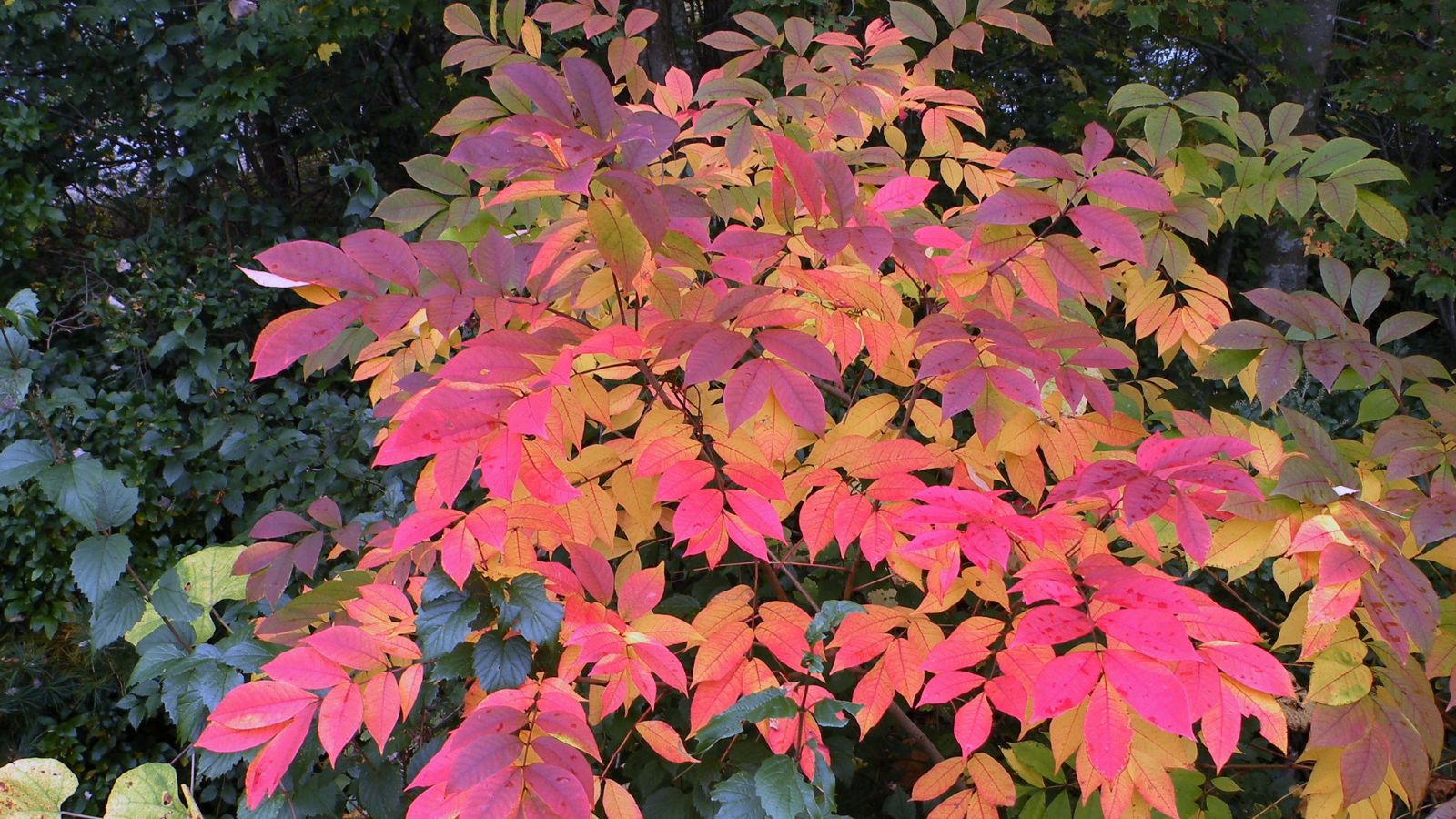
Most gardeners know to avoid poison ivy, but poison sumac (Toxicodendron vernix) is significantly more potent, and fewer people can identify it. It thrives in the wetlands, bogs, and low-lying areas of the eastern U.S., making it a common resident of yards with drainage issues or natural areas nearby. Contact with any part of the plant releases urushiol oil, causing severe allergic dermatitis. According to Medline Plus, even inhaling smoke from burning sumac is dangerous enough to require medical attention.
Poison sumac is most commonly misidentified as harmless sumac varieties, which grow in the same ecosystems. If you have a wet corner of your property, learn the identifying features before assuming your sumac is safe.
8. Cherry Laurel: The Hedge Plant Hiding Cyanide
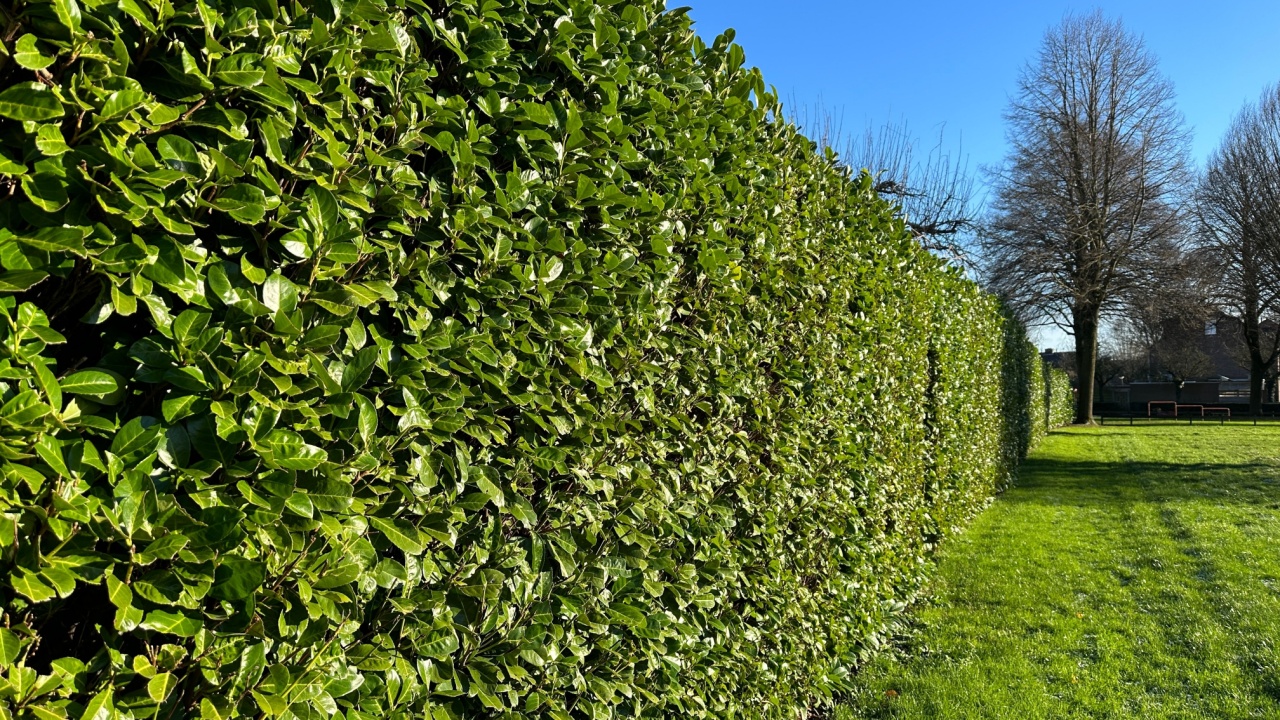
Cherry laurel (Prunus laurocerasus) is one of the most popular hedging plants sold at American garden centers: fast-growing, dense, evergreen, and tidy. Its leaves and seeds contain cyanogenic glycosides that release hydrogen cyanide when crushed. North Carolina State University Extension notes that ingestion can cause difficulty breathing, seizures, and death in pets and humans. Birds face poisoning risks from the seeds as well.
Cherry laurel is such a common landscape choice that many homeowners who purchase it have never been warned. If you have dogs or small children, this is a hedge worth reconsidering.
9. Red Maple: Beautiful, Common, and Deadly to Horses
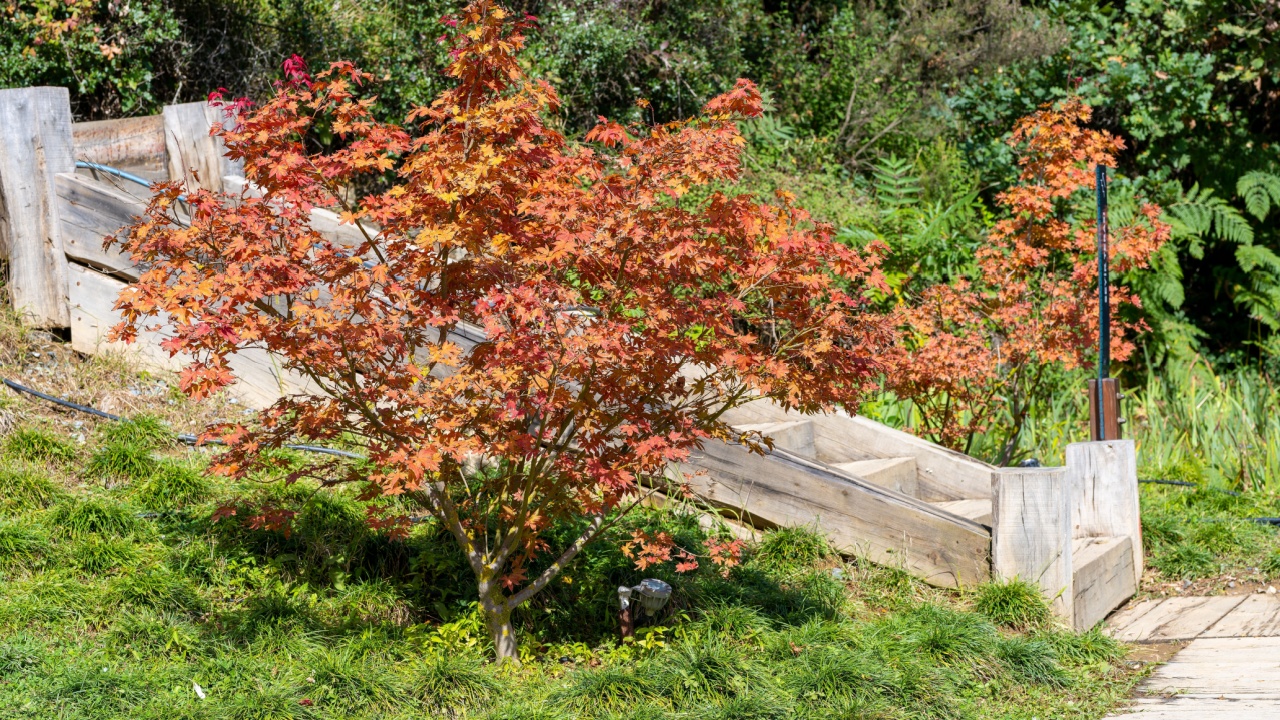
The red maple (Acer rubrum) is one of the most widely planted shade trees in America, celebrated for its autumn color. What most homeowners don’t know is that its wilted leaves are rapidly fatal to horses and livestock. Even small amounts of dried or wilted foliage destroy red blood cells, causing weakness, dark urine, and death within hours. The toxin acts fast enough that horses exposed to fallen leaves during autumn leaf drop have died before owners recognized the problem.
This danger is most acute in the fall, when leaves drop abundantly. If you have horses nearby, keep red maples far from any area where leaves might blow into grazing land.
10. Horse Chestnut: The Look-Alike That Poisons Children and Dogs

Horse chestnut (Aesculus hippocastanum) produces large, shiny nuts that are irresistible to children and dogs. They look like edible chestnuts. They feel satisfying in the hand. And they contain aesculin, a toxin that causes vomiting, diarrhea, paralysis, and in serious cases, death. Autumn is the highest-risk season, when the nuts drop abundantly just as children are spending time outside raking leaves and playing in the yard.
The ASPCA Animal Poison Control has documented multiple cases of poisoning in dogs and livestock that mistook horse chestnuts for safe food. If you have young children or dogs with outdoor access, think carefully about where this tree is planted relative to your play areas.
What to Do If You Have One of These Trees

The presence of a dangerous tree in your yard isn’t automatically a crisis, but it does require honest assessment. How close is it to where children and pets play? Is it structurally sound? Does it drop seeds, berries, or nuts that could be picked up or eaten?
For toxicity concerns, the first call is to a certified arborist who can assess whether removal is warranted and handle it safely. If you suspect a child or pet has ingested any part of a toxic tree, call Poison Control immediately: 1-800-222-1222. Do not wait for symptoms.
Read More
Washing Your Lettuce Won’t Remove Cyclosporiasis, But Growing Your Own Will
Your Grandmother Stored These 8 Foods All Winter Without Canning a Single Jar