
12 Groceries Never Worth Buying at Costco
Warehouse clubs offer massive savings on huge items, tempting shoppers to fill oversized carts to the brim. Walking through the massive aisles often leads to impulse purchases of giant containers you might never finish. A giant package looks like a bargain until half of it ends up in the trash bin a few weeks later.
Buying food in massive quantities frequently leads to spoilage and wasted money. Many perishable goods expire long before a standard household can consume them entirely. Paying an upfront premium for bulk sizes only makes sense if you actually use every last drop or crumb before the expiration date arrives.
This guide outlines twelve specific food items you should skip during your next warehouse run. You will learn the hidden downsides of buying these specific products in bulk and discover better places to purchase them for maximum savings.
1. Herbs and Spices
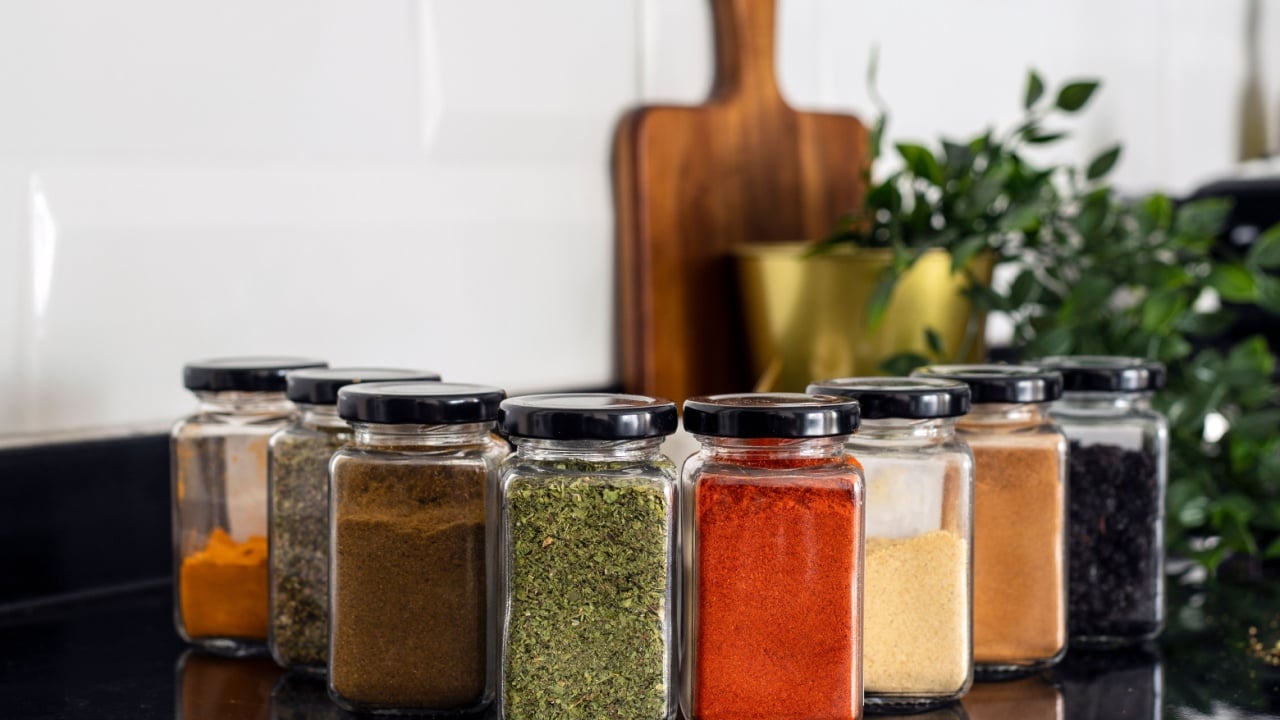
Giant containers of dried basil or garlic powder look impressive on the shelf, but lose flavor rapidly once opened. Ground spices typically stay fresh for six months before their essential oils evaporate and leave behind a dusty taste. Unless you run a commercial kitchen, finishing a massive bottle of paprika before it goes stale is nearly impossible.
Purchasing smaller jars from a local grocery store prevents you from cooking with flavorless ingredients. You can also visit shops with bulk spice bins to buy exactly the amount you need for specific recipes. Buying small quantities guarantees your meals always taste fresh and vibrant without wasting cabinet space.
2. Raw Chicken Breast

Bulk packs of raw chicken breasts seem like a budget-friendly protein source for meal planning. However, comparing prices per pound often reveals that regular supermarkets run better sales on poultry. Grocery stores frequently offer heavy discounts on chicken parts to draw shoppers inside, completely undercutting warehouse prices.
Buying raw meat in bulk also forces you to spend hours portioning and freezing the excess portions safely. Purchasing smaller packages on sale at your neighborhood market saves freezer space and reduces prep time significantly. You get the exact amount you need for dinner without managing a massive butcher operation in your kitchen.
3. Cereal

Massive double-packs of breakfast cereal found at Costco take up an enormous amount of room in your pantry. Once you open the inner bags, the contents begin to go stale quickly unless you transfer them to airtight storage containers. Eating the same cereal every morning for a month quickly causes fatigue, leaving half-empty boxes languishing on shelves.
Local grocery chains constantly offer buy-one-get-one promotions on popular cereal brands throughout the year. Coupling these weekly sales with manufacturer coupons drops the price far below the bulk warehouse cost. You can enjoy a wider variety of breakfasts while keeping your pantry neatly organized.
4. Bagged Salad Kits

Pre-washed salad kits provide convenience for quick weeknight dinners, but the warehouse versions are simply too large for most families (if you have a big family, then by all means buy the Costco ones!). The delicate greens begin to wilt and turn slimy within a few days of purchase. A bulk bag of salad almost guarantees you will throw away a soggy, unappetizing mess by the end of the week.
Picking up standard-sized salad bags at a local market prevents food waste and saves money. You can select the freshest bags with the furthest expiration dates as you need them. Grabbing greens a few times a week keeps your salads crunchy and prevents guilt over discarded produce.
5. Milk

Buying a massive box of milk (3-4 cartons worth) provides a challenge for anyone trying to finish them before the printed date. Milk has a surprisingly short shelf life, and warehouse clubs might sell gallons expiring sooner than those at local stores. Storing massive containers also dominates refrigerator shelves, leaving little room for other perishables.
Most local supermarkets price milk as a loss leader to attract local shoppers on a regular basis. You can often find a single gallon for the same price or cheaper at your neighborhood store. Buying milk locally guarantees freshness and frees up valuable space inside your fridge.
6. Sandwich Bread

Warehouse clubs sell sandwich bread in large multi-packs that far exceed a typical family’s weekly consumption (plus, it turns out that it isn’t that great of a bargain). Bread left on the counter quickly develops mold or becomes too dry to eat. While freezing loaves is an option, thawed bread often features a compromised texture and tastes slightly stale.
Buying a single loaf from a standard bakery or grocery store prevents you from serving subpar sandwiches. You can select exactly the type of bread you crave without committing to a massive supply. Fresh loaves taste better and eliminate the hassle of defrosting slices for your morning toast.
7. Canned Soup
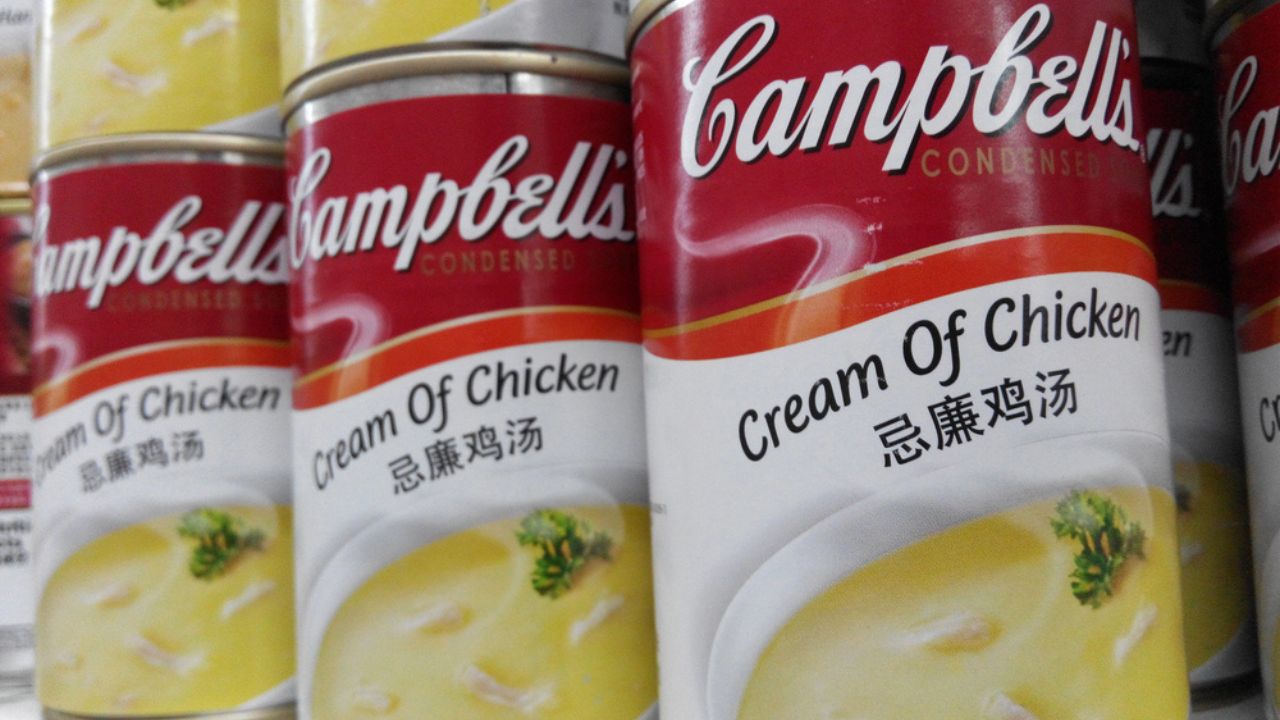
Stacking massive boxes of canned soup in your garage ties up your grocery budget in items you might rarely eat. Warehouse clubs typically sell variety packs containing a mix of flavors, meaning you are stuck with several cans nobody in your house actually likes. The price per can rarely beats the aggressive promotions found at regular grocery chains during the winter months.
Supermarkets run frequent sales on canned goods, allowing you to handpick the specific flavors your family actually eats. Stocking up during a ten-for-ten-dollar sale gives you ultimate flexibility and lower prices. You build a practical pantry without hoarding unwanted soup varieties.
8. Condiments

Giant vats of mayonnaise, mustard, and ketchup take ages to finish and occupy prime space in the refrigerator door. Condiments degrade in quality and flavor over months of sitting open in a cold environment. Repeated dipping into a massive jar also increases the risk of cross-contamination and accelerated spoilage.
Squeezable bottles from the local store offer a much better experience for everyday meals and barbecues. You can replace smaller bottles easily and experiment with new brands without a huge financial commitment. Your fridge stays organized, and your sandwiches always feature fresh, high-quality spreads.
9. Cooking Oil

Buying three-liter jugs of olive oil or vegetable oil exposes the liquid to light and air for extended periods. Oils undergo oxidation once unsealed, eventually developing a rancid smell and a bitter taste. Using bad oil completely ruins the flavor of your roasted vegetables and sautéd meats.
Purchasing oil in dark glass bottles from a regular store protects the liquid and preserves its delicate flavor profile. Smaller bottles are much easier to handle while cooking, preventing accidental spills on your countertops. Fresh oil delivers superior cooking results and keeps your meals tasting delicious.
10. Fresh Berries

Clamshells of strawberries and raspberries at warehouse stores are visually stunning but incredibly difficult to consume quickly (unless you have toddlers). Berries are highly perishable and prone to growing mold within just a couple of days. Even with careful washing and special storage containers, a bulk package of berries often rots before you eat them all.
Buying seasonal berries at local farmers’ markets or standard supermarkets guarantees a much better outcome. You purchase just enough for a few days of snacking or baking, reducing the risk of fuzzy fruit. Freshly sourced berries pack superior sweetness and avoid the inevitable trash bin destination.
11. Avocados

A bag containing six or more avocados presents a frustrating ripening race you will inevitably lose. They all stay rock hard for days, only to turn perfectly ripe simultaneously before turning into mush by the next afternoon. Trying to eat an entire bag of ripe avocados before they turn brown inside is a stressful culinary challenge.
Selecting individual avocados at the supermarket allows you to pick fruits at different stages of ripeness. You can choose one soft avocado for tonight and a few firm ones for later in the week. This strategy guarantees you always have a perfect avocado ready for your toast or guacamole.
12. Coffee Beans
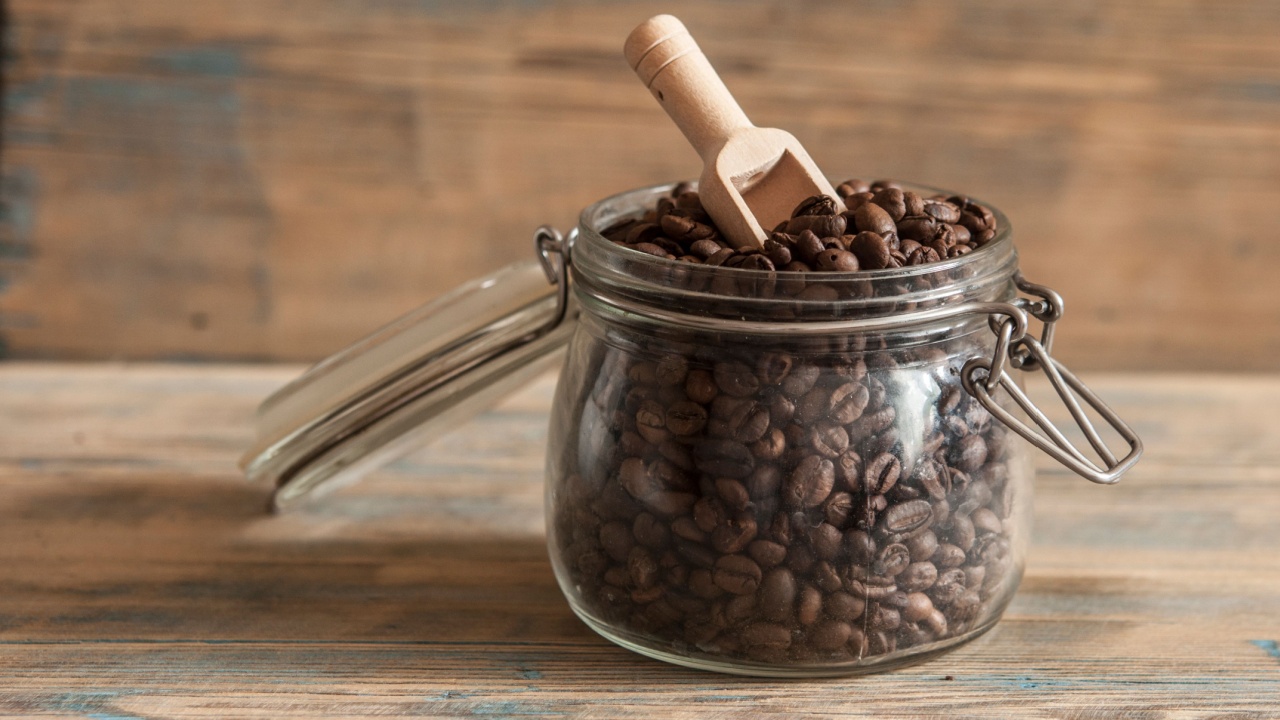
Massive bags of roasted coffee beans promise endless morning energy but fail to deliver a premium tasting experience. Coffee beans begin losing their complex flavors and aromas within weeks of roasting. Brewing beans from a giant bag that has been open for a month results in a flat, bitter cup of coffee.
Acquiring freshly roasted beans from local coffee shops or specialized grocery stores vastly improves your morning routine. Buying smaller bags weekly or bi-weekly guarantees maximum freshness and robust flavor extraction. Your daily brew will taste significantly better when you prioritize quality over massive quantities.
Make Smart Choices For Your Pantry

Shopping at Costco requires a strategic approach to maximize savings without creating unnecessary waste. Purchasing large quantities of perishables or items that lose flavor quickly often negates any initial price advantage. You end up throwing away good money when bulk items inevitably spoil in your kitchen.
Focus your bulk buying on non-perishable household goods like paper towels, cleaning supplies, and trash bags. Visit local grocery stores to handle your fresh produce, meat, and specialized pantry needs. Sticking to this strategy keeps your budget intact while providing your family with the freshest food possible.