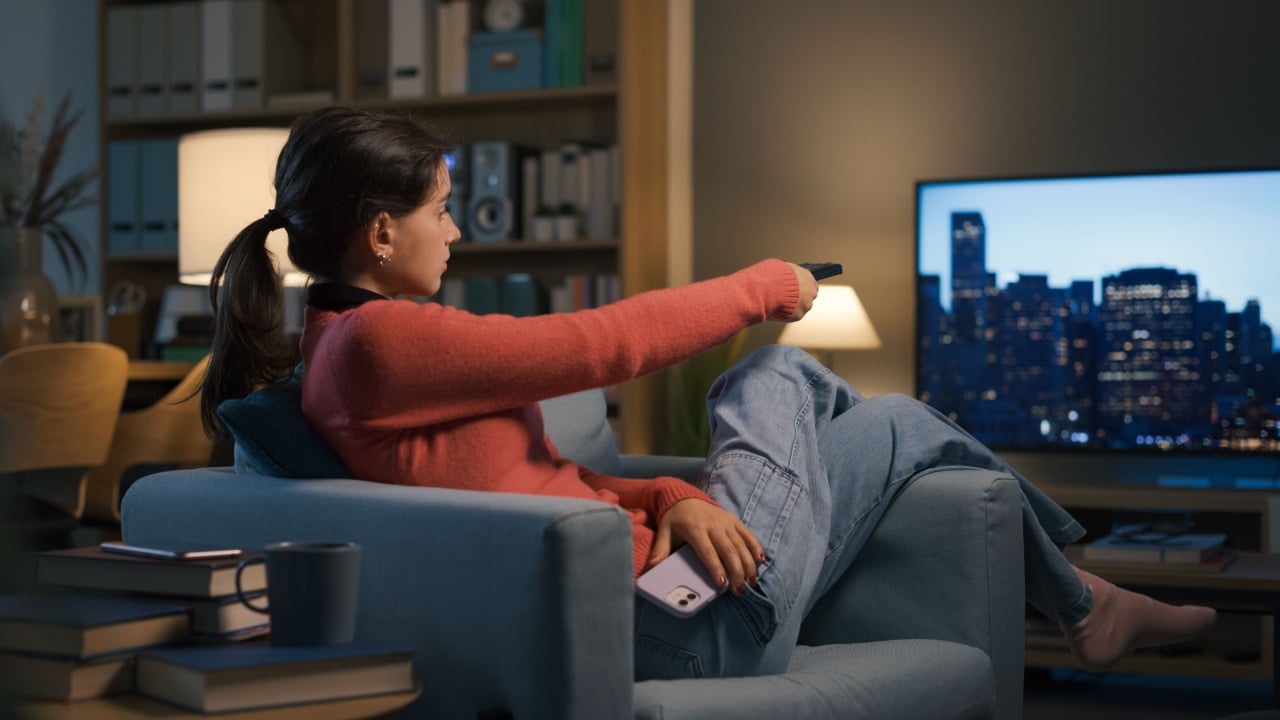
Living Alone? These 14 Tips Are Non-Negotiable for Feeling Safer After Dark
Living alone is one thing. Living alone after dark? That’s a different experience entirely. The same apartment that felt like a sanctuary at 2 p.m. can feel surprisingly loud with silence by 11 p.m. The refrigerator hums. A floorboard creaks. A car door slams outside. None of it means anything, and yet the body is suddenly paying very close attention.
This feeling is more common than most people admit. According to a 2023 survey by the U.S Census Bureau, roughly 30% of American adults live alone, and nighttime anxiety is one of the most consistently reported challenges among solo dwellers, particularly women. The good news is that most of what helps isn’t expensive, complicated, or dramatic. It’s a collection of small, intentional choices that quietly tell the nervous system it can stand down.
This list pulls from real-world habits used by people who’ve lived alone for years, not hypothetical advice. Expect practical tips covering everything from lighting and sound to routines and emergency prep. Some will feel obvious; others might surprise. All of them work.
1. Improve Lighting Around Your Home

Lighting is one of the simplest and most effective ways to improve nighttime safety. Dark areas around entrances, walkways, or parking spaces make it harder to see who is nearby and easier for someone to approach unnoticed. Adding outdoor lights near doors, driveways, and pathways increases visibility and reduces hiding spots.
Research on urban safety consistently shows that better lighting can reduce crime and make people feel more secure. A major review by the Campbell Collaboration found that improved street lighting reduced crime by about 21% in affected areas, likely because increased visibility discourages offenders and encourages natural surveillance from neighbors. Installing motion lights or timed lights at home creates the same effect on a smaller scale.
2. Keep Doors and Windows Properly Locked
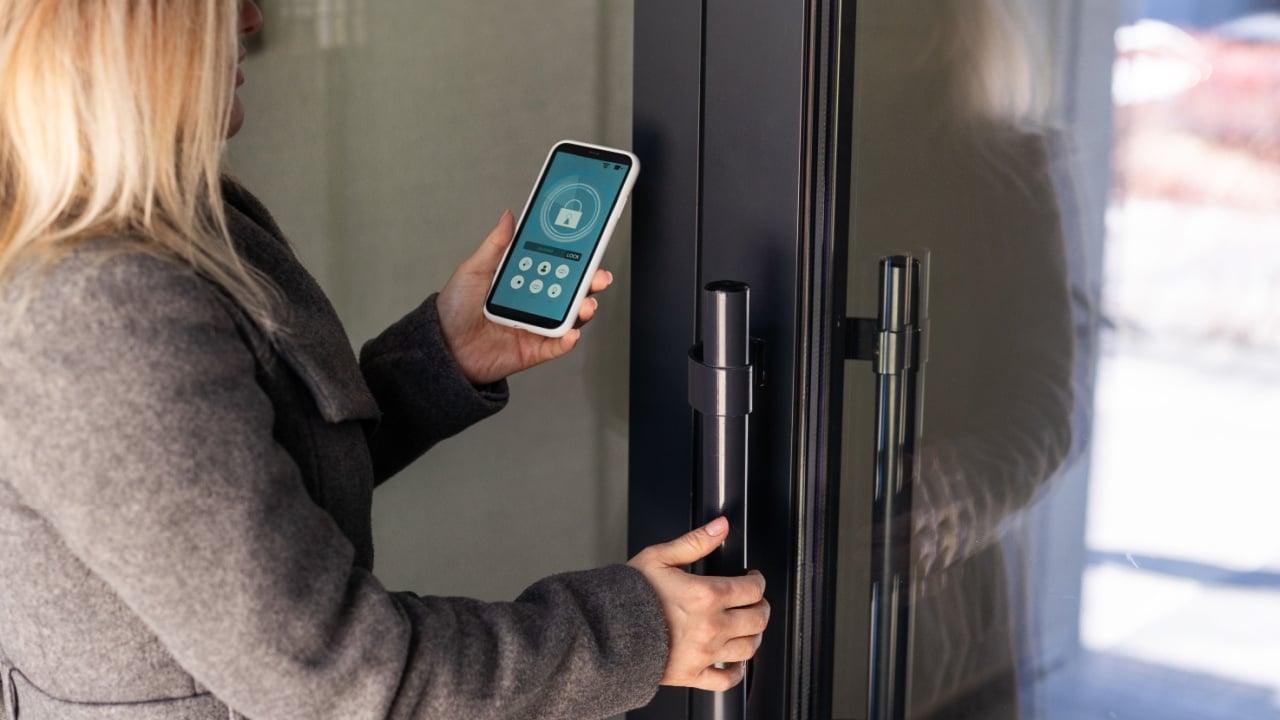
One of the most effective safety habits is also the simplest: locking doors and windows. Many residential burglaries occur because an entry point was unlocked or easy to open. Even in quiet neighborhoods, a locked door provides a strong physical barrier and an important psychological deterrent.
Homes that use multiple protective measures like sturdy door locks, secure window latches, and good outdoor lighting are much harder for intruders to break into. Simple upgrades such as adding deadbolts, reinforced locks, and window latches make it more difficult for someone to gain entry quickly, helping to keep your home safer.
3. Install a Door Viewer or Smart Doorbell
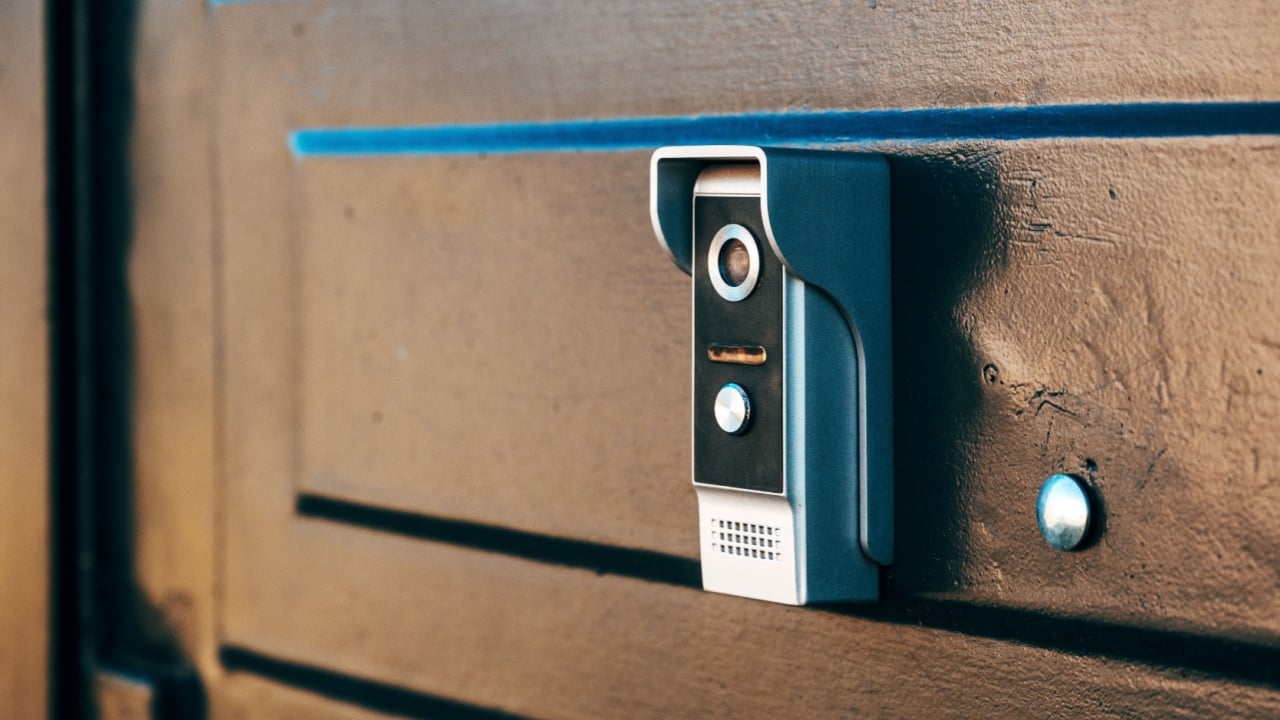
Being able to see who is at the door before opening it can significantly reduce anxiety at night. A traditional peephole works well, but modern smart doorbells add cameras, motion alerts, and two-way communication.
Security cameras and doorbell systems act as visible deterrents, making homes less appealing to intruders. Studies show that burglars are far less likely to target houses with visible cameras, especially when paired with good lighting and clear visibility around entrances. Even a small camera at the front door can make visitors more cautious and give homeowners added peace of mind.
4. Use Timers for Indoor Lights
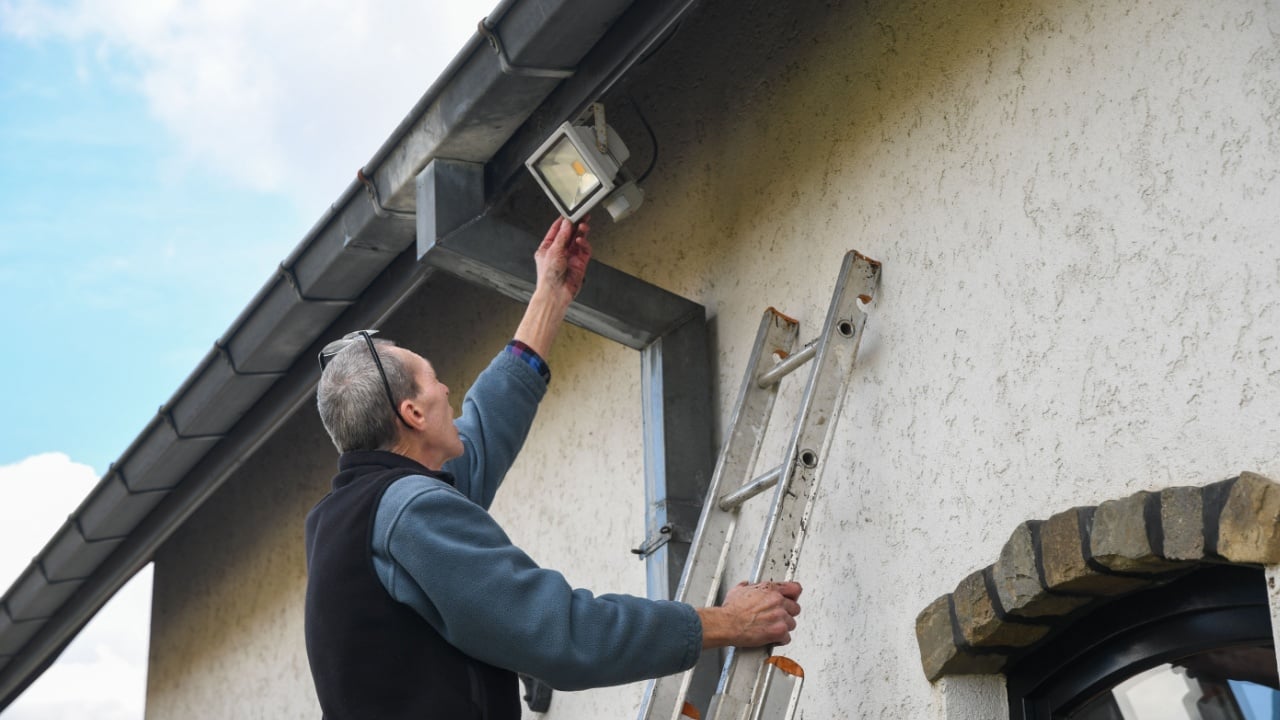
When the lights turn on automatically inside the home, it gives the impression that someone is awake and moving around. Timers can switch lamps on and off at different times, creating a natural pattern of activity even when a person is asleep.
Experts often recommend irregular lighting schedules rather than leaving lights on all night. Lighting that changes during the evening mimics normal human behavior and can discourage someone who might be watching the house for signs that it is empty.
5. Create a Simple Night Routine
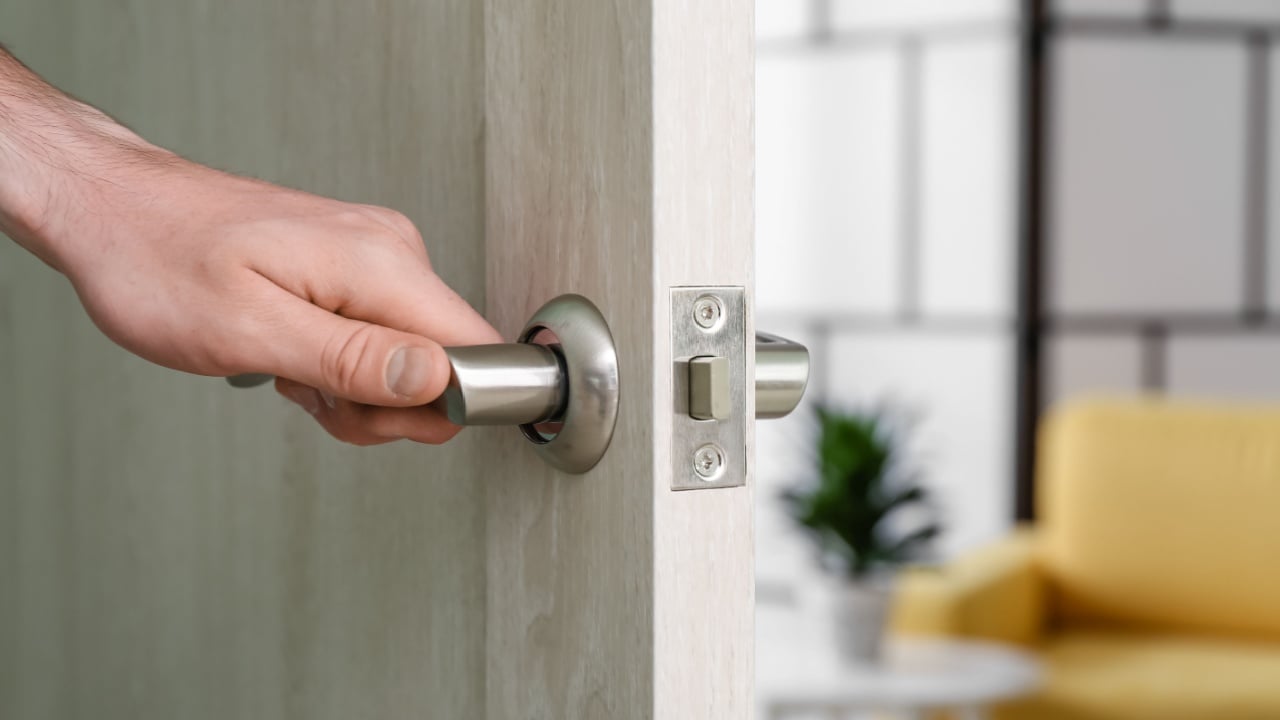
A regular nighttime routine can help reduce stress and make the home feel more secure. Many people feel calmer when they check locks, close curtains, and ensure lights are set before going to bed.
This routine works because it removes uncertainty. Once doors, windows, and lights are checked, there is less reason to worry about whether something was forgotten. Over time, the routine becomes automatic and reassuring.
6. Keep Curtains or Blinds Closed
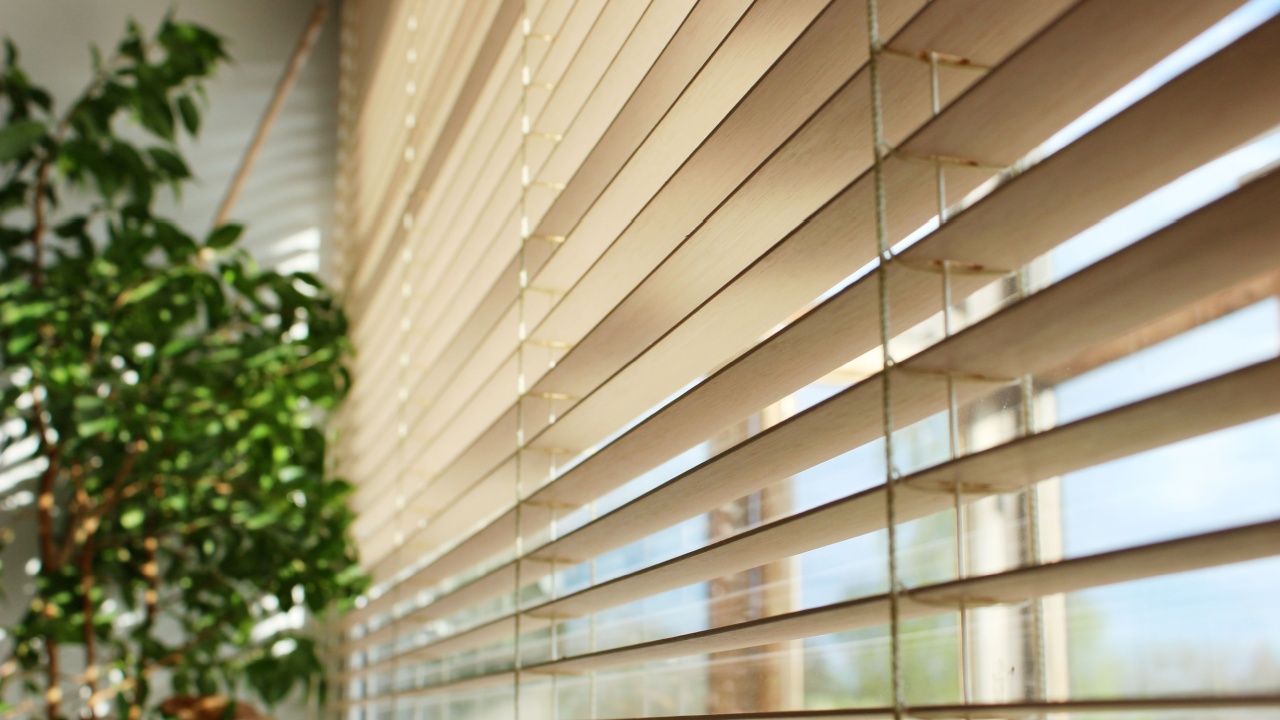
Open windows can reveal valuables or show when someone is home alone. Closing blinds or curtains at night prevents outsiders from easily seeing inside. At night, indoor lighting often makes the inside of a home much more visible from the outside, almost like looking into a display window. A simple habit of closing blinds after sunset can quickly reduce that visibility and help maintain privacy.
Privacy is a key principle in home safety design. When potential intruders cannot clearly see what is inside a house, they are less able to evaluate whether it might be worth targeting. Curtains also help create a psychological sense of separation from the outside world. Residential burglary patterns have shown that offenders often look for easy visual cues when selecting homes, so limiting visibility can remove that advantage.
7. Get to Know Your Neighbors
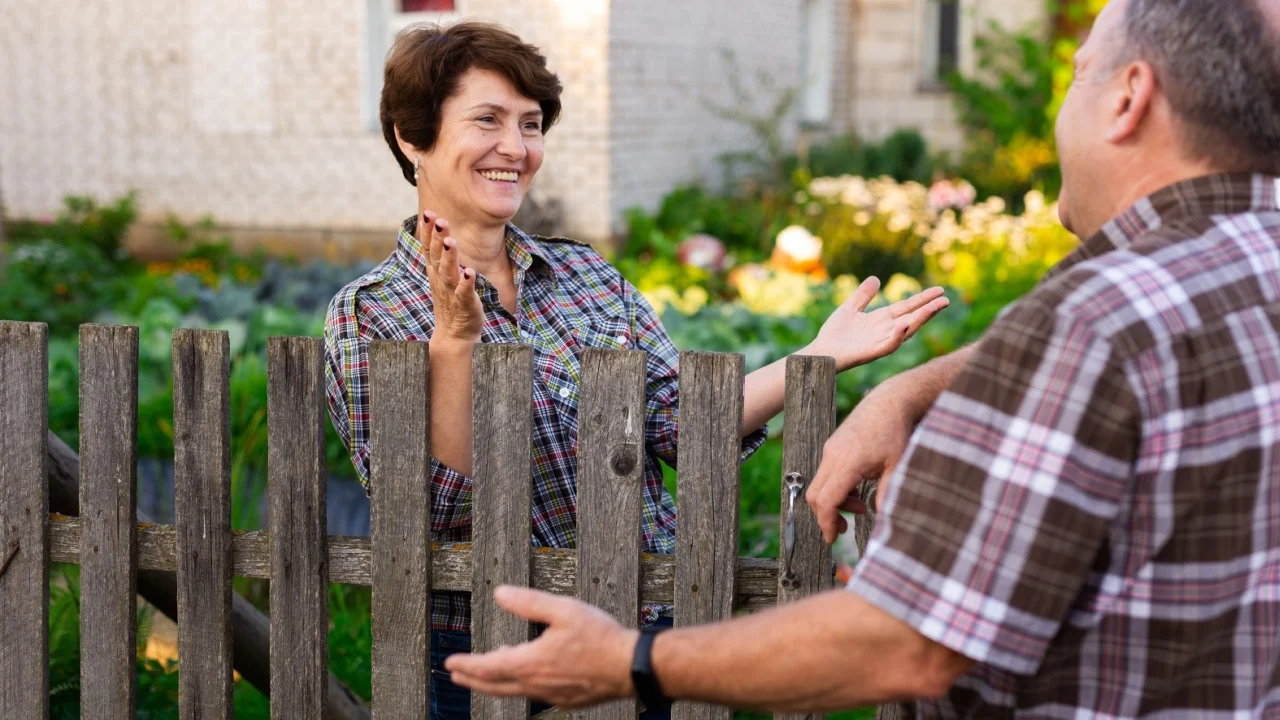
One of the most overlooked safety tools is community awareness. Friendly neighbors who recognize each other’s routines can notice unusual activity more quickly. A simple greeting, short conversation, or exchanging contact numbers can make it easier to alert each other if something unusual happens around the property. Knowing that someone nearby is familiar with your routine can add an extra layer of comfort when living alone.
The role o f“natural surveillance” means that when more people watch out for each other, crime tends to decrease. Communities where neighbors interact and communicate often experience stronger feelings of safety. That’s why neighborhoods with active social connections tend to discourage suspicious behavior because people feel more visible and accountable.
8. Keep a Phone Nearby at Night

Keeping a charged phone within reach can provide reassurance. In case of emergencies, it allows quick contact with family members, neighbors, or emergency services. It can also be useful for quickly turning on a flashlight, checking security cameras, or listening for updates if there is unusual activity nearby.
Many safety apps now include location sharing and alert features. Research on mobile safety tools shows that location-sharing systems can reduce anxiety for people traveling, walking, or even living alone because trusted contacts can check their location if needed. Some apps also include emergency alert buttons that can notify multiple contacts instantly if help is required.
9. Use a Door Security Bar or Reinforcement
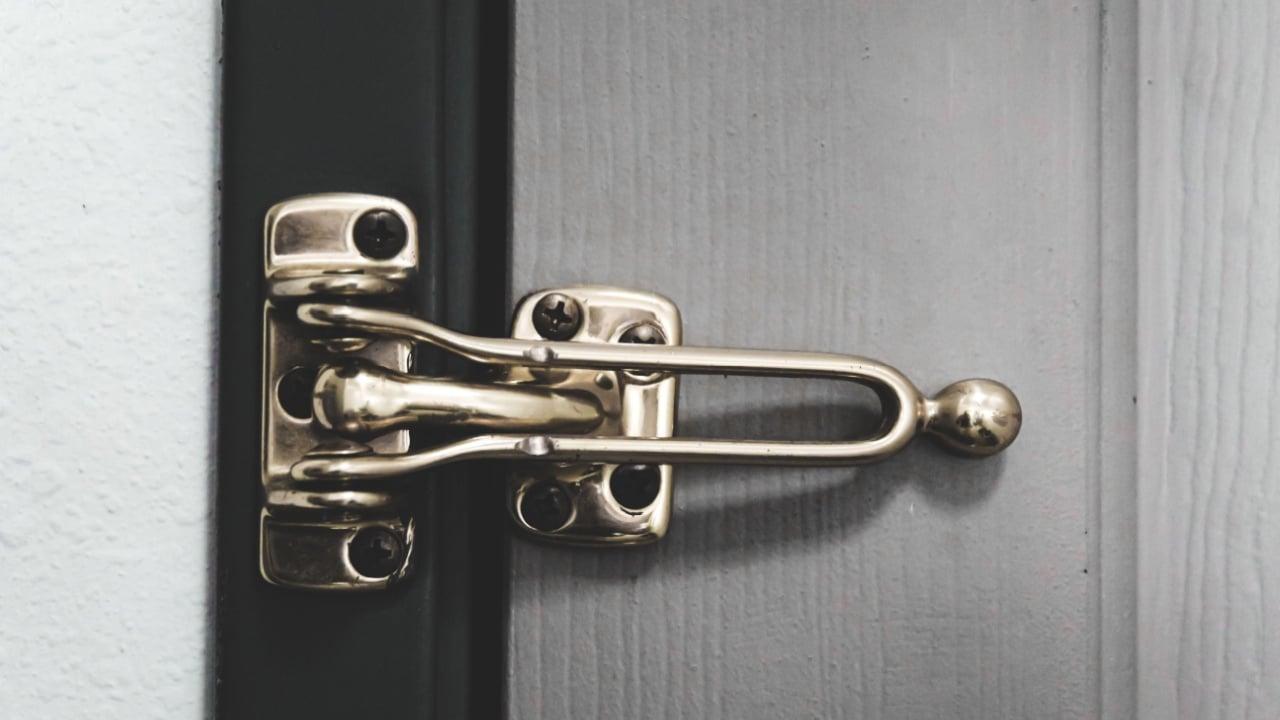
Door reinforcement tools such as security bars or portable locks can make doors significantly harder to force open. These devices add another layer of protection beyond standard locks. Many of them are simple to install and work by bracing the door against the floor or frame, creating extra resistance if someone tries to push the door open.
Even basic physical barriers can delay entry attempts long enough to discourage someone who is looking for an easy target by increasing the time and effort required to enter a home to reduce burglary risk.
10. Consider a Personal Safety Device
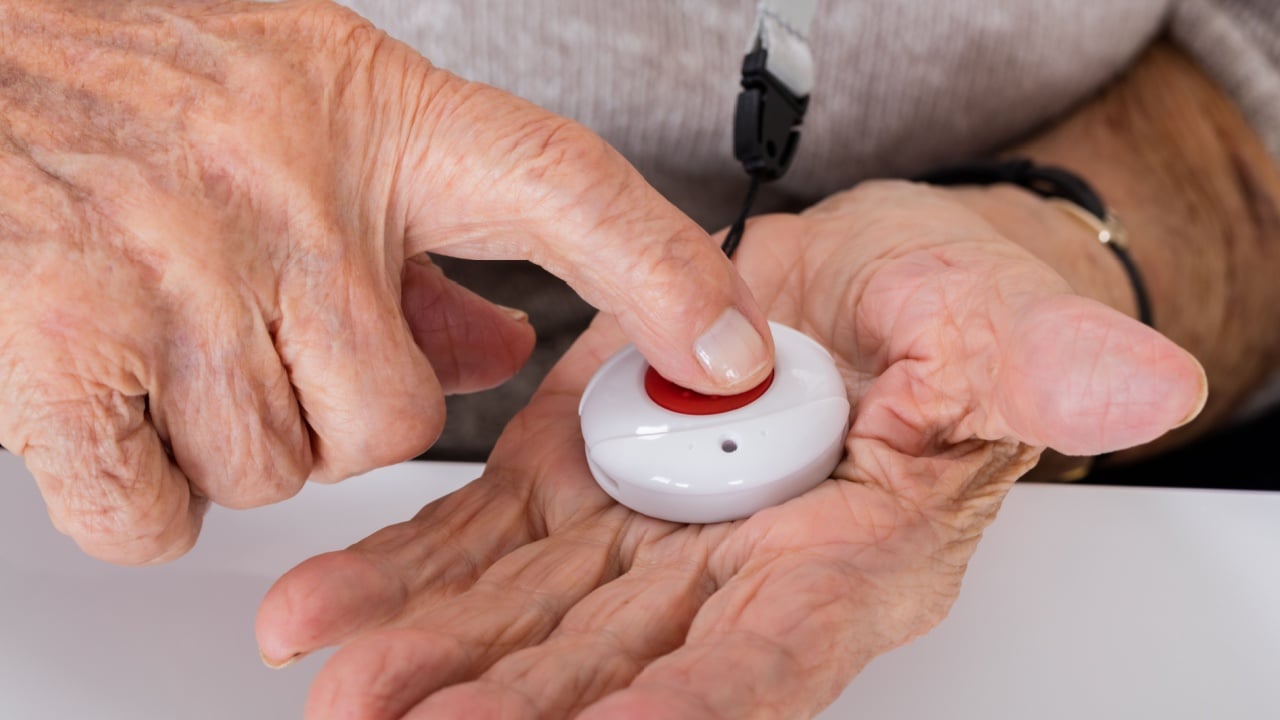
Personal alarms or emergency alert devices are small tools that produce loud sounds when activated. They can draw attention if someone feels threatened. Many of these devices are designed to be carried on a keychain or kept near a bedside table, making them easy to reach during an emergency.
These devices are lightweight, affordable, and commonly used by people walking or commuting at night. The loud noise alone can discourage suspicious behavior or alert nearby residents. Some modern safety devices also include built-in GPS or mobile alerts that can notify trusted contacts if the alarm is triggered.
11. Trust Your Instincts

Human intuition can be surprisingly effective in recognizing unusual situations. If something feels off, such as an unfamiliar person lingering near the property, it’s usually wise to pay attention. Small changes in the environment, like unexpected noises or someone behaving oddly nearby, can sometimes be early signals that something isn’t normal.
Psychologists note that our brains quickly notice patterns and subtle changes in familiar environments. Trusting those instincts can encourage proactive actions, such as turning on lights or contacting a neighbor. Paying attention to these feelings doesn’t mean assuming danger, but it can help people stay alert and respond calmly when something seems out of place.
12. Create a Safe Bedroom Setup
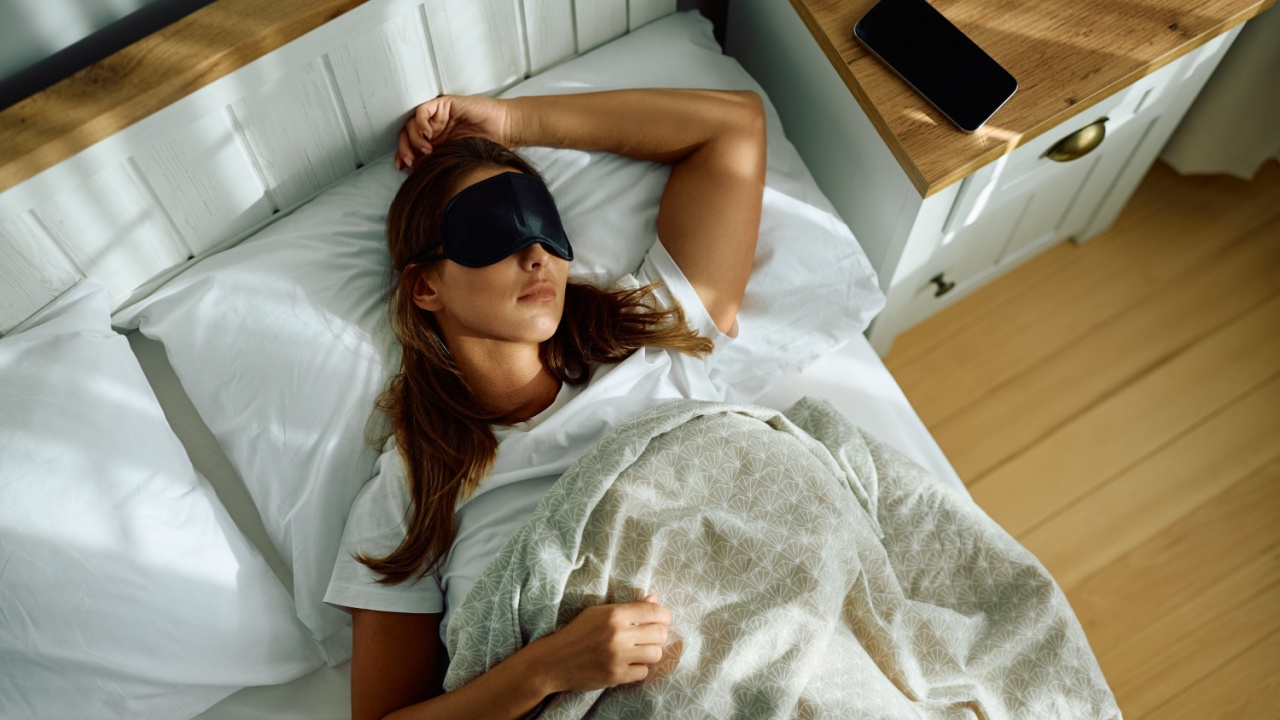
Many people feel calmer when their sleeping space includes a few simple safety tools like a phone, flashlight, or bedside lamp. These items allow quick awareness and response if something unusual happens. Some people also choose to keep a legally permitted self‑defense item (firearms, pepper spray, taser, etc.) nearby for added reassurance, though it should always be stored safely and handled responsibly.
A small flashlight can be particularly useful during power outages or nighttime disturbances. Being able to quickly illuminate a room or hallway can remove uncertainty and reduce fear. Some people keep a small lamp or motion-activated light near the bed so the room can be lit instantly if needed, helping create a sense of control and preparedness during the night.
13. Keep Entry Areas Clear and Visible

Bushes, tall plants, or clutter near entrances can create hidden spaces where someone might stand without being easily seen. Maintaining clear sight lines around doors, windows, and pathways improves visibility and allows you or neighbors to notice any unusual activity more quickly. Even simple actions like trimming shrubs, removing large planters, or keeping entryways well-lit can make a big difference in overall safety.
“Defensible space,” meaning environments designed so residents can easily observe their surroundings. Homes with clear visibility tend to feel safer and discourage suspicious activity. Additionally, well-maintained, clutter-free entry areas send a subtle message that the property is monitored and cared for, which can deter opportunistic intruders.
14. Keep Emergency Numbers Accessible

Having important numbers saved and easily accessible can make emergencies less stressful. This may include local police numbers, trusted neighbors, family members, building security, or even nearby emergency medical services. Red Cross guidance recommends keeping emergency contacts written down and saved in phones for rapid access.
Preparing these contacts in advance reduces hesitation during stressful situations. Knowing help can be reached quickly adds another layer of reassurance. Some residents also use speed-dial features or emergency apps that can alert multiple contacts at once, ensuring that help is on the way immediately if something unexpected occurs.
Turning Nighttime Into a Time of Comfort
Living alone doesn’t have to mean feeling uneasy after dark. Most of the strategies that improve nighttime safety are simple: better lighting, stronger locks, thoughtful routines, and awareness of surroundings. Paying attention to these elements can make a home feel more secure and help reduce anxiety during nighttime hours.
The next step is choosing a few of these ideas and putting them into practice. Start small: add a motion light, check door locks, or set up a simple nighttime routine. Each small improvement builds confidence and comfort. Over time, those quiet evenings at home can start to feel exactly the way they should– peaceful, safe, and entirely your own.
Read More: