The 10 Counties Ranking Lowest in America Right Now
The United States GDP per capita is one of the world’s highest, though scattered among the wealth and endeavor, there are pockets of severe living standards. We looked at various sources, such as the U.S. Census Bureau, the Bureau of Labor Statistics, and the U.S. Department of Agriculture, to learn which county in each state has the worst scores.
While it may rely on being slightly subjective, rankings have been thoroughly considered and are always open to challenge from disgruntled residents. This list is not a statement on the good people living in these spots.
Furthermore, others may argue that certain inner-city areas are worse, though this focuses mostly on economic and academic prospects, among other factors.
1. Oglala Lakota County (South Dakota)
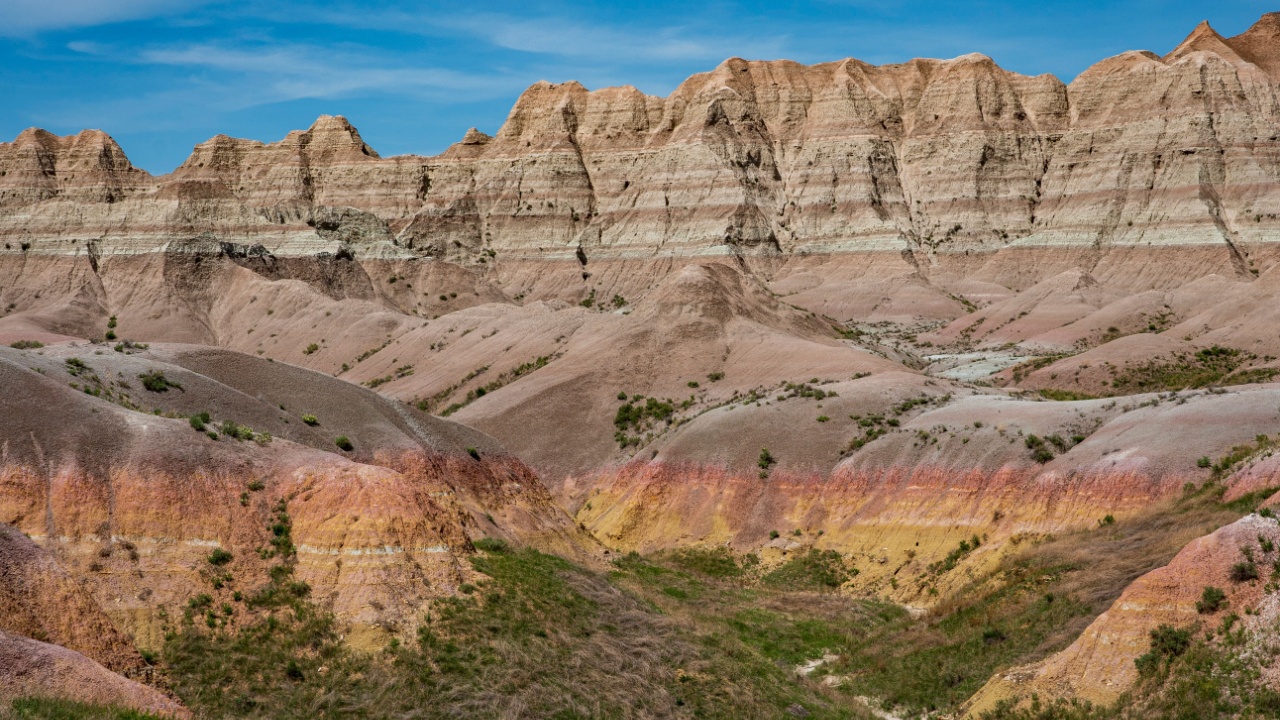
Oglala Lakota County, mostly covering the Pine Ridge Indian Reservation, has a poverty rate over 50%, which is one of the worst in the U.S. Another telling figure is that life expectancy sits well below the national average. It’s around 60.1 years, according to South Dakota Searchlight; limited health access, and chronic disease all play a role.
Lakota County Commissioner Anna Diaz explained the county’s woes to The Lakota Times. “With the current life expectancy of our Lakota being around the age of 60, it is very disheartening,” she said. Her words reflect local hopes for better health and opportunities. Yet, long histories and deep community ties still shape life here.
2. Issaquena County (Mississippi)

Issaquena County’s economy reflects its very small population, under 1,000 people, and limited job base. In this borough of West Mississippi, per-capita income sits well below state and national averages. Moreover, educational attainment is among the lowest in the country, according to Census Reporter.
Many residents feel torn between pride in their home and the need to leave for opportunity, as one local put it in a News of the States interview. “All my grandkids are going to college, said farm manager Norah Fuller. “Do we want the kids to stay? No. What are they gonna stay here for?”
3. East Carroll Parish (Louisiana)
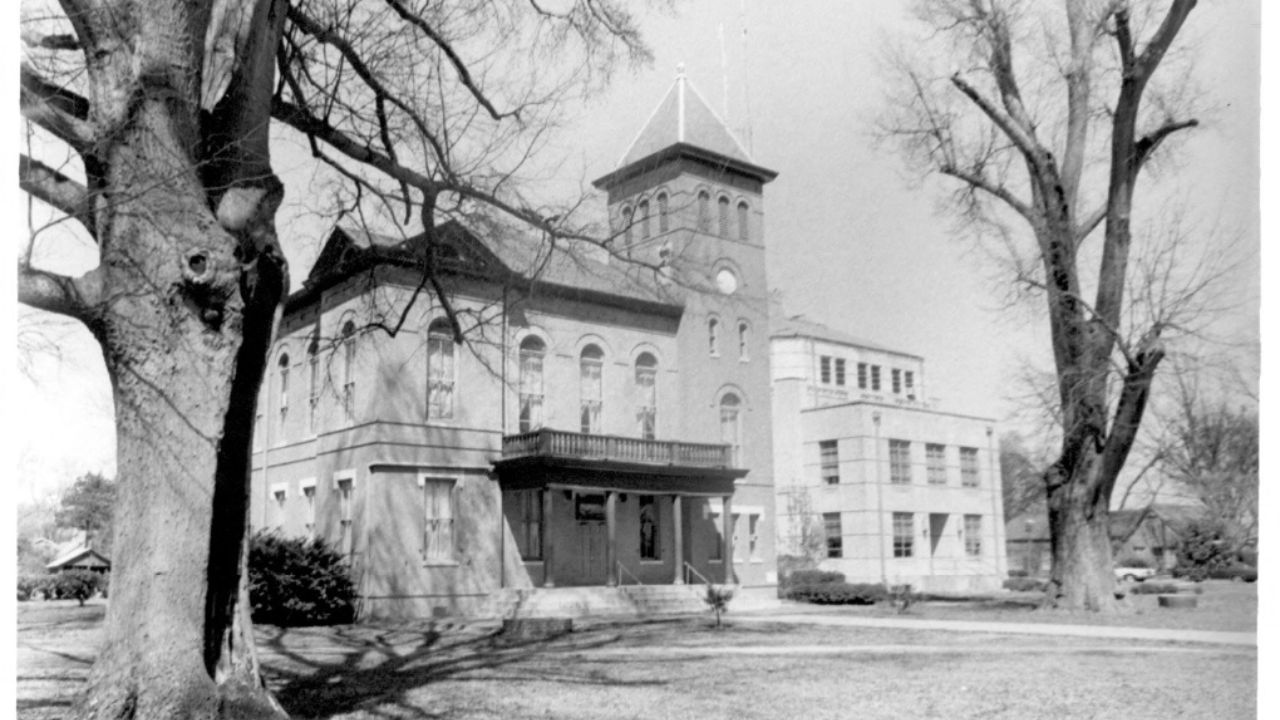
East Carroll Parish regularly posts poverty rates far above Louisiana’s state average. Rural jobs are tied to agriculture, and limited industry presence leaves residents with fewer local employment paths and income growth opportunities.
While jobs are scarce, local voices often emphasize community strength. A revealing insight came from Debra Hopkins of the East Carroll Parish Sheriff’s Office, who spoke to KNOE 8 News during a recent winter storm. “Unfortunately, not in our wildest dreams did we imagine the conditions that East Carroll has faced. It is truly unimaginable,” she said. “Thank you all for your patience during this ordeal, and we ask that whatever you can do to help your neighbor, please step up.”
4. Holmes County (South Dakota)
Holmes County in South Dakota shows poverty rates significantly above both state and national averages, while median household income falls behind that of Mississippi as a whole. Meanwhile, the jobs there remain focused on agriculture and small business, with limited industry diversification.
However, it isn’t all doom and gloom. A report from late 2025 shows the Holmes County Consolidated School District (HCCSD) celebrated an improved national ranking. The school board managed this feat “by focusing on academic achievement and readiness,” according to a Foundation for the Mid South feature. Maybe the future looks better for Holmes County.
5. Humphreys County (Mississippi)

The next selection shows the correlation between rural counties and poverty, and Humphreys County in Mississippi is no exception. Here, the U.S. Census Bureau records poverty rates at roughly $60,000, well below the state average and median income.
Furthermore, healthcare access is notably limited. At a Mississippi Public Broadcasting (MPB) town hall in 2025, local leaders spoke on these hurdles. Notably, Humphreys County Circuit Clerk Marvin Jones was candid about the rural problem. “We have people who literally have moved away only because we don’t have emergency healthcare here in Humphreys County,” he said.
6. Buffalo County (South Dakota)

Buffalo County, like other rural Plains counties, posts income and health measures that trail state averages. Median household incomes are lower, and poverty rates consistently above the national benchmark, while access to specialized healthcare remains limited due to distance.
Yet, this obscure corner of South Dakota rallies well to help its less fortunate members whenever possible. Every year, community organizations work to support families through local action agencies, emphasizing mutual support and cultural heritage as key strengths.
The Rural Office of Community Services in Wagner (ROCS) is one of four different community action programs operating there, according to local DSS information.
7. Todd County (South Dakota)
South Dakota joins the fray again, with Todd County another county in financial dire straits. If anything reflects this problem, it’s the Snap Program usage. This corner of South Dakota has the highest SNAP benefit use in the state.
What’s more, Todd County consistently shows some of the highest poverty rates in the U.S., with over 50% of residents below the poverty line. A consequence of this is a life expectancy more than a decade below the national average.
Locals sometimes speak to the press about the obstacles they face. “I’m originally from Wagner … but the problems out here are tenfold compared to the issues in that area,” local principal Randy Pirner once told Dakota News Now. Chronic absenteeism is responsible for 10% of the lost school days in this district.
8. Sioux County (North Dakota)

North Dakota’s Sioux County, covering much of the Standing Rock Sioux Reservation, records poverty rates much higher than the North Dakota average. It also has lower educational attainment levels: factors linked to health and economic outcomes, according to a 24/7 Wall St. report.
Another factor here is a lack of mobility. In 2024, resident Marie Brown told the North Dakota Monitor that transportation remains a real concern, noting she had to borrow a car to vote. “If you have a car, you can vote,” she declared. “If you don’t, you can’t.” Moments like this underscore how basic access shapes the everyday experience of Sioux County residents.
9. McDowell County (West Virginia)
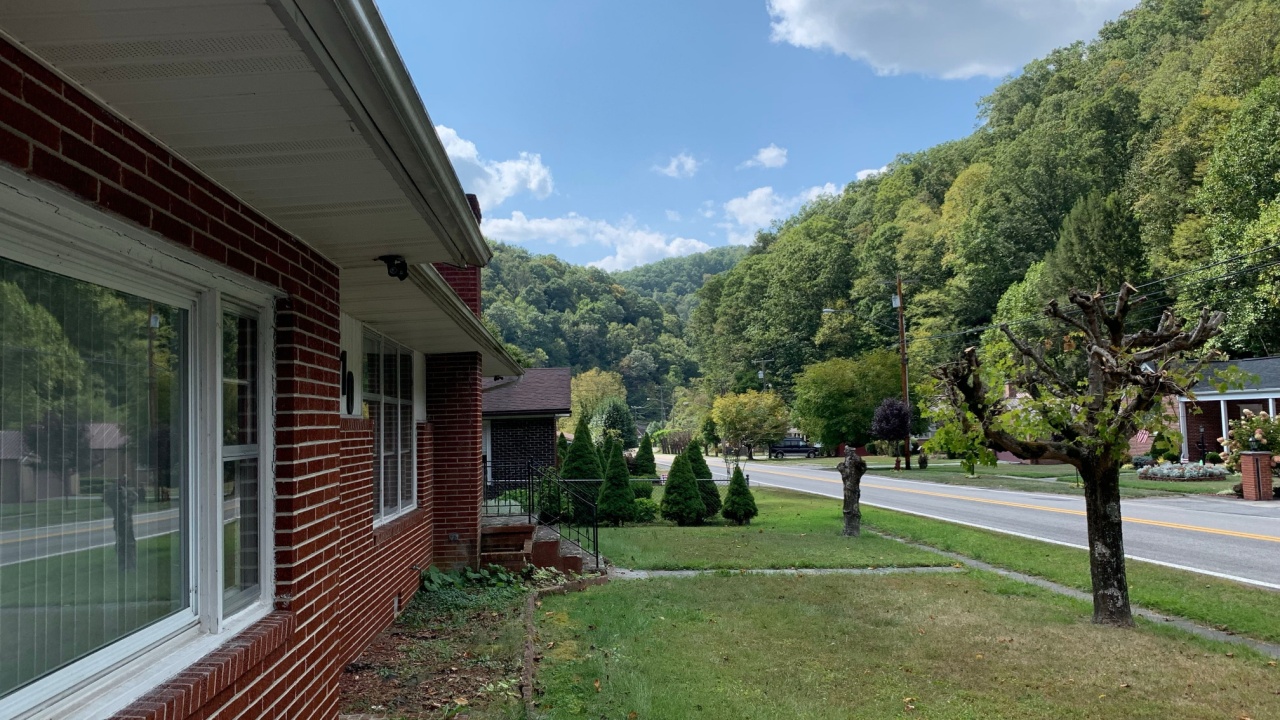
This corner of West Virginia Appalachia was once the biggest coal-producing county in the United States. If anything is an emblem of how the old Rust Belt once looked, it’s McDowell County.
McDowell County’s median household income sits well below national levels, and poverty remains high compared with the rest of West Virginia. Healthcare access gaps and a limited local industry continue to affect economic stability.
Yet, this economic decline hasn’t erased community spirit. In a 2024 interview with Mountain State Spotlight, residents and leaders discussed long-term infrastructure plans aimed at drawing tourism and leveraging projects like the Hatfield-McCoy Trails to spur growth. As one local told the publication, “We don’t have to settle for less than we deserve … we can have much better if the people in charge would do better.”
10. Cochran County (Texas)

While agriculture and oil once kept Cochran County afloat, this Texan county now posts some of the lowest bachelor’s degree attainment rates in Texas. Furthermore, the median household income falls below statewide figures. Jobs outside agriculture and energy are limited, which makes the economy lack the necessary diversity for modern success.
Still, if you listen to the local voices, you will hear pride amid the realities of rural life. Former Morton Tribune and current mayor Kim Silhan once noted in reporting about the area becoming a news desert. “We’ve gone so long without [a newspaper], I guess we’re just used to it now,” she told the Texas Observer.
This comment just reinforces how much residents rely on personal connections for news and community life in Cochran. It’s a far cry from Dallas or Houston’s gleaming towers and infrastructure.