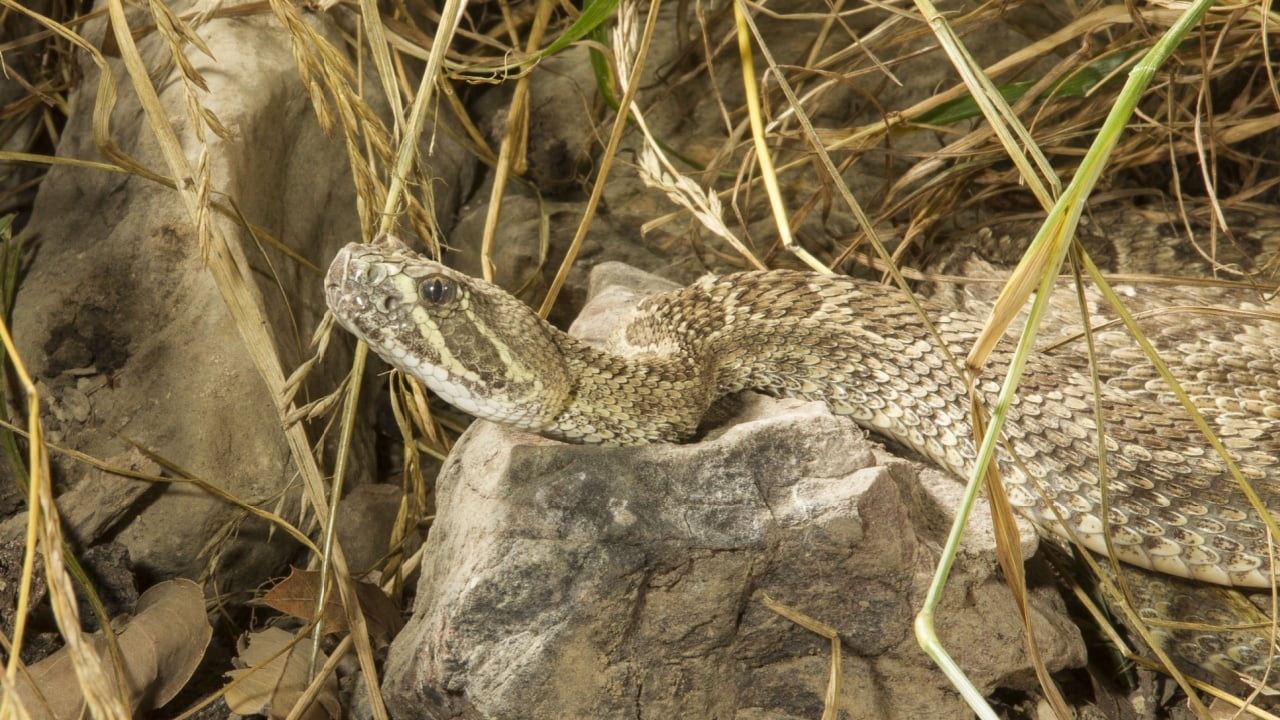
12 U.S. States with the Most Rattlesnakes—And Why They Thrive There
Rattlesnakes aren’t just sticking to the wilderness anymore. These venomous snakes have made themselves at home in forests, mountains, swamps, and even backyards all over America. Their knack for adapting has made them one of the continent’s most successful predators, popping up in places you really wouldn’t expect.
While most rattlesnakes would rather not run into people, there are so many in certain states that bumping into one is almost a given. From the huge Western diamondback to smaller but equally potent species, these snakes are pros at surviving in all sorts of environments. Knowing where they hang out (and why) can help you stay safe when you’re in their neck of the woods.
Here’s a state-by-state guide to rattlesnake hotspots across the U.S. Each spot has just the right conditions for these reptiles to thrive. We’ll get into what makes each state a rattlesnake paradise, using data and local knowledge to back it up.
1. Texas

Texas is home to more than a dozen rattlesnake species, including the impressive Western diamondback, which can grow over seven feet long (although the average is 3-5 feet). These snakes thrive in the state’s diverse terrain, from deserts to grasslands. While most sightings happen in rural areas, suburban growth has brought people closer to rattlesnake habitats. Even in cities like Austin and San Antonio, it’s not unusual to find one in a yard.
Rattlesnakes are also a big part of Texas culture. Events like rattlesnake roundups draw crowds, turning these dangerous reptiles into a spectacle. While these events spark debate, they show how common rattlesnakes are in the state. Ranchers and locals have learned to live alongside them, seeing encounters as part of life in Texas. However, the state leads the nation in snakebite incidents, reminding everyone that even familiarity comes with risks.
2. Arizona

Arizona is basically the rattlesnake capital of the U.S., wit 15 different species calling it home. The Western diamondback and Mojave rattlesnake are the ones to watch out for; the Mojave’s venom can mess with both your tissue and nervous system. These snakes love Arizona’s deserts, canyons, and rocky areas, where their camouflage makes them almost impossible to spot.
According to the Arizona Game and Fish Department, rattlesnakes are behind more than half of all venomous snakebites treated in the state each year. Most bites happen when people accidentally get too close or try to mess with them. Rattlesnakes don’t strike without a reason, but since they blend in so well, hikers often don’t notice them until it’s too late.
During the warmer months, Phoenix residents frequently call in snake removal services as these reptiles become more active. If you’re heading into Arizona’s backcountry, stay alert.
3. California

California is home to seven types of rattlesnakes, with the Southern Pacific rattlesnake being one of the most venomous. These snakes live in many places, from mountains and foothills to suburban areas. Each year, most snakebites in California are from rattlesnakes, according to the Department of Fish and Wildlife.
They are most active during warm months, often seen on sunny trails or rocky spots. Hikers often share photos of surprise encounters, showing how common they are in outdoor areas. As cities expand into wild areas, people are running into rattlesnakes more often. Whether in wine country or desert regions, staying aware and cautious is key around these snakes.
4. Nevada

Nevada’s deserts and rocky terrain are perfect for rattlesnakes, especially the Mojave rattlesnake, known for its extremely potent venom. These snakes thrive in areas with little vegetation, blending in perfectly with their surroundings. While the state’s vast emptiness reduces encounters, the danger is still real for those exploring off the beaten path.
If you’re heading into Nevada’s backcountry, be careful. Always check around rocks (where they might be sunbathing) before stepping on or over them, and watch your step while hiking. Rattlesnakes aren’t usually aggressive, but they will defend themselves if they feel threatened. With the extreme heat and remote areas, a bite can be serious since medical help might be far away. In Nevada, the desert’s beauty always comes with a warning.
5. New Mexico
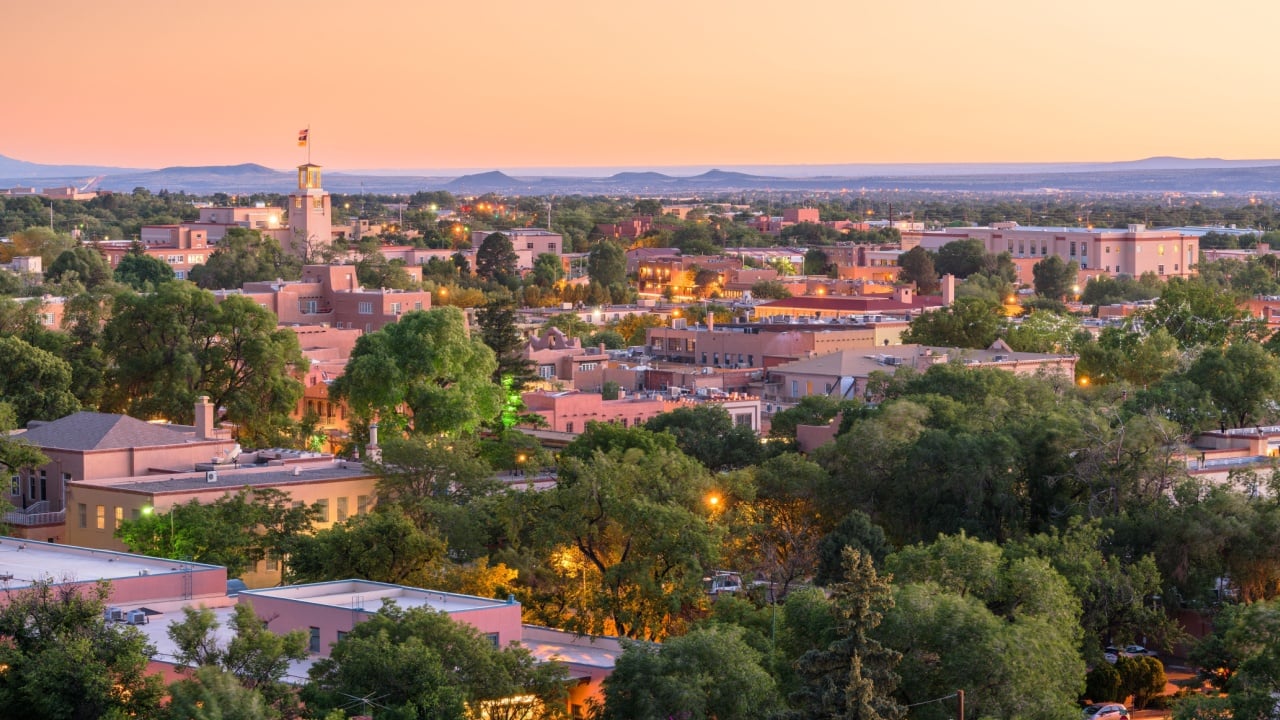
New Mexico’s varied landscapes, from deserts to canyons, are home to many rattlesnakes. The prairie rattlesnake and the Western diamondback are the most common. You might see them near homes, on trails, or even crossing roads. Researchers have found that these snakes play an important role in the environment by eating rodents, which helps stop the spread of diseases.
Because they help keep the ecosystem in balance, many locals respect rattlesnakes, even though they can be dangerous. When you’re hiking or camping in New Mexico, remember you’re in their territory. Watching where you step isn’t just a suggestion; it’s necessary for staying safe in the backcountry.
6. Florida

Florida might be famous for its gators, but its rattlesnakes are just as impressive. The state is home to the Eastern diamondback, the largest rattlesnake in the world, along with timber and pygmy rattlesnakes. These snakes thrive in swamps, pine forests, and even suburban areas where nature meets development. Thanks to Florida’s warm, humid climate, they’re active year-round, so you could run into one in any season.
Eastern diamondbacks are no joke. They can grow up to eight feet long and pack venom that’s definitely dangerous. They usually try to avoid humans, but with so many living near populated areas, close encounters happen all the time. It’s not uncommon for Floridians to find them in their yards, garages, or even under porches. Wildlife removal pros stay busy all year, dealing with these unexpected visitors. Florida’s nature is beautiful, but it definitely comes with its fair share of rattles and hisses!
7. Colorado

Colorado‘s got it all: mountains, foothills, and grasslands, which just so happens to be perfect for rattlesnakes. You’ll mostly run into the prairie rattlesnake, especially on hiking trails and other spots where people love to get outdoors. Their venom isn’t as nasty as some of the snakes down south, but a bite will still land you in the hospital. According to Colorado Parks and Wildlife, dozens of people end up in the ER every year from rattlesnake bites, mostly during the summer.
Since run-ins are pretty common, seasoned hikers often carry snakebite kits and know what to do if the worst happens. These snakes are masters of disguise, blending in with rocks and dry grass, so you might not see one until you’re way too close for comfort. That’s what makes them so risky on busy trails. If you’re out exploring Colorado’s wild side, keep your eyes peeled, especially when climbing over rocks or walking through tall grass. Out here, beauty and danger go hand in hand.
8. Oklahoma

Oklahoma’s mix of prairies, woodlands, and grasslands makes it the perfect home for rattlesnakes. Timber and prairie rattlesnakes are the most common, and they’re pros at blending into their surroundings. Around here, being outdoors usually means keeping an eye out for snakes; it’s just part of life. They’re most active in the warmer months of spring and summer, especially during breeding season.
The state even celebrates its rattlesnake population with annual festivals and roundups that bring in tourists from all over. These events are a bit controversial; some people see rattlesnakes as dangerous pests, while others view them as important predators that keep rodent numbers down. It’s a mix of fear and appreciation, showing how deeply rattlesnakes are tied to Oklahoma’s identity.
9. Utah

Utah’s epic red rock canyons and high deserts are stunning, but they’re also prime rattlesnake territory. The Great Basin rattlesnake is the most common one you’ll find, usually just chilling on a warm sandstone rock. Their coloring is a perfect match for Utah’s famous rock formations, so you might not even see them until they move. If you’re visiting Zion, Arches, or Canyonlands, you’re right in their neighborhood.
Park rangers are always telling visitors to stick to the trails and be careful if they decide to go climbing or exploring off the beaten path. Even though they look pretty scary, these snakes are actually super important for the ecosystem because they keep rodent populations in check. That means they help stop the spread of nasty stuff like plague and hantavirus that rodents carry. So, if you’re out hiking or climbing, just give them their space and don’t try to mess with them. In Utah’s wilderness, you’ve got to watch where you step.
10. Georgia
Georgia’s got three types of rattlesnakes hanging out in its pine forests, wetlands, and coastal plains, and that includes the intimidating Eastern diamondback. These guys are masters of camouflage, hiding in tall grass or woods, so you might not see them until you’re way too close for comfort. If you’re out hunting in the fields or hiking on trails, you’re most likely to run into one.
Even though they have a scary rep, Georgia’s rattlesnakes (like all of them) would rather not deal with humans. Wildlife experts recommend wearing sturdy boots and just keeping an eye out in snake-heavy areas. While people are getting smarter about snakes, you still see them around, so you always need to be aware. Enjoying nature in Georgia means remembering that some of the locals have a bit of a bite.
11. South Carolina
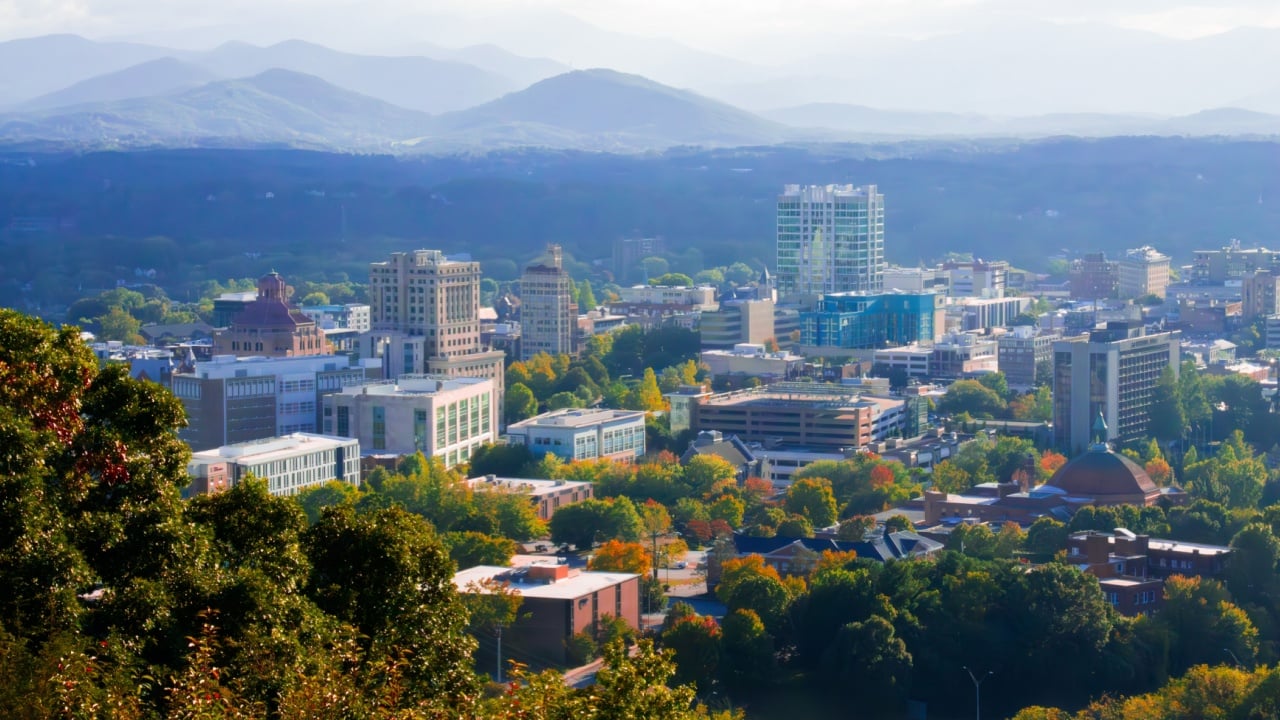
With its warm weather and varied landscapes, South Carolina is prime real estate for rattlesnakes. You’ll mostly find timber and Eastern diamondback rattlesnakes hanging out in coastal plains, forests, and wetlands. Since the state is a hotspot for outdoor fun, people and snakes cross paths fairly often, especially when it’s warm. Locals know that you’ve got to keep your eyes peeled when you’re outside.
Rattlesnakes would rather not get into a fight; they’ll usually just sneak away if they can. Still, they add a little bit of danger to hiking, camping, and hunting trips. Thanks to awareness campaigns, people are getting better at knowing what to do if they see one, which has led to fewer bites even though the snake numbers haven’t dropped. For locals, sharing their beautiful state with rattlesnakes is just part of the deal.
12. Missouri
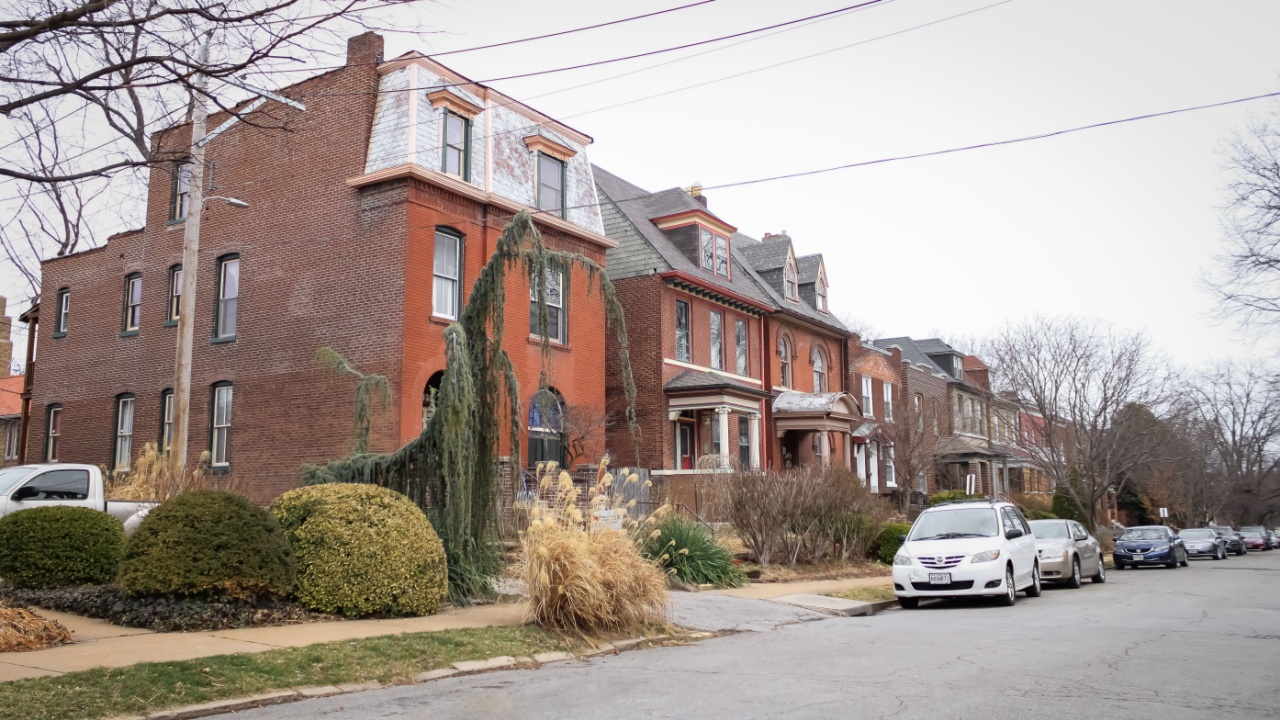
Missouri is home to timber rattlesnakes, often found on wooded hillsides, rocky bluffs, and around forested river valleys. These snakes are pretty shy and try to avoid humans, but their venom can make accidental encounters serious. With all the hiking, camping, and hunting in Missouri, running into one isn’t uncommon.
Even in popular state parks, it’s a good idea to stay alert and watch your step. Most locals who spend time outdoors know the drill, spot the warning signs, and give snakes plenty of space. While they can be dangerous, timber rattlesnakes are super important for keeping ecosystems balanced by controlling small mammal populations.
Thriving in Every Corner of America
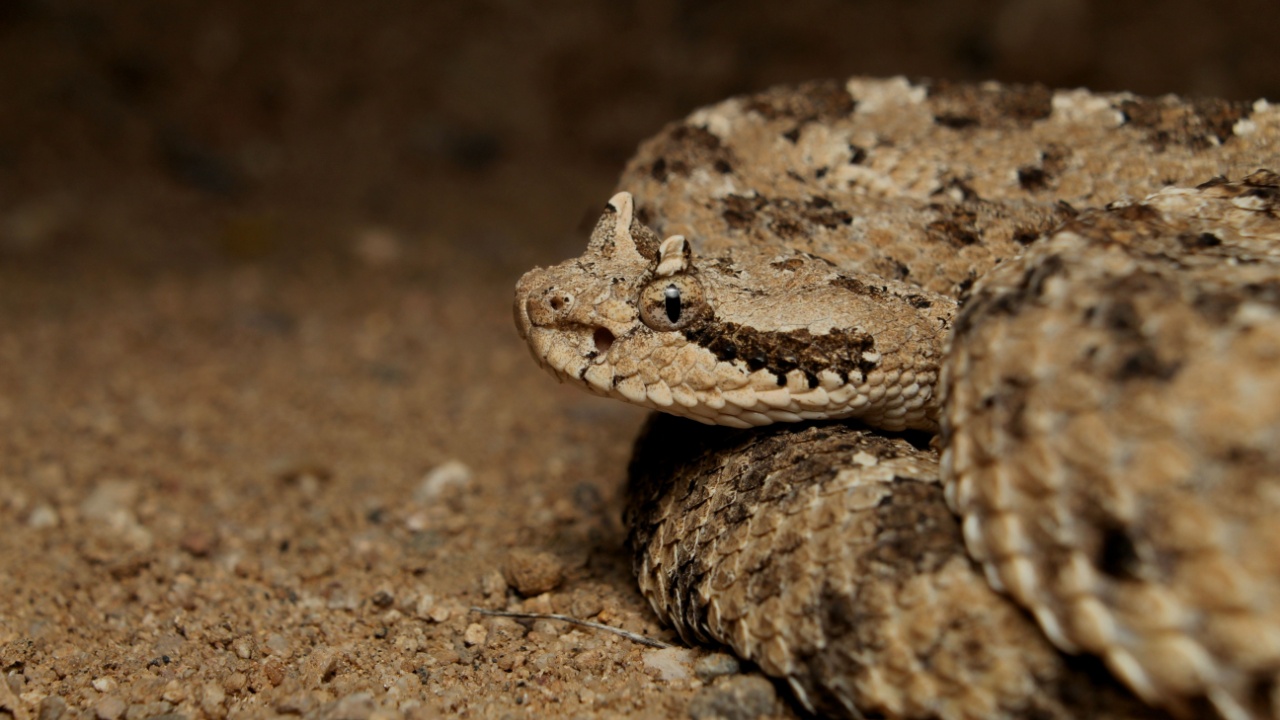
Rattlesnakes are incredibly adaptable. They can live in all sorts of places, from hot deserts to humid swamps, and have learned to survive in some of America’s toughest spots.
Knowing where they live and why they do well there can help keep you safe when you’re outside. The best way to live alongside these snakes is to be respectful, aware, and informed. Whether you’re hiking in the mountains or walking on the coast, knowing what to watch for can turn a dangerous situation into a great outdoor adventure.