
15 Everyday Tech Habits That Were Impossible in the 1960s
It’s hard to imagine life before the constant hum of technology. Picture this: you need information, but instead of pulling a device from your pocket, you have to physically go to a library or flip through a book the size of a baby elephant. If you wanted to watch a specific movie, you had to wait for it to appear on television or at a local theater. These scenarios feel almost like fiction now, but they were the reality for generations before us.
Several decades ago, life moved at a different pace, dictated by physical limitations we rarely consider today. Communication, entertainment, and even simple daily tasks required more planning and effort. The world felt simultaneously larger because it took longer to connect across distances, and smaller because your immediate community was your primary source for everything.
Take a peek at 15 everyday activities that have been completely transformed by technology. These are the things we do without a second thought, from how we shop for food to how we find our way around town.
1. Order Groceries Without Leaving the Couch

The weekly grocery run used to be a non-negotiable errand. It involved making a list, driving to the store, navigating crowded aisles, and waiting in line. If you forgot an item, you either did without or made another trip. The entire process could easily consume a significant chunk of your weekend.
Grocery shopping has evolved; today, you can browse virtual aisles from your living room, fill a digital cart, and have everything delivered to your doorstep within hours. This frees up valuable time for other activities, helps with meal planning, and reduces impulse buys. The convenience of seeing your total before checkout and easily finding specific items has changed how we manage our kitchens and our schedules.
2. Control Live Television

If you missed the beginning of your favorite show in the 60s, that was it. You just missed it. There were no options to pause for a bathroom break or rewind to catch a line of dialogue you didn’t hear. Television was a one-way street; you watched what was broadcast when it was broadcast.
Digital video recorders (DVRs) and streaming services have given us complete control over live programming. You can pause a live sports game, rewind a dramatic scene, and fast-forward through commercials. This shift has fundamentally altered our viewing habits, allowing television to fit into our lives instead of the other way around.
3. Track Your Health From Your Wrist

Keeping track of your health once meant manual logs and regular trips to the doctor for basic measurements. Monitoring your heart rate or counting your steps requires dedicated equipment and a conscious effort. It was a reactive process, often done only when a problem was suspected.
Smartwatches and fitness trackers now provide a constant stream of health data. They monitor heart rate, track sleep patterns, count steps, and even remind you to stand up and move. This constant access to personal metrics allows for a more proactive approach to wellness, empowering individuals to make informed decisions about their daily health.
4. Attend Class Anywhere

Higher education and learning new skills were traditionally confined to physical classrooms. Your access to knowledge was limited by your geographic location and your ability to attend classes at fixed times. Learning was a destination, not something that could be integrated into a busy schedule.
Online learning platforms have democratized education. You can now earn a degree from a university across the country, learn a new language on your lunch break, or take a coding class from an expert on another continent. This flexibility has opened up educational opportunities for people of all ages and circumstances.
5. Stream Movies and Shows Instantly
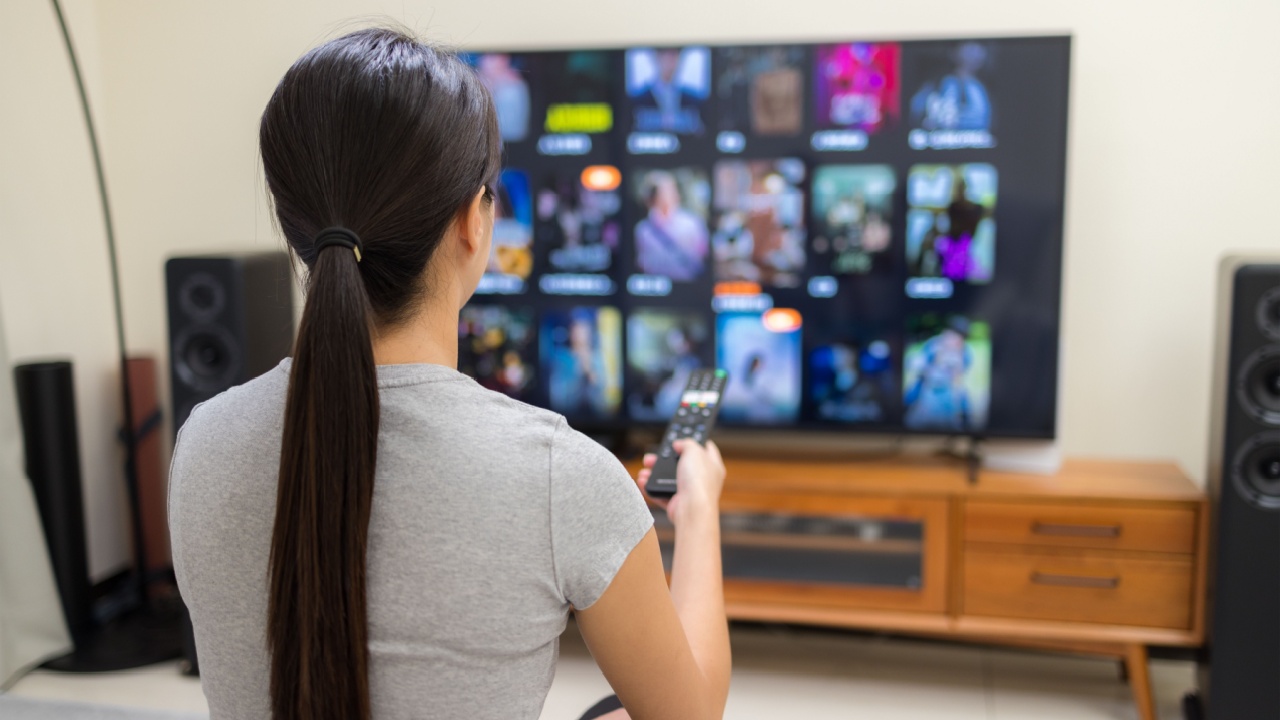
Movie night used to require a trip to the video rental store, where you hoped the new release you wanted was still in stock. Your selection was limited to what that one store carried. Before that, you were at the mercy of whatever the handful of television channels decided to air.
Streaming services give us access to vast libraries of films and television shows on demand. With a few clicks, you can watch almost any title imaginable, from classic films to brand-new series. This instant access has changed the entertainment industry and how we consume media.
6. Navigate Anywhere With GPS
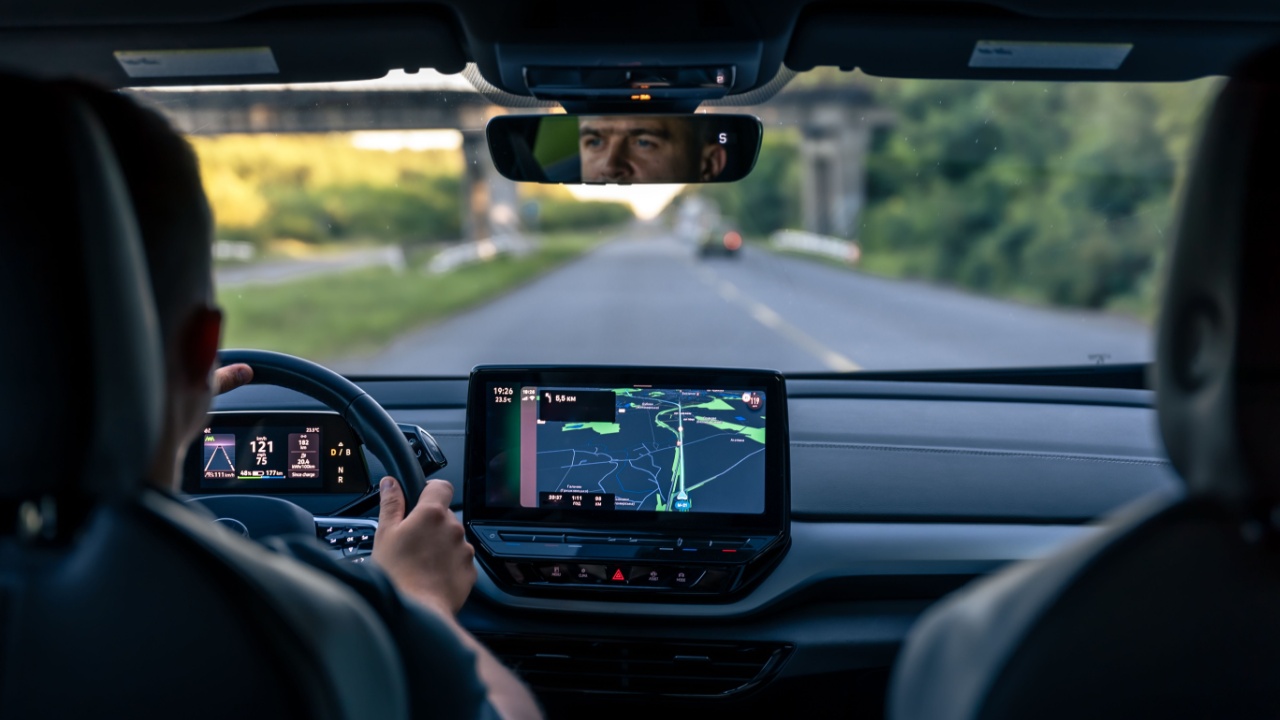
Finding your way to a new destination involved unfolding a large, cumbersome paper map. You might have to pull over to the side of the road to find your location, or ask a gas station attendant for directions. Getting lost was a common and often frustrating experience.
Global Positioning System (GPS) technology provides turn-by-turn directions right from our phones or car dashboards. It can reroute you around traffic, estimate your arrival time, and find nearby points of interest. This technology has made exploring new places less intimidating and daily commutes more efficient.
7. Post Your Life Online

Sharing vacation photos meant waiting for film to be developed, then passing around a physical photo album at the next family gathering. Sharing opinions on a wider scale was mostly limited to writing a letter to the editor of a newspaper. Personal broadcasting was not a concept that existed.
Social media platforms allow us to share moments, thoughts, and creations with a global audience in an instant. A photo taken on a hike can be seen by friends and family across the world seconds later. This has redefined social connection and how we document our lives.
8. Talk Face-to-Face Over Video Calls

Long-distance communication was done through letters or expensive phone calls. You could hear a loved one’s voice, but seeing their face was reserved for in-person visits. This made maintaining close relationships across distances a significant challenge.
Video calling has made face-to-face conversations possible from anywhere with an internet connection. Grandparents can watch their grandchildren open birthday presents from hundreds of miles away, and teams can collaborate on projects from different continents. It has added a visual, personal layer to digital communication.
9. Carry a Computer in Your Pocket

In the 1960s, computers were massive machines that filled entire rooms and were only accessible to a few specialists. The idea that an average person would own a computer, let alone carry one with them, was pure fantasy. Their function was limited to complex calculations for large institutions.
The smartphone is a powerful computer that fits in the palm of your hand. It functions as a communication device, camera, navigation tool, entertainment center, and portal to all the world’s information. This accessibility has integrated computing power into nearly every aspect of modern life.
10. Pay Seamlessly Without Cash

Paying for goods and services required cash or a check. You had to make sure you had enough money in your wallet before leaving the house, and transactions could be slow. Splitting a bill with friends involved complicated math and a pile of small bills.
Digital payment methods allow us to pay with a tap of a card or a phone. You can send money to a friend instantly through an app, purchase items online with saved information, and move through checkout lines quickly. These methods have made transactions faster, more convenient, and more secure.
11. Date Through an App

Meeting a potential romantic partner typically happened through mutual friends, at a bar, or through community activities like church or clubs. The pool of potential partners was limited to your social and geographical circles. In traditional dating and courtship, especially in the United States and Europe during the 19th and much of the 20th century, young people were often chaperoned by parents, older siblings, or another trusted adult.
Dating apps have expanded the possibilities for meeting new people exponentially. You can connect with individuals outside your immediate social network based on shared interests and preferences. This has fundamentally changed the landscape of dating and relationships for many.
12. Work Remotely

The concept of “work” was inextricably linked to a physical office. The daily commute was a standard part of the professional routine, and collaboration happened in person, in meeting rooms. Your job opportunities were often limited by how far you were willing to drive each day.
High-speed internet and collaborative software have made remote work a viable option for many professions. People can now perform their jobs effectively from home, reducing commute times and offering greater lifestyle flexibility. This has prompted a major shift in how companies think about productivity and office space.
13. Take Hundreds of Photos in Seconds

Photography was a deliberate and sometimes expensive hobby. A roll of film might only have 24 or 36 exposures, so each shot had to be considered carefully. You wouldn’t know if you got a good picture until after the film was developed, which could be days later.
Digital cameras on our phones allow us to take a nearly unlimited number of photos at no extra cost. We can see the results instantly, delete the ones we don’t like, and take dozens of shots to capture the perfect moment. This has made photography a casual, everyday part of life.
14. Look Up Answers in Seconds

If a question arose in conversation, finding the answer could be a project. It might involve looking through an encyclopedia, going to the library, or asking someone who might know. Many questions simply went unanswered.
Search engines give us the ability to find the answer to almost any question in moments. From settling a debate with a friend to learning how to fix a leaky faucet, a wealth of information is always at our fingertips. This immediate access to knowledge has changed how we learn, solve problems, and interact with the world.
15. Casually Watch a Rocket Launch In Real Time

Back in the 60s, watching a rocket launch was a rare communal event. The first rocket, the V-2, launched in 1944, but NASA’s Saturn V first thundered skyward in 1967. Families would crowd around grainy televisions or, if you lived near a launch site, maybe gather on the beach with binoculars. The rest of the world got the highlights hours or even days later.
Accessing live coverage from the comfort of your own couch simply wasn’t possible; catching a glimpse of a space mission in real time took effort, timing, and a bit of luck. Now, spotting a rocket shoot skyward is about as easy as checking your email. Space launches are streamed live, often in high definition, on platforms like YouTube and social media. You can watch multiple camera angles, listen to expert commentary, and participate in global chats while sipping your morning coffee.
Appreciating How Far We’ve Come

Reflecting on these changes does more than just highlight technological progress. It offers a new appreciation for the tools we use daily. The simple act of checking the weather on your phone or sending a quick text message is built on decades of innovation that have completely reshaped human experience. These conveniences have woven themselves so seamlessly into our lives that we often forget they haven’t always been there.