7 Of The Worst Trees to Avoid Planting in Your Yard
A well-chosen tree adds structure, shade, and long-term beauty to a yard.
However, not every tree is suitable for a residential landscape. Some grow too large for their space, others create constant maintenance, and a few can even damage foundations and plumbing.
As a master gardener, I can tell you that knowing which trees to avoid is just as important as knowing what to plant. The following seven trees should probably be skipped – or at least heavily reconsidered – before adding them to your residential landscape.
1. Bradford Pear
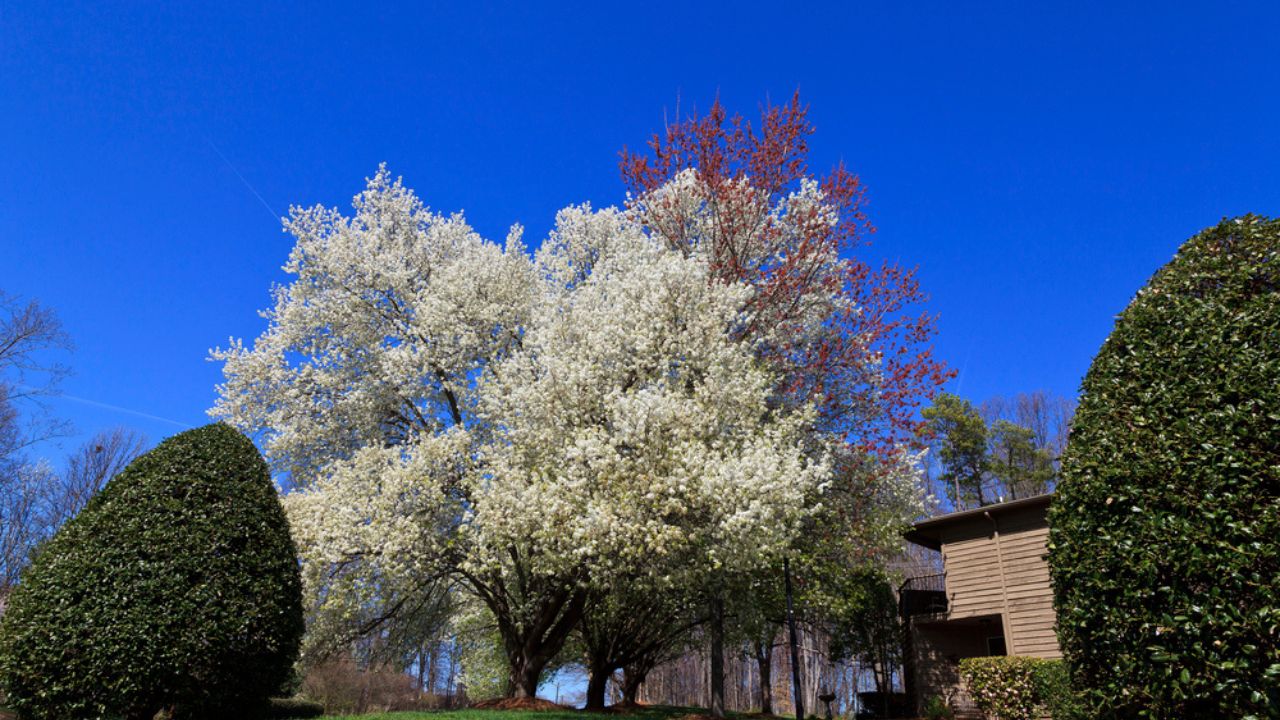
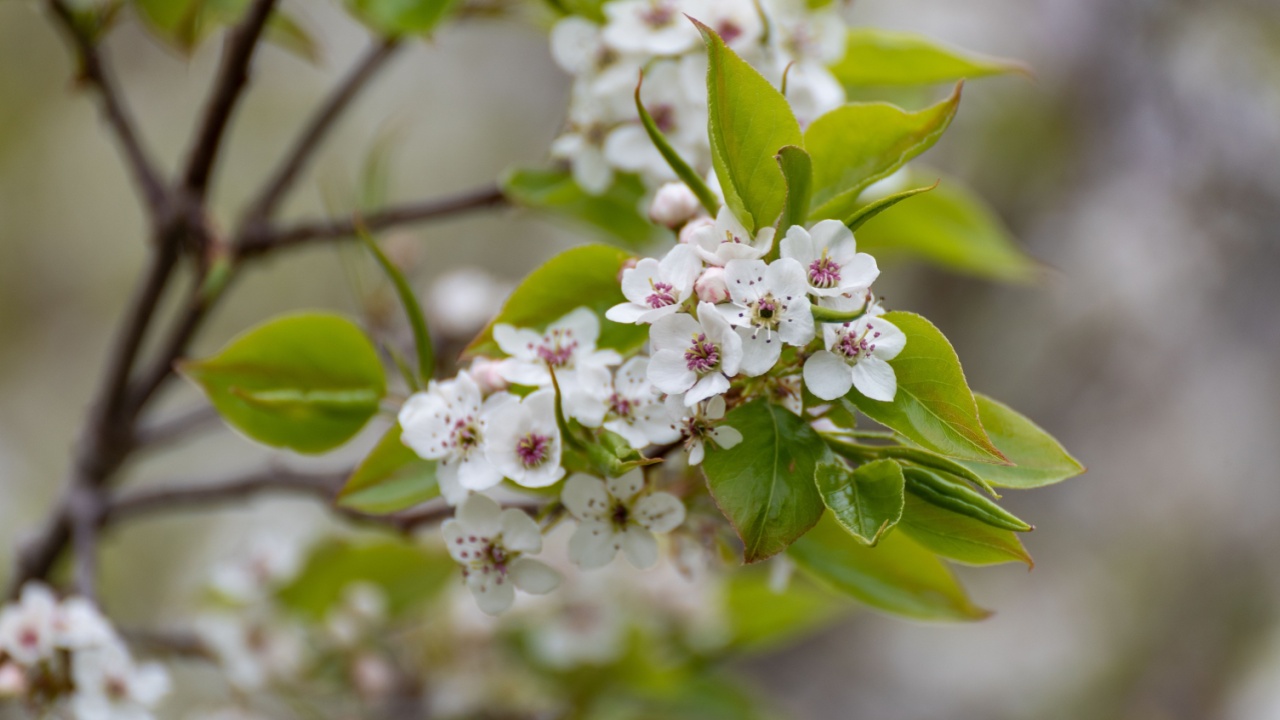
At first glance, planting a Bradford pear in your yard seems like the perfect idea. It bursts into beautiful, white blooms in spring and grows quickly, offering fast shade.
The problem with Bradford pears is that their branch structure is notoriously weak. Even moderate wind or ice can cause a tree to split apart. Many homeowners discover this after finding a storm that has scattered broken limbs across their lawn.
Bradford pears are also considered invasive in many regions across North America, according to Penn State Extension. Native to Asia, these trees were originally sterile, but eventually found a way to cross-pollinate with non-sterile Callery pears. Birds spread the seeds, and the trees form dense thickets that crowd out native plants.
Finally, they stink. People report that the blooms of the Bradford pear, while beautiful, smell like rotting meat. That should be enough to turn you away!
2. Silver Maple

Silver maple is another frequent regret. It’s typically planted because it grows rapidly, providing quick shade and tolerating a wide range of growing conditions.
But that rapid growth comes at a cost. Silver maples develop brittle wood and shallow, aggressive roots. Those roots can heave sidewalks, crack driveways, and invade sewer lines. They also grow close to the surface, making mowing frustrating and lawn care difficult. They often sustain significant damage during storms due to their weak structure, which can be especially problematic if planted near a home.
Silver maples are also characteristically known for their heavy leaf drop in the fall and helicopter seeds every spring, according to the Nebraska Forest Service. This behavior can result in more maintenance than some homeowners prefer.
3. Weeping Willow
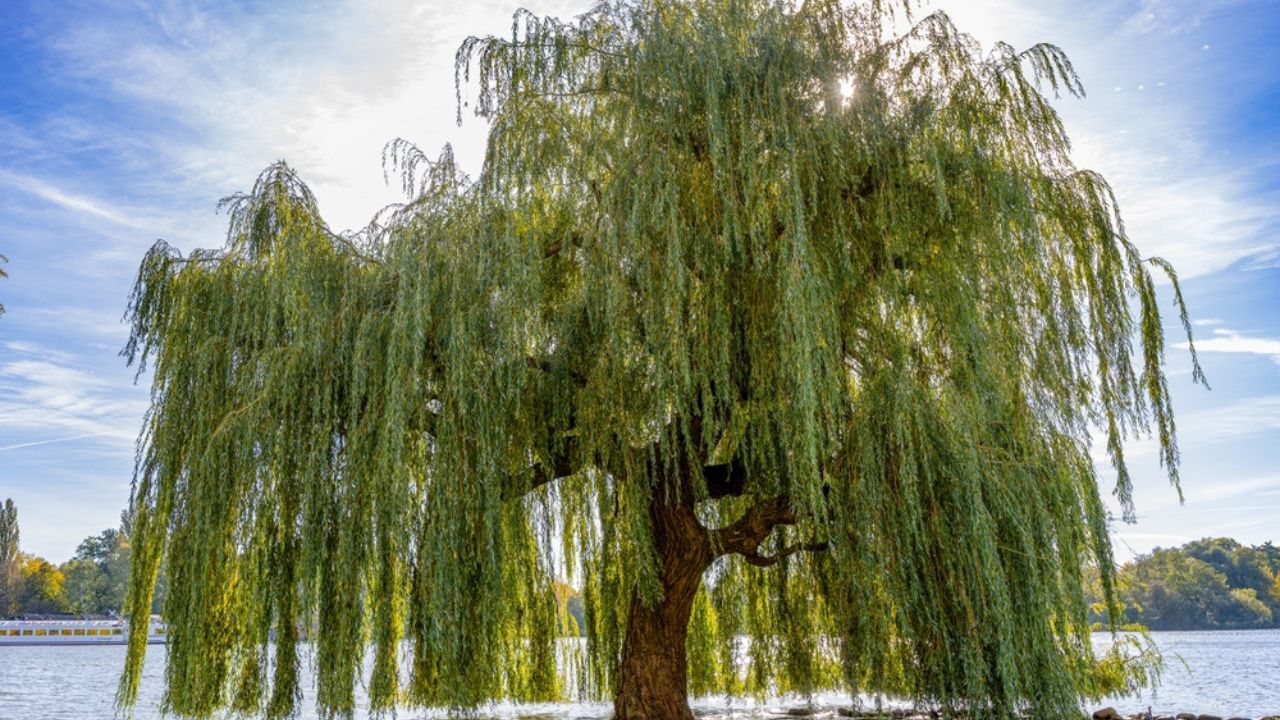
Weeping willows are an undeniably beautiful tree, especially placed near water. However, in a standard suburban yard, weeping willows can be a disaster.
Willows are “thirsty” trees, known for their aggressive, water-seeking roots. Willow roots will frequently invade sewer lines and septic systems in suburban landscapes, wreaking endless, expensive havoc on plumbing systems. In their endless search for moisture, willow roots will travel long distances and may also crack pavement or undermine foundations.
As willows grow older, they tend to become large and brittle with age, dropping heavy branches without warning. This can pose a danger to children or pets who frequent the area or threaten the integrity of a nearby structure.
The University of Minnesota cautions against using weeping willows as residential trees.
If you’re set on a weeping willow for your property, make sure to plant these gorgeous trees away from structures. They are best suited to large properties planted near water bodies, which can help to mitigate roots from traveling long distances in search of moisture.
4. Tree of Heaven
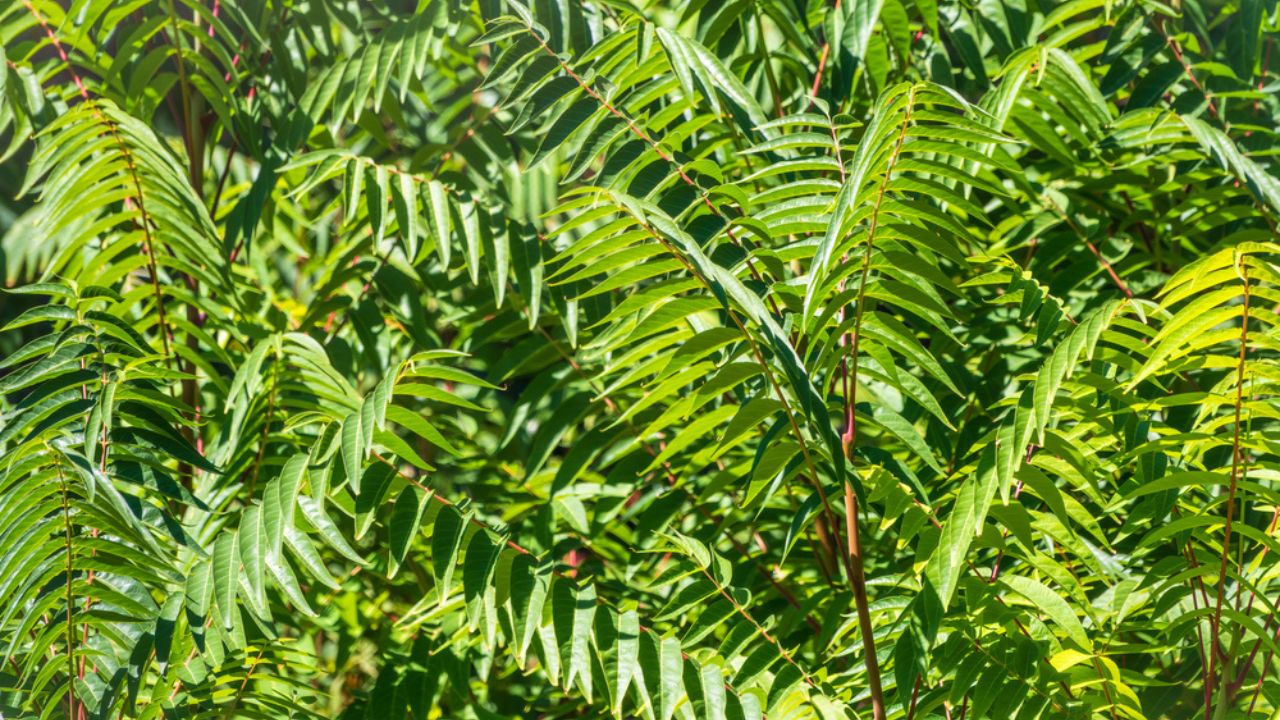
Despite its appealing name, the tree of heaven is widely considered one of the most problematic landscape trees. A deciduous tree native to China, the tree of heaven is considered widely invasive in North America, according to The Nature Conservancy.
The tree of heaven grows rapidly and spreads aggressively through both seeds and root suckers. Even if you cut it down, it often resprouts from underground roots, making it incredibly difficult to eradicate. Its root system can damage pavement, foundations, and utility lines. As a result, “the tree of heaven crowds out native species and secretes a chemical into the soil that is toxic to surrounding plants,” writes The Nature Conservancy.
To make matters worse, the tree of heaven will attract harmful pests such as the spotted lanternflies, an invasive insect pest native to China, in some regions of the United States.
5. Mulberry (Especially White Mulberry)
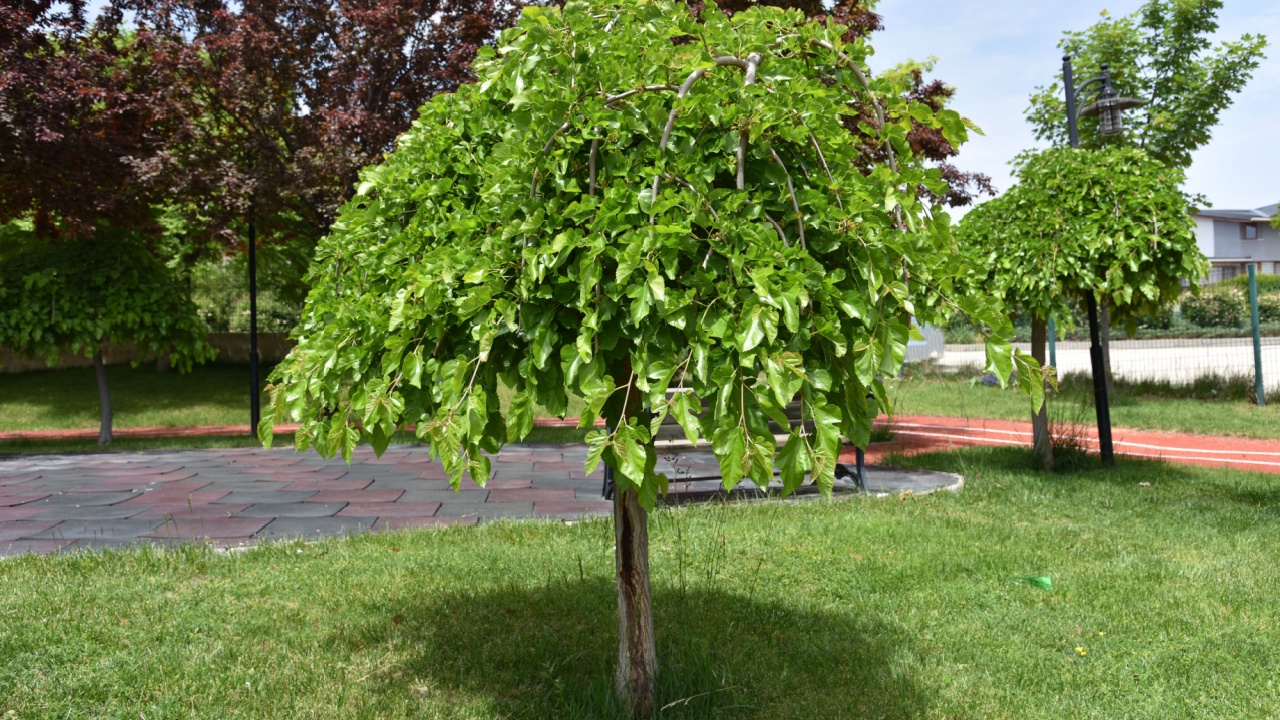
Mulberry trees are incredibly messy. Native to China, mulberries were once incredibly popular in the United States due to their reputation as the “King of the Tree Crops” but have since fallen out of favor.
Although edible for human consumption, mulberry fruit stains driveways, patios, decks, and cars. Birds feast on the berries and leave droppings everywhere. Seedlings pop up throughout the yard, creating extra weeding work.
Even “fruitless” Mulberry varieties can cause problems with pollen production and aggressive roots that search for water near foundations and underground pipes.
However, these trees will grow successfully in a variety of adverse soil conditions, provide erosion control, and are even salt-tolerant, according to Cornell University. So if you do decide to plant a mulberry tree, just beware the mess.
6. Ash (White, Green, and Black Ash)
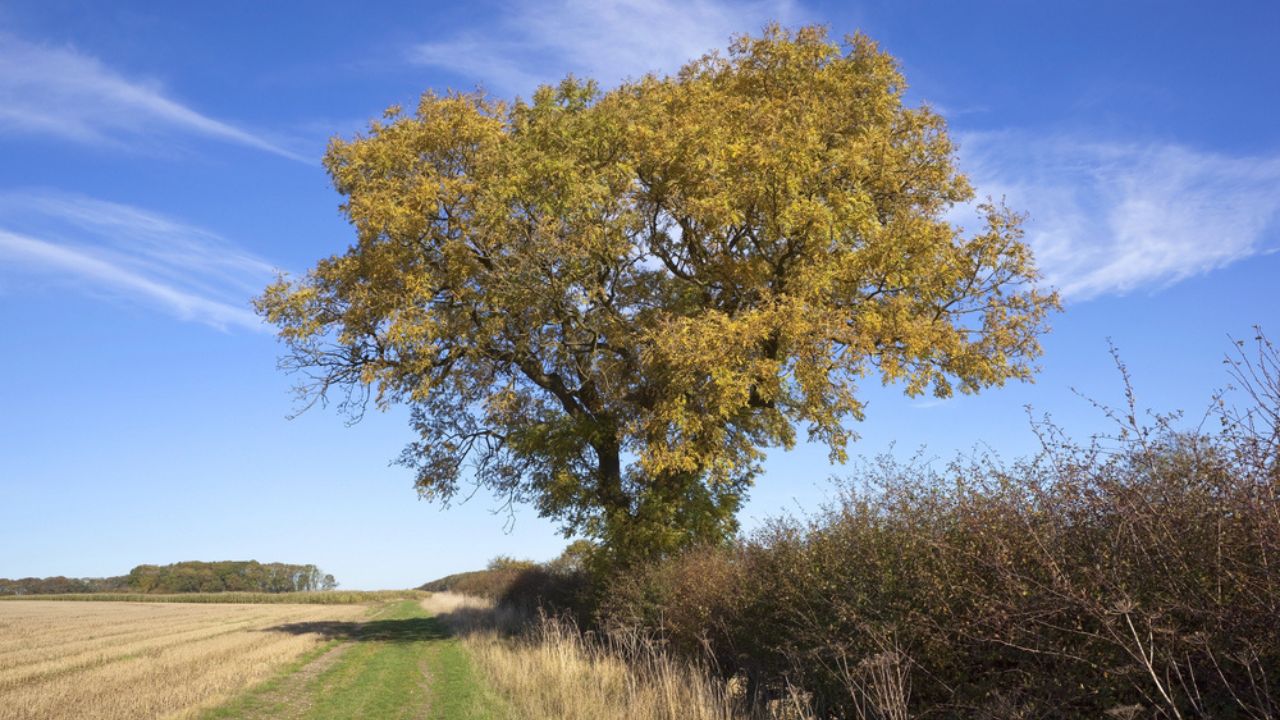
Ash trees were once popular street trees thanks to their tidy shape and fast growth. Unfortunately, the emerald ash borer changed everything.
This invasive insect has devastated ash populations across North America. Most ash trees will die within two to four years of symptoms appearing.
Removing a mature ash tree can cost thousands of dollars, especially if it’s near a home. Annual treatments can help to keep the ash borers at bay, but these can add up to hundreds of dollars each year. Colorado State University Extension estimates that treatment costs in Colorado alone could add up to $36 million over the next ten years.
As a result, many homeowners are avoiding planting new ash trees, opting for less costly and lower-maintenance alternatives. If you do decide to plant an ash tree, make sure to budget for the annual treatments that are necessary to keep the tree alive.
7. Lombardy Poplar
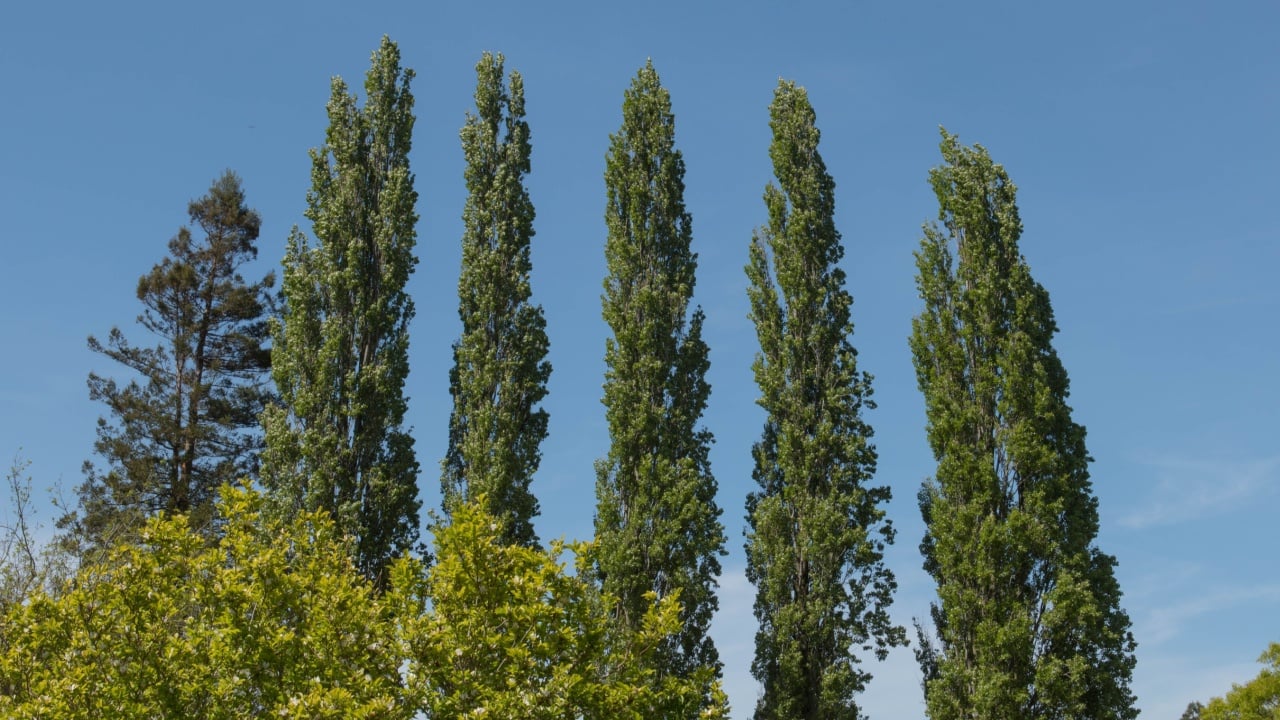
Another tree that is considered invasive in North America, the Lombardy poplar grows quickly and has a tall, narrow shape that seems perfect for privacy screening.
Native to Europe, Africa, and Asia, the Lombardy Poplar has a relatively short lifespan and is highly susceptible to canker disease and insect infestations. Many trees decline within 10 to 15 years, leaving homeowners with the expense of removing a large, dying tree.
It’s weak wood – a result of fast growth – is easily damaged during storm events. Its roots can also spread aggressively, damaging sidewalks, drainage systems, and yards.
This is one tree that is best left at the nursery.
A Smarter Way to Plant for the Future
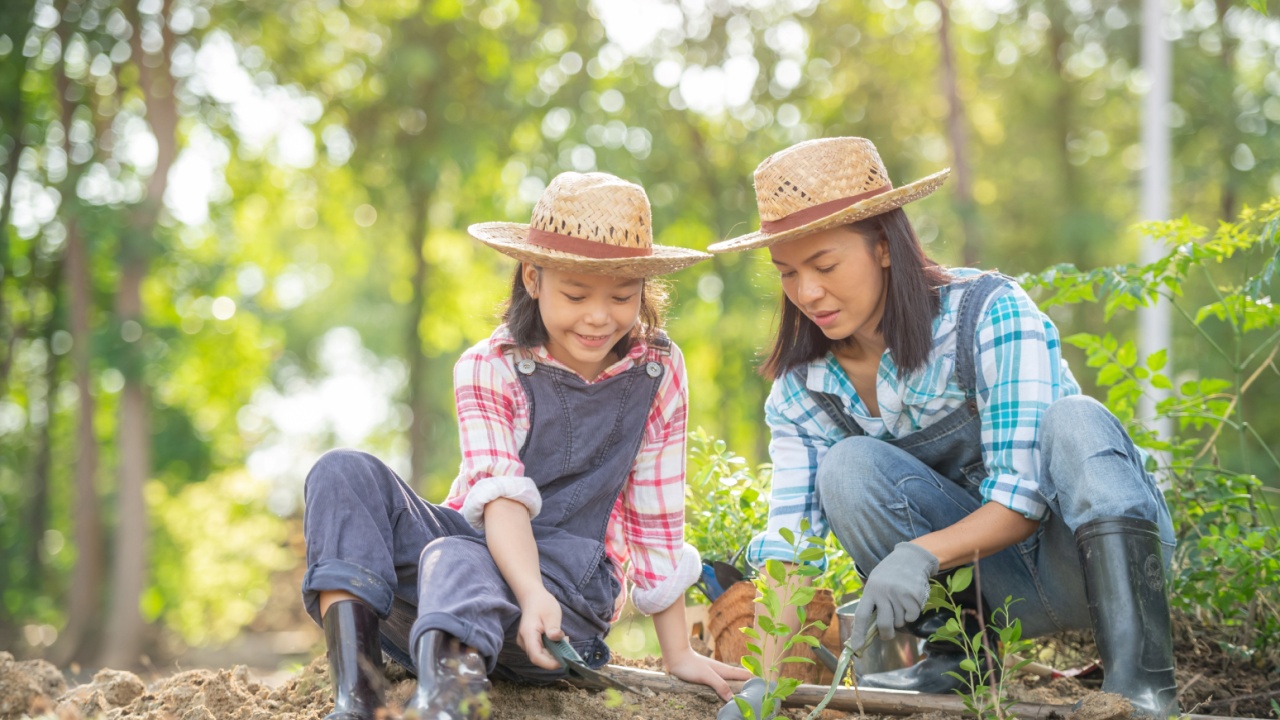
The worst trees to put in your yard usually aren’t bad trees in the right setting. Many are beautiful in parks, along waterways, on large properties, or at home in their native landscapes.
Native trees are often safer long-term choices for planting because they’re adapted to local conditions and support wildlife without becoming invasive.
Slower-growing species may require patience, but they tend to develop stronger wood and cause fewer structural problems over time.
Conducting a little research before selecting a tree to plant can spare you years of cleanup, costly repairs, and regret. Choose a tree that fits your yard, not just this year but 20 or 40 years from now. Your patience will be rewarded.