6 Items to Evict from Your Wardrobe Now
Is your closet about to burst? Before you blame your shopping habits or start a donation pile you’ll regret, let’s consider another possibility. The problem might not be that you have too many clothes, but that you’re storing them in the wrong place.
Your main closet should be prime real estate for your everyday A-listers, not a long-term storage unit for everything you’ve ever owned. By evicting these six types of clothing, you can turn that stressful morning rummage into a smooth, grab-and-go dream (all without saying goodbye to a single sequin.)
1. Formal and Special Occasion Wear
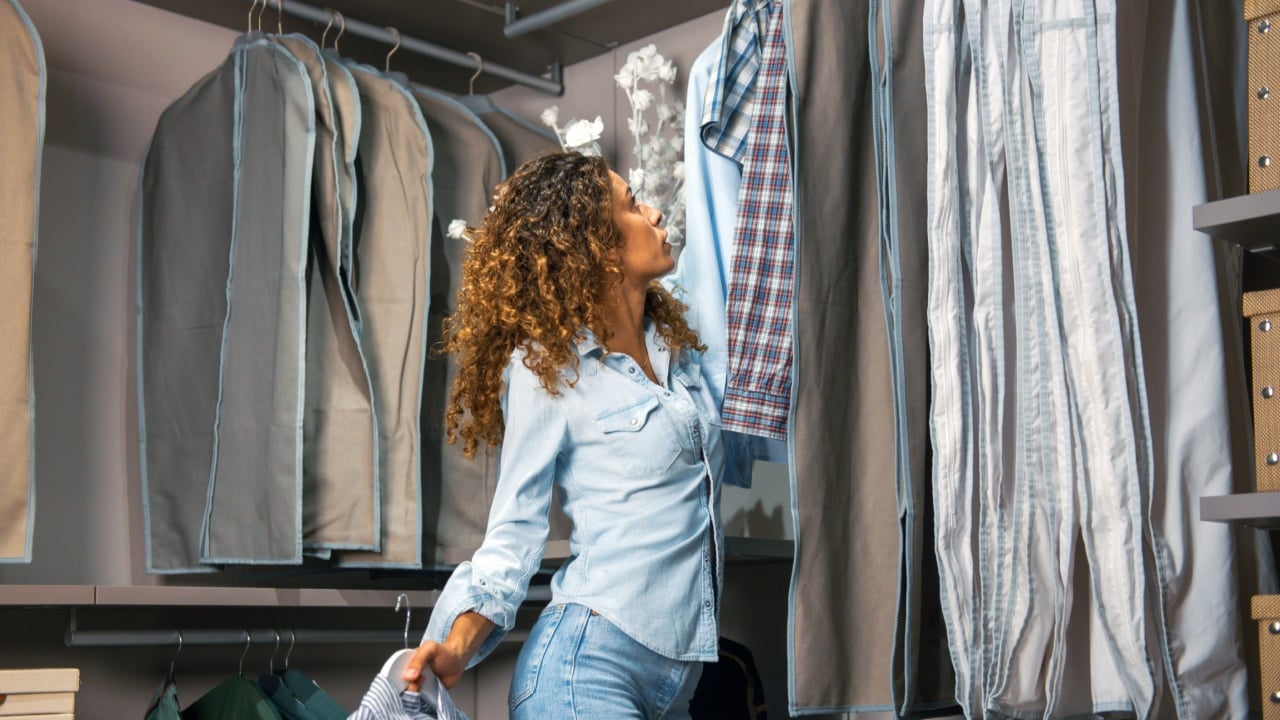
Your most beautiful clothes are often the biggest space-wasters. That floor-length gown or tux you wore once? It’s taking up prime closet real estate and snagging on your everyday outfits.
Since you only wear these special occasion pieces every few years, move them to a guest room closet or under-bed storage. Before you pack them away, get them professionally cleaned to prevent hidden stains from setting. Use breathable garment bags, not plastic, to keep them fresh. You’ll free up precious rod space and keep your formal wear ready for its next big night out.
2. Heavy Off-Season Outerwear
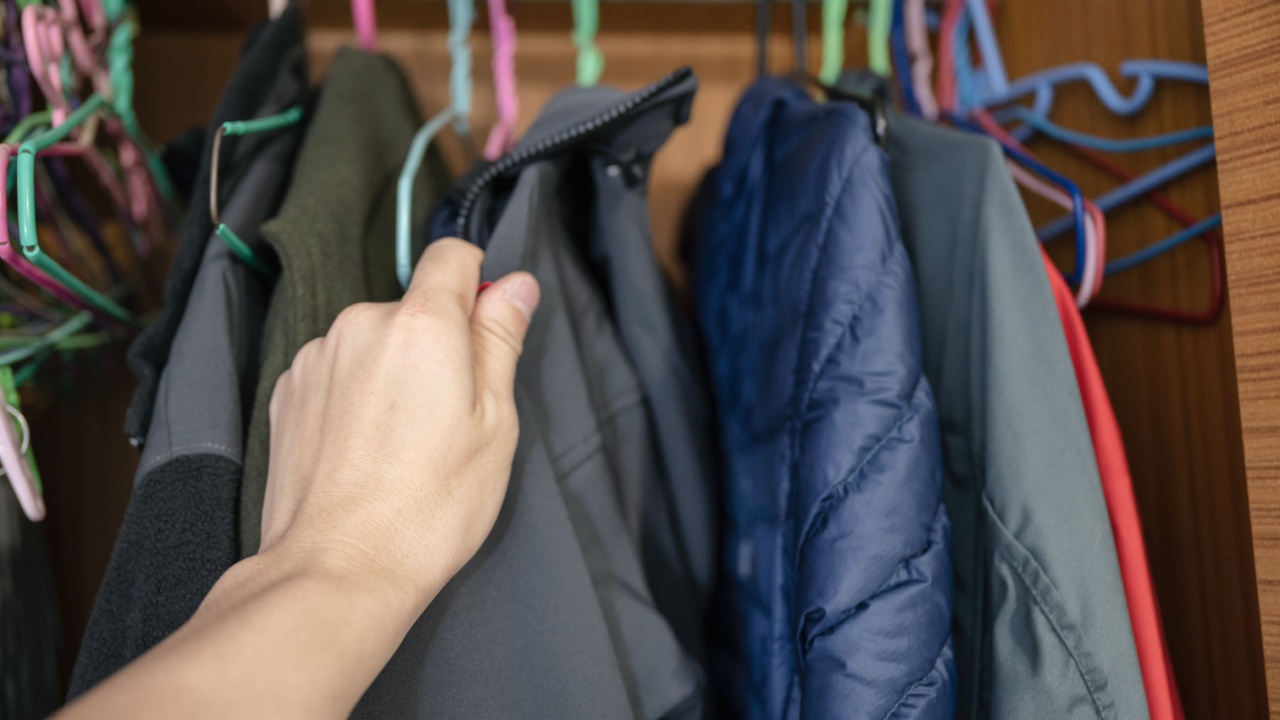
Puffer coats, wool trenches, and parkas are winter essentials, but quickly become space hogs once warmer weather arrives. Storing them in your main closet during summer wastes space but also makes it harder to access lighter clothes.
For synthetic puffers, vacuum-sealed bags are great for saving space, while natural fibers like wool or down are best stored in cool, dry places with room to breathe. Under-bed bins or high shelves work perfectly, just add cedar blocks or lavender sachets to keep them fresh and moth-free for next winter!
3. The “To Be Repaired” Pile

Most wardrobes contain a few items that are currently unwearable. This includes the shirt missing a button, the pants that need hemming, or the dress with a stuck zipper. Keeping these items on hangers creates a false sense of options. You might reach for a favorite blouse only to remember it has a tear, which leads to frustration and wasted time.
Instead, set aside a spot for them, like a tote by the door or a basket in the laundry room, to remind yourself to take action. If something sits there for over six months, it might be time to let it go. Keep your wardrobe for what you can actually wear.
4. Sentimental Keepsakes and Heirlooms
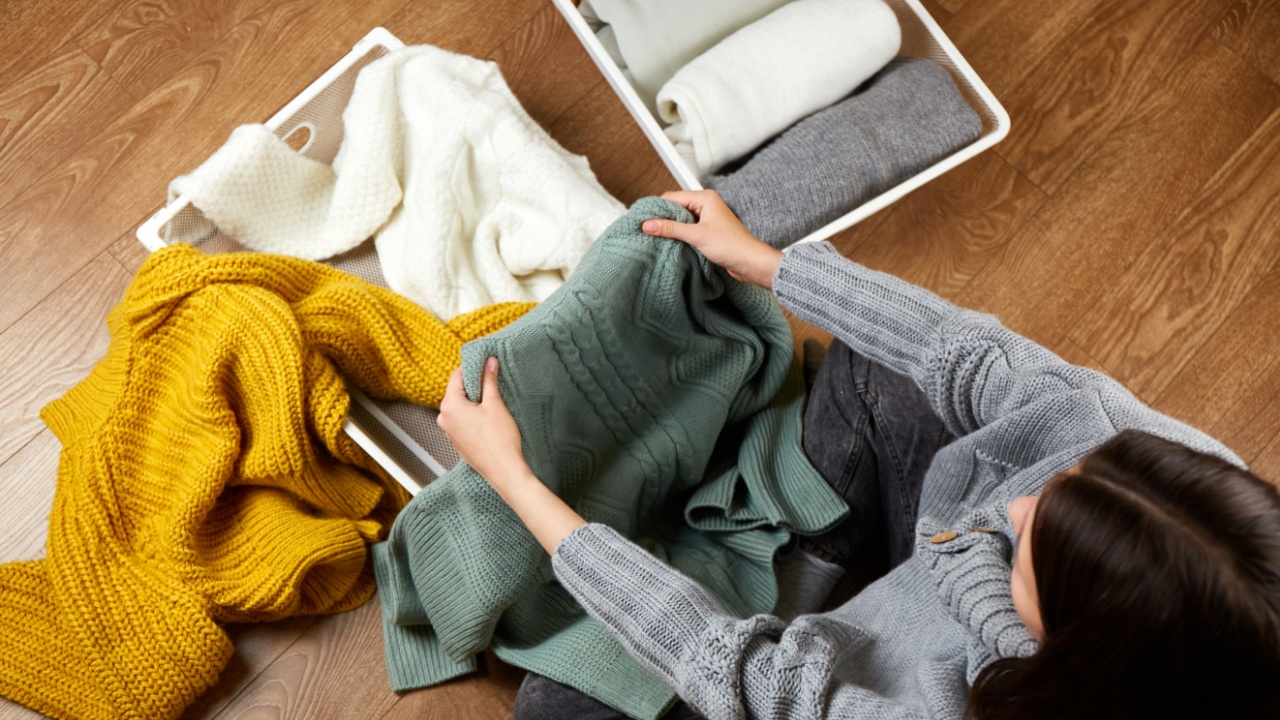
Varsity jackets, vintage sweaters, or wedding dresses often carry deep emotional value but are rarely worn. Hanging heavy items can strain the shoulders and seams, while exposure to light, dust, and movement risks damaging them. Archival storage is the best way to preserve these treasures.
Acid-free tissue paper and boxes protect fibers from wear and discoloration, and storing them in a climate-controlled area ensures lasting preservation. Treat these cherished items as memories, not just clothes.
5. Once-a-Year Costumes
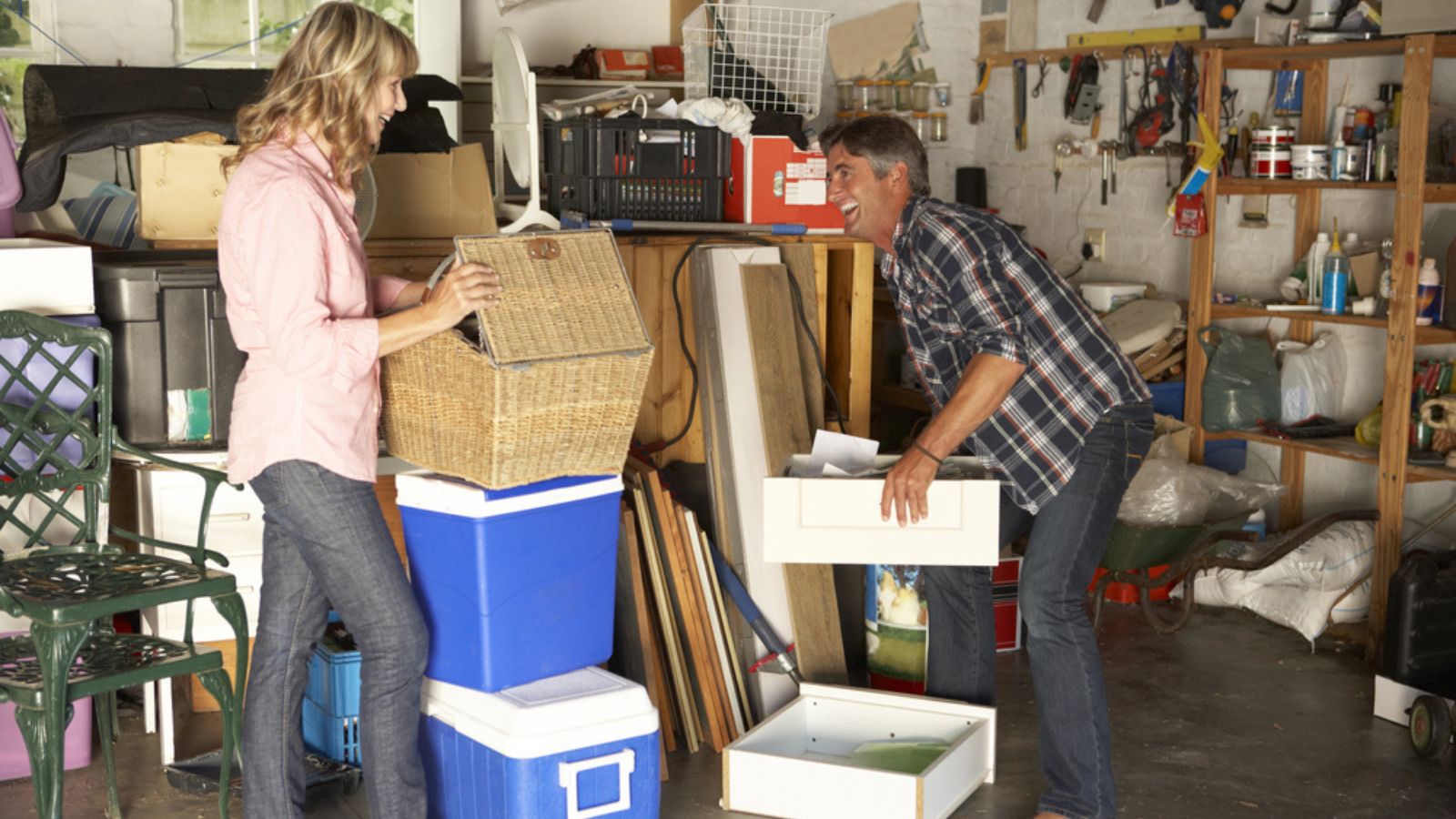
Halloween costumes, ugly sweaters, and themed outfits are often made of synthetic materials that don’t breathe well and are bulky. These occasional wear items can clutter your closet, but they only get used once a year. Clear plastic bins are perfect for storing them.
Durable and wrinkle-resistant, these items can be folded or rolled to save space. Label the bins and store them in a garage, attic, or on a high shelf to keep them accessible but out of the way until the festive season.
6. Niche Sporting Gear

Specialized gear like snow pants, wetsuits, and padded cycling shorts shouldn’t mix with everyday clothes. Made from technical fabrics like neoprene or Gore-Tex, they can have strong smells, rigid structures, and take up too much space.
Store these items with their corresponding gear: ski pants with helmets and goggles, and wetsuits dried and hung in a utility area. This keeps closets organized and makes packing for your next adventure easier!
Creating a Curated Space
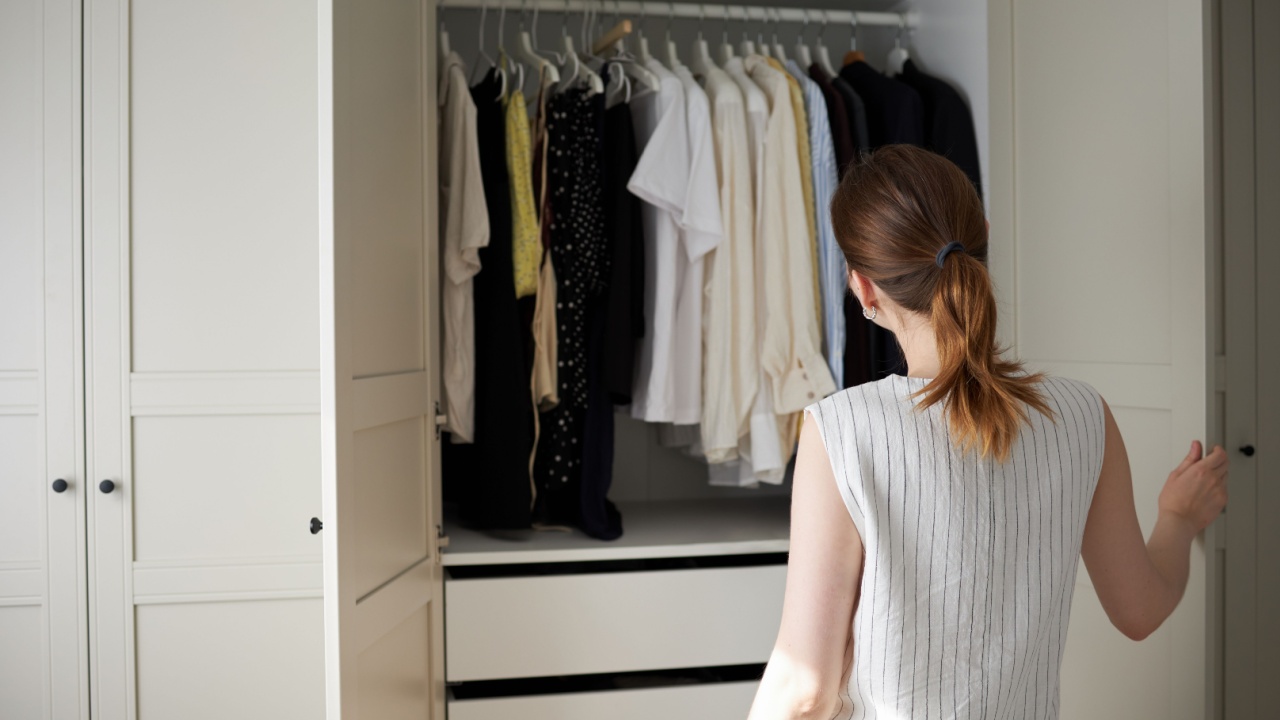
Reclaiming closet space is rarely about tossing everything out. It is about categorizing items based on their function and frequency of use. Start with the category that takes up the most room, perhaps the winter coats or the formal wear, and move those items. The immediate visual relief provides the motivation to tackle the rest.