7 Vintage Home Features Worth Saving During a Renovation
Renovating a historic property can make you want to modernize everything. While it’s smart to update things like plumbing and electrical systems, ripping out original architectural details can take away the charm and character that make the home special.
Those vintage features often come with great craftsmanship and practical benefits you don’t always get with modern builds. By keeping some of these details, you can mix modern comfort with timeless style.
1. Dutch Doors
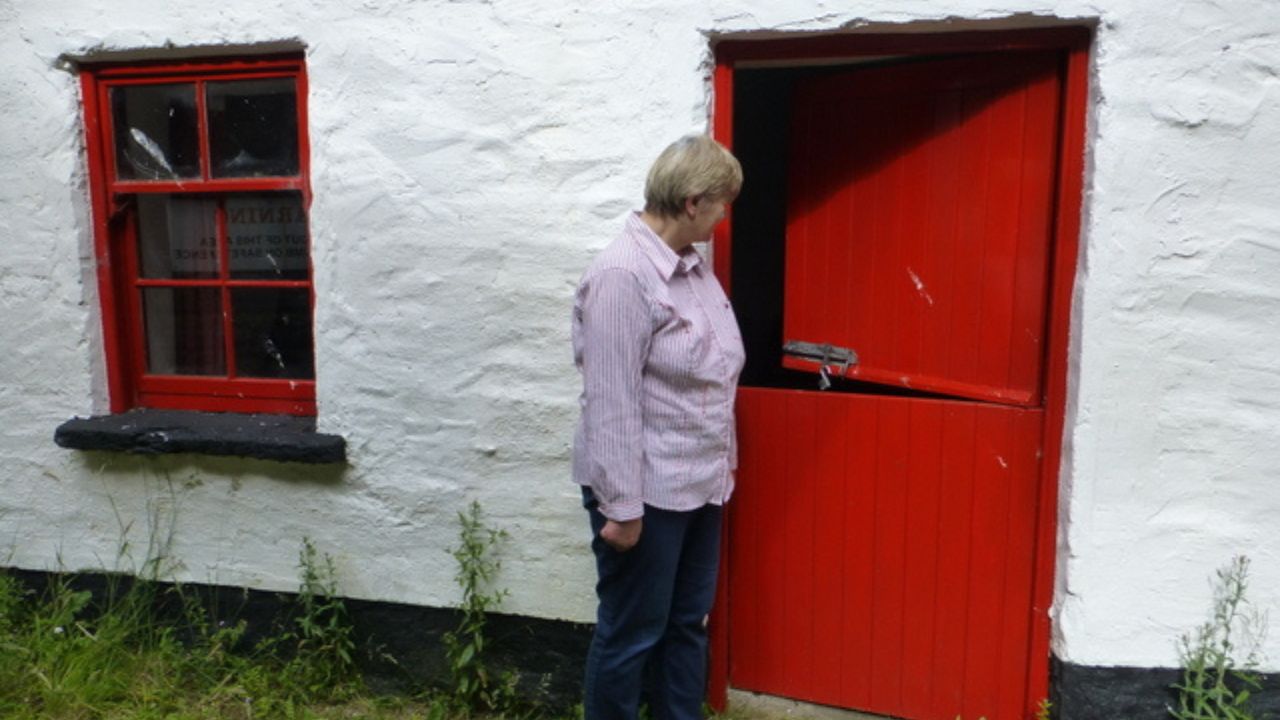
Dutch doors have a cool split design that gives you a little security while still connecting you to the outdoors. You can open the top half to let in some fresh air while keeping the bottom half closed. This is super handy for keeping pets or small kids safely inside without losing all that natural light.
Plus, you can upgrade the hardware for better security without losing that classic look. This feature works especially well in rural farmhouses and colonial-style homes.
2. Transom Windows
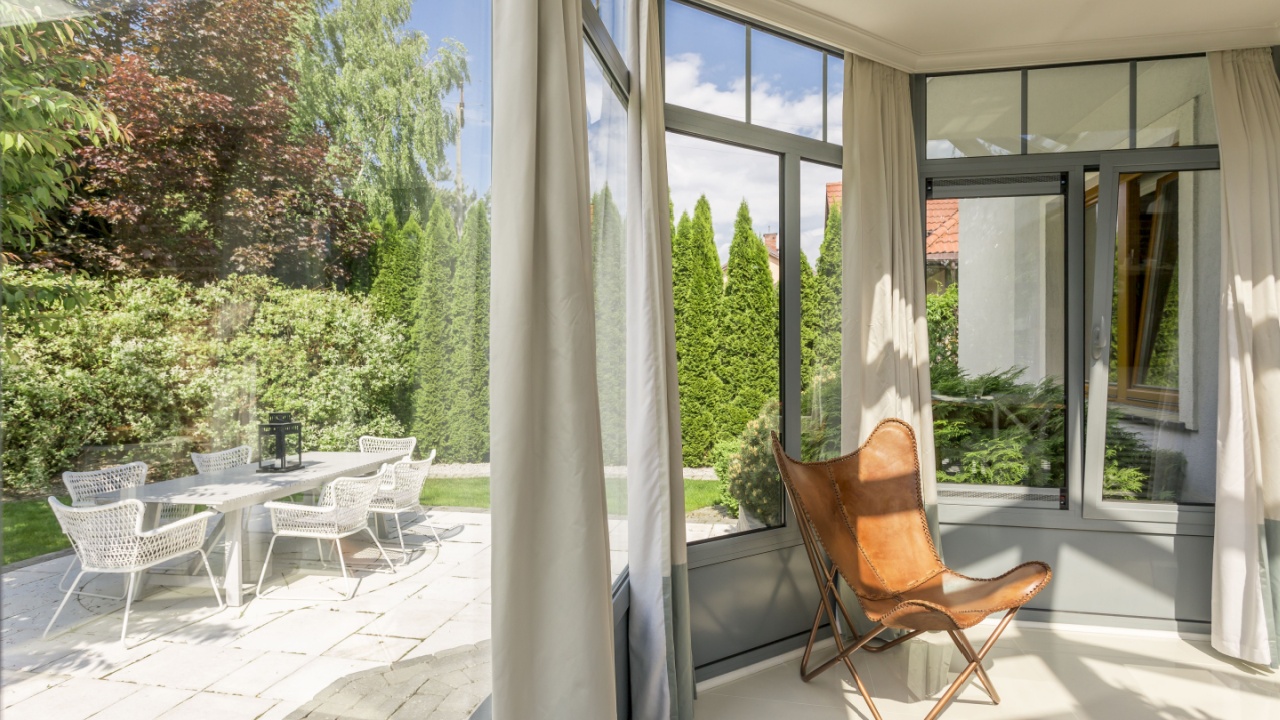
Transom windows are the little windows you often see above interior or exterior doors, and they’re more than just for looks. These hinged glass panels are great for ventilation, letting hot air escape near the ceiling.
They also help light flow from one room to another, brightening up hallways and other spaces without sacrificing privacy. If you can get the opening mechanism working again, you’ve got a clever, old-school climate control system back in your home.
3. Butler’s Pantries
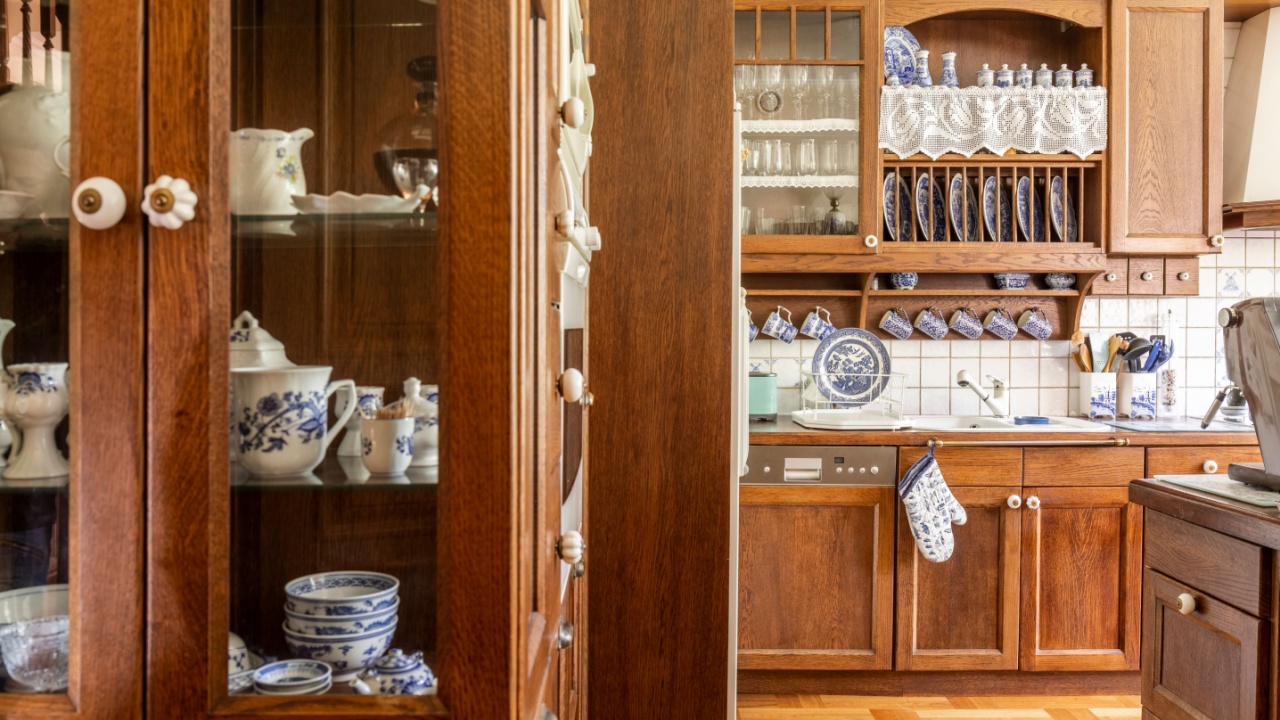
This transitional space between the kitchen and dining room provides exceptional utility for modern entertaining. A butler’s pantry keeps food preparation mess hidden from guests while offering extensive storage for china, glassware, and serving platters.
Restoring original cabinetry in this area often reveals high-quality wood that rivals expensive custom millwork available today. It serves as an ideal location for a coffee station or a dry bar.
4. Built-In Cabinetry
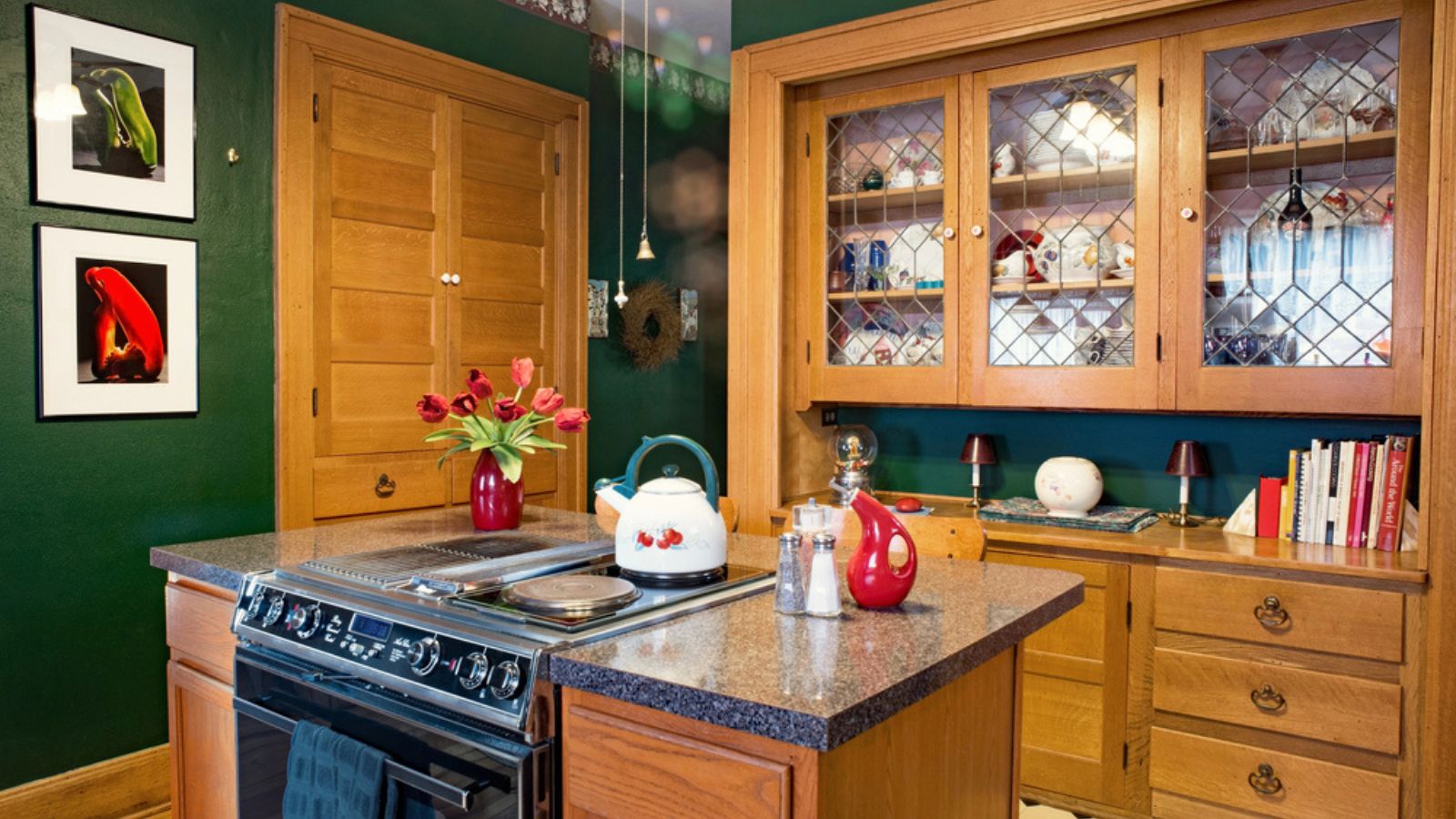
Original bookcases, china cabinets, and linen presses were constructed to match the specific dimensions of a room. This bespoke approach maximizes floor space and eliminates the need for bulky freestanding furniture.
These permanent fixtures often feature solid wood construction and detailed joinery that withstands daily use far better than mass-produced alternatives. A fresh coat of paint or refinished hardware can easily modernize these units while retaining their custom fit.
5. Stained Glass Windows
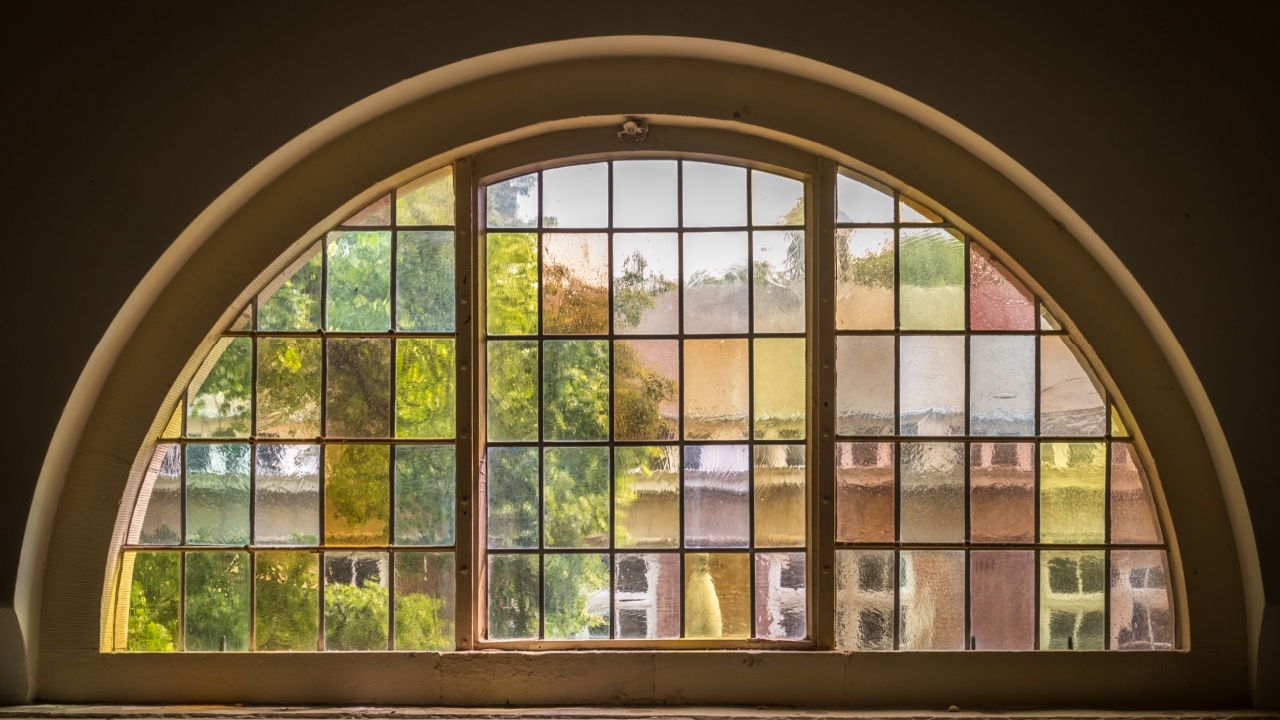
Stained glass acts as a permanent art installation that manipulates natural light to create dynamic color patterns throughout the day. These windows offer a sophisticated solution for privacy in entryways or bathrooms since they obscure visibility while admitting illumination.
Repairing original leaded glass preserves a unique artistic element that is costly and difficult to replicate. The interplay of color and light adds immediate warmth to any interior space.
6. Pocket Doors
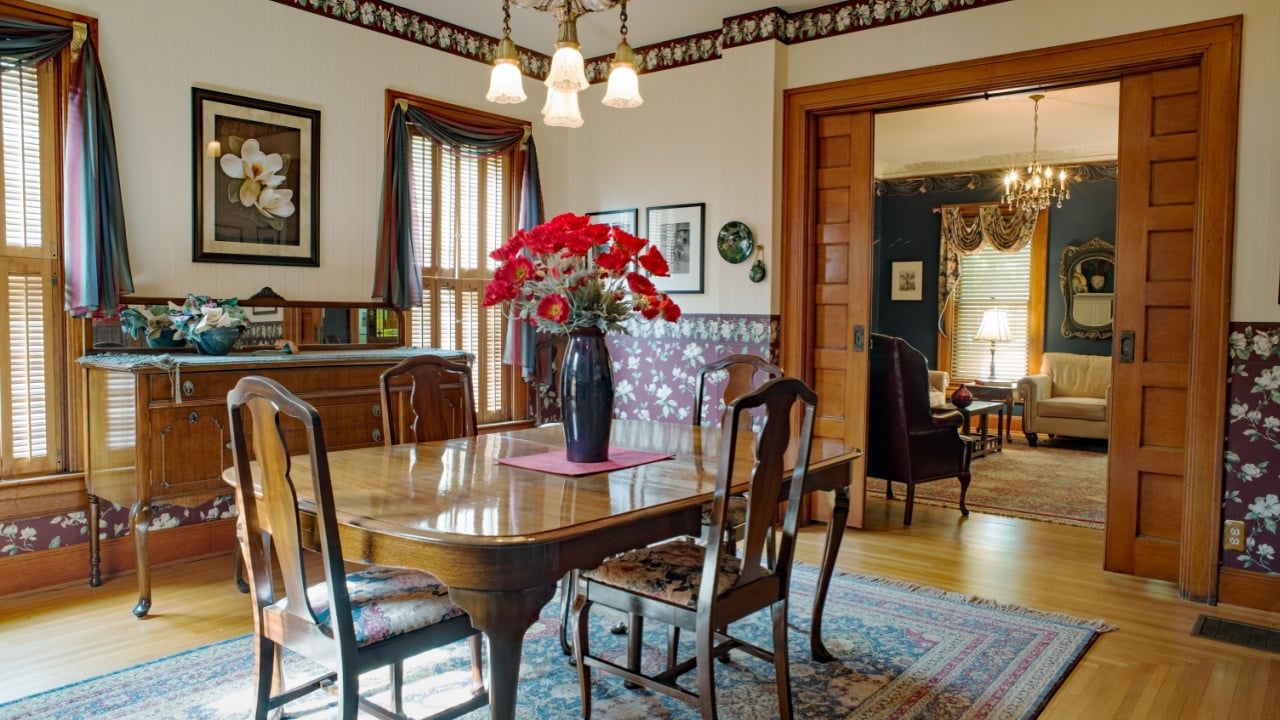
These sliding door systems disappear into the adjacent wall cavity to free up valuable floor space. Pocket doors allow residents to instantly adapt a floor plan by closing off a room for privacy or opening it up for social gatherings.
Their smooth operation and space-saving design solve layout challenges where a traditional swinging door might block furniture or traffic flow. Tuning up the tracks and rollers can restore effortless function to these architectural gems.
7. Mail Slots
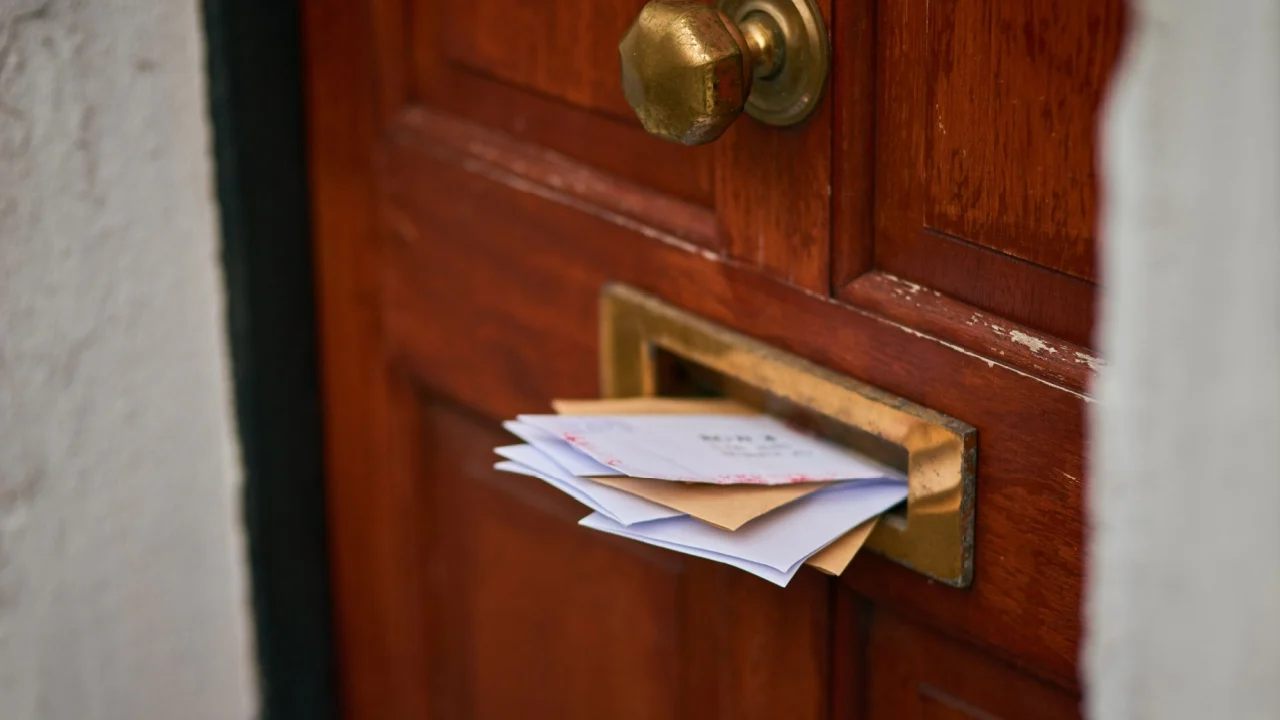
An integrated mail slot adds immediate curb appeal and a tangible link to the past. While modern delivery often requires larger boxes, retaining this hardware maintains the historic integrity of a front facade.
Adding an interior draft stopper allows homeowners to keep this charming detail without sacrificing energy efficiency. It serves as a small reminder of a time when daily communication arrived directly through the front door.
Preserving the Past
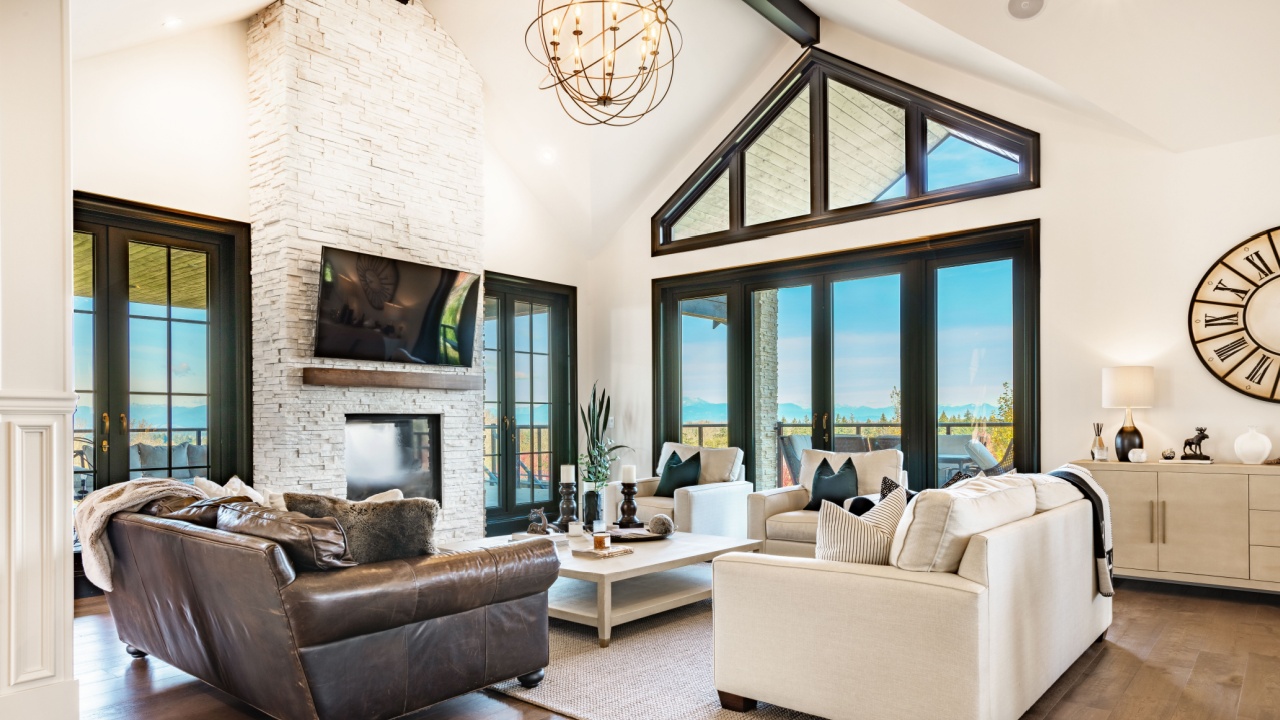
Thoughtful renovation involves recognizing which elements provide enduring value. Preserving these architectural details keeps the narrative of the home alive while enhancing daily living through clever design.