12 Safe Havens to Escape Global Chaos Right Now
Sometimes it feels like the planet is auditioning for a disaster movie, and we are all unwilling extras. Between wild weather, political drama that makes family holidays look tame, and headlines that just keep getting louder, it is easy to daydream about a quiet corner of the world.
This article explores some of the most secure locations to consider if things truly go sideways. We will look at places that offer a bit of peace, stability, and the resources to ride out a storm, literal or otherwise.
Note: Diving into how to secure citizenship or a visa for foreign countries is beyond the scope of this article. We are looking at top spots (local and abroad) to help you get started if you’re truly looking or thinking of finding a new spot to call home, or at least have as a backup plan.
1. New Zealand
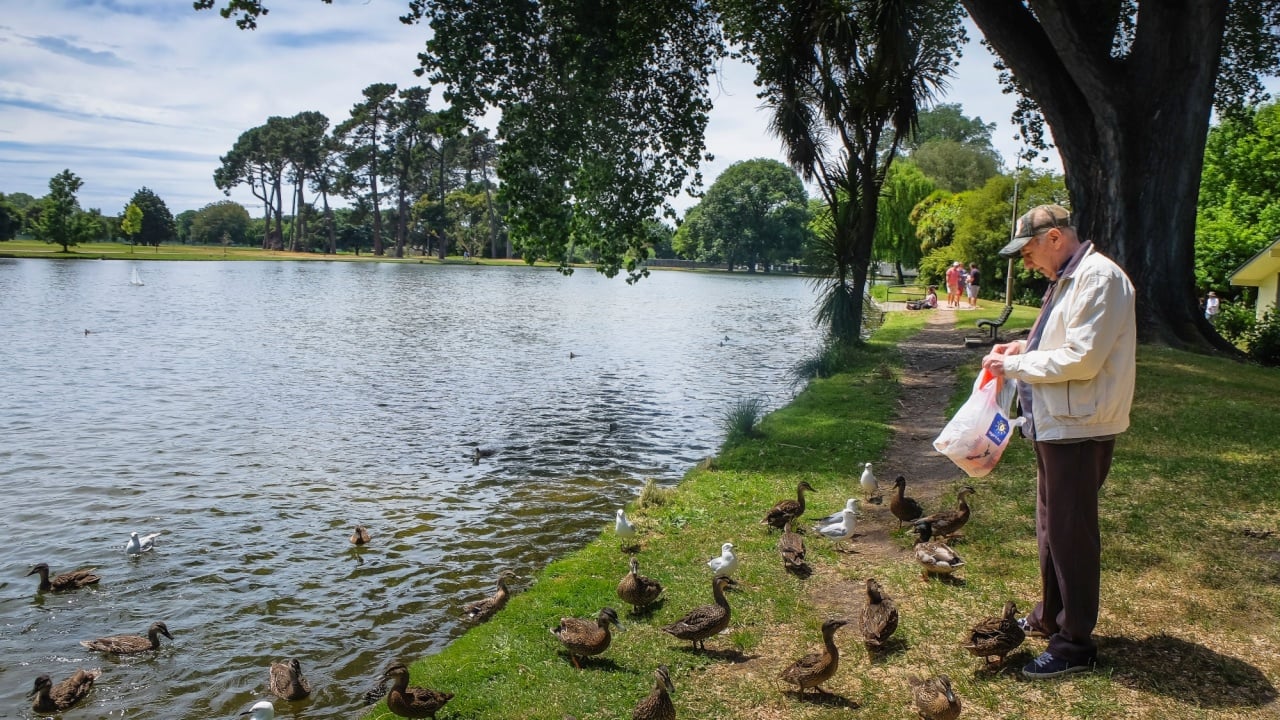
New Zealand often tops lists of safe havens, and for good reason. Its geographic isolation is a significant advantage. Tucked away in the southwestern Pacific Ocean, it is far from most of the world’s major conflict zones. This distance provides a natural buffer from geopolitical turmoil, making it a peaceful retreat when global tensions are high. The country also has a stable, democratic government that has historically maintained its neutrality.
Beyond its isolation, New Zealand is remarkably self-sufficient. The nation can produce more than enough food for its population, with a strong agricultural sector and plentiful fresh water. Its low population density means more open space and fewer strains on resources during a crisis, all while surrounded by some of the most stunning landscapes on Earth.
2. Switzerland
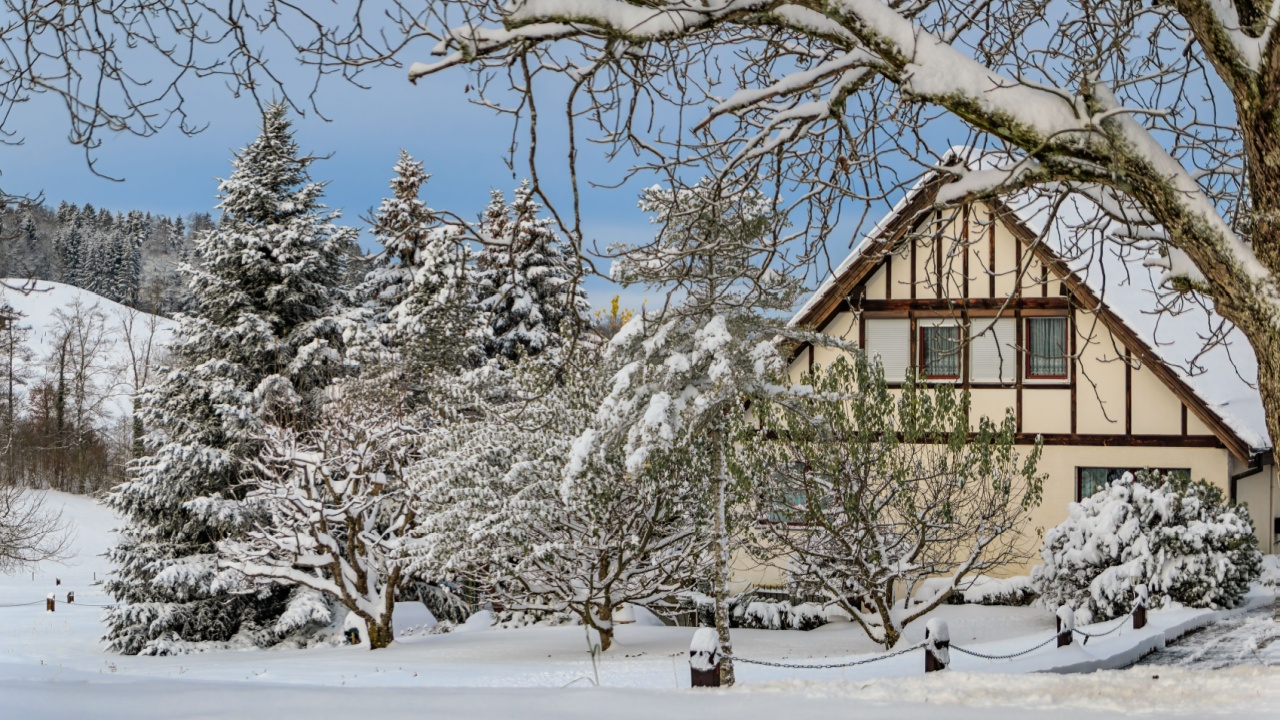
Switzerland’s reputation for safety is built on a long history of neutrality. The country has famously stayed out of international conflicts for centuries, a policy that is deeply ingrained in its national identity. This political stability is supported by a well-prepared civil defense system. Swiss infrastructure includes a network of nuclear fallout shelters, a unique feature designed to protect its entire population in a worst-case scenario.
This preparedness extends to its geography. The mountainous terrain of the Alps provides natural protection and has historically made the region difficult to invade. Switzerland also has a high degree of food and water security, with a focus on local production and well-managed resources. While it is a landlocked country, its strategic location in the heart of Europe is balanced by its formidable defenses and a culture of readiness.
3. Idaho (USA)

For those looking for a safe spot within the United States, Idaho presents a compelling case. With a low population density, there is plenty of room to breathe and maintain distance from the chaos of more crowded urban centers. The state has a strong culture of self-sufficiency and independence, where many residents are already skilled in hunting, farming, and other practical abilities. This mindset is a huge asset in any scenario where you need to rely on yourself and your community.
Idaho’s rugged and mountainous landscape offers natural seclusion and protection. The state is rich in natural resources, including abundant freshwater from its rivers and aquifers. Agriculturally, it is a powerhouse, producing a wide variety of crops. This combination of space, resources, and a resilient population makes it one of the more secure places to be if national or global instability becomes a pressing concern.
4. Portugal
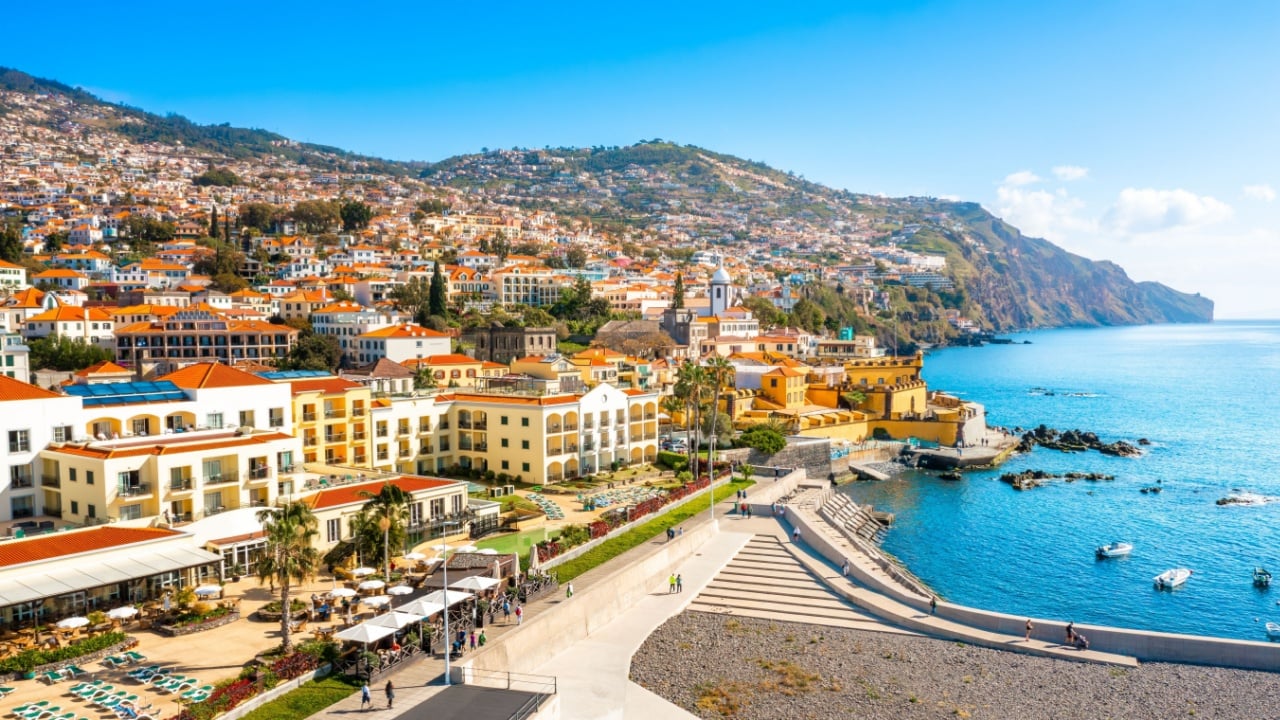
Portugal has quietly become one of the safest countries in the world. Located on the Iberian Peninsula, it feels somewhat removed from the central hubs of European political tension. It consistently ranks high on the Global Peace Index due to its low crime rates and stable political environment. The welcoming culture and laid-back lifestyle contribute to a general feeling of security and well-being.
The country’s mild climate is a significant advantage for anyone interested in sustainable living. The long growing season allows for year-round agriculture, making it easier to achieve food self-sufficiency. Portugal also has a long coastline, providing access to marine resources.
5. Vermont (USA)
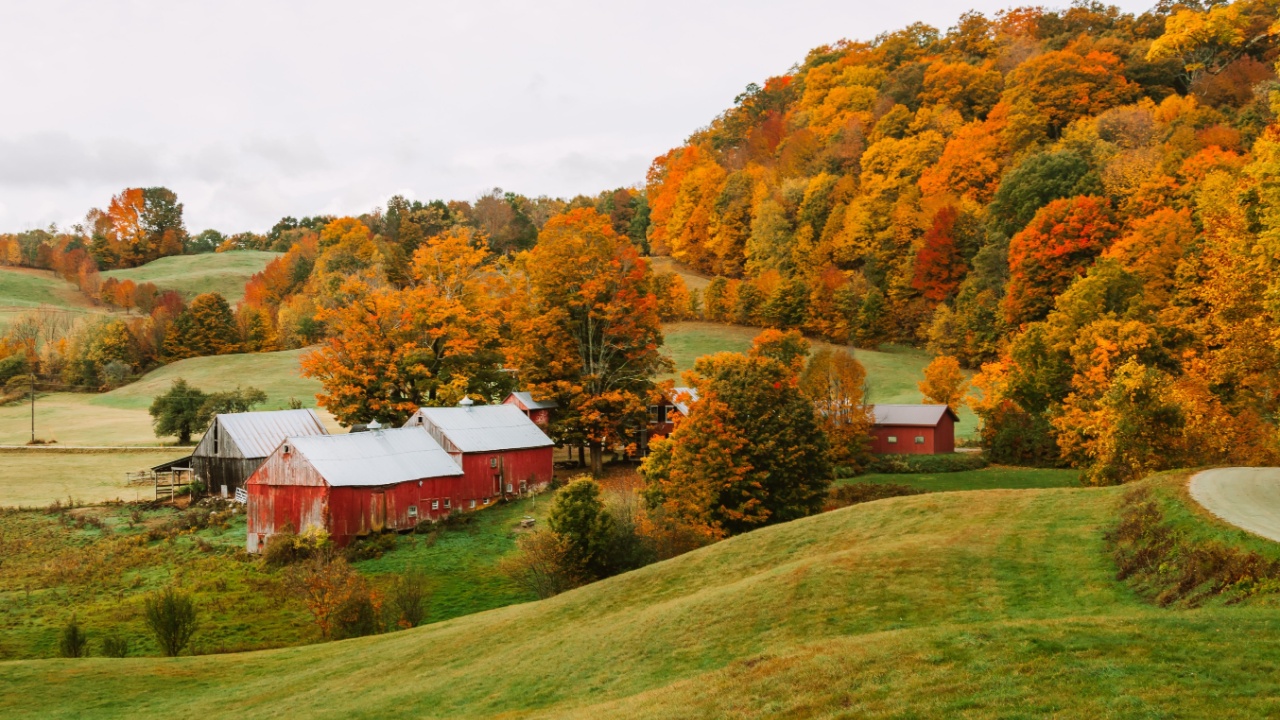
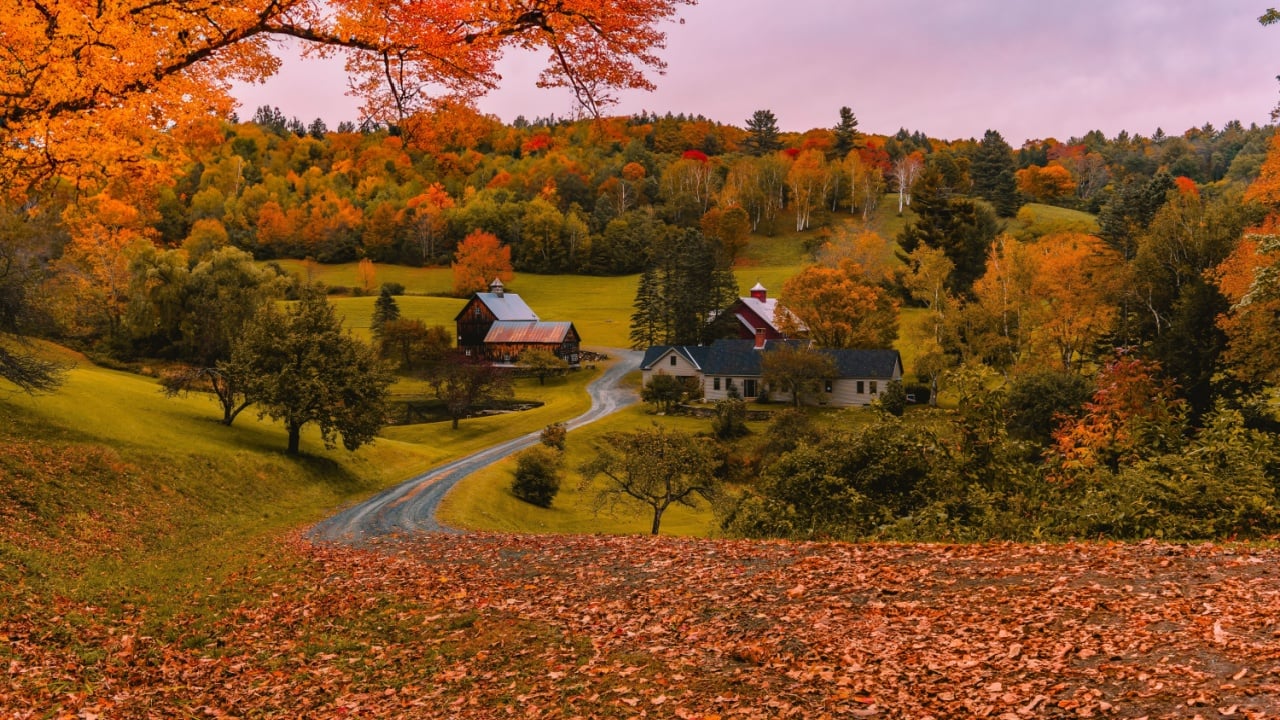
Back in the US, Vermont stands out as a sanctuary of tranquility in the Northeast. It is one of the least populated states, meaning fewer crowds and less competition for resources. The state has a reputation for safety, with low crime rates and strong, tight-knit communities. This social cohesion is a powerful asset during uncertain times, as neighbors are more likely to support one another.
Vermont’s rural character and forested, hilly terrain provide a degree of natural isolation. While its winters can be cold, the state is well-equipped to handle them. It has abundant fresh water and a thriving local food movement, with many small farms and farmers’ markets. This focus on local agriculture enhances its food security, making it less dependent on fragile, long-distance supply chains.
6. Montana (USA)

Similar to its neighbor, Idaho, Montana offers vast open spaces and a culture of rugged individualism. Known as “Big Sky Country,” its low population density is one of its greatest assets for anyone looking to escape potential civil unrest in more populated areas. The sheer size of the state and its challenging terrain provide natural barriers and plenty of places to find seclusion.
Montana’s economy is heavily based on agriculture and natural resources, meaning the foundations for self-sufficiency are already in place. The state has ample fresh water, and its vast plains are suitable for raising livestock and growing crops. For those with outdoor skills, the opportunities for hunting and fishing are abundant. This combination of space, resources, and a self-reliant populace makes it a solid choice for a secure homestead.
7. Costa Rica
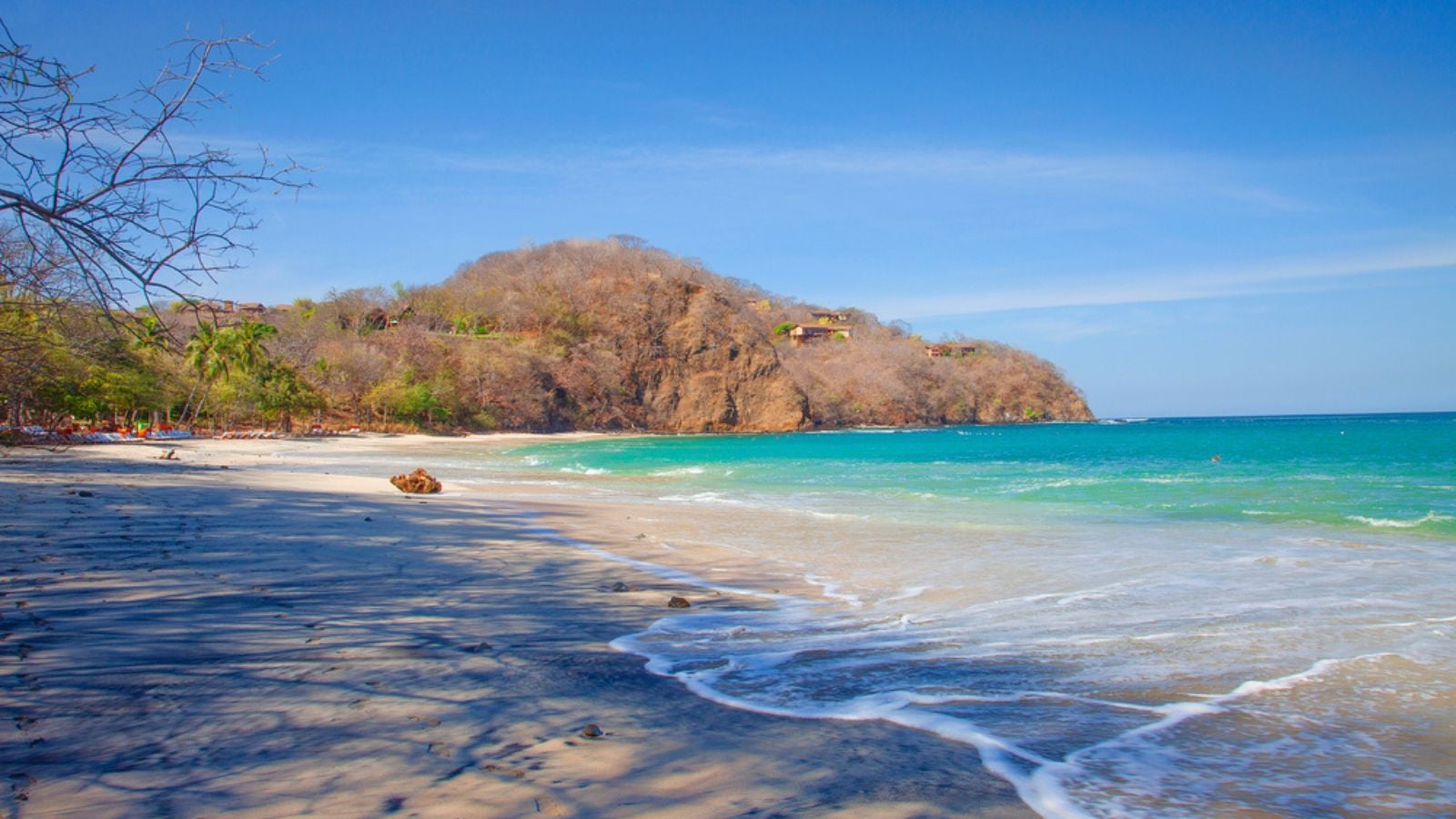
Often called the “Switzerland of Central America,” Costa Rica has a long-standing policy of neutrality and famously abolished its army in 1949. This commitment to peace has resulted in a stable democracy that is rare in the region. The country is known for its friendly “Pura Vida” lifestyle, which emphasizes a simple, relaxed approach to life.
Its tropical climate and fertile land make it a paradise for agriculture. The year-round growing season allows for the cultivation of a wide variety of fruits and vegetables, ensuring a high degree of food security. Costa Rica is also a world leader in environmental protection and renewable energy, with a strong focus on sustainability. For those seeking a peaceful, green, and self-sufficient lifestyle, it is an ideal destination.
8. Wyoming (USA)

If you are looking for solitude, Wyoming is hard to beat. As the least populated state in the US, it offers an unparalleled sense of space and freedom. The low population density naturally translates to very low crime rates and a lack of the social friction that can arise in dense urban environments. The state’s vast, open landscapes are both beautiful and strategically isolating.
Like other Rocky Mountain states, Wyoming has a strong culture of independence and self-reliance. Its economy has roots in mining and agriculture, and its residents are often well-versed in practical skills. The state is rich in natural resources, and its wide-open spaces are ideal for everything from raising livestock to setting up a completely off-grid homestead.
9. Iceland

When it comes to finding a remote refuge from global chaos, Iceland checks all the boxes for safety and serenity. This island nation sits in the North Atlantic, hundreds of miles away from continental turmoil. Its small population means that “rush hour” is mostly an urban legend, and crime rates are some of the lowest anywhere on Earth. Iceland’s political landscape is calm, with a stable government and a long tradition of neutrality.
Iceland’s commitment to self-sufficiency is legendary. Geothermal energy keeps the lights on and the homes toasty, and the island’s abundant fresh water flows from glaciers. Greenhouses powered by volcanic heat let them grow fresh produce all year round, even during the darkest winters. Add in a strong fishing industry, and you have a community used to making the most of local resources, with the cozy bonus of natural hot springs for a bit of stress relief on the side.
10. Tasmania
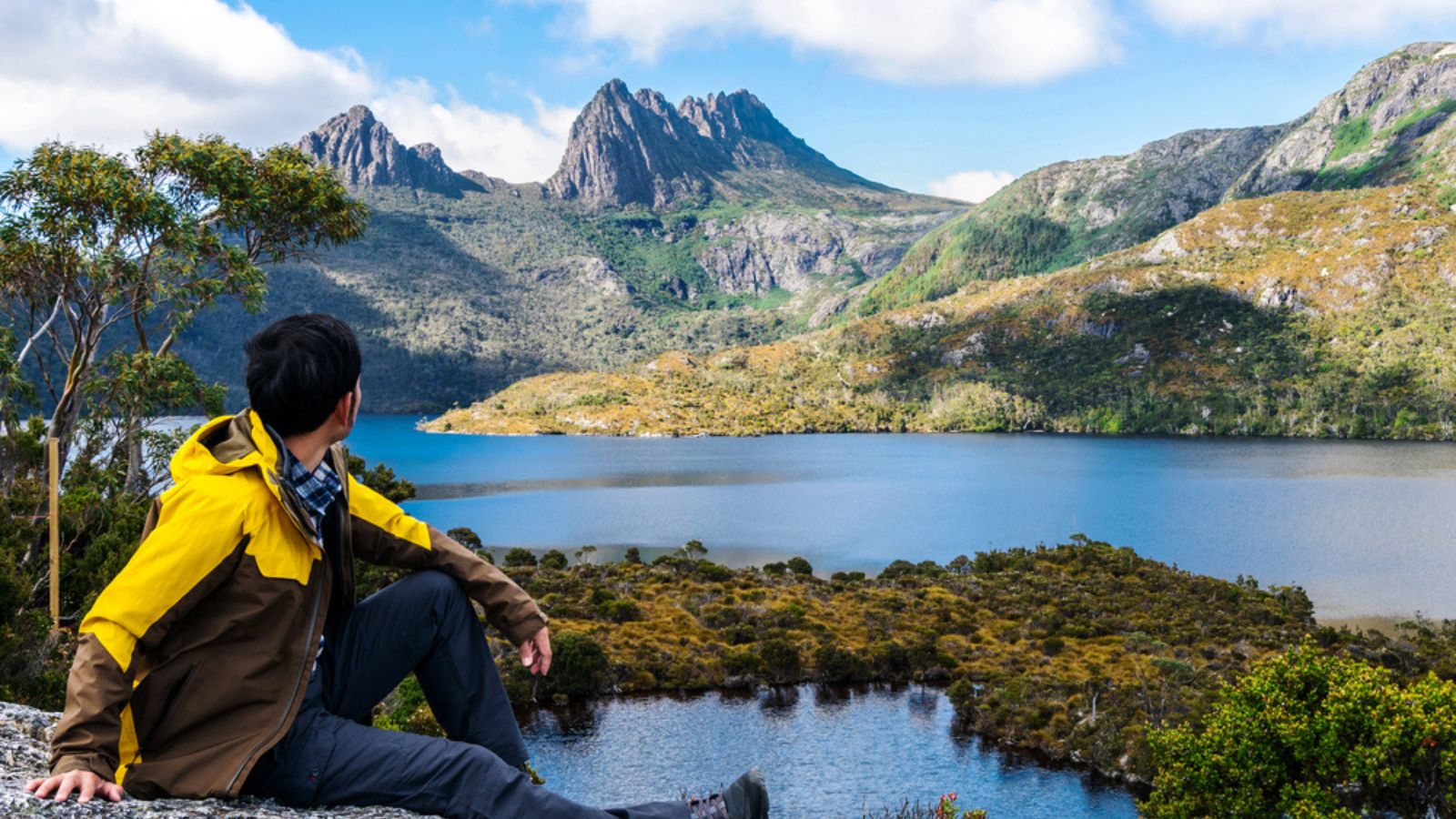
Tasmania, the island state off Australia’s southern tip, often feels worlds away from the rest of the hustle and bustle. Its remote location means natural barriers abound, offering built-in protection from many global uncertainties. Tasmania ranks as one of the safest parts of Australia when it comes to natural disasters; no hurricanes, barely a whiff of earthquakes, and the wildfires that grab headlines on the mainland aren’t quite as relentless here.
Life on the island is fueled by local resources. There is fresh produce from fertile valleys, seafood from cold, clean waters, and enough rainwater to keep the reservoirs topped up. Tasmania’s moderate climate makes sustainable living a genuine option, not just daydream material.
11. Ireland
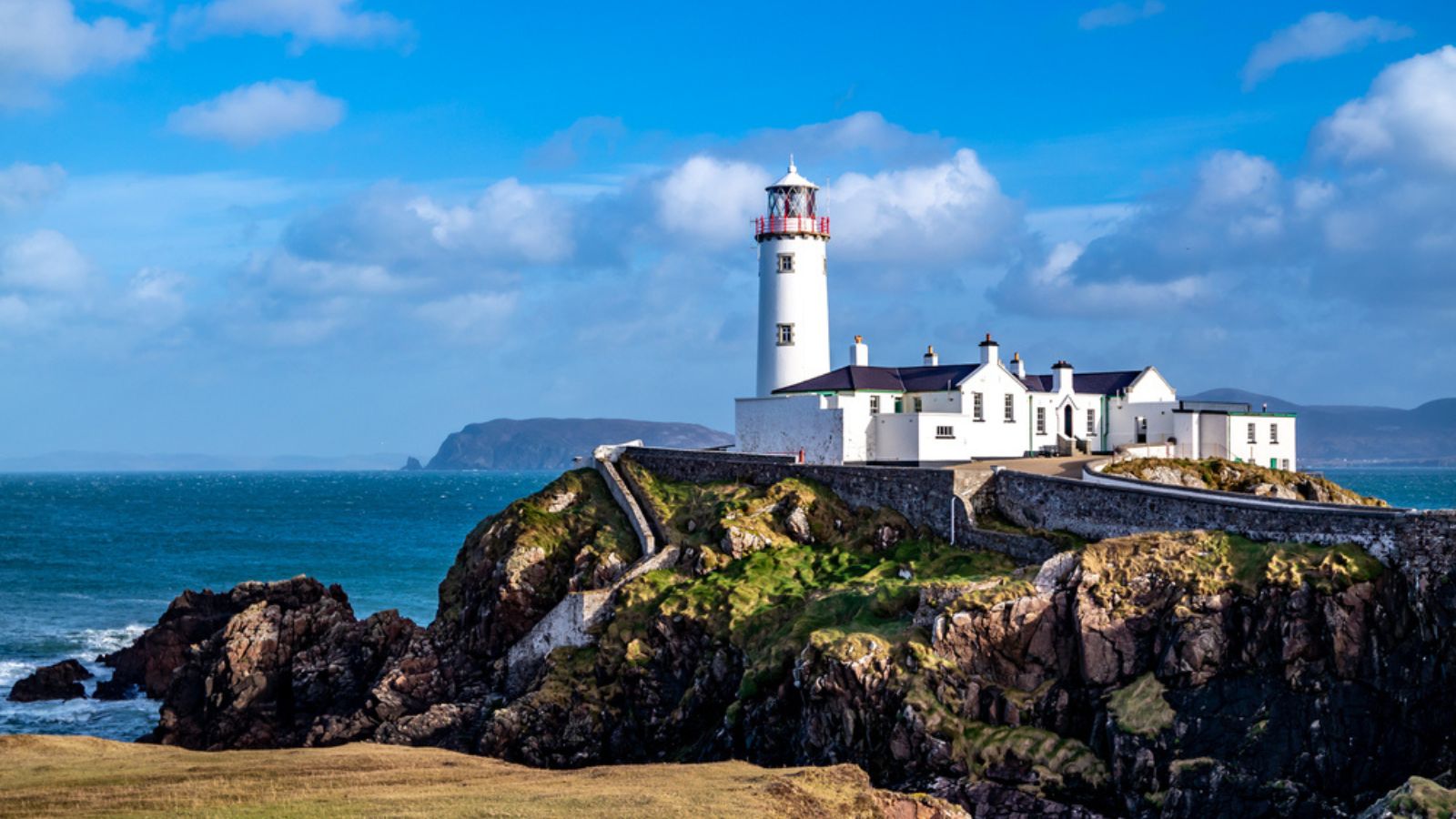
The Emerald Isle offers a compelling combination of geographic isolation and social stability. As an island, it is physically separated from mainland Europe, providing a buffer from continental conflicts. Ireland is a neutral country and is not a member of NATO, which further insulates it from international military entanglements. The country enjoys a stable democracy and is known for its friendly, welcoming culture.
Ireland’s temperate climate and ample rainfall create a lush green landscape that is ideal for agriculture and livestock. The country is largely self-sufficient in food production. While its population has been growing, it remains relatively low compared to its European neighbors, particularly in the rural western counties. For those seeking a peaceful English-speaking haven with a strong sense of community, Ireland is a wonderful choice.
12. Finland
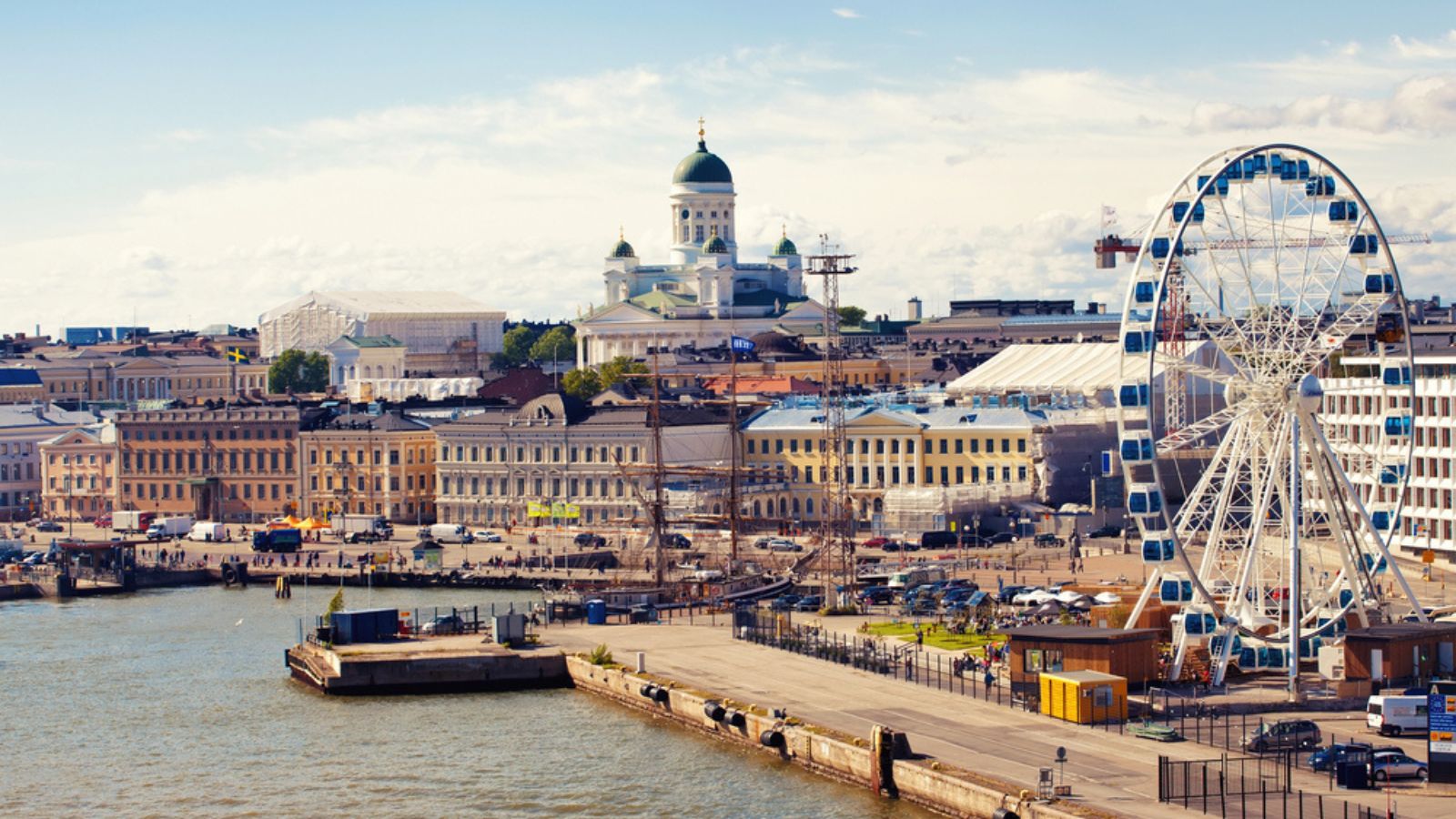
Often ranked as the happiest country in the world, Finland also happens to be a very secure one. It shares a long border with Russia, which has historically made preparedness a national priority. The Finns have a concept called “kokonaisturvallisuus,” or comprehensive security, which involves the entire society in defense and resilience efforts. The country has impressive civil defense plans and well-stocked national reserves.
Despite its northern location, Finland has a high degree of food and water security. The landscape is covered in forests and thousands of lakes, providing abundant natural resources. The Finnish people are known for their resilience, self-reliance, and connection to nature. This combination of a prepared society, natural abundance, and a stable, happy populace makes it a surprisingly secure place to call home.
Planning Your Peaceful Future
While everyone appreciates knowing the safest places in the USA and beyond, exploring these locations is more of a mental exercise than a packing list for most. The real takeaway is understanding the principles that create a secure and stable environment. Look for places with low population density, political stability, self-sufficiency in food and energy, and a community that values resilience.
You can apply these ideas right where you are. Start by strengthening your own household’s resilience. Learn a new skill like gardening or basic home repair. Get to know your neighbors and build a stronger local community network. By focusing on self-reliance and community connection, you can create your own small pocket of security, no matter where you live.