Stuck With an Orchid That Won’t Bloom? Try This Simple Location Shift
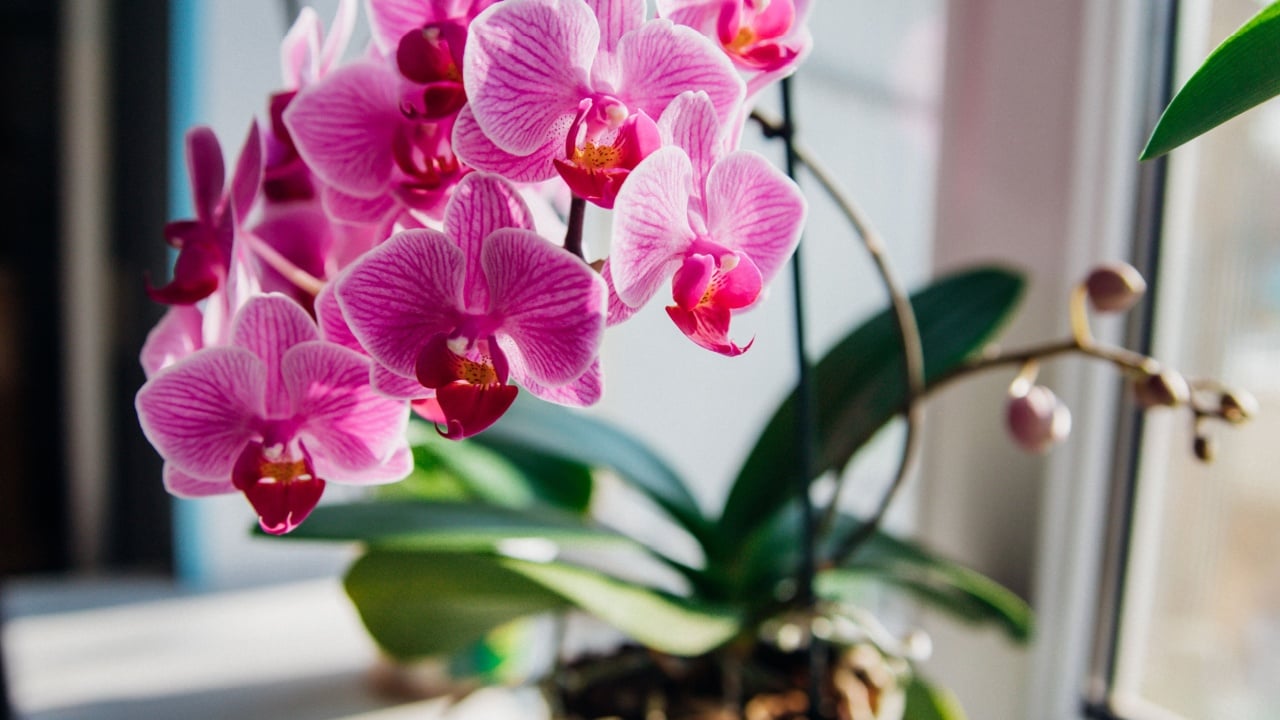
If your orchid keeps growing glossy green leaves but never sends up a flower spike, you’re not alone.
In most homes, orchids fail to bloom because of incorrect placement rather than a lack of care. They’ll survive for years in the wrong spot, quietly storing energy without ever flowering.
Where your orchid lives matters more than almost anything else. Getting placement right can save you months of frustration, prevent bud drop, and turn orchids from one-time blooms into reliable annual performers.
Light Is the Real Bloom Trigger
Bright, indirect light is the single most important factor in orchid blooming.
Leaf color is a good indicator: light to medium green means the placement is right. Dark green leaves, even in a bright room, usually signal insufficient light long before blooms fail to appear.
Choosing the Right Window
East-facing windows are the safest choice for most orchids, offering gentle morning sun without harsh afternoon heat. South-facing windows can work beautifully when filtered with sheer curtains. North-facing windows are often too dim unless paired with a grow light, while west-facing windows need distance and protection from intense afternoon sun.
Stability, Temperature, and Timing
Consistent placement supports reblooming. Frequent movement of your orchid, especially once flower spikes form, can cause blooms to twist or drop.
Orchids also respond strongly to seasonal cues. A slight nighttime temperature drop near a window in fall often triggers spikes to grow, sometimes after something as simple as an open window.
That said, orchids don’t need dramatic cold. Most bloom well with daytime temperatures between 65 and 80 degrees and cooler nights for a few weeks, according to Colorado State University Extension. Avoid placing your orchids near drafts, heat vents, and cold glass.
When Windows Aren’t Enough
In apartments or low-light homes, grow lights can fully replace window light when used correctly. Professionals recommend placing orchids 6–12 inches beneath LED grow lights for 10–14 hours daily. A steady schedule matters more than intense brightness, and many indoor growers find grow lights outperform windows entirely.
Set Your Orchid Up For Success
With the right placement, a bit of patience, and these tips, you’ll have your orchids blooming in no time. A few small adjustments to your orchids now can turn today’s houseplant into next season’s showstopper.
Don’t worry if reblooming takes a year; many healthy orchids simply need time. Once established, some even bloom better with a little benign neglect.