Families Are Slashing Their Bills With These 7 Everyday Habits
Monthly expenses have a way of creeping up when you’re not paying attention. Things like utility bills, groceries, and maintenance fees can quietly eat away at your budget until your bank account feels way lighter than it should.
Fortunately, a few small tweaks to your daily habits can make a big difference. These changes might not seem like much at first, but they can add up to serious savings by the end of the year. Here are some easy, practical tips to plug those budget leaks, no major sacrifices needed!
1. Eliminate Vampire Power Drains
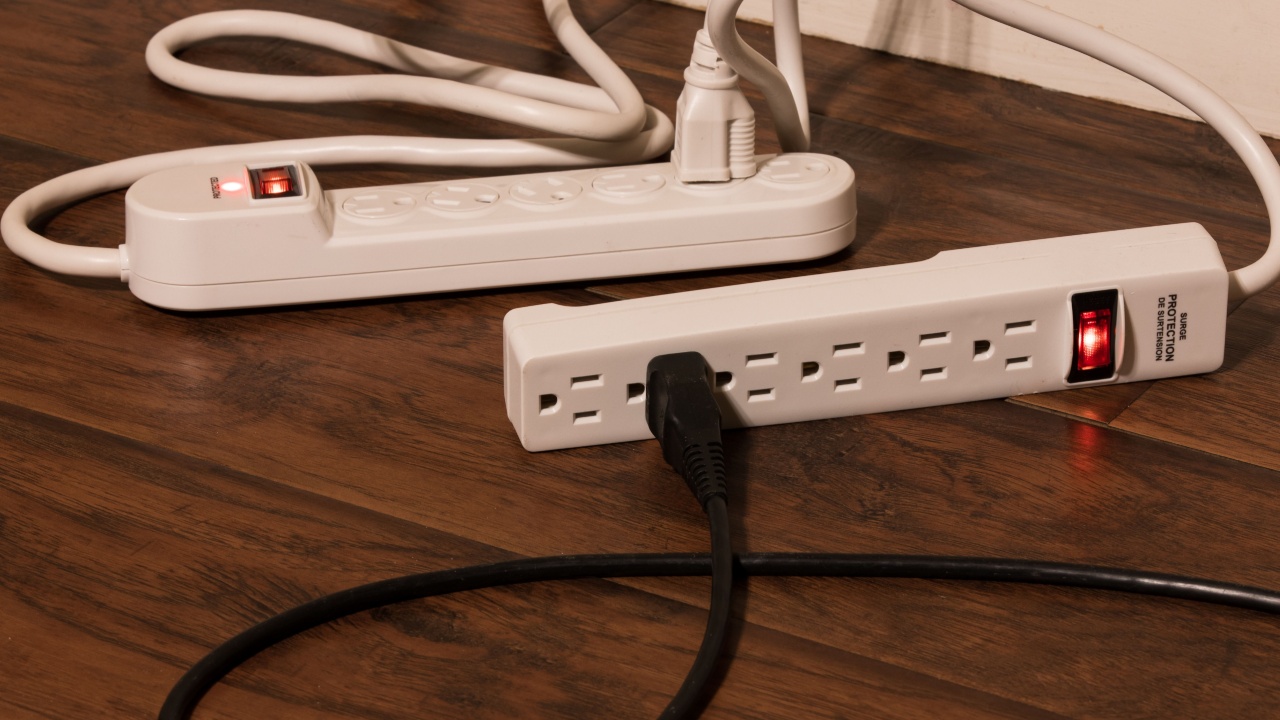
Electronics often use electricity even when they seem off. This is called standby power or vampire load. Devices like TVs, gaming consoles, and computers stay in standby mode, quietly using energy all day. This waste can add up to 10% of your monthly electric bill.
To stop this, use a smart power strip. It lets you turn off multiple devices with one switch, so they don’t waste energy when you’re not using them. It’s an easy way to save electricity and lower your bill.
2. Seal the Air Leaks
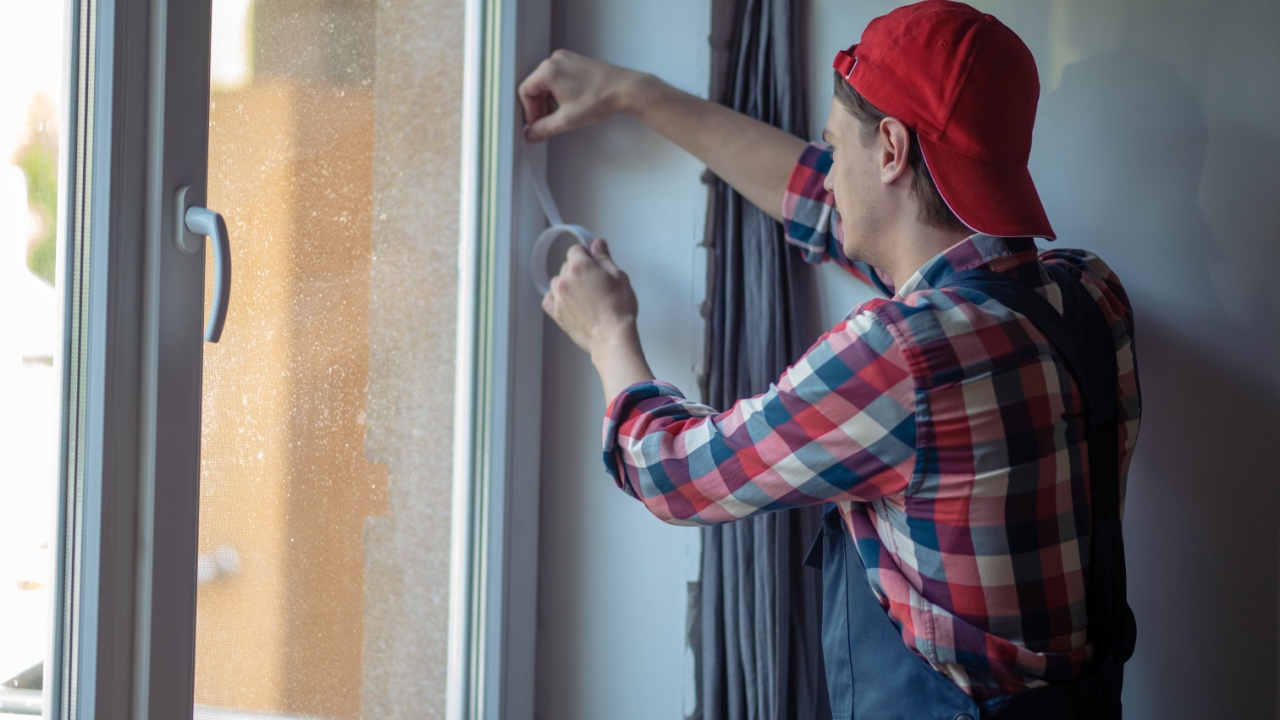
Heating and cooling systems work much harder when conditioned air escapes through cracks and crevices. Drafty windows and doors act like open wallets. They let expensive warm air out in winter and cool air out in summer. Sealing these gaps helps the HVAC system run more efficiently and maintains a comfortable indoor temperature.
Inspect window frames and door jambs for drafts. Weatherstripping is an affordable solution that is easy to apply and creates a tight seal. Caulk can fill smaller cracks around stationary components. These minor repairs prevent the furnace or air conditioner from running overtime. It reduces wear on the equipment and lowers monthly energy consumption.
3. Adjust the Water Heater Temperature
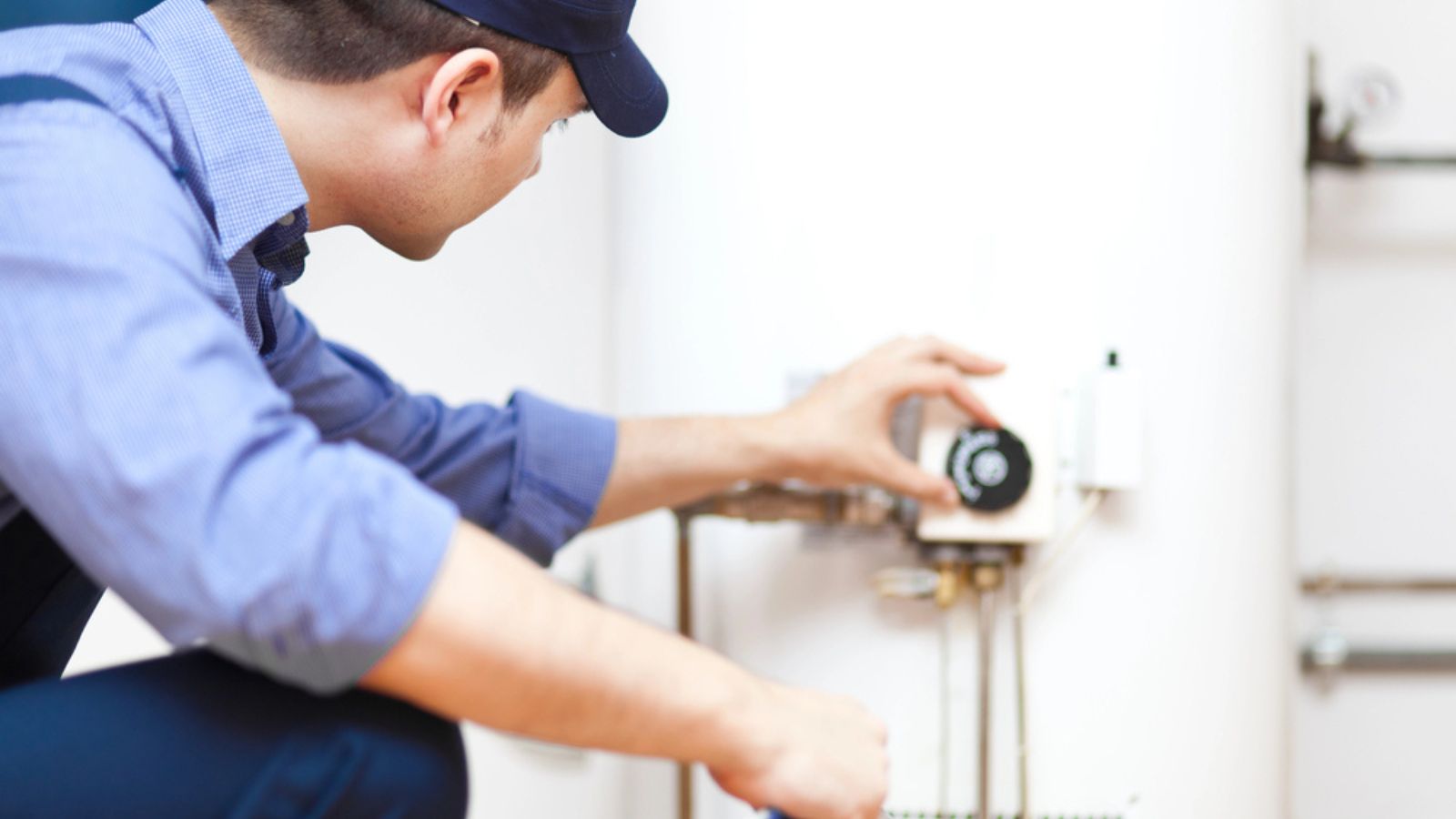
Water heaters are often set to 140 degrees Fahrenheit by default. This temperature is higher than necessary for most households and poses a scalding risk. Maintaining a tank of water at that heat requires a constant input of energy.
Lowering the temperature to 120 degrees Fahrenheit is sufficient for hot showers and clean dishes. This adjustment slows down mineral buildup and corrosion in the tank and extends the life of the appliance. You likely will not notice the difference at the tap. However, the reduction in standby heat loss will be visible on the next energy statement.
4. Master the Art of Meal Planning

Food waste is a budget killer. Buying ingredients with no plan often leads to wilted produce and takeout orders when hunger strikes. Dedicating twenty minutes each week to mapping out meals creates a focused grocery list and stops impulse buys.
Stick to the list. Utilizing leftovers for lunches or freezing them for future dinners stretches the grocery budget further. This habit turns the refrigerator into a well-oiled machine rather than a graveyard for forgotten vegetables.
5. Audit Digital Subscriptions

Streaming services, gym memberships, and monthly boxes accumulate quickly. Many households pay for subscriptions they rarely use. Reviewing bank statements for recurring charges often reveals forgotten expenses.
If a service hasn’t been used in the last month, cancel it. Most platforms allow easy reactivation if missed, but chances are, the extra cash will be more appreciated than the third streaming platform.
6. DIY Cleaning Solutions
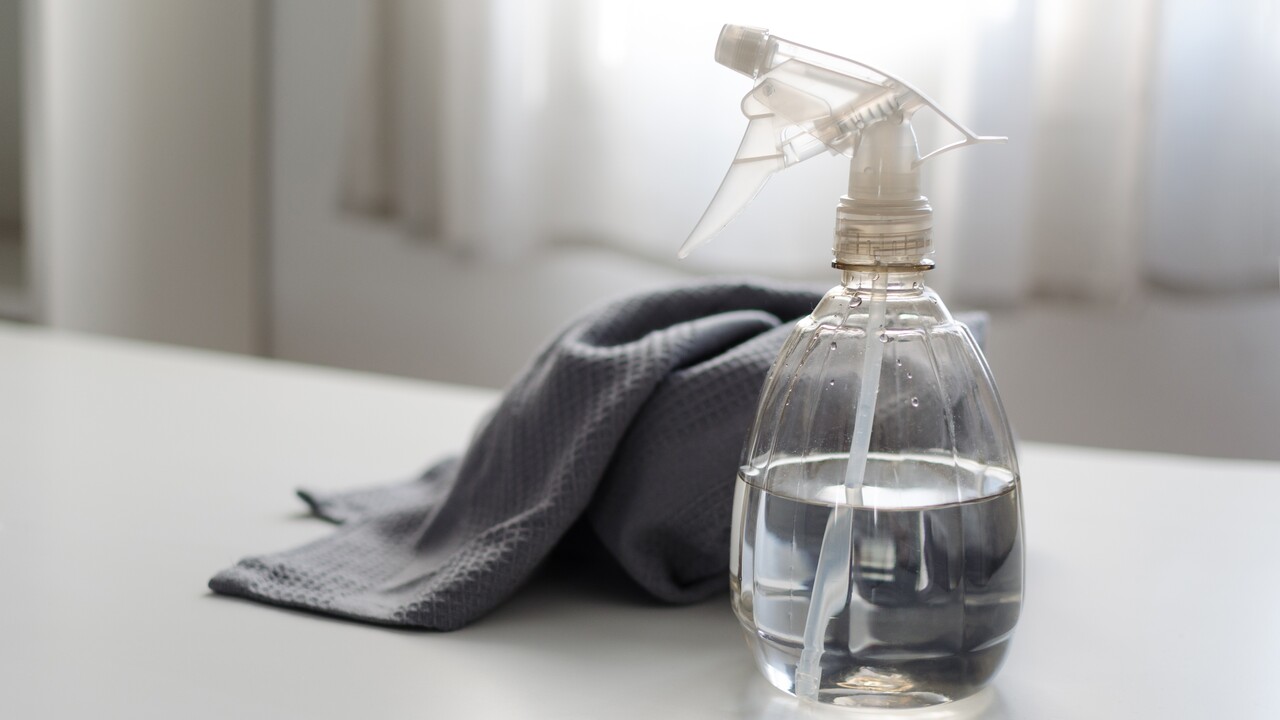
Commercial cleaning products carry a hefty markup for brand names and plastic packaging. Simple pantry staples like white vinegar, baking soda, and lemon juice clean surfaces effectively for a fraction of the price.
Mixing a solution of equal parts water and vinegar creates a multi-purpose spray for counters, windows, and floors. This switch reduces chemical exposure in the home and cuts a recurring expense from the shopping list.
7. Skip the Heated Dry Cycle
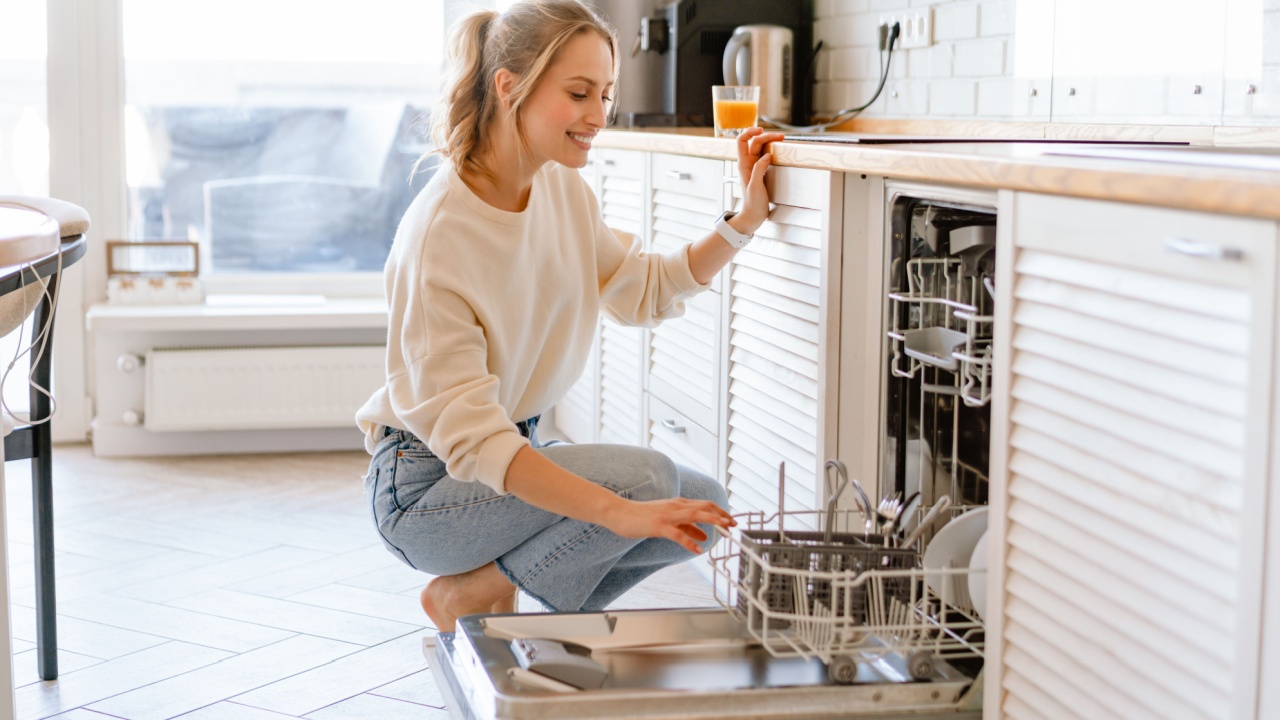
Dishwashers are incredible time-savers. However, the heated dry cycle is a massive energy hog. It uses an electric heating element to bake the moisture off the dishes. This step is largely cosmetic and unnecessary for clean plates.
Open the dishwasher door a crack after the wash cycle finishes to let the dishes air dry. Many modern units have an energy-saving setting that skips the heat automatically. Gravity and evaporation will dry the dishes without costing a cent. This small change to the nightly routine reduces the electricity demand of every load.
Start Saving Today

Reducing household expenses does not have to be complicated or painful. These adjustments fit seamlessly into existing routines and require minimal effort to maintain. Consistency is what transforms these small actions into noticeable financial relief. Review the next few utility bills to track the progress and enjoy the extra room in the budget.