5 States Where Mold Is a Constant Battle
Who doesn’t love enjoying fresh air, whether on the patio, in the backyard, or in a forest? But sometimes that fresh air fights back. You walk outside for a peaceful morning coffee and immediately start sneezing until your eyes water. It turns out that geography plays a massive role in how much mold you breathe every day. Some states are essentially giant petri dishes waiting to ruin your sinus health.
If you live in one of the specific regions listed below, your runny nose is not just a seasonal fluke. Data shows that certain areas have significantly higher mold spore counts due to humidity, agriculture, and climate patterns. We will look at the top five offenders and discuss practical ways you can defend your home and sinuses from the invasion.
1. Kansas

Kansas tops the charts with a staggering mold count of 68, and the wind is largely to blame. The state sits right in a path where air currents sweep up spores from agricultural fields and carry them across vast distances. Farming practices disturb the soil and release fungi into the air, while the flat terrain allows these irritants to travel for miles without obstruction. Summer humidity mixes with these airborne particles to create an environment where mold thrives outdoors and easily finds its way inside your home.
Residents here need to take air filtration seriously if they want any relief. A high-quality HEPA air purifier is a necessary appliance rather than a luxury item in this environment. You should also keep windows closed on windy days to prevent spores from drifting inside and settling on your furniture or carpets. While you cannot control the agriculture or the wind, you can control the air quality inside your living room by creating a sealed and filtered sanctuary.
2. New York
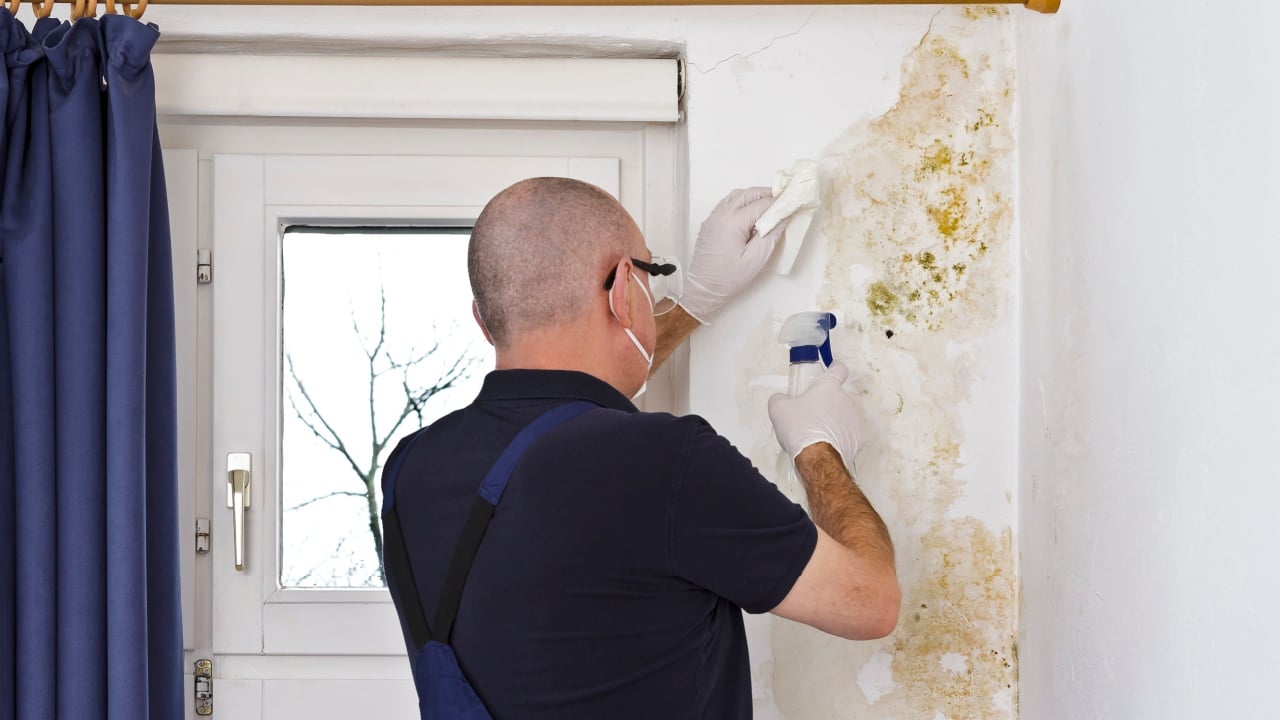
New York comes in second with a score of 63, proving that mold loves the East Coast just as much as the Midwest. The state experiences high humidity levels throughout the summer, which creates damp conditions perfect for fungal growth. This combination of humid weather and aging buildings means mold often grows unnoticed behind walls or under floorboards until the smell becomes undeniable.
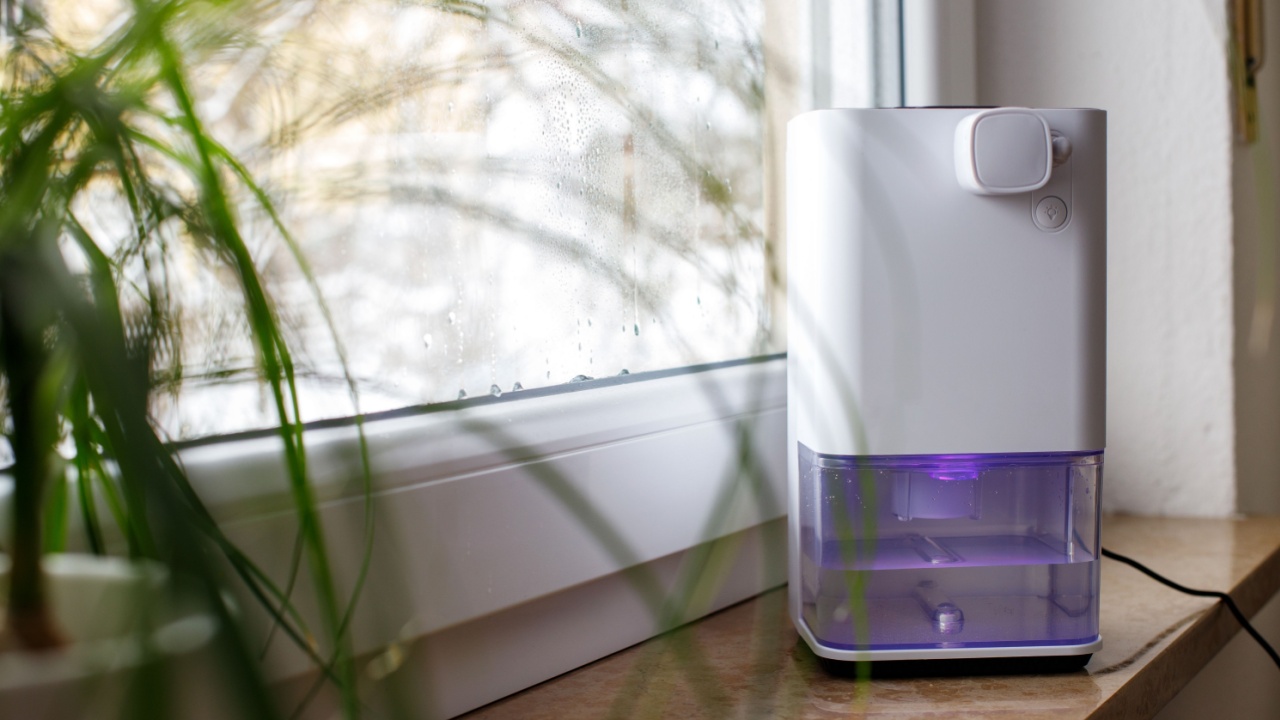
Battling mold here requires vigilance regarding indoor moisture levels. Investing in a hygrometer to monitor humidity is a smart move for any New York homeowner. If the reading consistently stays above 50 percent, you need to run a dehumidifier to dry out the air. Pay special attention to basements and bathrooms, as these areas are notorious for trapping moisture.
3. New Jersey
The Garden State takes third place with a score of 61. New Jersey experiences a climate characterized by heavy rainfall and humid summers, keeping the ground and air moist for extended periods. This constant dampness allows mold to colonize exterior surfaces quickly before migrating indoors through vents or open windows.
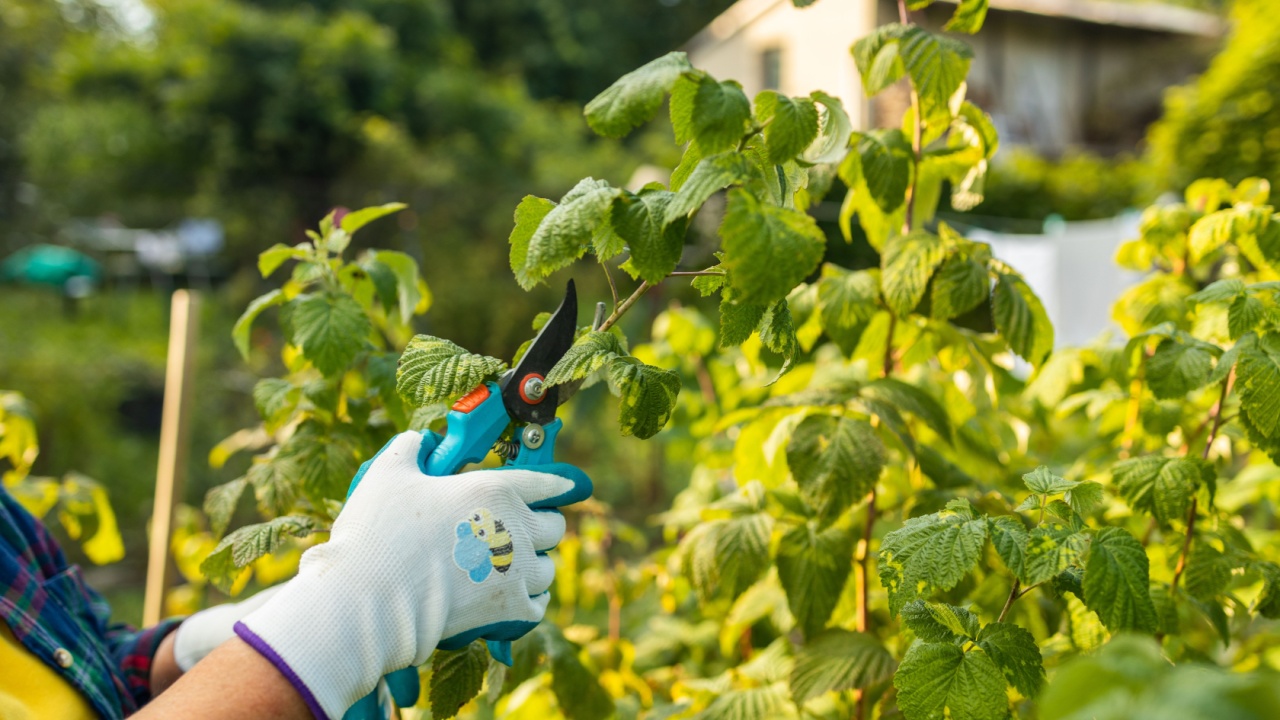
Landscaping maintenance is your first line of defense in New Jersey. Trim back bushes and trees that touch your house to improve airflow and allow sunlight to hit the exterior walls. Inside, you should use exhaust fans in the kitchen and bathroom every time you cook or shower to vent steam outside immediately.
4. Rhode Island
Rhode Island might be small, but it packs a punch with a mold score of 59. As a coastal state, it deals with constant moisture from the ocean, which keeps the ambient humidity high year-round. This maritime climate means that everything from your deck furniture to your attic insulation is constantly exposed to damp air.
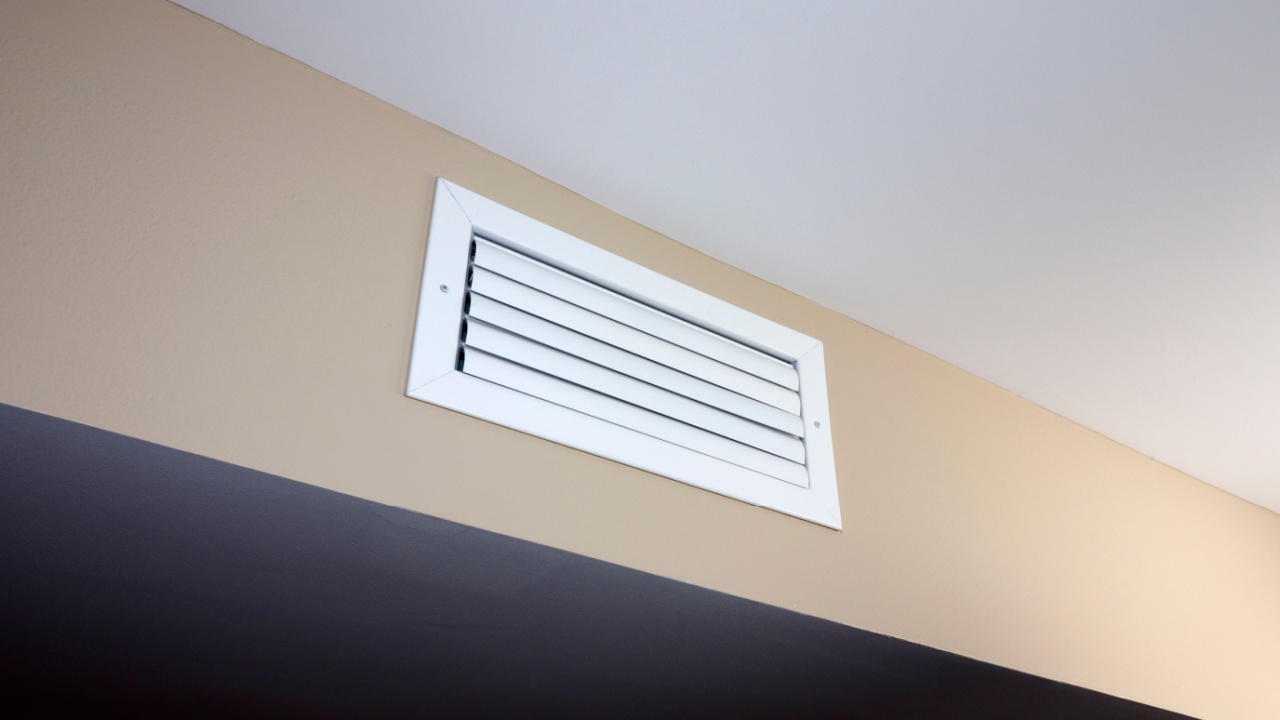
Effective moisture control in Rhode Island often comes down to proper ventilation and air circulation. You must verify that your attic and crawl spaces have adequate vents to let damp air escape rather than settle on wood and insulation. Using moisture-absorbing products in closets or small rooms can also help reduce the risk of mildew ruining your clothes and shoes.
5. Kentucky
Kentucky rounds out the top five with a score of 57, thanks largely to its geography and river valleys. The state experiences hot, humid summers where the air feels heavy and stagnant, trapping allergens and spores close to the ground. The Ohio River Valley is particularly notorious for retaining moisture and pollutants, creating a soup of irritants that hangs over the region.
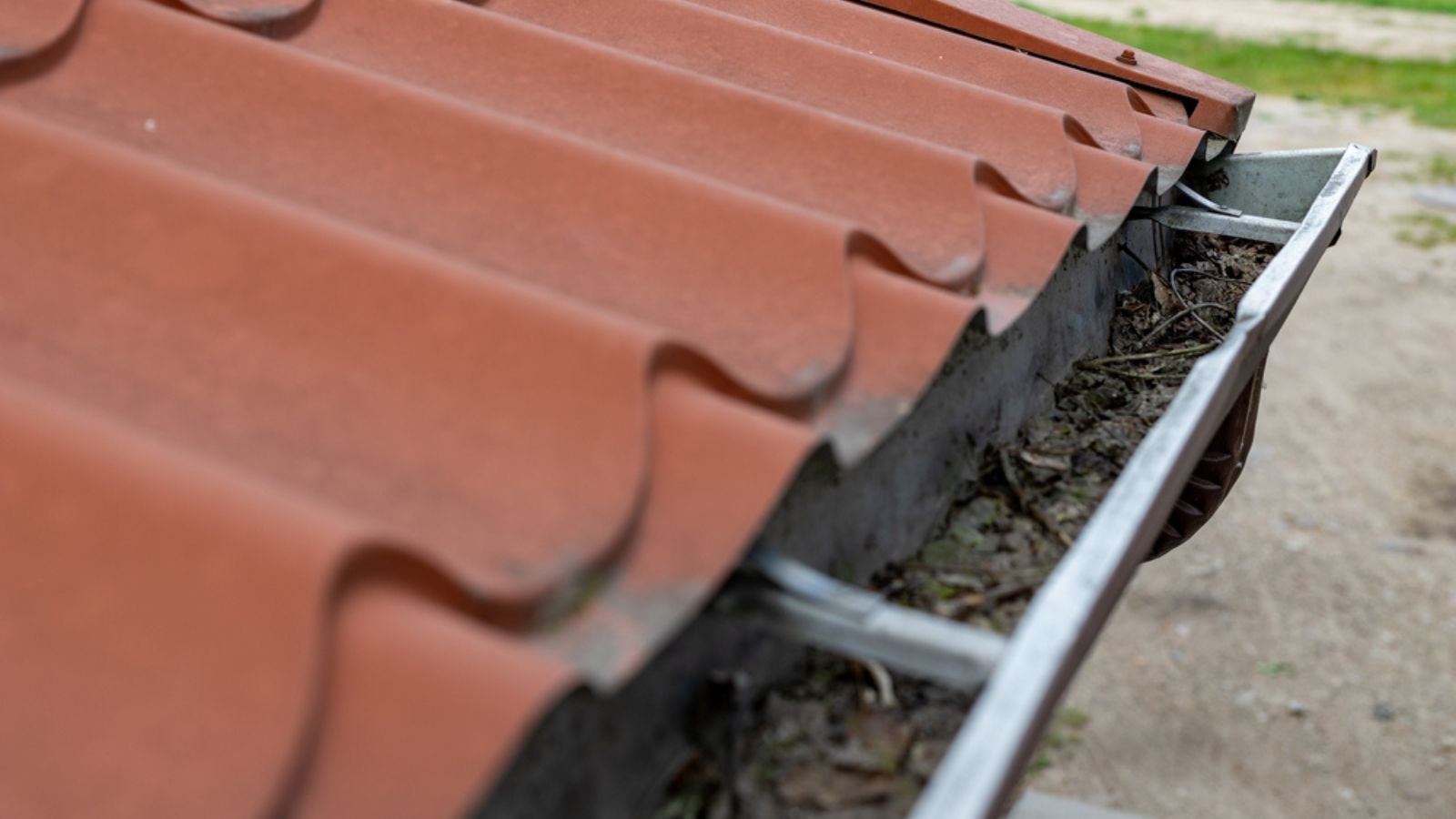
Homeowners in Kentucky should focus on drainage and gutter maintenance to keep water away from their foundations. Make sure that downspouts extend at least five feet away from the house so rainwater does not pool near the basement. Inside the home, frequently cleaning air ducts and replacing HVAC filters helps catch the spores that inevitably enter from the outside.
What to Do About It
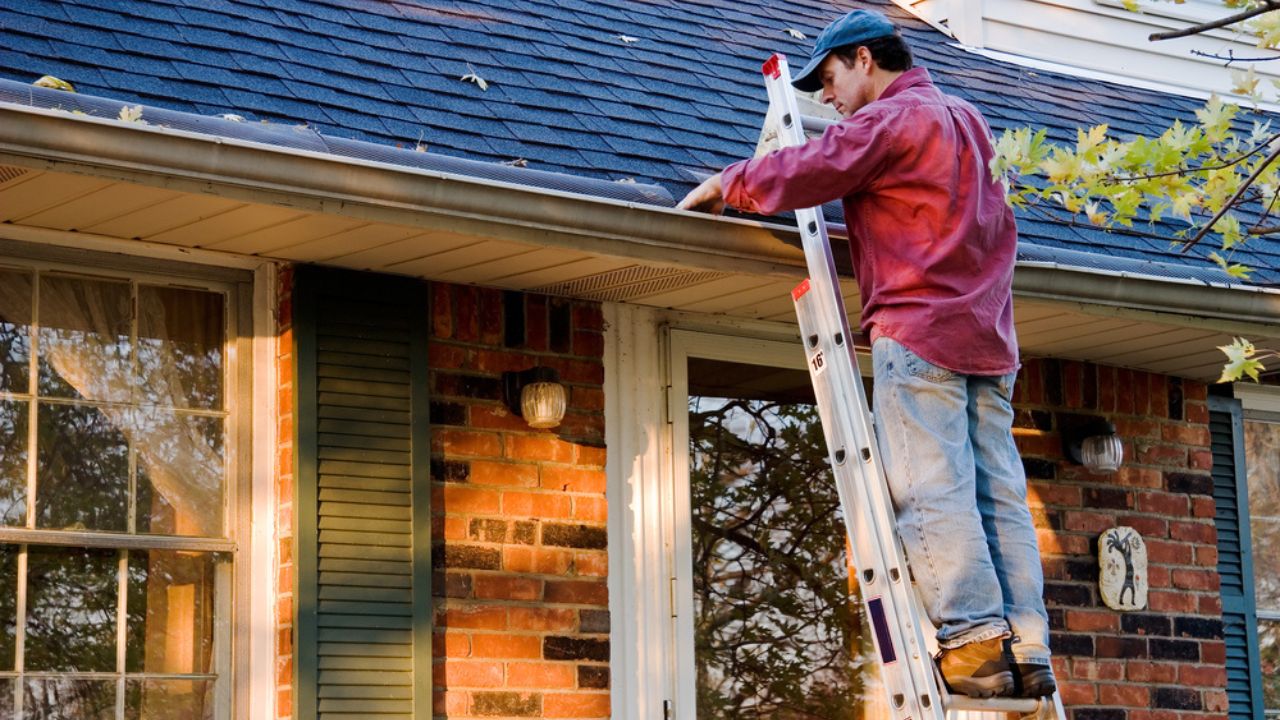
Do you know the signs of mold in your home? These include visual cues, smells, and changes in your health. Living in these states does not mean you are doomed to a life of congestion. The shared factor across all these regions is moisture control. Mold needs water to survive, so starving it of dampness is the most effective way to reclaim your home.
Start by conducting a thorough audit of your home for any standing water or leaks. Even a small drip under the sink can feed a large mold colony. Check your dryer vent to confirm it exhausts outside and is not clogged with lint, which holds moisture. Finally, consider removing carpet in basements or bathrooms where humidity levels fluctuate, as fabric holds spores that vacuuming misses. You might not be able to change the weather in your state, but you can certainly change the climate inside your house.