Winter Walkway Safety: 4 Lawn-Friendly Tricks for Grippier Paths
Winter transforms the world into a sparkling wonderland, but it also turns driveways and sidewalks into treacherous ice rinks. While the instinct might be to grab the nearest bag of rock salt to melt the danger away, that quick fix comes at a cost. Salt run-off is notoriously harsh on lawns and garden beds, leaving brown patches and damaged soil in its wake come spring.
You don’t have to sacrifice safety for a green lawn. There are effective, garden-safe alternatives that provide traction without the chemical burn. These methods focus on adding grip rather than melting, keeping both your visitors safe and your plants happy.
1. Coarse Sand

Sand is the gold standard for eco-friendly traction. Unlike salt, it doesn’t chemically react with the ice or lower the freezing point of water. Instead, it sits on top of the slick surface to provide friction. This simple, mechanical action makes it incredibly effective for instant grip on sidewalks, driveways, and even wooden decks.
When selecting sand, avoid the fine-grain variety used in children’s sandboxes. While soft, it doesn’t offer enough bite on hard ice. Look for “mason’s sand” or “builder’s sand,” which has a coarser, grittier texture. This roughness is exactly what you need to create a non-slip surface.
2. Bird Seed

It sounds unconventional, but bird seed is a surprisingly effective way to add traction to icy steps. The seeds create a textured layer that boots can grip onto, preventing slips. It is completely natural, non-toxic, and safe for pets and children. Plus, it provides a much-needed snack for local birds during the scarce winter months.
However, you should use this method strategically. Avoid using bird seed near the entrance to your home, as the small seeds are easily tracked indoors and can be a hassle to clean out of carpets. It is best suited for garden paths or secondary walkways. Also, be aware that come spring, any uneaten seeds might sprout. A quick weeding or mowing usually takes care of this, but it is something to keep in mind.
3. Sawdust or Wood Chips
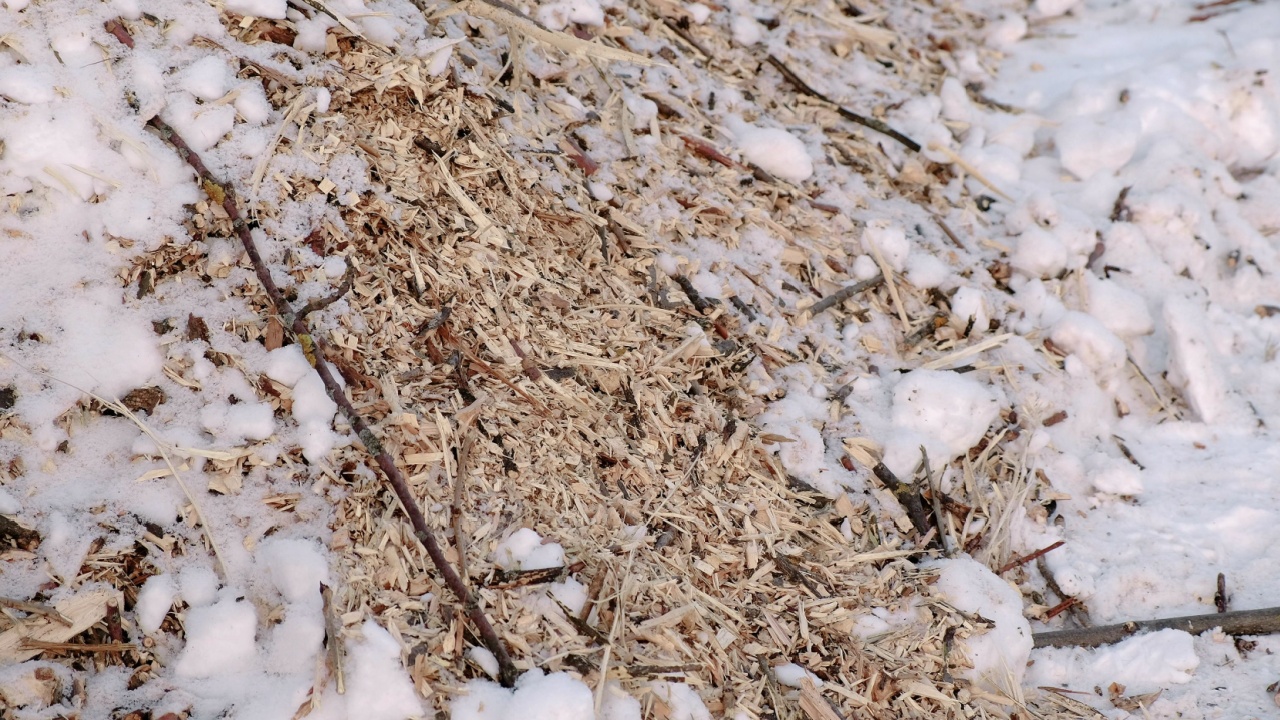
If you have a workshop or a woodpile, you likely have a free source of traction material on hand. Sawdust and small wood chips work similarly to sand by absorbing some surface moisture and providing a rough texture for shoes to grip. They are natural, biodegradable, and won’t harm your lawn or garden beds if they get shoveled onto the grass.
Wood chips are particularly effective for thicker ice, where the meltwater might sweep up finer materials. They sit higher on the surface, offering sustained grip. Just be mindful that wood absorbs water, so if it rains and then freezes hard, the chips themselves can become part of the ice. This method requires a bit more monitoring and reapplication than sand.
4. Alfalfa Meal
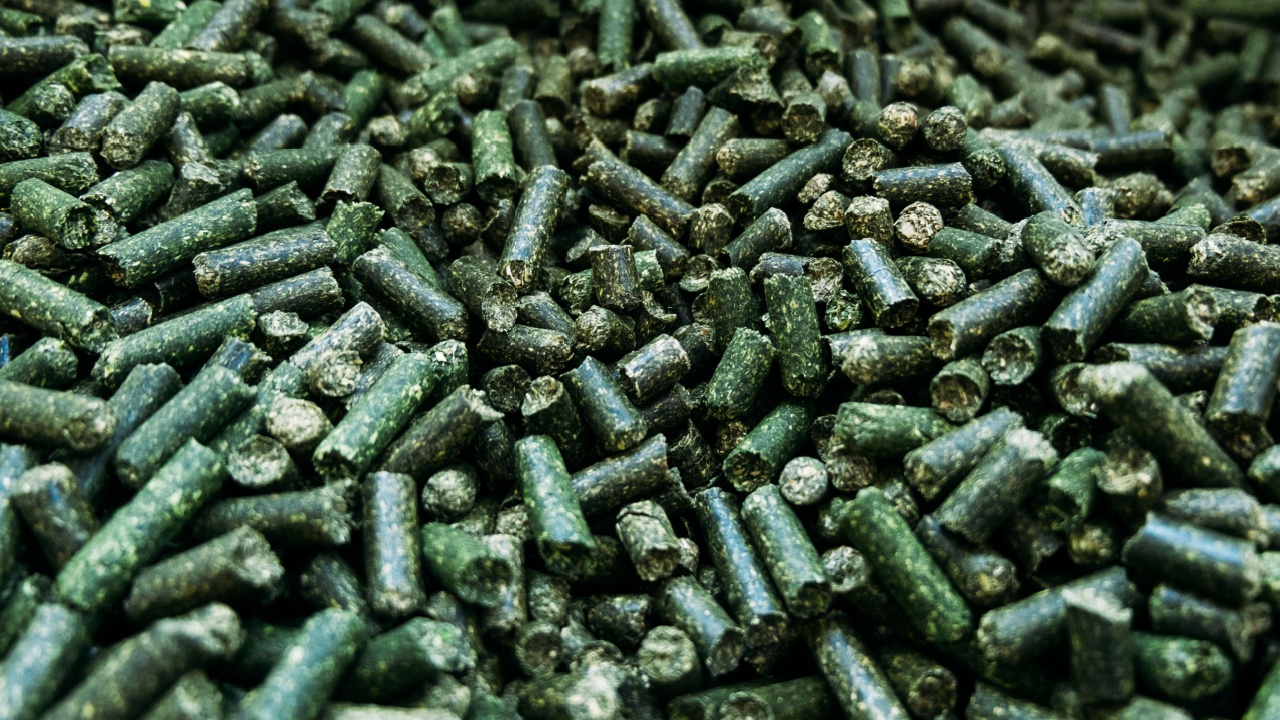
Alfalfa meal is a great dual-purpose option. Its grainy texture provides traction, and its high nitrogen content fertilizes your lawn when the ice melts.
It is entirely safe for pets and children, won’t sprout weeds like birdseed, and is less messy than coffee grounds. While more expensive than sand, its safety and garden benefits make it ideal for small areas like front steps.
Safely Winter-Proof Your Home
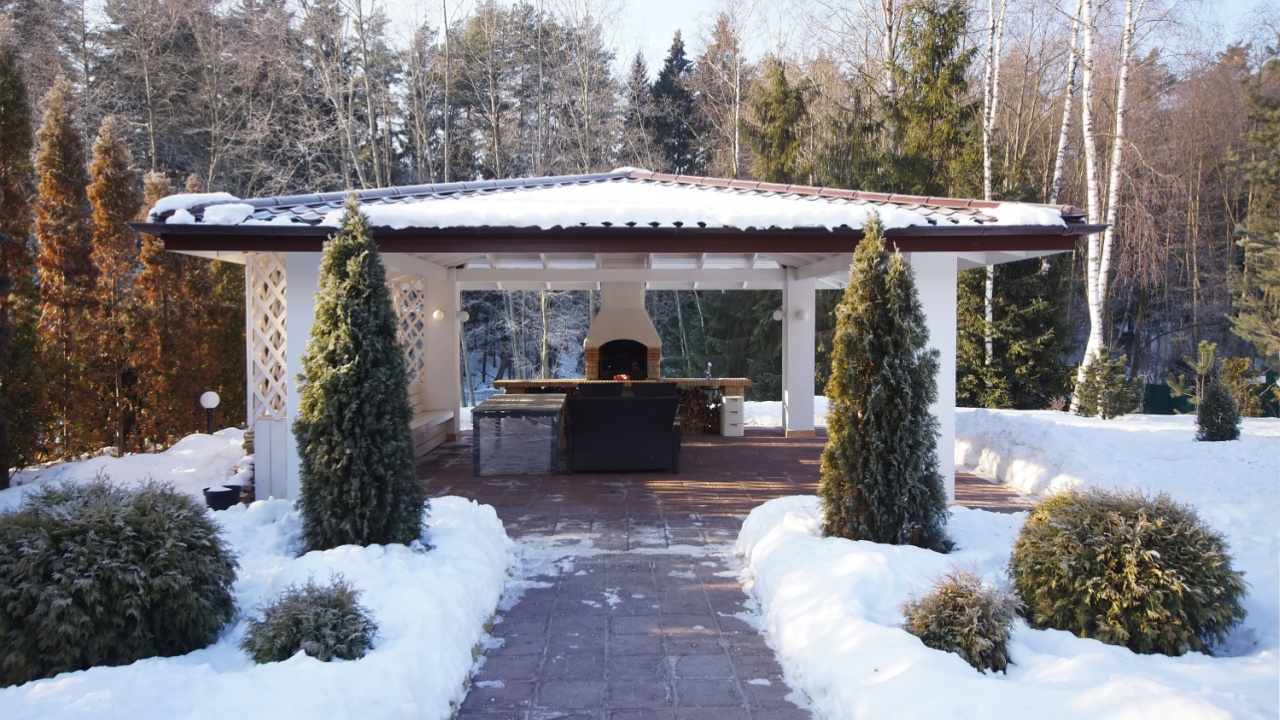
Keeping your walkways safe doesn’t have to be a battle against nature. By choosing these natural alternatives, you protect your visitors from falls and your landscape from chemical damage.