13 Cancer-Linked Ingredients Lurking in an American Pantry
We often stress about the obvious cancer risks like smoking, too much sun exposure, and genetic predisposition, but a less apparent threat may be lurking right at home in your pantry. Everyday food ingredients, often masked in heavily processed and packaged products, have been linked to an increased cancer risk.
This isn’t about defaming specific foods or brands. It’s about empowering you to make informed and educated choices about what you put in your body. By understanding the possible risks associated with certain ingredients, you can take proactive steps to protect your health and well-being.
This article reveals 13 common food ingredients that have raised red flags in the scientific and medical community. These foods should be avoided or only be consumed in moderation to reduce the risk of cancer in the long term.
1. Processed Meats

Processed meats like bacon, hot dogs, sausage, and deli meats are often brimming with nitrates and nitrites. These preservatives, responsible for that appealing pink hue and extended shelf life, transform into nitrosamines within our bodies. Unfortunately, nitrosamines are classified as carcinogens.
The World Health Organization has categorized processed meats as Group 1 carcinogens, meaning there’s strong evidence linking them to cancer in humans. To safeguard your health, consider limiting your consumption of processed meats and exploring fresh, unprocessed alternatives.
2. Artificial Sweeteners
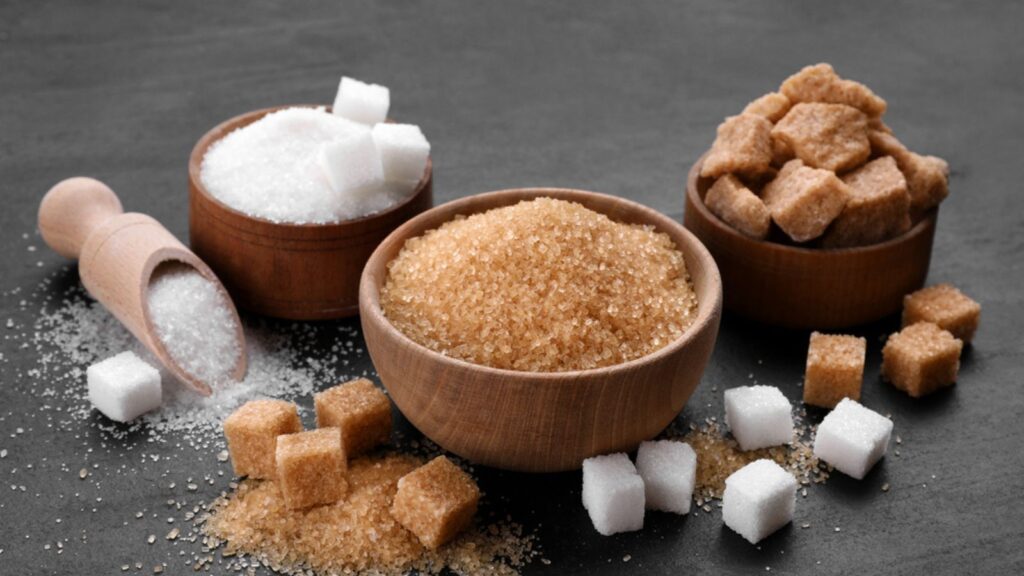
Artificial sweeteners like aspartame (Equal, NutraSweet), sucralose (Splenda), and saccharin (Sweet’N Low) are often marketed as guilt-free sugar substitutes. However, some studies have raised concerns about their potential links to cancer, particularly bladder cancer.
While more research is needed to confirm these connections, erring on the side of caution is a prudent approach. Limit your intake of artificial sweeteners and consider natural alternatives like honey, maple syrup, or stevia. Alternatively, reduce your overall sugar consumption.
3. Refined Carbohydrates

Refined carbohydrates, found in white bread, white rice, pastries, and sugary cereals, have been stripped of their fiber and nutrients during processing. This can lead to rapid spikes in blood sugar and insulin levels, potentially creating an environment that promotes the growth of cancer cells.
To mitigate this risk, opt for whole-grain alternatives like brown rice, quinoa, and whole-wheat bread, which retain their fiber and nutrients. These complex carbohydrates are digested slowly, helping to maintain stable blood sugar levels and potentially reducing cancer risk.
4. Hydrogenated Oils

Hydrogenated oils are a type of trans fat often used in processed foods like margarine, crackers, and baked goods to extend shelf life and enhance texture. However, trans fats have been linked to a heightened risk of heart disease, stroke, and certain cancers.
Take the time to read labels carefully and steer clear of products listing “partially hydrogenated oils” in the ingredients. Instead, choose healthier fats like olive oil, avocado oil, or those found in nuts and seeds, which offer a plethora of health benefits without the harmful effects of trans fats.
5. Artificial Food Coloring

Artificial food coloring, used to make processed foods more visually appealing, comes with a potential health cost. Studies have linked certain food dyes, such as Red 40 and Yellow 5, to hyperactivity in children and raised concerns about their potential to promote cancer.
While more research is needed to establish a definitive link between artificial food coloring and cancer in humans, it’s wise to exercise caution. To minimize potential risks, opt for foods with natural coloring or those free of artificial dyes.
6. Potassium Bromate

Potassium bromate is a chemical additive used to strengthen dough and improve its rising ability. However, the International Agency for Research on Cancer (IARC) has classified it as a possible carcinogen.
Potassium bromate is primarily found in commercially baked bread. Seek out bread labeled as “bromate-free” or choose artisanal bread made without this potentially harmful additive. Your taste buds and your body will thank you.
7. Butylated Hydroxyanisole (BHA) and Butylated Hydroxytoluene (BHT)

BHA and BHT are common preservatives in cereals, chips, chewing gum, and other processed foods to extend shelf life and prevent spoilage. Animal studies have raised concerns about their potential to cause cancer, although the evidence in humans is less clear.
With the lack of confidence surrounding the effect these ingredients have on the human body, it is best to limit your intake of foods containing BHA and BHT. Choose fresh, whole foods whenever possible, and prioritize minimally processed options when reaching for packaged goods.
8. Rancid Oils
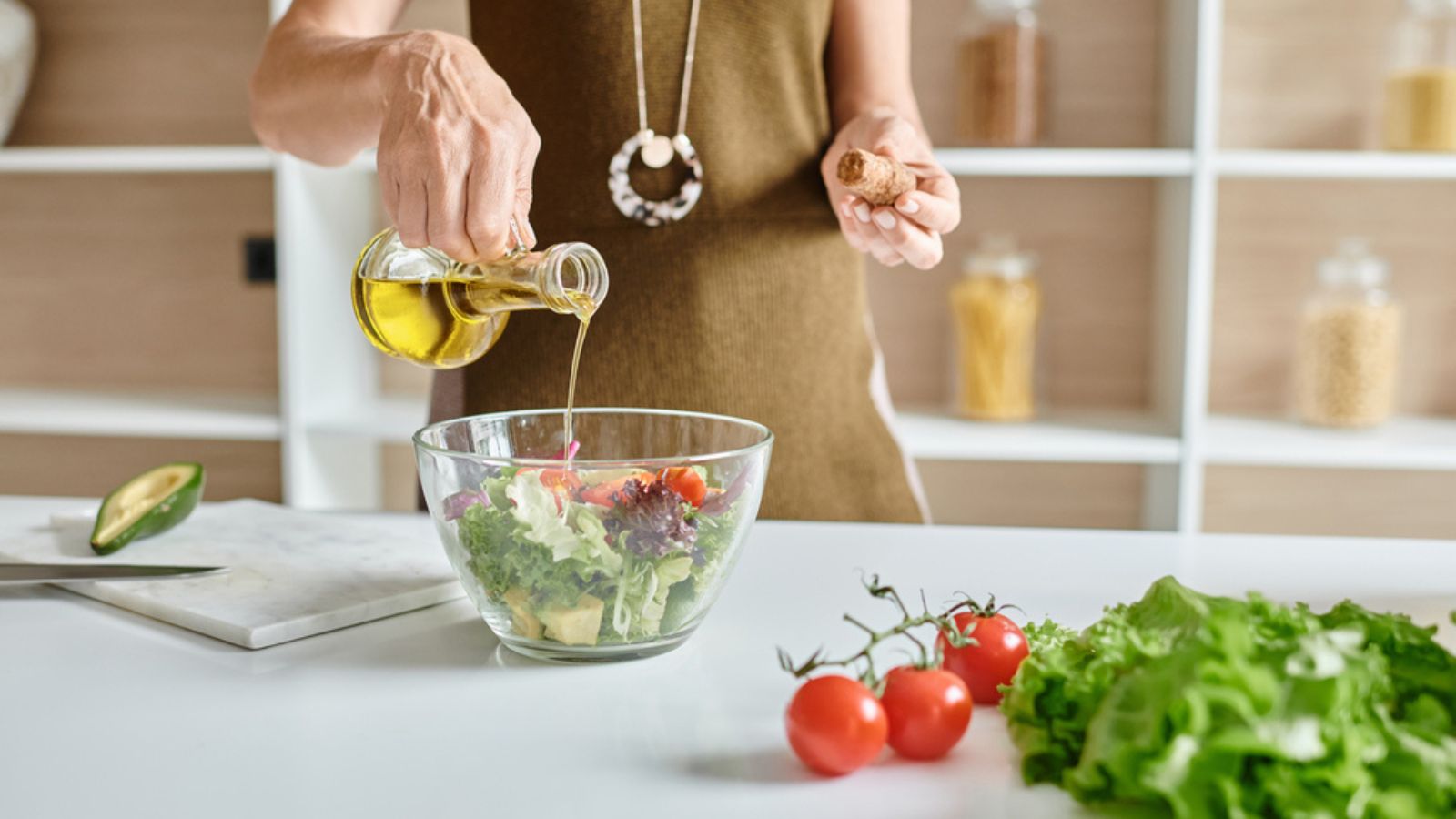
Rancid oils, whether vegetable, seed, or nut oils, can contain harmful compounds like lipid peroxides and aldehydes, which have been linked to oxidative stress and inflammation. These processes can damage cells and contribute to the development of chronic diseases, including cancer.
To avoid rancid oils, store oils in a cool, dark place and use them within their recommended shelf life. Choose cold-pressed oils whenever possible, as they are less likely to become rancid.
9. Acrylamide
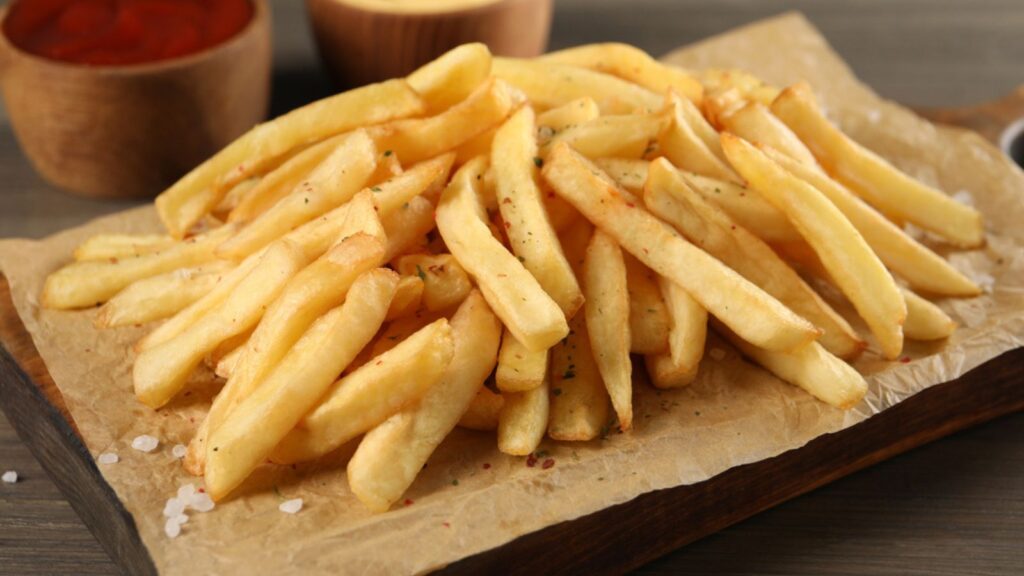
Acrylamide is a chemical that forms naturally in starchy foods like potatoes, bread, and coffee when they are cooked at high temperatures (frying, roasting, baking). Studies have shown that acrylamide can cause cancer in animals, and the IARC considers it a “probable human carcinogen.”
To minimize your exposure to acrylamide, avoid overcooking starchy foods. Opt for boiling or steaming instead of frying or roasting, and choose lighter toast over darker toast.
10. Heterocyclic Amines (HCAs)

HCAs are chemicals that form when muscle meat (beef, pork, poultry, fish) is cooked at high temperatures, such as grilling, pan-frying, or broiling. These compounds have been linked to an increased risk of several types of cancer, including colon, stomach, and breast cancer.
To reduce HCA formation, marinate meats before cooking, cook at lower temperatures, and avoid charring. Additionally, choose lean cuts of meat and remove visible fat before cooking.
11. Polycyclic Aromatic Hydrocarbons (PAHs)

PAHs are chemicals that form when meat is cooked over an open flame or exposed to smoke. They have also been linked to an increased risk of cancer, particularly lung and skin cancer.
To minimize your exposure to PAHs, avoid charring meats and limit your consumption of smoked foods. When grilling, use lean cuts of meat, marinate beforehand, and cook over indirect heat.
12. Titanium Dioxide

Titanium dioxide is a white pigment used in various products, including candies, chewing gum, coffee creamers, and even some sunscreens. Some studies have raised concerns about its potential to cause cancer, particularly in nanoparticle form.
While more research is needed to understand the risks associated with titanium dioxide, it’s advisable to limit your exposure by choosing products without this additive or opting for brands that use non-nano titanium dioxide.
13. Alcohol

While moderate alcohol consumption has been associated with certain health benefits, excessive alcohol intake has been linked to an increased risk of several types of cancer, including mouth, throat, liver, breast, and colorectal cancer.
If you choose to drink alcohol, do so in moderation. Limit your intake to the recommended guidelines: one drink per day for women and two drinks per day for men.